By Sabiu Abdullahi
Concern over the circulation of fake and substandard products has intensified across Nigeria, with consumers, medical experts, lawyers and public affairs commentators demanding tougher action from regulatory authorities.
The National Agency for Food and Drug Administration and Control (NAFDAC) and the Standards Organisation of Nigeria (SON) have faced renewed scrutiny after Nigerians used social media platforms to share reports of suspected counterfeit food, medicines, cosmetics and other household products.
Although some of the claims circulating online have not been independently verified, the reports have heightened fears about the safety of products available in Nigerian markets and raised questions about the effectiveness of existing regulatory measures.
Social media users on X, TikTok and Instagram have recently posted videos comparing suspected fake products with original ones. The posts have covered toothpaste, yoghurt, palm oil, drinks, medicines and other commonly used items.
Doctors, content creators and other members of the public have also shared tips on how consumers can identify suspected counterfeit goods.
One widely circulated case involved Oral-B toothpaste. A Nigerian doctor, Somto Okonkwo, posted a comparison of genuine and suspected counterfeit tubes, pointing to differences in packaging, seals, texture, transparency and taste.
Okonkwo said he visited between five and seven shops where counterfeit versions were available, with some sellers unaware that the products were fake.
He also explained that genuine toothpaste commonly uses safe glycerine, while some counterfeit products could contain diethylene glycol, a toxic chemical.
The video received further attention after it was shared by UK-based Nigerian physician, Dr Olufunmilayo Ogunsanya.
Similar concerns emerged over Hollandia yoghurt after videos circulated online that purportedly showed the product being packaged in unhygienic conditions.
Other social media users also compared genuine and suspected fake yoghurt by examining differences in thickness, creaminess and barcodes.
On September 4, Ogunsanya shared photographs of two paracetamol tablets allegedly produced by the same company but showing noticeable differences in colour.
He warned that consumers might only identify the difference when the tablets were placed side by side, stating that “one is fake, or both are fake”.
He also criticised NAFDAC, alleging that the agency “has killed thousands of people by failing to do their job.”
Other complaints circulating online have included allegations of dyed palm oil, painted apples, fake soy sauce and olive oil, substandard chicken and fish, fake water and soft drinks, counterfeit alcoholic beverages and suspected fake toothpaste.
An X user, Oluwole Olofintuyi, @OluOlofin1, described the reported scale of counterfeit products as disturbing.
“Wherever you go: fake milk, fake yoghurt, fake bread, fake palm oil, fake/plastic rice, fake medicines, fake toothpaste, fake baby formulas, fake beverages, fake toothbrushes, fake bottled and sachet water, fake vehicle parts, fake tyres,” he wrote.
Olofintuyi alleged that some regulatory officials, distributors and importers could be involved in the circulation of counterfeit goods. He also accused NAFDAC and SON of failing Nigerians.
Another X user, Chinedu Samuel, @Chimextech, questioned the effectiveness of NAFDAC.
“Where is NAFDAC in all of this? What they are concerned about is sachet alcohol, no focus. That’s the result of nepotistic appointments,” he wrote.
Uche Samuel said reports about counterfeit toothpaste had increased his concerns about the safety of ordinary consumer products.
Mac Araga also alleged that regulatory agencies were placing greater emphasis on revenue generation than their primary responsibilities.
Another contributor, Abou Opeyemi, called for cooperation among relevant government agencies.
“We blame only NAFDAC, what is SON doing? What about CPC? Let them collaborate, even with NDLEA and the police. They should declare a state of emergency on fake drugs,” Abou Opeyemi wrote.
NAFDAC’S RECENT SEIZURES
NAFDAC has carried out several operations against counterfeit and unregistered products.
In February 2026, the agency said it confiscated more than 10 million doses of fake malaria medicines and other pharmaceutical products at the Lagos Trade Fair Market.
The agency also discovered warehouses inside an uncompleted building in Apapa, Lagos, where banned, counterfeit and unregistered medicines valued at more than N3bn were stored.
Among the items reportedly discovered were prohibited injectable anti-malaria drugs, antibiotics, sachet medicines and blister-packed drugs, alongside perfumes, body oils and cooking oils.
NAFDAC had also stated in 2025 that about 30 per cent of medicines sold in open markets were fake or substandard.
In March 2025, the agency seized and destroyed confiscated medicines estimated at N1tn during operations in major drug markets, including Onitsha, Ogbo-Ogwu and Aba, Ekumi/Tenant Road.
‘COUNTERFEIT PRODUCTS CAN DAMAGE ORGANS’
The Director of Medical Services at the Medical Centre of the Federal College of Education, Akoka, Lagos, Dr Rotimi Adesanya, warned that fake medicines, food and drinks could contain harmful substances capable of damaging vital organs.
He said, “Some of the health hazards, such as liver failure, kidney failure, heart problems and even infertility and low sperm count, that are endemic in our society now are as a result of the usage of counterfeit products because of the chemicals in them.”
Adesanya attributed part of the problem to economic hardship, saying poverty could push consumers towards cheaper products.
He also explained the difference between an expiry date and a “best before” date.
“Most of them put ‘best before’ on the products, which is different from an expiry date. The expiry date means that once it is expired, it cannot fully perform the purpose for which it was produced. Whereas, best before means you get the best part of that product before the particular day.
“The reason for this is that some products disintegrate if they are left for some time. Some of them may lose moisture or the chemicals in them, depending on how they are stored.
“While expired drugs may not actually kill a person, they will not do the work they were intended to do because the potency of the drug will have reduced with time.”
He urged NAFDAC to increase surveillance and conduct regular checks on products displayed for sale.
“As a result of counterfeiting that is happening in the public, including local products like palm oil, the chemicals used for them are destroying organs. Some of them cause renal failure, which is shutting down the kidneys. They can shut down the liver, and that’s why NAFDAC has to be on top of its game.
“NAFDAC should do routine checks and analyses of these products, which they normally do in their industry. They must go on surveillance from time to time. They must check all the products on the shelves randomly. They must continue to see if they have expired or are still effective.
“Also, counterfeiting usually happens with expensive products because they are not affordable to people. The public should look for products from different brands,” Adesanya said.
A former Chairman of the Nigerian Medical Association, Lagos State, Dr Saheed Babajide, blamed weak enforcement for the continued circulation of fake medicines.
He said, “It is unfortunate that governments have allowed this issue to go on for a very long time. You will recall that NAFDAC recently went to Idumota in Lagos and Aba in Abia State to close some shops. Despite that, it still continues because there is no regulatory body whatsoever and the law enforcement agencies are not doing what they are supposed to do.”
Babajide said counterfeit medicines could result in renal damage, kidney and heart complications and mental health problems.
He added that ineffective medicines could worsen pressure on Nigeria’s already strained healthcare system because patients might not respond to treatment.
“The use of ineffective or partially effective antimalarial drugs, for instance, can prolong illness and increase the likelihood of hospital admission. This ultimately places an additional financial burden on patients, who may end up spending more on treatment than they would have if they had initially obtained effective medicines. The problem is largely driven by greed and the quest for financial gain by unscrupulous individuals,” Babajide added.
He urged lawmakers to introduce tougher measures against those involved in the distribution of counterfeit medicines.
“What the government should do is to ensure the relevant government agencies and regulatory bodies like NAFDAC and SON carry out their duties. There should be no bail and fine because anybody can be a victim of these counterfeit drugs. This should be treated as a matter of urgency,” he added.
CALLS FOR REFORM OF REGULATORY AGENCIES
A Lagos-based commentator, Segun Odunewu, called for a major reform of NAFDAC, alleging that the agency was no longer doing enough to protect consumers.
“We have not had it this bad until inefficiency crept into NAFDAC. The agency needs a complete overhaul for effectiveness. If not, we will all die of cancer and kidney disease.
“NAFDAC is not the NAFDAC of Dora Akunyili’s era. Her efforts are being wasted,” Odunewu said.
He also demanded greater accountability from the agency’s leadership.
“The NAFDAC Director-General should resign. NAFDAC is now becoming a money-generating agency while neglecting its primary responsibility,” Odunewu alleged.
However, public affairs analyst Adebayo Abubakar argued that abolishing NAFDAC or SON would not address the problem.
“We have NAFDAC to protect us from fake and dangerous food, drugs and other regulated products, and SON to enforce standards and protect consumers from substandard and counterfeit goods.
“These are not ornamental agencies; the law gives them precisely the powers required to police the marketplace,” Abubakar said.
He said counterfeit products remained widespread across Nigerian markets.
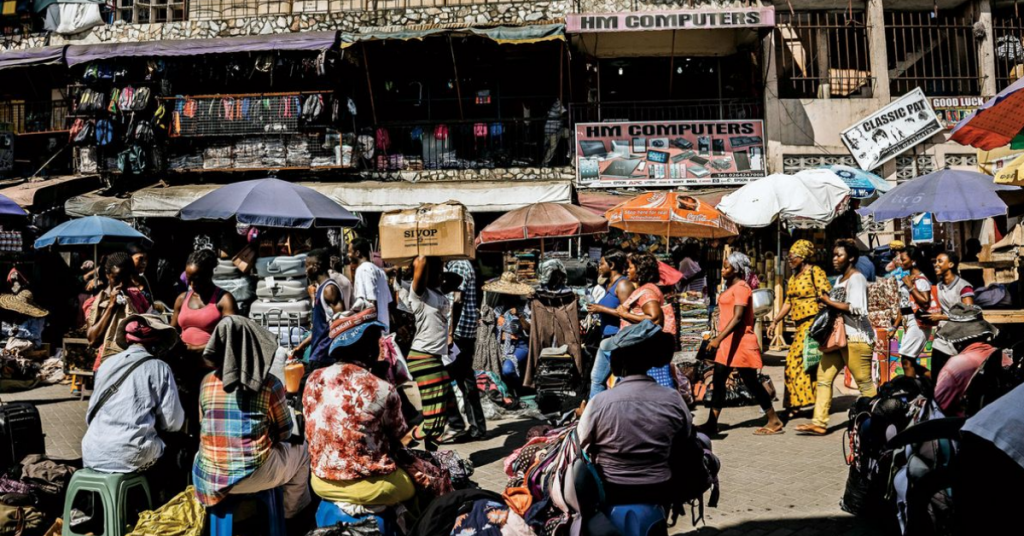
“Walk through Nigerian markets and the uncomfortable truth stares you in the face: counterfeit medicines, adulterated foods, fake electrical products, substandard building materials and imitation consumer goods are everywhere.
“NAFDAC itself has identified counterfeit and falsified products as a continuing problem, while the National Assembly has had to call on NAFDAC and SON to intensify surveillance and enforcement,” Abubakar said.
Another public affairs analyst, Musa Aliyu, advocated a review of the National Policy on the Contamination of Drugs and Unwholesome Practices of Pharmaceuticals.
He said the issue was not limited to medicines and required cooperation among government institutions and communities.
“The National Policy on the Contamination of Drugs and Unwholesome Practices of Pharmaceuticals is quite overdue for review because the issue extends beyond that.
“What we need is partnership in ensuring that communities are aware of the effects of contamination of drugs and unwholesome practices, and that people take the issue of drugs seriously because it is a very big challenge in Nigeria,” Aliyu said.
Aliyu also called for greater decentralisation of NAFDAC’s operations to improve monitoring at the community level.
LAWYERS SEEK TOUGHER PENALTIES
A Lagos-based dispute resolution lawyer, Muhammed Adam, urged the Federal Government to declare a state of emergency on counterfeit and substandard products.
He described the situation as an organised threat to the economy and public health.
“A group of greedy, organised criminals cannot keep poisoning this country while they smile to the bank. What is happening in our markets is not petty trading. It is organised economic and public-health sabotage.
“It should be treated with the seriousness we reserve for terrorism because the outcome is the same: Nigerians are being killed slowly, quietly and profitably,” Adam said.
He said counterfeiters were targeting products that Nigerians depend on for their health and daily needs.
“That means the things we put on our skin, put in our children’s mouths and swallow when we are sick are among the products being most heavily faked,” he said.
Adam referred to seizures by the Nigeria Customs Service involving expired medicines and products with allegedly fake NAFDAC labels. He also cited a reported N53.4bn seizure in the Apapa area and an interception of fake anti-malaria medicines worth N1.2bn.
“People die from malaria that the ‘treatment’ never treated, from antibiotics that never fought infection, from cosmetics loaded with mercury and steroids, and from electrical and auto parts that fail when lives depend on them,” he said.
He warned that the problem could undermine public confidence in essential goods.
“When citizens cannot trust medicine, food or water, the social contract itself is damaged,” he said.
Another lawyer, Ibrahim Adebayo, accused regulatory agencies of losing some of the momentum that characterised earlier campaigns against counterfeit products.
He recalled a period when NAFDAC conducted what he described as a “total war” against counterfeiters, with raids, seizures, arrests and prosecutions.
“What we have now is an alleged collusion between some NAFDAC officials and these criminals. They only issue directives, bark sometimes, and nothing is done afterwards,” Adebayo alleged.
He said Nigerians should see greater results from the public funds allocated to regulatory agencies.
“This is an agency that receives billions of naira yearly through the Federal budget. Nigerians deserve to see the impact of that funding in terms of enforcement, prosecution and the protection of public health,” he said.
Adebayo called for closer cooperation among NAFDAC, SON, the Nigeria Customs Service, the Federal Competition and Consumer Protection Commission and security agencies.
He also urged the government to strengthen surveillance at ports, warehouses, markets and online platforms, while improving intelligence-sharing among agencies.
According to him, counterfeiters were exploiting gaps between regulatory institutions and increasingly using digital platforms to reach consumers.
NAFDAC, SON YET TO RESPOND
Efforts to obtain NAFDAC’s response to the allegations were unsuccessful.
The agency’s Head of Enforcement, Dr Martin Iluyomade, reportedly declined to comment. Calls to his mobile lines were not answered or returned, while WhatsApp messages seeking his reaction had not received a response as of press time.
Attempts to obtain a response from SON were also unsuccessful. A senior official of the organisation, who spoke on condition of anonymity, directed enquiries elsewhere.