INEC

Senate confirms Prof. Amupitan as INEC chairman

By Uzair Adam 

The Senate has confirmed Professor Joash Ojo Amupitan, SAN, as the new Chairman of the Independent National Electoral Commission (INEC).

The confirmation followed a three-hour screening session at the Senate Chamber on Thursday, during which lawmakers grilled the nominee of President Bola Tinubu on several issues regarding electoral integrity and independence.

After the session, Senate President Godswill Akpabio put the confirmation to a voice vote, and the “ayes” carried the day without any objection. Akpabio, thereafter, urged Amupitan to ensure that votes count under his leadership.

During the screening, Amupitan dismissed claims that he served as Legal Counsel to the All Progressives Congress (APC) during the 2023 Presidential Election Petition Tribunal or at the Supreme Court. 

He noted that the law reports of those proceedings were publicly available for anyone to verify.

The new INEC Chairman pledged to ensure credible elections where losers would freely congratulate winners, stressing that such outcomes would strengthen democracy and national development. 

He also vowed to prioritise logistics, safeguard election materials through technological innovations, and intensify voter education.

Amupitan entered the chamber at 12:50 p.m. after a motion by Senate Leader Opeyemi Bamidele (APC, Ekiti Central) was seconded by Minority Leader Abba Moro (PDP, Benue South) to suspend Order 12 and admit him into the chamber.

Before the questioning session began, Akpabio informed his colleagues that Amupitan had been cleared by the Office of the National Security Adviser (NSA), the Department of State Services (DSS), and the Inspector-General of Police, confirming he had no criminal record.

President Bola Tinubu had earlier written to the Senate seeking Amupitan’s screening and confirmation as INEC Chairman in accordance with Section 154 (1) of the 1999 Constitution (as amended).

In his letter, Tinubu urged the Senate to expedite action on the confirmation process, attaching Amupitan’s curriculum vitae for consideration.

Akpabio subsequently referred the President’s request to the Committee of the Whole, which concluded the legislative process with the confirmation on Thursday.

New INEC chairman approved, awaits senate confirmation

By Abdullahi Mukhtar Algasgaini

The National Council of State has unanimously approved Professor Joash Ojo Amupitan (SAN) as the new Chairman of the Independent National Electoral Commission (INEC).

The nomination of Prof. Amupitan, a 58-year-old legal scholar from Kogi State, was presented by President Bola Ahmed Tinubu to fill the vacancy left by the departure of Professor Mahmood Yakubu, who served from 2015 until October 2025.

President Tinubu highlighted that Amupitan is the first individual from Kogi State to be nominated for this position and described him as apolitical.

The nomination received strong support from council members, with Governor Ahmed Usman Ododo of Kogi State endorsing the professor as a man of integrity.

In accordance with constitutional requirements, President Tinubu will now forward Amupitan’s name to the Senate for screening and confirmation.

A professor of law at the University of Jos, Amupitan specializes in Company Law, Evidence, and Corporate Governance.

He became a Senior Advocate of Nigeria in 2014 and currently serves as the Deputy Vice-Chancellor (Administration) at the University of Jos. He is married with four children.

Court orders arrest of ex-INEC chairman Mahmood Yakubu for contempt

By Abdullahi Mukhtar Algasgaini

A Federal High Court sitting in Osogbo, Osun State, has ordered the arrest and imprisonment of the former Chairman of the Independent National Electoral Commission (INEC), Professor Mahmood Yakubu, for contempt of court.

Justice Adefunmilola Demi-Ajayi issued the order on Monday, September 29, 2025, after ruling that Yakubu and the electoral body had disobeyed a prior court judgement mandating the relisting of national officers of the Action Alliance political party on INEC’s website.

The court ruled in favour of a suit filed by members of the Hon. Adekunle Rufai Omoaje-led executive of the Action Alliance.

The plaintiffs alleged that INEC unlawfully removed the names of 30 state chairmen aligned with their faction from its official portal.

In suit number FHC/OS/194/2024, the plaintiffs — Action Alliance, Professor Julius Adebowale, Engr. Olowookere Alabi, Barr. Chinwuba Zulyke, Oladele Sunday, Simon Itokwe, and Araoye Oyewole — sought an order compelling INEC and Professor Yakubu to reinstate their names and respect previous court judgments recognising their leadership.

The court granted the request and further ordered the Inspector General of Police to arrest and initiate contempt proceedings against the defendants within seven days.

Justice Demi-Ajayi also imposed a cost of ₦100,000 against INEC and Professor Yakubu, ruling it be paid to the plaintiffs for injuries suffered due to the acts of contempt.

The order was issued just before Professor Yakubu stepped down from his role as INEC Chairman on Tuesday, having completed his tenure.

He has been succeeded in acting capacity by Mrs. May Agbamuche-Mbu.

This latest development marks a legal and reputational setback for Yakubu, who had overseen Nigeria’s electoral body for two full terms.

INEC sets August 16 for Chikun/Kajuru by-election, 15 others

By Abdullahi Mukhtar Algasgaini

The Independent National Electoral Commission (INEC) has scheduled by-elections for 16 vacant legislative seats, including the Chikun/Kajuru Federal Constituency in Kaduna State, for Saturday, August 16, 2025.

The polls follow the death of Hon. Ekene Adams, the former representative of Chikun/Kajuru.

The elections will cover five federal and 11 state constituencies across 12 states.INEC Chairman, Prof. Mahmood Yakubu, announced the date during a meeting with political parties in Abuja.

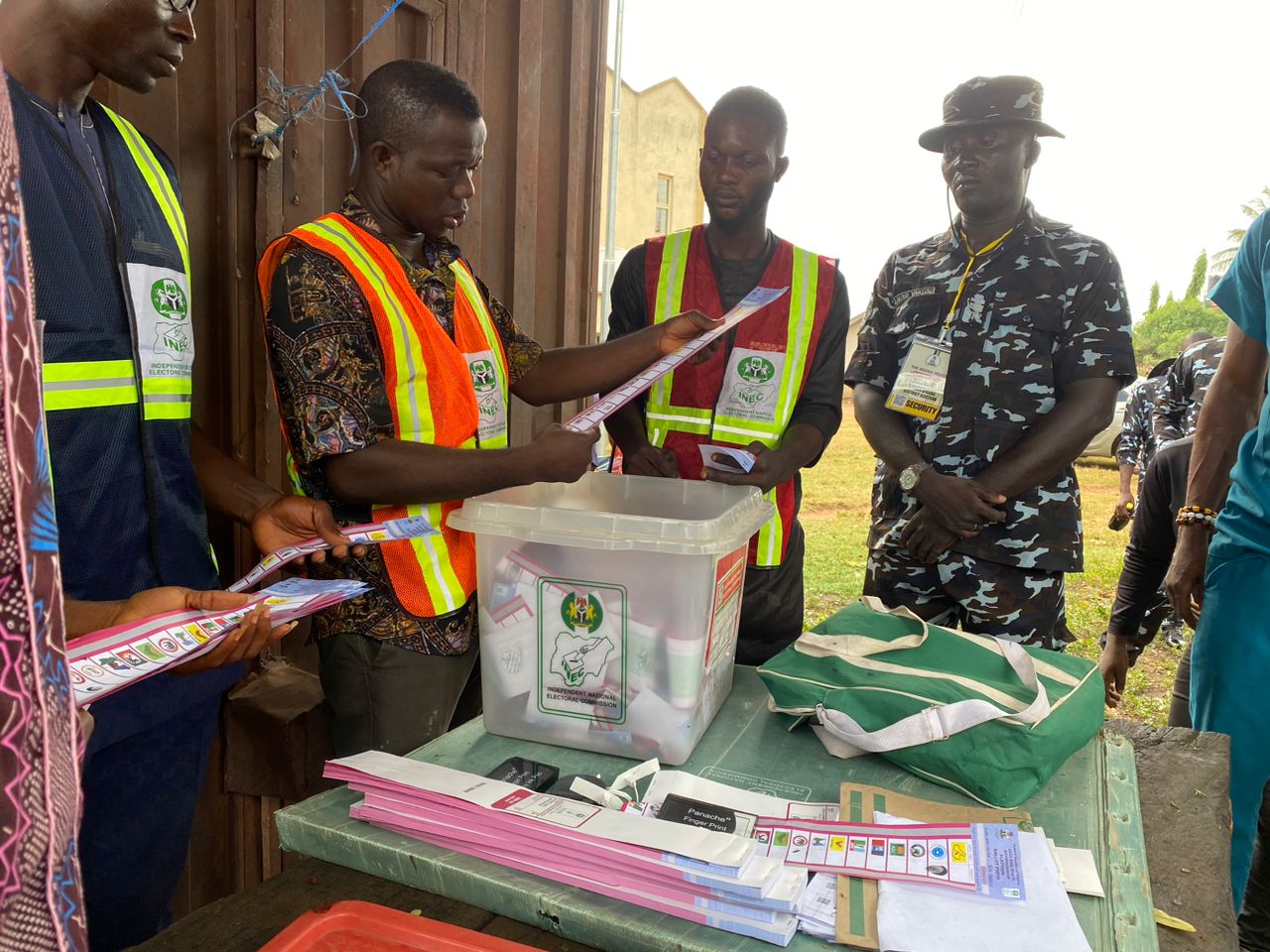
Over 3.5 million registered voters in 32 LGAs, 356 wards, and 6,987 polling units will participate, with 30,451 officials deployed for the exercise.

Yakubu assured that INEC remains committed to conducting a free, fair, and credible election to fill the vacant seats.

Tinubu appoints Jega as adviser on livestock reforms

By Hadiza Abdulkadir

President Bola Tinubu has appointed former INEC chairman, Professor Attahiru Jega, as his adviser and coordinator forthe Presidential Livestock Reforms. This was announced by Special Adviser Bayo Onanuga. 

Jega was the INEC chairman from 2010 to 2015 and previously co-chaired the Presidential Livestock Committee alongside Tinubu.

In July, Tinubu established a new Ministry of Livestock Development to address the farmers-herders crisis, based on the recommendations of the National Livestock Reforms Committee. 

Jega, 68, is also a member of the International Elections Advisory Council and chairs the Governing Council of Sa’adatu Rimi University of Education in Kano State. 

Jega’s appointment aims to support ongoing livestock reforms in Nigeria.

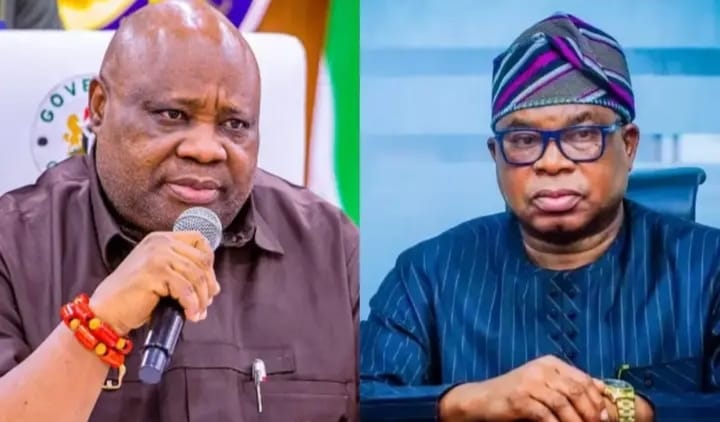
Suspended Adamawa REC Hudu Ari seeks indefinite adjournment in court

By Uzair Adam

The suspended Resident Electoral Commissioner (REC) of the Independent National Electoral Commission (INEC) in Adamawa State, Barrister Hudu Yunusa Ari, has appealed to the Adamawa State High Court to adjourn the case against him indefinitely.

During a hearing on Thursday, Ari, through his counsel, M. Tijanni, submitted an application requesting the court to stay proceedings in the case pending a decision on his appeal filed at the Court of Appeal, Yola Division.

The Daily Reality gathered that the application, dated January 21, 2025, urged the court to put the trial on hold.

However, the state’s counsel, Chief L. D. Nzadon, strongly opposed the plea, describing it as a challenge to the rule of law and the administration of criminal justice.

He argued that the law does not permit such applications in criminal matters and called on the court to dismiss Ari’s request.

Following arguments from both parties, Justice Benjamin Manji Lawan adjourned the case to January 30, 2025, for a ruling on the application.

Ari’s legal troubles stem from his controversial actions during the 2023 governorship election in Adamawa State. While serving as INEC REC, he declared a winner before the collation process was concluded, bypassing the Returning Officer’s authority.

The incident sparked widespread criticism and led to his suspension by the Federal Government under former President Muhammadu Buhari.

He now faces charges for the alleged electoral offence.

INEC seeks to expand voter access, move beyond PVCs

By Anwar Usman

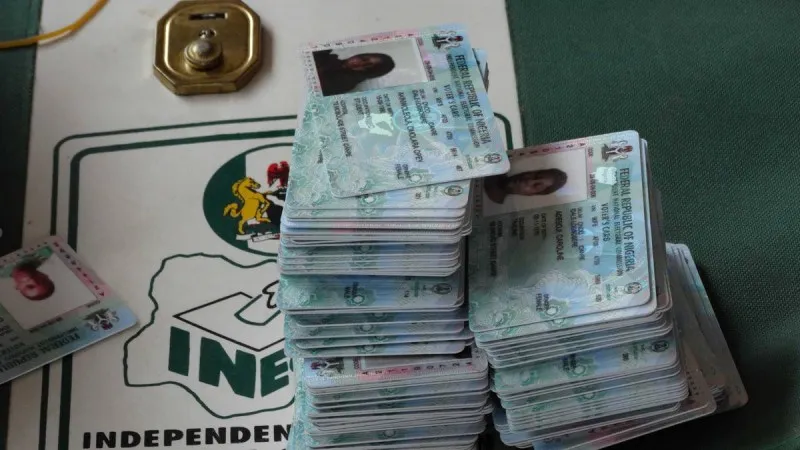
The Independent National Electoral Commission, INEC, has recommended that those without Permanent Voter Cards (PVCs) use computer-generated voting slips ahead of future elections in the country.

INEC Chairman, Prof. Mahmood Yakubu, made this known while speaking yesterday in Abuja during the quarterly consultative meeting with Resident Electoral Commissioners RECs, said PVCs should no longer be the sole requirement for voting, especially with the inception of the Bimodal Voter Accreditation System, (BVAS).

He explained that the commission had released its 524-page main report on the 2023 general elections and had consulted widely with its officials and externally with all major stakeholders.

Yakubu disclosed that from the internal and external engagements, the commission had identified 142 recommendations dealing with the general state of preparedness, voter management, voter education and public communication, political parties and candidate management, electoral operations and logistics management.

Others include election officials and personnel, partnership and collaboration, monitoring and supervision, election technology, voting and result management, election security, electoral offences and the electoral legal framework.

He further asserts that out of the 142 recommendations, 86 require administrative action by the commission.

“This is followed by 48 recommendations that require action by a variety of stakeholders, including security agencies, mobile network operators, statutory bodies, political parties, transport unions, civil society organisations and the media.

“Among the major highlights of the commission’s recommendations is the imperative of legal clarity in result management, with regard to manual transfer versus the electronic transmission of results.

“The commission also believes that with the introduction of the BVAS, the use of PVC as the sole means of identification for voter accreditation on election day should be reviewed”, the chairman stated.

Reforming Nigeria’s electoral system by tackling malpractice and apathy

 By Suleiman Usman Yusuf 

As we mark one month since the sham local government elections conducted in Kaduna State, it is imperative to broaden our discourse beyond the immediate events and delve into the systemic issues that have led to electoral malpractices, voter apathy, and the overall degradation of Nigeria’s electoral system. 

Having been a founder and the pioneer National Chairman of the Youth Party (YP) as a registered political party in Nigeria, I have gained invaluable insights into the root causes of these electoral challenges. While these issues are multifaceted, I will focus on several key aspects that are critical to understanding and addressing the problem, as follows: 

1. NEGLECT OF INTERNAL PARTY ELECTIONS: One significant factor contributing to the electoral malaise is the Nigerian populace’s tendency to prioritise general elections over internal party elections. The credibility, skills, and knowledge of party officials heavily influence the quality of candidates emerging from primary elections. When citizens neglect the election of these officials, they unintentionally allow unpatriotic and incompetent individuals to manage party affairs at all levels – wards, local governments, states, and nationally. 

For instance, in many local government elections, candidates are often selected based on their connections or financial support rather than their qualifications or commitment to public service. This negligence ensures that capable and well-meaning Nigerians remain sidelined, relying on flawed party structures to secure candidacy. 

 2. LACK OF INTERNAL DEMOCRACY: The absence of internal democracy within political parties is another root cause of electoral failure. Ideally, political parties should transcend individual candidates, ensuring their structures promote democratic values and accountability. Unfortunately, many candidates, especially those with amassed wealth or political power, often overshadow their parties, undermining their foundational principles. Party officials, rather than being recruited based on merit, usually come from the ranks of politicians, leading to a cycle of dependency and diminished accountability. The failure to enforce disciplinary measures further erodes the integrity of party operations, allowing influential individuals to manipulate party dynamics for personal gain. 

Take, for example, the recent primaries of major political parties in Nigeria. Decisions are frequently made by a small group of party elites, often sidelining grassroots members and leading to the emergence of candidates who do not reflect the electorate’s will. Parties lack the frameworks to generate independent funding and operate effectively, allowing influential individuals to manipulate party dynamics for personal gain. 

 3. BRAIN DRAIN FROM POLITICAL ENGAGEMENT: Our nation’s most talented individuals frequently gravitate toward secure positions in the public or private sectors, leaving political engagement to those who may not have the nation’s best interests at heart. For example, many young professionals, including engineers, doctors, and entrepreneurs, seek opportunities abroad or in stable private sectors rather than entering politics, where they perceive a lack of integrity and opportunity for meaningful change. This trend undermines the potential for transformative leadership, as the voices that could drive innovation and reform in governance are absent from the political arena. The resulting leadership vacuum allows for the perpetuation of mediocrity and stagnation in our political landscape. 

 4. INEFFECTIVE ROLE OF OPPOSITION PARTIES: Another critical issue contributing to electoral malaise in Nigeria is the failure of opposition parties to effectively engage with the government in power. In a healthy democracy, opposition parties are expected to check on the ruling party, advocating for the populace’s interests and holding the government accountable for its actions. Their role is not merely to oppose for opposition’s sake but to advance the causes of the people, ensuring that governance is responsive and transparent. For instance, during significant policy debates, such as those regarding the national budget or security measures, opposition parties often resort to sensational accusations rather than providing substantive alternatives or critiques. 

 Unfortunately, many opposition parties in Nigeria have engaged in trivial disputes rather than focusing on substantial, issue-based discussions. They often lack coherent alternative policies or robust arguments that challenge the government’s decisions. This absence of constructive criticism diminishes the quality of political discourse and leaves citizens without viable options or clear pathways for reform. By failing to present well-researched alternatives to government policies, opposition parties contribute to a stagnant political environment where the ruling party faces little pressure to improve or innovate in its governance. 

 Additionally, the lack of strong opposition undermines public confidence in the democratic process, as citizens may feel their concerns are not adequately represented or addressed. Opposition parties need to rise to their responsibilities and engage in serious debates about policies and procedures that affect Nigerians’ lives. By doing so, they can promote a more dynamic political landscape that encourages accountability and responsiveness from the government. 

 5. LACK OF INVESTMENT IN KNOWLEDGE AND RESEARCH: Most political parties in Nigeria do not prioritise investing in knowledge and research, which are crucial for informed decision-making and policy development. The absence of dedicated policy and research units within parties means that they often operate in a vacuum, disconnected from society’s pressing issues. This gap results in poorly formulated policies that fail to address the needs of citizens or adapt to changing circumstances. For example, without adequate research, parties may propose initiatives that do not resonate with the challenges faced by their constituents, leading to ineffective governance and further disenchantment with the political process. 

 Based on the foregoing, I hereby advance the following recommendations for reform: 

 1. PROMOTION OF INTERNAL DEMOCRACY: Political parties must adopt transparent processes for electing officials and candidates. Implementing democratic practices within party structures will empower grassroots participation and ensure that the best candidates emerge, promoting a culture of accountability and responsibility. 

 2. ENCOURAGING YOUTH PARTICIPATION: Engaging the youth in the political process is essential for the future of Nigeria. Programs that educate young people about the importance of political involvement and the electoral process can cultivate a new generation of leaders committed to change. Initiatives such as mentorship programs and civic education can inspire active participation among young Nigerians. 

 3. ESTABLISHING INDEPENDENT MECHANISMS: Political parties should explore diverse funding sources beyond wealthy individuals to enhance their autonomy and operational capacity. These may include membership dues, grants, and partnerships with civil society organisations. By diversifying funding streams, parties can operate more independently and reduce the influence of money in politics. 

 4. STRENGTHENING VOTER EDUCATION: Comprehensive voter education campaigns are vital to combat apathy and encourage active participation in all electoral processes, including internal party elections. Educating citizens about their rights and the importance of their votes can empower them to demand accountability from their elected officials. 

 5. ENHANCING THE ROLE OF OPPOSITION PARTIES: Opposition parties must fulfil their critical role in engaging with the government and providing constructive criticism. They should focus on presenting well-researched alternative policies and robust arguments that address pressing issues affecting the populace. By promoting a culture of accountability and transparency, opposition parties can help ensure that governance remains responsive to citizens’ needs. These parties must rise above trivial disputes and engage in meaningful dialogue that reflects the interests of the people they represent. 

In conclusion, the recent elections in Kaduna State serve as a vivid reminder of the vulnerabilities within Nigeria’s electoral system. To safeguard democracy and promote effective governance, we must confront these root causes head-on, fostering an environment where transparency, accountability, and active participation thrive. 

It is time for Nigerians to reclaim their political landscape, ensuring that those who seek to represent them do so with integrity and a genuine commitment to the public good. By addressing these systemic issues, we can pave the way for a more robust democratic process that genuinely reflects the will and aspirations of the Nigerian people. 

God Bless Nigeria! 

Suleiman writes from Kaduna State, Nigeria, and can be reached via suleimanusmanbac@gmail.com.

President Tinubu applauds APC victory in Edo governorship election

By Abdullahi Mukhtar Algasgaini

President Bola Tinubu congratulates Senator Monday Okpebholo, the All Progressives Congress (APC) candidate in Saturday’s Edo State governorship election, on his victory at the polls. 

On Sunday, Senator Okpebholo was declared the winner by the Independent National Electoral Commission (INEC), having defeated other contenders for the position.

President Tinubu commends APC national leaders, Edo State leaders, and party governors for working hard to achieve victory. He says the victory testified to the people’s support for the ruling party, its progressive ideals, its economic reengineering programme and its commitment to improving the lives of Nigerians. 

He urges Senator Okpebholo not to gloat over his victory but to see it as a challenging call to service. He encourages him to demonstrate magnanimity by reaching out to his political rivals and uniting the people of Edo State to ensure its development. 

President Tinubu also praises other candidates who participated in the election for their contributions to advancing Nigeria’s democracy, saying peaceful political contests, such as the one on Saturday, portray Nigeria as a stable democracy. 

The President urges all those aggrieved by the election outcome to seek redress through the legal channels.  

In addition, the president commends the people of Edo State for their orderly and peaceful conduct during the election, underscoring the maturing of Nigeria’s democracy after 25 years. 

“I commend the INEC and our security agencies for working round the clock to conduct a successful, peaceful and largely hitch-free exercise. 

“INEC has once again demonstrated that it is committed to organising a free and fair election in our country”, President Tinubu says.

INEC commences continuous voter registration in Edo despite APC’s call for cancellation

By Sabiu Abdullahi

The Independent National Electoral Commission (INEC) on Monday commenced the Continuous Voter Registration (CVR) exercise in Edo State, despite a call from the All Progressives Congress (APC) to cancel the exercise due to damage to its secretariat, materials, and equipment. 

The exercise, which is meant to capture would-be voters yet to register ahead of the governorship election in Edo on September 21, will run for 10 days from May 27 to June 5, 2024, from 9 am to 3 pm daily, including weekends. 

Reacting to the APC’s call, the Edo INEC’s head of Voters Education and Publicity, Timidi Wariowei, said it is unfair to lay such an allegation against the election umpire.

“We have been to Oredo and we are here at the Ikpoba-Okha registration area which we are using as our state head office registration centre because of the flood disaster that happened at our head office on Friday,” said INEC National Commissioner Rhoda Gumus. 

Gumus expressed satisfaction with the exercise, urging registrants to be patient, adding that they will all be registered.

The state Resident Electoral Commissioner, Anugbum Onuoha, also assured that INEC was well prepared for the exercise, and the flood disaster that destroyed some of the commission’s equipment could not stop the exercise. 

The APC had alleged that the People’s Democratic Party and INEC were conniving to manipulate the CVR in favour of the PDP, and that the CVR’s manipulation was the beginning of moves to rig the election in favour of the PDP.

However, INEC officials maintained that the exercise was going on smoothly and that nothing would make them fail.