Bauchi State

Bauchi Governor’s Planned Defection To APC Collapses Over Power-Sharing Dispute

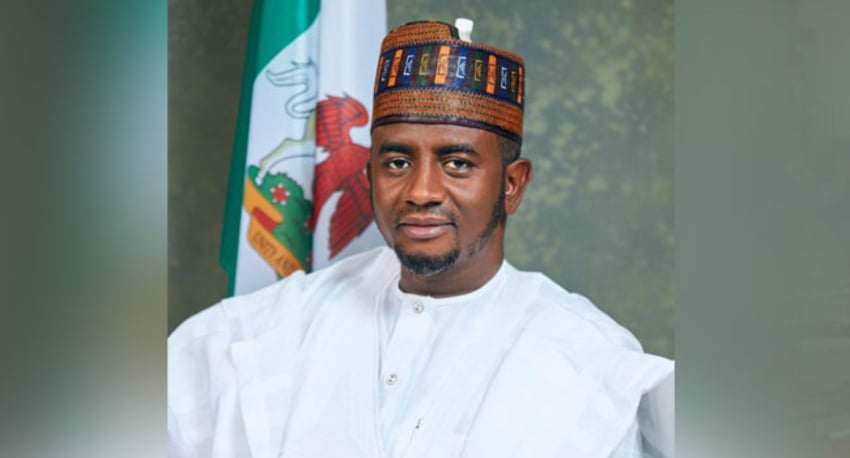
Plans by Bauchi State Governor, Bala Mohammed, to leave the Peoples Democratic Party (PDP) for the All Progressives Congress (APC) have broken down after both sides failed to agree on how to share control within the party.

Talks between the governor, his Turaki-led PDP faction, and leaders of the APC ended without resolution. The disagreement centred on a proposed 60–40 arrangement for control of the party structure in Bauchi State, which the APC was said to have rejected.

Despite the setback, the governor’s camp has indicated that it may still pursue political realignment. His supporters said they are open to working with other parties and are already considering new options for possible defection from the ward level up to the state.

Speaking with newsmen on Saturday, the Chairman of the Turaki-led PDP faction in Bauchi, Sama’ila Burga, said the outcome of the talks showed the APC was not prepared to integrate the existing PDP structure or accommodate the state government.

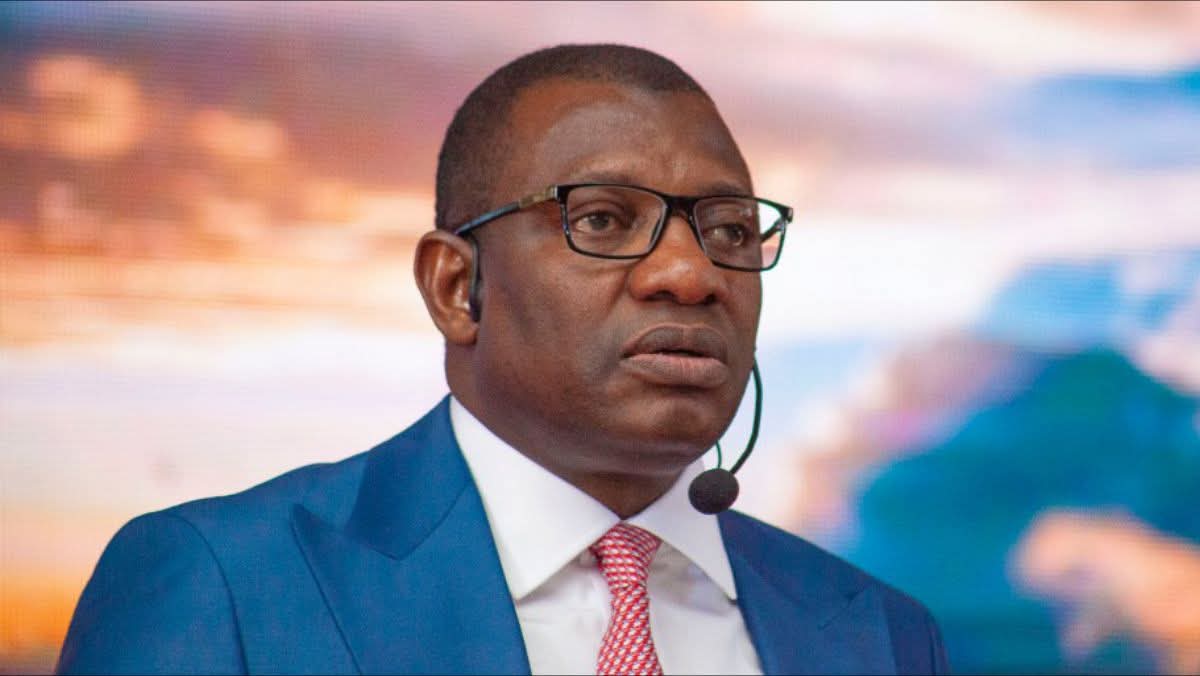
Bala Wunti: Bauchi’s Unifying Force

By Usman Abdullahi Koli

At a time when many are engulfed with fear of impending internal rancour that is probably capable of causing disunity and despair among key players, a time of reorganisation of the political landscape at both the national and subnational levels, comes a unifying figure who brings solutions to the upheaval experienced, particularly in the recent electoral outing.

The political atmosphere, particularly in Bauchi State, is known for turbulence and vested interests. As the state faces numerous challenges that demand more urgent structural readjustment, this is pertinent, and it raises the question of who can deliver these set goals. That is why Bala Wunti matters.

Among the political players who roll up their sleeves in aspiration to win elections, one critical issue is the unity of purpose. Unity against the monster of poverty, insecurity, hunger, unemployment, and others that are clogging the wheel of our development.

There are individuals whose presence answers questions that institutions struggle with and whose conduct reassures even the most cynical that character still matters in public life. Dr Bala Maijama’a Wunti belongs to that rare category. His story is not merely one of rise, but of formation. It is a journey shaped by early trials, sharpened by discipline, and guided by a clarity of purpose that has endured across decades.

Born into circumstances that offered little advantage, early life required resilience and self-reliance. Throughout his life, it has been punctuated by uncertainty. Yet, instead of breeding bitterness, these experiences shaped restraint, empathy, and a steady internal discipline that would later guide his every choice. Where others might have faltered, he remained composed. Where others might have hardened, he stayed measured.

Profile, professional and industry roles

His pursuit of education must be seen in that light. It was not a smooth path through institutions, but a determined journey through obstacles. From his studies in Chemistry at Ahmadu Bello University to advanced training in management at Abubakar Tafawa Balewa University and beyond, each step reflected commitment, not convenience. What emerged was not simply an educated man, but a prepared mind, one that understands complexity, respects structure, and values clarity over noise. In a world that often rewards speed, he chose depth. In a system that often tolerates shortcuts, he insisted on process.

When he joined the Nigerian National Petroleum Company Limited in 1994, he entered one of the most demanding environments in the country. He did not arrive at prominence; he earned it. From his early role as the Production Programming Officer to his eventual position as Chief Upstream Investment Officer, his trajectory shows a rare pattern in public service: steady progress built on competence rather than visibility. He learned the system from within, understood its contradictions, and positioned himself not as a spectator but as a contributor to its reform. While others chased recognition, he built relevance. While others pursued titles, he mastered responsibility.

His contributions to the oil and gas sector are best measured through results. He was part of efforts that strengthened investment frameworks, restored operational discipline, and brought structure to systems long plagued by inconsistency. Initiatives such as Operation White did more than fix technical inefficiencies. They proved that accountability was possible, even in the most complex spaces. In a sector where decisions carry national consequences, his approach has always been cautious, forward-thinking, and committed to long-term value over short-term applause. That distinction separates those who merely manage systems from those who shape them.

Yet reducing his life to professional milestones would miss the larger picture. What distinguishes Bala Wunti is not only what he has done within institutions, but what he has done beyond them. The memory of hardship has stayed with him, not as a weight, but as a compass. It informs his giving, shapes his interactions, and explains the consistency of his interventions in others’ lives. His philanthropy is not occasional; it is part of who he is. Students have been supported, communities uplifted, and individuals in distress assisted through actions that are rarely announced but widely felt. The recent support for students across tertiary institutions is not a single act; it is part of a pattern that reflects a deep conviction: opportunity should not be determined by circumstance alone. Many give when it is convenient. He gives because it is necessary.

There is also a discipline in his personal conduct that deserves attention. He does not champion causes he does not believe in. He does not bend for advantage. In a political and professional culture where flexibility is often mistaken for wisdom, this restraint is rare and powerful. It gives his actions credibility and his decisions weight. His faith, central to his life, reinforces this clarity. It is visible not only in words, but also in choices that remain steady under pressure.

When he stepped out of public service on May 30, 2025, he did so quietly. There was no spectacle, no fanfare. The moment felt calm but confident, the kind of confidence that comes from knowing your work speaks for itself. Influence does not depend on the office, and in his case, it had already moved beyond it. What he carries into the next phase is not a title, but a reservoir of experience, credibility, and trust. These qualities are far more valuable than any position could ever be.

The emerging political conversation around Bauchi State must be seen through this lens. The state is no longer at a point where familiar patterns can be recycled without consequence. The challenges are deeper, expectations sharper, and the margin for error thinner. This is not a time for comfort; it is a time for deliberate choice. What is required is not just political skill, but administrative depth, economic understanding, and the ability to translate intention into results.

Bala Wunti presents a compelling case, not because he seeks attention, but because his life commands consideration. He understands systems at a level that allows him to engage governance beyond slogans. He has managed scale and complexity in ways that meet the demands of statecraft. He carries a social awareness rooted in lived experience rather than abstract empathy. Most importantly, he stands outside the entrenched rivalries that have defined political competition in the state. That distance is not detachment; it is clarity. It allows him to be seen not as a continuation of old conflicts, but as a bridge beyond them.

The argument for his consideration is therefore not emotional, even though his story moves the heart. It is rational, grounded, and difficult to dismiss. It rests on capacity, consistency, and a record that proves he can think, act, and deliver. In a context where trust is scarce, his credibility becomes stabilising. In a climate where division is costly, his neutrality is strategic. At a time that demands both firmness and thoughtfulness, his temperament aligns perfectly with the responsibility ahead.

This is not to suggest perfection. Leadership is not shown by ambition; it is revealed by preparation. In his case, the evidence is alive. From a childhood shaped by absence to a career defined by impact, his path is intentional, tested, refined, and sustained.

Bauchi faces a choice deeper than personalities. It is a choice between repetition and recalibration, between what is familiar and what is necessary. If the state is to move toward a future defined by stability, competence, and inclusive progress, it must recognise preparation when it sees it.

In Bala Wunti, experience, character, and capacity converge in a rare combination. He does not need to declare his worth. It is evident in the systems he has strengthened, the lives he has impacted, and the consistency he has maintained. The question, therefore, is not whether he has something to offer. The question is whether Bauchi is ready to choose what it truly needs.

If so, the answer is already in front of it.

Usman Abdullahi Koli wrote via mernoukoli@gmail.com. 

Bauchi Governor Raises Concern Over Removal Of Rail Infrastructure In State

By Sabiu Abdullahi

Bauchi State Governor, Bala Mohammed, has raised alarm over the dismantling of railway sleepers along the Alkaleri–Tafawa Balewa rail line, warning that the development could harm the state’s economic prospects.

The governor encountered the activity on Saturday during a trip to Alkaleri Local Government Area, where he had gone on a condolence visit. He reportedly saw contractors removing parts of the rail infrastructure.

Disturbed by the situation, Mohammed called on security agencies and relevant authorities to step in and provide a clear explanation.

He questioned the justification for removing such vital infrastructure. He said assets of this nature should not be altered without proper engagement with the state government.

The governor directed his Chief of Staff to formally contact the Federal Ministry of Transport to seek clarification. He expressed worry that important facilities within the state were being taken apart without the knowledge of local authorities.

Security operatives present at the site reportedly told the governor that the contractors were acting on instructions from the Federal Government.

Mohammed, however, said the explanation did not adequately address the concerns, given the role of the rail corridor in transporting agricultural produce across the area.

He cautioned that the removal of the sleepers could deepen transport difficulties and disrupt economic activities in communities that depend on the railway for moving goods.

The governor also called for better coordination between federal and state governments. He stressed that decisions on critical infrastructure should reflect their impact on livelihoods and local economies.

Further findings suggested that the contractors were operating with a letter said to have been issued by the Federal Government, which approved the removal of the rail tracks. No reason was stated for the action.

Speaking to residents, Mohammed assured them that he would take up the issue in Abuja. He reiterated that rail transport remains one of the most reliable and affordable options for moving goods and services.

He also raised concerns about whether there are still plans to rehabilitate railway systems across the country, especially in the North-East, which he said continues to face infrastructure deficits.

CITAD Condemns Alleged Police Assault On Journalist In Bauchi

The Centre for Information Technology and Development (CITAD) has denounced the alleged assault on Albarka Radio reporter, Mohammed Adamu, by police officers during the Eid Durbar celebration in Bununu, located in Tafawa Balewa Local Government Area of Bauchi State.

According to the organisation, in a statement signed by the Executive Director of CITAD, YZ Ya’u, the incident occurred while the journalist was on assignment to cover the event.

He was reportedly stopped by police officers led by the Divisional Police Officer, Jamilu Kabir. Although he identified himself and made efforts to reach the designated media section, officers allegedly attacked him.

The assault left him with head injuries and compelled him to seek medical care.

CITAD described the development as “a grave violation of press freedom and a direct attack on the fundamental rights of journalists in Nigeria.”

The group stressed that journalists remain vital to public awareness and accountability. It added that any form of intimidation or harm against media professionals weakens democratic governance and undermines the rule of law.

The organisation also noted that the incident reflects a broader concern. It stated that cases of harassment and violence against journalists by security personnel have become frequent.

According to CITAD, such actions create fear and hinder the ability of the media to function independently.

“We therefore call for:

1. An immediate, thorough, and transparent investigation into the incident.


2. The identification and prosecution of all officers involved in the assault.


3. Adequate compensation and protection for the assaulted journalist.


4. Clear directives and training for security agencies to respect and protect journalists in the course of their duties.”


CITAD further urged the Inspector-General of Police and other relevant authorities to act decisively to address what it described as a growing pattern of attacks on journalists and to ensure those responsible are held accountable.

The organisation emphasized that Nigeria must remain a country where journalists can perform their duties without fear.

It maintained that protecting press freedom is essential for the preservation of democracy and the rights of citizens.

BREAKING: Governor Bala meets, briefs President Tinubu on rising bandit attacks in Bauchi State

By Sabiu Abdullahi

President Bola Ahmed Tinubu received Bauchi State Governor Bala Mohammed on Friday for a security briefing following renewed disturbances in parts of the state.

Governor Mohammed met with the President to provide updates on the security challenges facing several communities, particularly in Alkaleri Local Government Area.

Speaking after the meeting, the governor said he highlighted “the disturbing activities of bandits in Alkaleri local government area of Bauchi state, which requires a timely attention.” He emphasized that the situation demands urgent intervention to prevent further deterioration of security in affected communities.

The discussions also touched on recent political developments, including the wave of defections from the Peoples Democratic Party (PDP) to the ruling All Progressives Congress (APC). Governor Mohammed acknowledged that elected officials have the constitutional right to join any political party. He, however, affirmed his decision to remain in the PDP despite the shifting political landscape.

Media reports in recent months have documented repeated bandit attacks in parts of Bauchi State, especially in Alkaleri and other border communities. Villages have experienced killings, abductions, and mass displacement of residents.

Local populations have raised concerns over the frequency of these attacks and have called for a stronger security presence to protect lives and property. Security agencies have reportedly deployed personnel to affected areas as part of ongoing efforts to contain the violence and restore stability.

Social activist urges Bauchi governor to arm locals amid rising banditry

By Sabiu Abdullahi

A social media activist, Adamu Bello Karofi, has called on the Bauchi State Governor to take urgent measures to curb the rising wave of killings, kidnappings, and banditry in the state.

In a post on his Facebook page, Karofi advised the governor to provide local communities with firearms similar to those used by bandits, specifically citing AK-47 and AK-49 rifles.

He suggested that young people in affected towns should receive weapons training and be armed.

Karofi expressed concern over what he described as the Nigerian government’s failure to protect lives and property.

“Everyone can see how bandits have overpowered most states in the Northwest. We fear the same will happen in our Bauchi State,” he wrote.

He argued that the only deterrent against banditry is armed citizens. “Bandits only understand weapons. If townspeople are armed, there will be peace, because what the West calls a ‘balance of power’ will be restored,” Karofi added.

The activist concluded his post by praying that the governor would heed his advice.

Burra community urges telecom companies to establish network services in Burra

By Umar Saleh Burra 

‎Residents of Burra District in Ningi Local Government Area of Bauchi State have renewed their appeal to telecom companies to establish a fully functional telecommunications network within their community.

‎With an estimated population of over 80,000 people, the Burra District remains without access to reliable mobile network services. Community members report that the only available network provider in the area delivers inconsistent and poor connectivity, making communication extremely difficult for residents.

‎Speaking on behalf of the community, Umar Saleh Burra, the absence of a stable telecommunications network has significantly affected economic activities, healthcare communication, education, security coordination, and access to digital financial services. Business owners lament that unreliable connectivity disrupts transactions and limits opportunities for growth.

‎“Students face challenges accessing online educational resources, while families struggle to maintain contact with relatives and essential services. 

‎Community leaders emphasised that in today’s digital age, telecommunications services are not a luxury but a necessity. They noted that expanding network coverage to the Burra District would enhance socio-economic development, promote financial inclusion, improve emergency response systems, and strengthen overall community connectivity.

‎“We are law-abiding citizens who contribute to the economic and social development of our state. We humbly appeal to Nigerian telecom companies and relevant authorities to consider establishing network infrastructure in Burra District,” Saleh stated.

‎The people of Burra are also calling on political leaders, policymakers, and relevant regulatory agencies to support this request and facilitate collaboration with telecom companies to address the communication gap affecting the district.

‎As Nigeria continues to expand its digital economy, communities like Burra urge telecommunications providers to extend coverage to underserved rural areas to ensure inclusive national development.

The menace of Sara Suka and the effects of drug abuse : The way forward 

By Isyaka Laminu Badamasi

Recently, an Imam at Kurmin Dorawa in Karofin Madaki, Bauchi state, led a joint Maghrib and Isha’i prayer due to credible fears of a possible attack by suspected thugs in the area. This decision, though unusual, was taken as a precautionary measure in response to rising insecurity—either as retaliation for earlier clashes involving local youths or as part of the resurging menace of ‘Yan Sara Suka’.

Ordinarily, the combining of prayers occurs during the rainy season, while travelling, during festivities, or for other lawful reasons as permitted in Islam. That such a step was taken purely for security reasons speaks volumes about the level of fear and uncertainty now confronting residents.

These mobs, largely composed of young people between the ages of 15 and 25, move around armed with dangerous weapons. Contrary to popular belief, they are not street children, nor are they sponsored by politicians, cult groups, or gang leaders. Rather, they are products of deeper structural failures: poor parental care, societal decay, government neglect, weak application of criminal justice, and, most critically, the widespread abuse of drugs and other narcotic substances openly sold in our neighbourhoods.

In recent years, decisive actions by security agencies, vigilante groups, and community committees have significantly reduced Sara Suka’s activities, creating a relatively safer environment. Unfortunately, the problem has resurfaced with renewed intensity, spreading across almost all parts of the state, including both old and newly established settlements. As a result, some neighbourhoods have become partially or completely inaccessible due to the violent activities of these groups.

This piece does not seek to introduce a new narrative. Rather, it aims to draw attention to existing academic research that examines the role of drug abuse in expanding the frontiers of thuggery. These studies consistently highlight how narcotics fuel aggression, lower inhibition, and sustain cycles of violence among vulnerable youths. More importantly, the literature proposes evidence-based policy frameworks and intervention strategies for addressing the menace through inclusive, humane, and logical approaches.

Only by grounding our responses in research, strengthening social institutions, enforcing the law fairly, and confronting the drug economy within our communities can we hope to stem the resurgence of ‘Yan Sara Suka’ and restore lasting peace.

Academic literature proposes several multidimensional strategies to address the drug abuse crisis in Nigeria, focusing on prevention, management, and systemic reform. These papers advocate the integration of compulsory drug education into secondary and tertiary institution curricula to enlighten students on the physiological and social dangers of substance misuse.

The literature also suggests establishing associations and clubs to promote healthy lifestyles at the community and family levels. Additionally, several studies highlight the critical role of effective family communication and proactive parental monitoring in reducing children’s exposure to drugs, as well as leveraging traditional and religious institutions for grassroots mobilisation and public sensitisation.

While these measures are critical in addressing the menace of drug abuse, the National Drug Law Enforcement Agency (NDLEA), as the regulatory body charged with combating this serious social problem, must be more proactive. For decades, the agency has engaged in efforts to curb drug abuse, including supply and distribution control; however, the situation continues to deteriorate. This reality calls for serious policy adjustments to enable a multisectoral approach involving relevant ministries, Departments, and Agencies (MDAs), such as the NDLEA, the Pharmacists Council of Nigeria (PCN), NAFDAC, security organisations, and host communities, alongside the honest and consistent application of criminal justice.

Governors, on the other hand, should, as a matter of public interest, establish platforms that complement the efforts of the NDLEA through innovative initiatives aimed at eradicating drug abuse in our communities. This can only be achieved through strong political will and sincerity of purpose.

Isyaka Laminu Badamasi is of No 555 Ajiya Adamu Road, Bauchi, Bauchi State.

2027 Guber Race: Can Senator Buba Shehu win Bauchi?

By Zayyad Mohammed 

As Nigeria inches closer to the 2027 general elections, the political temperature across the Northeast is steadily rising. Of the six states in the region, the All Progressives Congress (APC) currently governs four, Borno, Gombe, Taraba, and Yobe,while the People’s Democratic Party (PDP) controls Adamawa and Bauchi. For the APC, reclaiming Bauchi is not merely a state contest; it is a strategic necessity in consolidating dominance in the Northeast.

Political analysts often remind us that all politics is local. Nowhere is this truer than in Bauchi State, where history, identity, and grassroots connection frequently outweigh elite credentials and federal influence. As the race for 2027 gathers momentum, the central question is not just whether the APC can win Bauchi, but who within the party has the capacity to deliver that victory.

Within the Bauchi APC, the contest is shaping up as a high-stakes battleground involving heavyweight figures: Minister of Health, Professor Muhammad Ali Pate; Minister of Foreign Affairs, Ambassador Yusuf Maitama Tuggar; Senator Shehu Buba Umar of Bauchi South; and former NAPIMS Managing Director, Alhaji Bala Wunti. Each brings distinct strengths, yet Bauchi’s political history suggests that not all strengths translate into electoral success.

Bauchi’s politics is unique, even by Nigerian standards. Since 1999, power has changed hands regularly after eight years, as seen in the transitions from Adamu Mu’azu to Isa Yuguda, and later to Mohammed Abdullahi Abubakar. This swinging pattern reflects a politically conscious electorate shaped by the enduring NEPU legacy, the sensitive Katagum–Bauchi balance, and an unwavering demand for grassroots leadership.

While Professor Ali Pate boasts international exposure and technocratic depth, his political challenge lies at home. Among many Bauchi voters, he is perceived as distant from local political struggles, earning the nickname “Wakilin Turawa”, a subtle but powerful reflection of weak grassroots resonance. Similarly, Alhaji Bala Wunti is widely regarded as competent and capable, yet Bauchi APC’s recent history with political newcomers raises red flags. In 2023, Air Vice Marshal Saddique Abubakar emerged suddenly to clinch the party ticket, only to suffer a resounding defeat at the polls. A similar pattern played out in 2015 when M.A. Abubakar rode the Buhari wave to victory but failed to secure a second term in 2019.

Ambassador Yusuf Maitama Tuggar, though a seasoned political actor, faces another challenge which is common in Bauchi politics: perceived aloofness from the grassroots. In a state where political success depends on daily engagement with local realities, distance; real or imagined, can be costly.

Against this backdrop, Senator Shehu Buba Umar stands out as a politically grounded contender. Several critical factors tilt the scale in his favour. Notably, all Bauchi governors since 1999 have emerged from Bauchi South, aligning squarely with Senator Buba’s constituency. The enduring Katagum–Bauchi political factor further strengthens his position, as does his deep-rooted grassroots network across the state.

More importantly, Senator Buba is widely viewed as the only aspirant within the APC with the political reach and local acceptance required to confront and defeat an incumbent party. His long-standing engagement with party structures, traditional institutions, and grassroots actors has earned him the quiet support of many political stakeholders. In Bauchi, where elections are often won long before polling day through alliances and local trust, this advantage cannot be overstated.

It is therefore unsurprising that many observers believe the APC leadership, at state, national, and presidential levels, may ultimately rally around Senator Buba Shehu Umar. In a highly competitive state like Bauchi, emotion must give way to strategy, and strategy demands choosing a candidate who aligns with the state’s political realities.

For the APC, winning Bauchi in 2027 is part of a broader objective: securing all six Northeast states in both the gubernatorial and presidential elections. Achieving this requires a deliberate, state-by-state approach that prioritizes grassroots candidates and addresses genuine local agitations. In Bauchi, the choice of governorship candidate will not only determine the fate of the state election but could significantly influence the party’s presidential performance.

As history has repeatedly shown, Bauchi does not reward political experiments. It rewards familiarity, structure, and  grassroots connection. In that equation, Senator Shehu Buba Umar appears not just as a contender, but as the APC’s most viable pathway to victory in 2027.

Zayyad Mohammed writes from Abuja, 08036070980, zaymohd@yahoo.com

Barota: It’s still not too late

I watched with dismay a video circulating on social media in which an officer in uniform—possibly a cadet working with the Bauchi-Road Traffic-Agency (BAROTA)—was being chased by some youths at the Bakaro/Karofi/Shagari Roundabout. They were stoning him as he unconsciously ran across the road for his dear life.

The scenario is both frightening and disturbing. How can an officer on official duty be chased, possibly by a mob, simply for trying to discharge his responsibility of enforcing safety regulations? Unfortunately, some people now consider this a crime. For this reason, I am appealing to His Excellency Governor Bala Abdulkadir Mohammed to issue a marching order to address this unruly behaviour.

I have often written about BAROTA, particularly its operations and engagement. On many occasions, as a spectator and observer, I have suggested ways they can improve their work to enhance the safety of motorists and other road users. This is a pledge I made with honesty and sincerity of purpose, and I will continue until the desired objectives are achieved. I am glad to see other concerned individuals involved in this advocacy. Let us maintain the tempo, please.

In his speech during the inauguration of the officers, His Excellency Governor Bala Abdulkadir Mohammed (Kauran Bauchi) made it clear that the agency was established, among other things, to address widespread road traffic violations and enhance road safety across the state.

Other responsibilities of the agency include removing and impounding vehicles obstructing highways, arresting road traffic violators, ensuring smooth traffic flow in urban centres and major towns, and promoting road safety awareness among residents. He urged the cadets to work closely with conventional security agencies to maintain order and safety on the roads.

Given the purpose of their work, these officers should be supported in discharging their duties to save lives and property, ensure safer roads, and instil discipline among motorists and other road users.

What went wrong?

Since its inception, the agency’s officers have faced numerous public challenges during official assignments. Passersby who are supposed to support them in carrying out their duties often end up creating hostile and chaotic situations.

This will not be unconnected to the poor perception and limited understanding of the essence of their work in securing people’s lives and property, perhaps resulting from their engagement and operational practices.

Way Forward. 

Therefore, it is incumbent upon the Agency to introduce workshops for its personnel on the rules of engagement in accordance with best practices, and to embark on rigorous awareness and sensitisation campaigns through stakeholder engagements with relevant groups, including NURTW, Achaba, and Keke Napep riders’ unions, as well as other road users.

There is a need for town hall meetings, street rallies, and sustained radio programmes, including phone-in segments, dramas, and jingles, to promote buy-in and public acceptance. The Agency should also involve religious and traditional institutions and encourage them to use their platforms for these campaigns. These and many more initiatives will help in addressing the growing resentment.

The leadership of NURTW and Achaba should educate their members on the importance of complying with all rules and regulations and ensure they possess all necessary documents to operate legally. The general public, on the other hand, should understand that these officers are legally engaged and work in strict adherence to the law establishing the Agency. Any attempt to obstruct or prevent them from performing their lawful duties will be treated as sabotage and will attract the full wrath of the law.

These and other similar initiatives will help bring sanity to road operations while creating an enabling environment for peaceful coexistence and harmonious relationships between the Agency and road users.

Isyaka Laminu Badamasi is at No. 555, Ajiya Adamu Road, Bauchi. He can be reached at makwalla82@gmail.com.