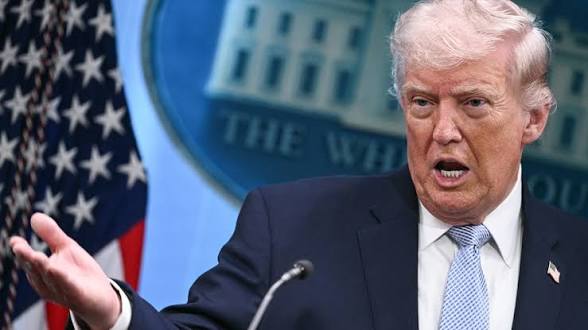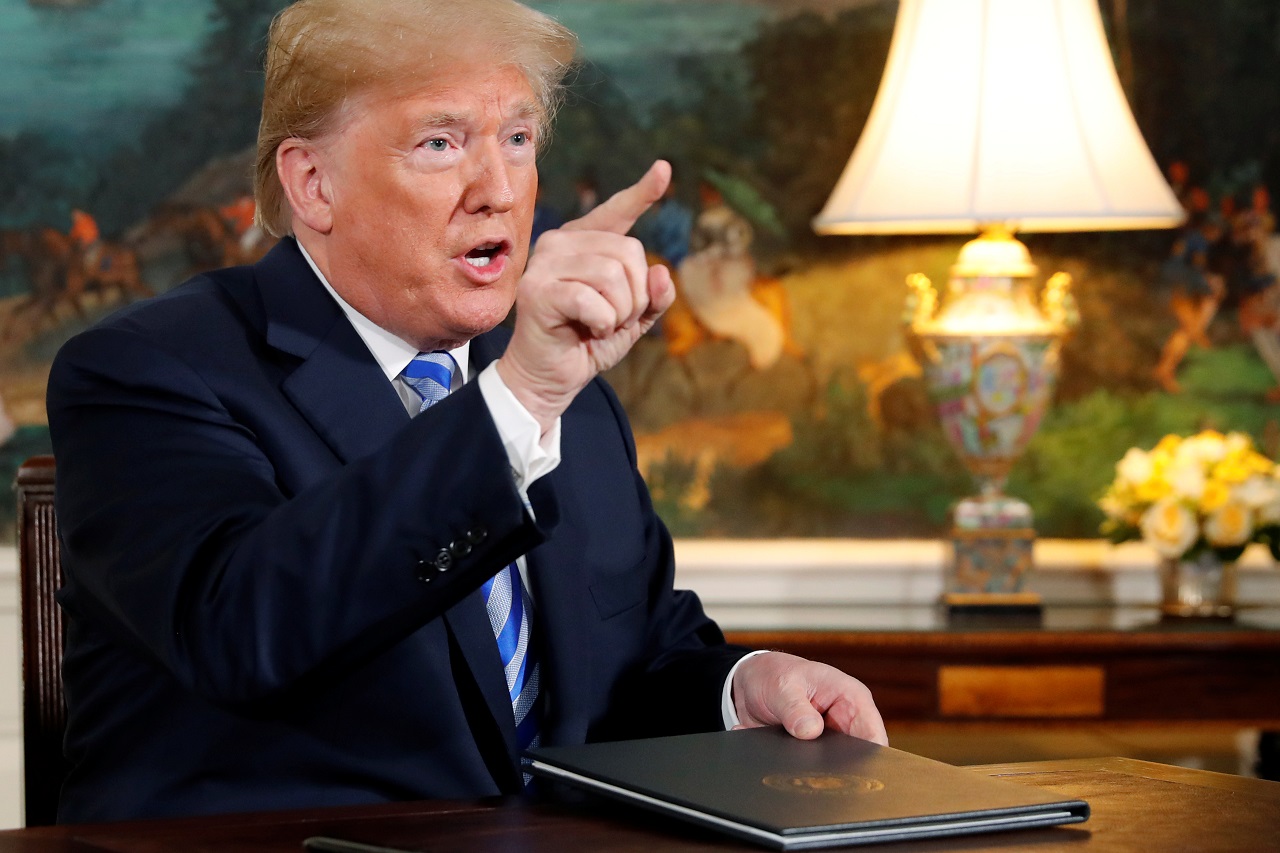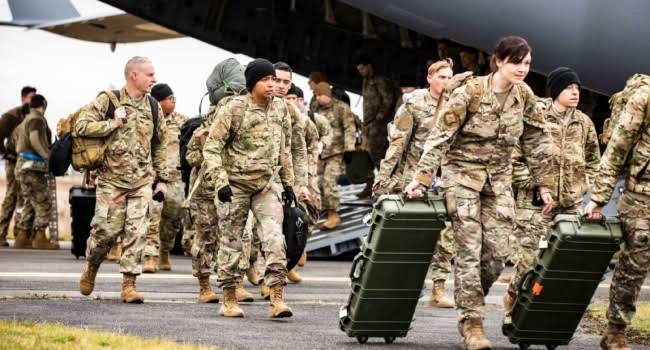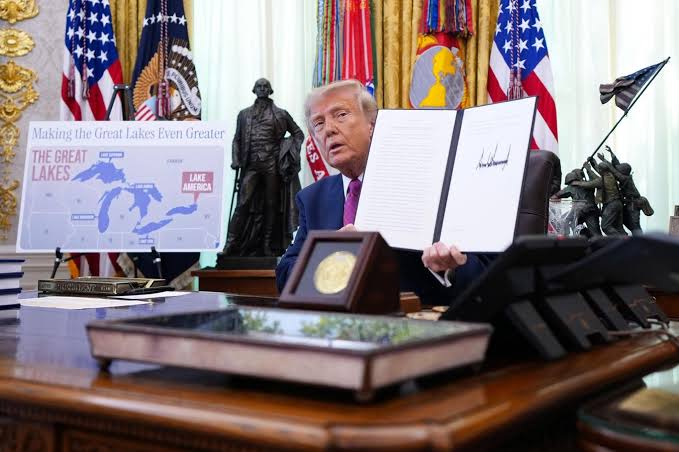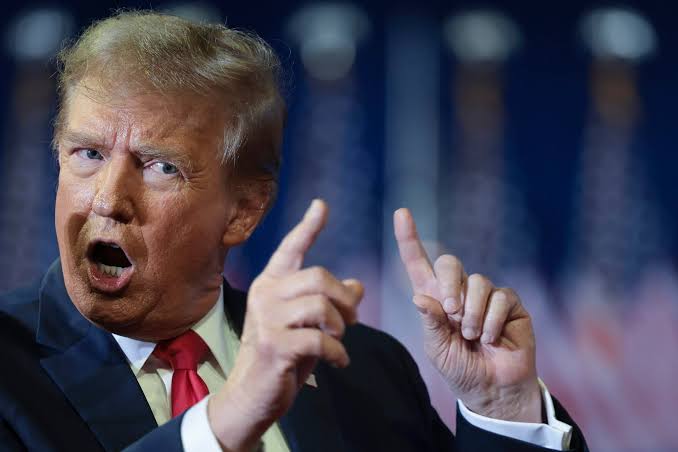
US President Donald Trump and Vice President JD Vance were quickly escorted out of the White House Correspondents’ Dinner after gunshots were heard outside the venue.
Authorities confirmed that both leaders were unharmed. President Trump later stated that the situation had been brought under control, adding that the suspect had been apprehended. He also disclosed that the attacker was “armed with multiple weapons.”
Security personnel moved swiftly to shield the president during the incident. Footage aired by CNN showed officers surrounding Mr Trump on stage before leading him out. He reportedly stumbled briefly during the evacuation.
Officials later identified the suspect as Cole Allen, a 31-year-old resident of Los Angeles who worked as a teacher and video game developer.
Law enforcement authorities said the suspect was present at the Washington Hilton Hotel, where the event was held. The motive behind the shooting has not yet been established.
“Preliminary information. We do believe he was a guest here at the hotel,” CNN quotes the Interim Chief at the Metropolitan Police Department, Jeffery Carroll, as saying at a news conference late Saturday (US time).
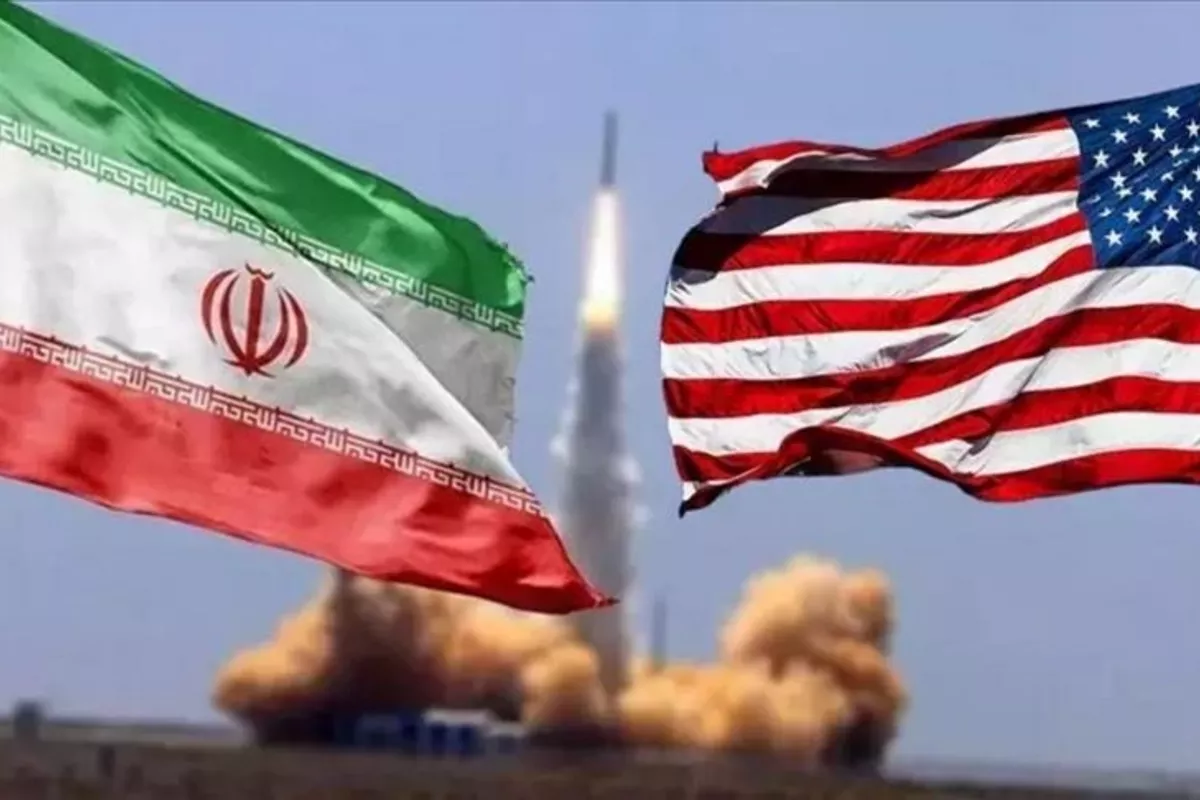
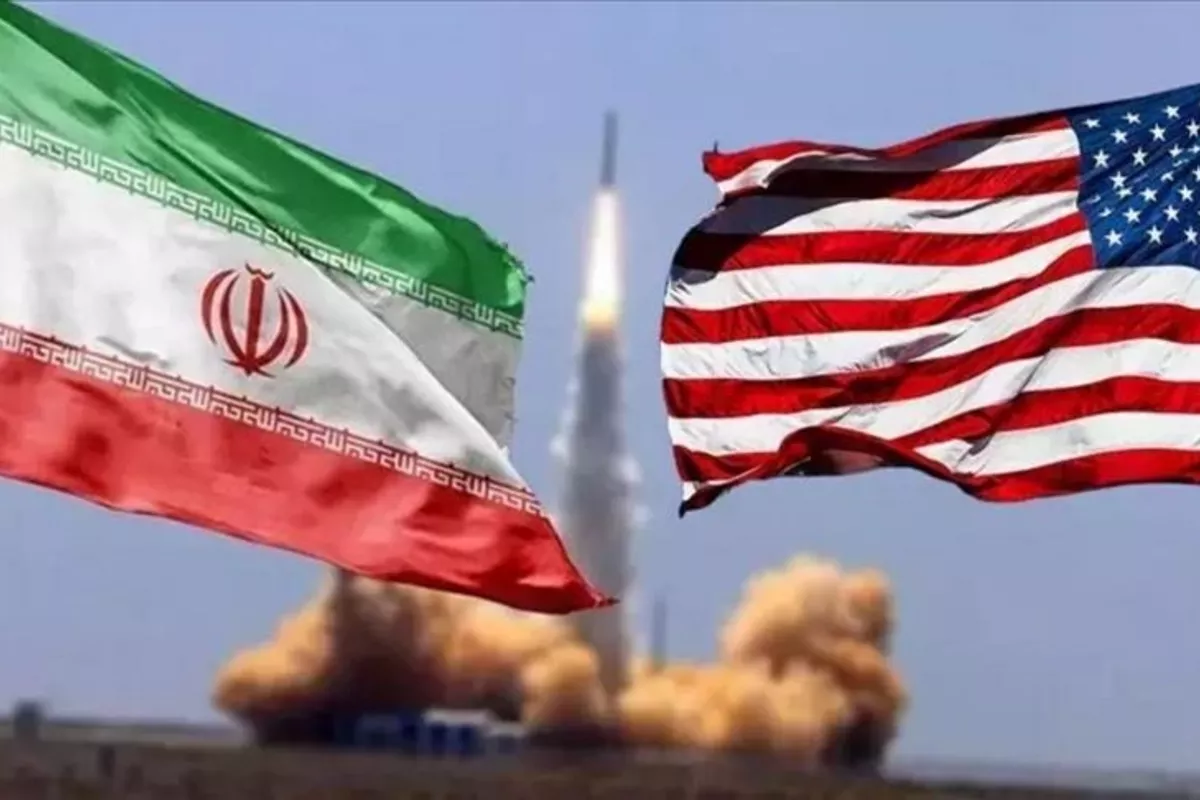
U.S. military officials have disclosed that Iran still possesses nearly 40 percent of its attack drone stockpile, despite weeks of sustained strikes targeting its military infrastructure.
The assessment underscores the resilience of Iran’s drone capabilities, which analysts say remain a central pillar of its military strategy. Earlier intelligence estimates had suggested that roughly half of Iran’s drone arsenal remained intact, highlighting the difficulty of eliminating such systems entirely due to their relatively low cost and ease of production.
Officials warn that the continued availability of these drones poses an ongoing threat to U.S. and allied forces in the region. Iranian drones—particularly low-cost, one-way attack models—have proven challenging to counter, with defenses struggling to intercept large-scale barrages effectively.
The latest figures come amid heightened tensions in the Middle East, where drone warfare has become a defining feature of the conflict. Military experts say Iran’s strategy relies on maintaining sufficient stockpiles to sustain prolonged pressure, even in the face of repeated airstrikes.
The Pentagon has not publicly confirmed the exact figures, but officials indicate that efforts to degrade Iran’s drone capabilities are ongoing.
Fresh US intelligence assessments indicate that China could be preparing to supply Iran with new air defense systems in the coming weeks, according to three individuals familiar with the findings, as reported by Cable News Network (CNN).
The development comes shortly after Beijing played a role in brokering a fragile ceasefire that halted recent hostilities between Iran and the United States. The timing is sensitive as President Donald Trump is expected to travel to China next month for talks with President Xi Jinping.
Officials say the intelligence points to possible efforts by Iran to use the pause in fighting to rebuild parts of its military capability with assistance from foreign partners.
Two sources said there are signs that China may attempt to route the weapons through third-party countries in order to conceal their origin.
The weapons in question are believed to be shoulder-fired anti-aircraft systems known as MANPADS. According to the sources, such systems posed a threat to low-flying US military aircraft during the recent five-week conflict and could do so again if fighting resumes.
China has denied the claims. A spokesperson for its embassy in Washington said, “China has never provided weapons to any party to the conflict; the information in question is untrue.”
The spokesperson added, “As a responsible major country, China consistently fulfills its international obligations. We urge the U.S. side to refrain from making baseless allegations, maliciously drawing connections, and engaging in sensationalism; we hope that relevant parties will do more to help de-escalate tensions.”
Earlier, the embassy maintained that Beijing had “been working to help bring about a ceasefire and end to the conflict” since the outbreak of the US-Israel-Iran war.
President Trump said earlier this week that a US F-15 fighter jet downed over Iran was struck by a “handheld shoulder missile, [a] heat-seeking missile.” Iran had earlier claimed it used a “new” air defense system, though it did not disclose details. It remains unclear whether the system was of Chinese origin.
Analysts say any transfer of MANPADS would signal a shift in China’s level of support for Iran since the US and Israel began joint military operations in February. While Chinese firms have continued supplying dual-use technologies to Iran, direct involvement by the Chinese government in weapons transfers would represent a significant escalation.
High-level engagements between Washington and Beijing have continued alongside ceasefire discussions, and Trump’s planned visit is expected to address several of these concerns.
One source familiar with the intelligence said China appears to be balancing its interests. Beijing is seen as avoiding direct involvement in the conflict while maintaining ties with Iran, a key supplier of oil, and preserving plausible deniability.
Sources also noted that China could frame any support as defensive in nature. This position could distinguish its actions from Russia, which has reportedly supported Iran with intelligence sharing during the conflict.
Iran maintains long-standing military and economic ties with both China and Russia. It has also supported Moscow in its war in Ukraine, including the supply of Shahed drones, while continuing to export much of its sanctioned oil to China.
The United States Embassy in Abuja has cancelled all visa appointments in the Nigerian capital, asking applicants to check their emails for information about rescheduled dates.
In a notice issued on Thursday, the embassy said visa services would continue at the United States Consulate General Lagos.
The embassy also stated that services for American citizens would remain available through scheduled appointments or emergency requests.
The development followed a decision by the United States Department of State to authorise non-emergency U.S. government employees and their family members to depart from Abuja due to what it described as a worsening security situation across Nigeria.
In an updated travel advisory, the department urged American citizens to reconsider travelling to Nigeria, citing concerns including crime, terrorism, kidnapping and civil unrest.
The advisory placed Nigeria under “Level 3: Reconsider Travel,” while some parts of the country were categorised under “Level 4: Do Not Travel.”
According to the notice, the decision followed a security assessment conducted on April 8.
“On April 8, 2026, the Department of State authorised non-emergency U.S. government employees and U.S. government employee family members to leave U.S. Embassy Abuja due to the deteriorating security situation,” the advisory stated.
The department also warned that travellers should reconsider visits to Nigeria because of crime, terrorism, unrest, kidnapping and inconsistent access to healthcare services.
Several states were listed under the highest risk category, including Borno State, Yobe State, Jigawa State, Niger State, Plateau State, Taraba State and parts of Adamawa State.
Other states mentioned in the advisory included Kaduna State, Kano State, Katsina State, Sokoto State, Zamfara State, Bauchi State and Gombe State, where the department cited risks related to unrest, crime and kidnapping.
The advisory noted that some areas in the country face higher security threats, urging U.S. citizens to remain cautious and monitor official updates before planning travel.
United States President Donald Trump has criticised CNN over a report linked to Iran’s claim of victory after a ceasefire agreement, alleging that the network relied on a false source.
The president made the allegation on Wednesday through his Truth Social platform. His comments came shortly after he announced a two-week ceasefire arrangement between the United States and Iran.
Reacting to a statement attributed to Iranian authorities, Trump said, “The alleged statement put out by CNN World News is a fraud, as CNN well knows.”
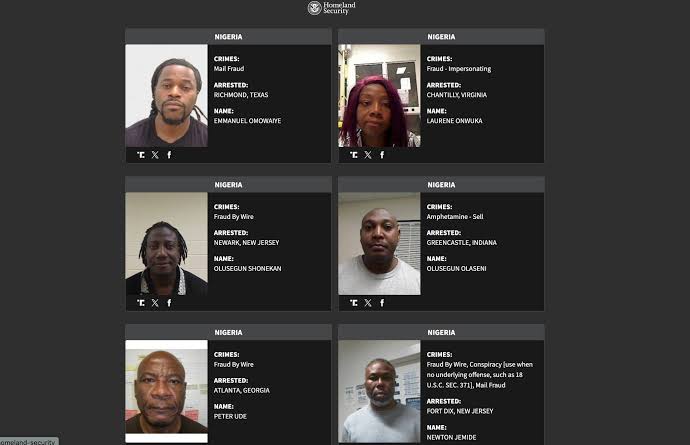
He also claimed that the report originated from an unreliable platform. According to him, “The false statement was linked to a Fake News site (from Nigeria) and, of course, immediately picked up by CNN, and blared out as a ‘legitimate’ headline.”
Trump maintained that the version circulated by CNN did not reflect Iran’s official position. He said, “The Official Statement by Iran was just released, and posted on TRUTH, below.”
In another post, the president intensified his criticism of the network. He said, “No one can believe that Fake News CNN put out a knowingly false and dangerous statement pretending it came from the upper levels of the Iranian Government. It didn’t! It was totally made up and posted, as a headline, for purpose of, perhaps, inflaming a very delicate situation.”
He further alleged that the report came from “a new, trouble-making site from Nigeria,” and added that “CNN just got caught cheating — a very dangerous thing to do.”
The disputed report was said to have been issued by Iran’s Supreme National Security Council. It claimed that Tehran recorded a “historic and crushing defeat” against the United States and forced Washington to accept parts of its negotiation terms.
Trump rejected the claim and insisted that Iran’s official statement did not support such conclusions. He also called on CNN to withdraw the report and issue an apology.
He said, “Authorities are looking to determine whether or not a crime was committed on the issuance of the Fake CNN World Statement, or was it a sick rogue player.”
He added, “CNN is being ordered to immediately withdraw this statement with full apologies for their, as usual, terrible ‘reporting.’ Results of the investigation will be announced in the near future.”
Trump’s reference to Nigeria has drawn reactions, although he did not provide evidence to support the claim that the report came from a Nigerian-based platform.
The Chairman of the US Federal Communications Commission, Brendan Carr, supported the president’s position and faulted CNN’s handling of the report.
Carr said, “Fake news is bad enough for the country, but pushing out a hoax headline in such a sensitive national security moment as this requires accountability.”
CNN, however, defended its report and declined to retract it. A spokesperson for the network said the information came directly from Iranian officials and was confirmed by several state media outlets in Iran.
The spokesperson stated, “We received the statement from specific official Iranian spokespeople who are known to us,” and noted that similar versions appeared in English and Farsi across Iranian platforms.
The network insisted that its report reflected information provided by Iranian authorities at the time. It added that standard verification processes were followed before publication.
The disagreement comes amid global attention on the ceasefire between the United States and Iran. The agreement was reached shortly before a deadline set by Trump for possible military action.
Both countries have claimed success in the standoff. The ceasefire has, however, been widely seen as a step toward reducing tensions, especially due to the importance of the Strait of Hormuz to global oil supply.
Iran’s Foreign Minister, Abbas Araghchi, confirmed that safe passage through the strait would be ensured for two weeks under the agreement.
Iran has called on its citizens to take protective action around critical national assets following renewed threats from the United States, Sky News reports.
The request comes as multiple attacks on Iran’s strategic infrastructure have heightened fears of a wider regional conflict, with tensions rising between Tehran, Washington, and Israel.
“Iran has called on young people to form human chains around power plants, after Donald Trump threatened to hit them.”
The announcement coincides with a looming deadline issued by former US President Donald Trump, which has intensified uncertainty about possible military operations.
“Trump’s deadline for Tehran to reopen the Strait of Hormuz by 1am UK time on Wednesday looms.”
Iranian media reported that Kharg Island, a vital hub for oil exports, has been struck again amid the ongoing hostilities.
“Iran’s Kharg Island has been hit by several strikes, according to a report from the Iranian Mehr news agency.”
The island is central to Iran’s economy due to its key role in oil exports.
“The island is an oil export hub for Iran.”
Earlier in the conflict, US strikes avoided causing significant damage to the island’s infrastructure.
“The US bombed the island earlier in the war but Donald Trump made a point of saying at the time that it left Iran’s oil infrastructure alone.”
Nevertheless, Trump has previously hinted at targeting the island for strategic leverage.
“Trump has, at various points, threatened that the US could take the island to control Iran’s oil.”
Recent reports from US media also point to fresh military action targeting facilities on Kharg Island.
“The US has conducted strikes on military targets on Iran’s Kharg Island, according to American news website Axios, citing an unidentified senior US official.”
Elsewhere in Iran, additional strikes hit transport infrastructure in the central and northern regions.
“We’re receiving reports from Iranian media that a recent Israeli strike struck the Yahya Abad railway bridge in the city of Kashan, in central Iran.”
Authorities confirmed casualties in one incident, highlighting the impact on civilians.
“The Mehr News agency quoted the deputy governor of Isfahan as saying that the strike killed two people.”
Further disruptions occurred on major routes in the north-west and north, following safety warnings issued by Israeli forces.
“Strikes were also reported on the Tabriz-Zanjan freeway in the northwest and a railway in Karaj in the north.”
Iran has rejected a proposed truce in its war with the United States and Israel, state media reported Monday, despite a stark threat by US President Donald Trump to destroy its vital infrastructure.
“Iran has conveyed to Pakistan its response to the American proposal to end the war,” the news agency IRNA said, without revealing its source or what the US offer contained.
“In this response—set out in ten points—Iran… has rejected a ceasefire and insists on the need for a definitive end to the conflict.”
AFP reports that, several countries are trying to find a diplomatic solution to end 38 days of war sparked by Israeli and US attacks against Iran, which has responded by firing missiles at targets across the Middle East.
Recall on Sunday President Trump warned that, unless Tehran agreed by Tuesday evening to allow free passage to shipping through the Strait of Hormuz, he would order strikes on its power plants and bridges.
But IRNA said Tehran had countered with demands of its own, including “an end to conflicts in the region, a protocol for safe passage through the Strait of Hormuz, reconstruction, and the lifting of sanctions”.
The White House moved quickly to dismiss circulating rumours suggesting that President Donald Trump was receiving treatment at Walter Reed National Military Medical Center. The speculation emerged online on Saturday after the administration announced that the President would not make public appearances for the rest of the day.
President Trump’s health has remained under public scrutiny throughout his second term, with observers noting his past public missteps, apparent physical limitations, and reported medical concerns. The sudden absence from his usual weekend routine, which often includes a golf trip to Mar-a-Lago, triggered widespread conjecture.
Trump’s personal spokesperson, Steven Cheung, took to X to reassure the public: “There has never been a President who has worked harder for the American people than President Trump. On this Easter weekend, he has been working nonstop in the White House and Oval Office. God Bless him.”
The President’s last visit to Walter Reed occurred in October, when he underwent a magnetic resonance imaging (MRI) scan. At the time, he told reporters aboard Air Force One: “I did. I got an MRI. It was perfect.” Trump, 79, did not disclose the specific reason for the scan, which can detect a variety of medical conditions. “The doctor said [it] was some of the best reports, for the age, they’ve ever seen,” he added, directing further questions to his medical team.
Dr. Sean Barbabella, Trump’s physician, described the October appointment as a “scheduled follow-up evaluation as part of his ongoing health maintenance plan and included advanced imaging, laboratory testing, and preventative health assessments.” He added that the President “continues to demonstrate excellent overall health.” According to the U.S. National Institutes of Health, MRI scans are particularly effective for examining soft tissue and internal organs using powerful magnetic fields.
In 2025, the White House reported that Trump had been diagnosed with chronic venous insufficiency, a condition in which leg veins fail to return blood efficiently to the heart, causing fluid buildup in the lower limbs. Press Secretary Karoline Leavitt noted that the diagnosis followed observations of swelling in the President’s legs. Dr. Barbabella described the condition as “benign and common” among older adults.
Trump had also been seen wearing cosmetic patches on the back of his hand. The White House explained that the marks resulted from repeated handshakes and were unrelated to the vein condition.
The United States government has annulled the lawful permanent resident status of two relatives of the late Iranian Revolutionary Guard Corps Major General Qasem Soleimani, citing alleged connections to the Iranian government.
In a statement, the U.S. Department of State confirmed that Secretary of State Marco Rubio ordered the termination of the legal status of Hamideh Soleimani Afshar, Soleimani’s niece, and her daughter.
Both women were subsequently taken into custody by federal authorities and are now held by U.S. Immigration and Customs Enforcement.
The statement described Soleimani Afshar as “an outspoken supporter” of the Iranian government. Officials claim she promoted Iranian state narratives while residing in the United States.
“While living in the United States, she promoted Iranian regime propaganda, celebrated attacks against American soldiers and military facilities in the Middle East, praised the new Iranian Supreme Leader, denounced America as the ‘Great Satan,’ and voiced her unflinching support for the Iranian Revolutionary Guard Corps,” the statement said.
Authorities also alleged that she led a luxurious lifestyle in Los Angeles while posting content on social media that supported Iran.
In addition to revoking the residency status of Soleimani Afshar and her daughter, the department confirmed that her husband has been barred from entering the United States.
Earlier this month, Secretary Rubio also terminated the legal status of Fatemeh Ardeshir-Larijani, the daughter of former Secretary of Iran’s Supreme National Security Council Ali Larijani, along with her husband, Seyed Kalantar Motamedi. Both are no longer in the United States and have been prohibited from future entry.
The Department of State acknowledged the cooperation of the U.S. Department of Homeland Security and U.S. Immigration and Customs Enforcement in carrying out the operation.
“The Trump Administration will not allow our country to become a home for foreign nationals who support anti-American terrorist regimes,” the statement added.
A United States fighter jet has been shot down inside Iran, in what officials describe as the first confirmed loss of an American aircraft to Iranian air defences since the conflict escalated.
American officials and Iranian state media both acknowledged the incident. Several US sources also confirmed the development to CNN, backing earlier reports from Iranian outlets that the jet was intercepted and destroyed by local air defence systems.
Reports indicate that the aircraft was an F-15E Strike Eagle. It reportedly went down in or near Khuzestan Province in southwestern Iran, about 470 kilometres from Tehran.
Videos traced to the area near a bridge over the Karoon River showed military aircraft flying at low altitude. The activity is believed to be linked to rescue or support operations after the crash.
US forces have reportedly launched a combat search and rescue mission to find the crew. The aircraft is believed to have carried two pilots.
Iranian state media, including Fars News and Tasnim News Agency, said early efforts to locate any crew members who may have ejected did not produce results.
A report by Fars News also stated that a reward had been offered for information that could lead to the capture of any “enemy pilot or pilots,” which has raised fears about the safety of the missing crew.
Iranian authorities credited the incident to “advanced and newly developed” air defence systems operated by the Islamic Revolutionary Guard Corps (IRGC).
Images and videos shared by Iranian platforms appeared to show wreckage from the crash, including what looked like an ejection seat. However, independent confirmation of the materials remains limited.
Initial claims from Iranian sources suggested the aircraft was an F-35, but later assessments and US-based reports identified it as an F-15E.
As of Friday afternoon, there was no official statement from the Pentagon, the United States Central Command (CENTCOM), or the White House on the incident or the status of the crew.
Analysts say such silence is common during ongoing combat search and rescue operations in hostile environments.