Israel

Israel Says Gaza Journalist Killed In Strike Was Hamas Operative, Al Jazeera Disputes Claim

By Sabiu Abdullahi

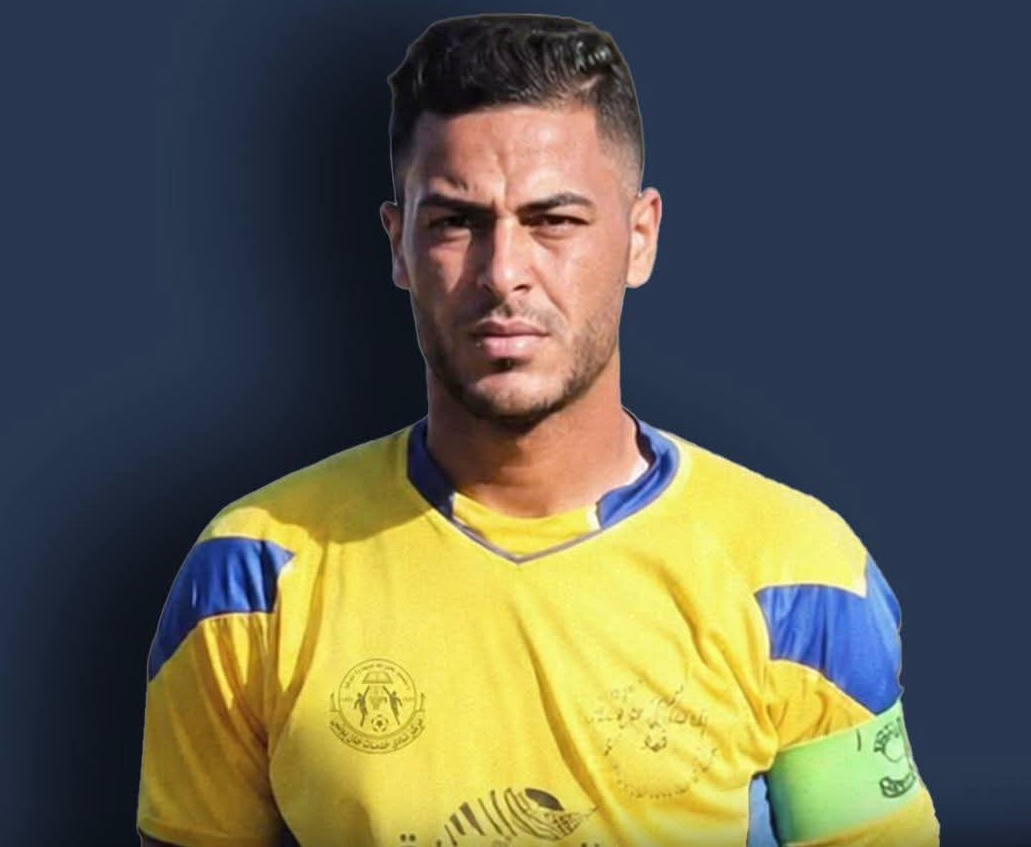
The Israeli military has stated that a journalist killed during a recent strike in Gaza was a member of Hamas, an assertion strongly rejected by Al Jazeera.

In a message posted on X, the Israel Defense Forces (IDF) announced that it had “eliminated” Muhammad Samir Muhammad Washah. The military alleged that he was “a Hamas terrorist operating under the guise of an Al Jazeera journalist.”

According to the IDF, Washah played a role in the group’s weapons operations.

“Washah, a key terrorist in Hamas’ rocket & weapons production HQ, was also involved in the production and transfer of weapons through Gaza,” the IDF said.

“The terrorist was actively involved in planning attacks against IDF troops & posed a concrete threat to forces in the area,” it added.

The statement followed earlier reports that an Al Jazeera correspondent, identified as Mohammed Wishah, died after an Israeli strike hit his vehicle in Gaza City.

Al Jazeera rejected the Israeli account and described the killing as intentional. The network condemned the incident and accused Israeli forces of targeting journalists.

“Al Jazeera Media Network strongly condemns the heinous crime of targeting and killing Al Jazeera Mubasher correspondent, Mohammed Wishah,” the network said.

“This constitutes a new and flagrant violation of all international laws and norms, and reflects a continued systematic policy of targeting journalists and silencing the voice of truth,” it added.

The organisation maintained that the attack was deliberate.

“As Al Jazeera mourns its correspondent Mohammed Wishah… it affirms that his killing was not a random act but a deliberate and targeted crime intended to intimidate journalists,” the statement read.

“The targeting of Wishah represents another episode in a series of deliberate attacks against journalists,” warning of “a dangerous escalation aimed at media professionals,” Al Jazeera said.

The network also called for accountability.

“Al Jazeera holds Israeli occupation forces fully responsible for the killing,” the network said, adding that it would pursue “all necessary legal avenues to bring those responsible to justice.”

The death of Wishah adds to the growing number of journalists killed in Gaza since October 2023. Al Jazeera said the figure has reached 262.

Hundreds Killed And Injured As Israel Launches Massive Strikes Across Lebanon

By Sabiu Abdullahi

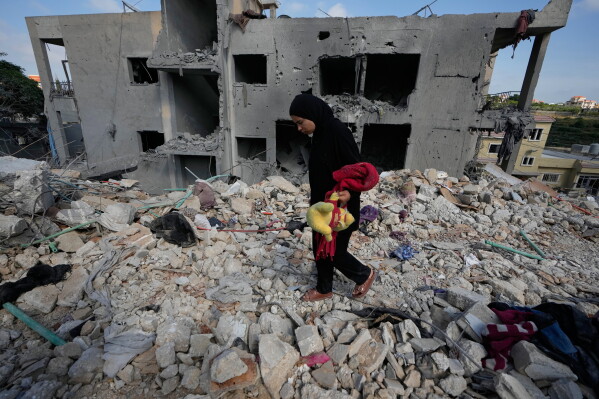
Hundreds of people have been killed and many others injured after Israeli forces carried out a fresh wave of airstrikes across Lebanon, Lebanese Health Minister Rakan Nassereddine has said.

The attacks followed an announcement by the Israel Defence Forces (IDF), which confirmed it had executed what it described as its most extensive coordinated military action in Lebanon since the launch of “Operation Roaring Lion.”

In a message shared on its official X account, the IDF stated, “In 10 minutes, the IDF completed the largest coordinated strike across Lebanon since the start of Operation Roaring Lion.”

According to the Israeli military, more than 100 locations linked to Hezbollah were targeted during the operation. These included “headquarters, military arrays, & command-and-control centers in Beirut, Beqaa and southern Lebanon.”

The IDF added that the strikes also focused on “intelligence command centers and central headquarters used planning terror attacks,” alongside “infrastructure of firepower and naval arrays, responsible for launching missiles.”

It further disclosed that the operation hit “assets of the Radwan Force, & the Aerial unit—Hezbollah’s elite units.”

The bombardment affected several parts of the country, including Beirut, the Beqaa Valley, and southern Lebanon. The scale of the assault marks a sharp escalation in the ongoing hostilities between Israeli forces and Hezbollah fighters.

Lebanese authorities confirmed a high number of casualties. However, they have not provided a precise breakdown of those killed or injured. Emergency teams are still working at multiple sites to rescue victims and assess the damage.

Israel indicated that its military campaign will continue. The IDF said it intends to maintain pressure on Hezbollah due to security concerns in northern Israel.

“We will continue striking the Hezbollah terror organization and will utilize every operational opportunity. We will not compromise the security of the residents of northern Israel. We will continue to strike with determination,” said IDF Chief of the General Staff, Lieutenant General Eyal Zamir, who supervised the operation.

The situation has heightened tensions across the region, with fears growing that the conflict could widen. Cross-border exchanges between Israel and Hezbollah have intensified in recent days.

Israel had earlier stated that it would sustain its strikes on Lebanon despite a two-week ceasefire agreement between Iran and the United States in the broader Middle East conflict.

Several countries have previously urged Israel to halt military actions in Lebanon. Israel, however, maintains that Hezbollah, an ally of Iran, remains a significant threat due to its presence in the country.

Amid the ongoing crisis, Lebanon’s Foreign Affairs Minister, Youssef Raggi, announced a diplomatic move against Iran. He revealed that Lebanon had withdrawn its approval for Iran’s designated ambassador, Mohammad Reza Shibani, and ordered him to leave the country.

In a statement, Raggi said, “I instructed today the Secretary-General of the Ministry of Foreign Affairs and Emigrants to summon the Iranian Chargé d’Affaires in Lebanon to inform him of the decision to withdraw the agrément for the designated Iranian Ambassador, Mohammad Reza Shibani, declare him persona non grata, and request that he leave Lebanese territory no later than 29 March 2026.”

US-Israeli Strikes Destroy Tehran Synagogue, Kill Dozens Across Iran

By Sabiu Abdullahi

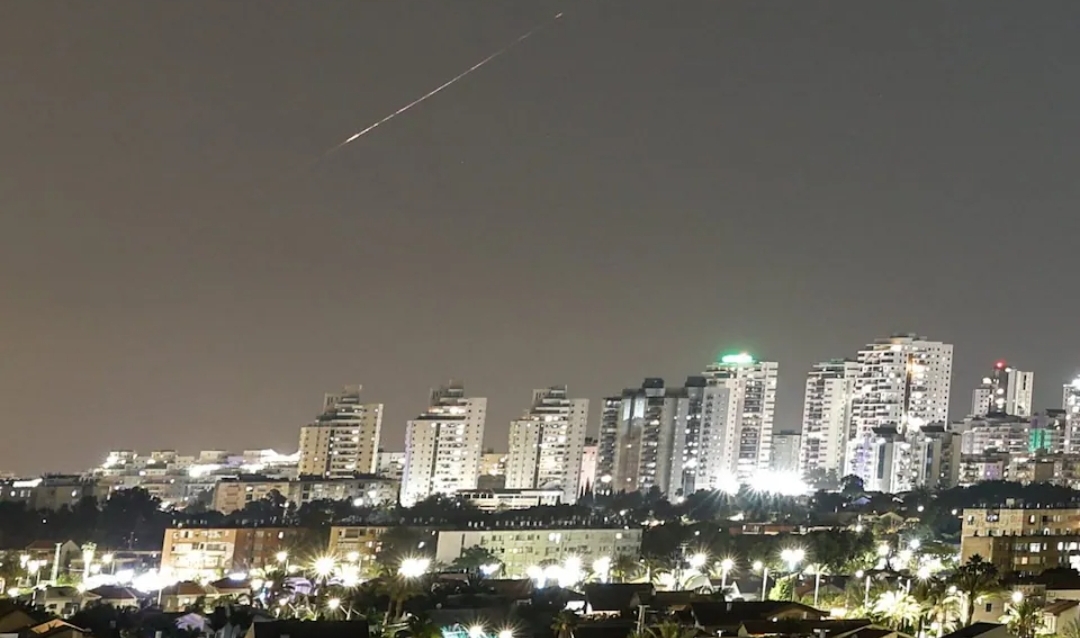
A synagogue in Tehran was “completely destroyed” following United States-Israeli airstrikes, Iranian media reported, as overnight attacks across Iran left more than a dozen dead.

“According to preliminary information, the Rafi-Nia Synagogue … was completely destroyed in this morning’s attacks,” reported Shargh newspaper on Tuesday.

Iran’s semi-official Mehr news agency said the synagogue collapsed after an adjacent residential building in central Tehran was targeted. Video footage showed civil defence workers amid the rubble, with Hebrew-language books scattered on the ground.

The report added that narrow streets around the attacked building caused significant damage to the exterior and interior of neighboring structures. There was no immediate confirmation of casualties at the synagogue.

In a video shared on Telegram by Iran’s official IRIB News, Homayoun Sameh, a Jewish representative in the Islamic Consultative Assembly, said: “the Zionist regime showed no mercy to this community during the Jewish holidays and targeted one of our ancient and holy synagogues. Unfortunately, during this attack, the synagogue building was completely destroyed and our Torah scrolls were left under the rubble.”

Judaism is among Iran’s legally recognised minority religions, and the country has a small Jewish population, though many fled after the 1979 Islamic revolution. Shargh described the synagogue as “one of the most important places for Khorasan Jews to gather and celebrate.”

The strikes were part of a series of US-Israeli attacks overnight. Local media reported at least 15 people killed across Iran. Mehr stated that six bodies were recovered from rubble in Pardis, east of Tehran, while officials confirmed nine fatalities in an Israeli air attack on a residential area in Shahriar, west of Tehran province.

Iran Executes Two Alleged US-Israel-Linked Operatives Amid Rising Tensions

By Sabiu Abdullahi

Iran has executed two individuals accused of collaborating with a US–Israel-backed opposition group, according to reports from the country’s semi-official Tasnim news agency.

The agency stated that the two were charged with ties to the Mojahedin-e-Khalq (MEK), an Iranian opposition organization that authorities claim receives backing from the United States and Israel. The group has a long history of armed resistance against the Iranian government.

Iranian officials accused the executed individuals of “carrying out attacks against security forces,” although the report did not provide further details about the timing or nature of the alleged assaults.

The executions occur amid heightened tensions between Iran, the United States, and Israel, with Tehran frequently accusing both countries of supporting opposition movements aimed at destabilizing the government.

The MEK has remained controversial for decades. Iran designates the group as a terrorist organization, while the United States removed it from its terrorist list in 2012. There has been no immediate comment from US or Israeli officials regarding the executions.

Earlier in March, Iran’s intelligence ministry announced the identification and arrest of 30 individuals accused of spying for the United States and Israel. The ministry said the detainees included alleged spies, domestic operatives, and media-linked figures from several provinces.

“Over the past few days, 30 spies, domestic mercenaries and operational elements of the American-Zionist enemy were identified and arrested,” the ministry said.

Brigadier General Ahmadreza Radan, Iran’s Police Chief, told TRT that the suspects were detained on charges of “spying for the enemy and hostile media,” according to Tasnim news agency. Radan added that 250 of those arrested “provided intelligence to the London-based broadcaster Iran International, including information about targeted sites.”

He also stated that the detainees had links to armed groups and had sought to disrupt public order. Radan described them as “spies” who leaked information “to the enemy and hostile media outlets.”

The ongoing conflict between Iran and the US–Israel coalition continues to fuel global tensions, even as international organizations and nations call for diplomacy and a peaceful resolution.

Police in Israel Bar Catholic Leaders From Entering Holy Sepulchre On Palm Sunday

By Sabiu Abdullahi

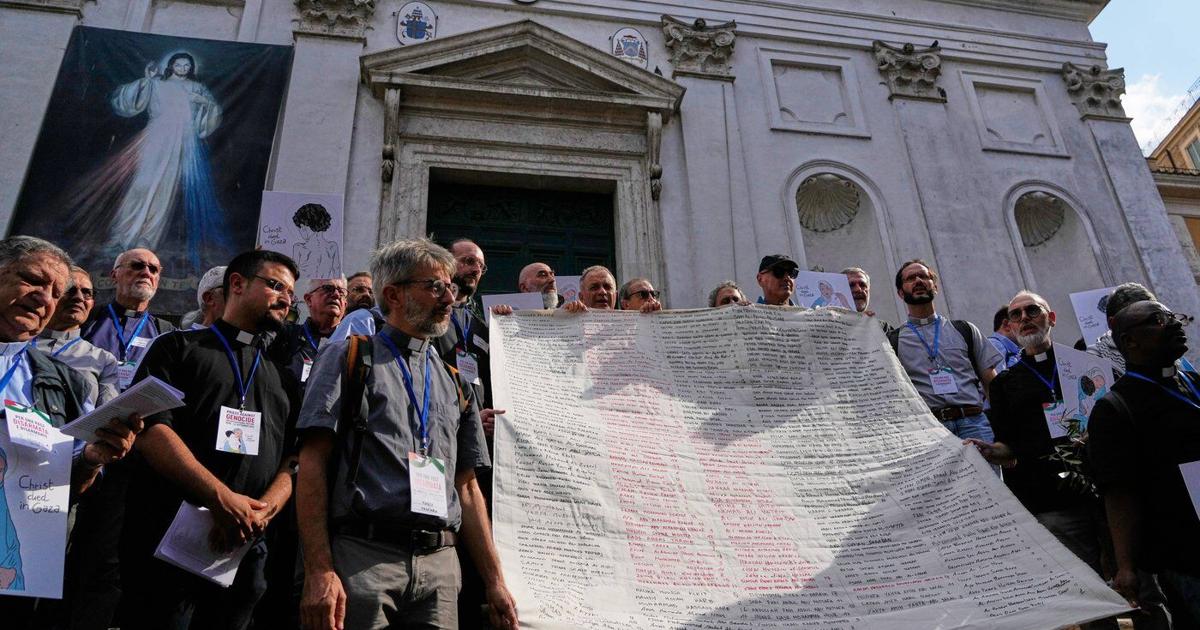
Israeli police on Sunday prevented top Catholic leaders from accessing the Church of the Holy Sepulchre in Jerusalem, where they were scheduled to lead Palm Sunday Mass.

The Latin Patriarchate of Jerusalem confirmed the development in a joint statement issued with the Custody of the Holy Land. According to the statement, the Latin Patriarch of Jerusalem, His Beatitude Cardinal Pierbattista Pizzaballa, and the Custos of the Holy Land, the Most Reverend Fr. Francesco Ielpo, were stopped while heading to the church.

The statement explained that the clerics “were stopped en route, while proceeding privately and without any characteristics of a procession or ceremonial act, and were compelled to turn back.”

Church authorities said the incident marked an unprecedented disruption. “As a result, and for the first time in centuries, the Heads of the Church were prevented from celebrating the Palm Sunday Mass at the Church of the Holy Sepulchre,” the statement added.

They criticised the action of the police, describing it as “a grave precedent, and disregard[ing] the sensibilities of billions of people around the world who, during this week, look to Jerusalem.”

The Patriarchate noted that Christian leaders had adhered strictly to restrictions imposed since the outbreak of the war. It stated that public gatherings were cancelled, attendance was not allowed, and arrangements were put in place to broadcast religious activities to millions of worshippers globally.

The statement further condemned the move as “a manifestly unreasonable and grossly disproportionate measure.” It added that the decision was “hasty and fundamentally flawed decision, tainted by improper considerations” and represented “an extreme departure from basic principles of reasonableness, freedom of worship, and respect for the Status Quo.”

Expressing disappointment over the development, the Church authorities said, “We express our profound sorrow to the Christian faithful in the Holy Land and throughout the world that prayer on one of the most sacred days of the Christian calendar has thus been prevented.”

Israel Kills Journalists, Paramedics In Southern Lebanon Deadly Strike

By Sabiu Abdullahi

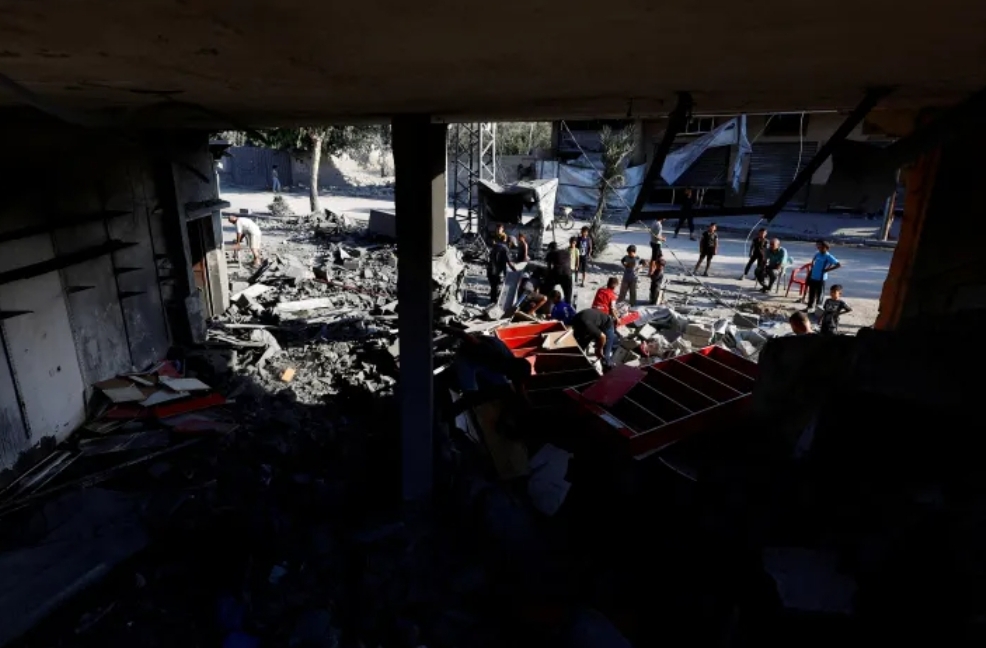
At least three journalists and nine paramedics have lost their lives following a series of Israeli airstrikes in southern Lebanon, as tensions continue to rise in the broader regional conflict linked to the ongoing U.S.-Israel-Iran war.

The deceased journalists were identified as Fatima Ftouni and her brother, Mohammed Ftouni, who both worked with Al Mayadeen, as well as Ali Shuaib of Al-Manar.

Reports indicate that the journalists were travelling in a clearly marked press vehicle along Jezzine Road when it was struck by multiple precision missiles. The vehicle was reportedly hit four times within a short span, leaving no survivors. Other journalists sustained injuries in the attack.

Emergency responders who arrived at the scene were also targeted. In separate incidents across southern Lebanon, ambulances and medical teams came under fire, raising concerns among humanitarian organisations and health authorities.

The World Health Organisation confirmed that several healthcare workers were affected in five different attacks on medical operations. According to the agency, eight paramedics were killed while seven others were injured.

Although the Israeli military acknowledged carrying out the strike that killed the journalists, it alleged that Ali Shuaib had been working alongside a Hezbollah intelligence unit and was monitoring troop movements. It also accused him of spreading propaganda.

Al-Manar dismissed the claim. The organisation described Shuaib as a seasoned war correspondent with decades of experience covering Israeli military activities in Lebanon. Both Al-Manar and Al Mayadeen rejected Israel’s explanation. They insisted that those killed were civilians carrying out their professional duties.

Israel has faced repeated criticism over strikes involving journalists, especially in Gaza, where hundreds of media workers have reportedly died. In many cases, authorities have alleged links between victims and armed groups but have not presented clear public evidence.

Lebanese President Joseph Aoun condemned the attack. He described it as “a blatant crime that violates all norms and treaties under which journalists are granted international protection during armed conflicts.”

Prime Minister Nawaf Salam also criticised the incident. He called it “a flagrant violation of international humanitarian law.”

A journalist reporting from the southern city of Tyre said media workers in the area remain determined despite the dangers. “All the journalists that I’m speaking to here today say that they were just doing their job, and that the journalists that are still here are going to continue to carry out their work despite the obvious dangers,” he said.

The WHO Director-General confirmed the scale of the attacks on healthcare workers and facilities. He detailed multiple incidents across different المناطق, saying:

“In Zoutar al-Sharqiya, five health workers were killed in a strike, and two were injured, one critically.

“Two more health workers were killed and three wounded in Kfar Tibnit; one paramedic died in an attack at a health facility in Ghandouriyeh, while another was killed in a strike in Jezzine. Two were wounded in an attack on Kfar Dajjal,” Ghebreyesus said.

He warned that repeated attacks on medical personnel and infrastructure have severely disrupted healthcare delivery in the region. Several hospitals and dozens of primary healthcare centres have been forced to shut down, while others struggle to operate.

Fatima Ftouni had earlier reported on an Israeli strike that killed her uncle and his entire family earlier in the month. Her death brings the number of Al Mayadeen journalists killed since the conflict began to six.

Figures from Lebanon’s Ministry of Health show that more than 1,100 people have been killed and over 3,300 injured since early March as the conflict intensifies.

Meanwhile, Israeli ground troops are said to have advanced further into southern Lebanon, approaching the Litani River. Hezbollah claims it has carried out multiple retaliatory attacks against Israeli forces within the past day.

In a separate incident, an Israeli airstrike in Deir al-Zahrani reportedly killed a Lebanese soldier, according to official sources.

Describing conditions in the region, a correspondent noted that explosions could still be heard across the الجنوب as bombardments continued. He referred to areas south of the Litani River as effectively a “no-go zone,” adding that while many residents have fled, about 20 per cent remain.

He said those who stayed were taking what he described as a “very deadly gamble.”

Press freedom organisations have expressed concern over the rising number of journalist deaths worldwide. A recent report recorded 129 journalist fatalities in 2025, the highest in more than three decades, with Israel accounting for a significant portion of the cases.

Earlier in the month, another Israeli strike in central Beirut killed Mohammad Sherri, a senior official at Al-Manar, highlighting the increasing risks faced by media professionals in the region.

Iran Players Honour Schoolgirls Killed By US/Israel Airstrike Before Friendly With Nigeria

By Sabiu Abdullahi

Members of Iran’s national football team staged a solemn tribute to schoolgirls who lost their lives in an airstrike amid the country’s ongoing conflict with the United States and Israel.

The gesture took place on Friday before an international friendly match against Nigeria at the Mardan Titanic Sports Complex in Antalya. Iranian players entered the pitch carrying school bags to symbolise the children killed in the attack.

The tribute followed a deadly incident on February 28, when a US/Israel missile struck Shajareh Tayyebeh Primary School in Minab, located in Hormozgan province. Authorities in Tehran reported that more than 175 people, including pupils and teachers, died in the bombing.

The attack marked the start of a broader conflict that has since claimed over 2,000 lives. The situation also forced Iran to pull out of the upcoming FIFA World Cup, which is scheduled to be hosted by the United States, Mexico and Canada.

In the match itself, Nigeria’s Super Eagles secured a 2-1 victory over Iran. Moses Simon and Akor Adams scored the goals for Nigeria.

Nigeria is expected to face Jordan in its next game on Tuesday. Iran will take on Costa Rica in its final fixture of the international window.

Israel Says Iranian Naval Commander Alireza Tangsiri Killed in Air Strike

Israel has announced that it has killed a senior Iranian military figure, Alireza Tangsiri, who headed the naval arm of Iran’s Islamic Revolutionary Guard Corps.

According to Israel’s Defence Minister, Israel Katz, the operation took place on Wednesday night. He described it as “in a precise … operation” and said it also targeted other “senior officers of the naval command” in Iran.

Katz further stated, “The man who was directly responsible for the terrorist operation of mining and blocking the Strait of Hormuz to shipping was blown up and eliminated.”

Despite the claim, there has been no official confirmation from Iranian authorities as of the time of filing this report.

A journalist with Al Jazeera, Tohid Asadi, who is reporting from Tehran, said uncertainty still surrounds the development. He noted, “But if it’s true, it’s going to be another major blow for a country that has already experienced a lot of military commanders being killed.”

The latest claim comes amid the ongoing conflict between the United States, Israel, and Iran, which began on February 28. Since then, Israel has repeatedly announced the killing of several top Iranian officials.

Among those previously reported killed are Iran’s Supreme Leader, Ali Khamenei, and security figure Ali Larijani.

Other casualties linked to Israeli attacks include the head of the Basij paramilitary force, Gholamreza Soleimani, as well as Iran’s Intelligence Minister, Esmail Khatib.

In addition to targeting individuals, Israeli forces have in recent days intensified strikes on Iran’s naval capabilities. Reports indicate that several naval vessels were hit last week in the Caspian Sea. These included ships equipped with missile systems, support vessels, and patrol craft.

The situation continues to evolve, with tensions rising across the region as both sides maintain military pressure.

Netanyahu Pledges Continued Strikes on Iran as Tehran Rejects Negotiations

By Anwar Usman

The President of the United States on Monday held “very good” talks with an unidentified Iranian official after abruptly shelving plans for fresh attacks, even as Washington’s ally Israel vowed to keep up strikes on the Islamic republic.

The surprise disclosure  denied by Tehran, which accused Trump of manipulating energy markets came ahead of a Monday night deadline imposed by Trump for Iran to reopen the Strait of Hormuz shipping lane or see the US “obliterate” its power plants.

Ghalibaf said on X that “no negotiations” were underway, insisting Trump was seeking “to manipulate the financial and oil markets and escape the quagmire in which the US and Israel are trapped.”

Oil prices fell and stock markets jumped as observers scrambled to interpret Trump’s statements despite the Iranian denial.

AFP reports that, the Iranian foreign ministry spokesman Esmaeil Baqaei said messages were received from “some friendly countries indicating a US request for negotiations aimed at ending the war”, but denied any such talks had taken place, Iran’s official IRNA agency reported.

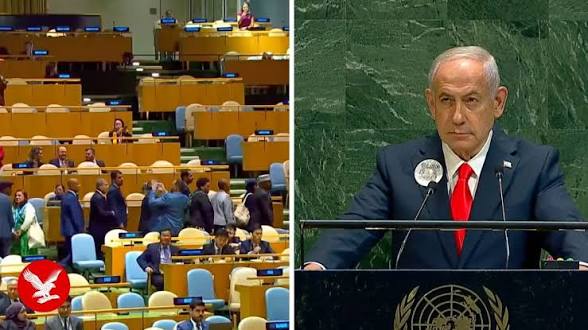
In response, the Israeli Prime Minister Benjamin Netanyahu said he had spoken to Trump and acknowledged the US thought a deal was possible, but vowed to continue striking Iran and Lebanon to protect Israel.

“Trump believes there is a chance to leverage the tremendous achievements of the IDF and the US military in order to realize the war’s objectives in an agreement — an agreement that will safeguard our vital interests,” he said.

“At the same time, we continue to strike both in Iran and in Lebanon.”

Although Oman mediated indirect US-Iran talks prior to the US and Israel launching the war, Egypt, Qatar and Pakistan have been suggested as alternative go-betweens.

On a day of whiplash developments, Iran’s neighbors breathed a sigh of relief after Trump stepped back from his threat to target Iranian power infrastructure.

Tehran had vowed to deploy naval mines and target power and water infrastructure across the region in retaliation, threatening to escalate an energy crisis of already historic proportions.

“Trump blinked first — out of a clear understanding that striking Iran’s energy infrastructure would trigger a direct and significant retaliation,” Danny Citrinowicz, a security analyst and former Israeli intelligence Iran expert, wrote on X.

Trump said his administration was holding talks with an unidentified “top person,” but not the country’s supreme leader, Mojtaba Khamenei, who is believed to be injured.

“We’ve wiped out the leadership phase one, phase two, and largely phase three. But we’re dealing with the man who I believe is the most respected and the leader,” Trump said.

He described the individual as “very reasonable,” while warning if talks failed in the next five days, “we’ll just keep bombing our little hearts out.”

Thousands of US Marines are headed to the Middle East, reinforcing America’s presence amid weekend speculation Trump was mulling ground operations either to seize Iranian oil assets or to forcibly reopen the Strait of Hormuz.

U.S. Embassy Tells Americans To Vacate ‘Israel’ Via Land Routes, Organizes Buses To Jordan

By Sabiu Abdullahi

The United States Embassy in Jerusalem has advised its citizens in ‘Israel’ to consider leaving the country through land borders due to ongoing travel difficulties and limited immediate options.

In a message posted on its official Instagram page, the embassy explained that overland routes currently offer the quickest way out. It pointed to border crossings into neighboring countries such as Egypt and Jordan as the most viable options for departure.

According to the advisory, commercial flights are still operating from airports in Egypt, including Sharm el-Sheikh and Cairo, as well as from Jordan’s capital, Amman.

To support those seeking to leave, the U.S. Department of State has begun arranging bus transportation for American citizens. The service is scheduled to start on March 23 and will move passengers from ‘Israel’ to Queen Alia International Airport in Amman.

As part of the “departure by land” plan, assisted transport will be available through the northern crossing known as the Jordan River/Sheikh Hussein border point. The embassy said this option is intended for citizens who require help exiting the country.

Americans interested in using the service must first complete an online registration form. After that, they will receive information on departure schedules and designated meeting locations. Current arrangements cover departures from both Jerusalem and Tel Aviv.

Officials stressed that travelers will still need to handle their onward journeys themselves, including securing flights from Amman.

The embassy added that it will continue to provide updates to U.S. citizens in ‘Israel’ as the situation develops.