Katsina State

Nigeria Is at War With Bandits

By Zayyad I. Muhammad

The loss of an Army General, whether retired or in active service, at the hands of ragtag bandits, insurgents or terrorists is heartbreaking and a major loss to the nation.

What Nigeria is witnessing today can no longer be described merely as insurgency or banditry. Nigeria is at war. Simple.

Over the years, the country has suffered painful losses of highly trained military officers in the fight against terrorism and armed criminal groups. These incidents clearly show the scale, sophistication, and dangerous evolution of insecurity across the country.

In November 2021, Brigadier General Dzarma Zirkusu was killed in an ambush while commanding the 28 Task Force Brigade in the Chibok area of Borno State.

In November 2025, Brigadier General Musa Uba was killed in an ISWAP ambush near Wajiroko along the Damboa–Wajiroko Road in Borno State.

On April 9, 2026, Brigadier General Oseni Omoh Braimah, a Brigade Commander, was killed during a coordinated Boko Haram/ISWAP assault that overran a military base in Benisheikh, Kaga Local Government Area of Borno State.

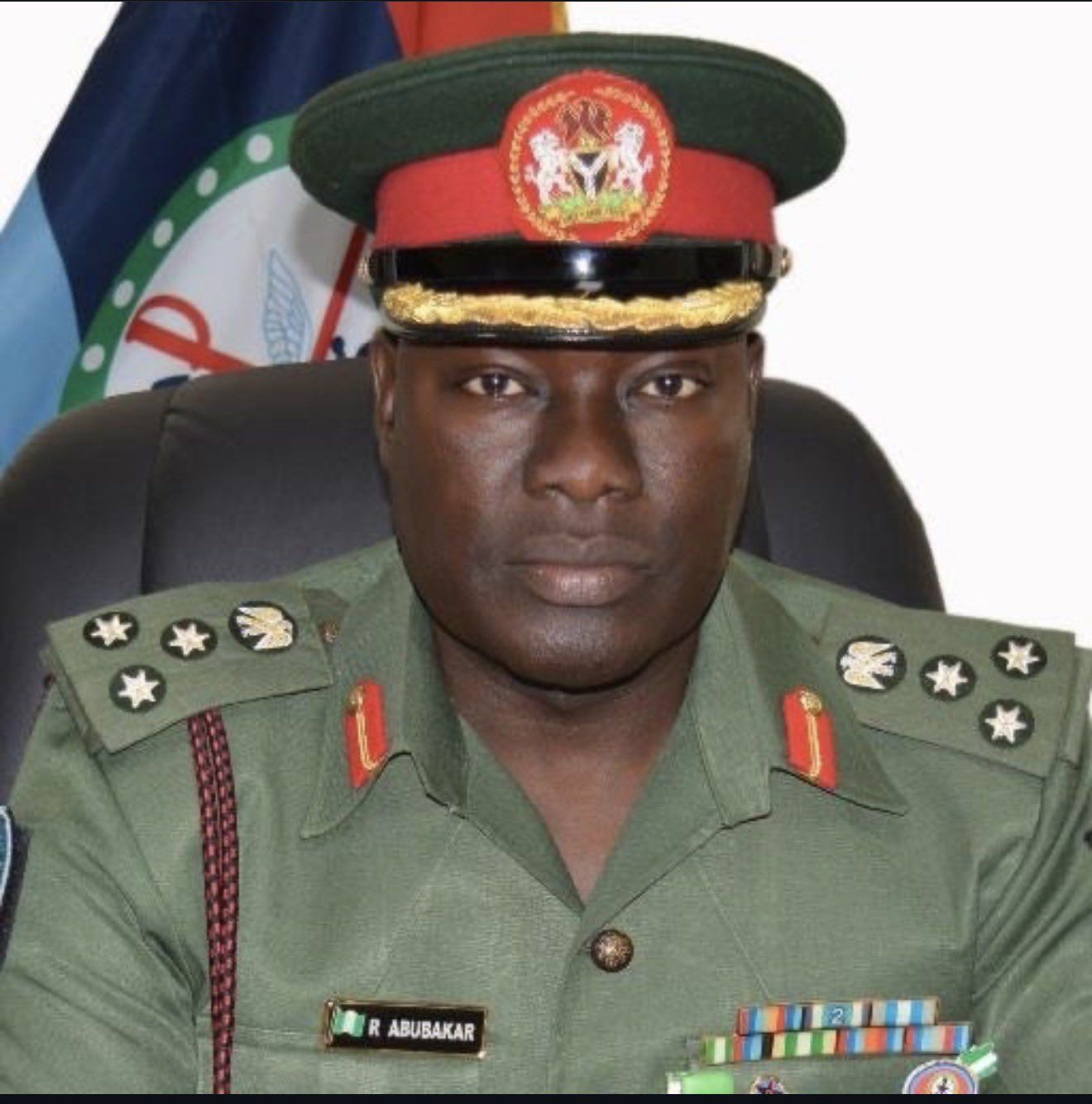
On June 13, 2026, the Katsina State Government announced the death of retired Major General Rabe Abubakar, a former Director of Defence Information, who died while in captivity after being abducted by bandits.

Similarly, in September 2018, retired Major General Idris Alkali was killed by a mob in Plateau State, another painful reminder that even retired senior military officers are not spared from the growing insecurity.

Reaching the rank of General in the Nigerian Army is an extremely competitive, merit-based process that often requires 25 to 35 years of dedicated service, sacrifice, discipline, and commitment to the nation.

These are not ordinary individuals. Generals and indeed all well-trained security personnel, whether active or retired, are strategic national assets. Their experience, intelligence, leadership, and institutional knowledge are invaluable to any country.

When a nation begins to lose such high ranking officers to terrorists and bandits, it is a clear indication that the threat has grown beyond ordinary criminality.

The time has come for Nigeria to fully confront this reality and respond with the seriousness, unity, and determination that war demands, despite the heavy consequences that often come with prolonged conflict and guerrilla warfare. The country’s survival, stability, and future depend on it.

Nigeria is at war with the bandits

Zayyad I. Muhammad writes from Abuja via zaymohd@yahoo.com.

This Is the Time For Nigerians To Unite: A Retired General Abducted — Why Everyone Should Care

By Aisha Mohammed Usman 

The Abduction of Major General Rabe Abubakar (Rtd) and His Wife Should Concern Every Nigerian.

Major General Rabe Abubakar (Rtd) spent decades serving Nigeria, helping to protect its people and defend its sovereignty. A respected military leader known for his professionalism and patriotism, he represents the sacrifice and dedication of countless Nigerians who have devoted their lives to national service.

Now, the reported abduction of Major General Abubakar and his wife has sparked widespread concern. Beyond the pain endured by their family, this incident is a troubling reminder of the insecurity facing the nation and a matter that should concern every Nigerian who values service, sacrifice, and justice.

At a time when public conversations are often dominated by criticism of leadership failures, we must ask ourselves an important question: Have we become a society that only speaks about bad leaders while remaining silent about the good ones?

There is no doubt that Nigeria faces significant leadership challenges. Citizens have every right to demand accountability, transparency, and effective governance. However, while we criticise those who fail us, we must also recognise, celebrate, and support those who have devoted their lives to serving others. Recognition is not merely praise; it is encouragement. It sends a message that integrity, sacrifice, and dedication still matter.

Major General Rabe Abubakar represents those values.

Among his many distinguished accomplishments, Major General Rabe Abubakar served as Nigeria’s Director of Defence Information, a position that placed him at the forefront of military communications and national security engagement. Throughout his career, he became widely respected for his professionalism, patriotism, and commitment to strengthening the relationship between the Armed Forces and the Nigerian people. Even after retirement, he remained an influential voice, mentor, and statesman whose counsel and experience continued to benefit both military and civilian communities.

For decades, he served Nigeria with distinction. Like many military officers, he endured the hardships that come with wearing the uniform—extended periods away from family, exposure to danger, and the immense responsibility of protecting lives and national interests. While millions of Nigerians slept peacefully at night, brave men and women in uniform stood watch, often under difficult and dangerous conditions, safeguarding the nation.

Yet what makes Major General Rabe Abubakar particularly remarkable is that his service did not end with retirement. Through mentorship, community development, youth empowerment, and civic engagement, he continued contributing to the growth and progress of society. His influence extended far beyond military assignments. He became a mentor to many, a trusted voice in his community, and a source of inspiration to both military personnel and civilians alike.

His impact can be felt not only through the positions he held but through the countless lives he touched. From his hometown and village to communities across Nigeria, he has consistently demonstrated that true leadership is ultimately about service to humanity.

It is therefore particularly distressing that a man who devoted his life to defending Nigeria, together with his wife, reportedly became a victim of the insecurity he spent years working to combat.

Alongside him is his wife, who has undoubtedly shared in the sacrifices that military families endure throughout the years of service to the nation. Behind every distinguished military officer is a family that bears the burden of long absences, uncertainty, and the demands of national duty. Their ordeal is therefore not only a tragedy for two individuals but also a painful reminder of the sacrifices made by military families across Nigeria.

According to reports, Major General Rabe Abubakar and his wife were travelling to Katsina for a family wedding when they were abducted in the Matazu Local Government Area of Katsina State. Their driver reportedly survived despite sustaining a gunshot injury, while the retired General and his wife were taken away by armed men. Security agencies and military authorities have since commenced efforts to secure their safe rescue and return.

To those holding Major General Rabe Abubakar and his wife captive, this is an appeal to your humanity. Whatever circumstances may have led to this situation, there remains an opportunity to choose compassion over cruelty. This retired General dedicated his life to protecting fellow Nigerians. He served his country with honour and distinction. We appeal for his immediate and safe release, alongside that of his wife.

To the Federal Government, security agencies, and all relevant authorities, Nigerians are looking to you with hope and expectation. Every available resource must be deployed to ensure the safe rescue and return of Major General Rabe Abubakar and his wife. The nation owes a special duty of care to those who have spent their lives safeguarding its people and institutions.

Beyond this particular incident, there is a broader lesson for all of us. We must learn to celebrate our heroes while they are still with us. Too often, recognition comes only after tragedy strikes. We must speak about the people making positive contributions to our communities. We must highlight examples of integrity, sacrifice, and patriotism. We must encourage the next generation to believe that service to the country remains a noble calling.

A society that constantly criticises but never appreciates risks discouraging those who are striving to do the right thing. Good leaders need support. Good examples need visibility. Good deeds deserve recognition.

Major General Rabe Abubakar is one such example.

At a time when insecurity continues to challenge communities across the country, Nigerians must unite in support of all lawful efforts to secure the safe return of Major General Rabe Abubakar and his wife. Beyond differences of ethnicity, religion, region, or political affiliation, this is a moment that calls for collective concern, compassion, and national solidarity.

As Nigerians, regardless of tribe, religion, or political affiliation, this is a moment to stand together. It is a moment to pray for his safe return, support his family, and reaffirm our commitment to the values he represents.

The story of Major General Rabe Abubakar is ultimately a story of duty, sacrifice, and service. It is a reminder that true leadership is measured not by titles or ranks but by the positive impact one leaves on the lives of others.

As we await the safe return of Major General Rabe Abubakar and his wife, let us remember a simple truth: a nation that honours its heroes strengthens its future, while a nation that forgets them risks losing the very values that hold it together.

May Major General Rabe Abubakar and his wife return home safely. May justice prevail, amin.

And may Nigeria never stop celebrating those who serve her faithfully.
Senate Confirms Darma as Minister

By Muhammad Abubakar

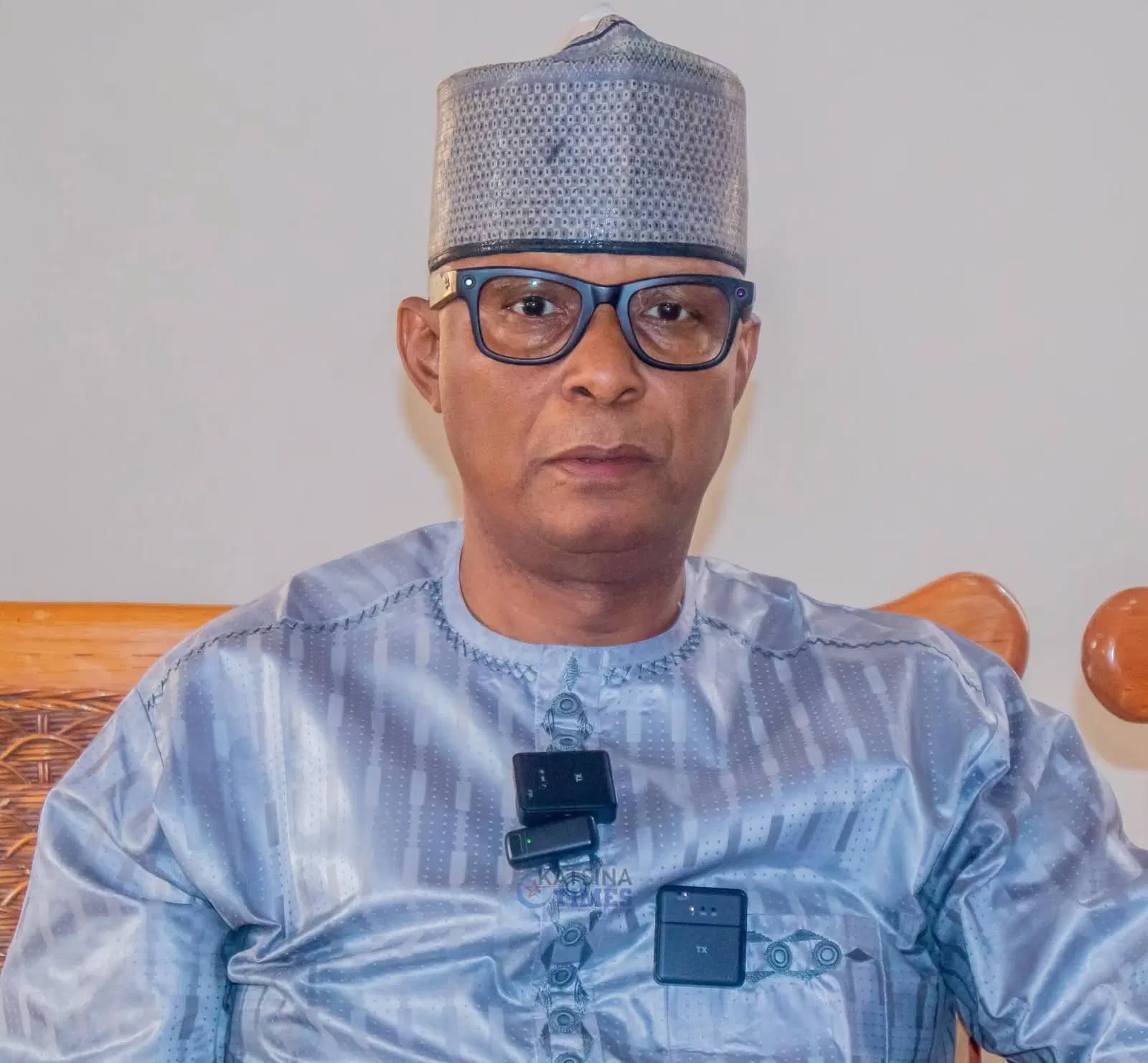
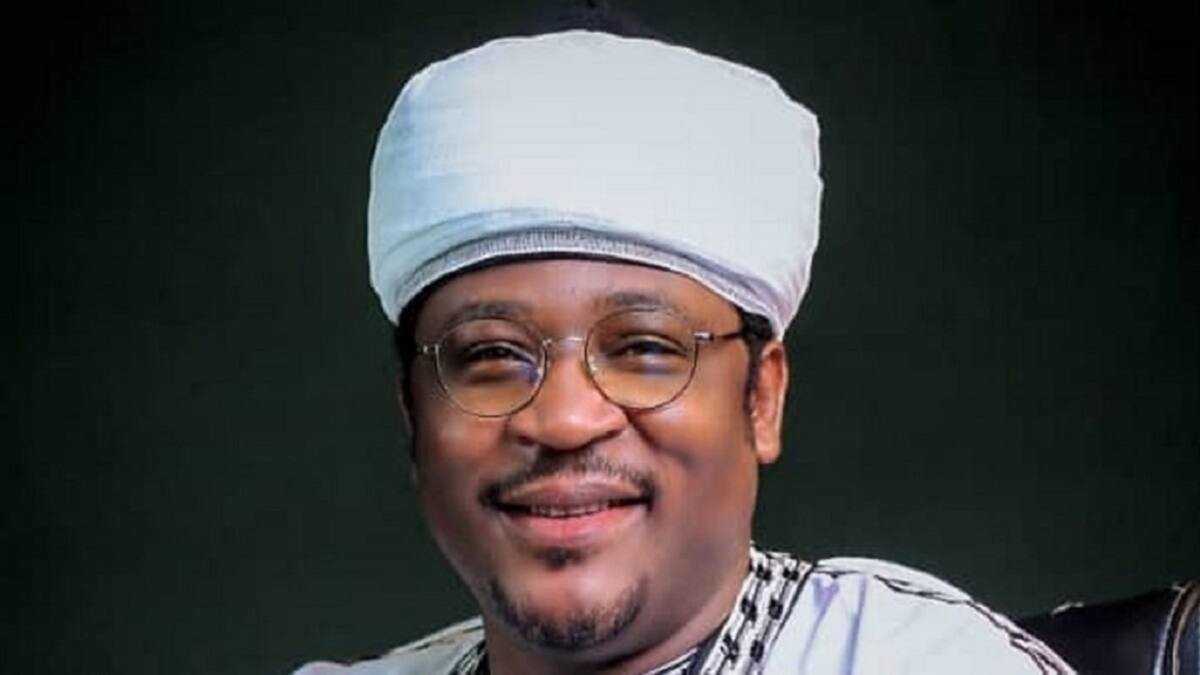
The Nigerian Senate has confirmed the appointment of Muttaqha Rabe Darma as a minister in the federal government following his screening by lawmakers.

Darma was nominated earlier this week by President Bola Ahmed Tinubu to replace Ahmed Musa Dangiwa as Minister of Housing and Urban Development.

During the screening, Darma addressed questions on Nigeria’s housing deficit and urban renewal strategies, pledging to collaborate with relevant stakeholders to meet government targets in the sector.

A seasoned administrator, Darma holds two doctoral degrees and previously served as Secretary and Chief Executive Officer of the Petroleum Technology Development Fund (PTDF).

Despite Peace Deal, Terrorists Murder Islamic Teacher In Katsina Village

By Sabiu Abdullahi

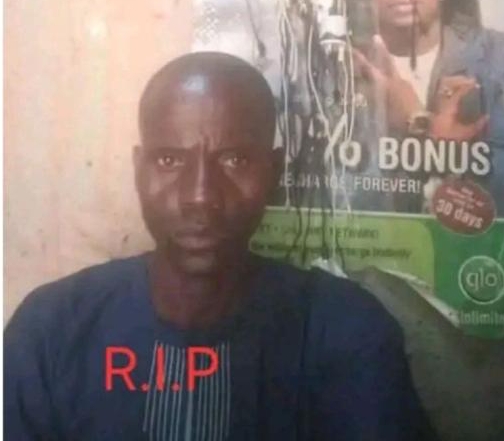
An Islamic teacher, Malam Murtala Saidu, was killed when terrorists attacked Garin-Gozai village in Na’alma ward of Malumfashi Local Government Area, Katsina State.

It was reported that the attack occurred on Sunday evening, shortly before Maghrib prayers, as gunmen stormed the village and opened fire indiscriminately. Saidu was reportedly shot while trying to escape the scene.

Security and intelligence expert Bakatsine confirmed the attack in a security alert issued soon after the incident. He noted that the terrorists moved freely and extended their assault to nearby communities.

“This evening before Maghrib prayers, terrorists stormed Garin-gozai village in Na’alma ward, Malumfashi LGA of Katsina State, killing a local Islamic teacher, Malam Murtala Saidu, who was reportedly shot while attempting to flee. The attackers then moved toward Mai Jimina community in same LGA, firing shots before retreating,” Bakatsine said.

The attack has sparked fear among residents who had hoped that earlier peace agreements between authorities, community leaders, and armed groups would bring lasting calm to the area.

Bakatsine raised concerns about the credibility of the peace arrangement, saying the latest violence exposes serious gaps in its enforcement.

“This comes despite a prior peace agreement between local stakeholders and armed groups, raising urgent concerns about its effectiveness,” the alert stated.

He further questioned the commitment of the parties involved, asking, “If a peace deal was already in place, why are such attacks still occurring, and who is failing to uphold the agreement?”

The incident gives an alert about the ongoing security challenges in Katsina State, where communities continue to face repeated attacks despite dialogues and formal agreements aimed at curbing violence.

EFCC arraigns ex–FUDMA VC over alleged ₦19.7m bribery in Katsina

By Muhammad Sulaiman

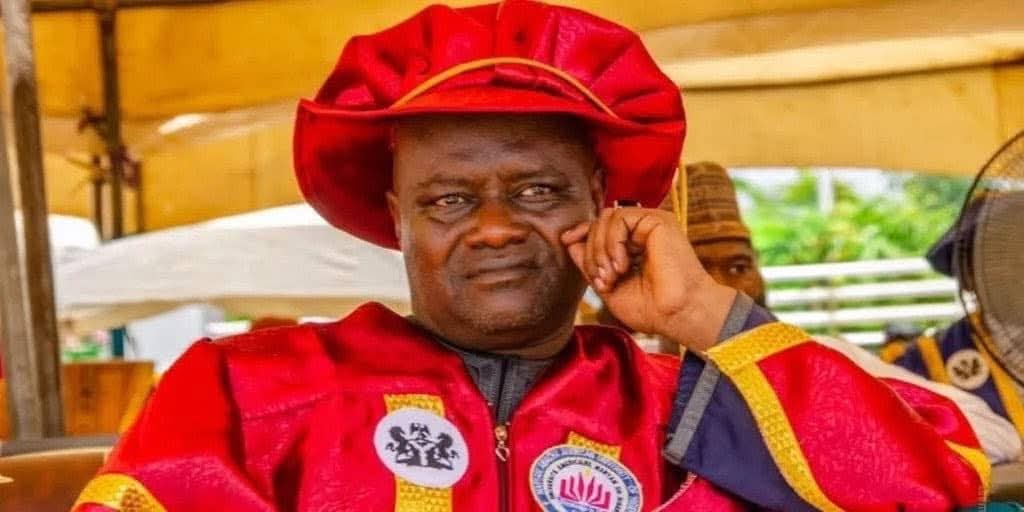
The Economic and Financial Crimes Commission (EFCC), Kano Zonal Directorate, on Thursday, February 5, 2026, arraigned a former Vice-Chancellor of the Federal University Dutsinma (FUDMA), Professor Armaya’u Hamisu Bichi, before the Katsina State High Court over an alleged N19.7 million bribery scheme.

Bichi was docked before Justice Musa Danladi Abubakar alongside two others—Lawal Tukur Mani and Aliyu Lawal Jari—on a five-count charge bordering on bribery.

According to the EFCC, Bichi, while serving as Vice-Chancellor, allegedly received kickbacks from contractors through the two co-defendants in exchange for the award of contracts at the university. One of the charges alleged that he obtained N5 million in July 2023 from a contractor as gratification for contracts involving the supply of medical equipment and laboratory furnishing, with the funds paid into a bank account belonging to one of the co-defendants.

All three defendants pleaded not guilty to the charges.

Following their pleas, prosecuting counsel, Salihu Sani, requested a trial date, while defence counsel moved applications for bail. Justice Abubakar granted each defendant bail in the sum of N5 million with one surety in like sum and adjourned the case to March 12, 2026, for the commencement of trial.

Niger detains DW Hausa correspondent

By Muhammad Abubakar

Authorities in Niger have detained DW Hausa journalist Gazali Abdou Tasawa and placed him in Niamey Central Prison following a court summons on Thursday, January 22, 2026. The journalist appeared before the public prosecutor at the Niamey High Court for questioning related to a video report he produced.

The report highlighted the difficult living conditions of refugees from Katsina State in northern Nigeria who have sought refuge in Niger. However, no official statement has yet been issued detailing the specific charges against the journalist.

The detention has raised concerns among media observers and press freedom advocates, particularly regarding the treatment of journalists reporting on humanitarian and refugee issues in the region.

The dilemma of negotiating with bandits: A path built on ashes?

By Aliyu Ya’u

His Excellency, Dikko Umar Radda’s position on rural banditry has provoked considerable reactions, with some questioning his resolve to confront bandits rather than seek a peace agreement.

Given that he lacks control over the paramilitary and armed forces present in the state, it is fair to say that he has taken commendable steps by establishing the state’s community policing group and encouraging the civilian population to engage in self-defence. 

I fully empathise with his frustration, especially in light of the constant criticisms and pleas from victims suffering due to the terror of rural banditry. Understandably, his excellency may feel disheartened and powerless to prevent these criminals from continuing their activities. 

Further, everyone, especially the civilian population, would welcome a peace accord in a real conflict situation. In such situations, all parties’ demands are tabled and deliberated, and sustainable solutions are found and implemented. 

However, in the case of an unorganised and unregulated group like rural bandits of the North-western and North-central Nigeria, who wreak havoc daily without reasonable justification. 

The question lies not in the society respecting the peace accord, but in the modalities employed to guide the peace settlement. Another question is whether the peace accord is sustainable, using historical parameters to assess the credibility and reliability of the commitment of the violent party involved. 

Any peace accord between a government, society, and an armed group should be based on disarmament, demobilisation, and reintegration (DDR). 

According to the United Nations Peacekeeping operation unit, DDR is “a process of removing weapons from the hands of members of armed groups, taking these combatants out of their groups and helping them to reintegrate as civilians into society.”

The question is whether the militias or bandits are ready to surrender all their weapons, demobilise from their dens, and reintegrate into the larger society. Unless the government can confirm these terms with the bandits’ leaders, mediators, and sureties, it will not be obligated to build a wall of ash blocks. 

Other questions include, How strong and convincing are the commitments laid down or presented by the militias? How committed is the leadership to the pact? What are the demands? How cogent and soluble are they? Do they have a unified command structure? Is the command structure capable of issuing an effective directive that will be respected by various dens and groups committing heinous bandit crimes? 

These armed groups are often small; in most cases, a group comprises 10 or fewer bandits who act autonomously, unless they need to cooperate against a sedentary enemy community. The absence of a centralised governing body makes it difficult to build an effective peace agreement with the groups. How could a peace accord with hundreds of bandit groups roaming the regions’ thick and interconnected forests that span hundreds of kilometres and access many states be possible? 

Another aspect deserving the government’s focus is the scope of Katsina state’s peace accord. What areas will it encompass? Will the armed bandits responsible for heinous crimes in Katsina state prevent others from neighbouring states from crossing into the area to commit banditry? It’s crucial to recognise that we are not dealing with an insurgent group, a separatist movement, or an ideological terror organisation; rather, the state is confronting multiple disorganised criminal entities. 

The focus should be on the following: The state’s primary concern is achieving lasting peace, not a temporary ceasefire. The bandits should establish a reliable leadership structure that is known and accessible, and willing to take full responsibility if they breach the agreement. They should clearly specify what sets their current commitments apart from those made with previous governments. Additionally, they should submit their complaints for the state’s review and assessment. The sureties must first confiscate or disarm the bandits before any peace accord is signed.

Aliyu Yau holds an M.Sc. in Defence and Strategic Studies and is a public policy and conflict analyst based in Kaduna.

Dikko Radda reshuffles cabinet, appoints new heads of key agencies

By Anas Abbas

Governor Dikko Umaru Radda of Katsina State has approved a major cabinet reshuffle and announced new appointments across key government agencies to enhance efficiency and service delivery.

The development, which takes immediate effect, was contained in statements issued on Thursday by the Chief Press Secretary to the Governor, Ibrahim Kaula Mohammed.

The move involves redeployment of some commissioners and the appointment of two new special advisers.Under the reshuffle, Hon. Adnan Nahabu becomes Commissioner for Higher, Vocational and Technical Education, while Prof. Ahmad Muhammad Bakori, who previously led Agriculture and Livestock Development, now heads the newly created Ministry of Livestock Development.

Additionally, Hon. Aliyu Lawal Zakari moves from Youth and Sports to Agriculture, and Hajiya Zainab Musa Musawa shifts from Basic and Secondary Education to Special Duties.

Also, Hon. Yusuf Suleiman Jibia now oversees the Ministry of Basic and Secondary Education, while Engr. Surajo Yazid Abukur takes charge of Youth and Sports Development. Hajiya Aisha Aminu, former Director-General of the Katsina State Enterprise Development Agency, becomes Commissioner for Women Affairs.

Governor Radda further appointed Hajiya Hadiza Abubakar Yar’adua as Special Adviser on Nutrition and Welfare Services, and Isa Muhammad Musa as Special Adviser on Cultural Orientation.

He urged all appointees to align with his administration’s Building Your Future agenda focused on accountability, innovation, and improved governance.

However, the governor appointed Engr. Abba Junaidu, MNSE, as Chairman of the Katsina State Road Maintenance Agency (KASROMA).

He also appointed Dr. Babangida Ruma as Director-General of the Katsina State Enterprise Development Agency (KASEDA), describing him as a technologist and youth advocate previously recognised by UNESCO as the “Father of Technology and Innovation.”

Former Head of Service, Idris Usman Tune, was appointed Chairman of the Katsina State Civil Service Commission.

The Katsina State Pension Bureau was reconstituted with Ibrahim Boyi Dutsinma as Part-Time Chairman, Musa Rabiu Mahuta as Executive Director of Finance and Administration, Abbati Ibrahim Masanawa as Executive Director of Operations, and Usman Shehu as Executive Director of ICT and Database Management. Dr. Faruk Aminu will serve as Independent Observer.

Similarly, for the Katsina State and Local Government Pension Transition Board, Hon. Muntari Dan Ammani was appointed Executive Secretary, while Garba Sanda Mani, MNI, will serve as Part-Time Chairman.

Governor Radda expressed optimism that the changes will strengthen coordination and improve policy execution across ministries and agencies, reaffirming his administration’s commitment to transparency, accountability, and people-centered governance.

From Dubai dreams to banditry nightmares: The tragedy of APC governance in Katsina 

By Muhammad Isyaku Malumfashi

What is happening in Katsina under the present APC administration is a shameful outcome from a government that once boasted of being widely read, widely travelled, and experienced. In fact, from the campaign period to its first year in office, the government bragged that it had all it took to make Katsina a “new Dubai.” That was why a high educational background was used as a symbol of the administration. Even in appointments, only so-called “learned” people were considered, irrespective of whether they were truly experienced or trustworthy.

The most pressing challenge of this government is denial. This denial is even more dangerous than the insecurity bedevilling the state. When you acknowledge the existence of a problem, you will be open to every advice on how to tackle it. But if you keep denying or boasting that you have eliminated it. At the same time, the menace still exists—and perhaps in a more deadly form than during the previous administration—then no matter the energy you invest, you will not succeed. The government and its loyalists continue to deny the bold existence of Fulani terror groups in the state.

Before the recent banditry attack on Muslim worshippers during dawn prayers at Mantau town in Karfi Ward, Malumfashi Local Government—which drew attention from outsiders to what we have long been saying about the APC government’s ill-conceived security surveillance approach—there had already been several incidents of bloodshed, property destruction, and abductions across about nine local governments daily. In places like Malumfashi, where I come from, the banditry menace has worsened since Governor  Dikko Radda assumed office.

The government’s approaches to fighting terror are either ill-planned or manipulated by vested interests, gambling with people’s lives and properties. If we are to judge by the capacity and fanfare displayed by the governor in the past two years—boasting about his readiness and zeal to wipe out criminals from their hideouts—then this government has no excuse for failing. By now, Dr Dikko Umaru Radda himself must have realised that governance, especially in a state with millions of residents, is hectic and demanding. It is unlike how he portrayed it during his campaign. Thus, Katsina is bigger than Charanchi, and the State Government House Office is not an ordinary SMEDAN office.

Notwithstanding, I read with dismay some comments by APC loyalists denying the existence of rampant banditry. According to them, the present government has curbed it. But I was gladdened by how people tackled them in the comment sections, pointing to multiple banditry incidents under this government—incidents worse than anything seen before.

Meanwhile, I do not waste my energy trying to rebut these “data boys” because I know they are either sponsored to promote the government and whitewash its failures, or they do it voluntarily to secure appointments. That is why I stopped engaging in the comment section of my friend Hamis Nababa whenever he appears on air defending the government, because I know he has a personal target. Let alone the unfortunate lawmakers or appointees like Surajo Abdu Kwaskwaro, representing Kaita, who went on air denying the recurrence of bandit attacks in Katsina.

When people are desperate for food, not everyone can remain true to their conscience. Hunger is a terrible thing; it pushes some people to compromise their integrity. But one should not put one’s reputation at stake simply for survival. This is where business security matters—because if those “data boys” were truly independent or well-established in their own ventures, they would not be engaging in such disgraceful acts of defending a failed government whose shortcomings are already too glaring.

One doesn’t even need to doubt whether Governor Dikko is a Grade II certificate holder or truly a PhD holder. Just look at how his government executes projects and the questionable funds allegedly spent on them. Even when figures appear clear on paper, the blunders make them impossible to explain convincingly. At the end of the day, there is nothing tangible to show.

As many have opined, the only candidate that will be extremely difficult to sell in 2027 is that of the APC. If you doubt this, let us wait for time to tell. Those bragging that APC will still win should remember: unless the ruling party uses force, manipulative tactics, vote-buying, intimidation, or pre-stuffed ballot papers, it will be unseated before noon on Election Day if the election is free and fair. Mark my words—because no sane person can campaign for APC in its present state without appearing utterly ridiculous.

Muhammad Isyaku Malumfashi wrote via muhammadisyakumalumfashi@gmail.com.

Saving a legacy: Urgent call to protect Umaru Musa Yar’adua University

By Dikko Muhammad, PhD

Dear Governor Malam Dikko Radda, PhD., with honour and regards befitting of your office and esteemed personality, the people imploring you to address the urgent matters of Umaru Musa Yar’adua University, Katsina, are your friends, not your foes. They don’t want to see the beautiful pumpkin planted about two decades ago uprooted by your administration. If that calamity, God forbid, would happen, it mustn’t happen under the administration of the most credentialed person in the history of our state. 

Sir, UMYU isn’t just a mere state university. It was an ambition and a dream of our revered Malam Umaru Musa of blessed memory. UMYU is the culmination of the sweat and toil of many prestigious individuals from our dear state, impeccable individuals who embraced Malam Yar’adua’s dream and made it a reality.

Men and women who spent sleepless nights, travelled far and wide, to ensure that UMYU isn’t just a prestige project, but a strategic and need-based initiative that addresses the higher education deficit of our dear state and the Northern region. Many of these important individuals are alive today. Please, Sir, as they inch nearer to their graves, don’t make them feel that their labour is in vain. UMYU alone is a fulfilling mission for many of them.

Sir, forgive my repetition– UMYU isn’t just a mere state university. It’s a solution to our century-old gender gap in access to educational opportunity. It enables thousands of parents to educate their daughters to the level of degree certification at a time when interstate and intercity travel are becoming increasingly dangerous by the day. 

When UMYU collapses, may Allah prevent that, it will sink with the dream of thousands of girls who aspire to become educated mothers, productive members of society, and contributors to the future knowledge-driven economy. You just need to look left and right in your own extended family to see the impact this university has already made. 

Your Excellency, Sir, look into the posterity. It’s very long. And it remembers all. Save this system. The university workers are not asking for the impossible. They simply ask that you respect the law establishing this university. They’re only asking you to give the equivalent of whatever is obtainable in federal universities. This is enshrined in the laws that established UMYU. 

I’m deeply sorry if I sound boring. I want to remind your esteemed person that at the point of inception, no state across the Northern region has invested resources in its university as UMYU. Billions have been spent on the training of staff. I am a product of UMYU. I got my first degree here. My teachers called me to join them and serve UMYU. The university has spent millions training me for my master’s and PhD degrees. The same happened to hundreds of others.

Unfortunately, the tasteless, unmotivated and uninspiring condition of service has frustrated many out of UMYU. Many others are awaiting the bond period to japa or to move to another university. In my faculty (pictured here), I know of more than 10 people who have left this institution with their PhD financed by UMYU. UMYU has failed to retain its most precious investment. It has also fallen short of attracting other people with the highest degrees into its corridors. 

As tens of PhDs are leaving UMYU, the university can only attract people with a first degree or, at most, a master’s degree. In practical terms, UMYU is gradually positioning itself as a training ground while Katsina continues to be short-changed in the process. 

Your Excellency, I may disagree with many of your policies. But I never doubted your resilience in moving our dear state forward. Please look into UMYU. Write your history on the footprints of time. You have all that is required to save the most important legacy of Malam Umaru Musa Yar’adua, a statesman, your political mentor, a person you hold dear and a man related to you in other equally important capacities. 

Dikko Muhammad writes from the Department of English and French, UMYU. He can be reached via dikko.muhammad@umyu.edu.ng.