Nigeria

Nicki Minaj threatens legal action against Nigerian X user over alleged ‘harassment’

By Sabiu Abdullahi

Popular rapper Nicki Minaj has threatened to take legal action against a Nigerian user on X, identified as Dr Penking, following a comment about her age and career.

The controversy started after Dr Penking shared a post suggesting that the music star should retire. In the post, he wrote, “Nicki Minaj should understand that she has gotten old and retire”.

The remark drew a response from the Trinidadian-American artiste, who described it as harassment. In a post that was later deleted, she questioned the use of an old video attached to the tweet and hinted at legal steps.

“Do you have permission to use this video that I filmed years ago to harass me on this or any other platform? You’ve just been added to the suit. @TonyBuzbee2 check DM,” she wrote.

Despite the threat, Dr Penking defended his position. He insisted that his statement reflected his personal opinion and fell within his right to free speech.

“Tell Nicki Minaj that My self and my team are ready and eagerly anticipating her papers,” he wrote.

“Freedom of speech and expression is supreme in all constitutions in the world and I have the right to express my opinion at all times.

“Is she old? Yes she is 43. There is nothing harassing about this. It is a publicly accessible information on Wikipedia.

“Should she retire? I think she should. That’s my personal opinion and I stand by it. You can agree or disagree.

“I will not be bullied or intimidated by Nicki Minaj or any other “celebrity.”

The exchange has triggered reactions across social media platforms. Many users have debated whether the rapper has a strong legal basis to pursue the matter.

One user argued that the case may not stand, stating, “Nicki Minaj deleted her post about suing him because she can’t win a case based on this post.

“It’s his opinion, he didn’t defame her, he is also not the one who posted the video, he only shared it from the original poster’s page.

“Her lawyer must have made it clear to her.”

Others pointed to possible legal complications, especially across jurisdictions. They noted that while Minaj is based in the United States, any legal action against a Nigerian citizen may require filing a case in Nigeria under laws relating to cyberbullying or defamation.

The situation continues to generate discussion about free speech and online conduct, as well as the limits of criticism directed at public figures.

NSCDC uncovers alleged baby factory in Owerri, rescues pregnant women, newborns

By Sabiu Abdullahi

The Nigeria Security and Civil Defence Corps (NSCDC) in Imo State says it has uncovered a suspected child-trafficking operation in Owerri, where five pregnant women and five newborn babies were rescued during a security raid.

Officials also arrested two suspects believed to be connected to the facility where the illegal activity allegedly took place.

The Imo State Commandant of the NSCDC, Basil Igwebueze, made this known on Saturday while speaking with journalists in Owerri about recent operations carried out by the command.

According to him, the suspects were identified as Tochukwu Ogaranya, 52, and Godwin Nnamdi, 47. Both men were apprehended at an orphanage located in the World Bank area of the state capital.

The News Agency of Nigeria reported that the commandant explained how the operation started. He said an officer of the corps noticed a pregnant teenager attempting to escape from the compound. The incident raised suspicion among security personnel.

“This prompted my officers to move into action at the orphanage, arrest the owner of the orphanage and rescue the pregnant women and newborn babies,” he said.

Igwebueze described child trafficking as a “heinous crime.” He warned that the corps would not allow such illegal activities to continue in the state.

He also praised residents who supplied information that helped security officials uncover the suspected operation. He urged members of the public to stay alert and report suspicious activities within their communities.

“If the residents of the state had not assisted us with the necessary information, the command would not have uncovered such a criminal act,” Igwebueze said.

However, the owner of the orphanage, Ogaranya, denied involvement in child trafficking. She maintained that the facility operates legally and has the required certification.

She explained that a 33-year-old woman identified as Chiamaka arrived at the orphanage while pregnant after she fled from a man who impregnated her in Abia State.

Ogaranya said she contacted the police about the situation. She added that officers indicated they would accompany the woman to Abia in order to apprehend the man responsible for the pregnancy.

According to her, workers later informed her that the woman had escaped from the orphanage premises.

She said the woman “scaled the fence of the compound and was later caught by the local vigilantes.”

Chiamaka, who is from Ikeduru Local Government Area of Imo State, also gave her account of the incident. She said someone introduced her to the orphanage but she could hardly identify the person.

She explained that the individual told her she could give birth at the facility and later sell the baby.

Chiamaka said she eventually felt uneasy about the arrangement. She decided to flee from the premises after she could no longer endure the situation.

She said she “scaled the fence and ran away for her dear life.”

Igwebueze stated that investigations are ongoing. He added that the suspects will be charged in court.

The commandant also reaffirmed the corps’ determination to combat child trafficking and other crimes. He urged residents to continue supporting security agencies with useful information.

Turning Ramadan palliatives into empowerment packages

By Isyaka Laminu Badamasi

As Muslims, we are encouraged to support the vulnerable among us during the holy month of Ramadan, as acts of charity during this sacred period are multiplied in reward. Ramadan is a time devoted to ibadah (worship), compassion, and the pursuit of spiritual salvation. Both the Qur’an and the Hadith emphasise the importance of helping those in need, particularly during this blessed month.

Zakat, by its very concept, is an Islamic strategy for poverty alleviation and empowerment. It is designed to enhance economic well-being, improve livelihoods, significantly reduce the number of people living in poverty, and strategically increase the number of economically independent individuals. If this divine system is fully adopted and properly incorporated into our socio-economic structures, it can pave the way for a more prosperous, stable, and secure society. This principle is well supported by Islamic teachings, and more information can be obtained from the Zakat and Endowment Units within Shariah Commissions across Muslim-majority states.

As an observer—and someone who has had the opportunity to relate and work with people who serve as members of committees distributing Ramadan palliatives, Sadaqat, Zakat and other palliative programs —a thought often comes to mind during these exercises. The distribution packages usually target vulnerable individuals such as orphans, widows, persons with disabilities, the elderly, internally displaced persons, and those struggling to survive amid the multidimensional poverty affecting many communities in this part of the world.

While this gesture is noble and commendable, I strongly believe that some of these beneficiaries, with the right support, could become economically self-reliant and eventually leave the long queues for palliative collections—queues that, in some unfortunate cases, have even led to injuries or deaths. We can all remember the stampedes during palliative distributions across the country. 

Considering the hundreds of millions, or even billions, of Naira spent annually on Ramadan palliatives by wealthy individuals, corporate organisations, politicians, and governments — which is commendable and should be sustained — it may be worthwhile to redirect part of these resources, or allocate a specific portion toward empowerment initiatives.

For example, a modest sum of N10,000 or N20,000 can be enough to help some women start small income-generating activities. Interestingly, many of the food packages distributed during Ramadan or other palliative programs are often worth more than that amount. (I am not referring to those sharing cooked food or smaller packages) If such resources or separate allocation were converted into empowerment opportunities, they could promote sustainable development rather than temporary relief through the routine distribution of food items. Many professional entrepreneurs and social workers can attest to the long-term benefits of such an approach.

At Initiatives for Sustainable Development (I4SD), we are preparing to pilot this strategy by supporting a small group of vulnerable women through green-skills economic empowerment programs. Our aim is to create a practical model that Governments, philanthropists, corporate organisations, NGOs, and well-meaning individuals can replicate. We welcome professional support, partnerships, and collaboration to help actualise this vision for a more sustainable future—one filled with dignity, happiness, and social tranquillity.

ALLAH YA karbi ibadun mu, amin.

Isyaka Laminu Badamasi wrote via makwalla82@gmail.com.

Tinubu creates high-level task force to drive petroleum sector reforms

By Abdullahi Mukhtar Algasgaini

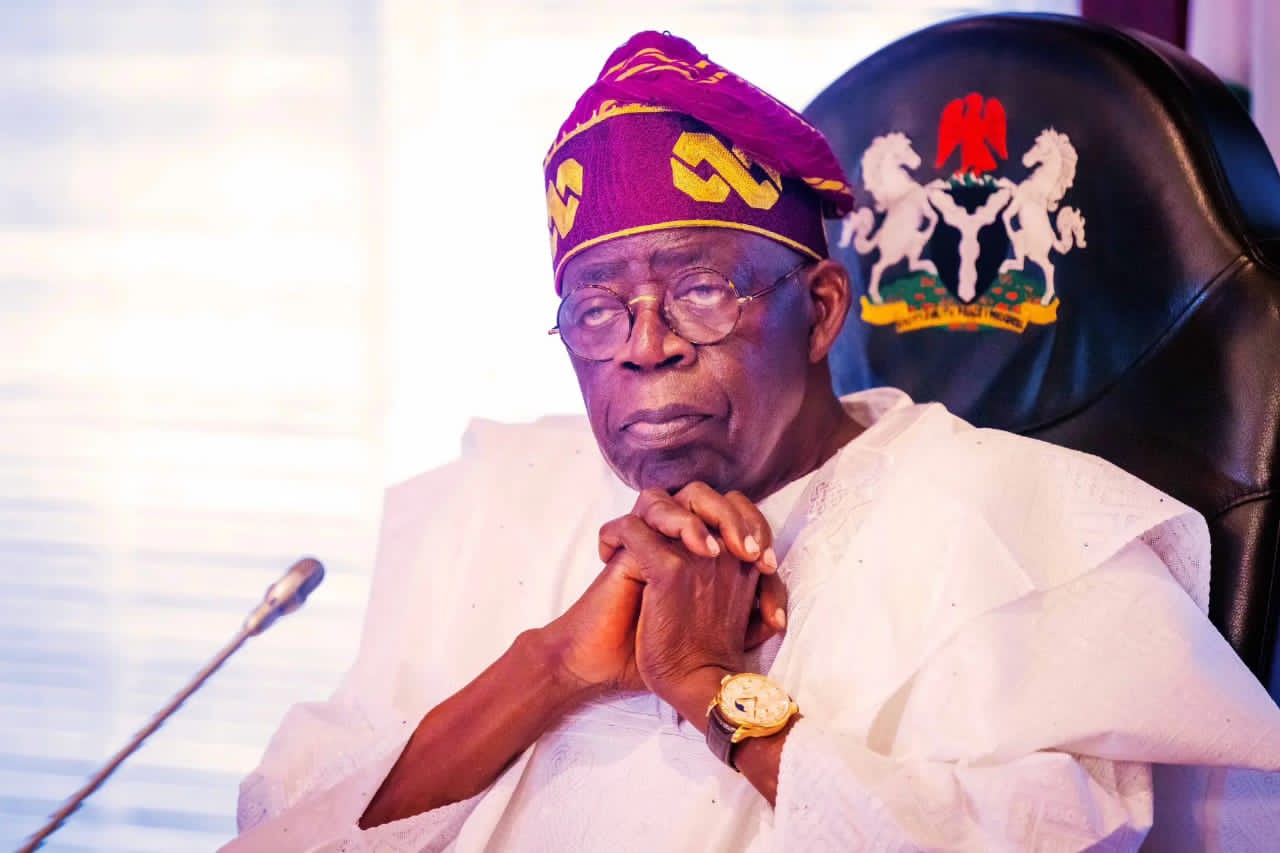
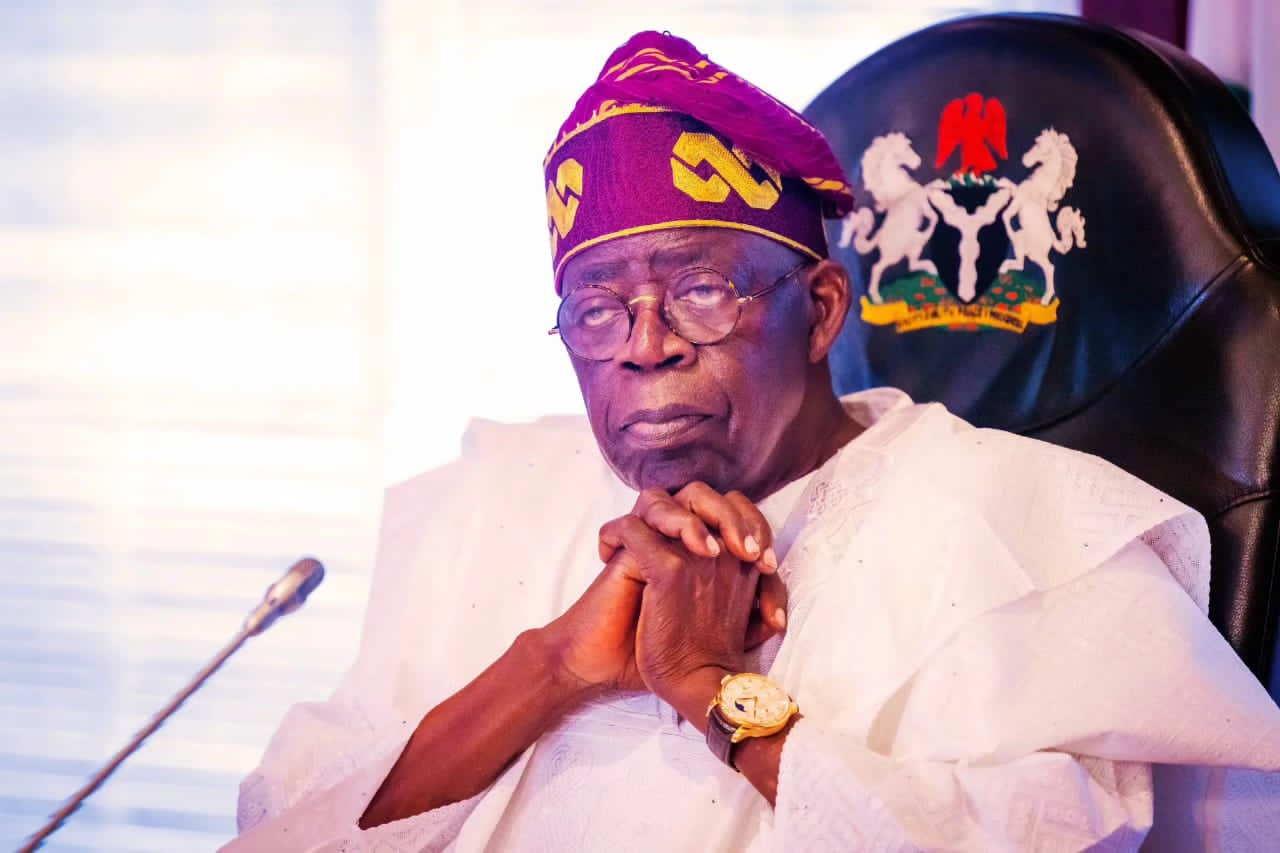
President Bola Ahmed Tinubu has approved the creation of a new Presidential Petroleum Reform & Value Optimisation Taskforce, tasking it with designing the next phase of structural reforms in Nigeria’s oil and gas industry.

The time-bound, high-level working group is chaired by Mr. Fola Adeola, a co-founder of Guaranty Trust Bank and founder of the Fate Foundation. The President has tasked the committee with producing execution-ready blueprints aimed at consolidating ongoing reforms, unlocking capital, and strengthening Nigeria’s position as a premier global energy investment destination.

The Taskforce includes a diverse group of members: Ademola Adeyemi-Bero, Osagie Okunbor, Abubakar Suleiman, Adaeze Aguele, Farouk Gumel, Phillipa Osakwe-Okoye, and Seyi Bella. Mofoluwasho Fadayomi will serve as secretary.

Operating as a technical reform body rather than a representative committee, the group is expected to engage industry operators, regulators, investors, and civil society as consultees while focusing on actionable policy design.

The Taskforce has been given a clear mandate to deliver three major reform blueprints within six months. According to a State House press release, the deliverables include:

1. Immediate Structural Fixes: An implementation toolkit featuring draft legislative amendments, executive instruments, and institutional restructuring proposals.
2. Capital & Liquidity Acceleration Blueprint: A strategy aimed at unlocking between $5–$10 billion in sectoral liquidity while safeguarding Nigeria’s sovereign interests.
3. National Energy Transformation Strategy: A ten-year roadmap with measurable targets for production, foreign exchange earnings, GDP contribution, and cost competitiveness.

The Taskforce will report directly to the President, providing monthly progress memoranda. An interim report is expected in three months, with final outputs due within six months of its inauguration.

To ensure coordination and avoid duplication, President Tinubu has directed all existing committees, teams, and working groups established under various reform initiatives within the sector to align their activities with the new Taskforce.

Furthermore, all relevant Ministries, Departments, and Agencies (MDAs) have been instructed to provide full technical support and share institutional knowledge with the group. The Taskforce is designed to be a temporary body and will automatically dissolve upon submission and acceptance of its final report.

The Presidency stated that the creation of the Taskforce represents a strategic instrument to accelerate reforms, strengthen governance, and position Nigeria’s petroleum resources as a foundation for sustainable economic transformation.

Shi’ites in Nigeria stage pro-Iran, anti-US protests

By Sabiu Abdullahi

Members of the Islamic Movement of Nigeria (IMN), commonly known as Shi’ites, held a demonstration on Friday at the National Mosque in Abuja to show support for Iran.

The protesters first joined other worshippers for the routine Friday prayers at the mosque. Shortly after the prayers ended, they began their demonstration within the mosque premises.

Witnesses said the group started chanting “Allahu Akbar” as they assembled in large numbers. The gathering quickly grew to about 200 participants.

During the protest, the demonstrators voiced strong criticism of the United States and Israel. They also declared their support for Iran. The crowd chanted “shame to America”, “shame to Israel”, and “we support Iran”.

Similar demonstrations were also reported in other parts of the country. Members of the group organised protests at Idimota Central Mosque in Lagos. Others took to the streets in Kaduna and Bauchi.

The protests come at a time of rising tension in the Middle East following a recent escalation in the conflict involving Iran.

Last week, Shi’ite supporters organised demonstrations in several Nigerian states after the death of Iran’s supreme leader, Ali Khamenei. Reports said he was killed during recent US-Israeli strikes on Iran.

Protests took place in Lagos, Kano, Niger state, Sokoto, Gombe, and Kaduna. Demonstrators condemned the joint military operation carried out by the United States and Israel. The strikes reportedly led to the death of Khamenei and some members of his family.

Authorities also recorded similar protests in Bauchi and Yobe states.

Many of the protesters waved Iranian flags and carried portraits of Khamenei. Some also displayed placards that criticised the United States and Israel while expressing solidarity with Iran.

Military airstrikes, ground troops repel ISWAP attack in Yobe


By Abdullahi Mukhtar Algasgaini

Troops of Operation HADIN KAI (OPHK) have successfully repelled a coordinated attack by the Islamic State West Africa Province (ISWAP) on a military base in Goniri, Gujba Local Government Area of Yobe State, inflicting heavy casualties on the terrorists.

The attack, which unfolded from the night of March 9 into the early hours of March 10, saw ISWAP fighters attempt to overrun the location of the 120 Task Force Battalion. Military sources stated that the terrorists launched the assault from multiple directions, specifically from Goniri village and the Ngamdu junction, in an attempt to encircle the base.

According to a statement released on Wednesday by the media information officer for the Joint Task Force, Lt. Col. Sani Uba, the troops’ surveillance assets detected the advancing threat early, allowing for a coordinated defensive response.

“The gallant troops responded with exceptional manoeuvre and firepower, coordinating their defensive actions while reinforcements and the Air Component of Operation HADIN KAI provided timely and decisive air support,” Lt. Col. Uba said.

The combination of ground firepower and aerial bombardment proved decisive, forcing the militants to retreat in disarray. At least 20 terrorists were confirmed killed during the firefight, including a senior commander identified as Abu Yusu, who served as the Munzir (commander) of the Dursula area.

“Several terrorist bodies were left behind, while troops recovered weapons and equipment abandoned during the retreat, including machine guns, AK-47 rifles, bombs and assorted ammunition of various calibre,” the statement read.

A follow-up patrol conducted in the Gwaigomari area, within the notorious Timbuktu Triangle, led to the recovery of additional bodies of the fighters early on March 11.

While confirming that the troops successfully defended the base, Lt. Col. Uba noted that the intensity of the attack caused damage to some structures and vehicles within the camp. He also confirmed that some troops were injured in the battle. They have since been evacuated and are reportedly in stable condition receiving medical treatment.

The military spokesman emphasized that the location remains firmly under the control of Operation HADIN KAI. Ground forces, still supported by air assets, are currently conducting follow-up operations and search missions in neighbouring communities where some wounded terrorists are believed to be hiding. The military reaffirmed its commitment to the total defeat of terrorist groups operating in the North-East region.

Lawmakers amend Electoral Act, impose N10 million fine, two-year jail for dual party membership

By Sabiu Abdullahi

The House of Representatives has approved an amendment to the Electoral Act 2026 that criminalises holding membership in more than one political party.

Under the newly passed provision, any individual found to belong to multiple political parties simultaneously will face a fine of N10 million or a prison term of up to two years.

The lower legislative chamber passed the amendment during Wednesday’s plenary session. It adds three new subsections to section 77 of the Electoral Act 2026, which governs political party membership.

The amendment specifies that anyone registered with more than one party will have such membership nullified.

“A person shall not be registered as a member of more than one political party at the same time,” the provision states.

“Where it is established that a person is registered as a member of more than one political party at the same time, such dual membership shall be void, and the person shall cease to be recognised as a valid member of any political party pending regularisation in accordance with the provisions of this Act and the constitution of the political party concerned.

“A person who knowingly registers or maintains membership in more than one political party at the same time commits an offence and is liable on conviction to a fine of N10,000,000 or to imprisonment for a term of two years, or both.”

If the amendment is signed into law, it is expected to reinforce the rules governing party affiliation and reduce instances of multiple party memberships.

BUK probes student for allegedly defrauding Prof. Kperogi, others

By Sabiu Abdullahi

Bayero University Kano (BUK) has begun an investigation into claims that one of its students engaged in online impersonation and financial fraud.

The case centres on Ismail Sani after several people publicly said they were deceived and lost money.

In a statement released on Wednesday, the university’s Director of Public Affairs, Lamara Garba, confirmed that the institution is aware of reports circulating on social media that link the student to alleged fraudulent activities.

The university explained that the conduct of any individual does not reflect its values. It also said disciplinary steps will follow if the accusations are proven.

“Any conduct capable of bringing the name and reputation of the university into disrepute is treated seriously,” Lamara Garba said.

The issue attracted wide attention after Nigerian academic based in the United States, Professor Farooq Kperogi, shared his experience online. He said someone posing as “Halima Tahir,” who claimed to be a 300-level microbiology student at BUK, repeatedly obtained money from him.

Kperogi later said he discovered that the identity belonged to Ismail Sani, who studies veterinary medicine at the university.

According to him, the student first contacted him in 2024 and claimed he had just gained admission and needed help with school fees.

“I helped him without asking for verification. He later made more requests, including money for an old woman’s medicine. Then he reappeared as ‘Halima Tahir’ to scam me again,” Kperogi wrote.

He added that several digital records linked the alleged scam to the student. These materials included email addresses, payment receipts and JAMB registration documents. Kperogi said the student denied any wrongdoing when confronted.

“He is clearly a dangerous, well-practiced scammer. Or perhaps mentally unwell. Whatever the case, he does not belong in polite society. He belongs in prison, or somewhere he cannot harm people,” Kperogi said.

Following the revelation, other individuals, including social media influencers, said they had similar encounters. They explained that the person behind the messages often used emotional appeals, religious language and fabricated stories to gain sympathy and financial assistance.

BUK said a preliminary inquiry is already underway. The university added that relevant authorities are examining the matter through its disciplinary procedures.

The institution also commended people such as Kperogi who provide financial support to students. However, it urged the public to avoid speculation and allow the investigation to run its course.

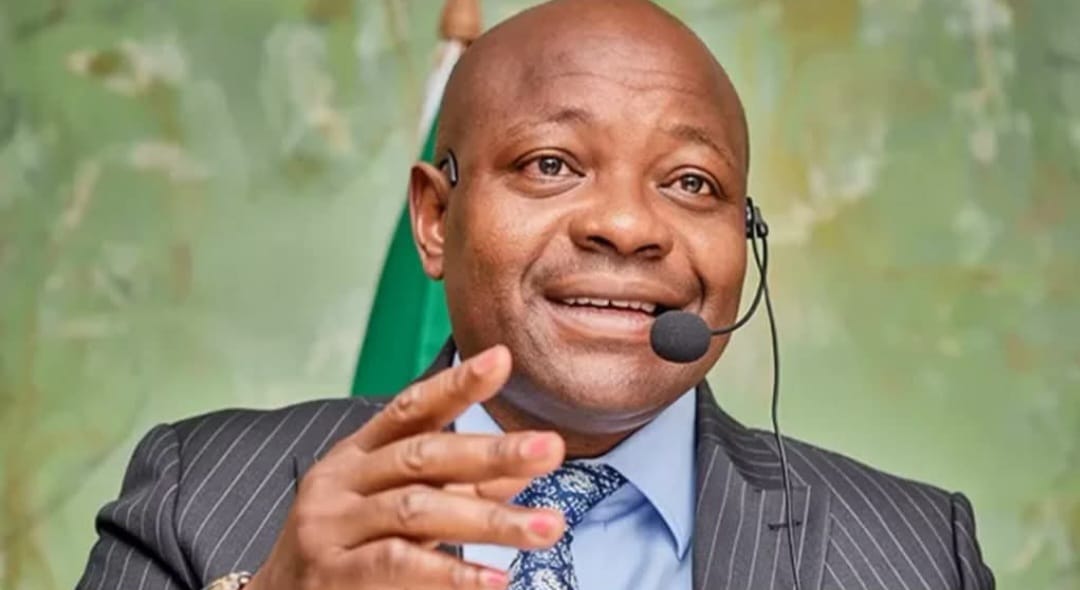
Bwala, Mehdi Hasan and the reality of global journalism

The recent exchange between Daniel Bwala and Mehdi Hasan on Al Jazeera’s Head to Head programme has sparked widespread debate across Nigeria’s political and media space. The interview, which quickly went viral on social media, has been interpreted by many observers as a revealing moment at the intersection of political communication, accountability, and international journalistic standards.

Appearances on global platforms such as Al Jazeera are rarely routine engagements. Programmes like Head to Head are built on a tradition of rigorous questioning, where political figures are expected to defend their arguments under intense scrutiny. For journalists such as Hasan, whose interviewing style is known for its directness, the objective is not merely to host a conversation but to interrogate claims with evidence, previous statements, and policy records.

It is within this context that Bwala’s performance, a media aide to Bola Ahmed Tinubu, has attracted considerable commentary. Some analysts argue that the controversy surrounding the interview reflects a broader challenge faced by many political spokespersons when transitioning from domestic media environments to global broadcast platforms. International interviews of this nature often demand a high level of preparation, particularly when the subject has an extensive public record that can be referenced during questioning.

One of the most notable aspects of the interview involved the presentation of Bwala’s earlier criticisms of Tinubu during the period leading to the 2023 Nigerian presidential election. Before aligning with the current administration, Bwala had publicly expressed views that were sharply critical of the president and his political movement. During the interview, those earlier remarks were revisited and contrasted with his present role as a defender of the government’s policies.

In professional journalism, such lines of questioning are neither unusual nor inappropriate. Public figures frequently encounter questions about their previous positions, particularly when those positions appear to contradict their current stance. The purpose is not necessarily to embarrass the interviewee, but to test the consistency and credibility of their arguments.

Following the broadcast, Bwala reportedly stated in subsequent media interviews that he felt “ambushed,” suggesting he had not anticipated extensive questioning about his past remarks on Tinubu. That explanation, however, has generated further discussion among media commentators. Critics maintain that any appearance on a programme known for its confrontational format should reasonably come with the expectation that past public statements may be scrutinised.

Beyond the immediate personalities involved, the episode highlights an important issue in Nigeria’s political communication culture. Many public officials are accustomed to interview formats within the local media environment, where questioning can sometimes be less adversarial and more conversational. While this approach may foster cordial interactions between journalists and political actors, it can also create a degree of unpreparedness when officials engage with international media institutions that operate under different professional expectations.

Global news networks often emphasise adversarial journalism as a way of ensuring accountability. Interviewers are expected to challenge power, confront inconsistencies and demand evidence for political claims. Within that framework, the intensity of the Hasan–Bwala exchange was largely consistent with established international broadcasting practices.

There is also a broader dimension to consider. When government representatives appear on international media platforms, their performance inevitably shapes perceptions of their country’s governance and political culture. Such appearances, therefore, carry implications that extend beyond individual reputations, touching on issues of national image and diplomatic communication.

Nevertheless, the controversy surrounding the interview also offers a useful moment for reflection. Nigeria’s democratic system benefits from open engagement with the media, both domestically and internationally. In an era where information circulates instantly across borders, political communicators must recognise that past statements remain accessible and can resurface at any moment.

Ultimately, the Bwala–Hasan interview serves as a reminder of an enduring reality in public life: political narratives are constantly subject to scrutiny. In the digital age, where every speech, interview or social media post becomes part of a permanent archive, consistency and preparation are essential tools for anyone representing government policy.

Whether one views the exchange as a difficult interview, a tactical misstep, or simply the normal workings of adversarial journalism, it reinforces the importance of accountability in democratic discourse. When political actors face rigorous questioning, the process may be uncomfortable, but it remains central to the role that journalism plays in holding power to account.

Abdulhamid Abdullahi Aliyu is a journalist and syndicate writer based in Abuja.

Criticism trails Peoples Gazette for tagging Adamu Garba “extremist” over pro-Iran posts

By Sabiu Abdullahi

Peoples Gazette has faced criticism from some readers after describing former Nigerian presidential aspirant Adamu Garba as an “extremist” over social media posts in which he appeared to support Iran during the ongoing war involving the United States and Israel.

In a report published Monday, the online newspaper claimed Mr Garba had joined “northern Nigerian extremists” circulating pro-Iran narratives online.

The publication said checks on the politician’s X account revealed several posts portraying Iran as gaining the upper hand in the conflict. It also alleged that some videos shared by the former senator were old clips presented as recent developments.

One of the posts cited in the report involved a short video which Mr Garba said showed Iranian strikes affecting power supply in Tel Aviv.

“Tel Aviv is total darkness after Iranian strikes destroyed their electricity grid,” the former Nigerian senator claimed.

Peoples Gazette argued that the footage dates back to 2023 when Israel cut electricity to Gaza during its military response to an attack on a music festival.

The report also mentioned another video which it said was originally recorded in 2024 but was presented as a recent development.

However, several readers pushed back against the publication’s description of the politician as an extremist. Some commenters questioned the use of the label and accused the outlet of applying double standards.

One commenter, Ibrahim Muhammed Abubakar, wrote: “So, how about Southerners backing Trump and Netanyahu?”

Another reader, Sanusi Isa Dan-Ada, also questioned the framing of the report, asking: “He should have joined southerners in amplifying Israel’s war propaganda?”

Salis Aliyu raised a similar concern in the comment section. He wrote: “so what of Extremists Southerners those Pro Israel? Would you also bring them into your news?”

Some readers defended Iran’s position in the conflict.

Nigerian Dan Arewa wrote: “We are Pro- oppressed !”

Another commenter, Ibraheem Majidadi, added: “We are all pro-Iran.”

Others argued that supporting a country in an international conflict should not automatically attract extremist labels.

New Nigerian Order wrote: “I don’t think they are extremists. US & Israel have no right to attack.”

Another commenter, Mohammad Bello, questioned the broader geopolitical context, writing: “And so what Is not a big deal is Nigeria under colonial regime of America/ Israel ? However which year and during which government Nigeria restored its foreign relationship with Israel? Is just like yesterday.”

Despite the criticism, some readers supported the position taken by Peoples Gazette. One commenter, Ehimen Osolease, wrote: “HE’S ALWAYS BEEN A TERRORISTS SYMPATHIZER.”

The debate reflects growing divisions on social media as the conflict involving Iran, the United States and Israel continues to attract strong reactions from Nigerians online.