


Nigerian soldiers dare notorious bandit leader Bello Turji
By Sabiu Abdullahi
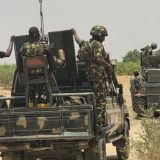
Three Nigerian soldiers have released a video message challenging Bello Turji Kachalla, a notorious bandit leader, to emerge from hiding and face them.
The soldiers expressed frustration over the lack of action from higher authorities to apprehend Turji Kachalla, who has been responsible for a string of devastating attacks across northern Nigeria.
The soldiers directly addressed Turji Kachalla, saying, “Since we have not received orders to come after you, we invite you to come out of hiding and face us. Let’s see what happens.”
They taunted Turji Kachalla, saying, “Prove your courage, Bello Turji. If you’re a real man, come out and face us.”
Condemning Turji’s actions, the soldiers said, “For the sake of Allah, stop kidnapping and killing innocent civilians. They are not your enemies.
“We eliminated Boko Haram in Maiduguri without even knowing what a soldier or a gun was. Now that we’re trained soldiers, you don’t stand a chance, Bello Turji. You’re just a madman.
“You have a gun, but so do we. Come out of hiding and face us. If you’re not man enough to face us, then leave innocent civilians alone.”
https://x.com/jrnaib2/status/1831037714508251247
Grade matters!
By Abdurrazak Muktar
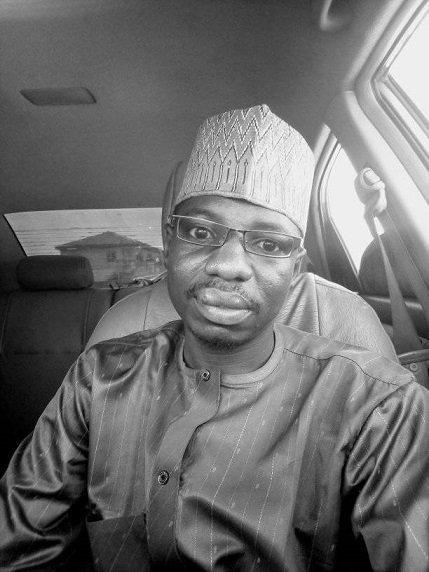
Grades play a crucial role in determining academic and professional opportunities, particularly in Nigeria. The importance of graduating with high grades, such as a 2:1 or a First Class, cannot be overstated. These distinctions not only reflect a high level of academic achievement but also significantly influence career prospects and societal perceptions.
In Nigeria, a First Class degree is often seen as a mark of exceptional capability and dedication. Graduates with such distinctions frequently find themselves in advantageous positions, receiving more attention from employers and academic institutions. This respect is not merely symbolic; it often translates into tangible benefits, such as better job opportunities and career advancement.
The significance of high academic grades is underscored by how people’s attitudes shift upon learning of one’s academic achievements. A First Class graduate, for example, can command immediate respect and open doors that might otherwise remain closed. This is not just about the prestige associated with such grades but also about the perceived reliability and potential of the individual.
The connection between academic success and professional opportunities is evident in real-world scenarios. For instance, prominent individuals in various fields often inquire about a candidate’s degree classification during recruitment or networking conversations. This highlights the weight that academic performance carries in shaping career trajectories.
Moreover, discussing school grades has become a notable topic in the Arewa media space. This debate is one of the region’s most engaging and influential trends, reflecting how deeply academic success is intertwined with personal and professional development.
The discussion around grades not only fosters a competitive academic environment but also serves as a catalyst for broader conversations about educational standards and career prospects.
In conclusion, while opportunities exist for all graduates, those with higher academic achievements often have enhanced prospects. The debate around school grades, especially within the Arewa media, underscores the critical role that academic performance plays in shaping futures. Thus, striving for excellence in one’s academic pursuits is a matter of personal pride and a strategic advantage in the competitive landscape of career opportunities.
Abdurrazak Muktar (Makarfi) wrote via prof4true1@gmail.com.

NNPCL raises petrol price to N904 per litre in Kano
By Uzair Adam
The Nigerian National Petroleum Company Limited (NNPCL) has increased the pump price of Premium Motor Spirit, commonly known as petrol, across the country.
In Kano, the price has risen to N904 per litre at NNPCL filling stations.
Contrary to some reports, the Federal Government has denied instructing NNPCL to sell petrol at ₦1,000 per litre.
This clarification was made in a statement issued by Nnemaka Okafor, the Special Adviser on Media and Communication to the Minister for Petroleum Resources (Oil), Heineken Lokpobiri, on Tuesday.
The statement dismissed the report as false and intended to cause confusion in the oil industry.
Despite this, an internal message circulating allegedly from NNPCL suggested a different price point.
The message indicated an upward review of the petrol pump price from N617 per litre to N897 per litre, effective September 3, 2024.
The Daily Reality on Tuesday gathered that NNPCL is now officially selling fuel at N904 per litre.
However, the correspondent noted that the station in Hotoro, Nasarawa local government area, was not dispensing fuel to the public, except to familiar individuals, resulting in long queues.
One motorist expressed frustration over the situation, stating, “This is unfortunate; even with the price hike to N904 per litre, only those they know are being allowed to buy fuel. We have been here for over two hours.”
An anonymous staff member at the station revealed that the directive to increase the pump price came from NNPCL on Tuesday.
Tears as military evacuates remains of 37 villagers slain by insurgents from Yobe State
By Sabiu Abdullahi
The remains of 37 villagers killed by Boko Haram insurgents have been evacuated from Mafa, a town in Tamuwa Local Government Area of Yobe State.
According to a source, the attack was likely a reprisal for residents providing intelligence to the military in July, leading to a successful operation against the insurgents.
Yobe State Police Command spokesman, Dungus Abdulkarim, confirmed the attack, stating, “We cannot yet confirm the exact number of casualties, but the attack occurred around 4pm in Mafa. The insurgents arrived on over 50 motorcycles, setting shops and houses on fire and killing several people. They also left behind some fliers with Arabic inscriptions.”
Special Adviser to the Yobe State Governor on Security Matters, Brigadier-General Dahiru Abdulsalam (retd), also confirmed the attack, noting that military personnel had been deployed to the area and normalcy had been restored.
Mafa village is located near Shekau village, the hometown of the late Boko Haram leader, Abubakar Shekau.
JUST IN: Dangote refinery begins petrol production
By Uzair Adam
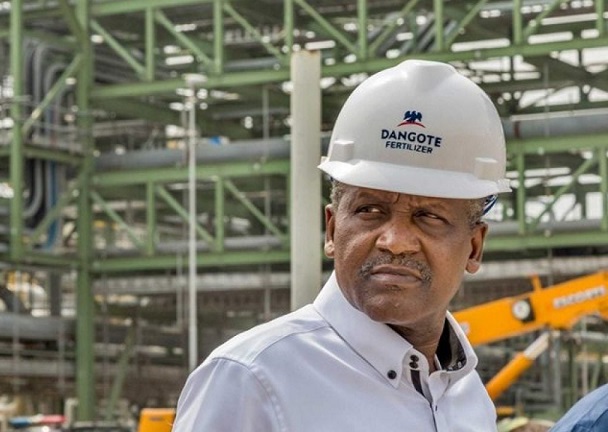
The Dangote Refinery, with a capacity of 650,000 barrels per day, has begun producing petrol.
The announcement was made on Tuesday by Alhaji Aliko Dangote, the refinery’s Chief Executive Officer, while addressing journalists about this significant milestone.
The $20 billion refinery, built by billionaire businessman Aliko Dangote, commenced operations in January, initially focusing on the production of diesel and aviation fuel.
Further details are expected shortly.

Abuja residents protest against ongoing fuel crisis
By Uzair Adam
Residents of the Federal Capital Territory (FCT) took to streets on Monday to protest against the persistent fuel crisis in Nigeria, calling for immediate government intervention.
The protesters demanded a reduction in petrol prices, which they claimed has caused significant hardship for many Nigerians.
They also called for the dismissal of the Group Managing Director of the Nigerian National Petroleum Company Limited (NNPCL), Mele Kyari, citing his tenure as ineffective in resolving the fuel scarcity.
The protest follows a statement from the NNPCL highlighting that its substantial debt to suppliers is jeopardizing the sustainability of fuel supplies.
Carrying banners with messages such as “We are tired of fuel scarcity and stories on why refineries are not working,” and “No direction under Kyari,” the protesters expressed their frustration over the lack of progress in addressing the crisis.
The demonstration ended at Unity Fountain, where Aminu Abbas, the Convener of the Coalition of Concerned Civil Society Organisations, voiced his concerns about the ongoing fuel scarcity in a nation rich in oil resources.
He urged President Ahmed Bola Tinubu and other leaders to act swiftly to alleviate the situation, stating, “The time to act is now. Show us that you stand with the people, not those who profit from our misery. Mr. Kyari must be shown the way out, and the NNPCL must be reformed to serve the interests of all Nigerians. We will not be silenced.”

Mother of former Nigerian President Umaru Yar’Adua passes away in Katsina
By Uzair Adam
Hajiya Dada Yar’adua, the mother of Nigeria’s former president, the late Umaru Musa Yar’adua, has passed away.
She died on Monday evening at the Federal Teaching Hospital in Katsina after a short illness.
Hajiya Dada was also the mother of the late Shehu Musa Yar’adua and Senator Abdulaziz Musa Yar’adua, who currently serves as the Chairman of the Senate Committee on the Army.
The family is expected to announce the burial arrangements at a later date.

Northern governors concerned over rising insecurity, pledge unified action to tackle it
By Abdullahi Mukhtar Algasgaini
The Chairman of the Northern States Governors’ Forum (NSGF) and Governor of Gombe State, Muhammadu Inuwa Yahaya, CON, has reaffirmed the collective concerns of northern governors regarding the rising insecurity in the region, and emphasized strong commitment to partnering key stakeholders to tackle the issue effectively.
The Governor restated this on Monday while receiving a comprehensive report of the Coalition of Northern Groups (CNG) put together by the Experts’ Committee on insecurity in Northern Nigeria as part of the outcomes of the recently conducted roundtable meeting held in Abuja.
Governor Inuwa Yahaya noted the growing impact of insecurity on the livelihoods of millions of Nigerians, particularly in the agricultural sector, which has led to hike in food prices affecting not only the Northern states but the entire nation.
He emphasized that the governors are committed to tackling the insecurity that has plagued the region, which has hindered farming activities, exacerbated the inflation of food commodities and general economic challenges faced by the country.
“As Governors, we are deeply concerned about the security situation in Northern Nigeria. This region has the largest portion of the country’s population and is endowed with mineral resources and fertile soil ideal for farming. The region’s agricultural strength plays a significant role in ensuring food security in Nigeria. Unfortunately, the current insecurity is disrupting these activities, contributing to the rising cost of food commodities, which affects all Nigerians, not just those in the North”, the Governor stated.
As part of the NSGF’s response under his leadership, Governor Inuwa Yahaya announced plans to convene an expanded meeting which will bring together all relevant stakeholders, including past and present leaders, traditional rulers, security chiefs, and civil society organizations, to discuss and implement strategies aimed at restoring the glory of the region.
“This time around, we want to take a collective approach to the insecurity issue. This report is timely. We will study it and work together towards its implementation. We are currently planning to convene an expanded meeting with all critical stakeholders in the region to further explore how we can come together to propose solutions that will genuinely address these problems completely”, the Governor said.
Governor Inuwa Yahaya also commended the leadership of the CNG for its detailed analysis, acknowledging their role in addressing the region’s most pressing issues.
Speaking earlier, the leader of the delegation and Chairman of the Committee of Experts on security component of the CNG, Bashir Yusuf Ibrahim, explained that the report presented to Governor Inuwa Yahaya is a culmination of a long and painstaking process looking at the changing faces of insecurity in Northern Nigeria with a view to proffering workable solutions.
Highlighting some content of the report, he acknowledged the imperative of All Society Approach introduced by the group which will establish synergy among stakeholders across the spectrum of Northern Nigeria in tackling insecurity.
He said the group has already submitted the same report to President Bola Ahmed Tinubu through the office of the National Security Adviser NSA for onward processing.
While acknowledging the peace and tranquility of Gombe State, the leader of the delegation however, explained that no state is totally immune from criminal activities so long as contiguous states are confronted with incidences of crime and criminality.
The Governor was joined in receiving the group by the Deputy Governor, Dr. Manassah Daniel Jatau, the Secretary to the State Government, Prof. Ibrahim Abubakar Njodi, the Head of Service, Alh. Ahmed Kasimu Abdullahi as well as Commissioners and Special Advisers.

Tinubu sends birthday wishes to VP, commends his enthusiasm
By Abdullahi Mukhtar Algasgaini
President Bola Tinubu extends his warm congratulations to Vice-President Kashim Shettima, GCON, on his 58th birthday.
Vice-President Shettima is an academic, accomplished banking professional, raconteur, and leader.
He was the governor of Borno State from 2011 to 2019 and senator representing Borno Central from 2019 to 2023.
President Tinubu joins family, friends, and members of the executive arm of government to celebrate the quintessential administrator, orator, and bibliophile on this special occasion.
The President commends Vice-President Shettima for the enthusiasm, vigour, and affability he brings to governance.
President Tinubu thanks the Vice-President for his support and wishes him robust health and renewed strength in his service to the nation.

Sheikh Gumi laments that bandits now kill, abduct in name of God
By Sabiu Abdullahi
Popular Islamic cleric, Sheikh Ahmad Gumi, has raised concerns that bandits are now abducting and killing Nigerians, believing they are serving God.
In a Facebook post on Sunday, Gumi reacted to the recent seizure of Mines Resistant Armour personnel (MRAPs) by bandits, led by notorious kingpin Bello Turji.
Gumi stated that the bandits were initially fighting an “ethnic war that could easily be resolved” but warned against intensifying the kinetic approach, which he believes has led to their radicalization.
“I warned if the kinetic approach is intensified they will turn into ideologically motivated guerrilla warfare. Nobody listened,” he said.
The cleric noted that the bandits now commit the same crimes, but with a twisted belief that they are serving God. “The picture is gloomy,” Gumi concluded. His warning comes as a video from 2023 resurfaced, showing bandits jubilating after setting the seized MRAPs on fire.