By Moyamya Abraham
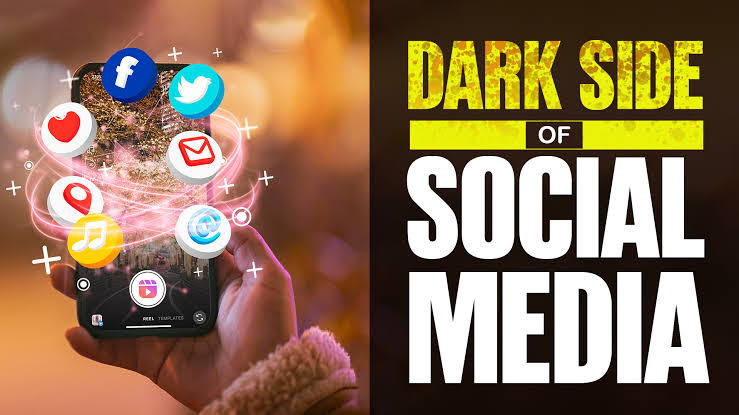
The rapid growth and widespread adoption of social media have transformed the way we communicate, access information, and interact with others. However, this transformation has also brought about significant challenges, including the spread of fake news, hate speech, and harmful content. In Nigeria, social media has become a tool for promoting tribalism, sectarianism, and divisive rhetoric, underscoring the urgent need for government regulation.
Government regulation of social media is essential to protect citizens from the harmful effects of online content. The spread of fake news, for instance, can have devastating consequences, including inciting violence, spreading misinformation, and undermining trust in institutions. Regulation would enable the government to establish standards for online content, ensuring that social media platforms take responsibility for the material they host.
Moreover, regulation would help curb the proliferation of hate speech and harmful content on social media. Hate speech can fuel sectarian tensions, promote xenophobia, and incite violence against vulnerable groups. By regulating social media, the government can establish clear guidelines for acceptable online behavior, protecting citizens from harm and promoting a culture of respect and tolerance.
Furthermore, regulation would enable the government to address the issue of online harassment and cyberbullying. Social media platforms have become breeding grounds for online abuse, with many Nigerians facing harassment, intimidation, and threats. Regulation would require social media platforms to implement effective mechanisms for reporting and addressing online harassment, ensuring that citizens feel safe and protected online.
Additionally, government regulation would promote accountability and transparency in social media operations. Social media platforms have become powerful influencers of public opinion, shaping discourse and influencing electoral outcomes. Regulation would require social media platforms to disclose their algorithms, advertising practices, and content moderation policies, ensuring that citizens are aware of the information they consume.
The Nigerian government has a responsibility to protect its citizens from harm, and regulating social media is a crucial step towards achieving this goal. Regulation would not only safeguard citizens but also promote a healthy and responsible online environment. By establishing clear guidelines and standards for online content, the government can ensure that social media platforms operate in a manner that respects human rights, promotes national unity, and supports democratic values.
Effective regulation would also require social media platforms to invest in content moderation, employing humans and artificial intelligence to identify and remove harmful content. This would create jobs and stimulate economic growth, contributing to Nigeria’s development.
In conclusion, the need for government regulation of social media in Nigeria is pressing. Regulation would protect citizens from harm, promote accountability and transparency, and ensure that social media platforms operate responsibly. The Nigerian government must take proactive steps to regulate social media, establishing clear guidelines and standards for online content and behavior. By doing so, Nigeria can create a safer, more responsible, and more inclusive online environment.
Moyamya Abraham, Department of Mass Communication, University of Maiduguri.