
The Politics of Manufactured Relief: When Propaganda Becomes a Substitute for Governance
By Muhammad Umar Shehu
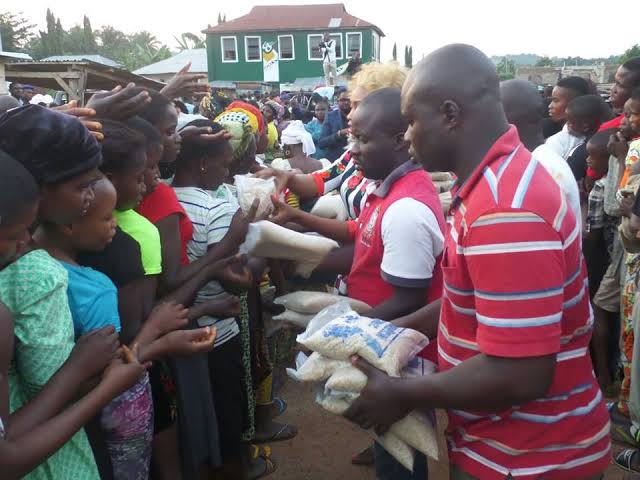
I have always believed one of the oldest tricks in politics is convincing people that temporary relief is evidence of good governance. It is a carefully managed performance. First, create uncertainty. Allow fear and anxiety to spread. Watch public frustration build. Then step in with what appears to be compassion. The same government that created the tension suddenly presents itself as the rescuer. Many applaud, forgetting who created the problem in the first place.
This is how propaganda works.
Propaganda is not always about telling outright lies. Sometimes it is about controlling public emotions. It is about deciding what people focus on and, more importantly, what they forget. It shifts attention from the real problems to carefully staged moments that create the illusion of responsive leadership.
One technique often seen in politics is card stacking, where only information that benefits those in power is highlighted while inconvenient facts are pushed aside. Another is glittering generalities, where attractive slogans and emotionally appealing catchphrases are repeated so often that they begin to replace serious conversations about policy.
There is also transfer, where every government action is wrapped in patriotic language, encouraging citizens to equate support for those in power with love for the country. Add to that bandwagon, which creates the impression that everyone supports a particular government or policy, making dissent appear unreasonable or even unpatriotic. When these techniques are combined with carefully timed announcements and an aggressive media campaign, public attention shifts from measurable results to carefully managed political narratives.
Nigerians should understand this strategy because it has become increasingly common. Instead of addressing the structural problems affecting millions of citizens, government communication often focuses on managing public perception. The objective is not necessarily to improve people’s lives but to improve the government’s image.
While citizens celebrate temporary gestures or reassuring announcements, inflation continues to erode purchasing power. Food prices remain beyond the reach of many families. Businesses struggle to survive. Young people face unemployment and uncertainty. Public institutions continue to weaken while public confidence in government steadily declines.
This is why every Nigerian should ask a simple question whenever government suddenly presents itself as the people’s defender. What created the hardship in the first place? What lasting solution has been provided? Has anything fundamentally changed, or has public attention simply been redirected?
A government that genuinely puts citizens first does not depend on carefully timed public relations campaigns to maintain popularity. It develops policies that reduce hardship before people are pushed to the edge. It strengthens institutions instead of relying on media narratives to defend every controversial decision.
Unfortunately, propaganda has become a substitute for performance. Press statements are becoming more frequent than measurable achievements. Political branding is taking precedence over policy outcomes. The goal appears to be shaping perception rather than changing reality.
History teaches us that governments often become more confident when they believe public opinion can be managed rather than earned. Once citizens accept political theatre as leadership, accountability weakens. Leaders no longer feel compelled to deliver meaningful reforms because they discover that effective messaging can sometimes produce the same political reward as effective governance.
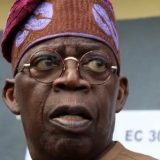
From my perspective, it is part of the trick. Once they secure a second term, they may feel less restrained and more willing to pursue policies that place even greater burdens on ordinary Nigerians. Nigerians should carefully examine the APC administration’s record before deciding its future. Those advocating another Tinubu term should also explain why they believe the country’s present direction deserves another mandate.
Tinubu has not demonstrated a convincing plan to rebuild Nigeria or strengthen the country’s institutions. My concern is that a second term could further weaken democratic accountability and concentrate even more power in the presidency. Whether Nigerians agree or disagree with that assessment, they should examine facts, policies and outcomes rather than political slogans and carefully managed publicity.
Democracy survives when citizens question narratives instead of accepting them at face value. Governments should be judged by the condition of the people, not by the quality of their communication strategy. A well-written press release cannot reduce inflation. A polished speech cannot put food on people’s tables. A sophisticated propaganda campaign cannot substitute for sound governance.
The greatest propaganda is not convincing people that everything is fine. It is convincing them that carefully managed political gestures are proof of good leadership.
Nigeria deserves more than slogans.
Nigeria deserves more than political theatre.
Nigeria deserves leaders who solve problems instead of managing perceptions.
Muhammad Umar Shehu wrote from Gombe and can be reached via umarmuhammadshehu2@gmail.com.
Major US TV Networks Suspend Trump Coverage After CNN Ban
By Sabiu Abdullahi
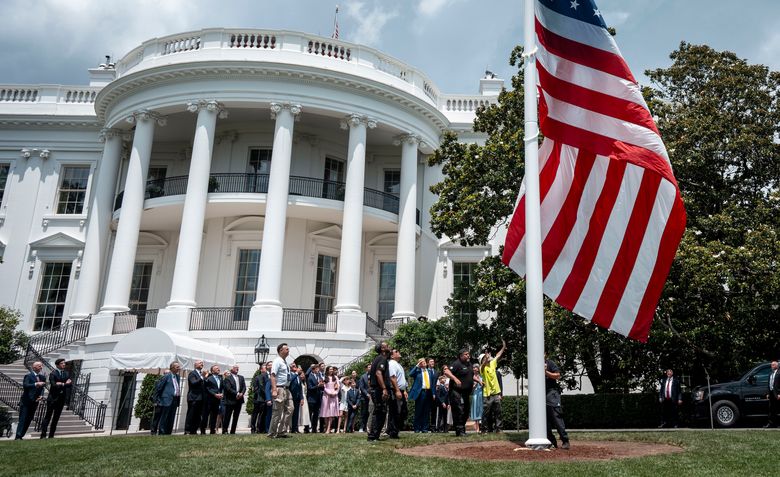
Five major United States television networks have suspended their pooled coverage of President Donald Trump after the White House barred CNN from carrying out its scheduled role as the television pool provider.
ABC News, CBS News, NBC News, Fox News and CNN jointly announced the decision on Monday, September 21, 2026, following the Trump administration’s move to prevent CNN from participating in the rotating pool system.
The decision means that the major networks will not provide the usual shared television footage of Trump’s presidential events for the time being, including his engagements at the White House and his trip to New York for the United Nations General Assembly.
The five networks defended the importance of independent media coverage in a joint statement.
“The public has a vital interest in receiving accurate, independent information about its government,” they said.
“No administration should restrict a news organisation because it objects to its reporting.”
The action came after the White House removed CNN from its scheduled pool assignment for Monday. CNN had been due to provide the rotating television coverage, under an arrangement through which the five networks take turns recording presidential events and distributing the footage to other broadcasters.
Bryan Boughton, Fox News’ Washington bureau chief and chair of the television pool, notified other members of the arrangement that no replacement would be provided for CNN.
“This is to advise that, effective today, the TV pool will not be covering events designated as pool coverage of the President. This follows the White House’s position preventing CNN from fulfilling its duties,” Boughton wrote in an email.
The television pool is designed to allow one designated network to cover presidential events with cameras and share the resulting footage with other news organisations. The arrangement is particularly important for events where physical space limits the number of journalists and camera crews that can participate.
The dispute follows the Trump administration’s decision to bar CNN, MS NOW and Politico from the White House.
The three media organisations subsequently filed a lawsuit against Trump and senior White House officials in a federal court in Washington, alleging that their exclusion violated constitutional protections for freedom of speech and the press.
The outlets are seeking a temporary restraining order that would restore their access to the White House while the legal challenge proceeds.
Trump has defended his administration’s action, accusing the affected organisations of publishing what he described as “fake news” and arguing that the White House has the right to restrict access.
Vice President JD Vance also defended the administration’s position, saying the White House was not banning media organisations but was declining to provide special access to outlets it believed were engaging in propaganda.
However, the networks’ decision to suspend the television pool has created an unusual situation in which the five broadcasters that normally share responsibility for filming Trump’s presidential engagements have declined to provide a replacement crew.
The suspension could limit the availability of pooled television footage of Trump’s public engagements, including his activities surrounding the UN General Assembly in New York. Other journalists may still cover the events, but the normal shared television feed will not be available through the five-network pool.
The latest confrontation is part of a wider dispute between the Trump administration and several US media organisations over press access to the White House.
The legal challenge by CNN, MS NOW and Politico now places the dispute before the courts, while the decision by the five major television networks has intensified the standoff over media access and presidential coverage.
Atiku Questions Who Is Constitutionally In Charge As Tinubu’s 21-Day Vacation Elapses
By Sabiu Abdullahi
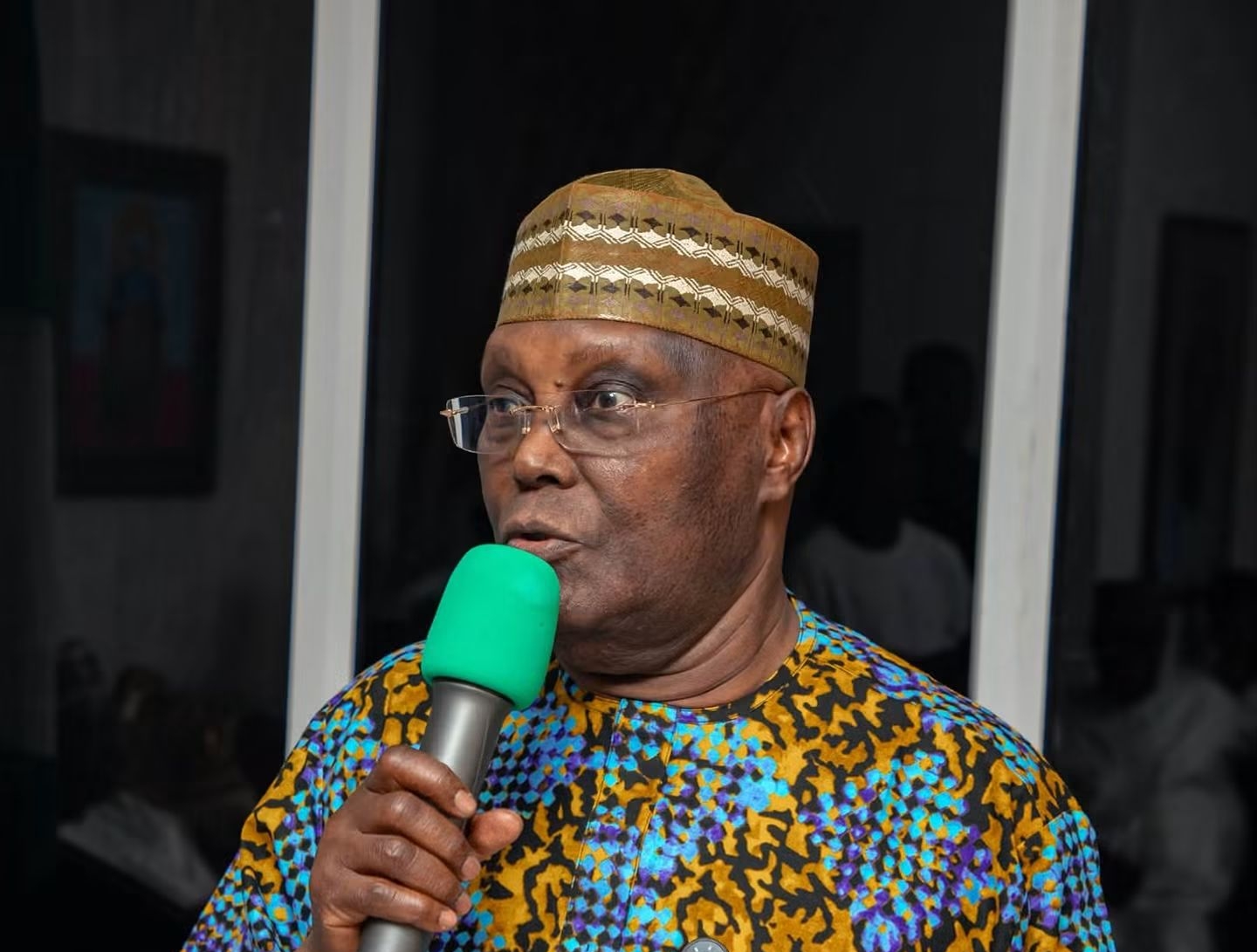
Former Vice President and presidential candidate under the platform of the ADC in 2027, Atiku Abubakar has questioned who is constitutionally exercising the powers of the Nigerian presidency following the expiration of the 21-day period since President Bola Ahmed Tinubu left the country on an official three-week vacation.
Atiku raised the issue in a statement posted on Facebook on Monday, September 21, 2026, citing Section 145 of the 1999 Constitution, which sets out the procedure for the transfer of presidential functions during the President’s temporary absence.
The Presidency announced on August 30 that Tinubu had departed Nigeria for Europe to begin a three-week vacation as part of his annual leave. According to the announcement by his Special Adviser on Information and Strategy, Bayo Onanuga, the President was expected to return after the working vacation.
Section 145(1) of the Constitution states that whenever the President proceeds on vacation or is otherwise unable to discharge the functions of his office, he shall transmit a written declaration to the President of the Senate and the Speaker of the House of Representatives. The provision further states that the Vice President shall perform the functions of the President as Acting President under the prescribed arrangement.
The same section provides that where the President is unable or fails to transmit the declaration within 21 days, the National Assembly shall, through a resolution supported by a simple majority in each chamber, mandate the Vice President to perform the functions of President as Acting President.
Atiku said Nigerians had not been shown any such constitutional communication transferring presidential authority to Vice President Kashim Shettima.
“President Tinubu left Nigeria on 30 August. The Presidency publicly announced a three-week vacation. Yet, to date, Nigerians have not been shown any constitutional letter transmitting presidential authority to Vice President Kashim Shettima,” he wrote.
He called on the Presidency to publish the letter if it exists and argued that, in the absence of such a declaration after 21 days, the National Assembly should explain why the constitutional procedure had not been activated.
“This is not a matter of political convenience. It is a matter of constitutional order,” Atiku said.
His comments come as Shettima is in New York representing Tinubu at the 81st session of the United Nations General Assembly. The Presidency said Tinubu mandated his deputy to lead Nigeria’s delegation to the UNGA, which begins its general debate on September 22.
Atiku also questioned the situation against the backdrop of recent domestic challenges, including the deaths of 37 Nigerians in the custody of the Nigeria Security and Civil Defence Corps in Minna and rising petrol prices in parts of the country.
He argued that the circumstances required Nigerians to know clearly who was exercising presidential authority and under what constitutional provision.
“Nigeria cannot be governed by assumptions. It cannot be governed by presidential social-media posts from Europe,” Atiku wrote.
“It cannot be governed by photographs from private dinners at the Élysée Palace.
“It cannot be governed on autopilot.”
The former Vice President further urged the President of the Senate and the Speaker of the House of Representatives to clarify whether they had received any communication from Tinubu under Section 145(1).
He also called on the National Assembly to explain its position if no declaration had been transmitted within the constitutionally stipulated period.
“The Presidency should therefore tell Nigerians immediately whether President Tinubu transmitted the declaration contemplated by Section 145(1) before leaving the country,” Atiku said.
“The President of the Senate and the Speaker of the House should equally tell Nigerians whether such a communication was received.
“And if no declaration was transmitted within the constitutionally stipulated period, the National Assembly must explain why the procedure provided by Section 145(2) has not been activated.”
Atiku concluded by asking: “Who, constitutionally, is in charge of Nigeria?”

Time to Regulate Traditional Medicine Consumption
By Jessica Jummai Ayuba
The consumption of traditional medicine has become a widespread phenomenon in Nigeria, with many people resorting to it as an alternative to orthodox medicine. However, the unregulated nature of the traditional medicine industry has raised serious concerns about the safety and efficacy of these medicines. It is high time for the government to take decisive action to regulate the consumption of traditional medicine in Nigeria.
The traditional medicine industry in Nigeria is a multi-billion naira market, with thousands of practitioners and sellers operating across the country. However, the majority of these practitioners and sellers are operating unlawfully, without obtaining the necessary licenses and permits from the government. This lack of regulation has created an environment in which quacks and charlatans can thrive, putting the lives of millions of Nigerians at risk.
One of the major concerns about the traditional medicine industry in Nigeria is the lack of standardization and quality control. Many traditional medicine practitioners and sellers are using untested and unproven remedies, which can have serious side effects or even be fatal. Furthermore, many of these remedies are being prepared in unsanitary conditions, which can lead to contamination and infection.
The government has a critical role to play in regulating the traditional medicine industry in Nigeria. The National Agency for Food and Drug Administration and Control (NAFDAC) is the primary agency responsible for regulating the industry, but it has been struggling to keep up with the sheer number of practitioners and sellers operating in the country. The government needs to provide NAFDAC with more resources and support to enable it to effectively regulate the industry.
Another major concern about the traditional medicine industry in Nigeria is the lack of transparency and accountability. Many traditional medicine practitioners and sellers are making exaggerated claims about the efficacy of their remedies, and some are even using fake or forged certificates to convince their customers. The government needs to take action to protect consumers from these unscrupulous practitioners and sellers.
The regulation of the traditional medicine industry in Nigeria is not just about protecting consumers; it is also about promoting public health. Many traditional medicine remedies are being used to treat serious diseases such as malaria, tuberculosis, and HIV/AIDS, but these remedies are often ineffective or even counterproductive. The government needs to take action to ensure that traditional medicine practitioners and sellers are providing safe and effective remedies.
To effectively regulate the traditional medicine industry in Nigeria, the government needs to establish clear guidelines and standards for the production, sale, and use of traditional medicine remedies. The government also needs to establish a system for monitoring and enforcing compliance with these guidelines and standards.
Furthermore, the government needs to provide support and resources for traditional medicine practitioners and sellers who are willing to operate within the law. This could include training programs, loans, and other forms of assistance. By providing support and resources, the government can encourage traditional medicine practitioners and sellers to operate safely and effectively.
In addition to regulating the traditional medicine industry, the government also needs to educate the public about the risks and benefits of traditional medicine. Many Nigerians are unaware of the potential risks associated with traditional medicine remedies, and they need to be educated about how to use these remedies safely and effectively.
The government also needs to work with traditional medicine practitioners and sellers to develop new and innovative remedies that are safe and effective. This could include supporting research and development programs, as well as providing funding and resources for the commercialization of new remedies.
In conclusion, the regulation of the traditional medicine industry in Nigeria is a critical issue that requires immediate attention. The government needs to take decisive action to regulate the industry, protect consumers, and promote public health. By working together with traditional medicine practitioners and sellers, the government can develop a safe and effective traditional medicine industry that benefits all Nigerians.
Jessica Jummai Ayuba, Department of Masss Communication, University of Maiduguri.
Ending the Tragedy of Road accidents in Nigeria
By Jessica Jummai Ayuba
Road crashes have become one of the deadliest yet most overlooked public health challenges in Nigeria. Every week, headlines carry grim reports of accidents that claim the lives of students, professionals, traders, and breadwinners, leaving countless families devastated. These accidents disproportionately affect people in their most productive years, robbing the nation of valuable human capital and entrenching poverty in households suddenly stripped of their providers.
The scale of the crisis is staggering. According to estimates, thousands die annually on Nigerian roads, with many more injured or permanently disabled. Yet, the recurring nature of these accidents has made the tragedies seem normal, almost inevitable. This complacency is dangerous because road accidents are not acts of fate—they are largely preventable with the right policies, infrastructure, and enforcement.
The causes of road accidents in Nigeria are painfully familiar. Poorly maintained roads riddled with potholes turn every journey into a gamble. Reckless driving habits, including overspeeding, drunk driving, and blatant disregard for traffic laws, continue to fuel crashes. Added to this are poorly serviced vehicles, particularly commercial buses and trucks that should not be on the highways. The danger is compounded by the menace of heavy-duty vehicles and petroleum tankers, whose accidents often lead to catastrophic explosions.
Unfortunately, government response has been inconsistent and insufficient. While aviation safety receives enormous resources and strict oversight—despite being used by a fraction of the population—road safety, which affects millions daily, is treated with neglect. This imbalance underscores a lack of political will to confront the issue of road carnage with the seriousness it demands.
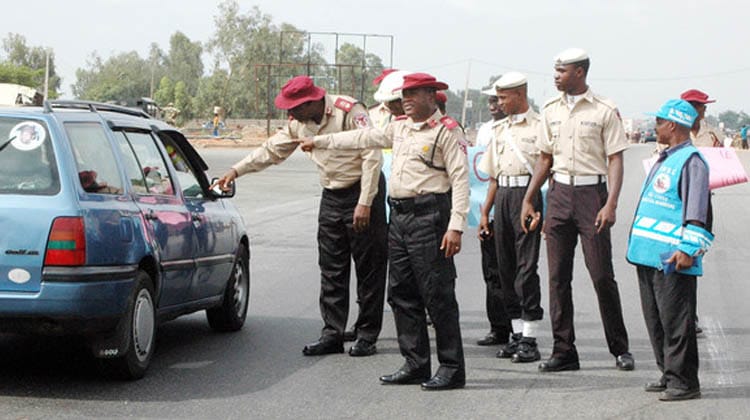
The Federal Road Safety Corps (FRSC), the primary agency tasked with promoting road safety, remains overstretched and underpowered. For years, it has operated with inadequate manpower, limited funding, and logistical constraints. Its absence in many Local Government Areas means that enforcement of traffic rules and rapid response to emergencies remain weak in vast parts of the country. Without a comprehensive presence across all 774 LGAs, the FRSC cannot effectively fulfil its mandate.
To reverse the trend, strengthening the FRSC must become a national priority. This requires increased budgetary allocation, recruitment of more personnel, and provision of modern tools to aid monitoring and enforcement. Beyond resources, the agency must also be given stronger legal authority to prosecute offenders swiftly and decisively. Reckless drivers must no longer escape accountability because of political influence or weak enforcement structures.
At the same time, state governments cannot remain passive. States without road traffic management agencies must establish them immediately. Those already in existence must work hand-in-hand with the FRSC, creating a coordinated framework for road safety enforcement. The collaboration between federal and state agencies should be backed by data-sharing, technology, and joint patrols to make the roads safer.
Public enlightenment is another critical tool in reducing accidents. Campaigns to educate drivers about safe road practices, dangers of overspeeding, and the importance of vehicle maintenance must be sustained and intensified. The culture of reckless driving thrives partly because many drivers are either unaware of the risks or dismissive of them. Changing attitudes will require persistent education and visible enforcement of penalties.
Equally, Nigeria’s dilapidated road infrastructure demands urgent attention. The poor state of highways and rural roads is a major contributor to road crashes. Massive investment in road rehabilitation, construction of safer highways, and proper signage is essential. Roads must be built with standard safety features such as barriers, lighting, and pedestrian crossings. Without safe infrastructure, even the best enforcement efforts will yield limited results.
Technology should also be embraced as a game-changer. Surveillance cameras, speed detectors, and digital monitoring systems should be deployed on major highways to track offenders and improve accountability. In addition, the creation of a centralised database for drivers and vehicles would help identify repeat offenders and ensure that penalties are enforced consistently.
The private sector can contribute significantly to tackling this menace. Insurance companies, transport unions, and vehicle manufacturers all have a stake in safer roads. By partnering with government in awareness campaigns, driver training, and vehicle inspection initiatives, the burden of road safety can be shared more effectively.
It is equally important to empower first responders and medical facilities. Many accident victims die not from the crash itself but from delays in accessing medical care. Equipping local health centres near highways and training paramedics can drastically reduce fatalities. Quick intervention can mean the difference between life and death.
The economic toll of road accidents is often overlooked. Beyond the human tragedy, crashes cost billions annually in healthcare expenses, lost productivity, and property damage. Nigeria cannot afford to keep losing lives and resources to problems that are largely preventable. Safer roads are not just a moral imperative but an economic necessity.
Nonetheless, the solution lies in political will. Government at all levels must stop paying lip service to road safety and treat it as the national emergency that it is. Every life lost on the highways is one too many, and the time has come to act with urgency and commitment.
Road crashes are not natural disasters; they are preventable tragedies. With the right policies, better infrastructure, strict enforcement, and collective responsibility, Nigeria can drastically reduce the number of lives lost on its roads. The message is simple but powerful: enough of preventable deaths. The government must act now—firmly and decisively.
Jessica Jummai Ayuba, Department of Masss Communication, University of Maiduguri.
Cardoso @ Three: The CBN’s Reform Story
By Salmanu Isah Darazo
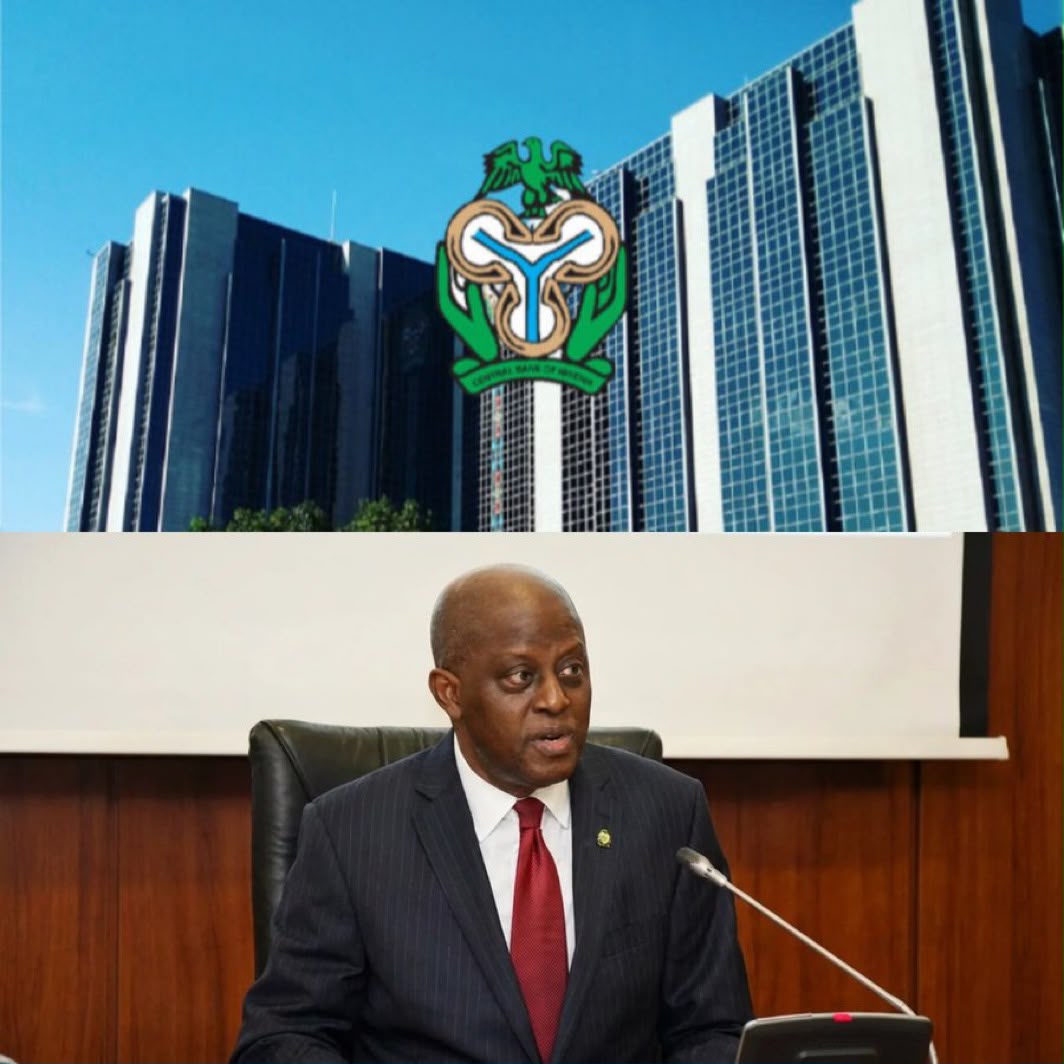
Three years after Olayemi Cardoso assumed office as Governor of the Central Bank of Nigeria (CBN), the apex bank has undergone a period of extensive institutional and policy reforms, with the emphasis increasingly placed on financial-system resilience, market transparency, stronger regulation and the modernisation of Nigeria’s financial architecture.
Mr. Cardoso assumed office on September 22, 2023, at a particularly demanding period for Nigeria’s monetary and financial system. His tenure has subsequently been marked by a succession of reforms designed to strengthen the banking sector, deepen the foreign-exchange market, modernise payment infrastructure and reinforce confidence in the financial system. The fact sheet documenting his tenure also notes commendation from President Bola Ahmed Tinubu and international recognition, including the Central Bank of the Year Award by Central Banking, London.
Perhaps the most consequential development has been the completion of the banking-sector recapitalisation exercise. By March 31, 2026, 33 banks had met the revised minimum capital requirements, collectively raising approximately ₦4.65 trillion in fresh capital. About 72.55 per cent of the funds were sourced domestically. Beyond the headline figure, the exercise represents an attempt to create a banking system with greater capacity to withstand shocks and provide stronger support for economic activity.
The reform agenda has also extended into corporate governance and financial inclusion. New succession requirements introduced for Domestic Systemically Important Banks were designed to strengthen leadership continuity and governance, while the CBN’s approval of the Bank of Industry’s Non-Interest Banking Window opened another channel for alternative and potentially more inclusive financing. These measures indicate that the reform programme is not limited to capital adequacy but also addresses institutional continuity and the diversity of financing options available within the economy.
On the foreign-exchange front, the CBN has pursued a more structured and transparent market framework. The fourth edition of the Foreign Exchange Manual, launched in May 2026, was designed to improve transparency, efficiency and credibility in FX operations while reinforcing market-driven principles. At the retail end, licensed Bureau de Change operators were given structured access to foreign exchange through authorised dealer banks, backed by an FX BDC Purchase Tracker intended to strengthen compliance and real-time oversight.
Other FX reforms have targeted the flow and monitoring of foreign exchange from major sources. International oil companies were permitted to repatriate 100 per cent of export proceeds through authorised dealer banks, while new settlement requirements for International Money Transfer Operators were introduced to improve the transparency and traceability of diaspora remittances. Additional crude-oil export terminals were also allocated to strengthen monitoring and compliance across the oil and gas export chain.
The payments ecosystem has equally become a major front in the CBN’s reform programme. The Payments System Vision 2028, launched in June 2026, provides a strategic roadmap built around interoperability, security, inclusion, innovation, trust and collaboration. Alongside this broader strategy, revised agent-banking guidelines, Point-of-Sale geo-fencing and dual-connectivity requirements, as well as enhanced instant-payment security measures, have sought to improve reliability, consumer protection and the security of Nigeria’s rapidly expanding digital-payment environment.
Consumer protection and the fight against financial fraud have also received greater regulatory attention. The revised cash policy introduced new withdrawal thresholds while removing restrictions and charges on cash deposits. Financial institutions were directed to withdraw misleading advertisements, while banks were required to strengthen rapid-response mechanisms against electronic fraud. The strengthened BVN and watch-list framework, the Cybersecurity Self-Assessment Tool and automated standards for monitoring money laundering, terrorist financing and proliferation financing further demonstrate the Bank’s attempt to move financial-system supervision toward more proactive and technology-driven enforcement.
Another important dimension is the modernisation of Nigeria’s financial markets. The introduction of the Nigerian Overnight Financing Rate in April 2026 created a transaction-based overnight benchmark intended to improve price discovery, market transparency, monetary-policy transmission and risk management. Reforms to fixed-income trading and settlement infrastructure, alongside changes to discount-window and liquidity-market arrangements, have similarly sought to make financial markets more efficient and strengthen the transmission of monetary policy.
The reserve position provides another significant marker in the reform story. In 2026, locally sourced gold refined to international LBMA Good Delivery standards was added to Nigeria’s external reserve assets, providing another layer of diversification. More significantly, external reserves crossed the US$50 billion threshold — described in the fact sheet as the highest level in approximately 17 years. The development represents a stronger external buffer and is presented as part of the broader improvement in foreign-exchange-market conditions.
Taken together, the reforms suggest that the Cardoso era at the CBN has been defined less by a single headline intervention than by an attempt to rebuild several interconnected parts of Nigeria’s financial architecture. Banking recapitalisation addresses institutional resilience; FX reforms target market transparency; payments reforms respond to digitalisation; cybersecurity and consumer-protection measures address emerging risks; while financial-market reforms seek to improve the machinery through which monetary policy operates.
The significance of the three-year milestone, therefore, lies not simply in the number of policies introduced but in whether these reforms can be sustained and translated into durable economic outcomes. A stronger banking system, deeper financial markets, more transparent FX operations, safer digital payments and larger external buffers provide important foundations. The next phase will ultimately be judged by how effectively those foundations support investment, credit, financial inclusion and broader economic stability.
Three years into Cardoso’s tenure, the reform agenda has clearly moved beyond crisis management toward institutional rebuilding. Its enduring test will be implementation: whether the new rules, systems and capital buffers become embedded strongly enough to make Nigeria’s financial system more resilient, transparent and capable of supporting long-term economic growth.
Salmanu Isah Darazo is a publisher, analyst and editor. He writes from Bauchi, and can be reached via Salmanudrz@gmail.com
Flood Alert: Over 8,000 Communities, 4,500 Schools At Risk In 15 States
By Sabiu Abdullahi
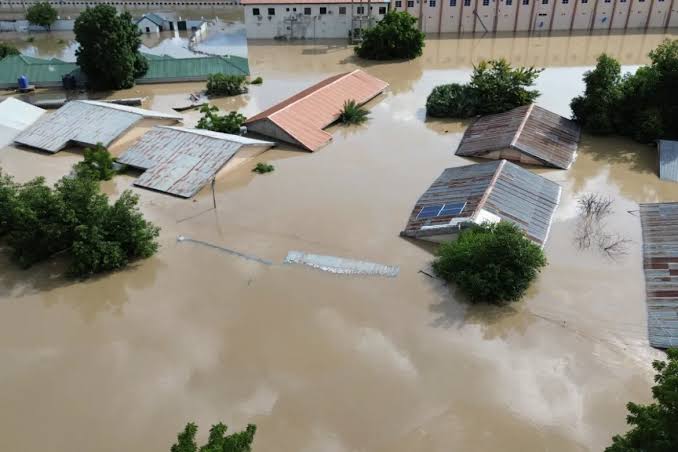
More than 8,000 communities and 4,500 schools across 15 states have been identified as being at risk of flooding between September 19 and 25.
The warning was issued by the Nigeria Hydrological Services Agency (NiHSA) in its latest National Flood Advisory released on Saturday.
According to the advisory, rising river levels could cause flooding in vulnerable areas and threaten schools, healthcare centres, markets, religious buildings and farmlands.
The agency’s Director-General and Chief Executive Officer, Arch Umar Mohammed, urged state governments to take immediate steps to move residents in high-risk communities to safer locations.
“High riverine flood risk is forecast for the next seven days across Imo, Cross River and 13 other states.
Rising river stages are expected to cause flooding.
“Communities on the floodplain should prepare to move to higher ground. Stations include Obubra, Itigidi and Epento on the Cross River.”
The 15 states listed in the advisory are Imo, Cross River, Delta, Ebonyi, Benue, Anambra, Akwa Ibom, Edo, Enugu, Bayelsa, Kogi, Abia, Taraba, Rivers and Lagos.
In Imo State, NiHSA identified Aboh-Mbaise, Ahiazu-Mbaise, Ehime Mbano, Ezinihitte, Ideato North, Ihitte/Uboma and Ikeduru Local Government Areas as vulnerable.
The agency said 958 communities, 1,022 schools, 553 healthcare facilities, 161 markets and 198 religious buildings were exposed to the risk.
Cross River State was also listed among the areas facing significant flood threats, with Abi, Akamkpa, Akpabuyo, Biase, Calabar, Calabar South, Ikom and Obubra LGAs identified.
NiHSA said 2,471 communities, 703 schools, 344 healthcare facilities, 145 markets, 453 religious buildings and 854 hectares of farmland were at risk in the state.
In Ebonyi, the affected areas include Abakaliki, Afikpo, Afikpo South, Ebonyi, Ezza North and Ezza South LGAs.
The agency listed 2,574 communities, 1,064 schools, 422 healthcare facilities, 480 markets, 629 religious buildings and 1,882 hectares of farmland as exposed.
For Benue State, Buruku, Gboko, Guma, Katsina-Ala, Logo and Ukum LGAs were identified as vulnerable. The advisory put the number of exposed communities at 303, with 100 schools, 48 healthcare facilities, 32 markets, 151 religious buildings and 55 hectares of farmland also at risk.
In Anambra State, Aguata, Anambra East, Anambra West, Anaocha, Awka North, Awka South and Ayamelum were listed among the affected LGAs.
NiHSA said 1,314 communities, 1,308 schools, 1,089 healthcare facilities, 280 markets, 610 religious buildings and 1,529 hectares of farmland could be affected.
Akwa Ibom was also included in the warning, with Abak, Eket, Etinan, Ibeno, Ibesikpo Asutan, Ibiono Ibom, Ika and Ikono LGAs identified.
The agency reported that 249 communities, 323 schools, 211 healthcare facilities, 74 markets and 289 religious buildings were exposed to possible flooding in the state.
NiHSA advised residents in flood-prone areas, particularly those living on floodplains, to take precautionary measures and relocate to higher ground where necessary.
Gunmen Behead Kebbi Village Head Amid Rising Communal Tension
By Sabiu Abdullahi
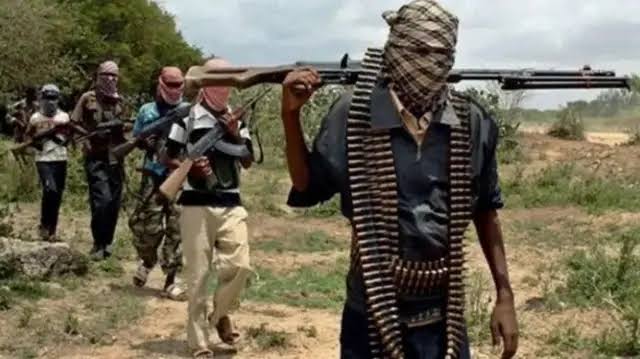
Gunmen have killed and beheaded the village head of Lafagu community in Bagudo Local Government Area of Kebbi State.
The Kebbi State Police Public Relations Officer, SP Bashir Usman, confirmed the incident, which occurred on Sunday.
Usman said the identity of the traditional ruler had not been disclosed, adding that some suspects had been arrested in connection with the killing.
“Yes, it is true the village head was killed in Lafagu under Bagudo Local Government. We have made some arrests in respect of the incident and will provide details later,” the PPRO said.
However, preliminary findings cited by PUNCH suggested that the attack may have been carried out by an armed ethnic militia rather than bandits or Lakurawa insurgents.
A source, Tukur Kaoje, said Fulani, Kambarawa and Bargawa communities had lived together in the area for decades before the recent escalation of insecurity linked to allegations of cattle rustling and kidnapping.
Kaoje alleged that the reported infiltration of some communities by Lakurawa fighters led some residents of Bargawa and Kambarawa communities to accuse Fulani residents of involvement in the attacks.
He said armed groups were subsequently formed to confront the alleged threats.
Kaoje further alleged that the militia recently attacked Boya village, where he claimed scores of Fulani residents were killed.
“Yes, the village head was beheaded in Lafagu, but we are not sure whether the killers were bandits or Lakurawa. There are allegations that it was carried out by an armed ethnic militia.”
He described the situation in Lafagu and neighbouring communities as tense and called for urgent government intervention to prevent further deterioration.
He also warned that failure to address the situation could trigger a wider cycle of communal violence that may become increasingly difficult to contain.
The police have yet to establish publicly who was responsible for the killing, while investigations into the incident continue.
Former Kogi Governor Ibrahim Idris Dies at 77 in UK
By Sabiu Abdullahi
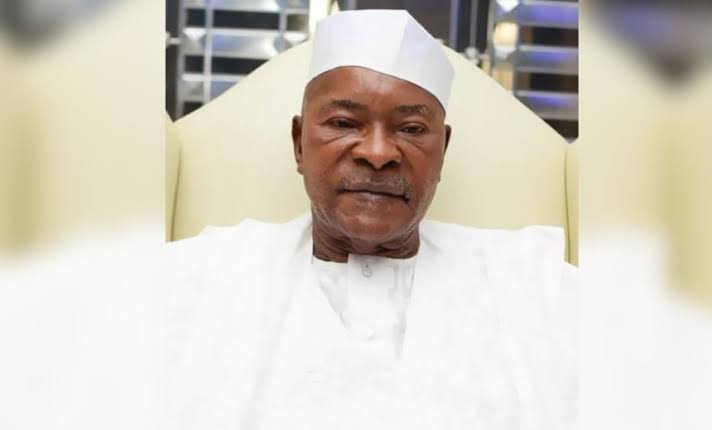
Former Kogi State Governor, Alhaji Ibrahim Idris, has died at the age of 77.
Idris died in the United Kingdom on Sunday, September 20, 2026, according to reports confirmed by his family and multiple Nigerian media outlets.
Following his death, Kogi State Governor Ahmed Usman Ododo, former Governor Yahaya Bello, Commissioner for Local Government and Chieftaincy Affairs Abdullahi Bello and other government officials visited the late former governor’s residence in Abuja to condole with his family.
Onogwu Muhammed, Special Adviser to the Kogi State Governor on Public Relations and former Chief Press Secretary to Yahaya Bello, announced the visit in a Facebook post.
He wrote, “Kogi State Governor, His Excellency Ahmed Usman Ododo; former Governor Yahaya Bello, CON; Commissioner for Local Government and Chieftaincy Affairs, Hon. Abdullahi Bello; and other top government officials have arrived at the Abuja residence of the late former Governor Ibrahim Idris, who passed away this afternoon.”
Idris governed Kogi State from 2003 to 2012 on the platform of the Peoples Democratic Party (PDP). He first assumed office in 2003 and returned for another term after winning a 2008 rerun following a legal challenge to the 2007 governorship election.
Governor Ododo has declared a three-day mourning period in honour of the former governor and ordered that the national and Kogi State flags be flown at half-mast across government offices and designated public institutions.
The Kogi State Government has also announced that Idris will receive a state burial, with the government taking responsibility for the burial expenses.
In a condolence message, Ododo described Idris’ death as a profound loss to Kogi State and Nigeria.
“His years in public office formed an important chapter in the political and developmental journey of Kogi State,” Governor Ododo said.
The circumstances surrounding Idris’ death were initially not disclosed. However, a subsequent report quoting a family statement said he died after a brief illness in London.
Idris, popularly known as “Ibro”, was also a businessman before entering politics. He founded Ibro Trading Company, with interests in construction, furniture manufacturing and hospitality.
He was succeeded as Kogi governor by Captain Idris Wada in January 2012.
Tributes have continued to pour in from political leaders and associates following his death, including Senator Natasha Akpoti-Uduaghan, who described him as a significant figure in the political history of Kogi State and the PDP.
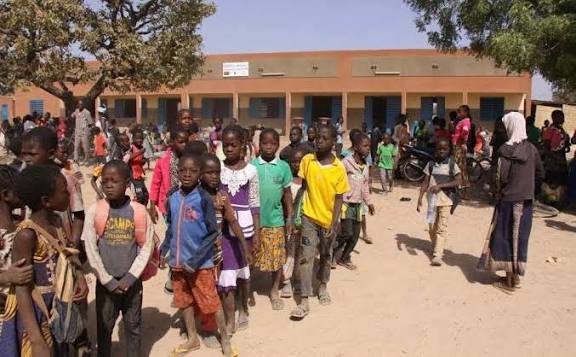
[OPINION]: Curbing the Menace of Out-of-school Children
By Hauwa Ibrahim
The issue of out-of-school children in Nigeria, particularly in the Northeast, has reached alarming proportions. With over 10 million children between the ages of 5 and 14 not attending school, Nigeria has the highest number of out-of-school children in the world. The Northeast accounts for a significant portion of this number, with states like Borno, Yobe, and Adamawa having some of the highest rates of out-of-school children.
This trend is deeply troubling, as it not only affects the future of these children but also threatens the stability and development of the region. Poverty, conflict, and cultural barriers are some of the factors driving this phenomenon, making it fundamental to adopt a comprehensive approach to address the root causes.
To curb the menace of out-of-school children, increased investment in education infrastructure and resources is crucial. This includes building and renovating schools, providing adequate materials and equipment, and training qualified teachers. Implementation of conditional cash transfer programs can also encourage enrollment, particularly among disadvantaged families. Community-based initiatives are vital in promoting education and awareness. Collaboration with local leaders, religious institutions, and civil society organizations can help challenge harmful cultural norms and promote the value of education.
Furthermore, policy reforms are necessary to address cultural and social barriers, ensuring that every child has access to quality education. The government has launched several initiatives aimed at reducing the number of out-of-school children. The National Education Plan, Safe Schools Initiative, Conditional Cash Transfer Program, and Education for All initiative are steps in the right direction. However, more needs to be done to address the scale and complexity of the problem.
Effective implementation and coordination among stakeholders are critical to the success of these initiatives. State and local governments must work closely with federal agencies, international organizations, and civil society groups to ensure a unified approach. Additionally, monitoring and evaluation mechanisms should be put in place to track progress and identify areas for improvement.
Ultimately, addressing the issue of out-of-school children in Nigeria’s Northeast requires a collective effort. We must prioritize education as a fundamental right and a cornerstone of national development. The National Almajiri Commission and other stakeholders must work round the clock to ensure that the number of out-of-school children is drastically reduced or eliminated. This will require sustained commitment, coordination, and collaboration among all stakeholders.
In conclusion, the issue of out-of-school children in Nigeria’s Northeast is a ticking time bomb that requires immediate attention. It is a collective responsibility that requires the efforts of all stakeholders. We must work together to ensure that every child has access to quality education and a brighter future.
Hauwa Ibrahim, Department of Mass Communication, University of Maiduguri.