

[OPINION]: Almajiri: Time to Rethink
By Hauwa Ibrahim
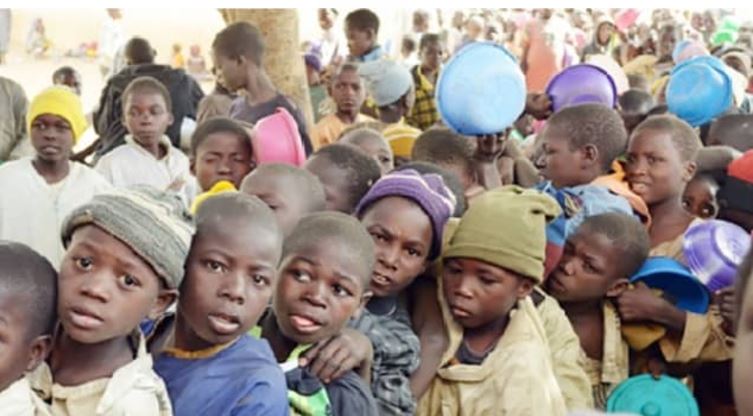
The Almajiri system has for too long remained one of Nigeria’s most visible social failures. Every day, thousands of children can be seen wandering the streets of northern cities barefoot, bowl in hand, begging for food under the guise of religious education. This practice, which was once a modest system of Quranic learning, has now degenerated into a cycle of neglect and poverty.
It is time for Nigeria to take a hard look at the Almajiri system and begin a complete rethink of its relevance and structure. The reality is that the system, as currently practised, violates the rights of children to proper education, healthcare, and protection. No child deserves to live on the streets in the name of learning.
Originally, the Almajiri tradition was a respected form of Islamic scholarship. In pre-colonial times, young pupils lived with Islamic scholars who taught them the Quran and basic literacy. The local communities supported these students with food and shelter, making it a communal effort that worked within the social structure of the time.
However, that system no longer functions as it once did. The breakdown of community support and government neglect have turned many Almajiri schools into breeding grounds for child labour and exploitation. Today, these children are left to fend for themselves in harsh conditions, begging for survival instead of receiving the education they were promised.
The consequences of this neglect are enormous. Many Almajirai grow up without formal education, skills, or prospects for the future. Deprived of opportunities, some become vulnerable to criminal recruitment or radicalisation. It is a humanitarian crisis that continues to grow silently in plain sight.
In recent years, several administrations have promised reforms. The Goodluck Jonathan government, for example, launched a programme to integrate the Almajiri system with basic education by building special schools across the North. Sadly, most of those schools have either been abandoned or converted to other uses due to poor implementation and lack of continuity.
The time has come for both federal and state governments to revisit the issue with sincerity. Reform must go beyond building classrooms. It must involve a complete restructuring that prioritises the welfare, education, and future of every child. Government must work with religious leaders and traditional institutions to design a model that preserves the moral teachings of Islam while ensuring that children are not left to roam the streets.
Community participation is also crucial. Parents and guardians must be sensitised on the dangers of sending their children away without supervision. Poverty is often the main reason behind this practice, so tackling it requires broader social welfare programmes, including free basic education, school feeding, and parental support schemes.
The role of religious leaders cannot be overstated. They must use their influence to advocate for a humane and modern approach to Quranic education. Islam encourages the pursuit of knowledge but does not sanction child neglect. Reimagining the Almajiri system must therefore align with both faith and social responsibility.
Civil society groups and the private sector can also contribute by supporting community-based schools and vocational centres where Almajiri children can acquire practical skills alongside religious learning. This will help integrate them into society and reduce the number of children living on the streets.
Education remains the most powerful tool for transforming lives. Every Nigerian child, regardless of background, deserves access to quality education in a safe environment. Allowing millions of children to live as beggars is not only an injustice to them but also a threat to the country’s future.
There is also a public health dimension to the crisis. Almajiri children, often living in unsanitary conditions, face constant exposure to diseases and malnutrition. Their situation undermines national efforts to improve public health and fight poverty.
A deliberate, well-coordinated national plan is needed to phase out the exploitative aspects of the Almajiri system. The solution lies in integration, rehabilitation, and empowerment, not neglect. Education ministries, social welfare agencies, and faith-based organisations must work together to ensure no child is left behind.
Ultimately, the Almajiri problem is not just a northern issue but a national one. A society that allows millions of its children to beg on the streets cannot claim progress. Nigeria must confront this reality and take decisive steps to end a system that perpetuates poverty and ignorance.
If the nation fails to act now, the cost will be enormous. The uneducated children of today could become the disillusioned adults of tomorrow. Reforming the Almajiri system is therefore not an act of charity but an urgent investment in Nigeria’s stability, security, and development.
Hauwa Ibrahim, Department of Mass Communication, University of Maiduguri.
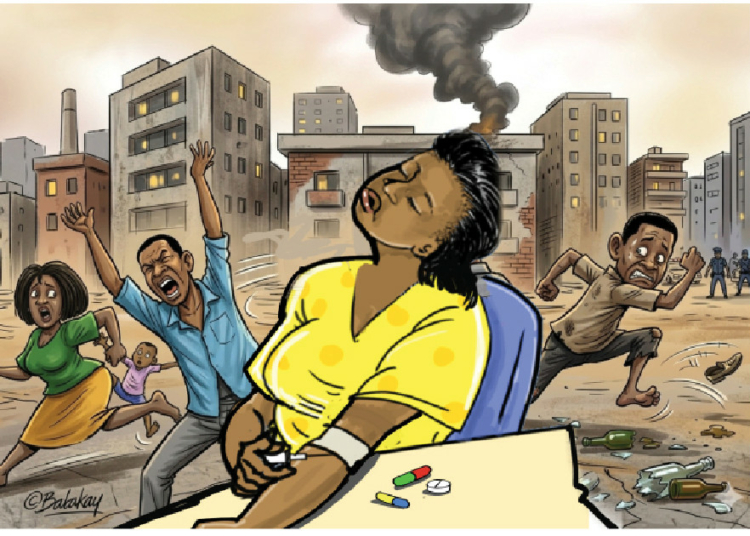
[OPINION]: The Dangers of Drug Abuse Among Nigerian Youths
By Oluwapelumi Oluwagbotemi Arobieke
Drug abuse has become a major concern in Nigeria, particularly among the youth. Many young Nigerians have fallen prey to the lure of sedatives and other illicit substances, often without a doctor’s prescription. This trend is not only alarming but also devastating, as it has the potential to destroy the future of these young individuals.
The victims of drug abuse often mistakenly believe that getting high will help them cope with depression and other emotional challenges. However, this couldn’t be further from the truth. Drug abuse only serves to exacerbate these problems, leading to a downward spiral of addiction, health issues, and social problems. The consequences of drug abuse are far-reaching and devastating, affecting not only the individual but also their families and communities.
According to the Centers for Disease Control and Prevention (CDC), substance abuse can affect brain development and growth in youth, leading to risky behaviors, mental health issues, and a host of other problems. The physical effects of drug use on youth include paranoia and hallucinations, dangerously high body temperatures, irregular heartbeat and heart palpitations, heart attack or failure, stroke, seizures, and sleep disorders. In addition to these physical effects, drug abuse can also have severe mental and emotional consequences, including poor judgment, declines in academic performance, dependence on drugs, and mental health disorders.
There is a strong link between substance abuse and delinquency. According to the Office of Juvenile Justice and Delinquency Prevention, youth who use drugs are more likely to commit crimes, including violent and income-generating crimes. This is evident in the recent disorderliness in Nigeria, which could be attributed to drug abuse. A great percentage of perpetrators who have been brought to book are victims of drug abuse. Their masters brainwash them and furnish them with illicit drugs before sending them on evil errands.
To address the scourge of drug abuse among Nigerian youths, it is essential that we work together to create a safer and healthier society. This requires a collective effort from parents, educators, healthcare professionals, and law enforcement agencies. We must also support the National Drug Law Enforcement Agency (NDLEA) in its efforts to combat drug abuse and trafficking. By working together, we can help to prevent the spread of illicit substances and provide support to those affected by drug abuse.
In conclusion, drug abuse is a major concern in Nigeria, particularly among the youth. It is essential that we recognize the dangers of drug abuse and take action to prevent it.
Oluwapelumi Oluwagbotemi Arobieke, Department of Mass Communication, University of Maiduguri.
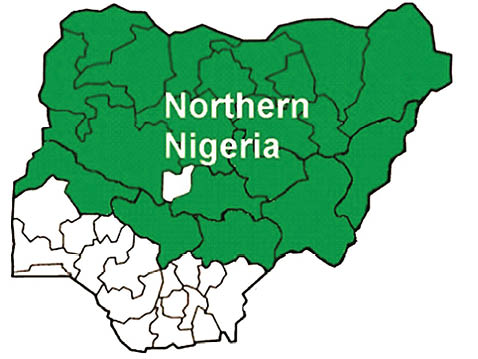
[OPINION]: Who Will Save The North?
By Oluwapelumi Oluwagbotemi Arobieke
The Northwestern part of Nigeria has been plagued by heinous crimes, including banditry, cattle rustling, kidnappings, and the rise of Lakurawa criminal gangs. These gangs claim to fight for religious reasons, but their actions only bring suffering to innocent civilians. The question on everyone’s mind is: why does the North always seem to be at the epicenter of these atrocities? This cycle of violence is rooted in power and control dynamics, where the perpetrators exert dominance over the victims through coercion and manipulation.
The North’s struggles with violence and crime have become a recurring nightmare. It’s imperative that we acknowledge the complexity of this issue and the need for collective action. We must address the root causes of this violence, including poverty, lack of education, and social inequality. By providing access to quality education and economic opportunities, we can empower the youth and reduce the appeal of criminal gangs. Effective leadership and collaboration are crucial in safeguarding the North. Leaders must put aside their differences and work towards a common goal: protecting their people.
To safeguard the North, we need to invest in education, economic empowerment, and social welfare programs. Community leaders play a vital role in promoting peace and stability. They must speak out against violence and encourage their followers to do the same. By fostering a culture of tolerance and understanding, we can break the cycle of violence and build a more harmonious society. Security forces must intensify their efforts to combat crime and protect civilians. This includes intelligence gathering, strategic operations, and community engagement.
The youth are the future of the North, and it’s essential that we empower them with education, skills, and opportunities. By doing so, we can redirect their energy towards positive change and development. We must also address the economic and social factors that drive young people to join criminal gangs. This includes providing job opportunities, vocational training, and mentorship programme.
Understanding the cycle of abuse is crucial in addressing the North’s violence. The cycle consists of tension building, acute battering incident, and reconciliation. Recognizing these stages can help individuals and communities break free from the cycle of violence. Support from healthcare providers, professional counselors, and domestic violence organizations is vital in ending the cycle of abuse.
In conclusion, the North’s cry for help requires collective action from all stakeholders to address the overwhelming problems plaguing the region. It’s imperative that leaders, community members, organizations, and individuals put aside their differences and work towards a common goal: safeguarding the North. This collaborative effort will empower the youth, promote peace and stability, and break the cycle of violence. Effective stakeholder engagement is crucial in achieving this goal. By identifying and prioritizing key stakeholders, the North can develop a comprehensive plan to address the root causes of its problems.
This includes investing in education, economic empowerment, and social welfare programs. Community leaders must speak out against violence and encourage their followers to do the same, fostering a culture of tolerance and understanding. By addressing these areas, stakeholders can create a safer, more prosperous North. The international community must also support Nigeria’s efforts to address these challenges. Simply put, we can break the cycle of violence and build a brighter future for the North.
Oluwapelumi Oluwagbotemi Arobieke, Department of Mass Communication, University of Maiduguri.
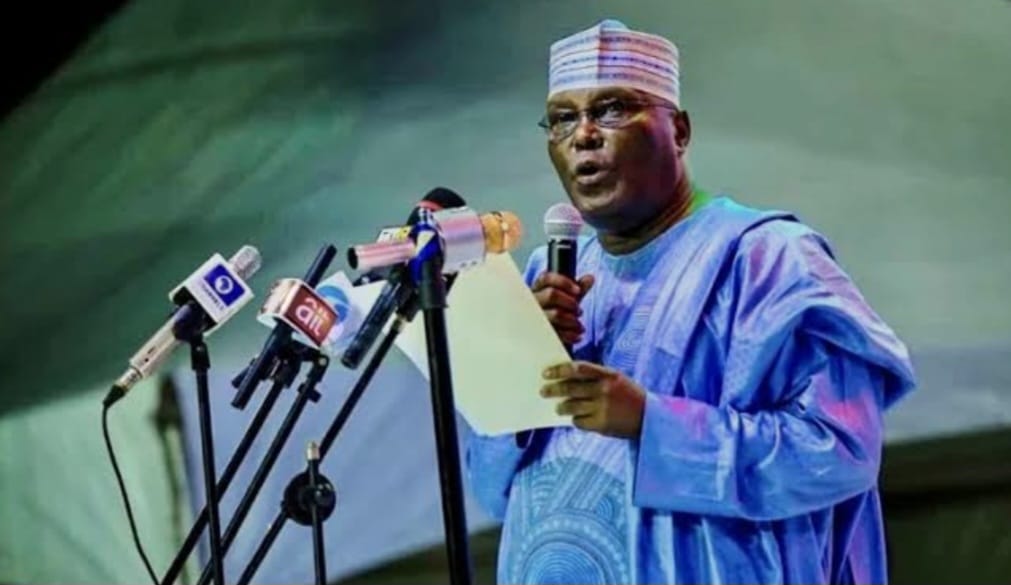
Atiku Vows to Support Teenage Niger Miner, Pledges Scholarship
By Anwar Usman
Former Vice President of Nigeria and the Presidential Candidate of the African Democratic Congress (ADC) Atiku Abubakar has promised to support the education of Yusuf Aliyu, a teenage artisanal miner in Niger State whose video went viral following the deaths of 37 suspected illegal miners in the state.
Atiku made the promise in a statement on X on Sunday after watching the teenager speak at a mining site, saying Aliyu’s intelligence and confidence should be nurtured in a classroom rather than at a mining site.
“I have watched Yusuf Aliyu’s video repeatedly, and each time, my heart breaks. A child with such intelligence, clarity and confidence should be in a classroom building his future—not struggling for survival in a community surrounded by gold but buried in poverty.
“I cannot look at him and see an ‘illegal miner.’ I see a Nigerian child failed by the country that should have protected him. I see brilliance trapped by poverty and enormous promise abandoned by leadership,” the African Democratic Congress presidential candidate said.
Aliyu, interviewed by News Central Television in a video that has circulated online, alleged that personnel of the Nigeria Security and Civil Defence Corps had been shooting at miners at a gold mining site in Niger State.
Atiku said the teenager’s experience highlighted serious concerns about poverty in communities with mineral resources, as well as the management of Nigeria’s mining sector.
“But this video raises a question that should trouble the conscience of every Nigerian: how can a community sitting upon gold remain so poor that it cannot educate its children? How can its wealth leave the soil while hunger and deprivation remain in its homes?”
“This is an indictment of the Tinubu administration. The Federal Government controls Nigeria’s mineral resources, yet the communities producing that wealth remain without schools, opportunities or protection.”
The former vice president also called for Aliyu’s protection, warning that his public comments should not expose him or his family to intimidation or retaliation.
Atiku further revealed that, Aliyu’s circumstance is as a result of what he described as failures by the government to provide opportunities for children living in mineral-producing communities.
“This boy is evidence against the Tinubu government. His intelligence exposes the opportunities it has failed to provide. His poverty exposes the injustice of Nigeria’s mining economy. His presence at that site exposes an administration that has left brilliant children without a ladder out of deprivation.”
He also demanded explanations from the Federal Government over the status of PAGMI in Niger State and the circumstances surrounding the deaths of the 37 suspected illegal miners in NSCDC custody.
“The government must explain what became of PAGMI in Niger State and how 37 Nigerians died in the custody of a federal agency. Calling them ‘illegal miners’ cannot erase their humanity or excuse their deaths.”
Atiku said he would continue to advocate for children such as Aliyu, stressing the need to protect their lives, education and future.
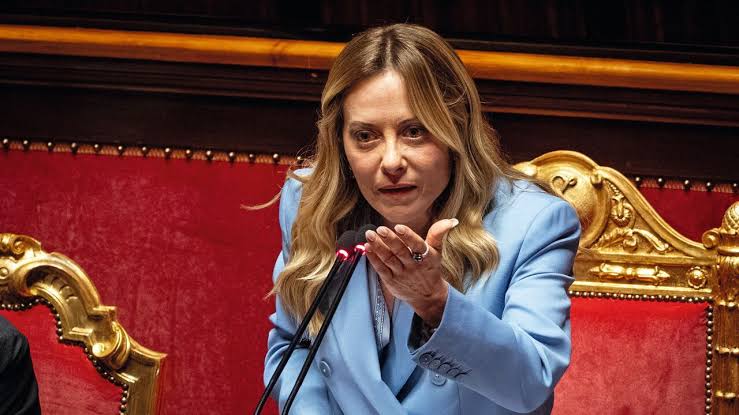
Italy Moves to Ban Burqas, Niqabs in Schools Under New Meloni Proposal
By Sabiu Abdullahi
Italy is set to introduce measures that would prohibit the wearing of burqas and niqabs in schools and place a limit on the number of foreign students allowed in individual classes, Prime Minister Giorgia Meloni has announced.
Meloni disclosed the planned measures on Sunday at a national gathering of the youth wing of her Brothers of Italy party in Rome, as immigration and integration remain major issues ahead of Italy’s next general election.
She also said parents of foreign students facing serious difficulties integrating into the Italian school system would be required to learn the Italian language.
“For us, anyone who comes to Italy and wants to build their future here must learn our language, understand our culture, and respect our rules,” she said to a standing ovation at the Gioventu Nazionale national festival in Rome. “It is the only serious way to welcome them.”
The proposals will first have to be approved by the government before being sent to parliament. Once approved by the government, the changes would require parliamentary approval within 60 days to become law.
Italy already has regulations concerning face coverings. A 1975 law prohibits the use of helmets or clothing that makes identification difficult without a justified reason, while a 2008 ruling allowed full-face coverings for religious or cultural reasons, provided the face can be uncovered when identity verification is required.
Meloni’s announcement specifically concerns burqas and niqabs, which cover the face, rather than ordinary headscarves. However, ANSA reported that Meloni also referred to a proposed ban on hijabs in schools in her remarks.
On foreign students, Meloni said the government would introduce a legal maximum for the number of foreign pupils in each class. Italy already has a 30 per cent guideline concerning foreign students in classrooms, although the head of the National Association of School Principals said on Sunday that the existing rule has been difficult to apply in practice.
The announcement comes as Meloni’s government faces political pressure from parties further to the right, while migration and cultural integration remain prominent issues in Italian politics.
The proposed measures have yet to become law and will require parliamentary consideration before they can take effect.
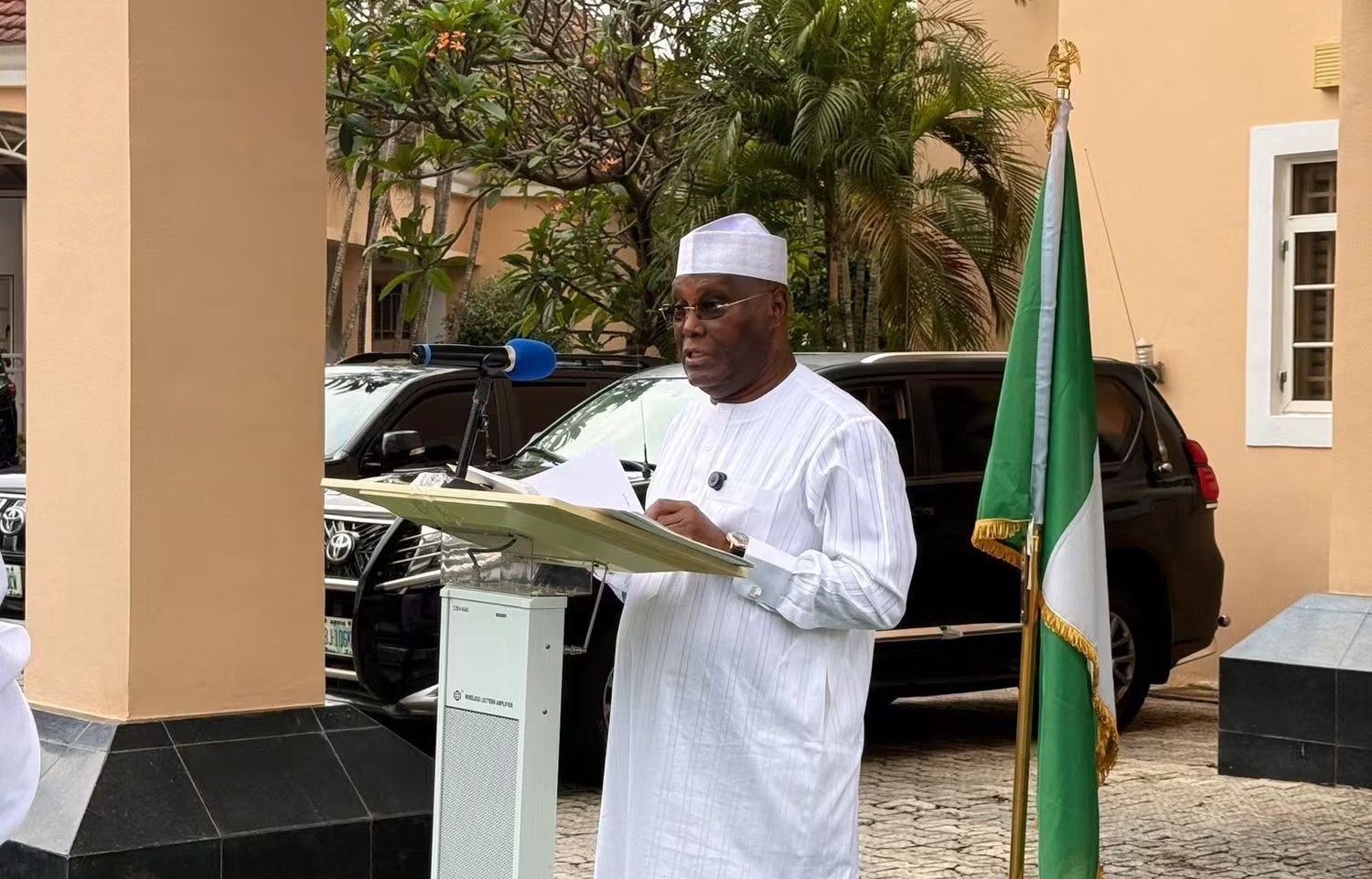
2027: Atiku Vows Daily Challenge To Tinubu Over Hardship, Poverty
By Sabiu Abdullahi
African Democratic Congress (ADC) presidential candidate, Atiku Abubakar, has accused President Bola Tinubu’s administration of worsening poverty and economic hardship in Nigeria.
Atiku said he would continue to challenge the policies of the Tinubu administration, arguing that they had reduced Nigerians’ purchasing power.
The former vice-president made the remarks in a statement issued by his media aide, Phrank Shaibu, amid an ongoing political dispute over criticism of the President.
Atiku said: “A President who can inflict this much pain on Nigerians should be able to survive hearing his own name.
“If Tinubu feels disrespected by being called his own name, he should imagine how Nigerians feel after being stripped of their purchasing power, crushed by inflation and instructed to endure hardship while those in power live extravagantly at public expense.
“Respect for the presidency cannot be demanded through intimidation. It must be earned through competent leadership, compassion and results.
“And he certainly does not have to wait for the campaign trail before demanding relief for millions of Nigerians whom Tinubu’s policies have pushed into poverty.
“Opposition is not seasonal. Accountability does not observe an electoral timetable.
“If Tinubu’s government can impose hardship every day, Atiku has the right to challenge it every day.
“Only people insulated from hardship by public funds could describe the daily misery of millions as “transient discomfort.”
“For the hungry child, this is not discomfort. For the bankrupt trader, this is not reform. For the unemployed graduate, this is not a foundation. It is failure.
“Tinubu removed the petrol subsidy without a coherent plan to protect Nigerians from the consequences.”
The former vice-president’s comments come amid continuing political exchanges between the Tinubu administration and opposition figures over the impact of the government’s economic reforms.
Atiku is expected to contest the 2027 presidential election on the ADC platform, while the Tinubu administration has maintained that its economic reforms are intended to address structural problems and place the economy on a stronger footing.
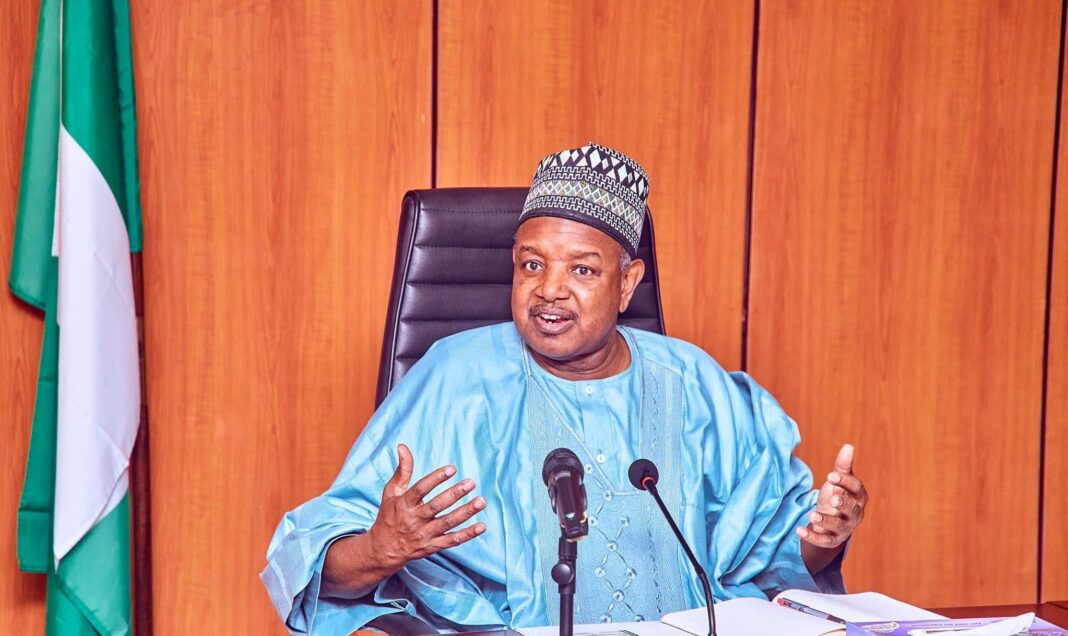
ICYMI: Bagudu Admits Tinubu’s Reforms Increased Cost Of Living Pressure
By Sabiu Abdullahi
Minister of Budget and Economic Planning, Senator Abubakar Bagudu, has acknowledged that economic reforms introduced by the Bola Tinubu administration have contributed to the cost-of-living difficulties faced by Nigerians.
Bagudu, however, maintained that the government would continue with the reforms, which he said were necessary to improve public finances, stabilise the economy and create conditions for long-term growth.
The minister made the remarks while delivering a keynote address at the Federal Appointees Strategic Summit on the presentation and review of budget implementation by ministries, departments and agencies.
According to a statement issued by the Federal Ministry of Budget and Economic Planning on Wednesday, Bagudu recognised the impact of the reforms and external economic pressures on households.
“He acknowledged that the reforms, along with international economic pressures, had contributed to cost-of-living challenges and other pressures facing citizens, but maintained that the administration remained focused on achieving long-term economic stability and inclusive growth,” the ministry said.
The Tinubu administration’s major economic measures include the removal of the petrol subsidy and reforms to the foreign exchange market, both introduced after the President assumed office in May 2023.
Bagudu said the measures were introduced amid serious economic challenges, although the government did not foresee the extent of the subsequent global economic turbulence.
He also pointed to international uncertainties, conflicts, trade disruptions and tariff pressures as factors that have affected food prices and living costs.
Despite the difficulties experienced by households, the minister said the reforms had improved the fiscal position of the Federal Government, states and local governments by increasing the resources available to the three tiers of government.
According to him, the increased revenue available to states and local councils reflected the administration’s push for greater fiscal federalism and stronger capacity at the subnational level.
“Rather than keeping additional revenues at the centre, the President has taken the position that we should give local governments and states more money and energise everyone so that we can interrogate and fulfil our responsibilities,” he was quoted as saying.
Bagudu also said the Federal Government had addressed some outstanding financial obligations owed to states as part of efforts to strengthen the federation and improve public service delivery.
He recalled that some states had previously faced difficulties paying workers’ salaries even when international crude oil prices were relatively high, with limited funds available for infrastructure and other essential services.
The minister said the improved financial position of states should allow them to devote more resources to infrastructure, education, security and other responsibilities assigned to them by the Constitution.
On Nigeria’s broader economic performance, Bagudu said some indicators were showing improvement, including the country’s revenue-to-GDP ratio.
He also defended the administration’s tax reforms, saying their objective was to make revenue collection more efficient rather than place unnecessary financial pressure on Nigerians.
The minister nevertheless said the government’s progress so far was not enough, noting that President Tinubu had continued to demand better results from members of his administration.
Bagudu said the government was also working to increase domestic production and ensure that improvements in macroeconomic indicators translate into better living conditions, particularly for people at the grassroots.
He added that the National Economic Council had considered measures that states could adopt to increase domestic production and expand the benefits of the reforms.
The minister also restated the administration’s target of growing Nigeria’s economy to $1 trillion by 2030.
He described the target as ambitious but achievable, stressing the importance of implementing the necessary components of the 2026–2030 National Development Plan.
Bagudu further urged federal appointees to understand government policies and communicate the administration’s reforms and achievements more effectively to Nigerians, particularly at the grassroots.
He also rejected claims that federal spending was designed to benefit particular regions of the country.
According to him, major areas of government expenditure, including security, infrastructure and livelihood programmes, are intended to serve national interests and address the needs of citizens across the country.
He said security spending supports communities affected by insecurity, while infrastructure projects are aimed at improving connectivity and promoting economic activity nationwide.
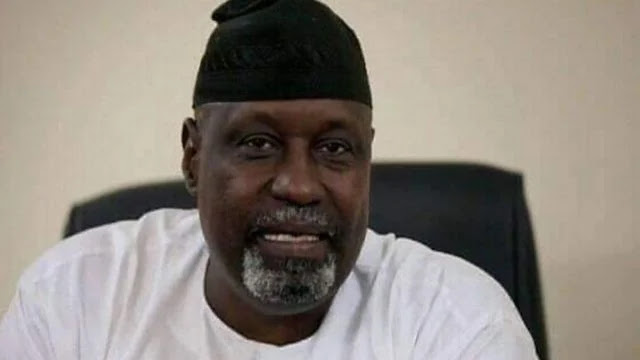
Farouq Aliyu Says He Rejected N250m Bribe Over Obasanjo’s Third-Term Bid
By Sabiu Abdullahi
Former House of Representatives Minority Leader, Farouq Aliyu, has alleged that he was offered N250 million to support former President Olusegun Obasanjo’s controversial bid for a third term in office.
Aliyu made the claim during an appearance on the Naija Unfiltered podcast, published on YouTube on Friday.
The former lawmaker said the third-term agenda was genuine, despite Obasanjo’s repeated denials that he ever sought to extend his presidency beyond the constitutionally permitted two terms.
Obasanjo served as Nigeria’s president between 1999 and 2007. In May 2006, the National Assembly rejected a constitutional amendment bill that would have paved the way for him to seek a third consecutive term.
Obasanjo again denied pursuing such an ambition in September 2025, saying he would have known how to pursue it if he had wanted another term.
However, Aliyu said he was approached during the period of the third-term controversy after Nuhu Ribadu, who was then chairman of the Economic and Financial Crimes Commission (EFCC), asked him to travel to Abuja for a meeting with Obasanjo.
According to him, he initially declined Ribadu’s request but later agreed to meet the former president.
Aliyu said he made it clear during the meeting that he believed the third-term proposal would not succeed.
He further alleged that he was later offered N250 million by an unnamed individual whom Ribadu had directed him to meet.
The former lawmaker also claimed that other prominent politicians were offered substantial sums to support the proposal.
He said Aminu Masari, who was Speaker of the House of Representatives at the time, rejected an alleged N400 million offer, while Abdul Ningi, who served as majority leader, was also offered the same amount.
Aliyu said lawmakers considered less influential were allegedly offered at least N50 million.
“Third term agenda was real. In fact, 250 million was given to me. I did not take it,” he said.
“Masari, who was the speaker then, 400 million was offered. He did not take it. Abdul Ningi, the majority leader, 400 million naira was offered to him. He did not take it.
“N50 million was dashed to small fries. They paid minimum of N50 million.”
Aliyu also credited late former President Muhammadu Buhari, former Vice-President Atiku Abubakar and George Akume, who was Secretary to the Government of the Federation, with playing significant roles in efforts that ultimately stopped the third-term proposal.
The 2006 constitutional amendment attempt failed to secure the required legislative approval, effectively ending the bid to alter the constitutional term limit at the time.
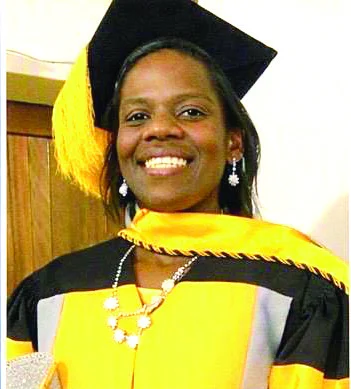
Nigerian University Lecturer Found Dead At Her South Africa Residence
By Sabiu Abdullahi
A Nigerian academic at the University of Fort Hare in South Africa, Dr Ayodele Odularu, has been found dead at her residence in the Eastern Cape Province.
Odularu, who was 51 years old, reportedly died on August 16, according to her brother, Gbadebo Odularu, who spoke with Punch’s Diaspora Tales.
A member of the deceased’s family, who spoke anonymously, said relatives did not believe her death was natural. The family member added that the circumstances surrounding her death remained unclear.
The family has consequently called for an investigation into the circumstances surrounding the lecturer’s death.
In a GoFundMe statement released by Gbadebo on behalf of the family, Odularu was remembered as a scholar who “dedicated her life to knowledge, discovery, and creating a better future for communities”.
The family further stated that “although her journey on earth ended too soon, the impact of her life continues through the people she inspired, the knowledge she shared, and the communities she hoped to serve”.
“Ayodele was far more than a sister. She was a cherished daughter, aunt, friend, mentor, scholar, and a source of encouragement, compassion, wisdom, and strength to everyone blessed to know her,” the statement reads.
The statement also described her personality and her contribution to academia.
“Her presence brought warmth into every room. She was known for her kindness, infectious laughter, generosity, resilience, and unwavering commitment to uplifting others. She had a rare ability to make people feel valued, heard, and inspired.
“Dr. Ayodele Odularu dedicated her life to knowledge, discovery, and creating a better future for communities.
“As an Independent Senior Researcher at the University of Fort Hare Community, she contributed meaningfully to academic research and the advancement of knowledge through her scholarly work.”
The University of Fort Hare held a memorial service in her honour on Thursday.
Her death comes at a time of heightened concern over attacks against Nigerians and other African nationals in South Africa.
The Federal Government has, since June, facilitated the evacuation of 1,716 Nigerians from South Africa amid reports of xenophobic attacks in the country.
The circumstances surrounding Odularu’s death remain subject to investigation.
NDC Disowns 59-Member Campaign Council Announced By Obi-Kwankwaso Movement
By Sabiu Abdullahi
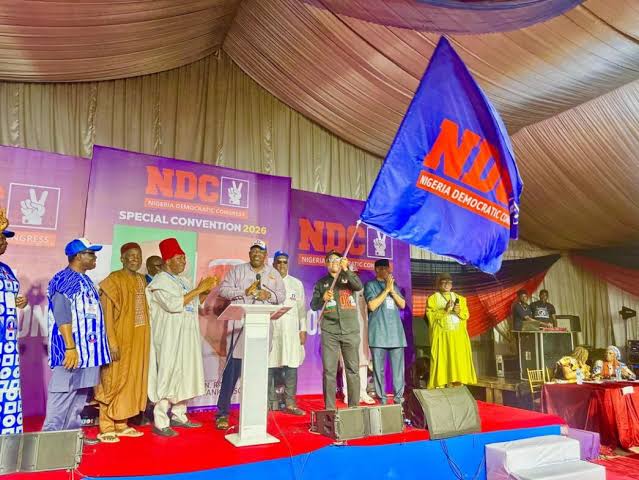
The Nigeria Democratic Congress (NDC) has distanced itself from a 59-member Presidential Campaign Council announced by the Obi-Kwankwaso (OK) Movement, saying the structure was not authorised by the party.
The OK Movement, a support group associated with the presidential ticket of Peter Obi and his running mate, Rabiu Musa Kwankwaso, unveiled the campaign council on Thursday.
The committee included zonal and state coordinators, alongside directors responsible for areas such as mobilisation, women’s affairs, strategy, security and legal affairs.
The movement named John Ughulu as the council’s Director-General and Saadatu Sani as its National Secretary.
Sani said the group was established to mobilise Nigerians around its political project and the possibility of a better country.
The NDC, however, said the campaign council did not originate from the party.
In a statement issued on Saturday, NDC National Chairman, Cleopas Moses, asked the public and media to disregard the announcement.
“The party hereby dissociates itself in totality from the said OK Movement PCC announcement. It did not emanate from the party and should be disregarded by the public and the media,” he said.
Moses said candidates contesting under the NDC platform remained subject to the party’s authority and disciplinary structure.
“All candidates of the party must appreciate that they are not running as independent candidates,” he said.
“They are products of the party and remain subject to the authority and discipline of the party.
“Therefore, only the party’s leadership can constitute and announce a Presidential Campaign Council.”
The national chairman further warned members, candidates and support organisations against announcing campaign structures in the name of the party without approval.
“Henceforth, no individual or group is authorised to announce, constitute, or publish any campaign council, structure, or organ in the name of the party without prior approval from the National Working Committee (NWC),” Moses said.
While acknowledging the role of support groups, he said such organisations must not present themselves as parallel structures of the NDC.
“While the party will continue to work collaboratively with all support groups, such groups should not see themselves as alternative party structures or parallel organs of the party,” he said.
Moses also urged members and support groups with grievances to use the party’s internal channels instead of engaging in public disputes.
The NDC chairman further said Ughulu would be referred to the appropriate disciplinary organ over what the party described as “his excesses during the primary election in Lagos state” and “repeated disregard for party authority”.
The development follows the OK Movement’s unveiling of its proposed campaign structure ahead of the 2027 presidential election. The party leadership maintains that only its authorised structures can constitute and announce an official Presidential Campaign Council.