Month: November 2026

INEC Rules Out Shifting 2027 General Elections

By Sabiu Abdullahi

The Independent National Electoral Commission (INEC) has ruled out any plan to postpone the 2027 general elections, insisting that the polls will be conducted according to the approved timetable.

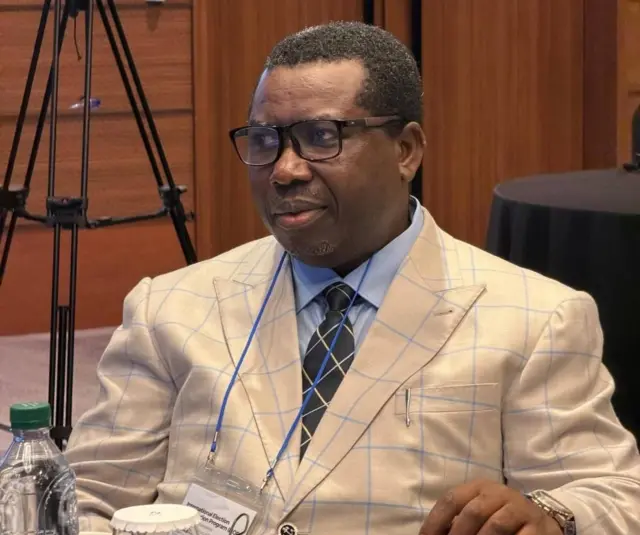
INEC Chairman, Professor Joash Amupitan, gave the assurance on Saturday during an interactive meeting with the commission’s staff and Resident Electoral Commissioners from the six South-South states in Port Harcourt, Rivers State.

Amupitan said preparations for the elections were already underway and that the commission had no intention of altering its statutory timetable, dismissing claims by some political parties that the polls might be postponed.

“Our statutory timeline is fixed. We will not change anything. The election must hold as scheduled,” he said.

He reaffirmed INEC’s commitment to conducting credible elections in accordance with the law.

The chairman also disclosed that Rivers State would receive particular attention during the preparations because of its strategic electoral importance and its position as the state with the highest number of registered voters in the South-South region.

According to figures released by the commission, Rivers has 3,736,434 registered voters, followed by Delta with 3,525,988, Edo with 2,865,263, Akwa Ibom with 2,566,198, Cross River with 1,928,978 and Bayelsa with 1,200,691.

The six states collectively have 15,823,550 registered voters.

Amupitan urged INEC officials to ensure that no eligible voter was disenfranchised because of operational shortcomings.

He also revealed that the commission had published the voters’ register online and at designated locations for public scrutiny.

He said INEC had received more than 5,000 claims seeking corrections to details such as names and dates of birth, alongside over 600 objections, all of which were being addressed.

The chairman announced that the final voters’ register would be released on December 15, adding that the commission was determined to resolve all outstanding issues before the deadline.

He explained that although INEC initially considered conducting a fresh validation of the voters’ register when he assumed office, the proposal was abandoned because of concerns that the exercise would take place too close to the general elections.

On the commission’s preparedness, Amupitan expressed confidence that lessons from recent off-cycle governorship elections, particularly the Osun State election, would help improve the conduct of the 2027 polls.

He described the Osun election as particularly encouraging, noting that it recorded the highest voter turnout in the history of off-cycle elections in Nigeria and was adjudged credible by local and international observers despite earlier security concerns.

He said the experience gained from those elections would strengthen INEC’s preparations for the general elections.

Amupitan further disclosed that the commission was working with security agencies, including the Nigeria Police Force and the Department of State Services, to ensure the safety of voters, electoral officials, ad hoc staff and election materials.

He said INEC wanted all parts of the country to remain peaceful so that citizens could exercise their voting rights without fear.

The chairman also dismissed concerns that artificial intelligence or computer algorithms could determine the outcome of the 2027 elections, maintaining that the decision would rest with Nigerian voters.

“It is the people of Nigeria that will decide the outcome of the elections and not AI or any algorithms,” he said.

However, he acknowledged the growing cybersecurity threats associated with artificial intelligence and said the commission would explore technological measures to protect its digital infrastructure from possible attacks.

He warned INEC personnel, including members of the National Youth Service Corps serving as ad hoc election staff, against any attempt to compromise the electoral process.

According to him, any official found undermining the elections in their area of assignment would face punishment in accordance with the law.

The Daily Reality
Insecurity Predates Tinubu’s Administration, Says Dogara

By Sabiu Abdullahi

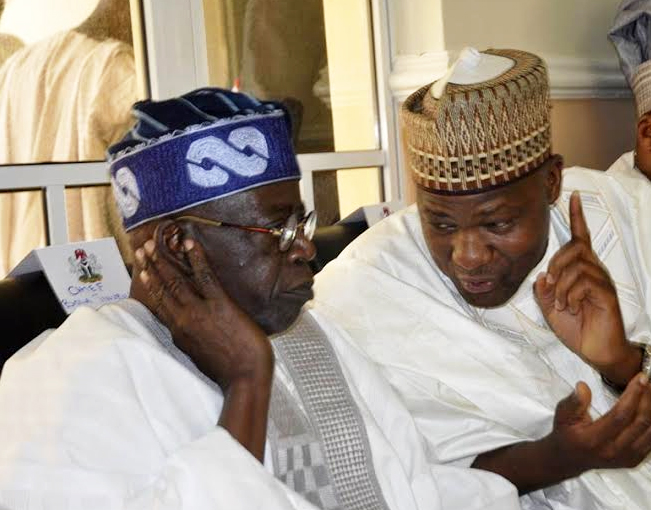
Former Speaker of the House of Representatives, Yakubu Dogara, has said Nigeria’s security challenges did not begin under President Bola Tinubu, noting that terrorism, insurgency, banditry and other forms of violence had existed in the country long before the current administration assumed office in May 2023.

Dogara, who is the Chancellor of Achievers University, Owo, Ondo State, made the remarks on Saturday during the institution’s 16th convocation ceremony, where 836 graduands received various academic qualifications.

He attributed the country’s persistent security problems to years of porous borders, the proliferation of illegal arms, youth unemployment and the spread of extremist ideologies.

“Insecurity in Nigeria did not begin with this administration. This is no excuse, because the facts need no defence. Terrorism, insurgency, banditry, kidnapping and communal violence did not arrive in 2023,” Dogara said.

He stressed that the challenges had developed over several years and were deeply rooted before Tinubu became president.

However, the former Speaker acknowledged that national security remained a major responsibility of the Tinubu administration, noting that the President had consistently identified it as a priority.

Dogara also congratulated the graduating students, urging them to recognise the importance of their talents, creativity and innovation in addressing the country’s challenges.

Earlier, the Pro-Chancellor of the university, Professor Bode Ayorinde, said Nigeria had made considerable progress in expanding access to tertiary education but expressed concern about the employment and career opportunities available to graduates after leaving school.

Citing figures from the National Universities Commission, Ayorinde disclosed that Nigeria had 312 universities as of June 2026. The institutions comprised 77 federal universities, 67 state-owned universities and 168 private universities.

He described the figures as evidence of significant investment in human capital development, involving sacrifices by parents, governments and lecturers, but questioned whether the country was creating sufficient opportunities to absorb the growing number of graduates.

The Vice-Chancellor, Professor Omolola Irinoye, reaffirmed the institution’s commitment to quality education, saying the university had continued to combine intellectual development with practical skills, character building and social responsibility since its establishment.

The Daily Reality

Nigerians Lose Estimated ₦75bn Annually to Visa Fees and Rejections – Report

By Sabiu Abdullahi

Nigerians spend an estimated ₦75 billion annually on visa application expenses, with unsuccessful applications accounting for a significant portion of the financial losses, according to a report obtained from the Ministry of Foreign Affairs.

The report, cited by Sunday PUNCH, estimated that Nigerians lost about €11.5 million, equivalent to approximately ₦19 billion, to rejected Schengen visa applications alone in 2025.

It highlighted the financial burden of international travel on Nigerians, particularly because visa application fees are generally non-refundable, regardless of whether an application is successful.

The financial exposure, according to the analysis, goes beyond official visa charges to include application centre fees, medical insurance, hotel reservations, flight bookings and other documentation expenses.

It estimated that an unsuccessful visa application could cost an applicant between ₦350,000 and ₦1.2 million, depending on the destination and the services required.

Canada was identified as one of the most challenging destinations for Nigerian applicants, particularly those seeking study permits. The report put the refusal rate for Nigerian study permit applications at approximately 75 per cent between January and April 2026, meaning only about one in four applications was approved.

It attributed many of the refusals to concerns about whether applicants would leave Canada after completing their studies, as required under the country’s immigration regulations.

Within the Schengen Area, Belgium reportedly recorded the highest refusal rate for Nigerian applicants at 60.3 per cent, followed by Spain at 52.7 per cent and France at 47.4 per cent.

The overall Schengen visa refusal rate for Nigerians stood at 46.9 per cent in 2025, compared with 45.9 per cent in 2024. Approximately 250,000 applications were unsuccessful during the year.

The United Kingdom recorded an overall refusal rate of 33.1 per cent for Nigerian applicants in 2025. The figure reportedly increased to 35.4 per cent in the first quarter of 2026, while visitor visa refusals stood at an estimated 38.6 per cent.

The report also stated that Nigerians accounted for 44.4 per cent of African visa refusals by the UK, citing a cumulative figure of 1.34 million over 21 years.

For the United States, the analysis cited an estimated refusal rate of 64 per cent for African applicants seeking F-1 student visas, compared with a global rate of 35 per cent. It identified concerns about applicants’ intentions to return to their home countries as one of the factors behind such decisions.

The report further highlighted rising visa charges in some countries. Japan, for instance, increased its visa fees for Nigerians from July 1, 2026, with a single-entry visa rising from ¥3,000 to ¥15,000, while a multiple-entry visa increased from ¥6,000 to ¥30,000.

These new charges were estimated at approximately ₦126,000 and ₦252,000, respectively. Despite the increase, Japan reportedly maintained a relatively low refusal rate of between 12 and 15 per cent for Nigerian applicants.

The analysis also listed several other destinations and their visa charges. A United States B1/B2 visitor visa costs $185, while Canada’s visitor visa and biometrics fees amount to CAD185. Schengen applicants were estimated to pay €90 in visa fees, in addition to about €35 in application centre charges.

For the United Kingdom, a six-month visitor visa was listed at £127, while a 10-year visitor visa costs £1,128.

India was described in the report as one of the more expensive destinations in the comparison, with a listed visa charge of $588, although its electronic visa options for eligible applicants reportedly cost between $25 and $80.

The report also examined the requirements for travelling to Indonesia, noting that Nigerian applicants generally require a sponsor and approval through the relevant immigration process rather than relying on visa-on-arrival arrangements. It estimated the refusal rate for Indonesian calling visas involving Nigerians at about 40 per cent.

Malaysia’s electronic visa system was identified as a comparatively affordable option for eligible Nigerian travellers, with the application fee estimated at RM126, equivalent to between ₦40,000 and ₦45,000.

The report advised Nigerians seeking to minimise financial losses to consider destinations offering visa-free entry, visa-on-arrival facilities or electronic travel authorisation, provided they meet the relevant eligibility requirements.

It listed several West African countries, including Ghana, Benin Republic, Togo, Senegal, The Gambia, Liberia, Niger, Burkina Faso, Côte d’Ivoire, Mali, Guinea, Guinea-Bissau and Sierra Leone, as destinations accessible to Nigerian passport holders under regional arrangements.

Other countries mentioned as possible alternatives included Rwanda, Barbados, Dominica, Fiji, Mauritius and Vanuatu.

However, the analysis cautioned that travellers should confirm current entry requirements through official government channels before making travel arrangements, as visa policies and eligibility conditions may change.

It also noted that visa-free entry does not necessarily eliminate all travel-related expenses, while electronic travel authorisations and some online permits may still attract non-refundable charges.

The Daily Reality

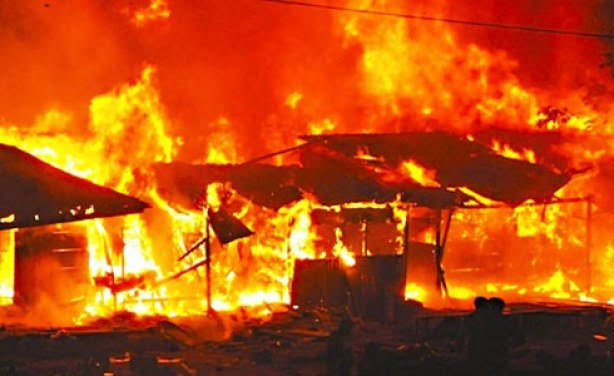
Fire Destroys 110 Structures at Kano Timber Market

By Sabiu Abdullahi

A fire outbreak has destroyed 75 permanent buildings and 35 temporary structures at Kofar Ruwa Timber Market in Kano State.

The incident occurred at about 7:39am on Saturday, according to the Kano State Fire Service.

The service’s Public Relations Officer, PFS Kabiru Isah Jafaru, disclosed this in a statement, saying firefighters were alerted by a timber dealer, identified as Alhaji Abba.

He said the service immediately mobilised personnel from several fire stations within the Kano metropolitan area to tackle the blaze.

“Several sections of Kofar Ruwa Timber Market were affected by the fire, destroying 75 permanent buildings and 35 temporary structures,” Jafaru stated.

He explained that the fire had already spread to several sections of the market before firefighters arrived but was eventually brought under control.

The intervention, he said, prevented the flames from spreading to other parts of the market.

Jafaru urged traders and business owners to remain vigilant and adopt necessary fire safety measures to prevent similar incidents, particularly during the harmattan season.

The Daily Reality

Woman Shoved Aside After Blocking ICE Vehicle Outside Broadview Facility

By Abdullahi Mukhtar Algasgaini

A woman was shoved to the ground after standing in front of a black ICE SUV outside the Broadview processing facility, according to video of the incident circulating online. The footage shows the woman holding an umbrella and standing directly in the vehicle’s path before an agent in a tactical vest approached and pushed her aside. She fell onto wet pavement.

The video does not show any prior confrontation before the push. It also does not show the agent continuing force after she fell; he appears to move on as the vehicle proceeds.

Supporters of the agent’s actions argued that blocking a federal law enforcement vehicle during an operation is unlawful interference and that officers may use reasonable force to clear an obstruction. They cited 18 U.S.C. § 111, which covers interference with federal officers, and said the woman refused repeated instructions to move.

Critics, including former Rep. Joe Walsh and other commentators, described the push as excessive and raised 18 U.S.C. § 242, the federal civil-rights statute. They argued the footage shows unnecessary force against a protester.

The incident has renewed debate over protest rights and physical obstruction of immigration enforcement operations. ICE has said its officers are carrying out lawful enforcement duties, while activists say they are exercising free speech. The woman’s identity and whether any charges were filed were not immediately clear.