
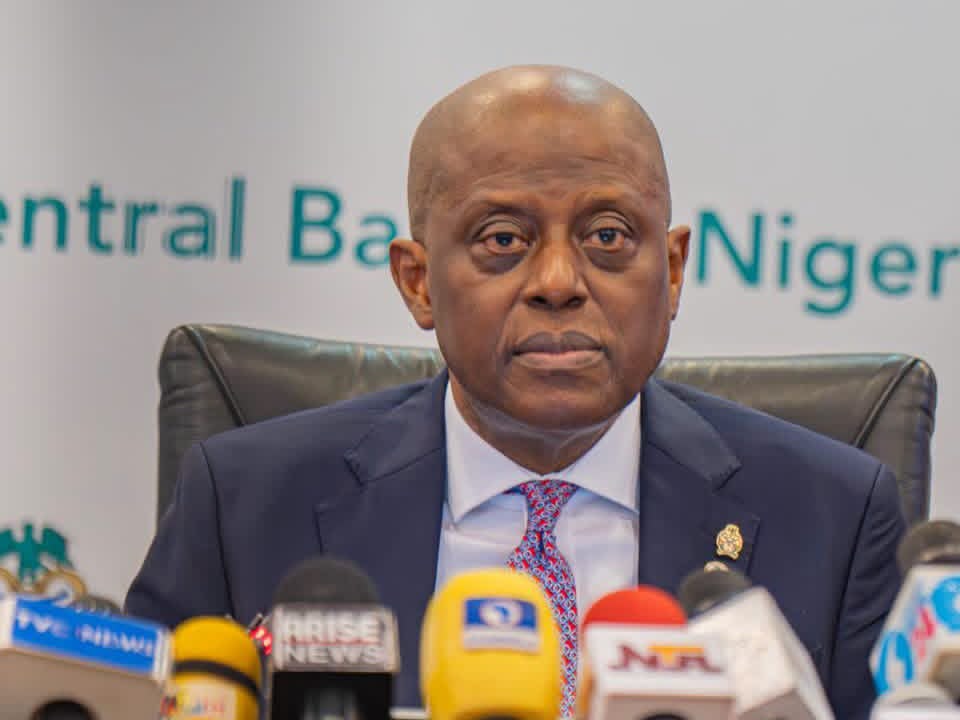
CBN’s New Monetary Reset: Recalibrating Policy for a More Stable Nigerian Economy
By Salmanu Isah Darazo
The Central Bank of Nigeria (CBN), is entering another important phase in its monetary-policy reform journey, with the Monetary Policy Committee’s latest decision to reset the Monetary Policy Rate (MPR) at 23 per cent and recalibrate the Standing Facilities Corridor marking a significant operational adjustment in the way monetary policy is transmitted across the Nigerian financial system.
At its 307th meeting held on September 21 and 22, 2026, the MPC approved a corridor of +50/-300 basis points around the MPR, while retaining the Cash Reserve Requirement at 45 per cent for Deposit Money Banks, 16 per cent for Merchant Banks and 75 per cent for non-TSA public-sector deposits. The CBN says the measures are designed to strengthen monetary-policy transmission and reinforce the MPR as the principal signal of monetary policy.
The significance of the decision goes beyond the headline 23 per cent rate. At the heart of the latest move is the CBN’s attempt to correct a structural weakness that had emerged between the official policy rate and prevailing market rates. According to the MPC, this divergence had weakened the effectiveness of monetary-policy transmission. The Bank’s ongoing repair of its monetary-policy implementation framework, including the adoption of the Nigerian Overnight Funding Rate (NOFR) as a transaction-based operational benchmark, is intended to make money-market operations more transparent and ensure that the MPR carries greater influence over financial conditions.
This is therefore less about simply moving an interest-rate number and more about strengthening the machinery through which the CBN implements monetary policy. The Committee was explicit that the corridor recalibration should not be interpreted as a change in the underlying monetary-policy stance. Rather, it described the move as an operational realignment intended to improve transmission and support Nigeria’s transition towards an inflation-targeting framework.
The timing is equally important. The CBN is making this adjustment against the backdrop of improving macroeconomic indicators. Headline inflation fell marginally from 15.43 per cent in July to 15.39 per cent in August 2026, while food inflation declined from 20.31 per cent to 19.57 per cent. Core inflation also fell significantly, from 14.97 per cent to 13.29 per cent. The 12-month moving average of headline inflation has now moderated for 20 consecutive months, according to the MPC.
For the CBN, perhaps more important than the individual monthly figures is the broader direction of travel. The Committee linked the moderation in inflation to the effects of earlier monetary-policy tightening, exchange-rate stability and improved inflation expectations. That assessment suggests that the Bank believes previous policy measures are increasingly feeding through into the wider economy, creating room to concentrate more heavily on improving the efficiency of its policy framework.
The real economy is also providing the CBN with a stronger platform for this recalibration. Nigeria’s real GDP expanded by 4.43 per cent in the second quarter of 2026, compared with 3.89 per cent in the first quarter. Both oil and non-oil sectors recorded stronger performances, while the Purchasing Managers’ Index climbed to 52.7 points in August from 51.1 points in July, pointing to continued expansion in business activity.
Perhaps the strongest evidence of improved external-sector conditions is found in the country’s reserves and balance-of-payments position. Gross external reserves stood at US$55.25 billion as of September 18, 2026—the highest level in 18 years and equivalent to approximately 11.3 months of import cover. Meanwhile, the balance-of-payments surplus increased to US$3.51 billion in the second quarter from US$2.38 billion in the first quarter, while the current-account surplus rose by 67.92 per cent to US$7.54 billion.
Taken together, these indicators explain why the CBN sees sufficient “headroom” for the operational reset. The Bank is effectively trying to consolidate gains already made in inflation, foreign-exchange stability, external reserves and financial-system resilience while making its monetary-policy transmission mechanism more coherent and predictable. The successful recapitalisation of the banking sector, which the MPC says has strengthened capital buffers and banks’ capacity to finance long-term projects, forms another important component of this evolving architecture.
The recalibration also comes at a time when the CBN is placing greater emphasis on coordination between monetary and fiscal authorities. The communiqué highlights the Memorandum of Understanding on fiscal-monetary coordination between the Federal Government, represented by the Ministry of Finance, and the CBN. The stated objective is to provide a structured framework for policy harmonisation towards achieving low and stable inflation.
That coordination could prove particularly important because the CBN’s outlook is not without risks. The Bank identifies prolonged geopolitical tensions in the Middle East, elevated global energy prices and election-related spending as potential sources of renewed inflationary pressure. Globally, growth is projected at 3.0 per cent in 2026, down from 3.5 per cent in 2025, while supply-chain disruptions, commodity-price pressures and trade fragmentation continue to pose risks to the global inflation outlook.
The emerging picture, therefore, is one of a CBN seeking to move from emergency-style monetary tightening towards a more structured and rules-based monetary-policy framework. The 23 per cent MPR is only one part of that story. The deeper story is the effort to ensure that the policy rate actually performs its intended function as the principal monetary-policy signal, with market operations, benchmarks and standing facilities working around it in a more transparent and effective manner.
For Governor Olayemi Cardoso and the CBN, the latest MPC decision consequently represents another chapter in the broader institutional rebuilding of Nigeria’s monetary-policy framework. The immediate challenge will be implementation: whether the recalibrated corridor succeeds in improving transmission without disrupting the disinflation process, while maintaining exchange-rate stability and supporting economic expansion.
The MPC has committed to evaluating the effectiveness of the new corridor and keeping future decisions data-dependent. Its next meeting is scheduled for November 23 and 24, 2026. The direction of monetary policy from that point will provide another important test of whether the current combination of easing inflation, stronger external buffers, expanding output and improved market transmission can be sustained.
Ultimately, the September 2026 decision is best understood not simply as another MPC rate announcement, but as an attempt by the CBN to make Nigeria’s monetary-policy system work more precisely. With inflation moderating, reserves strengthening, output expanding and the financial system undergoing recapitalisation, the Bank is using the present macroeconomic window to recalibrate the machinery of monetary policy—placing the MPR more firmly at the centre of the framework and laying another institutional foundation for a more effective inflation-targeting regime.
Salmanu Isah Darazo is a publisher, analyst and editor. He can be reached via Salmanudrz@gmail.com
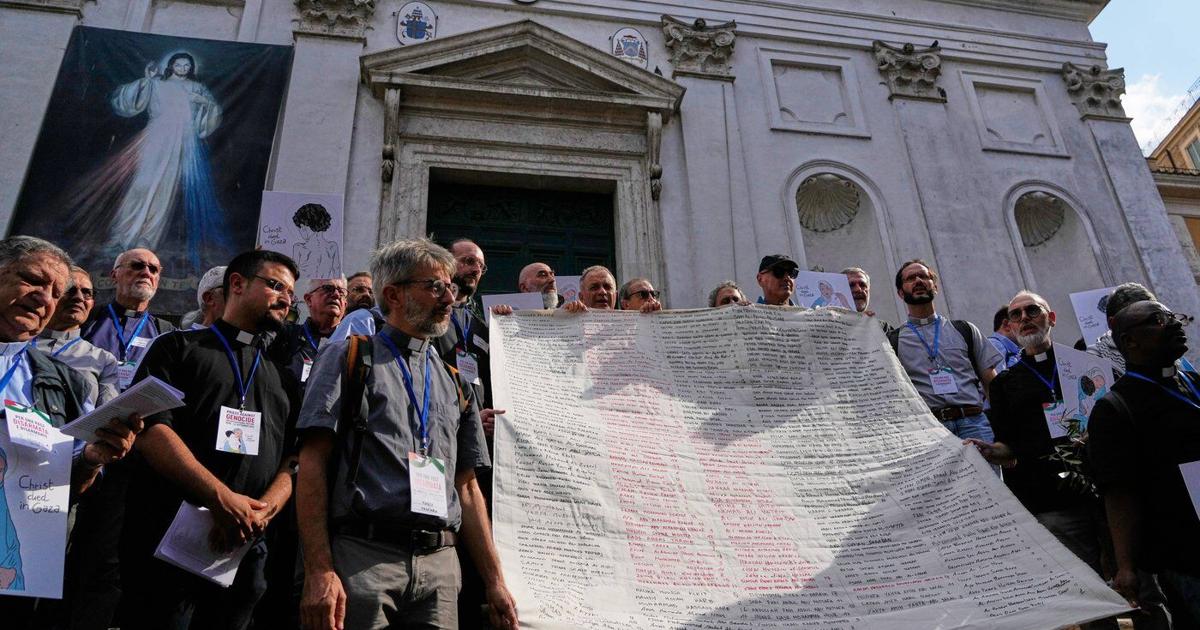
Catholic Clergy March in Rome, Urge Stronger Church Response to Gaza War
By Muhammad Abubakar
An international coalition of Catholic clergy known as Priests Against Genocide marched through the streets of Rome on Tuesday, calling on leaders of the Catholic Church to take a stronger stance against Israel’s war in Gaza.
The demonstrators urged Church authorities to speak more forcefully about the humanitarian crisis and suffering of civilians in Gaza. The march brought together Catholic priests from different countries who sought to draw greater attention to the conflict and its impact on the civilian population.
The protest comes amid continued international debate over the war in Gaza and calls for greater protection of civilians and humanitarian access.
CNN correspondent Christopher Lamb reported from Rome on the demonstration and the clergy’s demands for stronger action from Catholic Church leaders.

FG To Charge Teachers ₦200k For Six Months’ Professional Training
By Ishaka Mohammed
The Federal Government of Nigeria has opened applications for a six-month professional teaching qualification programme for non-professional teachers in the country.
According to the Federal Ministry of Education, the programme, titled Accelerated Teacher Professionalisation Pathway (ATPP), costs ₦200,000, which can be paid in three instalments.
The ATPP offers two qualification routes: the Postgraduate Diploma in Education (PGDE) for holders of non-education bachelor’s degrees or HNDs, and the Professional Diploma in Education (PDE) for holders of ONDs or NDs.
However, only individuals with at least two years of classroom teaching experience are eligible.
Launched on September 7, 2026, the application portal will remain open until September 25. The application is free.
Interested and eligible individuals can apply at https://applicant.safapply.
National Teachers’ Institute
Nnamdi Azikiwe University
University of Lagos
University of Port Harcourt
University of Ilorin
Ahmadu Bello University
University of Maiduguri
National Open University of Nigeria
MIVA Open University
Meadow Hall College of Education
Babcock University
There is more information on https://atpp.education.gov.ng/.
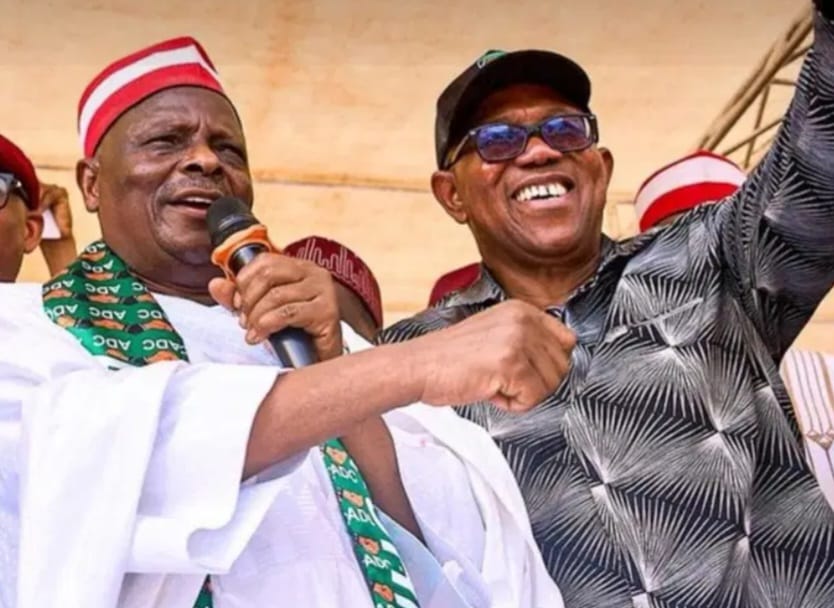
2027: Obi to Reinstate Fuel Subsidy in New Form — Kwankwaso
By Anwar Usman
Former Kano State governor and the Vice Presidential candidate of the Nigeria Democratic Congress (NDC), Rabiu Kwankwaso, has said a government led by the party’s candidate, Peter Obi, would reintroduce fuel subsidy, but through a different approach.
Kwankwaso, made this known during an interview with Arise News while discussing fuel pricing and the economic policies of President Bola Tinubu’s administration.
He said the NDC would look for other alternatives to reduce the cost of petrol for Nigerians, including increased investment in domestic refining.
“No, no, no, look. We are bringing subsidy in our own way,” Kwankwaso said when asked whether the party’s position on subsidy would affect its campaign in the North-West.
Explaining how that could be achieved Kwankwaso said government could establish more refineries to boost local production and reduce dependence on imported petroleum products.
He further stated that, the expansion of domestic refining capacity would help ensure that Nigerians can purchase petrol at what he described as a reasonable price.
“Now, if individuals in this country could build refineries, I see no reason why government, under certain circumstances, will not build a refinery or refineries to the extent that we achieve the minimum requirement,” he said.
Kwankwaso said the NDC would prioritise measures aimed at lowering fuel prices.
“What is the minimum requirement? The minimum requirement is for the people across the country to go to the filling stations and buy fuel at a reasonable price,” he added.
“We, in the NDC, will do whatever it takes, really, to put the price of oil down.”
The NDC chieftain also criticised how Tinubu removed the petrol subsidy shortly after assuming office in 2023.
He noted that the major presidential candidates in the 2023 election had supported subsidy removal as the major way of reviving the country’s economy but accused the current government for implementing the policy withoutproper consultation.
According to him, the decision was taken without adequately addressing the consequences associated with subsidy removal.
“And not only he decided to remove the subsidy, what he did was to remove it immediately — in fact, day one — without looking at all those possible issues that were associated with that,” Kwankwaso said.
Two Months of Action: Kano’s New Front in the War Against Drug Abuse
By Lamara Garba
For years, the menace of drug abuse has remained one of the most troubling challenges confronting Nigerian society, particularly its young population. What begins with substance use can develop into addiction, broken family relationships, school dropout, unemployment, violence and criminality. In many communities, the consequences are no longer hidden.
The problem has assumed an even more worrying dimension in Kano, where drug abuse has increasingly been linked with street violence, gang activities, thuggery popularly known as DABA, phone snatching and other social vices.
Available national data indicate the enormity of the challenge. The International Centre for Investigative Reporting, citing data from the United Nations Office on Drugs and Crime, reported that about 14.4 per cent of Nigerians aged 15 to 64, representing more than 14.3 million people, use psychoactive substances non medically, while more than three million suffer from severe drug use disorders. The same report, citing National Drug Law Enforcement Agency data, put Kano’s prevalence at about 16 per cent, making it one of the most affected states in the North West.
It is against this disturbing background that the Kano State Government, under Governor Abba Kabir Yusuf, moved to establish a multi agency response to the problem.
On 22 July 2026, the Governor inaugurated the Kano State Multi Agency Task Force on Drug Abuse and Illicit Trafficking, with Barrister Muhuyi Magaji Rimin Gado as Chairman. The initiative brought together security, law enforcement, health, traditional, religious and civil society stakeholders in a coordinated effort to confront drug abuse, illicit trafficking and their associated criminal activities.
Two months later, the emerging record of the Task Force presents a picture of an intervention that has moved rapidly from policy declaration to field operations.
Addresing the Media to Mark the two Months of operation on Tuesday 22nd September, 2026 the Chairman of the Task Force Alhaji Muhuyi Magaji Rimin Gado aaira more than 380 suspects have been arrested, while over 230 convictions have been secured, according to the Chairman’s latest briefing.
For a state battling a problem as complex as drug abuse, these figures are more than statistics. They offer a glimpse into the scale of criminal activity taking place around drug markets, while also showing the extent of the enforcement response that has been mobilised.
The operations have taken the Task Force into locations identified as drug joints and criminal black spots, including Race Course, Filin Idi, Filin Mahaha, Tashar Rami, Kawo and other areas within the metropolis and beyond.
The approach has been to dislodge the gathering points where drug users, dealers and suspected criminals converge, rather than simply wait for individual offenders to appear elsewhere.
Earlier operations had already shown the breadth of the challenge. In August, the Task Force carried out raids in Rimin Gado and Doka communities, arresting 28 suspects and recovering assorted illicit substances. The Chairman said the operations would extend beyond the metropolis to all 44 local government areas of the state.
By September, the scale of the operations had increased. Another operation involving Gandun Albasa, Kasuwar Rimi, Fagge and railway areas resulted in the arrest of at least 70 suspected drug users and others allegedly involved in related activities. The Task Force also announced a target of removing 10,000 vulnerable youths from the streets for rehabilitation, skills acquisition and reintegration.
Behind these operations is an understanding that the drug problem does not exist in isolation.
It is connected to a wider ecosystem of criminality. The Task Force Chairman says some drug joints serve as meeting points for individuals who later engage in DABA, phone snatching and other forms of street violence. The decision to combine drug enforcement with action against gang related activities therefore represents an attempt to address some of the consequences surrounding substance abuse at the same time.
Several suspected gang members have been arrested and convicted, including individuals identified as Abdullahi Ahmad, popularly known as Horror, Abubakar Sada, known as Daburi, Abdullahi Sani, known as Sarki Ale, and Umar Aliyu.
The message from the Task Force is that drug abuse and associated criminal behaviour will no longer be treated as ordinary street activities.
But perhaps the most disturbing dimension of the campaign is the vulnerability of children.
In one of the cases that has attracted considerable attention, 43 underage children were rescued after investigations indicated that some of them, while engaged in street scavenging, were allegedly supplied with rubber solution and other intoxicating substances instead of receiving appropriate payment for their services.
Two men, Kabiru Isa, popularly known as Mada, and Usman Hamisu, known as Mani, were subsequently convicted. Each received a cumulative nine year prison sentence without an option of fine, according to the Task Force and reports of the court proceedings.
The case is significant because it exposes another face of the drug crisis.
Children who should be protected from intoxicating substances were allegedly being drawn into a cycle of exploitation and substance abuse. For such children, intervention cannot end with the arrest of those responsible.
They need medical attention, counselling, family support, education and protection.
The 43 children rescued have undergone medical checks and are receiving counselling and treatment, while efforts continue to identify their families. Some have already been reunited with their relatives.
This combination of enforcement and protection is becoming a defining feature of the Task Force’s intervention.
The campaign has also exposed concerns around the diversion of controlled medicines from legitimate supply chains.
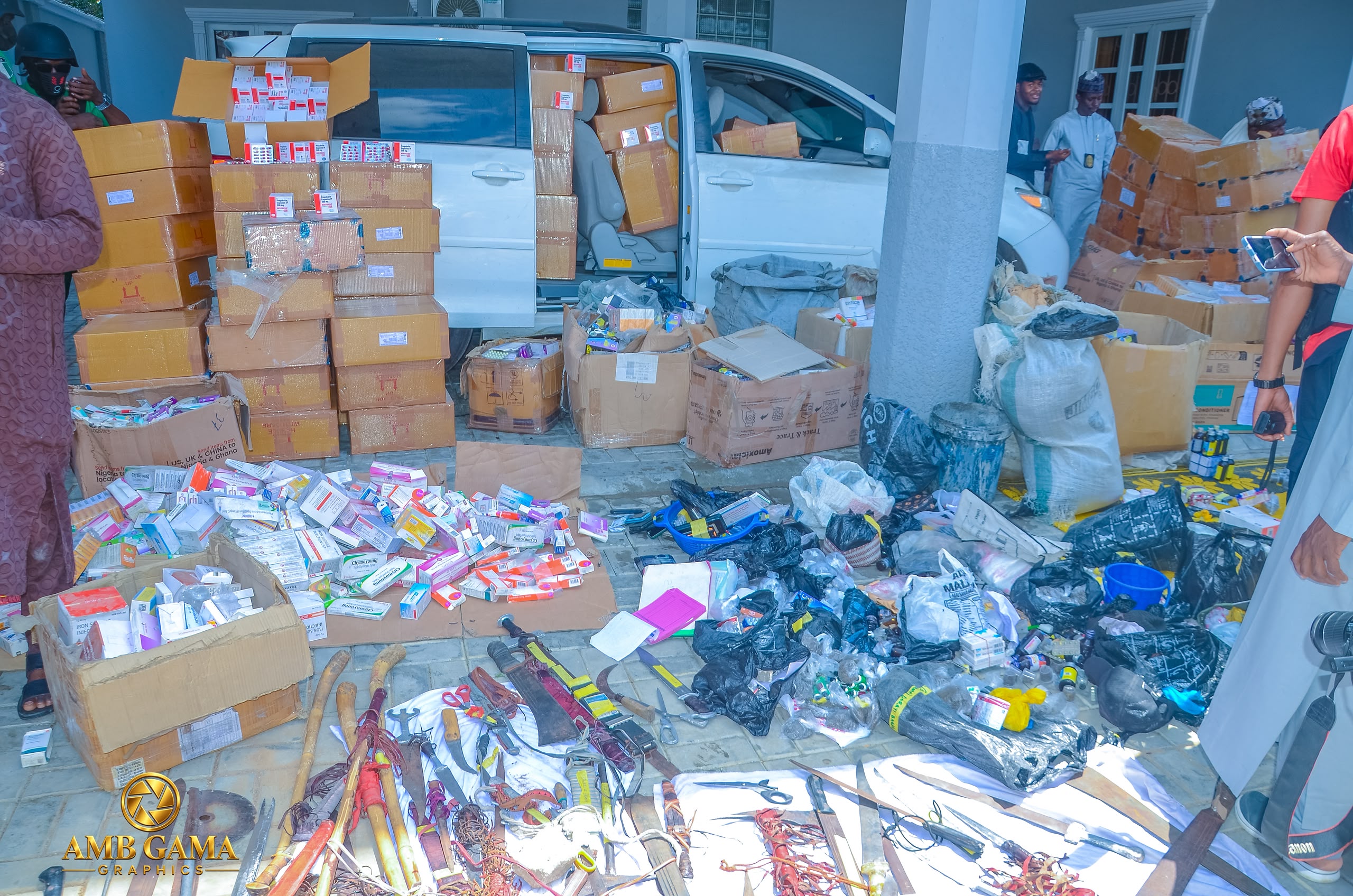
The Task Force says it seized about 870,000 capsules of Pregabalin from a pharmaceutical company in the state over suspected diversion for illicit use.
The concern is not limited to street dealers. It raises questions about the integrity of the pharmaceutical supply chain and the responsibility of companies, pharmacy managers, superintendent pharmacists and other personnel to ensure that controlled medicines do not find their way into illicit markets.
The Chairman has consequently called on pharmaceutical stakeholders to strengthen their internal controls and cooperate with inspections and investigations.
The scale of controlled medicine seizures in Kano has also been reflected in separate NDLEA operations. In September, the agency reported the seizure of 785,000 Pregabalin capsules weighing more than 669 kilograms in Sabon Gari, Kano, in an operation that resulted in the arrest of a 20 year old suspect.
Such developments demonstrate that the drug problem is not simply a matter of individuals consuming substances on the streets. It also involves supply networks, distribution channels and access to controlled medicines.
The Task Force has therefore adopted a broad enforcement approach that brings together several agencies.
Police, NDLEA, DSS, NSCDC, Correctional Service, Hisbah, KAROTA and other stakeholders are participating in the operations.
The multi agency character is important because no single institution possesses all the powers, intelligence, personnel and facilities required to tackle a problem of this magnitude.
The Kano Government has also provided operational support to strengthen the campaign. In August, five new vehicles were handed over to the Task Force to enhance mobility, field operations and intelligence coordination.
Yet, perhaps the most important shift in the strategy is the recognition that enforcement alone cannot end drug abuse.
A person addicted to drugs may be arrested, prosecuted or convicted, but if the underlying problem remains untreated, another vulnerable young person can take his or her place.
The Task Force has therefore combined enforcement with prevention, rehabilitation and reintegration.
Its sensitisation campaign has taken the anti drug message into communities, schools, markets, religious institutions and other public spaces. The objective is to prevent young people from entering the cycle in the first place.
At the same time, individuals already affected by drug abuse are being referred for rehabilitation.
About 125 people have been referred to the Kano Reformatory Institute in Kiru for treatment and rehabilitation.
The growing demand for rehabilitation has, however, created another challenge. The Kiru facility has reportedly reached capacity as more families voluntarily seek help for relatives affected by drug abuse.
Rather than viewing this only as a problem, the Task Force sees the increasing demand for rehabilitation as an indication that families are becoming more willing to seek assistance.
The Kano State Government has consequently provided an additional facility in Tofa Local Government Area to expand rehabilitation services.
The new facility is expected to provide space for more people requiring treatment and rehabilitation.
But recovery is only one stage of the process. What happens after rehabilitation may determine whether the intervention produces lasting results.
A young person who leaves rehabilitation without employment, skills, family support or a productive means of livelihood can easily become vulnerable to the same environment that contributed to the original problem.
This is why the Task Force is now engaging industrial stakeholders and other partners on employment, skills acquisition and economic reintegration.
The stated target is ambitious: to take 10,000 youths off the streets, rehabilitate them, equip them with useful skills and reintegrate them into society.
The plan represents a shift from seeing drug users only through the lens of enforcement to recognising that some require medical, psychological, social and economic intervention.
Recent reports indicate that the Task Force’s rehabilitation proposal includes medical detoxification, structured rehabilitation, vocational training and support for economic reintegration. The Chairman has identified trades and practical skills as part of the strategy for helping beneficiaries become economically productive.
This approach also places an important responsibility on the wider society.
Government can provide facilities. Security agencies can make arrests. Courts can determine cases. Health professionals can provide treatment. Trainers can provide skills.
But communities must provide acceptance and support for those who successfully complete rehabilitation.
Families must be willing to participate in the recovery process. Employers and businesses must be prepared to provide opportunities. Religious and traditional institutions must continue to educate communities. Civil society organisations must support prevention and reintegration.
The media, too, has an important role to play.
Reporting the number of arrests and seizures may communicate the scale of enforcement, but sustained public education requires deeper storytelling about prevention, treatment, recovery and the consequences of drug abuse.
The first two months of the Kano Task Force therefore tell two stories at once.
The first is the disturbing magnitude of the problem.
More than 380 arrests, over 230 convictions, the dismantling of drug joints, the recovery of illicit substances and weapons, cases involving vulnerable children, alleged diversion of controlled medicines and the disruption of phone snatching and gang networks all point to a challenge that extends well beyond individual drug consumption.
The second story is the emergence of a coordinated response.
The Task Force has brought enforcement agencies and other stakeholders together, moved into identified black spots, pursued prosecutions, rescued vulnerable children, expanded sensitisation, referred affected individuals for rehabilitation and begun planning for skills acquisition and reintegration.
The journey is still at an early stage.
Two months is not enough to declare victory over a problem that has developed over many years. Indeed, the scale of the arrests and seizures suggests that the challenge remains substantial.
What the first two months demonstrate is that the response has moved from concern to organised action.
The real measure of success in the months ahead will not only be the number of arrests or convictions. It will also be whether fewer young people enter the cycle of substance abuse, whether vulnerable children are protected, whether rehabilitation produces sustainable recovery, whether former users find productive livelihoods and whether communities become safer.
For Kano, therefore, the next phase may be even more important than the first.
The foundations of enforcement have been laid. Rehabilitation facilities are being expanded. Prevention activities are reaching communities. A target of 10,000 youths has been set.
The challenge now is to sustain the momentum, strengthen coordination and ensure that every intervention, from the street corner to the courtroom and from the rehabilitation centre to the workplace, contributes to the same objective.
A drug free society cannot be created by arrests alone.
It requires prevention before addiction, intervention when addiction occurs, justice where criminality is established, rehabilitation for those who need it and opportunity for those seeking a second chance.
That is the larger test facing Kano’s anti drug campaign.
Two months into the operation, the Task Force has shown that the state has begun confronting the problem on several fronts.
The months ahead will determine how far that coordinated response can transform the lives of those caught in the drug crisis and restore confidence in communities that have long lived with its consequences.
Lamara Garba, mnipr, is a member of the Multi Agency Task Force on Drugs Abuse and Illicit Trafficking.
Bandits Demand N30m Ransom For Six Zamfara Clerics Abducted After Prayer Session For Tinubu, APC
By Sabiu Abdullahi
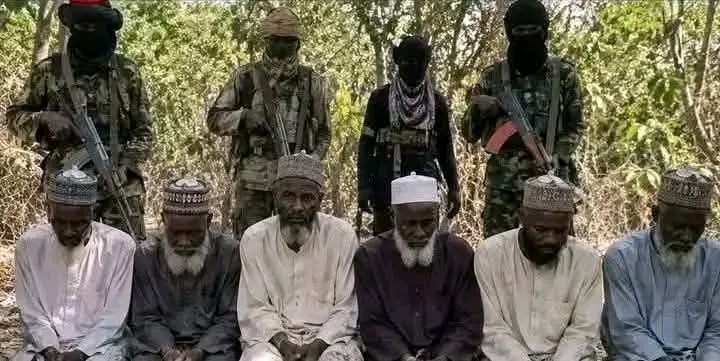
Bandits in Zamfara State have reportedly demanded N30 million for the release of six Islamic clerics who were abducted after attending a special prayer session organised for President Bola Ahmed Tinubu and the All Progressives Congress.
The reported abduction was disclosed by conflict reporter D English Alhaji in a Facebook post on Tuesday.
According to the report, the clerics had attended the prayer session organised by the Director-General of the APC campaign and senator representing Zamfara West, Abdulaziz Yari.
The reporter said the abductors had contacted their victims’ representatives and demanded N30 million for their release.
“These are the six Sheikhs that were abducted by bandits in Zamfara after attending special prayers session for Tinubu and APC, organised by the DG campaign for APC, Sen. Abdulaziz Yari,” he wrote.
“Bandits are now demanding N30 million ransom for their release.”
The reported incident adds to concerns over abductions and ransom demands by armed groups in parts of Zamfara State.
The Daily Reality could not independently verify the identities of the six clerics, the circumstances of their abduction or the reported ransom demand from the information provided.
Dangote Targets Over $10bn Power Investment To Boost Africa’s Industrial Growth
By Sabiu Abdullahi
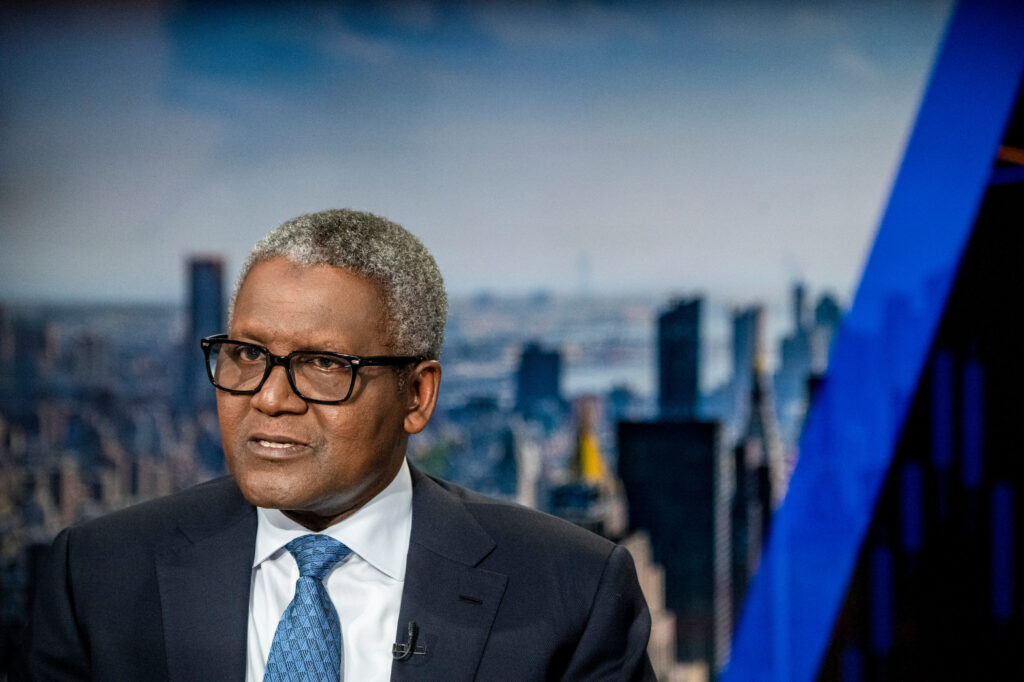
Aliko Dangote, President of Dangote Group, has disclosed plans by his conglomerate to invest more than $10bn in the power sector over the next few years as part of efforts to address Africa’s electricity deficit and support industrial growth.
Dangote made the disclosure during an interview with Al Jazeera, where he identified unreliable electricity supply and frequent changes in government policies as major obstacles to investment across the continent.
He said the group was considering shifting funds from some planned ventures, including steel, into electricity generation and other power projects.
“And I’m telling you in the next three to four years, there will be a major transformation in Africa, and that’s why we’re looking at power. We are going to invest in power. There are one or two businesses that we might cancel, like steel, and we will put the money in power. We want to invest over $10bn alone in power.”
The businessman also expressed concern over the number of Africans without access to electricity, saying the continent could not afford to leave hundreds of millions of people without reliable power.
“We Africans should not really allow over 600 million of our people to remain in darkness.”
Dangote described electricity as a major driver of economic expansion and said effective power supply could also influence how citizens assess the performance of political leaders.
“You know, if some politicians work hard and have a plan, when you deliver power, you don’t need to go for a campaign when you’re going for an election. Power is key; we will never create growth without power. That’s why they say power is growth. When I say power, I mean electricity is growth.”
He said Africa must expand its industrial base if it hopes to create enough jobs and achieve sustained economic development. He also called for a reduction in the continent’s dependence on imported products.
Addressing concerns about investment in Africa, Dangote attributed some of the challenges to inconsistent government policies and inadequate electricity supply.
“The problem really is, it takes two to tango. I think in the past, there’s been a lot of flip-flops in government policies. Government policies were changing every day, and then, the lack of electricity is also there.
“So, these two issues haven’t gone away. They are still there. But for some of us that really mean business, we are here, and we know that yes, without our intervention, Africa will never be able to create jobs. If there’s no industrialisation, how do you create jobs? You can’t,” he said.
Dangote warned that Africa could eventually face difficulties financing the goods it imports if it fails to strengthen local production.
“One day we will not have money to import what we are consuming. So how can we remain an import continent? It has to change. But that change can only happen when Africans believe in Africa, and they invest in Africa,” he stated.
He said more investors were becoming interested in African businesses because of the opportunities on the continent. According to him, his investment philosophy also focuses on wider participation in business and stronger corporate governance.
“We want to make sure it’s about spreading the wealth. It’s about getting more people in the business. It’s also about corporate governance. So that’s the direction.”
On allegations that his expanding business interests were creating a monopoly, Dangote said he remained focused on his objectives.
“Well, you know, if I’m going to listen to that, have you ever seen a footballer looking at the audience? He has to continue looking at the ball. If I’m Messi, for example, I’m kicking the ball, and I’m looking at the audience, do you think I won’t miss the ball? I will miss the ball,” he stated.
He argued that accusations of monopoly would not deter his investment plans, insisting that his businesses had not been given exclusive rights by the government.
“If I’m going to make my continent great and people want to call me a monopoly for no reason, so be it. I mean, it’s not going to reduce the colour of my face or whatever. You can call me whatever you want to call me; I didn’t stop anybody; it is an opportunity given to everybody, every one of us has that opportunity whether Africans, foreigners or whoever,” he stressed.
Dangote said government policies created opportunities for investors across various sectors rather than reserving them exclusively for his companies.
“There’s nothing that the government gave us and say, ‘this is only for Dangote ’. The government will create a policy around a sector, and they will blow a whistle and say, ‘ Yes, this is it,” he noted.
He compared investment to a 100-metre race, saying those who chose not to participate should not blame investors who took the opportunity.
“If there’s a 100-metre race, some people were on the bench while I’m on the track, and I agreed to run that race, and I won that race alone, are you going to blame me or are you going to blame people who just sat on the bench?” he asked.
He also rejected claims that his business expansion resulted from a lack of opportunities for others.
“They’re not ready, they’re not prepared, they don’t even believe in Africa itself. If you don’t invest, you are not going to get fruit of that labour,” he replied to those accusing him of monopoly.
Dangote acknowledged that criticism would continue but said his businesses would remain focused on their long-term objectives.
“The distraction will continue. But we have what you call a very thick skin. No matter what you do, even if you take bullets, you are hitting our body with it; we’re not going to stop. We have a target, and we’re getting to our target.
“And if we don’t do it, believe me honestly, Africa will be in trouble. And I would rather save my continent at the expense of even my life. This continent must get to the promised land,” he declared.
He further advocated greater processing of African raw materials within the continent before export, saying local value addition could strengthen industries and retain more economic benefits.
Dangote said governments could eventually introduce stronger measures to encourage local processing once the economic benefits became more evident.
“Eventually they (foreigners) will stop taking our raw materials. They must produce on our own continent.
“You see, once we show people how to do all these, even the governments themselves will start saying, no, you can’t take our cocoa, process it here and add value, then you take it out,” he stated.
Wike Accuses APC Governors Of Seeking Control Of National Assembly Leadership
By Sabiu Abdullahi
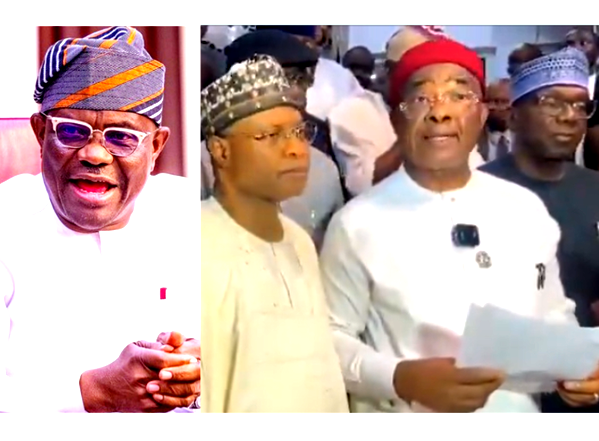
Minister of the Federal Capital Territory, Nyesom Wike, has alleged that the opposition of some All Progressives Congress governors to the proposed Rainbow Coalition is linked to their political calculations over the leadership of the National Assembly after the 2027 elections.
Wike made the allegation on Monday during an appearance on TVC’s Journalists’ Hangout, where he defended the coalition and rejected concerns that it could weaken the APC ahead of the 2027 general elections.
The FCT minister said the coalition was primarily intended to mobilise support for President Bola Ahmed Tinubu’s re-election. He argued that politicians could support Tinubu for president while backing candidates of their preferred parties in governorship and legislative elections.
He cited the 2023 elections as an example, recalling that members of the G5 group supported Tinubu’s presidential bid while their parties contested other positions.
“In 2023, core leadership G5, we said we are going to support Mr President. But we never said that all our candidates in other elections will fail. We never said so,” Wike said.
He added, “Particularly in Rivers State, we supported Asiwaju Bola Tinubu; he won the presidential election. But in National Assembly election and the state election, PDP won.”
Wike dismissed the argument that such a voting pattern would confuse Nigerians. He said voters had already demonstrated that they could support different parties in different elections.
“Who will be more confused? Is it not my own candidates that will even be more confused when I’ve told them to support Asiwaju Bola Ahmed Tinubu, and then again, they now go back to support other candidates?”
According to Wike, some APC governors are concerned that politicians who fail to secure tickets under the ruling party could contest on other platforms and win their elections. He alleged that such lawmakers might then refuse to support candidates favoured by the governors for leadership positions in the National Assembly.
“APC in their ongoing party primaries, the governors, in their own wisdom, believe that they should be able now to put senators or House of Reps members who they will dictate to who will become the next Senate President or the Speaker,” he alleged.
He continued, “The fear now is that, if they run and they win, it means that they’re not going to support him to be the Senate President,” he said.
Wike specifically linked the issue to Imo State Governor and Chairman of the Progressive Governors Forum, Hope Uzodimma. He alleged that Uzodimma was interested in becoming Senate President after leaving office.
“Mr. President will be inaugurated by May 29. This man’s office will expire by January, February 2028.
“Now, he wants to leave his office to run for Senate. Now, what does that mean? He wants to run for Senate President. Now, what he does is to say to his colleagues, ‘Look, let us, the governors, be the ones that will produce the senators that will produce members of the House of Representatives.
“And of course, some of the governors are not experienced. They buy in, thinking it’s going to make them powerful, not knowing that he has his own interests, his own agenda, to become Senate President,” Wike said.
The FCT minister also made his position on Uzodimma’s alleged ambition clear.
“Life or death, I will never support a character of Hope Uzodimma to be the Senate President of Nigeria. Everybody knows that,” the minister stated.
Wike said his position should not be interpreted as a personal dispute. He maintained that the political interests behind the disagreement should be considered within the wider contest ahead of 2027.
The disagreement comes after the APC Governors Forum declared that it would not support any alliance or political arrangement capable of undermining Tinubu’s re-election, weakening the APC or affecting the party’s candidates. Uzodimma announced the position after a meeting of the governors in Abuja.
Wike also rejected reports that President Tinubu had agreed to concede nine states to the PDP or the Rainbow Coalition as part of a political arrangement.
“The nine states, did they tell you the nine states?”
He added, “Let us help Nigerians. Let’s get the facts. Who are… which are those states? Tell us. That they said the President agreed with me that he has conceded nine states.”
The minister said his political focus remained on supporting Tinubu’s re-election and promoting what he described as the achievements of the administration.
“Mr. President is showing his postcard. We are selling Mr. President what he’s been doing, why he should be re-elected,” he said.
Wike also said Tinubu was aware of the Rainbow Coalition and his activities around the proposed arrangement.
“As I speak to you here, Mr. President knows about my concept, of the rainbow coalition…. Mr. President understands me very well,” Wike said.
He maintained that the coalition was not intended to take over the APC or prevent other parties from presenting candidates for governorship and legislative contests.
The FCT minister has previously said the coalition has no formal connection with the APC and that his stated objective is to support Tinubu’s second-term bid.
The disagreement has continued to generate reactions within the APC. The party’s South-East caucus previously called on Wike to apologise to APC governors over his comments about their opposition to the coalition.
Wike, however, has maintained his position that support for Tinubu in the presidential election can coexist with support for candidates from other parties in governorship and legislative elections.
The minister’s latest comments further highlight the growing disagreement between his Rainbow Coalition initiative and APC governors over how political support should be organised ahead of the 2027 elections.
FG Explains Tinubu’s Absence From UNGA, Says Shettima Carries Full Presidential Mandate
By Sabiu Abdullahi
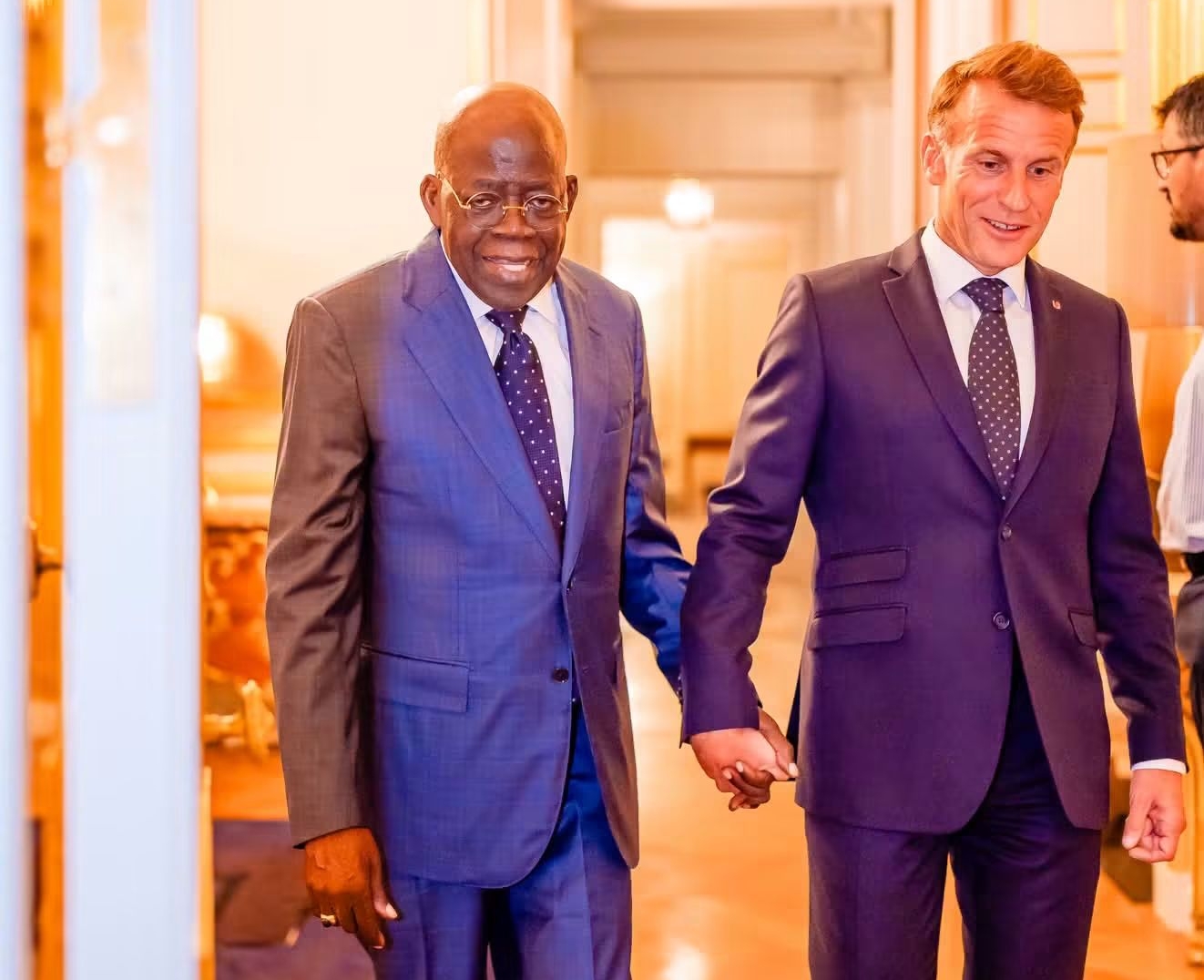
The Federal Government has explained President Bola Ahmed Tinubu’s absence from the 81st Session of the United Nations General Assembly (UNGA) in New York, saying Nigeria remains fully represented at the high-level gathering.
The clarification followed public comments about the President’s decision not to attend the annual gathering of world leaders in person.
In a statement issued by the Minister of Information and National Orientation, Mohammed Idris, the Federal Government said President Tinubu had directed Vice President Kashim Shettima to lead Nigeria’s delegation to the UNGA.
It said, “The Vice President will deliver Nigeria’s national statement and participate in high-level meetings and bilateral engagements with world leaders, international organisations and development partners.
“Nigeria will therefore be fully and effectively represented throughout the high-level session.
“Vice President Shettima carries the full mandate of the President and the Federal Republic of Nigeria. His engagements in New York will advance Nigeria’s priorities on peace and security, economic development, climate action, reform of the global financial architecture, sustainable development and international cooperation.”
Idris also noted that Tinubu is currently on annual leave. He said the President’s decision to delegate the responsibility to his deputy does not represent a reduction in Nigeria’s diplomatic presence or standing.
The minister also addressed recent comments from former Vice President Atiku Abubakar and a United States-based lobbying organisation retained by him over Tinubu’s absence from the UNGA.
According to the Federal Government, the comments sought to attach motives to the President’s decision that were not supported by facts.
It said, “Political opposition and robust public debate are legitimate features of democracy. However, speculation should not be presented to Nigerians or the international community as established facts. The government urges political actors to exercise responsibility when discussing matters affecting Nigeria’s international relationships and national reputation.
“Nigeria values its longstanding relationship with the United States, encompassing trade and investment, security cooperation, energy, democratic institutions, regional stability and extensive people-to-people ties.
“That relationship is conducted through established diplomatic and governmental channels and should not be confused with partisan commentary or the activities of private lobbying organisations acting on behalf of political clients.”
The Federal Government urged Nigerians and the media to separate confirmed information from political opinions and claims that lack supporting evidence.
It reaffirmed that Nigeria’s interests would remain a priority throughout the UNGA and that diplomatic engagements with international partners would continue.
“Nigeria will be fully represented in New York. Nigeria’s interests will be vigorously advanced. And the work of strengthening the country’s relationships with its international partners will continue.”
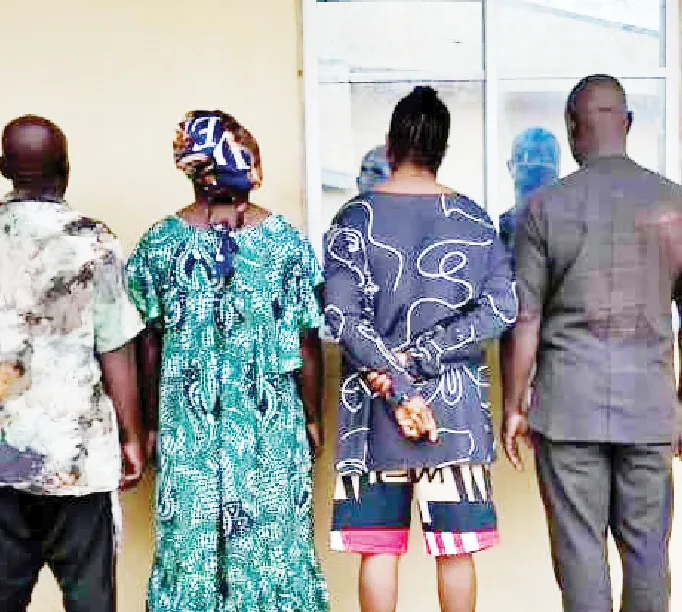
Police Arrest Four Over Alleged Abduction, Sale Of Four-Day-Old Baby
By Sabiu Abdullahi
The Abia State Police Command has arrested four suspects over the alleged theft and sale of a four-day-old baby whose mother is mentally challenged.
The suspects were taken into custody on September 16, 2026, after operatives of the Violent Crimes Response Unit and Rapid Response Unit, Obehie, received what the police described as “credible and actionable intelligence.”
The state Police Public Relations Officer, Maureen Chinaka, disclosed this in a statement on Monday.
Chinaka named the suspects as Gladys Nathaniel, 48; Victor Udochukwu, 47; Chijioke Obunwa, 59; and Onyeonoro Chinwe, 43.
She said police investigations indicated that the suspects allegedly conspired to take the newborn from its mother and later sold the child to another person.
“The suspects allegedly conspired to steal a four-day-old baby from her mentally unstable mother and subsequently sold the infant to another person,” the statement read.
According to the PPRO, the police rescued both the baby and its mother after the suspects were apprehended.
She said the mother was released into the care of her family, while the baby was placed under the protection of the Ministry of Women Affairs.
“The baby and mother were rescued. The mother has been released to her family for proper care and medical attention, while the infant has been handed over to the Ministry of Women Affairs for protective custody,” she stated.
The four suspects remain in police custody as the investigation continues at the State Criminal Investigation Department.
Chinaka said the suspects would be charged before a court after investigators conclude their inquiry.
The Commissioner of Police, Wilfred Afolabi, said the command would continue to protect vulnerable persons and ensure that suspects responsible for such offences are brought to justice.
The development comes against the backdrop of other recent cases involving alleged child trafficking and illegal maternity facilities.
In August, the National Agency for the Prohibition of Trafficking in Persons sealed a residential apartment in Elelenwo, Port Harcourt, after it was suspected to have been converted into an illegal maternity facility by a suspected child-trafficking syndicate.
NAPTIP also arrested the facility’s owner, whom it identified as a facilitator in the alleged sale of babies, alongside another staff member.