
![[OPINION]: The Confidence to Stand, By Maji Bappa Maina](https://dailyrealityng.com/wp-content/uploads/2026/08/IMG-20260827-WA0000-160x160.jpg)

Adara elders drag former Governor El-Rufai to court over alleged illegal detention of their members
By Abdullahi Mukhtar Algasgaini
Nine Adara Elders, who were arbitrarily imprisoned and later released in 2019, have dragged the former Governor of Kaduna State, Mallam Nasiru el-Rufai, to court over alleged violations of their Fundamental Human Rights.
The claimants, led by the former Chairman of the Adara Development Association, Mr. Dio Maisamari, are demanding N2.3 billion in damages for arbitrary arrest, general and exemplary damages, and special damages due to the violation of their rights.
The case, which was heard at the Federal High Court in Kaduna, was adjourned by Justice Hauwa’u to allow for proper service to the respondents, in line with Order 5, Rule 7 of the Fundamental Human Rights Act.
Speaking to newsmen after the adjournment, counsel to the plaintiffs, Barrister Gloria Ballason, explained that her clients were unjustly imprisoned by the immediate past administration of the state for more than three months in 2019, only to be released after nothing was found against them.
“We are here on behalf of the Adara Elders, who were unjustly imprisoned in 2019. They have come to court seeking the enforcement of their fundamental rights,” she stated.
She further explained that their Chief, Raphael Maiwada Galadima, was killed under suspicious circumstances around the same time as the arrest, during the administration of Mallam Nasiru el-Rufai.
“My client, Mr. Dio Maisamari, along with eight others, was arrested when he attended a meeting to inquire about the situation. After spending over three months in detention, the court found no evidence against them, and the case was dismissed,” Barrister Ballason explained.
According to Ballason, Mallam Nasiru el-Rufai had personally directed the arrest of Mr. Maisamari, without any investigation or reasonable suspicion of a crime.
“The Nasiru el-Rufai administration was notorious for a series of rights violations, ranging from unlawful killings to wrongful imprisonments and attacks,” she said.
The claimants are seeking damages, including N900 million for arbitrary arrest, N100 million for general and exemplary damages, N500 million for additional damages, and N800 million for special damages due to the extent of the rights violations,” Ballason added.

A legacy of strength and wisdom: Remembering Emir Yunusa Muhammad Danyaya
By Usman Abdullahi Koli, ANIPR
In the rainbows of history, some leaders leave an indelible mark that time can never erase. Alhaji (Dr.) Yunusa Muhammad Danyaya, the revered Emir of Ningi, was one such leader. His influence reached far beyond the borders of his emirate, touching lives with his wisdom, strength, and dedication to his people. His departure marks the end of an era, a monumental loss not just for Ningi but for the entire nation.
Born in 1936, Alhaji Yunusa Muhammad Danyaya was destined for greatness. His educational journey began at Ningi Elementary School and continued through Bauchi Middle School. He later attended the School of Hygiene in Kano and earned a diploma in Public Administration from Ahmadu Bello University, Zaria. Before ascending the throne in 1978, he made significant contributions to the Ningi Emirate Council, the Medical and Health Department, and other critical roles within the region’s governance.
Ningi Emirate, a land steeped in history and resilience, has long held strategic importance in northern Nigeria. Founded by Islamic scholars who migrated from Tsakuwa in Dawakin Kudu Local Government Area of Kano State, the emirate’s origins are rooted in a principled stand against unjust taxation. Throughout his reign, Emir Yunusa Muhammad Danyaya upheld these principles, ensuring that justice, fairness, and equity remained the foundation of his leadership.
As Emir, Alhaji Yunusa Muhammad Danyaya was a steadfast guardian of tradition and a visionary leader who steered Ningi through an era of transformation and progress. Under his leadership, the emirate witnessed significant development initiatives that significantly improved the quality of life for its people. His reign was a masterful balance of tradition and modernity, preserving Ningi’s rich cultural heritage while driving progress.
The people of Ningi hold their late Emir in the highest esteem, remembering him as a just and fair leader deeply committed to their welfare. His passing leaves a void that will be difficult to fill, but his legacy will continue to inspire and guide future generations.
We are reminded of the Hausa saying, “Kwari garin jan kaya, kwarin da ba ruwa ya ci mutum, da akwai ruwa da ya ci duniya,” which translates to, “The wasp is known for its resilience, even without water, it can take a man down; with water, it could conquer the world.” This saying, deeply rooted in the spirit of the Ningi Emirate, speaks to the enduring strength and determination that defined Emir Yunusa Muhammad Danyaya’s life.
Another saying resonates within the emirate: “Ko yaki ya ci Ningi, zai bar Dutse,” meaning “Even if war defeats Ningi, it will leave behind its mountains. ” This demonstrates the resilience that the Emir exemplified throughout his reign.
His journey into royalty began in 1959 when he was turbaned as the District Head and Chiroman Ningi. Over the decades, his leadership was marked by wisdom, courage, and commitment to his people. More than just a ruler, he was a mentor, a guardian of tradition, and a beacon of progress. His reign embodied the resilience and strength of the Ningi Emirate, much like the majestic elephant known for its unyielding spirit.
Alhaji (Dr.) Yunusa Muhammad Danyaya’s legacy will forever be etched in the hearts of those he served. As we mourn his passing, we also celebrate a life dedicated to service, leadership, and the upliftment of his people. His contributions to the Ningi Emirate and to Nigeria will never be forgotten. Though the giant has fallen, his impact will continue to resonate for generations to come.
Usman Abdullahi Koli wrote via mernoukoli@gmail.com.

The urgent need for action on kidney disease-related deaths in Gashua
By Mujahid Nasir Hussain
Gashua, a local government area in Yobe state, Nigeria, is facing a distressing public health crisis. An alarming increase in the number of individuals succumbing to kidney diseases is being reported, yet the underlying cause remains unidentified.
The kidneys are essential organs located in the retroperitoneal part of the body. These bean-shaped organs perform several crucial functions, including blood filtration, blood pressure regulation, electrolyte balance, acid-base balance, blood calcium regulation, and many more. However, when they become impaired, those vital functions are compromised, leading to severe and devastating deterioration and complications.
The rising number of deaths linked to kidney diseases in Gashua is a cause for serious concern. It is impossible to implement effective interventions without identifying the underlying cause, whether environmental, genetic, or related to lifestyle factors.
The Yobe state government must prioritise an investigation into the root causes of these kidney diseases to find an end to the problem. Public health agencies, researchers, and medical experts should be mobilised to conduct thorough epidemiological studies and screenings to identify potential risk factors.
In addition, there is also a need to take proactive measures through:
- Raising Awareness: Educating the community about kidney health, risk factors, and early symptoms of kidney disease to encourage timely medical consultation.
- Enhancing Healthcare Facilities: Improving access to quality healthcare services, including dialysis centres and nephrology specialists, to manage and treat kidney diseases effectively.
- Providing Clean Water: Ensuring the availability of clean drinking water is essential, as contaminated water is a known risk factor for kidney damage.
- Encouraging Lifestyle Changes: Promoting healthy dietary practices and regular medical check-ups to prevent kidney-related diseases.
Mujahid Nasir Hussain studies at Bayero University, Kano, Nigeria and writes via mujahidhnasir@gmail.com.
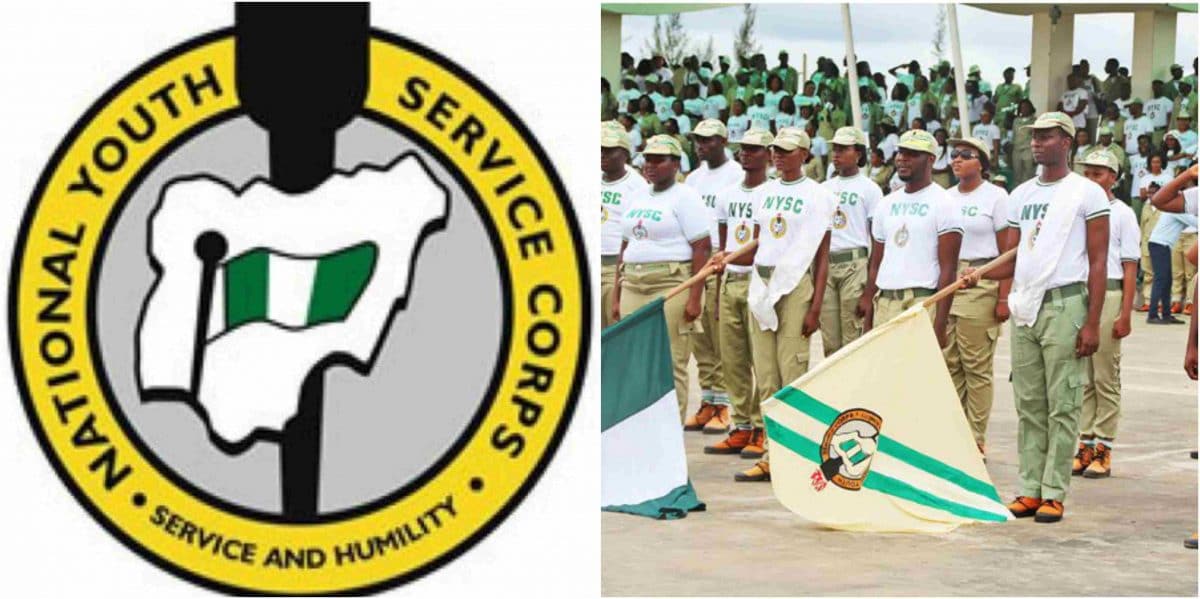
JUST IN: FG raises NYSC ‘Alawee’ to N77,000
By Sabiu Abdullahi
The Federal Government has increased the monthly allowance for National Youth Service Corps (NYSC) members to N77,000, effective July 2024.
This development follows the enactment of the National Minimum Wage (Amendment) Act 2024, according to a statement by Caroline Embu, NYSC’s Acting Director of Information and Public Relations.
The National Salaries, Incomes and Wages Commission confirmed the allowance hike in a letter dated September 25, 2024, signed by Chairman Ekpo Nta.
NYSC Director General Brigadier General Y.D. Ahmed had earlier advocated for improved welfare for corps members.
He expressed gratitude to the Federal Government.
He was quoted as saying, “I am thankful for the timely gesture, which will bring succour to corps members, boost their morale, and motivate them to serve the nation.”
The new allowance represents a 133% increase from the previous N33,000 monthly stipend.

From love to labor: how relatives become oppressors
By Fatima Musa Yakubu
Family is often called the best gift of life, a place of love and care. Living with family should feel like a blessing, even when some members are so strict.
Parents, even when they are tough, love their children and want the best for their future. As the 12th child in a family of eighteen, I was surrounded by my brothers and sisters. We laughed, played, argued and shared meals together. It was very cheerful and happy moments which I didn’t fully value and appreciate—until I when lost it.
Everything changed when my aunt’s husband died. In Islam, a widow must stay inside her home for 4 months and 10 days, only leaving for exceptionally important excuses. Since my aunt had no children, my grandmother decided I should stay with her to keep her company. I was excited at first, imagining that I would be treated with kindness and have meals all to myself. I couldn’t have been more wrong.
One Saturday morning, after prayers, I wasn’t feeling well and decided to rest. Suddenly, a sharp slap landed on my face. My aunt, angry for reasons I didn’t know or understand, dragged me out of the bed and beat me badly. Then, she told me my new daily tasks: fetching water from a faraway well, washing dishes, clothes and her car, and sweeping the compound—all before 10am. I was only ten years old then.
According to a report by the International Labour Organization (ILO), more than 15 million children in Nigeria are forced into child labor. Many of these children, like me, are treated unfairly in their own homes by relatives. Instead of going to school, we do heavy chores and endure painful experiences. I was taken out of school for years and suffered in silence.
I wanted to tell my parents about my aunt’s behavior, but I was too afraid. She threatened me, and I feared what she would do if I spoke up. When I made her angry, she beat me with a copper wire, hit my head against the wall or dragged me across the floor. Sadly, this kind of abuses happen to many children living with relatives.
A UNICEF report says that nearly 60% of children in Nigeria who live with extended family face some kind of abuse, often hidden as “discipline.”
Life with my aunt wasn’t just about hard work—it was lonely. I felt isolated and scared all the time. Meanwhile, I watched other children in my neighborhood, also living with relatives, being treated like with kindness of a family. One girl, who I thought was living with her parents, was actually staying with her guardians. They treated her like a queen, sending her to the best school and giving her everything she needed. It was painful to see such a difference.
My suffering ended when I turned fifteen. My aunt, who had treated me like a servant, passed away after falling sick with typhoid. Even7though she hurt me, I felt sad when she died. Over time, I learned to forgive her. As Maya Angelou once said, “We often forgive those who have wronged us, not for their sake, but for our own peace.” This has been true for me.
Today, I am grateful to be alive and well. I am happily married, with two children, and I have returned to school to continue my studies. Looking back, I realize that after every hardship, relief eventually comes. My story is just one example of many.
In Nigeria, more than 7 million children live with extended family due to poverty, loss of parents, or other reasons. Many of them suffer, just like I did. Unfortunately, their stories often remain unheard. According to Human Rights Watch, abuse of children living with relatives is a big problem that needs more attention.
I am sharing my story to let others know that this issue is real and must be addressed. Children who live with relatives deserve the same love and care that their own parents would give them. The Nigerian government and organizations fighting for children’s rights must do more to protect these vulnerable children. Laws against child abuse need to be enforced, so no child has to suffer in silence like me.
To my readers, remember this: after every storm, there is calm. If you are going through a tough time, hold on, relief will come. And for those who can help, we must speak up for children who cannot defend themselves. Every child deserves a life without fear.
Fatima Musa Yakubu writes from the Department of Mass communication,
Bayero University, Kano, Nigeria.

BUK secures two bronze medals at Africa University Games
By Uzair Adam
Bayero University, Kano (BUK) has won two bronze medals in Judo at the ongoing 11th Africa University Games, which is being co-hosted by the University of Lagos and Lagos State University (LASU).
The medals were earned by Mujahid Musa, a student from the Accounting Department, who competed in the 73 kg category.
His achievement has brought international recognition to BUK during the competition.
Reacting to the success, BUK’s Director of Sports, Professor Rabiu Mohammed, expressed his satisfaction with the athlete’s performance, noting that Musa’s dedication and preparation paid off.
He attributed the success to the unwavering support from the Vice-Chancellor, Professor Sagir Adamu Abbas.
Judo coach, Ado Cizo, highlighted Musa’s long-standing involvement in the sport, noting that BUK has a strong legacy in Judo, having secured numerous medals at various competitions over the years.
Mujahid’s father, who attended the competition, shared his pride in his son’s achievement, noting that Judo runs in the family, as he himself represented Nigeria in international Judo competitions and also played for BUK.

Erdogan accuses UN of complicity in Gaza genocide
By Abdullahi Mukhtar Algasgaini
Turkish President Tayyip Erdogan called on Tuesday during his speech at the UN General Assembly for an alliance to stop Israeli Prime Minister Benjamin Netanyahu.
He also accused the UN of not intervening in what he described as “barbarism” in Gaza. He said, “They share the shame of being guilty of this brutality.”
He asked, “What are you waiting for to stop the series of massacres that endanger the lives of your own citizens along with those of the Palestinian people?”
Erdogan lamented that more than 41,000 Palestinians have been killed since October 7, and over 17,000 children have been targeted by Israeli bullets and bombs.

5 police officers killed, 11 injured in Kano auto crash
By Uzair Adam
The Kano State Police Command has confirmed the death of five officers following a fatal motor accident in Karfi town, located in Kura Local Government Area.
The Daily Reality gathered that the crash also left 11 other officers injured.The Command’s spokesman, SP Abdullahi Kiyawa, disclosed the incident on Tuesday, stating that the officers were involved in the accident while returning to Kano from an official assignment.
“The accident occurred at Karfi, a few kilometers from Kano. Unfortunately, five officers lost their lives on the spot, while 11 others sustained various injuries,” Kiyawa said.
According to preliminary investigations, the officers were traveling in a Hummer bus that collided head-on with a parked trailer, which led to the tragic loss.
The injured officers were rushed to Murtala Mohammed Specialist Hospital, where they are currently receiving medical treatment.
The Kano FRSC spokesperson, Abdullahi Labaran, also confirmed the crash, stating that it was caused by excessive speeding, which led the bus driver to lose control before the collision.
The officers had been deployed to Edo State for election monitoring duties and were returning to Kano at the time of the accident.

Court halts political parties from blocking Kano LG election plans
By Uzair Adam
A Kano State High Court, presided by Justice Sunusi Ado Maaji, has issued a restraining order against the All Progressives Congress (APC), the Peoples Democratic Party (PDP), and 19 other political parties, preventing them from obstructing the Kano State Independent Electoral Commission (KANSIEC) from collecting nomination fees for the upcoming local government elections.
The political parties had initially objected to KANSIEC’s set fees, which were N10 million for chairmanship candidates and N5 million for councillorship candidates.
In response to a federal high court ruling in Abuja questioning the high fees, KANSIEC adjusted the fees to N9 million for chairmanship and N4 million for councillorship.
The local government elections in Kano are scheduled for October 26, 2024.
The defendants in the case include Accord Party, Action Alliance, Action Democratic Party, African Democratic Congress, All Progressives Congress, Allied Peoples Movement, All Progressives Grand Alliance, Boot Party, Labour Party, National Rescue Movement, New Nigeria Peoples Party, Peoples Redemption Party, Social Democratic Party, Young Progressive Party, Young Party, and Zenith Labour Party.
On September 24, 2024, the court granted an ex-parte order, halting any action by the political parties that could derail KANSIEC’s preparations for the election, pending the hearing of the motion on notice, which is set for October 10, 2024.

EFCC investigates bribery allegations involving own officers
By Uzair Adam
The Executive Chairman of the Economic and Financial Crimes Commission (EFCC), Mr. Ola Olukoyede, has ordered an immediate investigation into bribery allegations made against some of the Commission’s officers by Idris Okuneye, also known as Bobrisky, in a viral video circulating across social media platforms.
In the video, Okuneye, an ex-convict, accused unnamed EFCC officers of collecting ₦15 million from him in exchange for dropping money laundering charges.
The allegations were brought to light in a video posted by Martins Vincent Otse, also known as VeryDarkMan.
In a statement released by Dele Oyewale, EFCC’s Head of Media and Publicity, on Tuesday, the Commission’s Chairman responded by assembling a team of investigators to thoroughly examine the claims.
As part of the investigation, the EFCC has summoned both Okuneye and Otse to its Lagos office to assist in uncovering the details of the alleged bribery.
The EFCC assured the public that the allegations would be meticulously investigated, with the findings made public in due course.