Admin

Supreme Court Invalidates Ibadan PDP Convention, Strikes Out Turaki Faction’s Appeal

By Abdullahi Mukhtar Algasgaini

In a landmark ruling on Thursday, the Supreme Court dismissed an appeal filed by the factional National Working Committee of the Peoples Democratic Party (PDP) led by Taminu Turaki, declaring the party’s Ibadan national convention as unlawful.

Delivering the majority judgment, Justice Stephen held that the convention, which took place in Ibadan, Oyo State, on November 15 and 16 last year, was conducted in direct violation of a subsisting judgment of the Federal High Court delivered by Justice James Omotosho.

The court ruled that the Turaki-led group had no legal basis to proceed with the convention, as it amounted to a willful disregard for judicial authority. Consequently, the appeal was dismissed in its entirety.

The decision effectively upholds the earlier rulings that recognized the opposition faction loyal to the party’s embattled National Executive Committee, further solidifying the legal crisis within the main opposition party.

2027 Lagos Guber: Jandor Steps Back from Contest

By Anas Abbas

Dr. Abdul-Azeez Adediran, popularly known as Jandor, has officially withdrawn from the 2027 Lagos State governorship contest under the platform of the All Progressives Congress (APC).

Jandor, a former governorship candidate of the Peoples Democratic Party in the 2023 election before joining the APC, announced his decision in Lagos, bringing an end to his ambition for the state’s top seat.

His withdrawal reportedly follows recent political developments within the party, including high-level consultations and growing consensus around the emergence of a preferred candidate ahead of the party primaries.

Recall that Jandor had earlier obtained the APC Expression of Interest and Nomination forms, signalling his readiness to participate in the governorship primaries scheduled ahead of the 2027 general elections.

However, the latest shift indicates a change in strategy as party realignments intensify.
Party insiders say the development is expected to further narrow the contest for the APC ticket in Lagos State, as attention now shifts to remaining contenders.

Jandor is expected to formally address his supporters in his next political direction in the coming days.

Attacks on Black Foreign Nationals in South Africa Draw Limited Global Attention

By Daniel Nduka Okonkwo

Reports of killings, beatings, intimidation, harassment, and violent attacks on migrant communities, including incidents affecting children, allegations of denied hospital access to pregnant women, and the targeting of foreign-owned businesses, raise serious concerns about South Africa’s ability to uphold basic human rights. Despite a population surpassing 63 million in 2024, with a youthful demographic and steady growth, the state faces ongoing challenges in protecting the estimated 2.4 to 3.9 million foreign-born residents, who make up about 5.1% of its population.

Migrants, largely from Zimbabwe, Mozambique, Lesotho, Malawi, Nigeria, Ghana, and other African nations, are widely reported to contribute significantly to the economy, often bringing skills, entrepreneurship, and labour. Yet xenophobic violence and social exclusion continue to persist in some areas. Critics argue that government responses have been insufficient or inconsistent, raising concerns about gaps in protection and accountability.

South Africa’s leaders frequently emphasise democracy, freedom, and equality. However, for many migrants, lived experiences are described as marked by fear and uncertainty. Nigerians are sometimes portrayed negatively in public discourse despite their economic contributions. Zimbabweans who fled economic hardship often face precarious working conditions, while Malawians, Mozambicans, and Basotho migrants also report experiences of discrimination. Observers say that inconsistent responses to xenophobic incidents risk creating the perception of official indifference.

Migrants are not a homogeneous group, and many contribute meaningfully to South Africa’s economy. Some studies indicate that immigrant-headed households may, on average, earn higher incomes or have higher levels of post-school qualifications. They also fill labour gaps and support small and medium enterprises. However, public narratives in some quarters continue to frame migrants as competitors for scarce resources, contributing to social tension instead of focusing on broader structural challenges such as unemployment, inequality, and governance issues.

Responses to xenophobia have sometimes fallen short of addressing root causes. Allowing the destruction of businesses or failing to respond swiftly to violence, they argue, reflects weaknesses in enforcement capacity. Others point to the need for stronger governance, improved economic policies, and clearer communication to counter misinformation and division.

South Africa can reinforce its role as a continental leader by strengthening protections for all residents within its borders, or it risks continued reputational and social challenges if violence and exclusion persist. The effectiveness of its response will likely shape both domestic stability and international perception.

Addressing recurring xenophobic incidents remains a significant responsibility for the government. While frameworks such as the National Action Plan against Racism, Racial Discrimination, Xenophobia and Related Intolerance exist, implementation has been described as uneven. Law enforcement responses are sometimes criticised as delayed or insufficient, leaving victims vulnerable and raising concerns about accountability. These issues point to broader institutional challenges in treating xenophobia as a sustained national concern.

Systemic factors also contribute to tensions. Reports of discriminatory policing, the presence of vigilante groups, and political rhetoric linking migrants to unemployment and crime have influenced public attitudes. Groups such as Operation Dudula operate within this environment, while enforcement actions targeting undocumented migrants are sometimes perceived as contributing to broader hostility toward foreign nationals.

Xenophobic violence in South Africa has developed into a recurring and complex issue. Foreign nationals, particularly African migrants, continue to face risks of violence, intimidation, and exclusion. Commonly link these developments to socio-economic pressures combined with institutional limitations.

High unemployment, poverty, and competition for limited resources have created conditions of tension. Many citizens view foreign nationals, especially undocumented migrants, as competitors for jobs, housing, and services. Concerns about border control and immigration enforcement further shape these perceptions. In some cases, these frustrations manifest in vigilante actions by community groups.

Authorities have not fully addressed these underlying tensions, allowing xenophobia to persist. Over time, foreign nationals have often been scapegoated for broader socio-economic challenges such as crime and inadequate service delivery, contributing to exclusionary attitudes and, in some instances, violence.

President Cyril Ramaphosa has publicly condemned xenophobic attacks and called for adherence to the principle of ubuntu, emphasising shared humanity and mutual respect. He has also highlighted the need to distinguish between undocumented migrants and lawful residents who contribute to society. Despite these statements, concerns remain that migration management and law enforcement responses could be strengthened.

Government responses continue to face scrutiny for inconsistency. While policies exist, implementation gaps remain a concern. Law enforcement agencies are sometimes criticised for delayed responses, while limited prosecutions may contribute to perceptions of impunity.

Concerns about systemic challenges persist. Reports of harassment by some authorities have contributed to mistrust among migrant communities. Vigilante groups have, in certain instances, operated with limited intervention. Movements such as Operation Dudula and Put South Africa First have gained attention for campaigns that emphasise citizenship verification in access to jobs and services, raising debates about exclusion and legality.

Political rhetoric has also shaped public perception. Statements linking migration to unemployment and crime have reinforced negative stereotypes in some quarters. While enforcement against undocumented migration may be lawful, broader messaging is sometimes interpreted as contributing to public hostility toward foreign nationals.

The historical pattern of xenophobic violence highlights the persistence of the issue. In 1998, three foreign nationals were killed in Johannesburg. In 2008, widespread attacks resulted in over 60 deaths, more than 1,700 injuries, and the displacement of approximately 100,000 people. Violence in 2015 required military intervention. In recent years, organised groups have continued to disrupt communities and enforce exclusionary practices.

Regional and international responses have varied. The African Union has faced criticism for what is perceived as a limited response. The African Commission on Human and Peoples’ Rights has condemned xenophobic attacks as violations of fundamental rights. Nigeria has called for improved security measures, accountability, and diplomatic engagement.

Several structural factors continue to influence xenophobia: weak law enforcement, political pressures, economic inequality, and social acceptance of vigilantism all play roles. A limited coordinated regional response may also reduce external pressure for reform.

Xenophobia in South Africa is not solely a spontaneous reaction but reflects deeper structural and institutional challenges. Addressing it will require stronger governance, consistent law enforcement, and sustained accountability. Long-term solutions will depend on coordinated national action and regional cooperation grounded in human rights, dignity, and African unity.

Daniel Nduka Okonkwo is a Nigerian investigative journalist, publisher of Profiles International Human Rights Advocate in collaboration with Daniels Entertainment, and a policy analyst and can be reached at dan.okonkwo.73@gmail.com.

Mali’s Coordinated Attacks: A Wake-Up Call for the Sahel

By Zayyad I. Muhammad

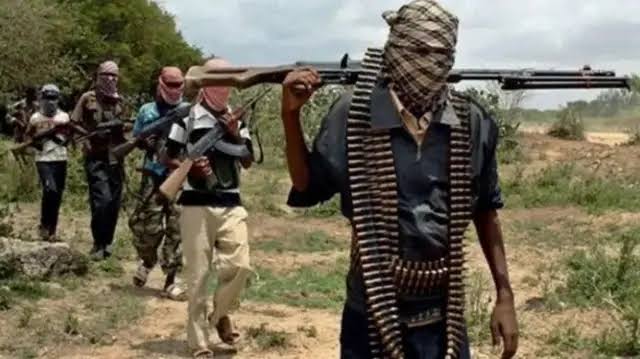
The Saturday, 25th April 2026, coordinated attacks by gunmen in Mali are frightening and call for serious reflection. Several news outlets have reported that insurgents have attacked multiple locations across the country, including the capital, Bamako, and nearby Kati, as well as Gao and Kidal in the north, and the central city of Sévaré.

Observers say these attacks are well coordinated and “unprecedented.” Reports also indicate that fighting is ongoing in several locations, including areas near the airport in Bamako, an alarming development that underscores both the scale and audacity of the assaults. The ability of insurgents to strike multiple, geographically dispersed targets almost simultaneously suggests not only careful planning, but also a growing level of sophistication and operational confidence.

These coordinated assaults, particularly in the Malian capital, should be a cause for concern for everyone in West Africa, especially in the Sahel, a region already grappling with the activities of numerous armed groups linked to extremism, separatism, and organised crime. What is unfolding in Mali is not an isolated crisis; it is part of a broader regional security challenge that continues to evolve in both intensity and complexity.

If underfunding, weak training, corruption, and poor intelligence are persistent problems within the military, then such daring and large-scale attacks become not only possible but inevitable. The situation raises critical questions about the preparedness and effectiveness of Mali’s security architecture. It also highlights the urgent need for institutional reform, better coordination among security agencies, and a renewed commitment to professionalism within the armed forces throughout the Sahel

Assimi Goïta, the current military leader and head of state of Mali, seized power in 2020 and again consolidated control in 2021, largely on the grounds of addressing severe insecurity. His rise was justified as a corrective measure to restore stability and reclaim territory from insurgents. Yet, under his watch, Mali is now witnessing some of its most brazen and coordinated attacks, even right in the heart of Bamako.

This reality presents a stark contradiction. It forces both the leadership and the public to confront difficult truths about the current trajectory of the country’s security situation. Has the strategy changed in a meaningful way? Are the structural weaknesses being addressed, or merely managed? And perhaps most importantly, is the state regaining control, or gradually ceding more ground?

Beyond Mali, these developments carry serious implications for neighbouring countries across the Sahel and West Africa. Borders in the region are porous, and armed groups have repeatedly demonstrated their ability to exploit weak state presence to expand their reach. What happens in Mali rarely stays confined within its borders.

This moment, therefore, should serve as a wake-up call, not only for Mali’s leadership but for the entire region. It demands stronger regional cooperation, intelligence sharing, and a unified approach to tackling insecurity. Without this, the cycle of violence risks deepening, with consequences that could destabilise an already fragile region.

The attacks in Mali are not just headlines; they are warnings. And ignoring them would come at a high cost.

Zayyad I. Muhammad writes from Abuja via zaymohd@yahoo.com.

Sisi Alagbo Pleads for Forgiveness After Intimate Video Leaks Online

By Muhammad Abubakar

Nigerian social media sensation and traditional herbal vendor Eniola Fagbemi, widely known as Sisi Alagbo, has issued a public apology after an explicit video involving her, her husband, and another woman was leaked to the public.

The video, which initially circulated via private messaging apps before reaching broader social media platforms and gossip blogs, sparked intense debate and immediate backlash. Many expressed shock at the footage, given Fagbemi’s prominent digital presence as a wellness and traditional medicine entrepreneur based in Ibadan.

Breaking her silence on her official Facebook page, Fagbemi admitted to her mistakes and pleaded with her massive following not to castigate her or destroy the brand she has built. In her statement, she revealed that the fallout from the leak has triggered severe emotional distress, leaving her unable to properly eat or sleep.

Fagbemi emphasised that her social media platform is her primary source of livelihood and asked the public to separate her private choices from her commercial enterprise.

Her husband, Adesola Akeem, also stepped forward to address the scandal in a separate public statement. He accepted full responsibility for the file leak and expressed deep regret.

Despite the wave of criticism, a section of her fanbase has actively called for empathy, urging the public to show kindness given the heavy mental health strain the influencer is currently experiencing.

After Public Display of Underwear, APC Rewards Teemahcool with Appointment

By Uzair Adam

The recent appointment of a Kano-based social media personality, Fateemah Naseer, popularly known as Teemahcool, into a political role within the All Progressives Congress (APC) has sparked renewed debate, not just over the decision itself, but over what many see as a troubling signal about the direction of political culture in Kano.

The appointment, announced on Wednesday in a Facebook post by Shamsu Coverage and sighted by The Daily Reality, comes only weeks after Fateemah’s involvement in the widely condemned “pant saga” that dominated public discourse across the state.

The controversy dates back to a political gathering organised during the visit of Nigeria’s First Lady, Oluremi Tinubu, who was in Kano to commission a road project.

At the event, Fateemah reportedly mobilised a group of women who raised underwear in a coordinated display, widely interpreted as a mockery directed at Eng. Rabiu Musa Kwankwaso, a former governor of Kano State.

Accompanied by chants of “dan kanfan tsula,” a derogatory slogan used in political rivalry, the act drew immediate backlash, particularly in a society deeply rooted in religious and cultural values.

Many observers described the display as not only indecent but also damaging to the image of Kano, especially given the expectations placed on women in the Hausa cultural context.

The Daily Reality reports that in response to the outrage, the Kano State Governor, Abba Kabir Yusuf, summoned those involved alongside Islamic clerics for a public prayer session (dua), where they were urged to seek forgiveness.

While the move was seen by some as a culturally appropriate step, others criticised it as insufficient, arguing that it diverted attention from the need for accountability.

The situation has now taken a new turn with Fateemah’s appointment as S.A by Yusuf Imam (Ogan Boye), the Chairman of Nassarawa Local Government Area.

For many critics, the timing of the appointment—coming shortly after the incident—raises serious concerns.

Many argue that rather than serving as a corrective moment, the development risks being interpreted as tacit approval, or even encouragement, of conduct that had already been widely condemned.

In a political environment where symbols and actions carry significant weight, such decisions may shape future behaviour among party supporters.

“This creates a dangerous incentive structure,” a political observer noted on Facebook. “If controversial actions that attract public outrage are followed by political reward, it suggests that visibility—regardless of its moral implications—can be a pathway to recognition.”

Beyond individual responsibility, the episode points to a broader challenge within political communication and party discipline.

The initial incident, amplified by social media and partisan rivalry, exposed how quickly narratives can spiral in the absence of coordinated messaging.

The subsequent appointment, rather than calming tensions, has instead deepened public scepticism.

The public display of underwear as a form of political expression—and its apparent aftermath—has therefore been viewed as a significant departure from established norms.

Critics warn that if such actions are normalised, they could redefine the boundaries of acceptable political behaviour, not only in Kano but potentially across other northern states.

This concern becomes even more pronounced as the country gradually moves toward the 2027 general elections, where political messaging and mobilisation are expected to intensify.

While supporters within the APC may view the appointment as routine or politically strategic, the broader public reaction suggests a deeper unease.

The Daily Reality observed that for many, the question is no longer just about one incident or one individual, but about the standards being set—and whether Kano’s political future will be shaped by values or by viral spectacle.

N10.8bn CCTV Scandal: ICPC Drags El-Rufai, Jimi Lawal, Others to Court Over Alleged Money Laundering

By Abdullahi Mukhtar Algasgaini

The Independent Corrupt Practices and Other Related Offences Commission (ICPC) has filed fresh money laundering charges against former Kaduna State Governor, Nasir El-Rufai, and seven others over an alleged ₦10.8 billion CCTV security project fraud.

The 11-count charge, filed on April 17, 2026, at the Federal High Court in Kaduna, invokes the Money Laundering (Prevention and Prohibition) Act, 2022.

According to court documents, El-Rufai allegedly approved an ₦8.68 billion CCTV contract in December 2015 to a company the commission claims lacked the requisite competence. The ICPC further alleges that between 2017 and 2022, multiple large sums were received and transferred by individuals and firms linked to the project, including Singularity Network Security Limited and other unnamed entities.

Other defendants include Jimi Lawal, a former Kaduna State government official, senior executives of IHS Towers, and five companies. Bashir El-Rufai, one of the former governor’s sons, was named in the allegations but is not listed as a defendant.

This marks the third set of charges the ICPC has filed against El-Rufai since March. He is already facing separate corruption cases over a light rail contract and alleged illegal severance payments — all of which he has previously denied.

The State Security Service (SSS) and the Economic and Financial Crimes Commission (EFCC) are also investigating or prosecuting the former governor over other allegations.

Tinubu Shuns Victims of Attacks in Zamfara, Borno, Others, Approves N2bn Relief For Jos Victims Amids Criticism


By Sabiu Abdullahi

President Bola Tinubu has approved N2 billion as relief support for victims of the March 29 attack in Angwa Rukuba, Jos North Local Government Area of Plateau State, amid criticism that victims of attacks in states such as Sokoto, Zamfara, and Katsina have not received similar attention.

The attack in Jos left at least 28 people dead after gunmen opened fire at a popular bar.

The presidency made the announcement on Wednesday through Bayo Onanuga, special adviser to the president on information and strategy. He said Mohammed Dorro, minister of humanitarian affairs and poverty alleviation, disclosed the intervention during a high-level stakeholders’ meeting in Abuja.

Onanuga explained that the meeting involved a 32-member delegation from Plateau State. Discussions focused on finding a lasting solution to recurring violence in the state. He added that the engagement fulfilled Tinubu’s promise to meet stakeholders after the Angwa Rukuba incident.

However, some observers have expressed concern that similar large-scale attacks in parts of Sokoto, Zamfara, Katsina and other states have not attracted the same level of federal response, a situation they say raises questions about equity in addressing security crises.

Speaking at the meeting, Tinubu called on leaders to work together to restore peace. He said Plateau had long been known for peaceful coexistence. He urged participants to return to their communities and promote reconciliation with “open minds”.

“No protocols, no hinderances, we are here to speak our minds and find a permanent solution to a recurring conflict and chaos,” the president said.

Plateau State governor Caleb Mutfwang, who spoke on behalf of the delegation, welcomed the federal government’s intervention. He described the meeting as significant. He noted that it was the first time all living former governors of the state gathered to deliberate on peace.

Mutfwang assured the president that stakeholders would implement agreed resolutions and sustain efforts toward stability. He also pledged commitment to unity. He said the state plans to “turn conflict into profit” by addressing poverty and exclusion.

“Our coming here today shows that there is a renewed spirit on the Plateau… we are determined to close all divides of religion and ethnicity,” the governor said.

Da Jacob Gyang Buba, the traditional ruler of the Berom community, called for stronger security measures. He requested increased military presence and the installation of closed-circuit television (CCTV) systems across Plateau. He also urged accelerated consideration of state police.

He further appealed for federal support to enable internally displaced persons (IDPs) to return to their ancestral homes before the rainy season.

The delegation included former governors Simon Lalong, Jonah Jang, Joshua Dariye, and Fidelis Tapgun. Others present were Nentawe Yilwatda, national chairman of the All Progressives Congress (APC), traditional rulers, retired security chiefs, religious leaders, and youth representatives.

Indian Man Exhumes, Takes Sister’s Skeleton To Bank To Prove Her Death

By Sabiu Abdullahi

A man in eastern India has triggered widespread anger after he carried the skeletal remains of his late sister to a bank in an attempt to prove that she had died and access her savings.

The incident involved Jitu Munda, 52, from Odisha state. A video showing him taking the remains to a bank branch surfaced online this week and quickly went viral. The development drew strong reactions across the country.

Munda explained that he took the drastic step after several failed attempts to withdraw money belonging to his sister, Kalara, who died earlier this year at the age of 56. He said bank officials repeatedly demanded proof of her death before releasing the funds.

“When the bank manager refused to listen and kept asking for proof, I got frustrated,” he said. “I brought the skeleton to show that she had died.”

Police confirmed that Munda dug up his sister’s remains and transported them to the bank premises. The incident occurred on Monday in Keonjhar district.

In response, the bank rejected claims that it asked him to present the physical remains of the deceased. Officials stated that only standard legal documents were required to process the request. They added that the situation appeared to result from a misunderstanding of procedures. The bank also said the funds have now been released to the rightful beneficiaries.

The case attracted national attention. Many observers criticised both local authorities and the bank for not offering adequate guidance to the man. Others pointed to the bureaucratic challenges families face when trying to access a deceased relative’s funds, especially in rural communities.

Under Indian law, if a person dies without naming a nominee on their bank account, relatives must present documents such as a death certificate and proof of legal heirship. This process can be slow in remote areas where access to documentation is limited.

The bank further alleged that Munda initially arrived in an “inebriated state” and caused a disturbance before returning later with the remains. It described the situation as “distressing”.

Branch manager Sushant Kumar Sethi said Munda first claimed his sister was paralysed and unable to visit the bank. According to him, staff had offered to visit her at home. He added that Munda later reported her death and had not visited the branch in the past two months. He also noted that other legal heirs had come forward, which prompted officials to request proper documentation.

Authorities have since stepped in to resolve the matter. Police and local officials persuaded Munda to return the remains to the burial site and assured him that his concerns would be addressed.

Odisha’s Revenue Minister Suresh Pujari said the case is under investigation and that action will be taken against the branch manager over alleged misconduct. The Keonjhar district administration also expressed “deep concern” and stressed that safeguarding citizens’ rights and dignity remains a priority.

Officials later issued the necessary death certificate and documents confirming legal heirs. The bank confirmed that the money has now been handed over to the family. Munda has also been offered financial assistance of 30,000 rupees.

Tinubu Removes NMDPRA CEO Saidu Mohammed, Appoints Rabiu Umar as Replacement


By Abdullahi Mukhtar Algasgaini

President Bola Ahmed Tinubu has approved the immediate removal of Mr Saidu Mohammed as the Authority Chief Executive of the Nigerian Midstream and Downstream Petroleum Regulatory Authority (NMDPRA), citing public interest.

In a statement released Thursday, the President also announced the nomination of Mr Rabiu Abdullahi Umar as the new Chief Executive, subject to Senate confirmation.

The decision, made under the Petroleum Industry Act 2021, is part of efforts to strengthen regulatory effectiveness in the midstream and downstream petroleum sector, aligned with the administration’s Renewed Hope Agenda.

Mr Umar brings over 25 years of experience across the energy, manufacturing, and infrastructure sectors. He is a graduate of Accounting from Bayero University and an alumnus of Harvard Business School, with a track record in strategic leadership, operational transformation, and large-scale project delivery.

Pending Senate confirmation, the most senior official of the NMDPRA will oversee operations in an acting capacity.

President Tinubu thanked the outgoing chief executive for his service and wished him well in future endeavours, while reaffirming his commitment to capable leadership in key regulatory institutions to advance energy security, sector reform, and sustainable economic growth.