Youth

Zaria LGA Election: Engr. Jamil Ahmad Muhammad’s plans for his people

By Ishaq M. Sani

 To surmount all challenges, the good people of Zaria deserve the best leadership at the local government executive council. Therefore, it’s imperative to bring in competent, young, and vibrant representation to the good people of Zaria local government. 

The good people of Zaria equally need a leader who can foster a harmonious synergy between the local, state, and federal governments, paving the way for remarkable achievements, transformative development, and a brighter future—a leader with a proven track record of driving impactful changes and advancing grassroots priorities. With Engr Jamil piloting the affairs of the cosmopolitan Zaria, an era for Pressing forward in the direction of progressive outcomes and solid attainments for the good people of Zaria is possible. 

However, Jaga’s socio-political background and mentorship from both the executive governor, Mal Uba Sani, and the speaker of the House of Representatives, Hon. Abbas, as Deputy chief of staff, have instilled in him the values of honesty, inclusivity, and open-mindedness to diverse views, contributing to effective governance. 

Ahead of the October Kaduna LGA elections 2024, a vote for Engr Jamil is a victory for addressing critical issues relating to Human Capital Development, Infrastructure Development, Security, Agriculture, Environmental management, Climate change, greenfield initiatives, Trade and Investment, and Robust Citizen engagements.

His focus on human capital development emphasised this: Engr Jamil is set to ensure education/scholarship, health, and social investment. He has tagged “Education: Knowledge and Skills Acquisition for the Future.” He is also Ensuring that scholarship opportunities are expanded to less privileged students to support lifelong learning. 

Elucidating impacting measures, combined with a continuous programme to improve teachers’ quality and teaching standards to ensure that basic education investments produce the desired learning outcomes in line with the sustainedmanifesto of his excellency Mal Uba Sani. Moving further, Zaria needs a well-equipped leader to support entrepreneurship in ICT, which is necessary for stimulating innovation and economic growth. 

Focus on Health ensures access to quality care in the health sector to consolidate the remarkable achievements recorded by Sen Mal Uba Sani, the state government leader, and Speaker Abbas’s critical interventions. Zaria looks forward to robust social investment through social welfare and liberating empowerment through dedicated funds for women and youth. 

The Zaria infrastructural development is also expected to focus on investment in sustainable environmental infrastructure such as water supply, sewage and solid waste management, and adequate infrastructure such as culverts, drainage and connecting roads/bridges for job creation, taking centre stage. 

The mission is to collaborate with the neighbouring LGAs and state and federal governments to continually improve the quality of connecting roads and ensure the expansion of the local electricity infrastructure, especially across Dembo, Wucicciri, and Dutsen Abba, among others. 

Furthermore, it promotes environmental conservation and sustainability, protecting Zaria’s natural resources and ensuring the sustenance of the conditions for economic dynamism through investments, vibrant commercial activities, skills development, and job opportunities.

However, like many other local governments, Zaria has been one of the hotbeds of security threats in Zone 1 of Kaduna state in the last eight years, with attacks happening on a regular basis. I commend the Governor and the honourable speaker for their robust efforts in maintaining the peace and stability of the state within their first year in office. 

Moreover, Engr. Jamil is expected to ensure a secure, peaceful, and united Zaria LGA. Effective collaboration between the state and federal government will ensure the deployment of security personnel and equipment for adequate security in the local government. Deep intelligence gathering through collaboration with traditional, religious, and community leaders will support security agencies. 

In light of the preceding, the competitive advantage of Zaria’s growth potential in the agricultural sector is viable through effective utilisation of agro-ecological zones, rising youthful population, irrigated farming opportunities while transitioning from subsistence to commercial agriculture and leveraging linkages with local manufacturing in the promotion of agri-business.   

Finally, Zaria envisions a leader who is committed to providing all-inclusive and diverse representation, Feedback mechanisms, and accountability processes, ensuring effective engagement with all communities for equity, responsiveness, collaboration, and accountability; this is possible when Engr Jamil is given the mandate. 

 Join Engr Jamil Ahmad Muhammad on this great journey…

Ishaq MSani writes from the office of the APC chairmanship Candidate, Zaria local government. Strategic communication directorate

On personal development

By Muntari Umar

The word personal describes someone’s own possession alone—something that belongs to someone and has power over it. Development refers to sequential and evolving changes over some time. It is a gradual and eventual transformation in the state of a particular thing.

Personal development is a series of positive changes ascribed to an individual over time. It is an accomplishment that someone gets over some time due to discipline, patience, dedication, and training. Personal development is beneficial to its owner, including sometimes to the people living around him.It causes happiness and satisfaction.

Therefore, personal development is very important. Every sensible individual should have a target personal development that he will focus on realising. Becoming busy on various aspects of the topic will make one serious and bring public respect, awe, support from the likes, comfort, and other good feelings.

Personal development is a must for people, particularly youths in their twenties and thirties.

Some of its examples include both soft and hard skills. Soft skills such as the ability to communicate very well verbally and in writing, the ability to solve complex problems resulting in wonderful outcomes (creative and proactive), the ability to control one’s emotions, the ability to learn new things quickly (smartness), ability to detect changes around one’s environment and respond accordingly, and ability to operate computers. All these are things that are learned over a while.

Hard skills include carpentry, tailoring, phone and computer repair, fridge fixing, shoe making, welding, painting and wiring houses, building, and vehicle repair, among others. These, too, are learned with time. The two classes of skills generate money for their respective experts.

The paragraphs above show the extreme importance of the day’s business because they are sources of income. Every individual needs money to survive. We all need food, shelter, clothes, medication during sickness, and education from qualitative sources.

Fortunately, money is required to possess all these things, and wonderfully, money comes from a particular ability developed over time. Because as long as you are good at something when the issue of that thing arises, you must be needed and finally be paid.

Money will also boost your immune system and give you much freedom of speech, power, and influence.

These opportunities are almost everywhere. They are easily identified. You need to feed yourself with the passion of your interesting personal development. Befriend its experts. Show them your interest. Respect and be obedient to them.You will gradually, but with patience, dedication, resilience, discipline, and practice, learn and start making money, thereby transforming your life.

Failure to have any personal ability will cause people to look down on an individual, disrespect him, and consider himlazy and useless to his life and his society. People will withdraw from a person who lacks any ability and shows no interest in any matter of development.

With this, I call on all of my fellow youths who lack any skills to embrace learning any available skill they can access. I urge you to become alert and sensitive to the chances of transforming lives. Remember, seeing is with the eyes, while vision is with the mind. Good things will locate you if you think positively.

“Whoever fails to learn learns to fail.” — Anonymous.

Muntari Umar wrote via muntariu94@gmail.com.

Protest: Tinubu vows to address economic hardship – Minister 

By Uzair Adam Imam 

Amidst growing concerns over economic hardship, Minister of Youth Development Ayodele Olawande has reaffirmed President Bola Tinubu’s commitment to addressing the nation’s challenges. 

Speaking at a press conference in Abuja, Olawande acknowledged the difficulties faced by Nigerians while expressing confidence in the President’s ability to implement effective solutions.

The Minister highlighted several key achievements, including a 130% increase in the minimum wage and the passage of legislation reducing the review period for minimum wage from five to three years. 

He urged citizens to adopt a pragmatic approach and capitalize on government initiatives, cautioning against the misuse of social media to destabilize the nation.

Olawande appealed to Nigerians to collaborate with the government in addressing the country’s challenges, emphasizing President Tinubu’s dedication to the nation’s well-being. 

He stressed the importance of unity and collective effort in overcoming adversity and building a prosperous Nigeria.

The Renewed Hope Ambassadors, a group supportive of the government, launched an initiative titled “The Jagaban Will Fix It Nigeria” project.

This project aims to engage citizens through town hall meetings and capacity-building programs, promoting constructive dialogue and solutions. 

The group warned against the potential risks of protests and encouraged citizens to explore alternative avenues for driving positive change.

Revitalizing opportunities and promoting employment: A proposal for establishing jobs hub in Kano

By Tahir Mahmood

Kano State, known for its vibrant culture and economic potential, has witnessed an influx of companies and nongovernmental organizations. However, there is a noticeable disparity in the representation of local citizens within these entities.

There is a need to address unemployment challenges and breathe new life into the economy of Kano State by drawing inspiration from the successful Edo Jobs Center model. This initiative comes at a crucial time when the need for job creation and skills development is more pressing than ever. It is suggested that Kano State adopt a framework similar to the Edo Jobs Center, a proven model that has successfully facilitated job placements, nurtured skills development, and fostered economic growth in Edo State. The aim is to tailor this approach to the unique needs and opportunities within Kano.

Acknowledging the existence of the Sani Abacha Youth Center and the challenges it faced, the Jobs Hub may aim to learn from past experiences. It is crucial to analyze the reasons behind the center’s abandonment, incorporating these lessons to develop strategies that ensure the sustained success of the new initiative, particularly in promoting local employment.

It’s important to note the historical context, particularly of the abandoned Sani Abacha Youth Center Kano, which had similar aspirations but fell short of realizing its full potential, serving only as a wedding event center and a popular rawar gala location—a joint for hookups where local ashawos are initiated and recruited, despite the Hisbah’s commitment to curbing those activities in the state. Learning from past experiences, the Jobs Hub may aim to address the shortcomings of previous initiatives and create a sustainable platform for employment and skills development.

The key components of the Jobs Hub may include an online portal connecting job seekers with opportunities, comprehensive skills development programs, and strategic partnerships with local businesses. This holistic approach will seek to bridge the gap between job seekers and employers while equipping the local workforce with the skills needed in today’s dynamic job market.

In light of the challenges faced by the Sani Abacha Youth Center, it is imperative that the new initiative address the reasons behind its abandonment. By incorporating lessons learned from past experiences, the Jobs Hub may aim to not only overcome previous obstacles but also ensure long-term success and sustainability with modern technological advancements.

To achieve the above, collaboration with the government, private sector, and local communities is crucial. This is to encourage the Kano State government to actively engage in supporting and endorsing the establishment of the Jobs Hub, aligning it with existing employment initiatives and leveraging public-private partnerships for enhanced impact.

The success of the Edo Jobs Center model presents a compelling case for the potential for positive outcomes in Kano State. As we endeavor to revitalize opportunities and stimulate economic growth, it is hoped that the government will consider adopting the Edo Jobs strategies, setting in motion a transformative journey towards a more prosperous and vibrant Kano State.

The proposed Jobs Hub integrates various components to create a comprehensive approach to local employment: Online Portal, by establishing a digital platform connecting local job seekers with employment opportunities, making the recruitment process more inclusive and accessible.

Skills Development Programs, through implementing targeted training initiatives tailored to the needs of the local workforce, enhance their competitiveness in the job market. Partnerships with Companies, by fostering collaborations with companies and organizations operating in Kano, and encouraging them to actively participate in the Jobs Hub by recruiting from the local talent pool.

A critical aspect of this is the emphasis on addressing the issue of underrepresentation of Kano citizens in the workforce. The Jobs Hub may work closely with companies to develop strategies for recruiting and retaining local talent, promoting a more inclusive and diverse work environment through government mandates for local recruitment. By recognizing the pivotal role of the government in influencing employment practices, this suggests that Kano State can enforce regulations mandating companies and organizations operating within its borders to prioritize the recruitment of Kano citizens.

This proactive approach aligns with the state’s commitment to promoting local employment and ensuring economic opportunities are accessible to its people. Collaboration and Stakeholder Engagement: Active collaboration with both government bodies and private sector stakeholders is essential for the success of the Jobs Hub. Encouraging dialogue and partnership-building creates a supportive ecosystem for local employment initiatives. The establishment of a Jobs Hub in Kano State not only addresses unemployment challenges but also tackles the issue of workforce disparities.

By promoting local employment, the proposal aims to create a more equitable distribution of economic opportunities. The government’s mandate to enforce local recruitment practices can further solidify the impact of the Jobs Hub, ensuring a brighter and more inclusive economic future for the people of Kano State.

The State holds the promise of revitalizing the local economy and creating a brighter future for the youth. By learning from past experiences and adopting innovative solutions, Kano has the opportunity to pioneer the fostering of employment, skills development, and sustainable economic growth.

Tahir Mahmood Saleh can be reached via tahirmsaleh.seggroup@gmail.com.

Celebrities’ body trends and toxic influence on youths 

By Al-Janat Firdous Mohammed

In the dynamic world of media and entertainment, the definition of an ideal physique has continuously developed, creating and redefining societal beauty standards. 

Like many other countries, Nigeria has seen an increase in body trends among celebrities, which significantly impact their audience, particularly impressionable youth. 

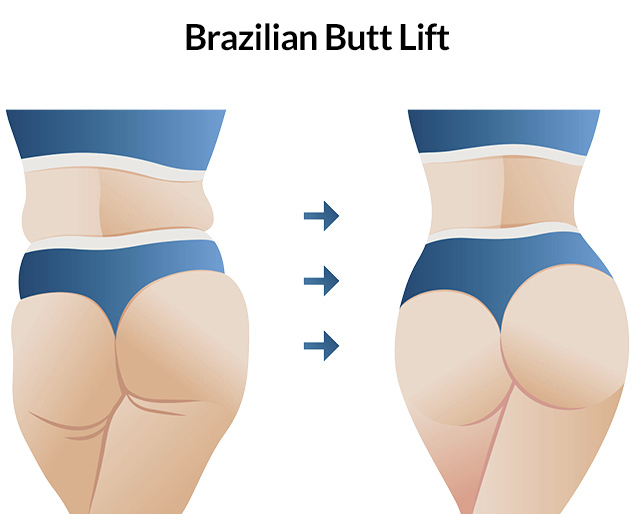
From Brazilian Butt Lifts (BBL) to facelifts and Botox treatments, the pursuit of a specific look has become a dominant influence. The early 2000s saw a boom in the global fad of becoming ultra-skinny, with many celebrities striving for a waif-like appearance. 

However, in recent years, a paradigm shift has happened, with curvier silhouettes becoming the new ideal of beauty. BBLs have become highly fashionable, with celebrities publicly discussing and even getting these procedures to improve their curves.

Facelifts and Botox treatments have also become popular as people seek to combat the natural ageing process. The media’s portrayal of faultless celebrities frequently adds to false beauty goals, which may lead fans and adolescents to explore comparable operations.

Celebrities play an important role in moulding society’s norms, and their physical modifications can significantly impact their fan base, particularly the youth. The pressure to conform to these ideals can have a harmful influence on self-esteem and physical appearance. 

Many young people may feel compelled to change their bodies to fit in or meet the perceived standards of their idols. For example, the rise of social media has led to celebrities displaying their nearly ideal bodies, creating the illusion that these standards are attainable and desired. 

This can exacerbate fans’ vulnerabilities, creating a culture in which bodily changes are viewed as a way to earn acceptance and validation. How can we prevent our youths from succumbing to ‘fake’ beauty standards?

One, promoting body positivity and acceptance is critical for demolishing false beauty standards. Celebrities who advocate for accepting one’s natural body, warts and all, can be strong role models.

Second, educating young people about the manipulative nature of media images and the frequency of picture editing can help them develop a critical mindset. Understanding that the images portrayed may not reflect reality can help mitigate the media effect.

Equally, creating an environment where mental health discussions are normalised is critical. Young people who are dealing with their body image should have access to support networks, such as counselling services or community groups.

Several Nigerian celebrities have spoken out against unrealistic body ideals, serving as constructive role models for the kids. Actress Adesua Etomi-Wellington, for example, promotes self-love and frequently uploads unfiltered photographs to demonstrate sincerity. 

Similarly, media star Tolu Oniru-Demuren, commonly known as Toolz, has been outspoken about embracing her curves, challenging the concept that only certain body types are attractive. As body trends in Nigerian media emerge, it is critical to recognise the potential harm they might cause to the impressionable minds of young people. 

By developing a culture of body positivity, increasing media literacy, and offering mental health care, we can help young people resist the temptations of conforming to unattainable beauty standards. Positive role models in the celebrity world can significantly influence cultural attitudes regarding body image, fostering a healthier and more accepting mindset for future generations.

Al-Janat Firdous Mohammed is an NYSC member serving with PRNigeria.

Bauchi: Commissioner charges youth to be more productive

By Ukasha Rabiu Magama

The new Bauchi Commissioner of Health, Dr Sambo Umar Adamu, has charged Bauchi youths to be productive and peace ambassadors of their respective communities to bring the desired development to the state. 

The disclosure was made at his Magama residence when he received the delegation of the Magama Youth Forum on a congratulatory visit. Expressing his happiness over the visit, Dr Sambo assures his readiness to work closely with youths to bring much-needed development to the state, particularly in the health sector.

Further, Dr Sambo said his door will always be open for consultations on moving Bauchi state to the greater pedestal. He added that Governor. Bala Muhammad’s administration was an inclusive regime. Therefore, he promised to learn from his footsteps by carrying everybody along, irrespective of party, religion and tribal affiliations, for the sustenance of peace and to bring progress to the state. 

In his remark, the acting chairman of Magama Youth Forum, Malam Isma’il Abubakar Najjar, asserted that the visit aimed to felicitate with Dr Sambo on his appointment as the new Bauchi state commissioner of health as well as pray for more success in the distant future.

Malam Najjar said Magama Youth Forum are ready to give maximum support and cooperation to the new commissioner to perform his responsibilities to revamp the Bauchi health sector.

While making his comment, the acting assistant secretary of the Magama Youth Forum, Comrade Abubakar Abdulkarim Jibrin, appealed to the new commissioner to consider the union at a time of enjoying the democratic dividend as well as shun nepotism by giving equal opportunity to the entire citizens of the state.

The visit had in attendance chairmen and secretaries of various associations within Magama and its environs.

Use your certificate and creativity

By Salihi Adamu Takai 

Creativity pays with much income, so don’t be misled as you’re acquiring knowledge in any field of study, whether scientific or artistic. Refrain from relying on the Government to enumerate your study; the onus is on you to use your knowledge to help your humble self and the Government.

Be curious about Creativity, and don’t think that you will have a certificate in some field of study so that Government will give you what you may rely on to quench your hunger. As you study at the University, college or secondary school, think of your future and learn to get money from the little you grasp in your study.

People should have learned that already as they started feeling discouraged by Government policy; success in life is attached to curiosity, innovation, creativity and courage. If people had been curious about innovation, they would have become creative and courageous about their interests.

Let’s look at the sources of development of the developed countries, such as China, America, England and others. We will say that they all developed because of curiosity in innovation. In China, we can see an infant exhibiting a sense of invention, producing phones and what have you; he doesn’t rely on the Government to give him jobs; the Government receives from his creativity.

In Nigeria, conversely, even a professor still relies on Government to boost his salary. That is a typical example of backwardness in Africa. Our Government also doesn’t encourage the youths to be curious about Creativity only bars them with a lack of encouragement. 

Therefore, as the youth who starts thinking of this idea, I engage myself in creativity. I did, and I got the value of it; I became curious about it; and will keep evolving curious about it forever. I exhibited my input on Earth, and it was accepted. Alhamdulillah!

Salihi Adamu Takai wrote from Kano via salihiadamu5555@gmail.com.

Leadership potential: Master these 6 essential skills

By Yakubu Sani Wudil, PhD

1. Leading by example and upholding integrity: An effective manager walks the talk and leads by example. They are seen as a role model for the team and instil trust and confidence in their employees by being honest, transparent, and fair in their actions. By being a person of integrity, managers can gain the respect and loyalty of their team, which is essential for creating a positive and productive work environment.

2. Building a diverse and inclusive team: Managers must recognise the importance of diversity and inclusivity in the workplace. They should strive to create a team representative of the community and customers they serve. This includes selecting people for the job based on their skills and qualifications, regardless of gender, ethnicity, or other differences. A good leader can build an inclusive workforce where everyone feels valued and respected.

3. Being a positive and supportive advocate for the organisation: A manager should be a positive and enthusiastic advocate for their company. They should believe in the company’s mission and follow its direction. They should also be able to communicate this enthusiasm and support to their team, which helps to create a sense of purpose and belonging among employees.

4. Communicating effectively and setting clear goals and expectations: Clear communication is essential for a manager to get the most out of their team. They should be able to clearly communicate their goals and expectations for the team’s performance and what is expected of each employee. Setting clear goals and expectations helps to keep employees engaged and motivated to achieve them.

5. Active listening and understanding the needs of employees: Managers need to be good listeners and actively seek feedback from their employees. They should be open to new ideas and suggestions and be willing to make changes in response to the needs of their team. By listening and understanding the needs of their employees, managers can create an environment that fosters collaboration and creativity.

6. Being emotionally intelligent, taking responsibility and learning from mistakes, and effectively delegating tasks: Emotional intelligence is an essential skill for managers. They should be able to recognise and manage their own emotions and those of their team. They should also be able to take responsibility for their actions and learn from their mistakes. Effective delegation is also essential for managers, as it allows them to focus on their key responsibilities and trust their team members to handle their tasks effectively.

FRSC admonishes motorists to drive at regulated speed

By Ukasha Rabiu Magama

Motorists have been admonished to drive at a regulated speed limit and observe the road and driving rules and regulations to prevent road traffic crashes along the major highways to save the lives and properties of the commuters.

Officer Gibson Ogbeinama, the unit head of operations, acting for Toro Unit commander of the Federal Road Safety Corps FRSC, made the charge while supervising the potholes filling along Bauchi Jos road embarked by the Toro Uplift Association in Goljarendi Magama Gumau Toro local government Bauchi state.

Ogbeinama said three major factors contribute to road traffic crashes, among which are the environmental factor, the mechanical factor and the human factor. Therefore motorists should notice and adhere to driving guidelines by giving extra care to dangerous potholes to prevent frequent occurrences of road traffic crashes.

Toro Uplift Association youth at work

In his remark, the chairman of Toro Uplift Association, Abdulfath Mu’azu, expressed delight and appreciated the Road Safety Corps members’ support during the exercise. Added that Toro Uplift will continue working hand in hand with FRSC members when the need arises; hence the need is to save the lives and properties of the citizens.

Similarly, the chairman of Magama Youth Forum, Haruna Dan Maigoro, whom Jamilu Musa represented, the association secretary, thanked Toro Uplift for the gesture, adding that the fill-up exercise will go a long way in mitigating the risk of accidents along the road. He, however, relished youths for coming out in numbers to support the exercise.

Why ‘The Atiku Plan’ is better for youth empowerment and job creation

By Abdulhaleem Ishaq Ringim

As rightly identified by policy documents of both Atiku Abubakar and Bola Ahmed Tinubu, young people remain the country’s most valuable assets. However, this tremendous resource base is severely underutilized, as evidenced by unemployment and underemployment numbers. This makes job creation and youth empowerment significant points of policy focus and concern for both candidates. 

Tinubu, to start with, in the 3-paged “Youth Empowerment and Entrepreneurship” section of his policy document titled “Renewed Hope 2023”, outlined a number of strategies his administration would implement if elected into office to ensure enhanced job creation, youth entrepreneurship development and empowerment. 

Identifying the lack of access to credit at the fore of the challenges impeding youth entrepreneurial development, Tinubu plans to ensure easy access to low-cost credit for youth-led enterprises and simplification of loan application processes. He plans to leverage the instrumentality of the CBN to develop suitable incentives for commercial banks in this regard and mandate federally owned and affiliated financial institutions to develop similar schemes. 

He also plans to bolster intergenerational business mentoring and cooperation with 2 million volunteer entrepreneurs and professionals across the nation committed to working with youth to find employment, hone job skills and create businesses. Per the plan, a Youth Advisory Council would be inaugurated to the Employment Action Plan the administration would develop if elected. 

In his bid to reform the National Youth Service Corps(NYSC), Tinubu intends to develop and strengthen a job-matching programme for graduates to enable more corps members to enter the private sector during their service years. Employers would also be incentivized to retain corps members at the end of their service.

Additionally, he intends to expand business incubation centres to support youth innovators to acquire and protect through patent and trademark registration, intellectual property and other proprietary rights over inventions and innovations. 

As far as governance and political appointments are concerned, his administration intends to preserve at least 3 cabinet positions for persons under 40, 6 more positions for persons under 50 and 20 per cent of political appointments to MDAs to persons under 40. A Presidential Fellowship Scheme would also be established to train future leaders. 

On the other hand, Atiku dedicated 10 pages to discussing his plans on “Job Creation”, where he outlined four pathways(to jobs ) his administration would create if elected President come 2023. 

The first pathway is the Informal Sector Pathway to Jobs. It starts with relaunching the National Open Apprenticeship Programme(NOAP). The programme would recruit 100,000 Master Crafts Persons(MCPs) annually who would, in turn, train 1,000,000 apprentices(especially those who have lost the opportunity to attend or complete basic education) on various trades and skills. 

The MCPS and apprentices(upon graduation) would be beneficiaries of 21st-century standard business advisory services, and their training clusters would serve as robust ecosystems that would guarantee ease of access to finance and other ancillary services. 

National Board for Technical Education(NBTE) would be mandated to create a credible, recognized and verified skills/competencies certification system for the beneficiaries of the programme. The certificates would serve as credentials for employment purposes in the “new-collar” or informal skills-based sector. The Programme, of course, would be operationalized in close collaboration with the private sector and relevant trade associations. 

The second pathway is the Entrepreneurship Pathway. It starts with working towards the speedy passage of the National Research and Innovation Fund(NRIF) Bill. When passed, the Fund would receive funding from the CBN’s MSME Fund, Development Bank of Nigeria, Bank of Industry and other private sector institutions and donor agencies. It is expected that at least 100,000 budding entrepreneurs will be added annually. 

Support from the NRIF will be in the form of grants, loans or equity investments in small enterprises. It shall be provided either as start-up capital or to scale up innovations that have already demonstrated a strong track record of impact and effectiveness. 

Atiku also seeks to introduce and actively promote a Graduate Trainee Internship Programme (GTI), which would target National Youth Corps members. The GTI will transfer useful employability skills to Corps members to increase their chances of finding sustainable employment. While they undergo entrepreneurship training, the NYSC will be matched with potential employers for internship/traineeship in the private sector. 

The technical and financial capacity of the Industrial Training Fund (ITF) would be grossly improved to operate its internship and apprenticeship programmes at a much higher scale to cover a minimum of 2 million workers per year.

The Schools to Jobs Pathway is the third pathway identified by Atiku. Here, a formal Technical and Vocational Education and Training (TVET) system will be supported and technical colleges and vocational skills acquisition centres will be re-positioned to produce skills and competencies for innovation and the creation of new ideas and products inside enterprises from where future jobs and future prosperity will derive. 

This would be followed by training of a low-level workforce, such as operatives, artisans, craftsmen and master craftsmen for commerce, industry, agriculture, and ancillary services. The absorptive capacity of the formal post-basic TVET and Vocational Centres will be increased from the current total enrolment and completion of fewer than 200,000 students to 500,000 in 2025 and 1,000,000 by 2030. 

Additionally, selected vocational training institutions would be remodelled into a one-stop shop to provide vocational training, entrepreneurship (accounting, management training expertise), life-skills programmes, etc. 

Enterprise start-up training programmes to be delivered by SMEDAN would be provided to the graduates of technical and vocational training centres who opt for self-employment. Upon completion of the training, participants will submit business plans to Micro Finance Banks and apply for loans from the Bank of Industry, which will be supported by a start-up grant from the National Innovation Fund. 

Graduates of the technical colleges will receive loans and Business Development Service coaching and support from SMEDAN/ Business Development Service Providers. On successful repayment of loans, graduates will receive a final grant (matched to the value of the original loan value) to boost their businesses.

The fourth and final pathway, as outlined by Atiku, is the MSME /ICT Special Entrepreneurship Pathway. This shall start with the facilitation of the establishment of the SME Venture Capital Fund by the private sector to provide longer-term capital for targeted small firms. The administration shall aim to attract a minimum of $250 million in private-sector funding for Nigerian small businesses. 

The administration would create a platform for de-risking SME lending, increase the MSMEs funding window from N200 billion to N500 billion, and set aside the same for the new platform. Awareness of the National Collateral Registry of Nigeria will be rigorously promoted, and the collateral registration process will be further simplified, especially for places without internet access. Enhanced registration access will help unlock much-needed finance for MSMEs. 

The administration would also establish the Financial Innovation Fund((FIF) to incentivize commercial and Microfinance banks to develop innovative solutions for providing credit facilities to the MSMEs sector. The Small-scale Industries and Graduate Loan Guarantee and the Small -Scale Industrial Credit Scheme shall be reformed and reintroduced. 

Special focus on the ICT sector will be provided by Atiku’s administration, and Nigeria shall be aggressively marketed as an outsourcing destination. With a robust IT infrastructure in place and more than 150 million mobile phones, opportunities abound in Business Process Outsourcing with the potential to create 2 million direct and indirect jobs. Nollywood, a great labour employer, would be actively promoted to make it the 3rd largest film industry in the world. 

And on political appointments, 40 per cent of the cabinet would be reserved for youth and women. 

On comparison, one would notice certain points of convergence from the above excerpts as directly culled from both policy documents. For example, both documents identified a lack of access to credit and finance as a major impediment to youth entrepreneurial development. 

However, while the Tinubu plan heavily stresses easing access to commercial loans and simplification of loan application processes, Atiku’s planned interventions seem more specific, overarching and diverse (with adequate involvement of the private sector). They also seem more sustainable as most of them would be backed by legislations and institutional pillars like the NRIF, SME Venture Capital Fund, Financial Innovation Fund etc. 

Another point of convergence is the identification of the imperative of intergenerational business mentorship as a veritable avenue for job creation, youth empowerment, and entrepreneurial development. However, with ease of access to funding interventions, the Atiku plan seems more practical considering specific policy prescriptions like the establishment of the NOAP under the Informal Sector Pathway to Jobs. It also seems more sustainable as it seeks to create a new labour market and standard for employment to be legitimized by the new NBTE skills/competency certification system. 

Additionally, while Tinubu’s NYSC reform focuses heavily on ensuring more corps members join the private sector mainly by simply incentivizing employers to retain them, the Atiku plan approaches the problem more prudently as it seeks to equip corps members with high-value employability and entrepreneurial skills through the Graduate Trainee Internship(GTI) programme before matching them with potential employers. No incentive matches the availability of employees with enhanced employability and entrepreneurial skills for private sector employers as it means enhanced productivity. 

The same goes for other interventions that both policy documents commit to pursuing. One intervention, however, that is important but seems missing in the Atiku plan is the Presidential Fellowship Scheme proposed by Tinubu to serve as a platform that gives young people the opportunity to experience and participate in public service and governance as with Kaduna State’s Kashim Ibrahim Fellowship and Lagos State’s Lateef Jakande Leadership Academy. 

Notwithstanding, the Atiku plan clearly provides more specificity and seems more practical and sustainable(backed by legislation and institutions). It is also more diverse in scope and solutions pathways for identified impediments towards enhanced job creation and youth entrepreneurial development. The Atiku plan is better for job creation and sustainable youth empowerment.

Abdulhaleem Ishaq Ringim is a political/public affairs analyst. He writes from Zaria and can be reached via haleemabdul1999@gmail.com and @pragmatist_AIR on Twitter.