Youth

Sokoto Advancement Forum Postpones Youth Drug Abuse Summit Due to Last-Minute Venue Denial

By Dahiru Kasimu Adamu 

The Sokoto Advancement Forum has postponed its scheduled summit on youth drug abuse in Sokoto State following a last-minute denial of its venue.

The brainstorming session, aimed at examining the growing challenge of drug abuse among Sokoto youth, was slated for today, May 2, 2026, at the Sokoto Guest Inn. This was according to an earlier press release signed by Associate Professor Sajo Muhammad Sanyinna, Chairman of the Forum’s Media and Publicity Team.

However, the event was abruptly called off after the management of the Guest Inn informed organisers late Friday evening that the programme could not be held.

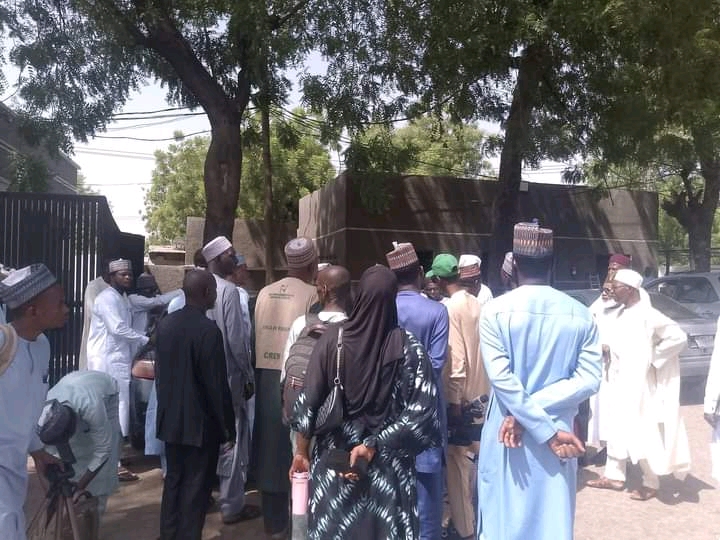
Addressing journalists at the venue, Professor Riskuwa, speaking for the Forum, thanked invited guests and members of the press for honouring the invitation and apologised for the inconvenience.

“Sokoto Advancement Forum thanks our invited guests for honouring our invitation to this brainstorming session on curbing drug abuse. Due to unforeseen circumstances, we have had to postpone this activity to a later date,” Prof. Riskuwa said. 

He added: “Details of the reasons behind this postponement will be issued to newsmen. Once again, we sincerely apologise for the inconvenience. In sha Allah, we will keep you informed of the new date and venue for the brainstorming session, as well as of all our future activities. We pray Almighty Allah continues to bless our state and guide us to the right path.”

An apology letter signed by the Forum’s Secretary-General confirmed the development. It stated that the management of Sokoto Guest Inn contacted the Forum late on Friday, May 1, 2026, directing that the programme not be held. The hotel refunded the fees paid for the venue and, according to the letter, “stated clearly that the powers that be have insisted against the conduct of the brainstorming session.”

“It is pertinent to mention that all necessary arrangements were made for the conduct of the programme, but late evening of Friday, 1 May 2026, the attention of the Forum was drawn by management of Sokoto Guest Inn that the programme should not hold,” the letter read.

The Forum emphasised its non-partisan stance and reaffirmed its commitment to the development of Sokoto State.

“It is worth mentioning that Sokoto Advancement Forum remains undaunted in its commitment to contribute its quota to the development of Sokoto State in all areas of human endeavour. The Forum has remained non-partisan and will continuously seek the support of Government and all patriotic citizens in pursuit of its objectives,” the statement added.

Efforts to get a response from Sokoto Guest Inn on the reasons or individuals behind the venue denial were unsuccessful at press time.

However, some members of the Forum, who spoke off the record and requested anonymity, blamed political actors they believe view the Forum as a threat. They cited previous difficulties in securing venues in their earlier programs, noting that the current event was earlier scheduled to be held at Umaru Ali Shinkafi Polytechnic before “some issues arose” that forced a change.

“Even this event was earlier scheduled to be held at Umaru Ali Shinkafi Polytechnic, but some issues arose, and we were denied,” one member said.

The Sokoto Advancement Forum comprises high-profile figures, intellectuals from institutions within and outside Sokoto, and Islamic clerics. The Forum, which describes itself as non-partisan, was said to have organised the summit in response to rising criminal activity and in light of the 2027 political atmosphere, to engage stakeholders in tackling the menace of drug abuse in the state.

Before the postponement, the venue was already filled with distinguished attendees. Islamic scholars, including Professor Mansur Ibrahim Sokoto, MNI, as well as intellectuals from institutions within and outside Sokoto, high-profile dignitaries, members of the press from local, national, and international media organisations, and prominent social media influencers, had all arrived to cover the event.

Why Sport is the Vehicle Hadejia Needs

By Garba Sidi

Hadejia Local Government Area is the largest of Jigawa State’s 27 local governments, with over 200,000 residents. It is a historic, peaceful, religious town known for its legendary hospitality. When Boko Haram displaced Maiduguri residents, Hadejia welcomed and sheltered hundreds, showing unity and support across all levels.

Between March 8th and 13th, 2025, five lives were lost in Hadejia. A political fight led to a young man being stabbed with scissors. A game with sticks turned deadly when a youth was injured in the head. Two friends fought, and one killed the other. A mechanic was attacked and fatally wounded with a large knife at his home. Most heartbreakingly, a newlywed bride, just five months married, was found dead with her throat slit.

These are not statistics. These are our children, our neighbours, our brothers, and our sisters. And their blood calls out for answers.

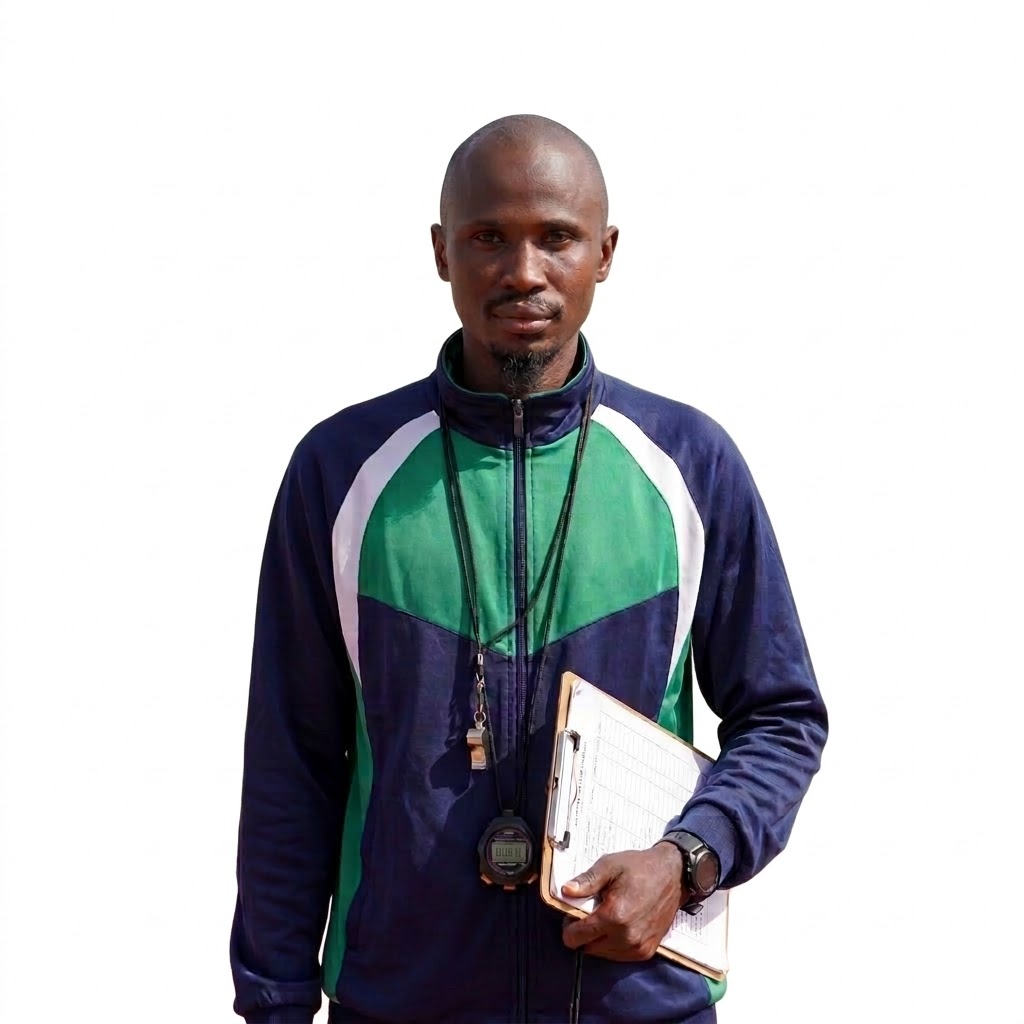
As a Sport Officer with the Jigawa State Sports Council, I have spent my career witnessing the transformative power of athletics. I have seen the discipline it instils, the hope it generates, and the community it builds. And I am convinced that while we need police, while we need laws, and while we need parental responsibility, there is one vehicle that can carry Hadejia out of this darkness: sport.

Before we can prescribe a cure, we must first diagnose the disease. The insecurity engulfing Hadejia did not emerge from a vacuum. It has grown from specific, identifiable roots.

According to December 2025 reports, Jigawa State is the third poorest in Nigeria, with 80% of children out of school. In communities with large families, parents struggle to meet basic needs, leading to despair in youth without education or job prospects, fueling crime.

Drug abuse existed before the Boko Haram refugees’ arrival, with local youths accessing substances like Wiwi, Sholisho, and Tramadol. But refugees introduced large, powerful drug dealers who settled in town, worsening the situation. Young people gained easy access to new, varied drugs, increasing abuse, especially among females and under-18s, who had been less affected before. These new dealers made drugs more accessible and affordable, even to children.

The chemicals in these illicit substances are too strong for young minds. They cause users to fight one another in their hideouts and gatherings. A minor misunderstanding that would once have ended with words now ends with knives, scissors, or sticks drawn in anger. The connection is undeniable: drugs fuel violence, and violence fuels insecurity.

The pattern of crime in Hadejia has followed a predictable and terrifying trajectory. It began with shop-breaking, which gradually became more rampant. Then some youths started blocking small roads with sticks and cutlasses, robbing passengers of their money and phones. At first, these incidents were rare.

Now, these gangs have escalated further. They attack businesspeople inside their own shops, arriving two to a motorcycle, armed with guns. The progression from petty theft to armed robbery has happened right before our eyes, and fear has filled the hearts of all Hadejia people.

Some will ask how football or athletics can solve serious problems like drugs and armed robbery. As someone experienced in sports development, I’ve seen a well-organised sports program achieve much. Troubled youths become disciplined athletes, communities unite behind local teams, and hope replaces hopelessness when young people discover their talents and worth.

Let me explain precisely how sport can serve as the vehicle to carry Hadejia back to peace.

1. Sport Occupies Idle Hands and Minds.

The Prophet Muhammad (peace be upon him) taught us that two blessings which many people take for granted are health and free time. An idle mind, unoccupied with productive pursuits, becomes a workshop for mischief. When young people have nothing to do from morning until night, when they have no place to gather except street corners, when their only entertainment comes from substances that destroy their minds, trouble becomes inevitable.

Sport provides an immediate and powerful alternative. A young person who reports for football training every evening has no time to sit around smoking weed. A teenager who is preparing for a weekend basketball tournament is focused on practice, not on planning robberies. A youth who is exhausted from athletic exertion sleeps soundly at night instead of roaming the streets looking for trouble.

I have seen this transformation with my own eyes. In communities where we have established regular sporting activities, crime rates drop. It is not complicated mathematics. It is simple: a busy youth is a peaceful youth.

2. Sport Teaches Discipline and Self-Control.

Drug abuse thrives in the absence of self-discipline. The ability to say no, to resist peer pressure, to choose long-term wellbeing over immediate gratification—these are skills that must be learned and practised.

Sport is one of the most effective teachers of discipline. Every athlete learns to follow rules, to respect coaches and officials, to control their emotions in the heat of competition, and to work hard even when no one is watching. These lessons transfer directly to life outside the field.

Consider the young men who killed their friends over minor arguments in March 2025. Would they have reacted differently if they had spent years learning emotional control through sport? If they had been taught that losing your temper leads to defeat, that self-control is strength, and that violence has no place in resolving disputes? I believe they would.

3. Sport Builds Community and Breaks Down Division.

One of the dangerous consequences of the drug trade in Hadejia has been the introduction of powerful dealers from outside. These individuals have no loyalty to our community, no investment in our peace, and no concern for our children beyond the profits they generate.

Sport creates the opposite dynamic. When you play on a team with someone, you develop bonds that transcend neighbourhood, ethnicity, or background. You learn to trust each other, to work together toward common goals, and to celebrate shared victories. These bonds strengthen the social fabric and make communities more resilient against those who would exploit division.

Imagine what would happen if we established a Hadejia Youth Football League with teams representing each quarter of the town. Young people from different backgrounds would come together regularly, not to fight but to compete by the rules and shake hands when the match ended. Suspicion would be replaced by familiarity. Hostility would be replaced by respect.

4. Sport Creates Positive Role Models and Mentors.

Every coach is a potential mentor. Every older athlete can set an example for younger ones. In a sporting environment, young people encounter adults who care about their development, who notice when they are struggling, and who can guide them away from dangerous choices.

Currently, who are the role models for many of Hadejia’s youth? In too many cases, they are the drug dealers with money and flashy lifestyles. They are the gang leaders who project power and fearlessness. Sport offers an alternative: coaches who demonstrate that hard work leads to achievement, athletes who show that discipline brings success, and community figures who prove that respect comes from contribution, not intimidation.

As a Sport Officer, I have seen coaches become fathers to boys who lack paternal guidance. I have seen athletic mentors intervene when they noticed a player showing signs of drug influence. These relationships save lives.

5. Sport Reveals Talent and Opens Pathways.

One of the most powerful weapons against hopelessness is discovering that you have value, that you are good at something, and that your life has potential. For many young people trapped in poverty and despair, sport provides this discovery.

Nigeria is filled with stories of footballers who rose from humble beginnings to achieve fame and fortune through their athletic talent. While not every young athlete will become a professional, many can earn scholarships, gain admission to higher institutions, or secure employment through sport. Even at the local level, talented players can earn income through semi-professional leagues, coaching opportunities, or equipment-related businesses.

When a young person believes their future holds possibilities, they are far less likely to risk that future on crime and drugs. Sport plants the seed of hope.

6. Sport Provides a Platform for Drug Education.

The fight against drug abuse cannot be won through arrests alone. We must also educate our youth about the dangers of these substances and equip them with the skills to resist temptation. And there is no better platform for this education than sport.

Young people trust their coaches. They listen to respected athletes. They absorb messages delivered during team meetings and training sessions. By integrating drug awareness programmes into sporting activities, we can reach the very population most at risk.

Imagine a football league where every team must complete a drug education workshop before being allowed to compete. Imagine tournaments sponsored by anti-drug campaigns, with messages printed on jerseys and banners at every match. Imagine former addicts speaking to young athletes about the destruction they witnessed. This is not fantasy. This is practical, achievable intervention.

I am not suggesting that sport alone will solve all of Hadejia’s problems. We still need effective policing, responsible parenting, economic opportunities, and strong leadership. But I am arguing that sport must be recognised as an essential component of any comprehensive strategy to restore peace.

Let me paint a picture of what Hadejia could become if we invested seriously in sport.

Picture this: Every quarter of Hadejia has a functioning football pitch where young people gather every evening for organised training. Coaches—some volunteers, some employed by the local government—provide supervision, instruction, and mentorship. Leagues operate year-round, with weekend matches drawing crowds of families and neighbours who celebrate their youth’s achievements.

Picture this: The Hadejia Township Stadium, which currently hosts only occasional events, becomes a hub of weekly activity. Basketball, volleyball, and athletics programmes complement football, ensuring that young people with different interests can find their place. Tournaments bring teams from across the local government together, fostering healthy competition and community pride.

Picture this: Every school in Hadejia has a functional sports programme. Physical education is taken seriously, not treated as an afterthought. Talented students are identified early and connected with clubs where they can develop. The 80% out-of-school rate remains a tragedy, but for those children who cannot attend school, community-based sport provides structure, supervision, and hope.

Picture this: The drug dealers who currently prey on our children find their customer base shrinking because young people are too busy, too healthy, and too hopeful to seek escape in substances. The gangs find it harder to recruit because belonging to a team provides the identity and camaraderie that gangs exploit. The armed robbers find fewer desperate youths willing to join their ranks.

This is not a dream. This is an achievable reality if we have the will to pursue it.

To the Executive Chairman of Hadejia Local Government, I say: invest in sport as seriously as you invest in security. Build pitches in every ward. Employ coaches for every quarter. Organise leagues that give young people something to look forward to each week. The budget required is small compared to the cost of insecurity.

To the Executive Governor of Jigawa State, I say: support local government initiatives with state resources. Make Hadejia a pilot project for using sport as a tool for peace. Deploy coaches and equipment from the State Sports Council. Create pathways for talented athletes to access higher-level competitions and opportunities. Show the nation that Jigawa is serious about innovative solutions to security challenges.

To the traditional rulers and community leaders of Hadejia, I say: use your influence to encourage youth participation in sport. Speak from your pulpits about the value of athletic discipline. Identify land that can be converted to playing fields. Support parents who allow their children to participate. Your blessing carries weight.

To the parents of Hadejia, I say: support your children’s involvement in sport. Attend their matches. Ask them about their training. Notice when coaches speak well of them. The same energy your child might otherwise devote to destructive activities can be channelled into athletic achievement.

To the youth of Hadejia, I say: choose the field over the street. Choose the ball over the drug. Choose the team over the gang. The path of sport is harder in some ways—it requires discipline, hard work, and patience—but it leads somewhere worthwhile. The path of drugs and crime leads only to prison or the grave.

The five lives lost between March 8th and March 13th, 2025, cannot be recovered. The newlywed bride, with her throat slit, will not return to her grieving husband. The mechanic killed in his own home will not repair another vehicle. The young men who killed their friends over arguments will carry that guilt forever.

But their deaths need not be the end of the story. They can be the beginning of a new chapter—a chapter in which Hadejia recognises the urgency of the crisis and takes bold action to address it.

I have spent my career believing in the power of sport. I have seen it transform individuals, unite communities, and create hope where none existed. I am convinced that sport can be the vehicle that carries Hadejia out of this season of insecurity and back to the peace for which this town has always been known.

The vehicle is ready. The road is before us. All we need are drivers willing to steer us toward safety.

Let us choose sport. Let us choose our children. Let us choose peace.

Garba Sidi is the Sport Officer 2, Jigawa State Sports Council, Hadejia, Jigawa State.

A Wake-up Call to Our Youth

By K.H.M Haladu Muhammad 

As I wrote this article from my point of view on leadership, or what leadership is all about, we already know that leadership is a collective responsibility, not a one-person business. Some may think leadership is only one person’s business or responsibility, that’s the one people elected or chosen to be in the mantle of leadership.

A leader is a servant of the people, meaning that leaders serve the interests and affairs of the state, not their personal interests. Some people think that if a leader is done with some developmental projects or programmes, my fellow youth and citizens think that the government or the leader is privileged; they forget that anything the government has done is our right, not a privilege.

In these points, I would like to call our attention to what values and self-leadership are. Let us take a look at what values are: beliefs and principles that guide someone on how they think, how they act, how they treat others, and how they make decisions.

Values enable leaders to earn respect and trust, make the right decisions, stay consistent under pressure, and lead without fear.

My question is whether there are some core values that we all have, these are: Accountability, commitment, discipline, fearlessness, integrity, respect for others, tolerance, hardworking and timeless.

Please, are you accountable, committed, disciplined, hardworking, and respectful of others? I just selected five of the nine to see whether any of us are practising the core values.

Let us take a look at self-leadership, a process of intentional self-influence that fosters motivation, direction, and continuous personal growth. It’s taking ownership of your thoughts, actions, and development without waiting for external directions. Why I say self-leadership matters as a young person: it allows you to build confidence, enhances autonomy, increases adaptability, and sharpens decision-making.

Are we all practising self-leadership? Please, if we are not, let us start not tomorrow or later, the time is ticking, we should start now.

We should start taking care of our little problems, because leadership starts from our home, school, office, and even up to where you think the so-called leaders are based. Because change starts with you, not others, if we do not change ourselves, we can’t have the leaders we aspire to.

And lastly, who are those leaders? Their people, like me, you, and us, are from the society and community; they’re like you, so if we don’t change our values and practice self-leadership. We should start making nonsense all over social media or at gatherings because we’re the ones producing the leaders we have.

Please let us look at these core values and reflect on some of them. Thank you  

K.H.M Haladu Muhammad wrote from Maru LG, Zamfara State.

Sokoto youth turn abandoned garage into unlikely goldmine

By Dahiru Kasimu Adamu

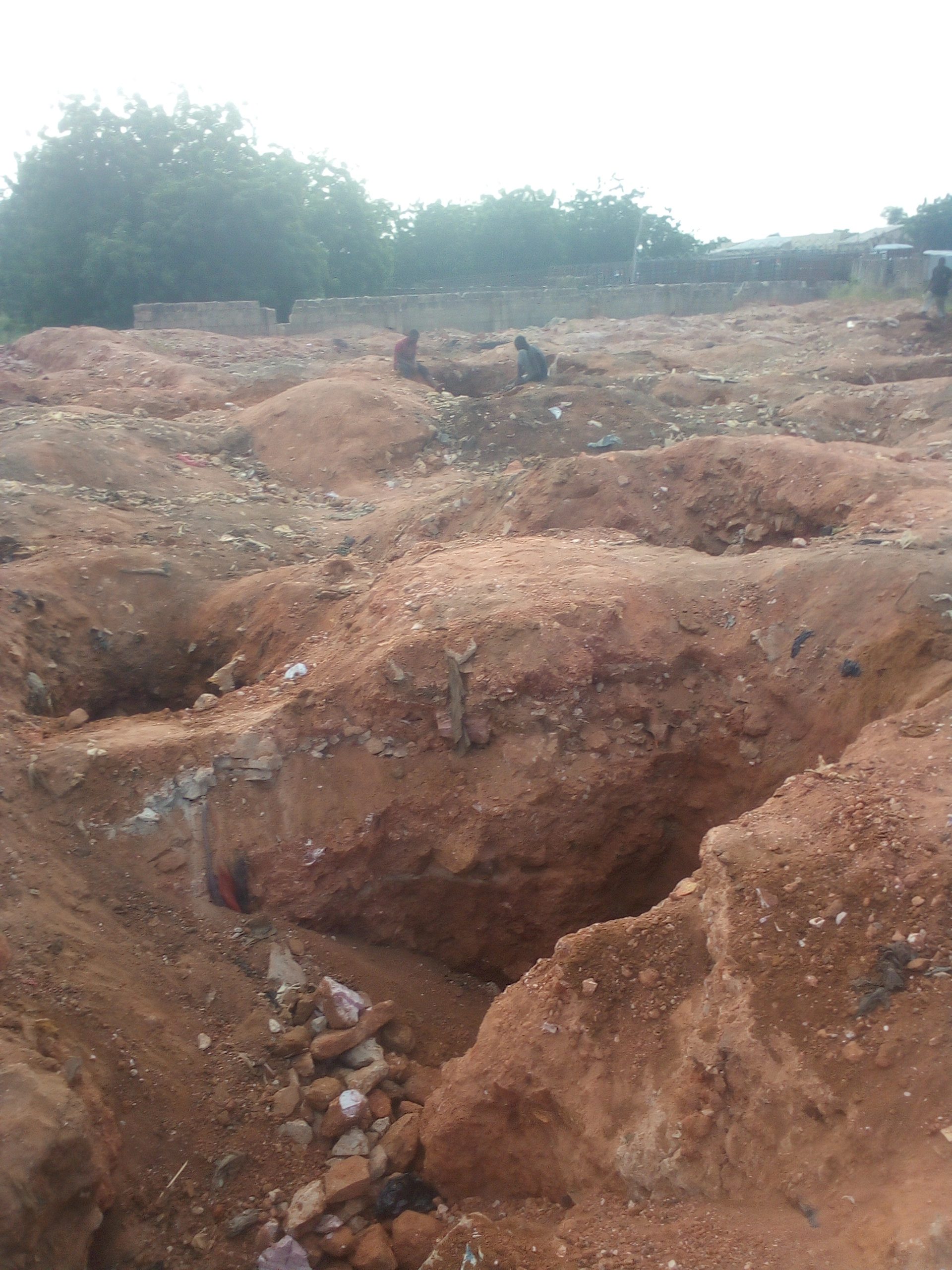
Every morning at Shantan Old Garage along Western Bypass, hundreds of young men armed with shovels and hoes descend into metre-deep pits, searching for buried treasure. But they are not hunting for gold or ancient artefacts, they are digging for scrap iron.

The abandoned garage, once a bustling hub for roadside mechanics, has become an unlikely source of livelihood for youth aged 15 to 40. As traditional labour opportunities have dwindled, these young scavengers have discovered that the ground beneath the old garage contains valuable iron scraps left behind when the site was operational.

“We thank Allah for this opportunity,” said Modi Sanusi, a scavenger in his late twenties. “Just this morning, scavenging materials worth over N125,000 were sold, all from this ground.”

The work is gruelling and dangerous, but profitable. Scavengers can earn between N20,000 and N40,000 daily, depending on their finds—a significant sum in an economy where formal employment remains scarce. Among those who have embraced this unconventional livelihood are former Tsangaya pupils who once begged for food.

Seventeen-year-old Kabiru explained how the earnings have transformed his life: “We earn income, buy food, give some to our parents, and save.”

The phenomenon is not confined to Shantan. Reports indicate that scrap metal collection has become one of Nigeria’s “millennium jobs,” with thousands of youth now reportedly earning substantial incomes from the trade.

But the work comes at a cost. Sharp objects buried in the soil cause frequent injuries, and landslides have resulted in fractures. Muhammad, another scavenger, recalled sustaining a leg fracture when earth collapsed on him. “After I recovered, I came back in the field as I can’t leave this work,” he said.

Health experts have raised alarm about additional risks. Buried iron from old vehicles could be contaminated with lead or other toxic chemicals. Open wounds from injuries risk infection, particularly given the lack of basic first aid facilities at the site.

Despite these hazards, the scavengers remain undeterred. Observers say the phenomenon highlights both the resilience of Nigerian youth and the urgent need for job creation and safety regulations. Advocates call for government intervention through new strategies and laws to regulate the business, as well as leadership within scavenging communities to organise safety campaigns.

For now, the digging continues at Shantan Old Garage. As unemployment persists and metal prices remain attractive, more youth are likely to join the ranks of those turning Sokoto’s buried past into their economic future—one shovelful at a time.

Kabeer 2pac and the illusion of digital fame

By Tahir Mahmood Saleh

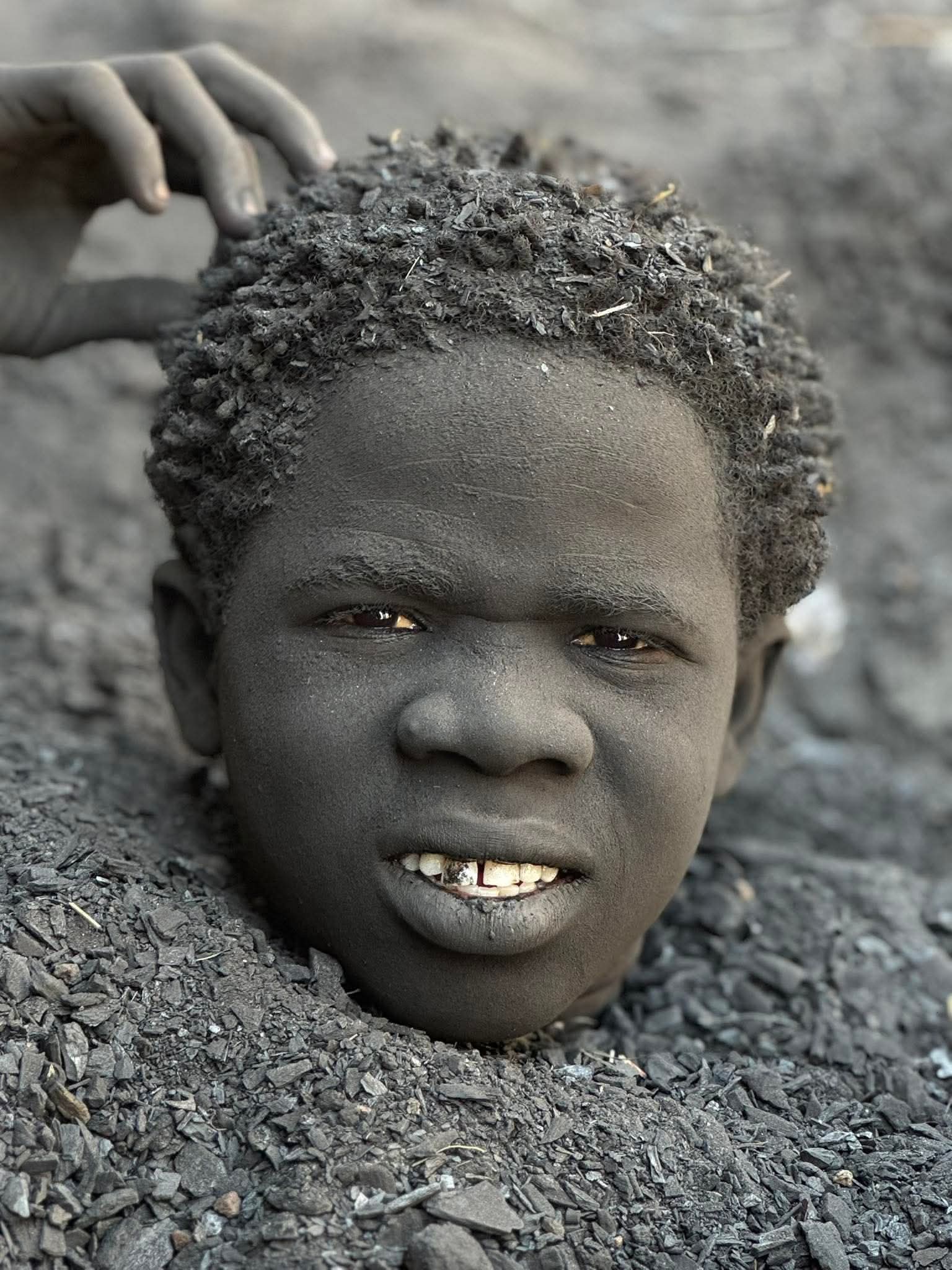
Kabeer 2Pac’s rise to online fame began in early 2025, when he started posting highly unconventional videos on his TikTok account. Born Kabiru Isma’il and known online as Kabeer2pac (a name he chose in homage to the late American rapper 2Pac Shakur), he quickly garnered massive attention for performing bizarre, often shocking stunts. His content included immersing himself in stagnant open cesspools and smearing sediment on his body, actions he explained were not signs of madness but deliberate attempts to “trend” and gain visibility online (“ɗaukaka na ke nema”).

The TikTok metrics behind his rise were striking. Within months of posting these videos, Kabeer had amassed millions of views and a large following. One of his most-viewed clips, in which he shook off charcoal dust while wearing a distinctive winter jacket, reached over 51 million views, and at one point, his account had approximately 1.8 million followers and 15.1 million likes. These numbers reflect how quickly his brand took off in an environment where the algorithm rewards shocking or novel content.

Kabeer’s content evolved over time as he experimented with different styles and stunts to maintain attention. After his early cesspool videos gained traction, he shifted to other eye-grabbing visuals, such as having bags of charcoal dust dumped on him, which again drew viral attention. This strategy positioned him as a cultural exemplar of the “attention economy,” in which creators leverage extreme content to secure views, engagement, and, eventually, financial or material rewards.


His fame translated into real-world opportunities, though not without controversy. A notable outcome of his online popularity was an invitation from Gwanki Travels and Tours International Ltd in Kaduna, who publicly offered him a free ticket to perform Umrah (a pilgrimage to Mecca). Kabeer expressed gratitude for achieving the fame he sought and noted that such endorsement was among the factors that drove him to continue his work. However, reactions were mixed: while many fans celebrated his creative drive, some religious leaders and critics warned against harmful behaviour and urged investment in education or trade instead.

Despite his meteoric rise, Kabeer himself acknowledged the ephemeral nature of his viral popularity. In later interviews shared online, he said he understood that people might soon tire of his antics as the public constantly seeks fresh content and new personalities. Beyond the sensational stunts, he also sought to diversify his videos by including short comedy skits and dance clips to retain audience interest, a common strategy among creators seeking to build sustainable relevance.

Today, the outcome is telling. There is no consistent content relevance, no major promotion, no formal education leveraged, no lasting sponsorships, no two million followers, just a fading digital footprint. Kabeer2pac’s story is not merely about an individual; it is a cautionary tale.

For Arewa content creators, the lesson is clear: fame without strategy is noise, not power. Visibility alone does not ensure sustainability. Without structure, skill development, personal growth, and long-term planning, viral attention fades as quickly as it arrives. In the digital age, the challenge is not how to trend, but how to remain relevant with dignity, purpose, and value.


Tahir Mahmood Saleh wrote from Kano via tahirmsaleh.seggroup@gmail.com.

Improving Nigeria’s technology development to drive high-value production

By Aminu Babayo Shehu

Nigeria is entering a period where technology is no longer optional for national development. Around the world, countries that once depended on natural resources are rapidly transforming their economies through innovation, high-tech manufacturing and knowledge-driven industries. Nigeria’s long-term plan, Nigeria Agenda 2050, recognises this reality. One of its key policy directions is to accelerate technology development across all sectors to increase the production of high-technology products. This policy is not simply aspirational. It is urgent, practical and necessary for economic survival.

For decades, crude oil has dominated Nigeria’s revenue base. Yet oil is a finite resource, prone to global price shocks and increasingly less attractive as the world shifts to renewable energy. Technology products, on the other hand, are expanding at a scale that dwarfs resource-based industries. The global tech market is projected to exceed $10 trillion over the next decade. Nations that embrace high-tech production are generating new wealth, attracting investment, and creating jobs at a pace unimaginable under traditional economies.

Countries such as South Korea, Singapore, India, and China were once struggling nations with limited natural resources. South Korea transformed from poverty to a top global economy by investing in electronics, telecommunications, robotics and semiconductors. Today, companies like Samsung contribute more to South Korea’s GDP than the entire oil sector contributes to Nigeria.

China shifted from low-wage manufacturing to high-tech dominance in areas such as electric vehicles, drones, AI, and telecommunications. Its tech exports now reshape global markets. India invested heavily in its tech talent, building the world’s largest IT outsourcing industry and becoming a leading hub for software engineering, fintech, and space technology. These countries show that consistent investment in research, innovation, and human capital produces national transformation.

Nigeria has the potential to make similar progress, but time is not on our side. The world will not wait for us. If we continue to rely on crude oil as our primary revenue source, we will fall even further behind. Our young population, one of the largest in Africa, is an asset only if it is empowered with digital skills, research opportunities, and innovative platforms. Otherwise, it becomes a liability.

High-technology production can reshape Nigeria’s economy in several ways. First, it will diversify national revenue and reduce the need for excessive borrowing. Countries with strong technology sectors generate significant income from intellectual property, digital services, hardware production, and global tech partnerships. Nigeria can do the same by promoting local manufacturing of electronics, renewable energy components, agri-tech equipment, medical devices, cybersecurity solutions, and AI-powered tools.

Second, investment in technology drives innovation across all sectors. Agriculture can be transformed through agri-drones, smart irrigation and data-driven farm management. Healthcare can be strengthened through telemedicine, diagnostic tools and biotechnology research. Security agencies can rely on surveillance drones, satellite imaging and digital intelligence rather than outdated methods. Education can be improved through digital learning platforms, simulation labs and computing infrastructure. These are the kinds of advancements that lift entire nations.

Third, high-tech development creates high-quality jobs. Instead of exporting raw materials, Nigeria can export advanced products and services. Instead of depending on foreign technology, we can build our own solutions. Instead of losing talented youth to migration, we can build an economy that retains and rewards them.

However, none of this will happen by accident. Nigeria must deliberately invest in research and development, strengthen universities and technical institutions, build innovation hubs, support local manufacturing, and fund STEM programs from primary school through postgraduate level. Policies must be consistent, leadership must be committed, and institutions must have the resources needed to produce world-class results.

If Nigeria takes the Nigeria Agenda 2050 technology policy seriously, we can transition from a raw-material exporter to a high-tech producer within a generation. But if we continue to postpone action, the cost will be grave. Nations that invest early in technology win the future. Nations that delay are left behind.

Nigeria has the talent, the population and the potential. What we need now is the political will and the investment to match our ambition. High-technology production is not just an economic option. It is the pathway to sovereignty, prosperity and long-term stability.

Aminu Babayo Shehu is a Software Engineer, Mobile Developer, and Technology Advocate. He can be reached at absheikhone@gmail.com.

Art Xplosion 4.0 makes history in Zaria

By Salim Yunusa

Art Xplosion 4.0, the youth-focused art and mental health festival organised by Friends Advocacy for Mental Health Initiative (FAM Initiative), concluded in Zaria after a week-long celebration of creativity, resilience, and cultural identity. The event, the first of its kind in the city, marked a major step toward exposing young people to art as a tool for emotional expression, cultural grounding, and mental well-being.

Over 100 children and adolescents participated in the program, which featured bead-making, painting, mosaic art, upcycled crafts, gypsum art, traditional performances, cultural showcases, storytelling, and an art exhibition. Participants were drawn from different communities across Sabon Gari Local Government and beyond, including young people with invisible disabilities and those from underserved socio-economic backgrounds.

For the organisers, Art Xplosion 4.0 was more than an event. It was a statement about the role of creativity in strengthening mental resilience among young people navigating social pressure, identity struggles, and emotional challenges.

Program Manager and Lead Artist Aisha Ahmad Ibrahim said the week-long festival reaffirmed her conviction that art remains one of the most accessible and transformative tools for youth mental health. She said, “Art Xplosion 4.0 was truly a wholesome event for me that reaffirmed that what I do is worthy,” she said. “Despite the hassles and rigorous work I handled as Programs Manager and Lead Artist, I genuinely enjoyed every part of the experience, from preparation and procurement to organising and leading my team. The diversity of participants initially made me sceptical about coordination, but art once again proved to be a natural medium of expression. Healthy children, children and youth with neurological and non-visible disabilities, and those from low academic and socio-economic communities all expressed their artistic abilities beautifully. My team and I moved easily between groups to guide and support them. With about 100 participants from almost all parts of Sabon Gari and beyond, Art Xplosion 4.0 was a deeply fulfilling success.”

Curator Jecinta Egbim described the edition as a powerful testing ground for the resilience strategies she teaches adolescents during mental health outreaches. “This year’s Art Xplosion 4.0 was an entire experience, not just for our participants but for me,” she said. “Going through some of the tests of my own resilience strategies, I have seen that resilience is truly the key. Tools like art, effective communication, emotional regulation, support systems and outlets helped us push through.”

She added that the implementation process itself came with emotional and logistical challenges. “We faced hard times, tough ‘no’s, shut doors, and some interesting stakeholder management issues, but we emerged stronger. One of our biggest successes was simply seeing the week through from start to finish. We received multiple reports from adolescents, parents, school owners, community leaders, and caregivers. Even two days after the event, a mother visited our office with her daughter to thank us. It was humbling to see the impact extend into homes. That was the essence of this year’s edition: Art Xplosion should not just be immersive on-site, but a holistic experience that follows participants into their houses, schools, and workplaces.”

She noted that even with less than 20 sponsors supporting 100 participants, the team stayed committed to impact. “Fundraising was tight and discouraging, but our successes outweighed every challenge. It reminded us of what we are really made of.”

One of the program’s partners, NEST AI, highlighted the deeper emotional significance of art for young people. Its founder, Yazid S. Mika’il, said the initiative reflected how creativity can help youths build confidence and shape their futures. “Art speaks to one’s emotions and the core of being… it helps young people realise that they matter, and can determine what a beautiful and healthy future looks like,” he said.

Poetic Wednesdays Initiative, also a partner, expressed satisfaction with the program’s impact. Founder Salim Yunusa said the organisation was proud to support an initiative that brings creativity and healing into the lives of young people in Northern Nigeria. “We are pleased with what this initiative achieved, especially in Zaria,” he said. “We hope to see more of this replicated across Zaria and northern Nigeria at large.”

The Art Xplosion model uses creative expression to help children and adolescents communicate feelings, build confidence, improve emotional regulation, and reconnect with cultural identity. Many of the participants came from families dealing with psychosocial stressors, developmental challenges, or limited access to creative opportunities.

FAM Initiative reported that participants showed improvements in communication, empathy, and artistic expression. Parents and community leaders also noted that the activities helped their children feel calmer, more expressive, and more connected to their heritage.

This year’s edition introduced an expanded cultural showcase, featuring participants who displayed traditional attire, shared cultural stories, and performed dances. The art exhibition and auction also allowed the public to appreciate the creative output of the young participants.

With Art Xplosion 4.0, Zaria has now hosted its first large-scale festival that blends art, cultural pride, inclusion, and mental health advocacy. Organisers say the program’s success has opened a new chapter for community-driven youth development initiatives in Kaduna State.

FAM Initiative announced that future editions will expand mentorship opportunities, deepen community outreach, and strengthen support structures for children and adolescents dealing with emotional and developmental challenges.

As the dust settles on this year’s event, the organisers say their biggest hope is that the young participants, many of whom are experiencing structured art therapy for the first time, will carry their newfound confidence, skills, and cultural pride into the next chapters of their lives. Art Xplosion, they say, is not just an event. It is becoming a movement for healing, expression, and resilience across Northern Nigeria.

NJFP 2.0: Free labour for employers, 150K for young graduates

By Ishaka Mohammed

As a business owner in Nigeria, you can employ graduates to work for you for free, while each of them receives N150,000 from the European Union. Your role is to create a conducive environment for these young people to learn and grow over the next 12 months.

This is a marvellous opportunity created by the Federal Government of Nigeria, funded by the European Union and implemented by the United Nations Development Programme (UNDP).

The Nigeria Jubilee Fellows Programme (NJFP) was launched on August 31, 2021, to address Nigeria’s unemployment challenges by connecting talented graduates with job placement opportunities in organisations across the country—offering experience and building skills.

In the first phase of the programme, 20,000 graduates under 30 years were shortlisted in 2022, but official reports indicate that many of them were not matched with organisations due to a scarcity of interested and qualified host organisations. 

For those who were matched with organisations between 2022 and September 2025, each person was entitled to a monthly stipend of N100,000—now N150,000, effective from October 2025.

The portal is now open for NJFP 2.0. If you have an organisation registered with the Corporate Affairs Commission (CAC), this programme will greatly benefit you by boosting your visibility, providing free labour, and helping some young people in your host community achieve financial success. Visit https://host.njfp.ng/registration/, complete the application and check your email regularly.

With a reasonable number of interested and qualified host organisations, NJFP 2.0 is expected to be more successful than the first phase of the programme.

As for Nigerians under 30 who graduated not earlier than 2022 and possess the NYSC discharged or exemption certificate, this might be worthwhile. The application link is https://portal.njfp.ng/registration/.

By the way, many of those who were shortlisted in 2022 were delisted in 2025 without being matched with organisations. Consequently, interested applicants are advised to explore other means of upskilling and generating income even after being shortlisted.

Fame, fortune, and fallout: The Peller paradox that’s stirring Nigeria

By Haroon Aremu Abiodun

It all began like any other viral moment on Nigerian social media, but then it took a turn. Popular TikTok sensation Hamzat Habeeb Adelaja, popularly known as Peller, shocked followers recently with a post that seemed almost too generous to be true. He was hiring a cameraman for a monthly salary of ₦500,000. The news spread like wildfire, and in no time, graduates, yes, university graduates, trooped in for interviews, hoping to clinch the role under the young entertainer’s banner.

But beneath the glitz of that social media post lies a stark irony, a brutal reflection of Nigeria’s current socioeconomic reality: a secondary school certificate holder interviewing degree holders for a position in the gig economy. Is this a triumph of hustle over education or a symptom of a failing system?

This scenario has ignited widespread controversy. Should someone with Peller’s academic background employ graduates? Is he flaunting success in a way that undermines the value of formal education? Or is he, in his own unorthodox way, contributing to job creation in a country where unemployment is a ticking time bomb?

Regardless of where you stand, one truth remains: Nigeria’s youths are not only unemployed, they are disillusioned.

But, beneath the glamour, is Peller’s youth the key to his controversial rise? At age 20, can Peller truly shoulder the weight of fame, fortune, and the emotional toll that comes with being in the public eye? Fame is a double-edged sword, and wealth earned in the public space, especially in a country like Nigeria, where social values matter, can either elevate or destroy a brand.

Some have attributed his behaviour to immaturity, a lack of exposure, or poor guidance. Others question the roles played by his management and inner circle. Are they enabling his excesses or helping him stay grounded?

Peller’s youth and maturity seem to be dancing to different tunes at times in sync, at other moments, sharply distinct. While his age brings the energy, creativity, and audacity that fuel his rise, it may also limit the depth of judgment that comes with lived experience. Despite his fame and financial success, one thing remains true: maturity isn’t measured by wealth or followers. 

He may be richer or more popular than his advisers, but that doesn’t make guidance obsolete. In fact, the higher one climbs, the more essential wise counsel becomes. No matter our age or status, we all need mentors, correction, and continued learning because growth, like fame, should never outpace wisdom.

This is not Peller’s first brush with public criticism. During the heated JAMB controversy months ago, he was branded a poor role model. Critics say he misuses his influence. Admirers say he is just being himself. But the question is not just what Peller does, it’s what he represents.

When individuals like Peller become the aspiration of thousands of young people, what message are we sending? That fame, regardless of how it’s earned, trumps knowledge, experience, and decorum?

One might ask, is this a systemic failure or a personal flaw? But the deeper question is this: Can we really blame Peller for being a product of a broken system? Or should we point fingers at the society that created him, a society where education is devalued and unemployment drives graduates to accept roles from entertainers with no formal qualifications?

This is a national dilemma. Young people are no longer looking to engineers, doctors, or scholars as role models. They now look to influencers, many of whom may lack the maturity or training to handle such responsibility.

This isn’t just about Peller; it’s about perception, power, and public influence.

The Brand at Risk: PR Implications

From a public relations perspective, Peller’s every move is now under a magnifying glass. As a brand, his current trajectory presents both opportunity and risk. He is loved by many but also watched with scrutiny by an equal number. His brand power lies in his authenticity, but even that must be managed with intentionality because one viral moment can either grow his brand or ruin it.

In a society where cultural norms still dictate public perception, Peller must understand that his brand isn’t just about content; it’s about conduct. His platform gives him power, and with that comes responsibility.

PR experts warn that failing to manage this carefully could result in brand erosion, reduced partnerships, and a gradual loss of public trust. A sustainable career in entertainment requires more than charisma—it demands discipline.

Beyond the Buzz: What should Peller do? It’s easy to dismiss these concerns as envy or moral policing, but that would be a mistake. Peller is a Nigerian pride, a self-made entertainer who carved a niche and created employment. That in itself is commendable. But with influence comes expectation. With status comes scrutiny.

This article is not to tear Peller down. It is to offer a lens of accountability, reflection, and growth. The same media that celebrates must also question, not out of hate, but out of hope that Nigeria’s influencers will see themselves not just as entertainers, but as leaders in a generation gasping for direction.

Peller can choose to be more. He can use his platform to elevate the values of integrity, hard work, and education, even as he continues to thrive in entertainment. He can show that success does not require disrespect, and that influence is not a license for irresponsibility.

Whether he likes it or not, Peller is not just a content creator. He’s a movement. And movements, when misdirected, can lose their magic or worse, mislead millions.

Final Thought

Peller’s story is still unfolding. He is talented, young, and full of potential. This is not a final verdict, but a cautionary tale. The camera is rolling, the nation is watching.

The real question is: What will Peller do next?

Haroon Aremu Abiodun, An Author, public Affairs Analyst. He wrote in via exponentumera@gmail.com

Chasing wealth the proper way: A message to the youth

By Muhammad Umar Shehu


There is this thing that has been baffling me for so long. How on earth can someone knowingly take what does not belong to them and claim to be the rightful owner? Be it a car, a motorcycle, money, or anything valuable, how can a person live with that and still have peace of mind? Just wondering. The rising number of fraudsters, armed robbers, and criminals is sending a red alarm through our society. We need to think about this. 

Where is our sense? How can you feel human after intentionally making someone else suffer by stealing or using power to take what is not yours? Even if you escape in this fleeting world, do you ever think about the hereafter? Honestly, I do not think anyone with a conscience can still feel truly human after that.

In today’s fast-paced society, the pursuit of wealth has become more intense than ever. Young people are under growing pressure to succeed quickly and visibly. Social media has made it worse, constantly showing luxury lifestyles, expensive cars, designer clothes, and dream vacations. Everywhere you look, someone is showing off something new, and this has created a culture where being rich is seen as the only proof of success. With this kind of pressure, it is not surprising that many are tempted to look for shortcuts to riches.

Some youth turn to legal avenues such as starting businesses, learning digital skills, or investing in trades. These are commendable paths that require time, discipline, and consistency. However, others begin to lean toward illegal or dishonest means. Internet fraud, online scams, money rituals, and other shady activities have unfortunately become attractive options for those who want to make it overnight. These choices are dangerous and often come with serious consequences that people do not thoroughly think through until it is too late.

The reality is that there is always a price to pay for fast money, especially when it comes through illegal means. Aside from the risk of arrest, prosecution, and jail time, there is also the emotional burden and shame that follow. Getting caught in criminal activity can destroy your future. It closes doors to real opportunities, stains your reputation, and breaks the trust your family and community have in you. Even if the law does not catch you, people talk. Your name becomes a warning, not an example.

Beyond legal consequences, there is also a personal cost. Living in constant fear of getting caught or exposed takes a toll on your mental health. Many people who appear to be living large are battling anxiety and guilt behind closed doors. They cannot sleep peacefully, they do not feel safe, and deep down, they know that what they are enjoying is temporary. What is the point of having money if you have to keep looking over your shoulder?

It is also important to understand that real wealth takes time to build. There is nothing wrong with starting small. Many successful people started with little, but they stayed consistent. Whether you are learning a skill, starting a side hustle, or working your way through school or a job, what matters is growth. Progress may be slow, but it is real, and over time, it adds up. That kind of wealth gives you confidence and freedom because it was earned the right way.

Young people need to hear this often. There is no shame in taking your time. Not everyone will blow in their twenties, and that is okay. Social media has created false timelines that make people feel like failures if they have not made it early. But life is not a race. Focus on building yourself. Learn, grow, stay curious, and surround yourself with people who push you to do better the right way. Your future should not be built on lies or shortcuts. Let it be built on purpose and with effort.

In the end, it is not just about making money. It is about who you become in the process. Money comes and goes, but your values, your peace of mind, and your name should remain intact. Do not trade your future for temporary pleasure. Stay focused, stay clean, and remember that true success is not just about how much you have but how you earned it.

Muhammad Umar Shehu wrote from Gombe and can be reached via umarmuhammadshehu2@gmail.com