Kano

Who Will Save The North?

By Fatima Abdulmalik

The Northwestern part of Nigeria has been plagued by heinous crimes, including banditry, cattle rustling, kidnappings, and the rise of Lakurawa criminal gangs. These gangs claim to fight for religious reasons, but their actions only bring suffering to innocent civilians. The question on everyone’s mind is: why does the North always seem to be at the epicenter of these atrocities? This cycle of violence is rooted in power and control dynamics, where the perpetrators exert dominance over the victims through coercion and manipulation.

The North’s struggles with violence and crime have become a recurring nightmare. It’s imperative that we acknowledge the complexity of this issue and the need for collective action. We must address the root causes of this violence, including poverty, lack of education, and social inequality. By providing access to quality education and economic opportunities, we can empower the youth and reduce the appeal of criminal gangs. Effective leadership and collaboration are crucial in safeguarding the North. Leaders must put aside their differences and work towards a common goal: protecting their people.

To safeguard the North, we need to invest in education, economic empowerment, and social welfare programs. Community leaders play a vital role in promoting peace and stability. They must speak out against violence and encourage their followers to do the same. By fostering a culture of tolerance and understanding, we can break the cycle of violence and build a more harmonious society. Security forces must intensify their efforts to combat crime and protect civilians. This includes intelligence gathering, strategic operations, and community engagement.

The youth are the future of the North, and it’s essential that we empower them with education, skills, and opportunities. By doing so, we can redirect their energy towards positive change and development. We must also address the economic and social factors that drive young people to join criminal gangs. This includes providing job opportunities, vocational training, and mentorship programme.

Understanding the cycle of abuse is crucial in addressing the North’s violence. The cycle consists of tension building, acute battering incident, and reconciliation. Recognizing these stages can help individuals and communities break free from the cycle of violence. Support from healthcare providers, professional counselors, and domestic violence organizations is vital in ending the cycle of abuse.


In conclusion, the North’s cry for help requires collective action from all stakeholders to address the overwhelming problems plaguing the region. It’s imperative that leaders, community members, organizations, and individuals put aside their differences and work towards a common goal: safeguarding the North. This collaborative effort will empower the youth, promote peace and stability, and break the cycle of violence. Effective stakeholder engagement is crucial in achieving this goal. By identifying and prioritizing key stakeholders, the North can develop a comprehensive plan to address the root causes of its problems.

This includes investing in education, economic empowerment, and social welfare programs. Community leaders must speak out against violence and encourage their followers to do the same, fostering a culture of tolerance and understanding. By addressing these areas, stakeholders can create a safer, more prosperous North. The international community must also support Nigeria’s efforts to address these challenges. Simply put, we can break the cycle of violence and build a brighter future for the North.


Fatima Abdulmalik, Department of Mass Communication, University of Maiduguri.

After Public Display of Underwear, APC Rewards Teemahcool with Appointment

By Uzair Adam

The recent appointment of a Kano-based social media personality, Fateemah Naseer, popularly known as Teemahcool, into a political role within the All Progressives Congress (APC) has sparked renewed debate, not just over the decision itself, but over what many see as a troubling signal about the direction of political culture in Kano.

The appointment, announced on Wednesday in a Facebook post by Shamsu Coverage and sighted by The Daily Reality, comes only weeks after Fateemah’s involvement in the widely condemned “pant saga” that dominated public discourse across the state.

The controversy dates back to a political gathering organised during the visit of Nigeria’s First Lady, Oluremi Tinubu, who was in Kano to commission a road project.

At the event, Fateemah reportedly mobilised a group of women who raised underwear in a coordinated display, widely interpreted as a mockery directed at Eng. Rabiu Musa Kwankwaso, a former governor of Kano State.

Accompanied by chants of “dan kanfan tsula,” a derogatory slogan used in political rivalry, the act drew immediate backlash, particularly in a society deeply rooted in religious and cultural values.

Many observers described the display as not only indecent but also damaging to the image of Kano, especially given the expectations placed on women in the Hausa cultural context.

The Daily Reality reports that in response to the outrage, the Kano State Governor, Abba Kabir Yusuf, summoned those involved alongside Islamic clerics for a public prayer session (dua), where they were urged to seek forgiveness.

While the move was seen by some as a culturally appropriate step, others criticised it as insufficient, arguing that it diverted attention from the need for accountability.

The situation has now taken a new turn with Fateemah’s appointment as S.A by Yusuf Imam (Ogan Boye), the Chairman of Nassarawa Local Government Area.

For many critics, the timing of the appointment—coming shortly after the incident—raises serious concerns.

Many argue that rather than serving as a corrective moment, the development risks being interpreted as tacit approval, or even encouragement, of conduct that had already been widely condemned.

In a political environment where symbols and actions carry significant weight, such decisions may shape future behaviour among party supporters.

“This creates a dangerous incentive structure,” a political observer noted on Facebook. “If controversial actions that attract public outrage are followed by political reward, it suggests that visibility—regardless of its moral implications—can be a pathway to recognition.”

Beyond individual responsibility, the episode points to a broader challenge within political communication and party discipline.

The initial incident, amplified by social media and partisan rivalry, exposed how quickly narratives can spiral in the absence of coordinated messaging.

The subsequent appointment, rather than calming tensions, has instead deepened public scepticism.

The public display of underwear as a form of political expression—and its apparent aftermath—has therefore been viewed as a significant departure from established norms.

Critics warn that if such actions are normalised, they could redefine the boundaries of acceptable political behaviour, not only in Kano but potentially across other northern states.

This concern becomes even more pronounced as the country gradually moves toward the 2027 general elections, where political messaging and mobilisation are expected to intensify.

While supporters within the APC may view the appointment as routine or politically strategic, the broader public reaction suggests a deeper unease.

The Daily Reality observed that for many, the question is no longer just about one incident or one individual, but about the standards being set—and whether Kano’s political future will be shaped by values or by viral spectacle.

Court Sentences Kano Man To Death For Murder

By Sabiu Abdullahi

A Kano State High Court has handed down a death sentence to a 21-year-old man, Umar Idris, for the killing of a shop owner, Sabiu Umar.

The court found Idris, who lives in Farawa Quarters in Kumbotso Local Government Area, guilty of culpable homicide after proceedings showed that he stabbed the 28-year-old victim to death.

During the trial, prosecution counsel Lamido Abba-Sorondinki told the court that the incident took place on September 2, 2021, at Tsamiya Mariri Quarters in Kano. He said the defendant entered the victim’s shop at about 10:30 p.m. without permission. The shop also served as the victim’s residence. The prosecutor added that Idris took wedding garments meant for the deceased’s bride.

The prosecution explained that the victim raised an alarm after he discovered the act. This led to a confrontation between both men. In the course of the struggle, Idris allegedly attacked him with a knife and inflicted injuries on his neck, shoulder and other parts of his body. The injuries later caused his death.

The prosecution called three witnesses and presented a confessional statement as part of its evidence. Idris, however, denied the allegation.

In his defence, counsel to the accused, Muftau Bello, presented two witnesses and urged the court to show leniency.

While delivering judgment, Justice Sunusi Ado-Ma’aji ruled that the prosecution had established its case beyond reasonable doubt.

“I hereby sentence Idris to death by hanging for stabbing the victim on his neck, shoulder and other parts of his body, which resulted in his death. May the Lord have mercy on his soul,” the judge ruled.

Gov Yusuf Welcomes Shekarau to APC, Says Party Gaining Strength in Kano

By Uzair Adam

Kano State Governor, Abba Kabir Yusuf, has welcomed former governor and senator, Ibrahim Shekarau, into the All Progressives Congress (APC), describing his return as a major boost to the party’s strength in the state.

This was contained in a statement issued on Sunday by the Governor’s Chief Press Secretary, Mustapha Muhammad, who said the development reflects the party’s growing appeal and consolidation in Kano.

Governor Yusuf said a date would soon be announced, in consultation with the party’s national secretariat, for the formal reception of Shekarau into the APC.

He noted that the party “continues to witness increasing support and consolidation,” positioning it as a dominant force in the state.

According to the statement, the governor expressed confidence in the party’s readiness for future elections, stressing that unity and strategic political alignments are key to its rising strength.

He added that the APC is “battle-ready to win all elective positions” in the forthcoming polls.

Yusuf further assured members that the leadership remains committed to strengthening internal cohesion and expanding its grassroots base across Kano.

He urged party loyalists to remain steadfast and intensify mobilisation efforts.

“We call on all party faithful to remain committed and continue mobilising support as we prepare for future political contests,” the governor said.

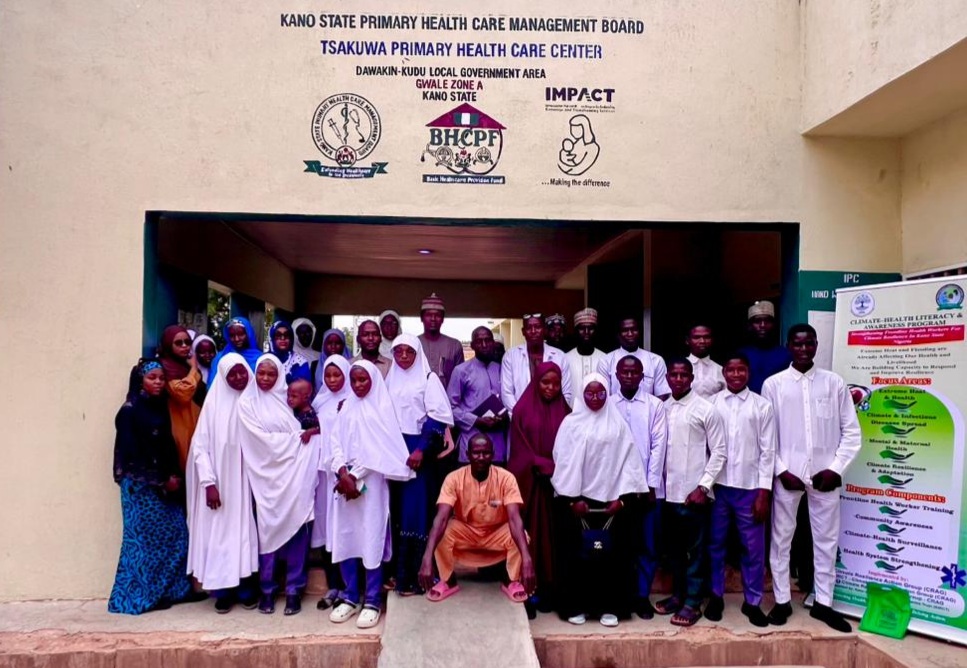
NGO Empowers Girls with Reusable Pad Skills to Tackle Period Poverty in Kano

By Uzair Adam

A non-governmental organisation, Frontier for Gender Advocacy, Accountability and Empowerment Initiative, has trained adolescent girls in Kano on how to produce reusable sanitary pads in a move aimed at improving school attendance.

The Daily Reality reports that the training, conducted under its EmpowerHer Cycle Project, seeks to address period poverty while equipping girls with practical skills, safety and dignity.

Speaking at the programme on Thursday, the organisation’s Executive Director, Barr. Amina Sulaiman, explained that the intervention targets absenteeism among adolescent girls caused by lack of access to menstrual hygiene products.

She said many girls are forced to miss school during their menstrual cycle because they cannot afford sanitary pads, describing the situation as a significant barrier to girls’ education.

“We identified that most girls stay away from school during their period due to inability to afford hygiene products,” she said, adding that the organisation introduced a sustainable solution by training them to produce reusable sanitary pads using accessible materials.

Sulaiman noted that the initiative would ease the financial burden on families, improve school retention and empower the girls with income-generating skills.

She added that beneficiaries could also turn the knowledge into a source of livelihood by producing and selling the pads or teaching others.

According to her, the programme also includes menstrual health education and sensitisation on Gender-Based Violence (GBV), covering identification, prevention and response mechanisms.

She called on parents to prioritise the education of the girl child, stressing that educating girls has far-reaching benefits for both individuals and society.

Sulaiman also commended government support through relevant gender-focused agencies and expressed optimism that continued collaboration would expand the reach of such interventions across Kano State.

In her remarks, the Principal of Government Girls Junior Secondary School, Rijiyar Zaki, Maryam Haruna-Suleiman, described the initiative as timely and impactful, noting that many girls in public schools lack access to sanitary pads, which affects their attendance and participation in class.

“This programme will help our girls learn how to make and use reusable pads, and also pass the knowledge to others,” she said, adding that it would boost their confidence and encourage consistent school attendance even during menstruation.

She urged the organisers to sustain and expand the initiative to reach more schools.

The also gathered that the programme featured hands-on training on reusable pad production, menstrual hygiene management, and the distribution of dignity kits to participants.

The kits contained items such as underwear, soap and detergents to support proper hygiene during menstruation.

Beneficiaries Laud L-PRES Interventions as Mid-Term Review Flags Progress in Kano

By Uzair Adam

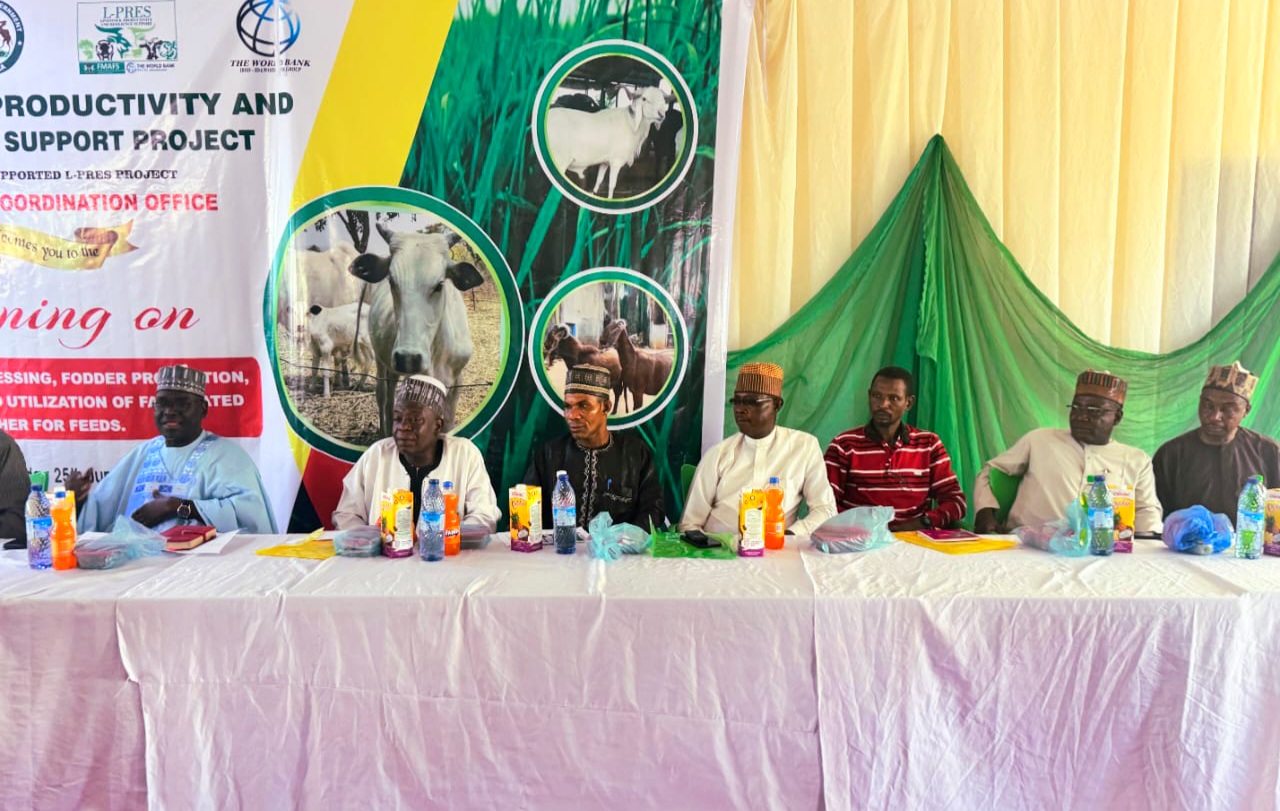
Stakeholders of the Livestock Productivity and Resilience Support Project (L-PRES) on Thursday conducted field visits to key project sites in Kano State, inspecting a range of interventions aimed at boosting livestock productivity, improving processing, and strengthening the entire value chain.

The Daily Reality reports that the tour featured facilities and community-level projects including a livestock service centre under construction, a milk collection hub linking pastoral clusters to markets, and grassroots interventions such as feed processing machines, solar-powered yoghurt processing units, boreholes, and pasture development support.

The inspection, part of the project’s ongoing mid-term review, took participants to the Livestock Service Centre in Bagauda, Bebeji Local Government Area, as well as Dan Tuben Fulani and Gamu Community in Dawakin Kudu, where beneficiaries are already experiencing the impact of the interventions.

Speaking during the visit, the National Project Coordinator of L-PRES, Sanusi Abubakar, said the exercise was aimed at assessing progress on the ground and identifying ways to strengthen implementation in the remaining phase of the project.

He explained that the mid-term review goes beyond meetings and documentation, noting that physical inspection of project sites provides a clearer picture of ongoing activities and their impact.

“We are in Kano for our mid-term review, and part of the agenda is to visit project sites and see what is happening firsthand,” he said, adding that the team was also at a milk collection centre serving clusters in the area to evaluate operations and offer guidance.

Abubakar disclosed that the livestock service centre visited in Bagauda is designed as a hub for multiple livestock-related activities, bringing together services and facilities in one location.

According to him, construction work at the centre is about 30 per cent completed and is expected to be delivered before the end of the year.

He further revealed that the project is working in collaboration with the Kano State Investment Promotion Agency to attract investors who will drive activities at the centre and ensure that livestock farmers benefit from improved infrastructure and services.

The national coordinator noted that beyond infrastructure, L-PRES is supporting clusters with equipment and basic amenities.

He said communities visited are benefiting from interventions such as feed crushing machines, water supply, pasture development and boreholes to enhance livestock productivity.

On sustainability, Abubakar dismissed concerns about possible abandonment of projects, stressing that community ownership remains central to the initiative.

“This facility will not be abandoned. Our goal is to ensure that the cooperatives managing these centres take full responsibility for their maintenance because it is in their own interest,” he said.

He added that government’s role is to provide enabling infrastructure such as roads, administrative buildings, security posts and veterinary clinics, while private investors are expected to drive commercial activities.

Abubakar also highlighted the strategic location of the livestock service centre, noting its proximity to a special agro-processing zone, which he said creates an opportunity for synergy and economic growth.

While responding to questions on export prospects, he said the project is currently focused on strengthening local production and meeting domestic demand, noting that decisions on export would be left to investors once the system is fully operational.

Also speaking, the Kano State Project Coordinator of L-PRES, Salisu Muhammad Inuwa, described the mid-term review as an important milestone for evaluating performance after three years of implementation.

He explained that the six-year project has reached its halfway point, making it necessary to assess achievements and determine whether adjustments are needed.

Inuwa expressed satisfaction with the level of progress recorded in the state, noting that although Kano joined the project later than some states, it has made significant strides.

According to him, Kano has spent about one and a half years on the project and has achieved between 35 and 40 per cent progress within that period.

“We are on the right course based on what we have seen on the field,” he said.

Beneficiaries who spoke during the visit also attested to the impact of the interventions on their livelihoods.

At Dan Tuben Fulani in Dawakin Kudu, a beneficiary, Gambo Abubakar, said the provision of a feed crushing machine—used for grinding animal feed—has transformed livestock management practices in the community.

He explained that the intervention has improved how they feed their animals and addressed several challenges previously faced by herders.

“We are truly excited about the intervention and the enlightenment we received. Some of the support we got was beyond our expectations, and we are very grateful,” he said.

Similarly, Aisha Abubakar Muhammad from Gamu Community in Dawakin Kudu said the support received through the Kano Dairy Cooperative Union has significantly improved their standard of living.

She disclosed that the intervention included the installation of solar power at their yoghurt processing centre, as well as the provision of a borehole and a vehicle to support their operations.

According to her, the improvements have boosted their income and enhanced their productivity, enabling members to meet basic needs and invest in their families.

“Our lives have changed. We can now afford things we could not before, and even our children have returned to school,” she said.

The field visit formed part of broader efforts under the mid-term review to evaluate progress, strengthen implementation strategies and ensure that the project delivers lasting impact across participating communities.

Kano First? Then Deputy’s Choice Should Not Be Difficult

By Muhammad Sani Ilyasu

Over the past few days, Kano’s political atmosphere has been gripped by what should have been a routine decision — the selection of a Deputy Governor. Instead, it has dragged, stretched, and unsettled expectations. As the Hausa proverb reminds us, wankin hula yana neman kai. Sooner or later, the moment of decision arrives, and when it does, it reveals more than preference. It reveals judgment.

But truthfully, this is not a difficult decision.
Once the list of nominees from the old APC bloc surfaced, one name did not merely appear — it stood apart. Alhaji Rabiu Suleiman Bichi. Not because of sentiment, and certainly not because of noise, but because of something far more scarce in today’s politics: substance.

This is a man shaped by governance, not just politics. He has moved through the system at its highest levels — serving as Secretary to the State Government, managing policy at the governor’s office, and working across institutions where decisions are not announced for applause but executed for impact. That kind of experience does not shout. It shows. And in moments like this, it matters enormously.

Yet the weight of this decision extends well beyond qualifications. The governor did not simply make a political realignment — he justified it with a principle: putting Kano first. That declaration raised the stakes. It transformed every subsequent decision into a test of consistency. Because once Kano becomes the stated priority, convenience must give way to capacity, and politics must submit to judgment.

You cannot declare Kano first and then treat this appointment as negotiable. The office of Deputy Governor is not ceremonial. It is not a token for balancing interests or rewarding loyalty. It is a quiet but powerful engine of governance — where coordination happens, where pressure is absorbed, and where experience prevents the kind of costly mistakes that erode public trust. It is not a place for learning on the job. That is precisely why Rabiu Suleiman fits this moment.

Rabiu Sulaiman Bichi carries a rare combination that politics often separates: administrative competence and genuine political experience. As a founding figure of the Kwankwasiyya movement, a former PDP State Chairman, and later Director-General of the APC’s 2023 campaign in Kano, he has operated credibly across political lines without losing his footing. That is not inconsistency. It is relevance across eras — the mark of someone who understands how power works without being consumed by it.

More importantly, he brings reach. His network — spanning national and international circles — is not ornamental. It is functional. It is the kind of capital that attracts serious partnerships, aligns policy with opportunity, and positions Kano beyond its immediate boundaries. At a time when states compete not only internally but on a broader stage, that kind of exposure is not a luxury. It is a strategic asset.

And then there is the other side of the equation — the part many would rather avoid, but which cannot responsibly be ignored. Leadership is defined not only by what is built but by what is tolerated. To elevate a deputy whose public record is clouded by ongoing court cases involving serious allegations of corruption and financial misconduct is not merely a political risk. It is a statement — and a loud one.

Because once made, that choice will not remain local. It will travel. It will shape perception, invite institutional scrutiny, and define the governor’s seriousness in the eyes of allies, investors, and the wider Nigerian public. You cannot stand on reform and lean on controversy. That is not balance. It is contradiction. And Kano cannot afford contradiction at this level of governance.

This is not a moment for experimentation. It is a moment for clarity — a moment to demonstrate that governance here is still anchored on competence, credibility, and consequence. In Rabiu Suleiman Bichi, that clarity already exists. Which is why this decision, despite the delay, remains straightforward.

If Kano truly comes first, the answer is already known. Anything else is not a strategy. It is a misstep.

Muhammad Sani Ilyasu writes from Maryland, United States of America and can be reached via msaniiliyasu@gmail.com

K-SAFE Seeks Strategic Collaboration to Boost Literacy in Kano

By Uzair Adam

The Kano State Accountability Forum on Education (K-SAFE) has intensified efforts to strengthen collaboration with key education stakeholders following an advocacy visit to Community Aid Connect.

The Daily Reality reports that the move, according to the group, is part of ongoing engagements aimed at improving access to inclusive and quality education across Kano State.

In a statement issued on Monday, and signed by its Public Relations Officer, Nasiru Yusuf Ibrahim, the organisation said the visit formed part of its broader strategy to partner with development actors.

It noted that such collaborations are essential to addressing challenges affecting education delivery, particularly among vulnerable and underserved populations.

The delegation, led by K-SAFE Co-Chair (CSOs), Auwalu Halilu, was received by the Kano State Team Lead of Community Aid Connect, Surajo Mahe Alkali.

The meeting, held on Monday, provided an opportunity for both organisations to explore areas of mutual interest and strengthen existing relationships.

During the engagement, Halilu commended Community Aid Connect for its role in promoting literacy and numeracy through innovative programmes.

He specifically referenced initiatives such as the DARASI programme and the Community Radio Literacy and Numeracy Programme, describing them as impactful interventions in the education sector.

The K-SAFE Co-Chair noted that the programmes provide flexible learning opportunities for learners with limited access to formal education.

According to him, such initiatives are particularly beneficial to vulnerable groups, helping to bridge gaps in access and improve foundational learning outcomes.

In his remarks, Alkali highlighted the impact of the DARASI Programme in supporting basic education, especially at the foundational level.

He also emphasised the effectiveness of radio-based learning in reaching remote and hard-to-access communities, noting that such approaches have expanded educational access in underserved areas.

Both parties stressed the importance of community participation, stakeholder coordination, and sustained advocacy in addressing learning gaps.

They noted that improving educational outcomes requires a collective effort involving government, development partners, and local communities.

They also identified key areas of collaboration, including joint advocacy campaigns to promote enrolment and retention in schools.

Other areas include partnerships on radio-based awareness initiatives, strengthening monitoring and accountability mechanisms, and capacity building for community-based education structures.

The organisations further agreed on the need to document programme outcomes to support policy dialogue and education sector planning in Kano State.

They said such evidence-based approaches would enhance decision-making and contribute to long-term improvements in the education system.

The Daily Reality also gathered that the engagement reaffirmed the shared commitment of both organisations to enhancing access, equity, and quality of education.

It also underscored their resolve to promote innovative solutions aimed at improving literacy and numeracy across the state.

Kano Lawmaker Passes Away After Brief Illness

By Anwar Usman

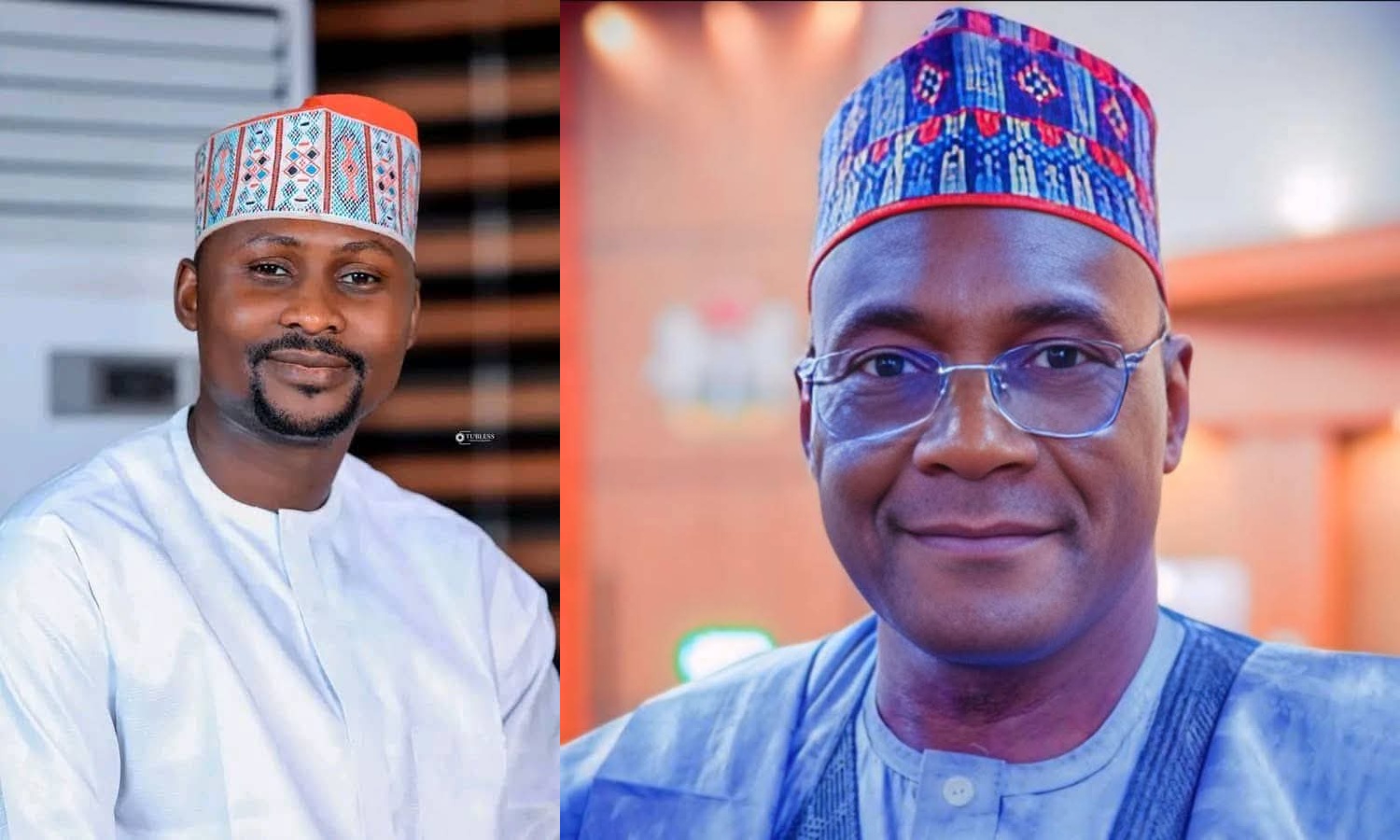
A member of the House of Representatives representing Dawakin-Kudu/Warawa Federal Constituency, Mohamed Hassan, is dead.

His death was announced in a statement issued on Friday by his special assistant on media, Muazzam Dawakin-Kudu,  who said Hassan died after a brief illness.

The statement read, “Inna lillahi wa inna ilayhi raji’un. It is with deep sorrow that we announce the passing of Hon. Barr. M.D. Hassan.”

According to the statement, the late lawmaker will be buried on Saturday, April 11, 2026, following a funeral prayer scheduled to take place at about 1:30 p.m. at the National Mosque, Abuja.

The statement offered prayers for the forgiveness of the deceased’s shortcomings and for Allah to admit him into Aljannatul Firdaus.

Until his passing, Hassan served as the representative of Dawakin-Kudu/Warawa Federal Constituency and was widely recognized as an active contributor to legislative proceedings at the National Assembly.

Meanwhile, tributes have continued to pour in from associates, constituents, and political stakeholders, who described his death as a significant loss to the nation.

Robbers Sever Teacher’s Hand In Kano

By Sabiu Abdullahi

Suspected motorcycle robbers have cut off the hand of a school teacher, Isah Sallama, during an attack in Bunkure Local Government Area of Kano State, The Daily Reality reports.

The incident happened on Wednesday night along the Funkuyi Road in Buran District. This was contained in a statement issued by the Secretary for Public Enlightenment of the Rano Emirate Council, Nasiru Habu Faragai.

Faragai said Sallama, who lives in Sarkin Bakar Rano, came under attack when he tried to assist another victim, Malam Sauwanu Hadi. The assailants were attempting to snatch Hadi’s motorcycle and mobile phone at the time.

He added that the attackers first attempted to shoot Sallama, but their weapon failed to discharge, according to a report by the Daily Trust newspaper.

“When the gun failed, they resorted to using a machete and chopped off his hand, leaving him in a critical condition,” the statement said.

The District Head of Bunkure, Alhaji Aminu Isa Umaru, reported the case to the Emir of Rano, Muhammad Isa Umaru.

The emir condemned the incident and described it as troubling. He ordered that security agencies be notified for a detailed investigation.

He also approved the sum of N100,000 to assist with the victim’s medical treatment.

The traditional ruler urged community leaders and security operatives to step up efforts to address robbery and other criminal activities in the area.