Kano

Kano First? Then Deputy’s Choice Should Not Be Difficult

By Muhammad Sani Ilyasu

Over the past few days, Kano’s political atmosphere has been gripped by what should have been a routine decision — the selection of a Deputy Governor. Instead, it has dragged, stretched, and unsettled expectations. As the Hausa proverb reminds us, wankin hula yana neman kai. Sooner or later, the moment of decision arrives, and when it does, it reveals more than preference. It reveals judgment.

But truthfully, this is not a difficult decision.
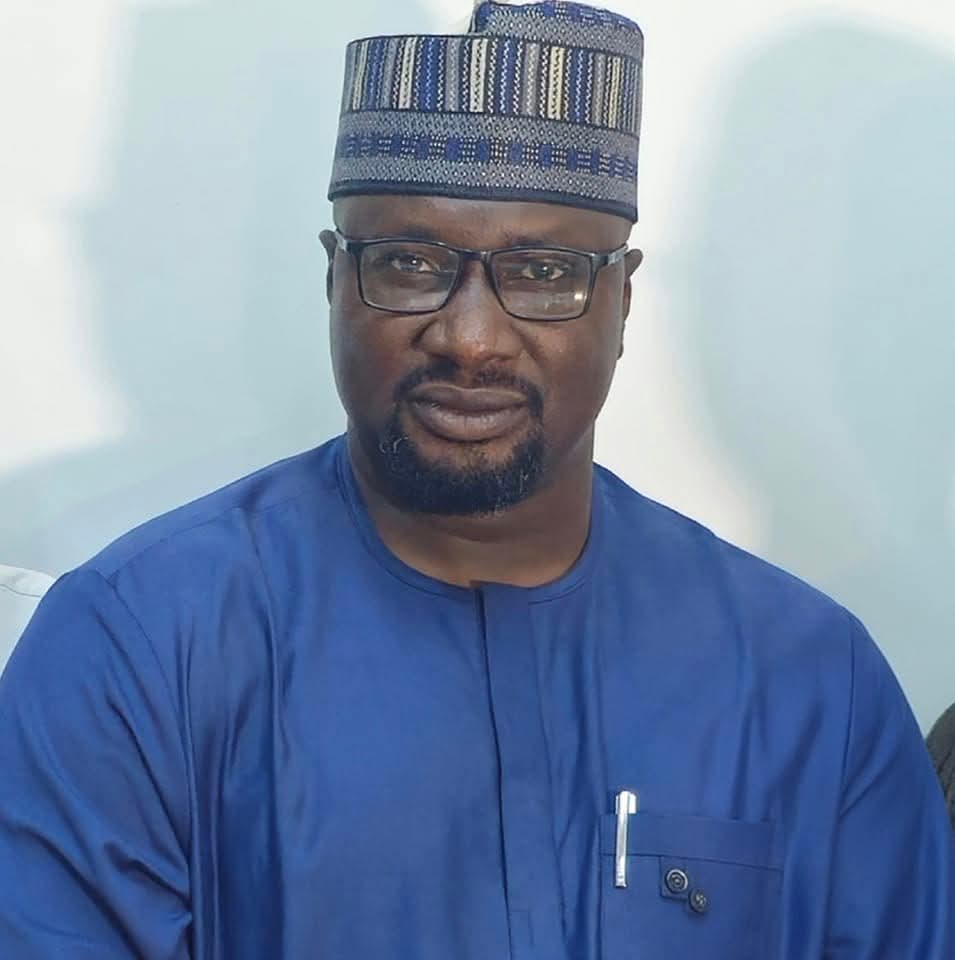
Once the list of nominees from the old APC bloc surfaced, one name did not merely appear — it stood apart. Alhaji Rabiu Suleiman Bichi. Not because of sentiment, and certainly not because of noise, but because of something far more scarce in today’s politics: substance.

This is a man shaped by governance, not just politics. He has moved through the system at its highest levels — serving as Secretary to the State Government, managing policy at the governor’s office, and working across institutions where decisions are not announced for applause but executed for impact. That kind of experience does not shout. It shows. And in moments like this, it matters enormously.

Yet the weight of this decision extends well beyond qualifications. The governor did not simply make a political realignment — he justified it with a principle: putting Kano first. That declaration raised the stakes. It transformed every subsequent decision into a test of consistency. Because once Kano becomes the stated priority, convenience must give way to capacity, and politics must submit to judgment.

You cannot declare Kano first and then treat this appointment as negotiable. The office of Deputy Governor is not ceremonial. It is not a token for balancing interests or rewarding loyalty. It is a quiet but powerful engine of governance — where coordination happens, where pressure is absorbed, and where experience prevents the kind of costly mistakes that erode public trust. It is not a place for learning on the job. That is precisely why Rabiu Suleiman fits this moment.

Rabiu Sulaiman Bichi carries a rare combination that politics often separates: administrative competence and genuine political experience. As a founding figure of the Kwankwasiyya movement, a former PDP State Chairman, and later Director-General of the APC’s 2023 campaign in Kano, he has operated credibly across political lines without losing his footing. That is not inconsistency. It is relevance across eras — the mark of someone who understands how power works without being consumed by it.

More importantly, he brings reach. His network — spanning national and international circles — is not ornamental. It is functional. It is the kind of capital that attracts serious partnerships, aligns policy with opportunity, and positions Kano beyond its immediate boundaries. At a time when states compete not only internally but on a broader stage, that kind of exposure is not a luxury. It is a strategic asset.

And then there is the other side of the equation — the part many would rather avoid, but which cannot responsibly be ignored. Leadership is defined not only by what is built but by what is tolerated. To elevate a deputy whose public record is clouded by ongoing court cases involving serious allegations of corruption and financial misconduct is not merely a political risk. It is a statement — and a loud one.

Because once made, that choice will not remain local. It will travel. It will shape perception, invite institutional scrutiny, and define the governor’s seriousness in the eyes of allies, investors, and the wider Nigerian public. You cannot stand on reform and lean on controversy. That is not balance. It is contradiction. And Kano cannot afford contradiction at this level of governance.

This is not a moment for experimentation. It is a moment for clarity — a moment to demonstrate that governance here is still anchored on competence, credibility, and consequence. In Rabiu Suleiman Bichi, that clarity already exists. Which is why this decision, despite the delay, remains straightforward.

If Kano truly comes first, the answer is already known. Anything else is not a strategy. It is a misstep.

Muhammad Sani Ilyasu writes from Maryland, United States of America and can be reached via msaniiliyasu@gmail.com

K-SAFE Seeks Strategic Collaboration to Boost Literacy in Kano

By Uzair Adam

The Kano State Accountability Forum on Education (K-SAFE) has intensified efforts to strengthen collaboration with key education stakeholders following an advocacy visit to Community Aid Connect.

The Daily Reality reports that the move, according to the group, is part of ongoing engagements aimed at improving access to inclusive and quality education across Kano State.

In a statement issued on Monday, and signed by its Public Relations Officer, Nasiru Yusuf Ibrahim, the organisation said the visit formed part of its broader strategy to partner with development actors.

It noted that such collaborations are essential to addressing challenges affecting education delivery, particularly among vulnerable and underserved populations.

The delegation, led by K-SAFE Co-Chair (CSOs), Auwalu Halilu, was received by the Kano State Team Lead of Community Aid Connect, Surajo Mahe Alkali.

The meeting, held on Monday, provided an opportunity for both organisations to explore areas of mutual interest and strengthen existing relationships.

During the engagement, Halilu commended Community Aid Connect for its role in promoting literacy and numeracy through innovative programmes.

He specifically referenced initiatives such as the DARASI programme and the Community Radio Literacy and Numeracy Programme, describing them as impactful interventions in the education sector.

The K-SAFE Co-Chair noted that the programmes provide flexible learning opportunities for learners with limited access to formal education.

According to him, such initiatives are particularly beneficial to vulnerable groups, helping to bridge gaps in access and improve foundational learning outcomes.

In his remarks, Alkali highlighted the impact of the DARASI Programme in supporting basic education, especially at the foundational level.

He also emphasised the effectiveness of radio-based learning in reaching remote and hard-to-access communities, noting that such approaches have expanded educational access in underserved areas.

Both parties stressed the importance of community participation, stakeholder coordination, and sustained advocacy in addressing learning gaps.

They noted that improving educational outcomes requires a collective effort involving government, development partners, and local communities.

They also identified key areas of collaboration, including joint advocacy campaigns to promote enrolment and retention in schools.

Other areas include partnerships on radio-based awareness initiatives, strengthening monitoring and accountability mechanisms, and capacity building for community-based education structures.

The organisations further agreed on the need to document programme outcomes to support policy dialogue and education sector planning in Kano State.

They said such evidence-based approaches would enhance decision-making and contribute to long-term improvements in the education system.

The Daily Reality also gathered that the engagement reaffirmed the shared commitment of both organisations to enhancing access, equity, and quality of education.

It also underscored their resolve to promote innovative solutions aimed at improving literacy and numeracy across the state.

Kano Lawmaker Passes Away After Brief Illness

By Anwar Usman

A member of the House of Representatives representing Dawakin-Kudu/Warawa Federal Constituency, Mohamed Hassan, is dead.

His death was announced in a statement issued on Friday by his special assistant on media, Muazzam Dawakin-Kudu,  who said Hassan died after a brief illness.

The statement read, “Inna lillahi wa inna ilayhi raji’un. It is with deep sorrow that we announce the passing of Hon. Barr. M.D. Hassan.”

According to the statement, the late lawmaker will be buried on Saturday, April 11, 2026, following a funeral prayer scheduled to take place at about 1:30 p.m. at the National Mosque, Abuja.

The statement offered prayers for the forgiveness of the deceased’s shortcomings and for Allah to admit him into Aljannatul Firdaus.

Until his passing, Hassan served as the representative of Dawakin-Kudu/Warawa Federal Constituency and was widely recognized as an active contributor to legislative proceedings at the National Assembly.

Meanwhile, tributes have continued to pour in from associates, constituents, and political stakeholders, who described his death as a significant loss to the nation.

Robbers Sever Teacher’s Hand In Kano

By Sabiu Abdullahi

Suspected motorcycle robbers have cut off the hand of a school teacher, Isah Sallama, during an attack in Bunkure Local Government Area of Kano State, The Daily Reality reports.

The incident happened on Wednesday night along the Funkuyi Road in Buran District. This was contained in a statement issued by the Secretary for Public Enlightenment of the Rano Emirate Council, Nasiru Habu Faragai.

Faragai said Sallama, who lives in Sarkin Bakar Rano, came under attack when he tried to assist another victim, Malam Sauwanu Hadi. The assailants were attempting to snatch Hadi’s motorcycle and mobile phone at the time.

He added that the attackers first attempted to shoot Sallama, but their weapon failed to discharge, according to a report by the Daily Trust newspaper.

“When the gun failed, they resorted to using a machete and chopped off his hand, leaving him in a critical condition,” the statement said.

The District Head of Bunkure, Alhaji Aminu Isa Umaru, reported the case to the Emir of Rano, Muhammad Isa Umaru.

The emir condemned the incident and described it as troubling. He ordered that security agencies be notified for a detailed investigation.

He also approved the sum of N100,000 to assist with the victim’s medical treatment.

The traditional ruler urged community leaders and security operatives to step up efforts to address robbery and other criminal activities in the area.

FG Launches N8.5bn Infrastructure Project at FGC Kano

By Uzair Adam

The Federal Ministry of Education on Monday launched an N8.5 billion public-private partnership (PPP) project aimed at transforming Federal Government College (FGC), Kano, into a National Centre of Excellence.

The project involves the development of 18 critical infrastructure and assets as well as the renovation of 15 additional facilities at the unity college.

The groundbreaking ceremony, held at the school premises, is part of the federal government’s efforts to address infrastructure deficits in public schools through collaboration with the private sector.

Speaking at the event, the Minister of State for Education, Professor Suwaiba Ahmad, said the initiative aligns with President Bola Ahmed Tinubu’s Renewed Hope Agenda and represents a strategic effort to improve learning environments across federal institutions.

She said the project, valued at over N8 billion, would significantly improve the physical and academic landscape of the college.

According to her, the intervention will include the construction of facilities such as a skill acquisition and entrepreneurship centre, modern hostels, staff quarters, a health centre and other essential infrastructure, alongside the renovation of several academic and support facilities.

“The initiative is not just about infrastructure alone; it is about impact,” she said.

Professor Ahmad noted that the growing demand for quality education has placed pressure on existing facilities, making it necessary for the ministry to adopt innovative financing models such as PPP to bridge infrastructural gaps.

She added that the federal government oversees nearly 120 unity colleges across the country and cannot solely fund large-scale infrastructure projects in all of them.

“This PPP land-swap model demonstrates the federal government’s resolve to leverage private sector efficiency, ensure optimal use of public assets and deliver value for money,” she said.

The minister explained that the land designated for the project had remained undeveloped since the establishment of the college but would now be utilised to improve educational infrastructure.

She added that the transformation of FGC Kano was deliberate, noting that the institution plays a key role in promoting national unity, excellence and inclusivity.

Professor Ahmad also assured stakeholders that the ministry had put in place mechanisms to ensure transparency, accountability and proper oversight in the implementation of the project.

Representing the Kano State Governor, Abba Kabir Yusuf, the Commissioner for Land and Physical Planning, Abduljabbar Muhammad Umar, expressed the state government’s support for the initiative.

He said the project would help optimise land assets that had remained unused for years while also creating value for the government and surrounding communities.

“We are delighted that for the first time the landed asset that has been lying fallow for years will be optimised in a way that properly captures the value of land in Kano State,” he said.

Umar also urged the project promoters to ensure effective stakeholder engagement in order to clearly communicate the benefits of the initiative.

“We call on the project promoter to provide quality infrastructure in a way that the project will serve as a reference point for other PPP projects across Nigeria,” he added.

Earlier, the Managing Director of Pluck Global Nigeria Limited, the private partner in the project, Musa Diktali, said the development reflects efforts to bridge infrastructure gaps in public institutions through collaboration between government and private investors.

He said the project, valued at over N8.5 billion, is expected to be completed within 18 months.

According to him, the PPP arrangement allows private investors to finance infrastructure projects while the government provides land as part of the partnership agreement.

“As you know, the government alone cannot fund infrastructure, so private investors need to come in and support the development of critical infrastructure,” he said.

He added that the project would benefit students of the college and other stakeholders in the education sector.

The event was attended by officials of the Federal Ministry of Education, representatives of the Kano State Government, school management, alumni members, traditional rulers and other stakeholders.

Kano Police Seek Family Of 16-Year-Old Boy Found Wandering In Doguwa

By Sabiu Abdullahi

The Kano State Police Command has announced the discovery of a 16-year-old boy identified as Alex Ansol, who was found wandering in Dadin Kowa Village in Doguwa Local Government Area of the state.

In a statement issued by the command, the police said the teenager was located after a report was received concerning his situation.

According to the account provided by the boy, he arrived in Nigeria from Spain on March 30, 2026, alongside four relatives through the Nnamdi Azikiwe International Airport in Abuja. He explained that they were on their way to Kano to visit his father, Ansol Fan, when he became separated from them along the Jos to Saminaka road.

Police described Alex as a thin, dark-complexioned boy who speaks English and has no tribal marks. He reportedly gave his address as Barsa Rub, Opposite 46 Stadium, Spain.

The command stated that efforts are ongoing to trace his relatives and reunite him with his family.

Authorities have urged members of the public with useful information to reach out to the Office of the Police Public Relations Officer, Kano State Command, or contact the Divisional Police Officer of Doguwa Division via 07038363421.

Eight Kano Reps Dump NNPP for APC, Barau Welcomes Move

By Anas Abbas

The Deputy Senate President, Barau I. Jibrin, has welcomed the defection of eight members of the House of Representatives from the New Nigeria Peoples Party to the All Progressives Congress, describing the move as strategic and significant for the party’s growth.

The lawmakers were formally received during a gathering attended by prominent political figures, including the Speaker of the House of Representatives, Abbas Tajudeen; the Governor of Kano State, Abba Kabir Yusuf; and the immediate past National Chairman of the APC, Abdullahi Umar Ganduje, among others.

The Speaker announced the defections during plenary, listing the lawmakers as: Aliyu Sani Madaki (Dala), Ghali Mustapha (Ajingi/Albasu/Gaya), Shehu Muhammad Bello (Fagge), Dankawu Idris (Kumbotso), Hussain Hassan Shehu (Nassarawa), Rabiu Yusuf (Sumaila/Takai), Muhammad Garba Chiroma (Gezawa/Gabasawa), Ibrahim Mohammed (Gwale), and Tijjani Abdulkadir Jobe (Tofa/Dawakin-Tofa/Rimingado).

In a statement, Jibrin congratulated the defecting lawmakers, describing their decision as “bold and strategic.” He noted that their move would further strengthen the APC’s influence in Kano State and enhance the party’s commitment to good governance and effective representation.

According to him, the inclusion of the lawmakers whom he described as grassroots-oriented, experienced, and dedicated positions the APC to consolidate its leadership in the state ahead of future elections.

He expressed optimism that the party would achieve greater electoral success, emphasizing unity and collective efforts toward delivering dividends of democracy to the people.

Former Kano APC Governorship Candidate Gawuna Resigns from Party

By Uzair Adam

A former governorship candidate of the All Progressives Congress (APC) in the 2023 general elections in Kano State, Nasiru Yusuf Gawuna, has formally resigned from the party.

In a resignation letter dated March 29, 2026, addressed to the APC chairman in Gawuna Ward of Nassarawa Local Government Area, the former deputy governor said his decision to leave the ruling party was voluntary and personal.

“I hereby formally resign my membership from the All Progressives Congress (APC), effective March 29, 2026,” the letter partly read.

Gawuna expressed gratitude to the party for the opportunities he had during his time as a member, noting that he appreciated the support and platform provided to him throughout his political career.

The former deputy governor, however, did not reveal his next political move.

His resignation comes amid ongoing political realignments in Kano, where several key political actors are reportedly reviewing their alliances ahead of future electoral contests.

Sources close to the former deputy governor said he is expected to meet with former Kano governor, Rabiu Musa Kwankwaso, on Monday night at the latter’s residence on Miller Road in Kano.

Kwankwaso Set To Join ADC Monday

By Anwar Usman

The former Kano State governor and leader of the Kwankwasiyya movement, Rabiu Musa Kwankwaso, is set to join the African Democratic Congress, ADC, on Monday.

The Daily Reality reports that the planned defection follows series of consultations between Engr. Rabiu Kwankwaso, his Kwankwasiyya movement, and leaders of the ADC.

Recalled that, Kwankwaso had, in recent weeks, held a series of high-level engagements with ADC stakeholders and other opposition figures.

Last week, he met with party leaders and stakeholders in Kano State as part of the ongoing consultations.

It is evident that, he also held talks with key political figures, such as Naja’atu Muhammad, the ADC National Secretary, Rauf Aregbesola; the Labour Party’s 2023 presidential candidate, Peter Obi; Oyo State Governor, Seyi Makinde; and the senator representing Bayelsa West, Seriake Dickson.

Reports has it that, the move is part of broader opposition realignments ahead of the 2027 general elections, aimed at unseating the ruling All Progressives Congress, APC.

The development comes after Dr. Rabiu Kwankwaso and his political protégé, Kano State governor, Abba Yusuf parted ways.

Engr. Abba Yusuf, widely regarded as Kwankwaso’s political godson and a major beneficiary of the Kwankwasiyya movement, recently defected from the NNPP to the APC alongside several lawmakers and political appointees.

However, Kwankwaso, opposed the move and distanced himself from it, describing it as a betrayal.

Kano Deputy Governor Resigns Amid Impeachment Move

By Uzair Adam

The Deputy Governor of Kano State, Comrade Aminu Abdussalam, has resigned from office following recent political developments in the state.

His resignation was announced on Friday in a statement issued by the spokesperson of the Kwankwasiyya Movement, Dr. Habibu Sale Mohammed.

The development comes after the Kano State House of Assembly initiated impeachment proceedings against Abdussalam earlier in the week.

In a related development, a Federal High Court sitting in Kano on Wednesday dismissed an application filed by the deputy governor seeking to stop the impeachment process.

According to the statement, the Kwankwasiyya Movement formally informed the public, the people of Kano State, and the nation about Abdussalam’s decision to step down from his position.

It explained that the resignation, although difficult, was taken in the interest of the people and to ensure stability in the governance of the state.

The statement noted that recent circumstances had limited the deputy governor’s ability to fully discharge the duties and responsibilities attached to his office, making it necessary to allow the position to function effectively for the benefit of the public.

It, however, stressed that the decision to resign should not be interpreted as an admission of the allegations levelled against him by the Kano State House of Assembly.

According to the movement, Abdussalam maintains his innocence and believes that his record in office and public service reflects his integrity and commitment to the people.

The statement further described the resignation as an act of statesmanship intended to preserve peace and prevent political tension that could affect governance and development in the state.

It added that Abdussalam would now focus on strengthening the Kwankwasiyya Movement, particularly by consolidating its structures and strategies ahead of the 2027 general elections.

The movement also urged its supporters and residents of Kano State to remain calm, law-abiding, and committed to democratic values while assuring that further details would be communicated in due course.