By Fatima Abdulmalik
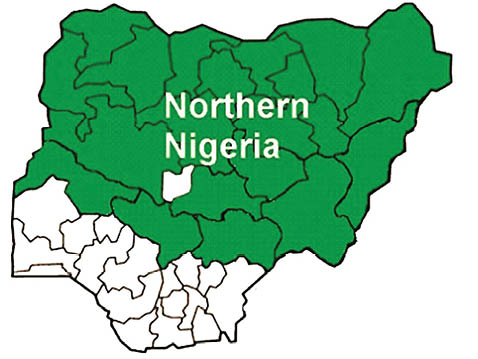
The Northwestern part of Nigeria has been plagued by heinous crimes, including banditry, cattle rustling, kidnappings, and the rise of Lakurawa criminal gangs. These gangs claim to fight for religious reasons, but their actions only bring suffering to innocent civilians. The question on everyone’s mind is: why does the North always seem to be at the epicenter of these atrocities? This cycle of violence is rooted in power and control dynamics, where the perpetrators exert dominance over the victims through coercion and manipulation.
The North’s struggles with violence and crime have become a recurring nightmare. It’s imperative that we acknowledge the complexity of this issue and the need for collective action. We must address the root causes of this violence, including poverty, lack of education, and social inequality. By providing access to quality education and economic opportunities, we can empower the youth and reduce the appeal of criminal gangs. Effective leadership and collaboration are crucial in safeguarding the North. Leaders must put aside their differences and work towards a common goal: protecting their people.
To safeguard the North, we need to invest in education, economic empowerment, and social welfare programs. Community leaders play a vital role in promoting peace and stability. They must speak out against violence and encourage their followers to do the same. By fostering a culture of tolerance and understanding, we can break the cycle of violence and build a more harmonious society. Security forces must intensify their efforts to combat crime and protect civilians. This includes intelligence gathering, strategic operations, and community engagement.
The youth are the future of the North, and it’s essential that we empower them with education, skills, and opportunities. By doing so, we can redirect their energy towards positive change and development. We must also address the economic and social factors that drive young people to join criminal gangs. This includes providing job opportunities, vocational training, and mentorship programme.
Understanding the cycle of abuse is crucial in addressing the North’s violence. The cycle consists of tension building, acute battering incident, and reconciliation. Recognizing these stages can help individuals and communities break free from the cycle of violence. Support from healthcare providers, professional counselors, and domestic violence organizations is vital in ending the cycle of abuse.
In conclusion, the North’s cry for help requires collective action from all stakeholders to address the overwhelming problems plaguing the region. It’s imperative that leaders, community members, organizations, and individuals put aside their differences and work towards a common goal: safeguarding the North. This collaborative effort will empower the youth, promote peace and stability, and break the cycle of violence. Effective stakeholder engagement is crucial in achieving this goal. By identifying and prioritizing key stakeholders, the North can develop a comprehensive plan to address the root causes of its problems.
This includes investing in education, economic empowerment, and social welfare programs. Community leaders must speak out against violence and encourage their followers to do the same, fostering a culture of tolerance and understanding. By addressing these areas, stakeholders can create a safer, more prosperous North. The international community must also support Nigeria’s efforts to address these challenges. Simply put, we can break the cycle of violence and build a brighter future for the North.
Fatima Abdulmalik, Department of Mass Communication, University of Maiduguri.