Kano

Police Arrest Suspect After Discovery of Unidentified Man’s Body in Kano

By Sabiu Abdullahi

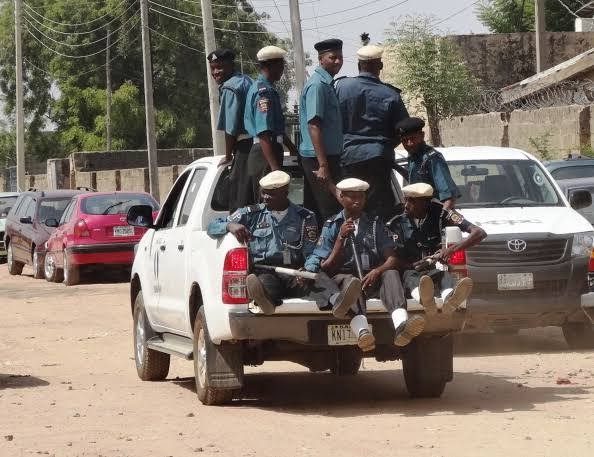
Police in Kano State have taken a suspect into custody after the body of an unidentified man was discovered inside an abandoned house in the Badawa area of the state.

Residents said the victim, believed to be around 28 years old, had a severe neck injury which was suspected to have caused his death before assistance arrived.

According to a resident, Yusuf Da’u Ibrahim, the incident became known after a neighbour informed the ward head that a seriously injured man was lying inside a vacant building and required urgent attention.

He explained that security operatives responded quickly after receiving the report.

“Before emergency responders arrived, the police had already been informed. They quickly came to the scene, arrested a suspect and evacuated the body to the hospital,” Ibrahim said.

Ibrahim also stated that people in the area could not identify the deceased. He noted that the community had never experienced a similar incident before.

“We don’t know who the deceased is. This is the first time we have witnessed such a tragic incident in our community,” he said.

The spokesperson for the Kano State Police Command, CSP Abdullahi Haruna Kiyawa, confirmed that the matter would be investigated, although he said the command was still awaiting complete details about the case.

“I have not received the full report yet, but the command will investigate the matter to establish exactly what happened,” Kiyawa said.

CRAG Trains Kano Health Workers on Managing Climate-Related Diseases

By Uzair Adam

The Climate Resilience Action Group (CRAG), with support from the Kano Independent Research Centre Trust (KIRCT), has trained frontline health workers in Dawakin Kudu Local Government Area of Kano State on the prevention, detection and management of climate-related diseases.

The Daily Reality reports that the training, held at Tsakuwa Primary Health Care Centre on Tuesday, formed part of the group’s ongoing climate and health pilot project aimed at strengthening the capacity of health workers and communities to respond to the growing health impacts of climate change.

Speaking during the programme, the team lead of CRAG, Dr. Bashir Isa Waziri, said the initiative was designed to sensitise primary healthcare workers on climate-health risks, particularly climate-sensitive diseases associated with extreme heat and flooding.

He explained that the training focused on conditions such as heat stress, heat exhaustion and heat stroke, as well as infectious diseases including cholera and malaria, which are often linked to climate-related events.

“Today we conducted climate and health awareness and training for frontline health workers. The aim is to sensitise primary healthcare workers on climate-health risks, especially climate-sensitive diseases that are common during extreme heat exposure and the rainy season,” he said.

Dr. Waziri noted that climate change continues to pose significant threats to public health and stressed the need for healthcare workers to educate communities on preventive measures and effective responses when such illnesses occur.

As part of the programme, CRAG also conducted a climate and health awareness session for students of Yusuf Bayero Government Secondary School, where participants were educated on the effects of climate change on human health, particularly the dangers associated with extreme heat and flooding.

The organisation further launched a tree-planting campaign at the school, planting 20 trees and appointing student climate-health ambassadors who will be responsible for nurturing them.

According to Dr. Waziri, the ambassadors will be monitored and rewarded based on their commitment to maintaining the trees as part of efforts to promote environmental sustainability and climate resilience.

A specialist physician with KIRCT and member of CRAG, Dr. Maryam Ahmad Sa’id, said flooding remains a major public health concern because of its potential to trigger outbreaks of infectious diseases.

She explained that floodwaters often contaminate water sources through the mixing of sewage and waste materials, increasing the risk of diseases such as cholera, typhoid fever and malaria.

“Flooding is associated with many health risks, especially the spread of infectious diseases. When sewage and refuse contaminate water sources, diseases such as cholera and typhoid fever can spread rapidly within communities,” she said.

Dr. Sa’id urged residents to pay greater attention to water hygiene, advising them to ensure drinking water comes from safe sources, keep water storage containers clean and covered, and practise regular handwashing with soap and water.

She also identified pregnant women, children, elderly persons and individuals living with chronic illnesses such as hypertension, diabetes, chronic kidney disease and sickle cell disease as among those most vulnerable to the effects of extreme heat.

The physician called for sustained public awareness and early detection of climate-related illnesses to reduce complications and improve health outcomes.

The officer in charge of Tsakuwa Primary Health Care Centre, Ibrahim Yusuf Kura, described the training as enlightening, saying it exposed health workers to important information that would improve healthcare delivery in the community.

“There are many things we did not know before this training. The knowledge we gained will help us provide better healthcare services to members of our community,” he said.

Kura urged participants to make effective use of the knowledge acquired and apply it in their daily duties.

Similarly, the second officer in charge of the facility, Amina Hamisu Abdullahi, said the programme broadened her understanding of climate-related health challenges and would help her perform her responsibilities more effectively.

She added that the lessons learned would be shared with colleagues who were unable to attend the training.

Kano L-PRES Equips Farmers with Skills in Crop Residue Processing, Silage Making

By Uzair Adam

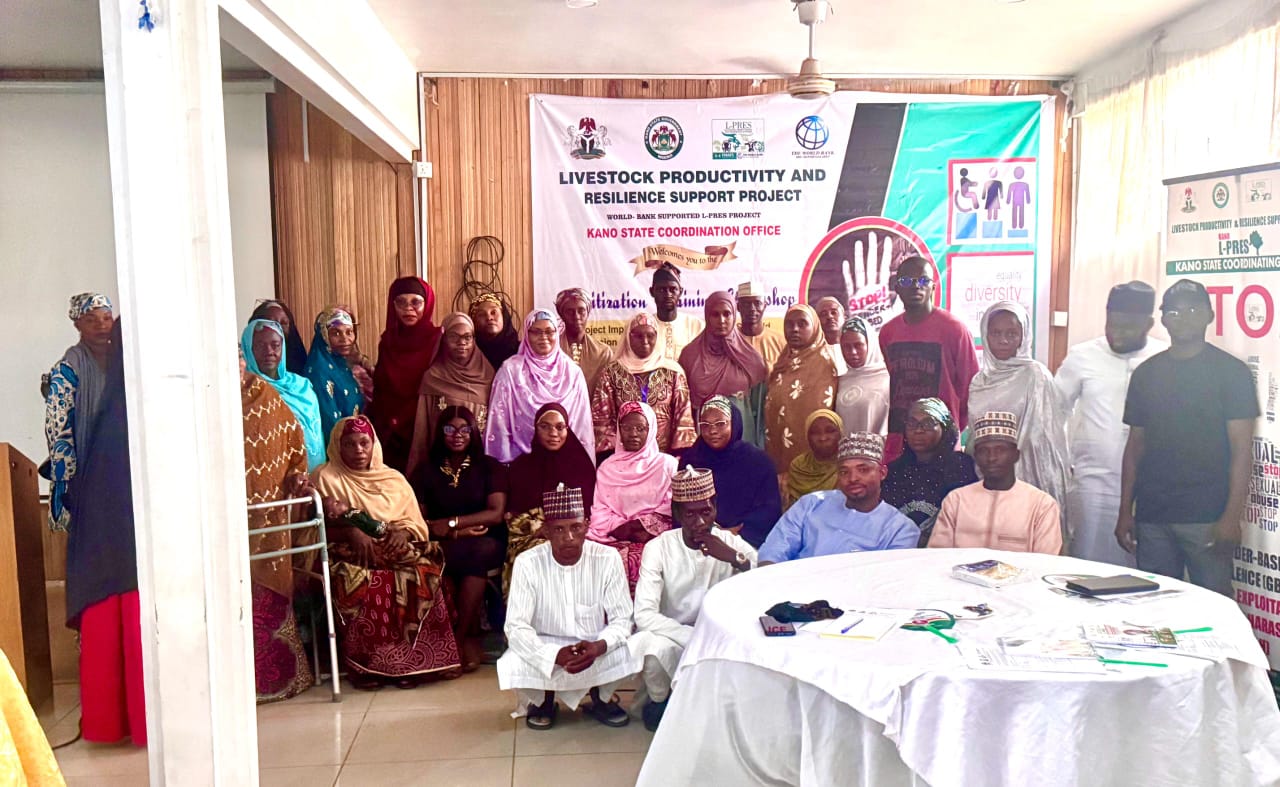
The Livestock Productivity and Resilience Support Project (L-PRES) has commenced a two-day training programme for livestock farmers and other stakeholders in Kano State on crop residue processing, fodder production, silage making and the utilisation of fabricated feed crushers aimed at reducing feeding costs and improving livestock productivity.

The programme, which began on Wednesday, is bringing together more than 200 participants representing over 100 livestock-related groups, including herders, poultry farmers, milk producers, butchers and private sector operators from across the state.

The training focuses on practical methods of converting crop residues and other agricultural waste into affordable and nutritious animal feed while fostering collaboration among stakeholders across the livestock value chain.

The initiative also serves as a platform for participants to exchange ideas, share experiences and explore partnerships that could enhance livestock production and strengthen resilience within the sector.

Explaining the rationale behind the programme on behalf of the Kano State Project Coordinator, Salisu Muhammad Inuwa, Gambo Isah Garko, an Extension Officer with L-PRES in Kano State, said livestock feeding remains one of the biggest challenges confronting producers, particularly during the dry season.

According to him, many livestock producers struggle to access affordable feed, making it necessary to train them on how to convert crop residues into valuable feed resources rather than allowing them to go to waste.

“Feeding has become very difficult. That is why we are giving them this training so they can utilise crop residues and other agricultural waste for livestock feeding,” he said.

Garko explained that participants were being taught how to improve the nutritional value of crop residues through the use of additives and appropriate processing methods.

He said the training would help farmers better understand livestock nutritional requirements and adopt feeding practices that improve animal growth and productivity.

Beyond improving feeding practices, Garko said the programme was designed to strengthen collaboration among stakeholders in the livestock sector.

“We have called major players across the value chain because this gives them an opportunity to interact and establish linkages that will benefit everyone,” he said.

He disclosed that about 200 participants attended the programme, representing 110 groups, including livestock breeders’ associations, poultry farmers, butchers, milk producers and private livestock operators.

Garko further noted that adopting the feed-processing techniques being taught could reduce livestock feeding costs by as much as 40 per cent.

According to him, farmers can significantly cut expenses by processing crop residues such as corn stalks and incorporating them into animal feed instead of depending entirely on commercial feed products.

“Using crop residues together with the crusher machines will drastically reduce production costs while maintaining or even improving the weight gain of animals,” he said.

He further revealed that L-PRES had distributed more than 210 feed crusher machines to livestock groups and farms across Kano State and was planning additional support for poultry feed production.

Garko urged participants to put the knowledge gained into practice and share it with other farmers in their communities.

“The purpose is not just to learn but to practice what has been learned and pass the knowledge to others,” he added.

The emphasis on practical application was echoed by Sule Saleh, Value Chain Officer of Enterprise Project Canada, who explained that the training was intended to ensure beneficiaries effectively utilise and maintain the feed crusher machines distributed under the project.

He said the machines were provided as common-user assets to cooperatives rather than individuals, enabling more farmers within each community to benefit from them.

“The project has distributed these machines across farmer groups, and this training is to show them the best way to operate and maintain them in an environmentally friendly manner,” Saleh said.

He noted that sustainability was a key component of the intervention, with beneficiary groups expected to establish committees responsible for overseeing repairs, maintenance and proper utilisation of the machines.

“We are confident that these arrangements will sustain the equipment and even encourage associations to acquire additional machines in the future,” he said.

Saleh advised participants to make proper use of the knowledge, equipment and other interventions provided under the project.

“Government is not providing these interventions for the sake of it. They are meant to improve your capacity, increase your income and enhance your livelihoods,” he said.

Beyond the technical aspects of feed production, the training also highlighted government efforts aimed at strengthening agriculture and livestock development in the state.

Speaking at the event, Abubakar Muhammad Kabiru, Animal Husbandry Officer with L-PRES, commended the Kano State Government for its continued support to the agricultural and livestock sectors.

He acknowledged the commitment of Governor Abba Kabir Yusuf to programmes aimed at improving agricultural productivity, strengthening livestock production and enhancing food security across the state.

Kabiru encouraged participants to actively engage in the training and apply the skills acquired in their farms and businesses.

“The success of this intervention depends largely on your commitment to applying the lessons learned in your farms, businesses and communities,” he said.

Participants, meanwhile, welcomed the initiative, describing it as a timely intervention for addressing the persistent challenge of livestock feeding.

Among them was Lawan Muhammad Alaramma, Chairman of the Fulani Union of Milk and Fura Sellers, who expressed appreciation to L-PRES for organising the training.

Alaramma said the scarcity of animal feed remained one of the biggest challenges confronting Fulani herders, often forcing them to travel long distances in search of pasture and exposing them to numerous hardships.

He noted that the training, coming after the distribution of feed crusher machines to livestock groups, would help farmers make better use of available resources and improve productivity.

“This is the kind of training we have been looking for over a long period. Feed is our major challenge, and this knowledge will help us overcome many of the difficulties we face,” he said.

Kano: Young Man Dies At Girlfriend’s Residence

By Sabiu Abdullahi

A young businessman, Isma’il Makaye, has died under circumstances that are yet to be clarified at the residence of his girlfriend, a popular TikToker known as Fati Cele, in Danbare area of Kumbotso Local Government Area of Kano State.

Reports indicated that the deceased, who sold cosmetics in the Hotoro Tishanma area, died in the early hours of Friday. The incident has prompted a police investigation into the cause of his death.

A friend of the deceased, Hassan Mohammed, who visited the scene alongside police officers, said Makaye was already dead before they arrived at the house.

“We met him already dead when we got there with the police. We first went to Murtala Hospital and later to Abdullahi Wase, where his death was confirmed,” Hassan said, as quoted by the Daily Trust.

He explained that the body was initially taken to Murtala Muhammad Specialist Hospital before it was later transferred to Muhammad Abdullahi Wase Teaching Hospital, where doctors officially confirmed the death.

Hassan also disclosed that Makaye and Fati Cele had been in a relationship for more than two years before they separated temporarily after the deceased got married. He said they later reconciled.

According to him, the deceased’s phones and car keys were recovered at the residence.

He further alleged that Makaye had injuries on his head. He added that traces of blood were still visible during the burial.

“There were injuries on his head, and we suspected he may have been hit with something,” he said.

Makaye was buried on Friday at Unguwa Uku Yan Awaki in accordance with Islamic rites.

The incident has continued to attract reactions on social media, especially on TikTok, where several users called for a thorough investigation into the circumstances surrounding his death.

Fati Cele, who hails from Borno State, is known for posting TikTok content and solo dance performances in Kano’s Sabon Gari area.

As of the time of filing this report, the spokesperson of the Kano State Police Command, SP Abdullahi Haruna Kiyawa, did not respond to telephone calls seeking official comments.

The police have not issued any formal statement on the matter, while investigations remain ongoing.

Bachirawa Residents Raise Alarm Over Escalating Violence

By Hadiza Abdulkadir

Residents of Bachirawa and surrounding communities in Kano State have raised concerns over a surge in violent clashes allegedly linked to rival groups identified as Habun Daidai and Tsalha Maikare.

According to a statement issued by concerned community members, the violence has intensified since the Sallah celebrations, leaving many residents displaced and several houses destroyed by fire. The affected communities include areas around Kwanar Ungogo, NRC Road, and Bayan Waya (Makera).

The residents alleged that criminal elements operate openly in parts of the area, particularly around Kwanar Ungogo Market, which they described as a hub for drug trafficking and other criminal activities. They further called on the Kano State Commissioner of Police to reorganize personnel in the Bachirawa and Ungogo police divisions to improve security.

The group also appealed to Governor Abba Kabir Yusuf to visit the affected communities or dispatch a high-powered delegation to assess the situation and address the growing insecurity.

The Daily Reality was unable to independently visit the affected areas or verify the claims contained in the statement at the time of filing this report.

For security reasons, the authors of the statement requested anonymity.

Garba Diso and the Rising Dr Shu’aibu Abdul

By Abbas Datti

Effective representation in the House of Representatives is measured not by a lackadaisical approach and empty promises, but by tangible results delivered to the people. 

Unfortunately, Hon. Garba Diso, the current Gwale Member of the House of Representatives, has fallen short of expectations, particularly in the critical areas of sponsoring bills, raising motions, and youth development, educational support, and economic empowerment. That’s why Gwale youths rally for a vibrant young Dr Shu’aibu Abdul, urging him to contest for the Gwale House of Representatives in the National Assembly during the forthcoming 2027 general elections. 

Over the years, Gwale constituents have witnessed limited investment in the future of young people. There have been few visible scholarship opportunities, job opportunities, and inadequate empowerment initiatives for both young men and women. Unemployment and lack of access to higher education remain pressing challenges; this absence of proactive representation has left many youths without direction or meaningful support.

In contrast, Dr Shu’aibu, the aspirant currently vying for the seat, represents a refreshing shift toward people-centred leadership. Known for sponsoring youth to pursue tertiary education, he has demonstrated a clear commitment to education as a pathway to development.

 Dr Shu’aibu Abdul, a senior lecturer at Maryam Abacha American University and President of the Nigerian Youth Progressive Movement (NYPM), has been recognised in community circles for initiatives supporting young people, including sponsorship programs that help students pursue tertiary education. 

Beyond education, Dr Shu’aibu has also prioritised empowerment programs that benefit both men and women. Through skills acquisition initiatives, small business support, and mentorship opportunities, youths are being equipped with the tools needed to achieve financial independence and community growth.

Abbas Datti writes from Gwale L. G. A of Kano State, via comradeabbasdatti@gmail.com.

Kano Mourns Veteran Broadcaster Adamu Ibrahim Getso

By Hadiza Abdulkadir

Kano State is mourning the death of veteran broadcaster and seasoned administrator, Alhaji Adamu Ibrahim Getso, who passed away on Saturday evening after a brief illness.

Governor Abba Kabir Yusuf expressed deep sorrow over the loss, describing the late Getso as a distinguished broadcaster, seasoned administrator, and respected public servant. 

In a statement issued by his spokesperson, Sanusi Bature Dawakin-Tofa, the governor said that Getso devoted his life to advancing professional journalism, public enlightenment, and promoting societal values across Northern Nigeria.

Getso enjoyed a remarkable career spanning several decades in the media industry. He served as Managing Director of CTV 67, now Abubakar Rimi Television (ARTV), between 2000 and 2003, where he played a key role in strengthening regional television broadcasting. 

Getso later served as Managing Director of Radio Kano from 2011 to 2015, introducing reforms that enhanced the station’s position as one of the region’s leading public broadcasters.

Tributes have continued to pour in from colleagues, media professionals, and government officials, who remembered him for his integrity, professionalism, and unwavering commitment to public service.

Governor Yusuf extended his condolences to the family of the deceased and the media community, praying for the peaceful repose of his soul.

Tribute to Prof. Abdalla Uba Adamu on the Occasion of His Retirement

By Abdullahi Aliyu Maiwada, PhD

My mother and Professor Abdalla Uba Adamu’s wife have been close friends for decades. My earliest memories of the family are rooted in our home at Bayero University Kano New Campus Senior Staff Quarters, Area C, over three and a half decades ago. As a child, I remember I was fondly called “Maigida” by Professor Abdalla’s wife because I share the same name as her husband, an early, personal reminder of the many coincidences and intersections that bind our families. 

In the early 1990s, when only a few households had desktop computers or landlines, he was already digitally acculturated, an early adopter of technology long before it became commonplace. Prof. demonstrated a forward-looking embrace of digital tools, from supporting desktop computers in the early 1990s to launching a dedicated website (https://auadamu.com) and then seamlessly acclimatising with the social media space. Though not a digital native by birth, he exemplified curiosity and was always willing to explore and adopt new technologies.

Back in the classroom, Professor Abdalla Uba Adamu was a refined, multidisciplinary scholar who served as Head of Department during my undergraduate years at the Faculty of Education. Interestingly, we both began our academic journeys in Science Education. After establishing an outstanding career in Education, he expanded his intellectual horizons and pursued further studies in Mass Communication, rising to the rank of professor in the field, becoming, in every sense, a dual professor in both Education and Mass Communication.

Along a somewhat similar path, after earning my first degree in Education and a Master’s degree in Environmental Management, my various professional postings inspired me to pursue Mass Communication, from a bachelor’s degree to a PhD.

Prof. Abdallah’s intellectual brilliance, expertise, and exceptional command of English are qualities widely recognised by anyone who has encountered him. Yet, beyond these obvious attributes lies a man of principle, honour, integrity, humility, and uncommon decency. He deeply values culture, religion, and family ties.

His pursuit of knowledge has taken him across different countries of the world. Many sought to convince him to remain abroad, drawn by the depth of his knowledge and expertise, but his answer was always a firm no. His famous saying remains: “When a man is tired of Kano, he is tired of life.”

Over the years, he served in various capacities across different states and countries. Yet, despite the vast exposure and countless opportunities available to him, he remained committed to his teaching career and chose Kano as home. That decision alone has earned my deepest respect and admiration.

Our professional journeys eventually crossed paths in a remarkable way when I had the privilege of bringing the annual PR Week to my alma mater, Bayero University Kano. As I reflect on the successful delivery of the Nigeria Customs Service Public Relations Workshop 2025, held at Bayero University Kano, I find it both necessary and deeply meaningful to place on record my personal appreciation for the invaluable contribution of Prof. Abdalla Uba Adamu, who is now retiring from active service upon attaining the age of 70 years.

From the outset of the workshop themed “Beyond Masters of Ceremonies: The Strategic Role of Public Relations Officers for Institutional Growth and Stakeholders’ Trust,” Prof. Abdalla distinguished himself not only as a scholar of remarkable depth but also as a committed partner in institutional development. His intellectual engagement and presence added significant value to the programme’s overall success.

I recall with appreciation his active participation in the town-and-gown panel session, where he brought to bear his vast experience in media studies, cultural communication, and higher education governance. His contributions were not abstract academic reflections; they were practical, grounded insights that challenged participants to rethink the evolving role of public relations in a rapidly changing communication environment.

Throughout the engagement, Prof. Adamu consistently demonstrated an exceptional ability to bridge theory and practice. He helped situate public relations within broader questions of institutional trust, societal perception, and knowledge production. In doing so, he enriched the learning experience of Customs Public Relations Officers who participated in the workshop and broadened the intellectual horizon of the discourse.

On a personal note, I found his interventions particularly instructive in reinforcing the Nigeria Customs Service’s commitment to strategic communication as a tool for institutional legitimacy and stakeholder engagement. His calm disposition, clarity of thought, and depth of scholarship left a lasting impression on all participants.

As Professor Abdalla steps back from active service, we celebrate not only a distinguished career but a legacy: a legacy of rigorous scholarship, faithful service, and humane leadership. The students he taught and mentored, the colleagues he collaborated with, and the institutions he served bear the imprint of his wisdom. His writings and public engagements have helped to shape national discourses around media, culture, and education; his mentorship has created new generations of scholars and practitioners who will carry his influence forward.

On behalf of the Nigeria Customs Service Public Relations Unit and in my personal capacity, I extend our profound gratitude for his willingness to honour our invitation and for generously sharing his time and expertise. The workshop’s success was unquestionably enhanced by his involvement. As he embarks upon retirement, I wish him robust health, abundant fulfilment, and continued relevance in national and global intellectual conversations.

May his retirement be a season of reflection, continued contribution, and joyous company with family and friends. The lights of classrooms and conference halls may dim for him in one sense, but his ideas, his mentorship, and his example will continue to illuminate minds and institutions for many years to come. 

Thank you, Professor Abdalla Uba Adamu, for your scholarship, your service, and your steadfast love for knowledge and community.

Abdullahi Aliyu Maiwada, PhD, mnipr, mniia, is the Deputy Comptroller of Customs and the National Public Relations Officer of the Nigeria Customs Service. He can be reached via abdullmaiwda@gmail.com.

Eid-el-Kabir: Kano Govt Supports Vulnerable Groups With Sallah Cows


By Uzair Adam

As part of efforts to ensure an inclusive Eid-el-Kabir celebration, the Kano State Government has donated Sallah cows to persons with special needs and vulnerable homes across the state.
P0PQ1)

The intervention, coordinated by the Ministry of Women Affairs, Children and Persons with Special Needs, saw six clusters of persons living with disabilities receive one cow each alongside N20,000 transport support.

The benefiting groups include persons with spinal cord injuries, persons living with albinism, persons affected by leprosy, the visually impaired, the hearing impaired, and persons with physical disabilities.

Speaking during the distribution ceremony at the Nassarawa Children’s Home, the Commissioner for Women Affairs, Children and Persons with Special Needs, Hajiya Amina Abdullahi Sani, said the gesture reflects Governor Abba Kabir Yusuf’s commitment to improving the welfare of vulnerable residents in the state.

She noted that the administration considered it important for persons with special needs and other disadvantaged groups to celebrate the Sallah festivities with joy and dignity alongside their families.

According to her, the donation is part of the government’s broader humanitarian and inclusive governance agenda aimed at supporting vulnerable members of society.

The Director of Persons with Special Needs, Dr. Binta Bala, commended the ministry for sustaining initiatives targeted at improving the lives of vulnerable persons in Kano State.

In a similar gesture, the state government also presented one cow each to Nassarawa Children’s Home, Remand Home Goron Dutse, Kwalli VVF Centre, and Tudun Maliki Torrey Home to enable residents celebrate the Eid-el-Kabir festivities.


Representatives of the benefiting associations expressed appreciation to the governor and the ministry for the support, describing the intervention as timely. They also offered prayers for continued guidance and protection for the governor.

Atiku Wins ADC Presidential Primaries in Kano


By Uzair Adam

Former Vice President Atiku Abubakar has won the African Democratic Congress (ADC) presidential primaries held in Kano State.

Announcing the outcome, chairman of the electoral committee, Dr. John Ayuba, said the exercise was successfully conducted across the 44 local government areas and 484 wards of the state.

The collated results showed that Atiku polled 155,595 votes to emerge ahead of other contenders. Mohammed Hayatu-Deen secured 15,914 votes, while Rotimi Amaechi received 9,994 votes.

Dr. Ayuba explained that the results would be forwarded to the party’s National Coalition Centre in Abuja for ratification and official confirmation of the party’s presidential candidate.

He urged party members to remain united and committed ahead of the 2027 general elections to ensure the ADC produces Nigeria’s next president.

Meanwhile, the party has delayed the announcement of results for the Kano governorship primaries pending further directives from the national leadership.

The governorship race is being contested by Ibrahim Ali Amin Little and Malam Ibrahim Khalil, with the party reportedly considering a consensus arrangement to choose its candidate.