


Fire outbreak razes down house, kills family of five in Kano
By Uzair Adam Imam
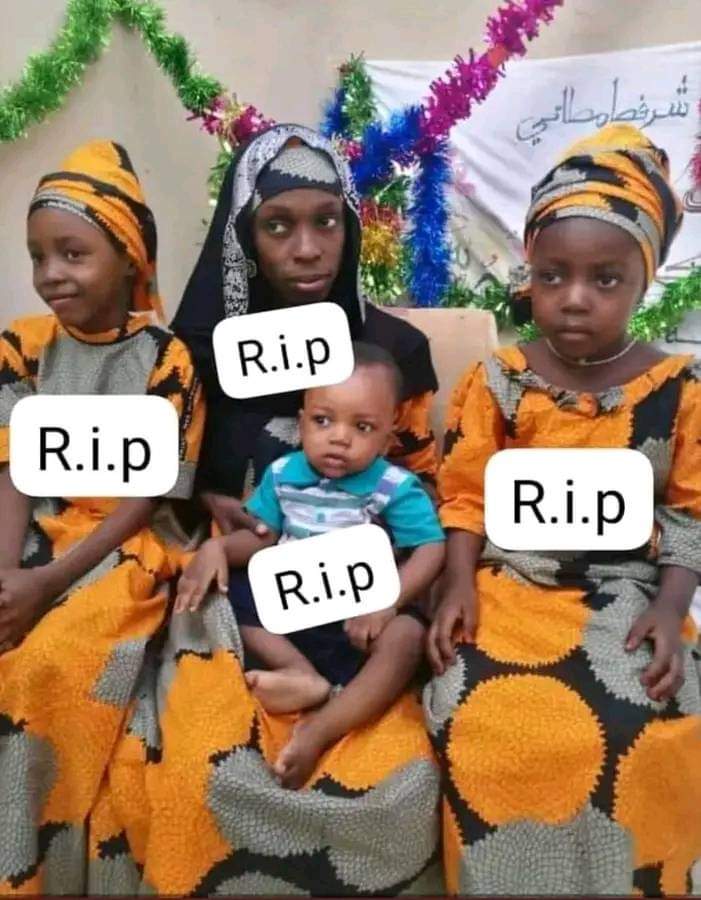
The people of the Agadasawa community in Kano State were in profound mourning after a fire broke out and destroyed a house, killing a woman and her four children.
The tragic incident, which has sparked sympathy from thousands of people across the state, was said to have occurred at midnight on Wednesday while the deceased were asleep.
The deceased, Zainab, and her four children, Amatullahi, Amaturrahman, Safiyya, and Muhammad, were family members of a Kano businessman, Ado Muhammad Uba.
A relative, Jazuli Jibril Aminu, reported that the tragic incident occurred when electricity was restored and the woman forgot to turn off the refrigerator she had plugged in, which caused the gas cylinder to explode.
According to Aminu, Zainab frantically tried to save her children from the fire, but her efforts were sadly in vain.
“Upon realising the fire outbreak, the mother, in her attempt to rescue her four children, couldn’t see the way.
“So, being a mother, she decided to put all the children beneath her so that the fire could burn only her.
“Sadly, all the clothes she was wearing burned in her body, and the children also got burned,” Aminu disclosed.
Attempts to save the victims were in vain
Aminu, who described the incident as a terrible tragedy, said the victims were rushed to the Murtala Muhammad Specialists Hospital.
However, one of the children sadly passed away on the way to the hospital.
Two days later, two more children followed, leaving only their mother and one child.
While receiving treatment, Zainab, the mother, also passed away on Friday, and the last child died the following day.
My cousin is in a state of complete family loss
“This family belongs to my cousin, who, Allah the WISEST, tested with a complete family loss. The husband, Baba Ado, had gone to work in another state when he tragically lost his entire family.
“Baba Ado is now left with neither family nor wealth, for everything in the house has burned to ashes. Ya Rabb, Ya Rahman, and Ya Razzaq, come to the rescue of Baba Ado. This is a very serious test. Please, brothers and sisters, pray for them and Baba Ado.”
Pray for me and my family—husband
Ado Muhammad, the husband, found it difficult to speak in detail about the incident when he was contacted by the Daily Reality.
Muhammad rather pleaded with people to include him in their prayers so that he could cope with the loss and to also pray for his family members.
He said, “I take this as a test of faith. So, I ask my fellow Muslims to pray for me so that I can cope with this loss and pray for my family.”
Why the North needs to stand for Abba Gida-Gida
By Sani Umar Adamu
It’s said “An injustice to one is an injustice to all”. The cursory in justice would be an insincere simulacrum that spells the rogue society, but only to who knows must say the least. Going by the saying ‘what the heart thinkenth the tongue speaketh’ with all viable indications the awaiting judgement would not serve and do away with stud whom were racing to twist the world known mandatory, just on the floor of pristine judgement which by the way would be the Nigeria’s biggest justice robbery.
Abba was returned elected and officially declared winner by the INEC, the election which was supervised by both the internal and external observers was believed to be freed from any howl, in fact; it was an afflatus to stimulate by other states. Only greedy and depredator would cease the rectitude of the election and thinkenth to reverse the will of millions. We have known that the only substitute to the lies and unfairness is shaping the mendacity to bring in seizing, itch and threatening of the democracy.
We became tootles in reticent the voices of our concern are in taciturnity where we no longer feel the pain in others; the pain of my neighbor is no longer threatening, as if telling the truth is synonymous to being a workshy. The naked truth has become something invisible – that which can not be seen simply because the ambitions and hopes are tied to president’s apron string. To cleanse the Augean stable – we definitely need to voice up our concern learn from the history of Hercules who was to clean the stables of Augeas King of Elis in which were 3000 oxen and which stables had not been cleaned for thirty years. Hercules performed the task in a single day by leading the rivers Alpheus and Peneus through the farmyard… this is to show how quality of trusting and voicing the concern is. So on no account we should lay out our hands, our voices and our fortitude to this least moiety-imballlance we have received from the judgement of the Kano state governor. With menacle or co-adjutor, with wantonness or pride we all have to coalesce to break the unspeakable inept trench drawn between justice and injustice.
To secret or not to do the Injustice is lethal and apparently we shouldn’t live in negation to it’s very existence, the wrath horror would summon the every existence of our survival. And when the fury unleash it wouldn’t spare the opulents or the one in abject poverty we all be the receiving edge and in the midst the pollutants disseminate the unity in our lands and finally mock the affirmation of our peaceful coexistence.
A close shave to this prospicience is to replete the almost will of justice towards its impartial equilibrium. That’s the Justice must be served in no conjunction or appeliation to party membership, it should be served on the ground of impartiality. The crooked or inanimate cupidity to topple the incumbent and democratically elected Governor will be checked and stopped on the spot. It’s truly beyond comprehension to figure out why all this hatred in the name of polity? Comparisons are odious, and an empty bag will not stand upright. Decisively this justice miscarriage sensed the intended failure to oust the duly elected Governor. At length the plutocracy is in sight and this will bring the collapse of our youngish democracy and it’s an injure to the prescribed rule of law and when this happens just wait for the time to commiserate the down fall of the entire system at large.
Sani Umar Adamu (Kawun Baba) can be reached via umarhashidu1994@gmail.com.
 | ReplyForward |
Charms against bullets
By Bilyaminu Abdulmumin
Guns are the enigmatic force that charm practitioners, all over the world, have been trying to crack since time immemorial. There was no length these charm practitioners didn’t go to contain this mysterious “oyibo” invention. In 2017, Daily Trust reported an awful story about a member of a Vigilante Group in Katsina and his quest for bullet charm. This lad was said to test the charm while in the middle of the vigilante gathering, so in a show of bravery and gallantry, he wrapped himself up in the charms, did incantations, picked a dane gun, and fired on himself. He died instantly!
Coincidentally six years later two similar stories shook the internet. One was in Bauchi State. According to an interview by the Bauchi police in the viral video of the purported spiritual helper, luck ran out of them. As he was testing the charm on his client the bullet pierced the helper’s stomach. The second incident, all the way in Ghana, but this time around it was gang members who claimed to have gotten the charm against the bullet, so this too, when testing the charm against one of them he immediately kicked the old bucket. Why is the constant desperation going unorthodox ways for bulletproof when it could be easily achieved when tuned to science’s endless ways?
Bulletproof materials are simply materials fabricated using layers of strong fibers. The fibers that are strong enough can “catch” and deform a bullet, mushrooming it into a dish shape and spreading its force over a larger portion of the fiber materials. In other words, fiber materials like vests could absorb the energy from the deforming bullet, bringing it to a stop before it can completely penetrate the textile matrix. There are fibers everywhere including heaps of waste along the roadsides in our cities, this could be harnessed for such purposes. Some time ago, I heard in an interview from one Nigerian student who was working to harness the fibers in chicken feathers to develop a bullet vest. This student further elaborated the idea behind the bulletproof in another way, he said strong fibers arranged in a particular way act like black hole phenomena, the concept that was revolutionized by the greatest 21st theoretical physicist, Sir Steven Hawking.
A black hole consumes any force that comes close to it without a trace. So a carefully prepared fiber material has this awesome feature. I wish I could learn further where the idea of this student has gone. Perhaps for the show of bravery and gallantry the charms practitioners want it natural, without the use of any vest. Then they should cry no more because there is equally a research in this direction. This involved directly engineering human skin to deflect the bullet. In the Netherlands, another student researched this by bioengineering a small sample of human skin to include spider silk between its layers. The Netherlands Forensics Institute has test-fired low-speed rifle bullets at it, and shown that it halts them.
So, it’s up to researchers to pick up from here by bioengineering human skin with spider silk for higher rifle endurance. The sons of slain victims of bullet charm would have very good motivation to continue with this research. Whenever it comes to bullet charm, Bokero’s legacy stands out. Bokero claims to be possessed by snakes, as a result, he became known for assisting with every spiritual help. So when the East African countries, Tanzanians and co, grew impatient with German colonial rule, back early in the 1900s, they turned to Bokero for help. He provided them the war medicine, according to Bokero the concoction would not only protect them from the German bullets but would turn the bullet into water, motivated by this new charm, these zealots would confront German firearms. May the souls of about 300,000 rest in peace.
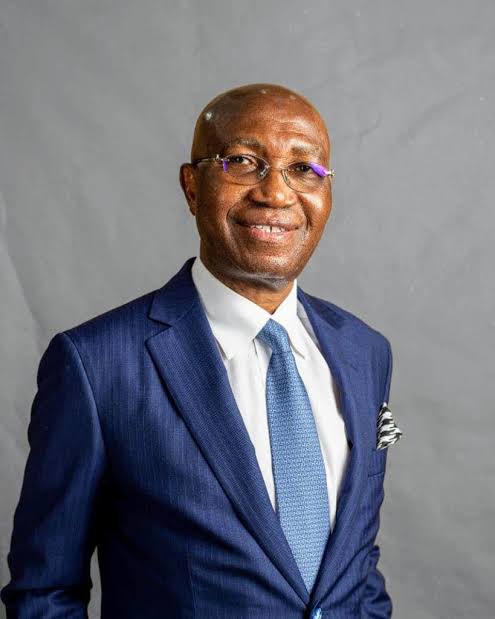
Kano Governor files appeal against tribunal ruling, claims error in ballot analysis
By Sabiu Abdullahi
Governor Abba Yusuf of Kano state has filed an appeal at the Supreme Court challenging the decision of the Kano State Governorship Election Petition Tribunal.
The tribunal had declared Yusuf Gawuna of the All Progressives Congress (APC) winner of the March 18th, 2023 election, deducting over 165,000 votes from Yusuf’s tally due to alleged lack of proper endorsements on the ballot papers.
In a notice of appeal filed by his lawyer, Wole Olanipekun, SAN, Yusuf argues that the tribunal made a significant error in its analysis of the evidence presented by the APC.
According to the appeal, the analysis conducted by the APC’s own witness only identified 1,886 ballots without proper endorsements, a stark contrast to the 165,616 deducted by the tribunal.
The appeal argues that the tribunal erroneously deducted over 165,000 votes from Yusuf’s tally due to a misunderstanding of the evidence presented.
It claims that the analysis conducted by the APC’s witness identified only 1,886 ballots lacking proper endorsements, significantly less than the number deducted.
The appeal further clarifies that even among the ballots flagged, many had partial endorsements like signatures or stamps, not justifying their complete removal.
The appeal emphasizes that all the disputed ballots carried official markings like the INEC logo, coat of arms, and serial numbers, confirming their legitimacy.
Governor Yusuf’s legal team is confident that the Supreme Court will recognize the errors in the tribunal’s decision and restore his rightful victory.
The outcome of this appeal will have significant implications for the political landscape of Kano state and could set a precedent for future election disputes.
The Supreme Court is yet to schedule a hearing for the appeal.
Both parties will present their arguments to the justices, who will then issue a final ruling on the matter.

Mass comm graduates, wake up
By Hauwa Isa Dogo
With sadness, I respectfully write to advise the potential and graduate students of Mass Communication about the positive potency of being practicable in their respective fields of specialisation before or after graduating. Instead of remaining stagnant without practice—despite acquiring the certificate and the knowledge consumed in school, one could sadly find a Mass Communication graduate who cannot compose a paragraph of composition. This is quite sad, I must say.
However, many governmental and non-governmental agencies attend the newspaper pages where people’s opinions are published to see the possibility of hiring professional and consistent writers with expertise in their respective fields—Mass Communications in question.
Sadly, most of the time, the space purposely reserved for publishing people’s views is flooded with writers not specialised in mass communication. And that prevents field professionals from having the chance of being hired or employed by the organisations above.
Why shouldn’t they—the mass communication professionals—always live according to their area’s customs by actively practising their field of expertise to promote their area of creativity? This sounds like a mechanism for playing with their already-acquired certificates while their country needs them!
Therefore, I encourage—though challenging—you to wake up and work with reality by heeding my word of caution.
Hauwa Isa Dogo wrote from the Department of Mass Communication, University of Maiduguri.

A new era for higher education in Nigeria
By Nusaiba Ibrahim Na’abba
In his inaugural professorial lecture, Professor Muhammad Muftahu addressed the need for the institutionalisation of higher education as a field of study and professional practice in Nigeria. This came amidst increasing debates about skills over degrees or vice versa and other higher education problems that continue to stunt the growth of education in Nigeria.
In the lecture, which took place on November 14, 2023, at Kaduna State University, Prof. Muftahu disclosed the massive strategic importance of higher education in the development of Nigeria. He had served in various capacities as a professional higher education consultant and researcher. In his journey, he has navigated the multitude of intricacies of the discipline while teaching revered values in various institutions and organisations around the world.
In the years of my professional engagements with Prof. Muftahu, particularly in higher education research, article writing and research reviews, we have both documented facts and valuable insights that have given higher education the needed spotlight. Today, the sum of the knowledge I have gained has eased my current engagement as a content writer at a higher education institution. Prof. always insisted that we had learned from each other until my contracted work arrangement elapsed.
The higher education field is an essential asset to Nigeria’s all-round development, as he highlighted while delivering his lecture titled ‘Institutionalizing Higher Education as a Field of Study and Professional Practice in Nigeria’. It solidifies and amplifies every element purposely chosen to support general development by promoting economic growth and social progress, among other pillars that ensure the thriving of societal development.
Higher education is a multilayered field of endeavour. Existing therein are all tertiary institutions of learning, comprising mono-technics, polytechnics, colleges of education, centres of excellence in research, and universities, among other tertiary structures, not forgetting higher education programs. They are solely established to enable the production of new knowledge through skills, innovation and value-based education. This is necessary to keep steering the affairs of the country towards betterment and advancement.
Growing recognition of the importance of the field, growth and diversification of Higher Education Institutions, the influence of technology, the impact of policy and politics, and the globalisation of higher education are among the major components that transform research and studies in the higher education discipline. These components must be creatively streamlined into the higher education system to institutionalise its practice in full capacity.
Prof. Muftahu’s inaugural lecture comes at a time when the Academic Staff Union of Universities (ASUU) and the Nigerian government have sharp disagreements over the autonomy of universities, the Integrated Payroll and Personnel Information System (IPPIS), the allowances of lecturers and notably the ‘Japa syndrome’ that has infested the universities. By the day, resourceful researchers in Nigerian universities seek lucrative, greener pastures abroad. Hence, they are trooping en mass to other countries, leaving behind the slowly decaying and pathetic system at home.
According to Muftahu, “Certainly, governance issues in higher education play a significant role in developing higher education practice in Nigeria. The lack of promotion of evidence-based policies and programs in higher education, as well as throughout the system, contributes to the difficulties in developing a strong pool of higher education researchers in Nigeria.” With the ‘Japa syndrome’ overwhelming the system, organising the strong pool of professionals dedicated to higher education research can be herculean.
The new era of higher education can be achieved through institutionalising it as a professional practice and a field of study in Nigeria. And doing that surely needs a redefined and robust approach. Critical areas that should be highly prioritised to elevate the status quo of higher education include higher education research and policy development, leadership, professional practice, a national strategic action plan and the establishment of a national institute for Higher Education research.
Higher education is a holistic collection of programs and institutions that serve as a think tank for every nation’s development. In advanced countries and developing ones like the US, Malaysia, Singapore, etc., higher education proudly supports decision-making at all levels of governance and public engagement with research and innovation. With the institutionalising of higher education using the key aspects, they have achieved a phenomenal transformation and development.
For Muftahu, “Without a doubt, a country’s overall development depends on the strength of its higher education system, which is heavily reliant on the presence and contributions of higher education professionals”. But, adapting to the contemporary practices of advancing higher education in Nigeria will be tricky.
In fact, with the current hike in university tuition, the tertiary education system is deterring youth from pursuing careers. This will also stagnate the development of a pool of resourceful higher education professionals that can ably streamline global best practices in the country’s education sector.
Nigerians are always on the search by global companies, research institutes, and other prominent organisations, courtesy of their well-regarded knowledge and abilities. A strategic national higher education roadmap is desperately needed to save the experts from trooping out of our country.
It is high time to stop the dramatic display of theatrics by the Nigerian government concerning higher education matters with evidence-based policies at institutional and national levels. These policies and programs can only be achieved by acknowledging the importance of skilled professionals in pursuing higher education excellence and values.
Nusaiba Ibrahim Na’abba is a content writer at Skyline University Nigeria (SUN). She obtained a degree in Mass Communication and a Master of Communication Studies. She is also a communication researcher and freelance writer.

Pastor arrested for killing wife
By Ahmad Deedat Zakari
A pastor of the Christ Apostolic Church, Abiodun Sunday, has been apprehended by the police in Ekiti State for the alleged murder of his wife.
The Ekiti State Police Command’s spokesperson, DSP Sunday Abutu, confirmed the murder of the pastor’s wife, Tosin Oluwadere, in Ido-Ile in Ekiti West LGA of Ekiti State on Thursday.
The police spokesperson further disclosed that the suspect is in the custody of the police and that an investigation into the murder is ongoing.
It was gathered that the suspect is both a pastor and a herbalist.
A brother of the deceased, Mr. Samuel Ibironke, alleged that, “After killing my sister, he called my wife who is a health worker to come and assist him, only for my wife to get there and discover that he strangled my sister to death.”
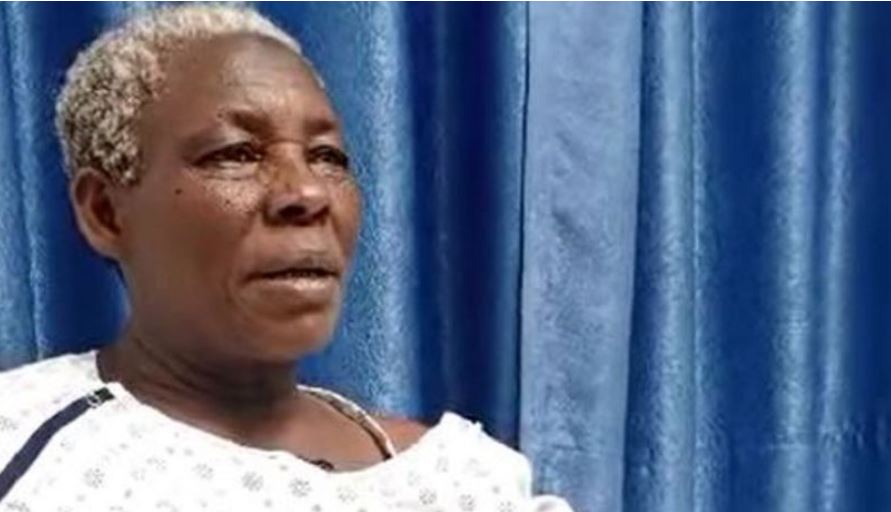
Mystery as 70-year-old woman gives birth to twins through IVF
By Sabiu Abdullahi
A 70-year-old Safina Namukwaya has made history in Kampala, Uganda, becoming the oldest woman in Africa to give birth to twins through in vitro fertilisation (IVF).
Namukwaya, who underwent a successful caesarean delivery at the Women’s Hospital International and Fertility Centre in Kampala, welcomed a healthy baby boy and girl on Wednesday.
Medical professionals at the hospital have confirmed both Namukwaya and her newborns are in good health, highlighting the story as not only a medical success but also a testament to the strength of the human spirit.
Speaking to a privately owned NTV channel, Namukwaya shared the challenges she faced during her pregnancy, including complications and the absence of the father of her children.
Despite societal judgments and hardships, Namukwaya expressed her gratitude, stating, “Many people judged and abused me for being barren, but I decided to leave everything to the Almighty God who has finally answered my prayers.”
This isn’t Namukwaya’s first journey into motherhood at an advanced age; she had her firstborn, Sarah, in 2020.
While cases like Namukwaya’s are rare, it echoes a similar instance in 2019 when Erramatti Mangayamma from India gave birth to twins through IVF at the age of 74, becoming the world’s oldest mother.
Namukwaya’s story serves as an inspiration, showcasing the triumph of hope and determination in the face of societal challenges and personal struggles.
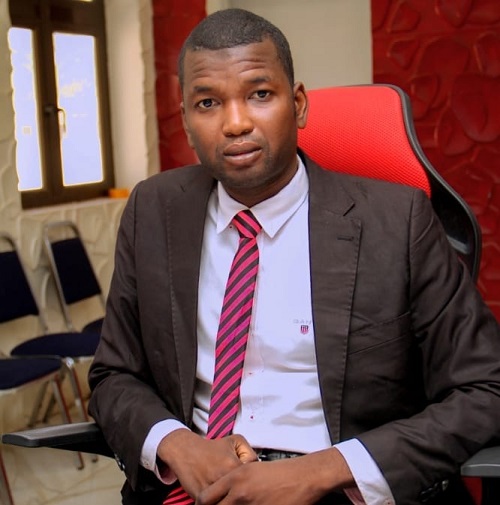
Kano State’s scholarship debacle: Outstanding fees leave bright minds in limbo
By Dr Sagiru Mati
I was one of the beneficiaries of the 501 Scholarship Scheme during the Kwankwaso-Ganduje administration in 2012. Eleven of us were selected to pursue Master’s Degrees in Civil Engineering, Economics, and Software Engineering at Near East University. All expenses for tuition, accommodation, meals, a monthly stipend of four hundred US dollars ($400), flight tickets, and other necessary costs were covered and transferred to the university’s account. Towards the end of our program, an additional one thousand US dollars ($1,000) per person was also provided as a ‘thesis allowance.’ We are grateful to the Kano State government for this, and we hope that all scholarship schemes can be as hitch-free as ours.
Upon completing our master’s programs, approximately 50 students of Kano origin, primarily teenage girls, were transferred from India to Near East University. Additionally, a new group of undergraduates and post-graduates were granted scholarships under a new program initiated by the Ganduje-Hafiz administration. Unlike us, their fees and stipends were to be paid in instalments. Unfortunately, they faced numerous challenges, including delayed monthly stipends, despite their dedication to bringing pride to their parents and Kano State through hard work.
They comprise individuals holding PhDs (11 males and 1 female) and an MSc (1 female), alongside 47 undergraduates in Medicine (29 females and 5 males), Nursing (8 females and 2 males), Pharmacy (2 females), and Dentistry (1 female). In summary, there are 47 undergraduates and 13 postgraduates. These students showcased exceptional brilliance, making significant strides in their respective fields of study. Notable among them is Dr. Sani Isah Abba, the top PhD graduate in 2020, a distinguished researcher, and among the top 2% of world researchers in Artificial Intelligence. Assistant Professor Abdullahi Garba Usman stands out as the first postdoctoral scholar at Near East University, honoured with the Young Scholar Award, boasting over 800 citations.
Moreover, a married couple, Drs Auwalu Saleh Mubarak and Zubaida Said Ameen, received recognition from Near East University for two years in a row for their remarkable contributions to Biomedical Engineering research, accumulating hundreds of citations under their belts. Dr Rabiu Aliyu Abdulkadir is notable for having amassed more than 500 citations. At the same time, Dr. Abdulmalik Ahmad Lawan specialises in utilising technology for assessing autism spectrum disorder, and Dr. Umar Aliyu Shuaibu excels as an expert in assessing economic policy.
Similarly, the top three graduating medical students were Dr Ismail Adnan, securing the first position; Dr. Khadija Yusuf, ranking second; and Dr. Amina Aliyu Sambo, claiming the third spot. Likewise, Aliyu Nuhu Salihu distinguished himself as the top graduate in Nursing.
Despite these achievements, the Kano State government has not settled their tuition fees, stipends, and airfare for their return home. They were compelled to arrange their own means to travel back home. Near East University has withheld their certificates since 2019 due to the outstanding fees, which have escalated from around two hundred million Naira (NGN200,000,000) to approximately eight hundred million (NGN800,000,000) due to the depreciation of the Naira. Any further delay may increase this amount.
I have often pondered the following questions: Could it be because resolving their issues wouldn’t enhance political popularity? Is it because they don’t belong or lack connections to political families? Is it because there’s nothing in it for the government officials? Is it because the government lacks the funds to settle the debt?
I implore the government to act with compassion and understanding to settle this debt and safeguard the future of these bright minds before it becomes irreparable. They have demonstrated unwavering dedication to their education, and they deserve to have their achievements celebrated through the issuance of their certificates. The government should honour its commitment and restore the hope once ignited in these aspiring scholars’ hearts. They deserve the opportunity to reclaim their futures, proudly display their certificates, and embark on the careers they have diligently prepared for. Furthermore, Kano State needs human resources, predominantly female medical doctors in our hospitals and lecturers in our universities.
Sagiru Mati, BSc (BUK, Nigeria), MSc, PhD (NEU, North Cyprus), can be reached via sagirumati@yahoo.com.
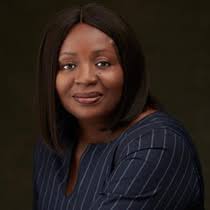
Mrs. Nkechiyelu Mba’s Diary of Excellence
By Tajuddeen Ahmad Tijjani
If excellence means possessing good qualities in an eminent degree and superiority in virtue, Mrs. Mba, the Executive Director of Cooperate Services in the Niger Delta Power Holdings Company (NDPHC), is a personification of it all. Beyond meritorious service to the nation of Nigeria, her journey has been nothing short of extraordinary, marked by unwavering dedication and exceptional achievements.
One of Mrs. Mba’s notable accomplishments has been her role in spearheading initiatives to address Nigeria’s power crisis. Through her strategic vision and tireless efforts, National Integrated Power Projects (NIPP) has been making progress in increasing Nigeria’s electricity generation capacity. Her tireless effort towards ensuring a stable and reliable power supply continues to impact businesses and households, fueling economic growth and improving the quality of life for millions.
Her leadership style has been a source of inspiration for her colleagues and subordinates. Under her stewardship, NIPP has witnessed significant improvements in corporate governance, efficacy, and transparency. Moreover, corruption and favoritism have never been her portion; she believes in merit and ability to deliver, which is the only yardstick that would propel every organization, not only NIPP.
Beyond professional feats, Mrs. Mba is becoming a champion in social responsibility, where she actively engages herself in community development projects, promoting sustainable practices, and empowering local communities. Her achievements in this regard are clear for all to see and appreciate. I can only mention a fraction of her distinct accomplishments in service to God and humanity. Through her passion for environmental conservation and social welfare, she is leaving indelible marks on the regions served by NIPP; though, NDPHC’s footprint cuts across every nook and cranny of the country.
Mrs. Nkechiyelu Mba embodies the values of integrity, excellence, and service to the nation. Her meritorious service to Nigeria in the realm of energy and corporate governance has not only transformed the power sector but also served as an inspiration for future generations of leaders. I foresee that Nigeria will attain its full potential with her caliber in the energy sector. Again, her legacy is one of unwavering dedication to the betterment of her country, making her an exceptional and revered figure in Nigeria’s history of public service. On a personal note, I cherish and adore this woman of substance, who is a mother, the voice of the downtrodden, and an inspirational leader to the unborn generation.
History is more than the path left by the past; it can influence the present and shape the future. Mommy, I’m certain that history will be kind to you.
Tajuddeen Ahmad Tijjani writes from Abuja.