

‘Kill Him!’ — IGP Disu Recalls Father’s Reaction After Son’s Arrest For Cultism
By Sabiu Abdullahi
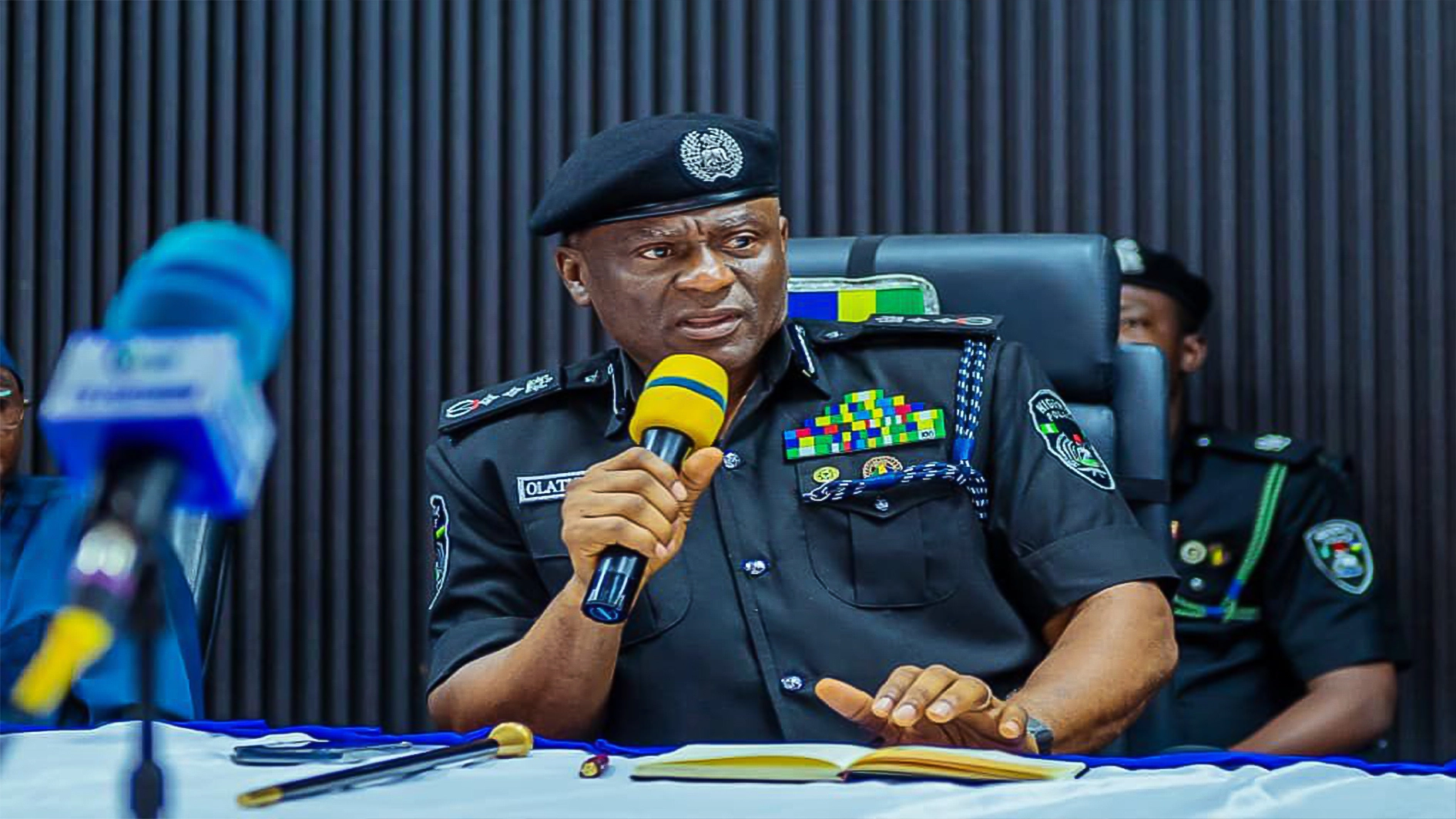
Inspector-General of Police, Tunji Disu, has recounted the unusual reaction of a retired soldier whose university-student son was arrested for cultism in Ogun State.
Disu said the retired soldier initially demanded that the police kill his son after his arrest, but returned to the police station the next morning with food for the detainee.
The IGP shared the experience on Thursday at the National Youth Leadership and Security Dialogue organised by the Nigeria Police Force at the Police Resource Centre in Jabi, Abuja.
The three-day event, which ended on Saturday, was held as part of activities to mark International Youth Day 2026. It focused on youth leadership, security, responsibility and the need to discourage violence and thuggery.
Disu said the incident happened when he was serving as a Divisional Police Officer in Ago Iwoye, Ogun State.
According to him, the retired soldier went to his office after learning that his son, a university student, had been arrested for cultism. The man asked about his son and, after learning that he was in detention, demanded that the police kill him.
“And he said, DPO, where is the boy? I said, he’s detained. He said, very good. I want you to help me to kill him.
“Kill him! That was what he said. That you must kill him. He doesn’t want him at home,” he said,
The retired soldier reportedly remained at the police station from morning until almost night, insisting that his son should be killed.
Disu said he eventually persuaded the man to go home and assured him that the police would handle the matter.
However, the father returned early the following morning with food for his son.
“And he left. The following morning, very early in the morning, he started calling me. He has brought food for his son. He brought food for his son,” Disu said.
The IGP said he intentionally waited until the afternoon before meeting the man, despite repeated calls from him.
When the retired soldier eventually entered his office, he explained that he had come to give food to his detained son.
Disu said the development made him reflect on what could have happened if the police had acted on the man’s earlier demand.
“What if I’ve killed this boy since yesterday? That is a parent for you.”
The IGP said the experience demonstrated the complex emotions that parents can experience when dealing with the misconduct of their children.
He also stressed the importance of parental responsibility in the upbringing and discipline of young people.
Disu had previously shared the same experience in a March 2025 reflection titled The First Lawmakers: My Reflection on Home, Discipline, and Duty, when he was Commissioner of Police in the Federal Capital Territory.
According to the IGP, the young man later completed his education, got married and became a father himself.
Many Die in UK Police Vehicle Crash
By Sabiu Abdullahi
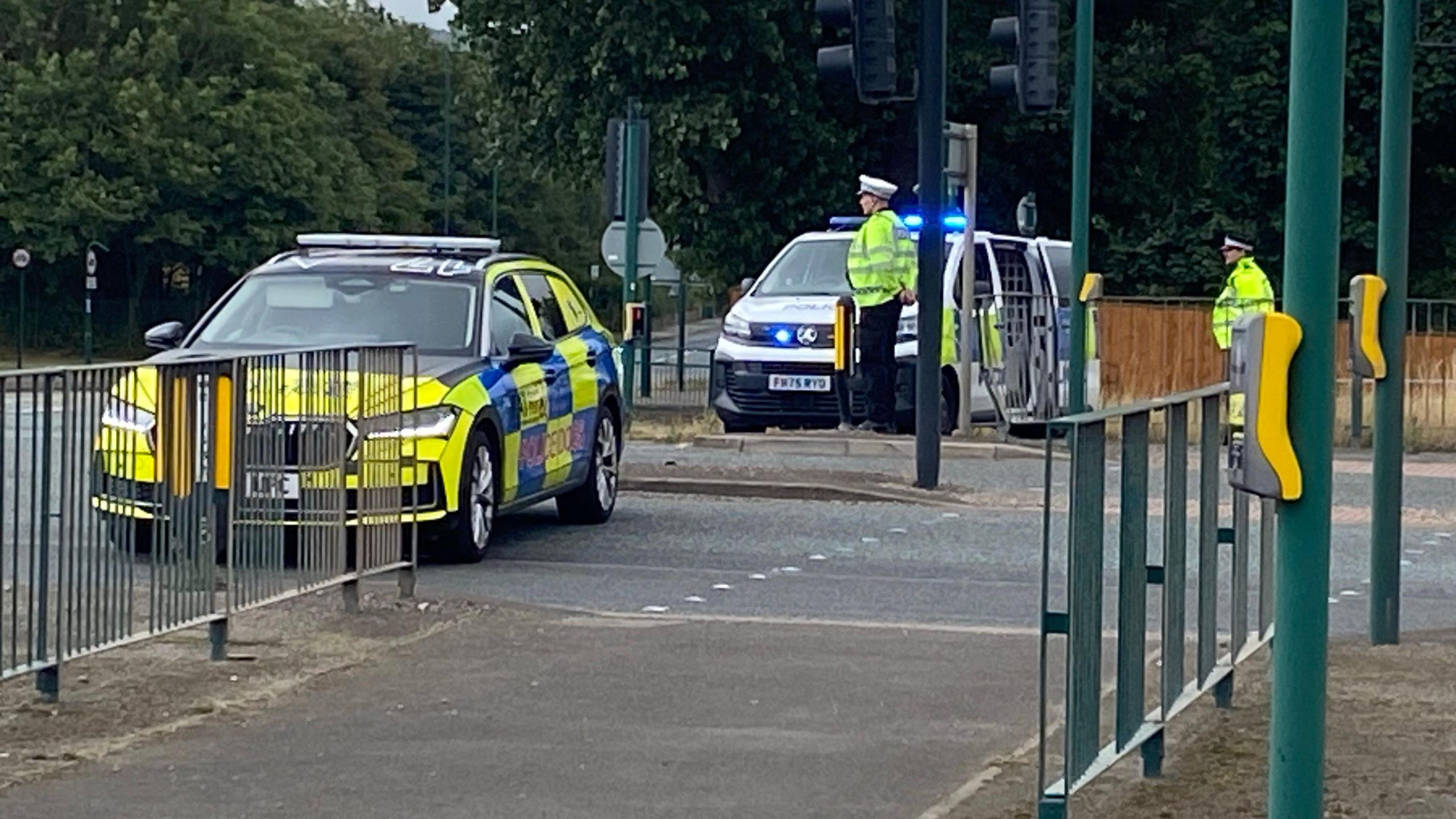
Multiple people have died after a collision involving a police vehicle and a Volkswagen Passat on a major road in northern England.
The incident occurred at about 3:39am on Saturday along the A66 at South Bank, near Middlesbrough in Teesside, according to reports by the BBC.
Cleveland Police said its vehicle was involved in the crash, while the North East Ambulance Service confirmed that three vehicles were involved in the incident.
A police spokesman said: “Sadly, the collision has resulted in multiple fatalities. We are working to identify the victims and contact their families.”
The police said the A66 remained closed in both directions between Normanby Road and Church Lane. The closure was expected to last “for some time” as emergency personnel continued operations at the scene.
The force described the situation as “quickly evolving” and appealed to members of the public to “respectfully avoid speculation” while investigations continued.
The North East Ambulance Service said 14 ambulances were dispatched to the scene. The service added: “Sadly, despite the best efforts of everyone attending, a number of patients died at the scene.”
It further stated: “We send condolences to all of those affected by such a tragic event and thank everyone for all they did to help.”
Authorities were yet to release the identities of those who died, while investigations continued to establish the circumstances that led to the collision.
The public was advised to avoid the affected section of the road and use alternative routes as emergency services remained at the scene.
Tinubu Unveils APC Campaign Council for 2027, Appoints Yari as DG
By Abdullahi Mukhtar Algasgaini
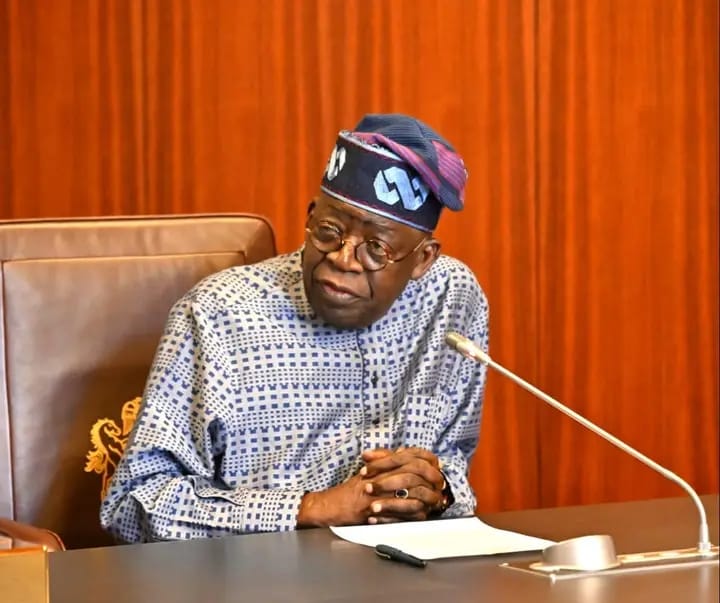
President Bola Ahmed Tinubu has officially inaugurated the All Progressives Congress (APC) Presidential Campaign Council, naming former Zamfara State Governor Abdulaziz Yari as Director-General and Governor Hope Uzodimma as Secretary.
The announcement, made on Saturday, August 22, 2026, establishes a comprehensive structure to steer the party’s re-election bid in the January 2027 presidential elections. President Tinubu will serve as Chairman of the council, with Vice President Kashim Shettima as Vice Chairman.
The campaign council’s leadership includes Party Chairman Professor Nentawe Yilwatda as Vice Chairman, while APC National Secretary Senator Ajibola Bashiru and Hadiza Bala-Usman have been appointed as Deputy and Assistant Secretaries respectively.
A distinguished body of advisers will guide the Chairman’s office, comprising Chief Bisi Akande, Chief Segun Osoba, Senator Rochas Okorocha, Senator Abdullahi Adamu, and Senator Florence Ita Giwa.
Senate President Godswill Akpabio, Speaker Tajudeen Abass, and Yobe State Governor Mai Mala Buni have been assigned as Deputy Director-Generals for the campaign in the southern and northern zones. They will work alongside Senator Bamidele Opeyemi and Senator Jibril Barau in their respective regions.
Senator Adams Oshiomhole will serve as Deputy Director-General for Mobilisation, while the President’s Chief of Staff has been appointed as Deputy Director-General for Administration.
James Abiodun Faleke, who played a pivotal role in the 2022/2023 campaign, returns as Deputy Director-General for Election Planning, Coordination and Monitoring. He will work with zonal directors across the six geopolitical zones:
1· South West: Senator Olushola Adeyeye
2· South South: Dr Ngozi Olejeme
3· South East: Senator Uche Ekwunife
4· North West: Muntaqha Rabe
5· North Central: Ahmed Muhammed Ketso
6· North East: Senator Sani Danladi
Ms Stella Okotete, Engineer Abdullahi Garba Ramat, and Audu Maikori will serve as secretaries of the election planning directorate.
Muiz Adeyemi Banire will lead the legal directorate as Director, with Dr Liman Hassan and Babatunde Ogala as deputies. Other members include Prince Lateef Fagbemi, former Governor Ibrahim Shema, Worgu Boms, and Dr Kingsley Tochukwu Udeh.
The Minister of Information and National Orientation, Mohammed Idris Malagi, will serve as Coordinating Director for Media and Strategic Communication, working alongside Dele Alake, Bayo Onanuga, and Lanre Issa-Onilu. The media directorate also includes Tunde Rahman, Sunday Dare, Daniel Bwala, and Felix Morka as coordinating deputy directors.
Abdulaziz AbdulAziz will work with Temitope Ajayi, Arabinrin Aderonke, and Frederick Nwabufor as coordinating secretaries of the media directorate. Segun Dada returns as Director of New Media, with Solomon Arowolo serving as Secretary of New Media.
The campaign has appointed five spokespersons, led by Dele Alake. Other spokespersons are Alwan Hassan, Ayobami Oyalowo, Kemi Asekun-Shittu, and Adamu Fanda.
President Tinubu has charged all council members to work tirelessly to deliver victory for the party in the January 2027 elections. He has also encouraged leaders of the various directorates to reach out to other party members who may not have been formally listed to join their crucial efforts.
“We have delivered on our campaign promises and set our country on a path of economic progress. We are definitely out of the dark tunnel and are now at the cusp of reaping the benefits of a prosperous economy that will benefit all Nigerians,” President Tinubu stated.
“As we march into the campaign season, we have many achievements to trumpet—let us confidently showcase our record and inspire hope in every corner of our nation. Let us soundly defeat all those forces who plan to take our country backwards.”
The announcement signals the formal commencement of APC’s campaign machinery ahead of the 2027 general elections, with a structure that blends experienced political operatives with strategic administrative personnel.
Customs DCG Tijanni Abe Retires After 35 Years of Service
By Sabiu Abdullahi
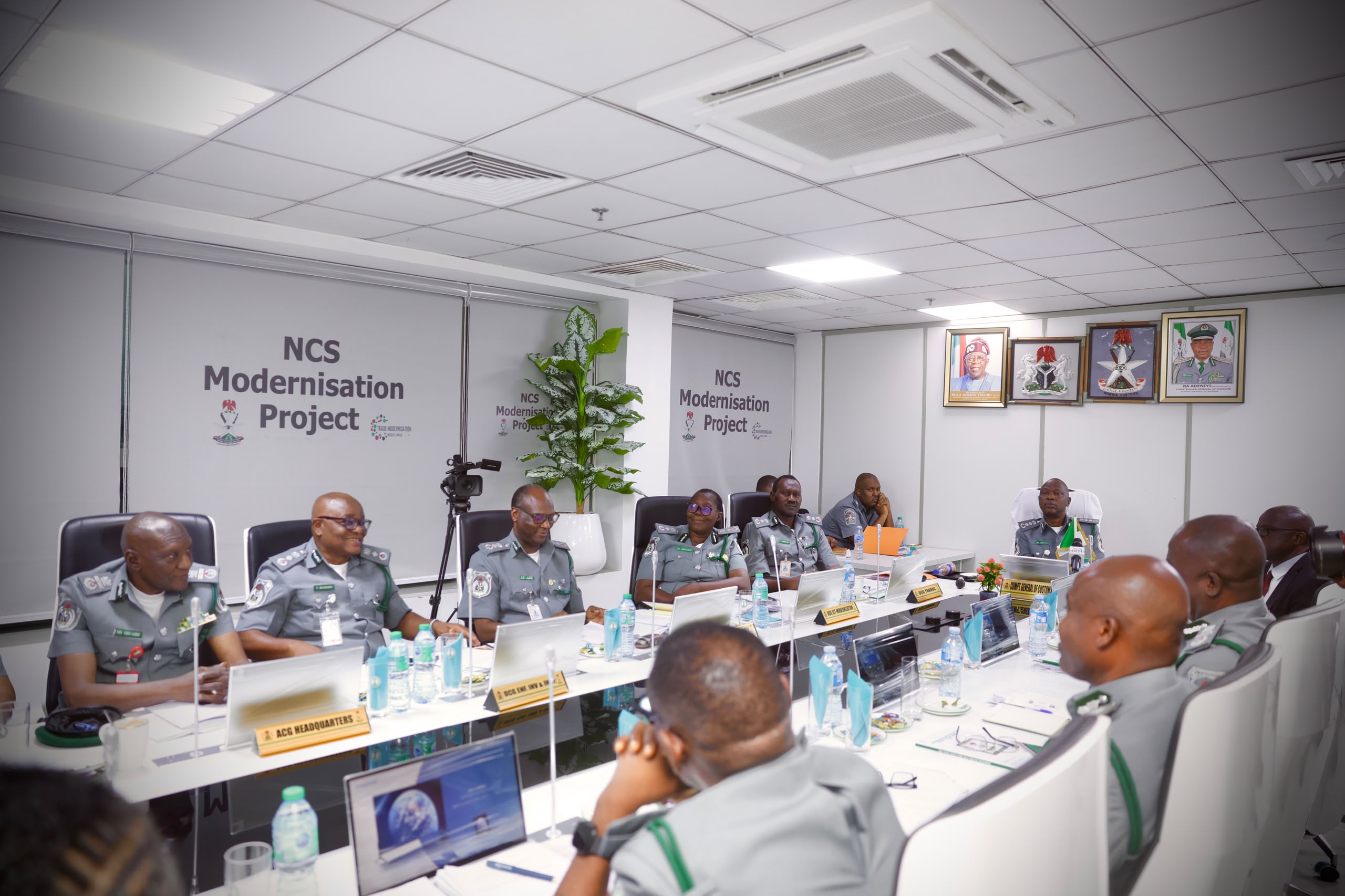
The Nigeria Customs Service (NCS) has honoured the Deputy Comptroller-General in charge of Human Resource and Development, DCG Tijanni Abe, following his retirement after 35 years of service to the nation.
The retirement ceremony was held on August 19, 2026, at the NCS Headquarters in Maitama, Abuja, with members of the Service’s Management Team in attendance.
The Comptroller-General of Customs, Adewale Adeniyi, led tributes to the retiring officer and described him as a man whose career was built on faith, composure and strong integrity.
Adeniyi also highlighted Abe’s consistent expression of gratitude throughout his years in the Service, noting that the quality reflected his character.
“You are a man of integrity and integrity pays. May God increase you in wisdom and happiness, and may your years ahead be even more pleasurable. We are all very proud of you, and we wish you well,” he said.
The CGC added that the relationships and bonds developed within the Customs Service would remain beyond Abe’s retirement.
Other senior officers who spoke at the ceremony praised the retiring DCG for his leadership style, humility and kindness. They recalled his courage, sacrifices and willingness to support colleagues throughout his career.
Several officers described Abe not only as a senior officer but also as a mentor whose conduct had influenced those who worked with him.
In his response, Abe expressed appreciation for the tributes and thanked the Almighty, the Comptroller-General and members of the Management Team for their support.
He also acknowledged the confidence placed in him by his colleagues and expressed gratitude for the opportunity to serve the Nigeria Customs Service and the nation for three and a half decades.
Tinubu Orders Arrest, Suspends Three Permanent Secretaries Over Alleged Fake Agency
By Sabiu Abdullahi
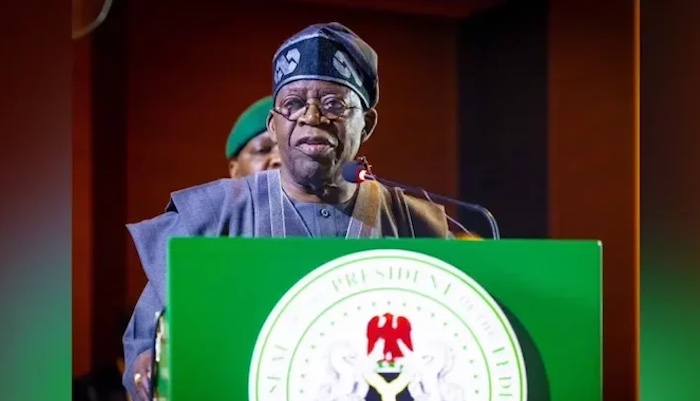
President Bola Tinubu has directed the immediate arrest of George Nwabueze over allegations that he operated a fake government agency within the premises of the Office of the Secretary to the Government of the Federation (OSGF).
The directive followed fresh findings from an investigation by the Independent Corrupt Practices and Other Related Offences Commission (ICPC) into alleged fake government agencies and weaknesses in public service procedures.
The President also ordered the immediate suspension of three permanent secretaries in connection with the latest findings from the investigation.
The development forms part of ongoing efforts to address alleged irregularities within government offices and strengthen accountability in the public service.
According to the report, the investigation uncovered concerns linked to the alleged operation of a fictitious government agency within the OSGF premises.
Further details on the identities of the suspended permanent secretaries and the specific findings against them were not provided in the report.
TheCable said more information would follow as further details emerge.
Police: Abuja Traffic Robbers Recruit Minors, Pay Them ₦500 To Distract Motorists
By Sabiu Abdullahi
The Federal Capital Territory (FCT) Police Command has raised the alarm over the alleged recruitment of minors by criminal gangs to assist in traffic robbery operations across Abuja.
The command said some of the children, who often disguise themselves as beggars, are allegedly paid between ₦500 and ₦1,000 after helping adult members of the gangs steal from motorists caught in traffic.
The FCT Commissioner of Police disclosed this during an engagement with residents, where he explained that the children are used to divert the attention of drivers while other members of the gangs target their valuables.
According to him, the minors approach motorists under the guise of seeking financial assistance, while their accomplices use the distraction to steal from another side of the vehicle.
“These children are being recruited by these bigger ones. They would be the ones that would stop the vehicle or approach you as if they are begging you for something, distracting you so that when you are paying attention to them, these other ones would be stealing from the other side of your vehicle,” he said.
The commissioner said the children receive small payments after successful operations.
“They just meet these people that if they are able to steal anything, they will just give them ₦500 or ₦1,000 for them to go and eat,” he stated.
He also disclosed that some traffic robbery incidents have resulted in serious injuries to victims.
The police chief cited the case of a woman who allegedly lost part of her ear after a robber attempted to remove her earring.
“We have gotten some of them that were responsible for removing a woman’s ear because they went to remove her earring. They pulled it and the ear was cut,” he said.
The commissioner further alleged that some of the minors were brought into Abuja from other states and left there to participate in criminal activities.
“Unfortunately, most of these children were brought in from another state and dumped here for just this purpose,” he claimed.
He explained that the police cannot prosecute the minors in the same manner as adult suspects because of their age.
Instead, the command is working with social welfare authorities to rehabilitate them and facilitate their return to their families.
“When you get them, because of their age, you can’t take them to court. But we already have a place for them with the social welfare so that they can be rehabilitated and reunited with their families,” the commissioner explained.
He added that the police sometimes obtain information from the children to trace the adults suspected of controlling the operations.
“We also talk to them and give them the same ₦1,000 or ₦500 to tell us who is sending them to do the job,” he said.
The police warning comes amid concerns over traffic-related robbery and the alleged exploitation of children in parts of the FCT.
The command said the allegations remain under investigation, while stressing the need to protect and rehabilitate minors involved rather than treating them in the same manner as adult criminals.
Kaduna Govt Dismisses Fears Of Kangimi Dam Collapse
By Sabiu Abdullahi
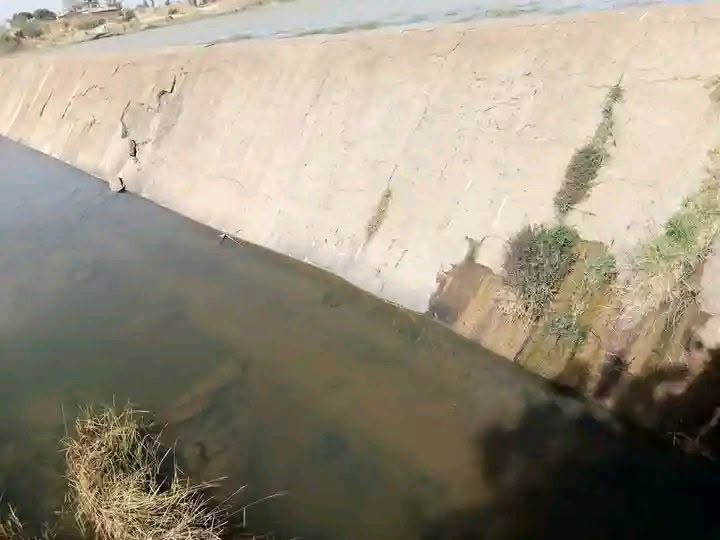
The Kaduna State Government has dismissed concerns over the safety of the Kangimi Dam in Igabi Local Government Area, saying there is no indication that the facility is at risk of collapse.
The government’s position followed concerns raised after images of structural sections of the dam circulated on social media, alongside the recent flood advisory issued by the Nigerian Meteorological Agency (NiMet) for Kaduna and nine other states.
The Permanent Secretary, Ministry of Public Works and Infrastructure, Alhaji Ashiru Abdu Na Abdu, stated this in a statement issued on Thursday.
Abdu said the structural issues shown in the images were not new. According to him, they were first identified in 2015/2016 and were linked to ageing as well as pressure caused by heavy rainfall.
He said the state government responded at the time with emergency remedial work aimed at stabilising the dam and protecting communities around it.
The permanent secretary said the facility has remained under regular observation and limited maintenance since then, with “no evidence of active structural failure.”
He assured residents that the dam remains intact, operational and capable of serving its intended purpose.
The ministry said it was also taking precautionary steps to reinforce the structure and improve its monitoring capacity.
As part of the measures, the government said it is procuring modern safety equipment, including automated water-level gauges, early-warning sirens and telemetry systems.
According to the ministry, the new equipment will support continuous monitoring of the dam and provide early alerts where necessary.
The state government urged residents to disregard claims that the Kangimi Dam is close to collapsing.
It reaffirmed its commitment to protecting communities around the facility and maintaining the dam in a safe and functional condition.
EFCC, ICPC Probe N12bn FG Fund Released To NFF
The Economic and Financial Crimes Commission and the Independent Corrupt Practices and Other Related Offences Commission have opened investigations into the management of a N12bn intervention fund released by the Federal Government to the Nigeria Football Federation.
The fund was approved by President Bola Tinubu in 2024 to settle outstanding wages, allowances and bonuses owed to members of Nigeria’s national teams.
A source familiar with the investigation told journalists on Thursday that some officials connected to the matter had been invited by the anti-corruption agencies and had made statements.
“They have been under our radar before now. We invited some officials over to our offices, and they gave their statements. Presently, they are on administrative bail. We have not ended our investigation,” the source said.
The development came to light through a response issued by the NFF to a request for access to financial records and utilisation documents linked to the fund.
The response was contained in a letter signed by Onoja Joshua, Esq., on behalf of the NFF General Secretary. The letter was dated August 18, 2026, and addressed to the Principal Partner of Cromwell & Okeke.
The law firm had earlier written to the federation on August 7, 2026, with the correspondence received by the NFF on August 11.
The request, made under the Freedom of Information Act, sought financial records and other documents relating to the N12bn intervention fund reportedly released for the payment of players’ wages and bonuses.
The federation, however, declined to provide the documents, citing the ongoing investigations by the EFCC and ICPC.
“I am directed to refer to the above subject matter and your correspondence dated 7th August, 2026 but received on 11th August, 2026,” the letter stated.
“It is my instruction to inform you that the subject matter of the request under the Freedom of Information Act is subject of investigations by the Economic and Financial Crimes Commission and the Independent Corrupt Practices and Other Related Offences Commission.
“Therefore, all documents relating to the request are before the Economic and Financial Crimes Commission and the Independent Corrupt Practices and Other Related Offences Commission.”
The Federal Government had announced the release of the N12bn in January 2024, shortly before the Super Eagles began their campaign at the Africa Cup of Nations in Côte d’Ivoire.
A statement from President Tinubu’s Media Centre said the intervention covered outstanding salaries owed to coaches of the senior national team, as well as allowances and other payments due to several national teams.
“President @officialABAT has approved the payment of N12bn outstanding backlog for Nigeria’s National teams of various sports, which includes Super Eagles and others,” the statement read.
“The payment entails the clearing of the senior national team coaches’ salaries running up to 15 months, payments of allowances and promises due to the senior national teams, women’s teams, and U-20 national team.”
Despite the intervention, complaints over unpaid allowances and bonuses have persisted within Nigerian football.
In November 2025, the Super Eagles reportedly refused to train in Rabat, Morocco, before a crucial 2026 World Cup play-off against Gabon. The players cited unpaid allowances dating back to 2019, including payments linked to achievements such as qualification for the 2025 Africa Cup of Nations and the World Cup play-offs.
In April 2026, reports also emerged that members of Nigeria’s 2023 and 2025 Flying Eagles teams were demanding about N1.5bn from the NFF.
The amount reportedly covered qualification bonuses for six major tournaments as well as pre-tournament camping allowances accumulated over about 65 days.
The latest investigation comes amid wider concerns over the management of Nigerian football. The Super Falcons recently failed to qualify for the 2027 FIFA Women’s World Cup, while the Super Eagles also missed the 2026 World Cup in the United States, Canada and Mexico.
NFF President Ibrahim Gusau, who assumed office after his election at the federation’s congress in Benin City in September 2022, is seeking another term at the proposed September 27 elective congress.
His administration has faced increasing criticism, although the NFF board has denied claims that the National Sports Commission is seeking to halt the election and establish a normalisation committee to oversee Nigerian football.
Efforts to obtain comments from the EFCC and ICPC spokespersons, Dele Oyewale and John Odey, were unsuccessful as of the time of filing the report.
Court Remands BUK Final-Year Student Over Alleged Cyberbullying of EFCC
By Uzair Adam
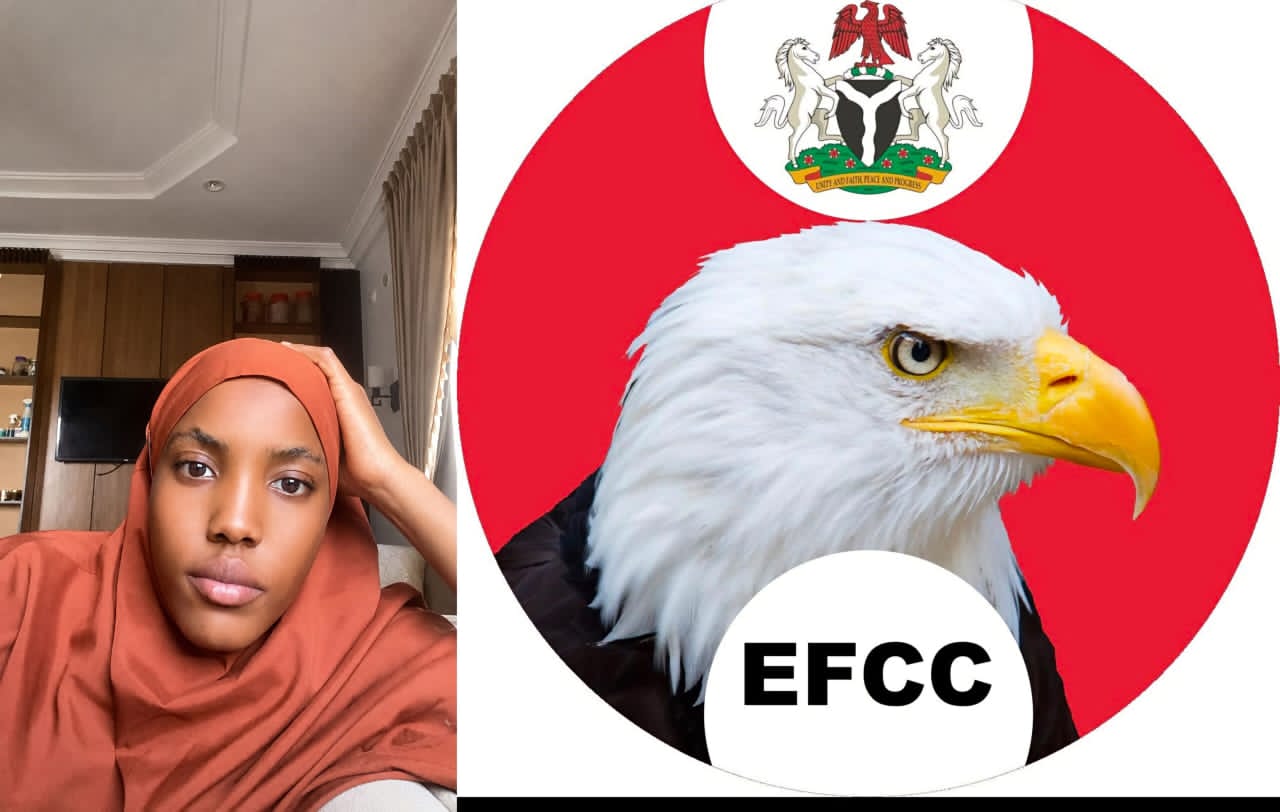
A Federal High Court sitting in Abuja has remanded Maryam Isah Shehu, a final-year student of Bayero University, Kano (BUK), in prison custody following her arraignment by the Economic and Financial Crimes Commission (EFCC) over an alleged cyberbullying offence.
Shehu, who is also identified as a Kano-based blogger, was arraigned before Justice Joyce Abdulmalik on an amended charge dated August 20, 2026.
In the charge, the EFCC alleged that Shehu, on or about June 21, 2026, intentionally published a message on her Instagram account, @maryam_shehu, which the Commission said was aimed at damaging its reputation.
The EFCC alleged that the publication claimed that its officials assaulted one Ahmed Uthman on the instruction of a zonal director who allegedly received N20 million from one Usman Iya Abbas.
The Commission said the alleged publication amounted to an offence under Section 24(2)(c) of the Cybercrimes (Prohibition, Prevention, etc.) Act, 2015, as amended in 2024, and is punishable under Section 24(2)(c)(ii) of the amended law.
The amended charge was signed by Elizabeth Alabi of the EFCC’s Legal and Prosecution Department.
The case followed allegations raised by Shehu regarding the conduct of some EFCC officials.
According to human rights lawyer Abba Hikima, Shehu was arrested in Kano and subsequently taken to Abuja after making allegations of corruption against officials of the Commission.
Hikima said Shehu was not arrested over allegations of stealing, fraud or money laundering, but in connection with a publication she made concerning the EFCC and its officials.
He further alleged that she had spent more than 30 days in EFCC custody before being brought before the court.
An account of Thursday’s proceedings indicated that Shehu had already spent close to 30 days in detention before her arraignment.
Following the proceedings, Justice Abdulmalik ordered that Shehu be remanded at the Suleja Correctional Centre pending further proceedings. She is to remain in custody until August 31, 2026.
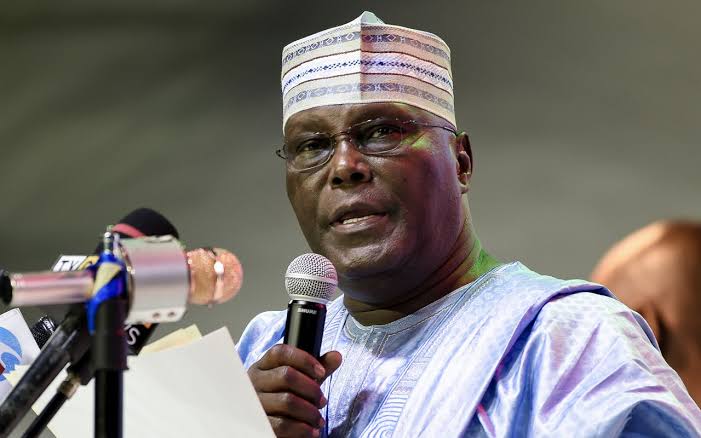
Atiku Promises To Restore Petrol Subsidy If Elected President
By Sabiu Abdullahi
Former Vice-President Atiku Abubakar has pledged to restore the petrol subsidy if elected president in the 2027 general election.
Atiku, who is the presidential candidate of the African Democratic Congress (ADC), made the declaration during an interview on Wednesday.
He said he did not oppose the removal of the subsidy but questioned how the funds saved from the policy had been used by the government.
“I did not oppose the removal of the oil subsidy, but where is the money? Where did it go? It was intended to reduce poverty and help children attend school. Where is the money now? It seems they are just stealing it,” Atiku said in Hausa.
He added, “If elected, I will bring back the oil subsidy, and whoever stole the money must refund it.”
According to Atiku, the removal of the subsidy would have been acceptable if the government had invested the resulting savings in projects that would improve the lives of Nigerians.
“The government successfully removed the subsidy, but we do not know where the money went. If they had used the money for development, to solve security problems, for education, and to create opportunities for the youth, it would be different. If elected, I can remove the subsidy and use the money to do all these properly.”
President Bola Tinubu announced the end of the petrol subsidy in his inaugural address on May 29, 2023.
The policy was followed by a sharp rise in the cost of living as petrol prices increased and the cost of goods and services rose across the country.
However, some state governors have said their monthly allocations from the Federation Account Allocation Committee (FAAC) increased considerably after the subsidy was removed.
The Minister of Finance and Coordinating Minister of the Economy, Taiwo Oyedele, said on Wednesday that the removal of the subsidy had generated N15.8 trillion in additional resources for the federation between June 2023 and December 2025.
Oyedele attributed the increase partly to higher revenue collections, particularly the naira value of transactions denominated in US dollars after the exchange-rate reforms.