
By Muhammad Abubakar
Since I came to France for work, I have been extremely cautious about criticising Israel or Benjamin Netanyahu. Often, though wrongly, people conflate criticism of an entity or a person with criticism of an idea or of an entire ethnic or religious group.
Soon after Hamas’s attack on Israel on October 7, I felt driven to write about the unresolved conflict. It was difficult to ignore the subject. Yet I was also concerned that expressing my views might affect my employment or even my residency status in France. To be certain, I reached out to our Human Resources department for guidance.
We essentially agreed on an important distinction. Israel and Benjamin Netanyahu are not the same as the Jewish people or Judaism. One can criticise the policies of the Israeli government or the actions of its prime minister without expressing hostility towards Jews or the Jewish faith. The same principle applies elsewhere. A person may criticise Saudi Arabia or Crown Prince Mohammed bin Salman without being an Islamophobe or an enemy of Islam.
This distinction is fundamental in any society that values free expression and intellectual honesty. Democracies depend on the ability of citizens to question governments, leaders and public figures. If every criticism of a political leader is interpreted as an attack on an entire religion or ethnic group, meaningful public debate becomes impossible.
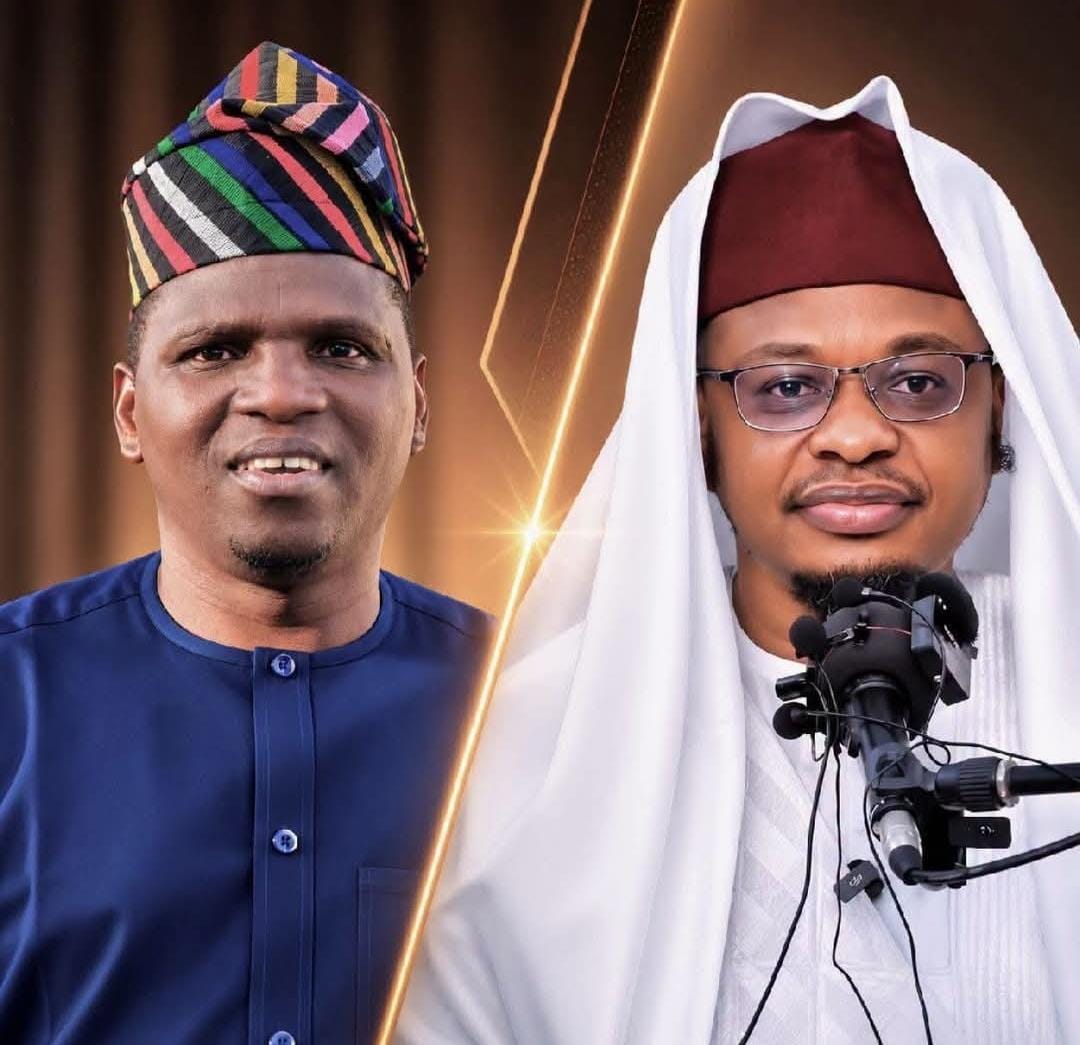
I was reminded of this principle after listening to new songs released yesterday by the Nigerian political singer, Dauda Kahutu, popularly known as Rarara. The songs appear to criticise an opposition politician in Gombe State, Sheikh Ali Isa Ibrahim Pantami, who is also a respected Islamic scholar.
Unfortunately, I have seen some people make the same mistake that often appears in discussions about international politics. They have framed criticism of Pantami as though it were criticism of Islam itself.
Pantami does not represent Islam. He is a Muslim and an influential public figure, but he remains an individual whose political choices, public statements and actions are open to public scrutiny, just like those of any other politician. Defending him is entirely legitimate, but such a defence should be based on facts, evidence and reason rather than on the assumption that any criticism directed at him is an attack on the religion he professes.
By any definition, both the singer and the governorship candidate he appears to criticise in his songs are Muslims. Neither of them represents Islam. Their political disagreements should therefore remain political disagreements. Turning them into religious disputes serves neither truth nor the public interest.
This tendency to wrap political figures in the cloak of religion is dangerous. It discourages accountability and deepens unnecessary divisions within society. Once religion becomes a shield against legitimate criticism, it becomes difficult to separate public responsibility from personal belief.
Nigeria’s diversity demands greater care in the language we use. Political competition should not be transformed into religious confrontation. Citizens should be able to disagree with politicians, governors, ministers or scholars without being accused of attacking an entire faith.
The lesson is simple. We must distinguish between people and the principles they claim to represent, between governments and the nations they govern, and between political leaders and the religions they practise. Failing to make these distinctions only fuels misunderstanding and polarisation.
Criticise ideas. Debate policies. Defend people if you wish. But let us avoid presenting political disagreements as battles for religion. In the long run, both politics and religion are better served when we keep that distinction clear.