Palestine

Rarara vs Pantami: Criticism Is Not an Attack on a Faith

By Muhammad Abubakar

Since I came to France for work, I have been extremely cautious about criticising Israel or Benjamin Netanyahu. Often, though wrongly, people conflate criticism of an entity or a person with criticism of an idea or of an entire ethnic or religious group.

Soon after Hamas’s attack on Israel on October 7, I felt driven to write about the unresolved conflict. It was difficult to ignore the subject. Yet I was also concerned that expressing my views might affect my employment or even my residency status in France. To be certain, I reached out to our Human Resources department for guidance.

We essentially agreed on an important distinction. Israel and Benjamin Netanyahu are not the same as the Jewish people or Judaism. One can criticise the policies of the Israeli government or the actions of its prime minister without expressing hostility towards Jews or the Jewish faith. The same principle applies elsewhere. A person may criticise Saudi Arabia or Crown Prince Mohammed bin Salman without being an Islamophobe or an enemy of Islam.

This distinction is fundamental in any society that values free expression and intellectual honesty. Democracies depend on the ability of citizens to question governments, leaders and public figures. If every criticism of a political leader is interpreted as an attack on an entire religion or ethnic group, meaningful public debate becomes impossible.

I was reminded of this principle after listening to new songs released yesterday by the Nigerian political singer, Dauda Kahutu, popularly known as Rarara. The songs appear to criticise an opposition politician in Gombe State, Sheikh Ali Isa Ibrahim Pantami, who is also a respected Islamic scholar.

Unfortunately, I have seen some people make the same mistake that often appears in discussions about international politics. They have framed criticism of Pantami as though it were criticism of Islam itself.

Pantami does not represent Islam. He is a Muslim and an influential public figure, but he remains an individual whose political choices, public statements and actions are open to public scrutiny, just like those of any other politician. Defending him is entirely legitimate, but such a defence should be based on facts, evidence and reason rather than on the assumption that any criticism directed at him is an attack on the religion he professes.

By any definition, both the singer and the governorship candidate he appears to criticise in his songs are Muslims. Neither of them represents Islam. Their political disagreements should therefore remain political disagreements. Turning them into religious disputes serves neither truth nor the public interest.

This tendency to wrap political figures in the cloak of religion is dangerous. It discourages accountability and deepens unnecessary divisions within society. Once religion becomes a shield against legitimate criticism, it becomes difficult to separate public responsibility from personal belief.

Nigeria’s diversity demands greater care in the language we use. Political competition should not be transformed into religious confrontation. Citizens should be able to disagree with politicians, governors, ministers or scholars without being accused of attacking an entire faith.

The lesson is simple. We must distinguish between people and the principles they claim to represent, between governments and the nations they govern, and between political leaders and the religions they practise. Failing to make these distinctions only fuels misunderstanding and polarisation.

Criticise ideas. Debate policies. Defend people if you wish. But let us avoid presenting political disagreements as battles for religion. In the long run, both politics and religion are better served when we keep that distinction clear.
Israeli Settler Defends Killings in Gaza, Claims One Israeli Is Worth More Than 10 Million Palestinians

By Sabiu Abdullahi

An Israeli settler has defended recent attacks on Palestinian communities in the occupied West Bank, describing them as justified retaliation after the killing of a security guard from the Havat Gilad outpost.

The remarks came during an interview with the BBC, which gained rare access to Havat Gilad, an Israeli settler outpost located deep inside the occupied West Bank.

Violence escalated in the area last weekend after an Israeli security guard from Havat Gilad died during a confrontation between Israelis and Palestinians in the nearby village of Tal. Four Palestinians and one Israeli soldier also lost their lives in the incident, although reports said the circumstances that triggered the clash remain disputed.

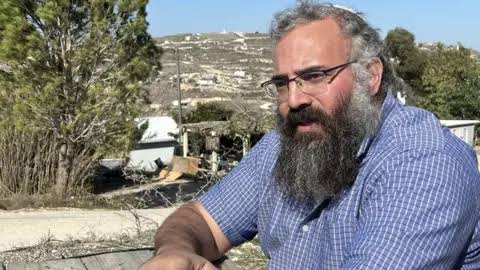
During the interview, Yehuda Shimon, a lawyer who represents Israelis accused of attacking Palestinians, defended the reprisals against nearby Palestinian villages.

“I think now, after they killed one Israeli, we need to kill all the people in Tal and Sarra, even Jit and Farata,” he said, referring to neighbouring Palestinian communities.

When questioned about equating the death of one Israeli with the lives of hundreds or thousands of Palestinians, Shimon replied: “No, millions. One Jewish life, it’s 10 million [Palestinians].”

Asked whether his comments were racist, he did not deny the accusation.

“Yes, I know,” he replied. “But this is the truth, because God chose us [and] because of this you are jealous.”

The BBC noted that such views are rejected by many Israelis. However, it said they help explain the growing tensions in the West Bank, where Israeli settlements and unauthorised outposts continue to expand amid rising violence against Palestinians.

Many settlers in outposts such as Havat Gilad believe the West Bank was divinely promised to the Jewish people. International law considers both authorised Israeli settlements and unauthorised outposts in the occupied territory illegal.

Shimon dismissed international legal objections. He argued that biblical claims supersede international law. He also criticised the Israeli government and military, claiming they have not done enough to support Jewish claims to the land.

“The Israeli government and the Israeli army, they like the United Nations – if Palestinians come and Jewish people come, [they] don’t kill the Palestinians, [they] just separate the people,” he said. “Afterwards, because they don’t kill Palestinians, the Palestinians kill us.”

However, figures from the United Nations Office for the Coordination of Humanitarian Affairs (OCHA) present a different picture. According to the agency, 64 Palestinians were killed in the West Bank between the beginning of the year and July 20. It said 18 of those deaths occurred during settler attacks. At least 12 victims were reportedly killed by settlers, while three died at the hands of Israeli forces. Responsibility for three other deaths remains under investigation. OCHA also recorded one Israeli death during the same period.

The UN agency further reported that injuries caused by settler attacks have increased sharply this year, with more than three Palestinians injured each day on average.

Shimon also alleged that international media had accepted what he called the Palestinian narrative. He claimed, without presenting evidence, that Palestinians in the area were heavily armed and intended to repeat the Hamas-led attacks of October 7, 2023.

“If we don’t wake up and drop them all from this area, from all areas of Israel, even Gaza too, they will come back, and come back [again],” he said.

The report noted that Israeli settlers in the West Bank are protected by the Israeli military and local armed security units. Palestinians, on the other hand, remain under Israeli military occupation and face movement restrictions through checkpoints and road closures. Some international human rights organisations have described the system as “apartheid,” a characterisation Israel has rejected as “absurd and distorted.”

When asked about the future of Palestinians in the West Bank, Shimon outlined three options.

He said they could remain under Israeli rule, relocate voluntarily to Arab or Muslim countries, or face deadly consequences if they continued to resist.

“if you don’t want to make peace with us, and you don’t want to get out, I don’t have a choice: I must kill you, and I kill you all,” he said.

The BBC also highlighted similarities between Shimon’s views and proposals previously advanced by Israeli Finance Minister Bezalel Smotrich. Before joining the government, Smotrich proposed that Palestinians either abandon demands for statehood and live under Israeli rule, leave the territory voluntarily, or face military action if they continued armed resistance.

Meanwhile, many Palestinians living near Havat Gilad told the BBC they feel abandoned and vulnerable. They accused Israeli forces of prioritising the protection of settlers while leaving Palestinian communities exposed to repeated attacks.

“It’s a very bad situation,” one resident said. “Europe is busy, America is occupied with Iran, China doesn’t care, Russia is fighting Ukraine, the UN are finished and the Arabs have internal problems. We don’t know what we can do.”

Nearly Half of Americans Support Arrest of Netanyahu on U.S. Soil, Poll Finds

By Muhammad Abubakar

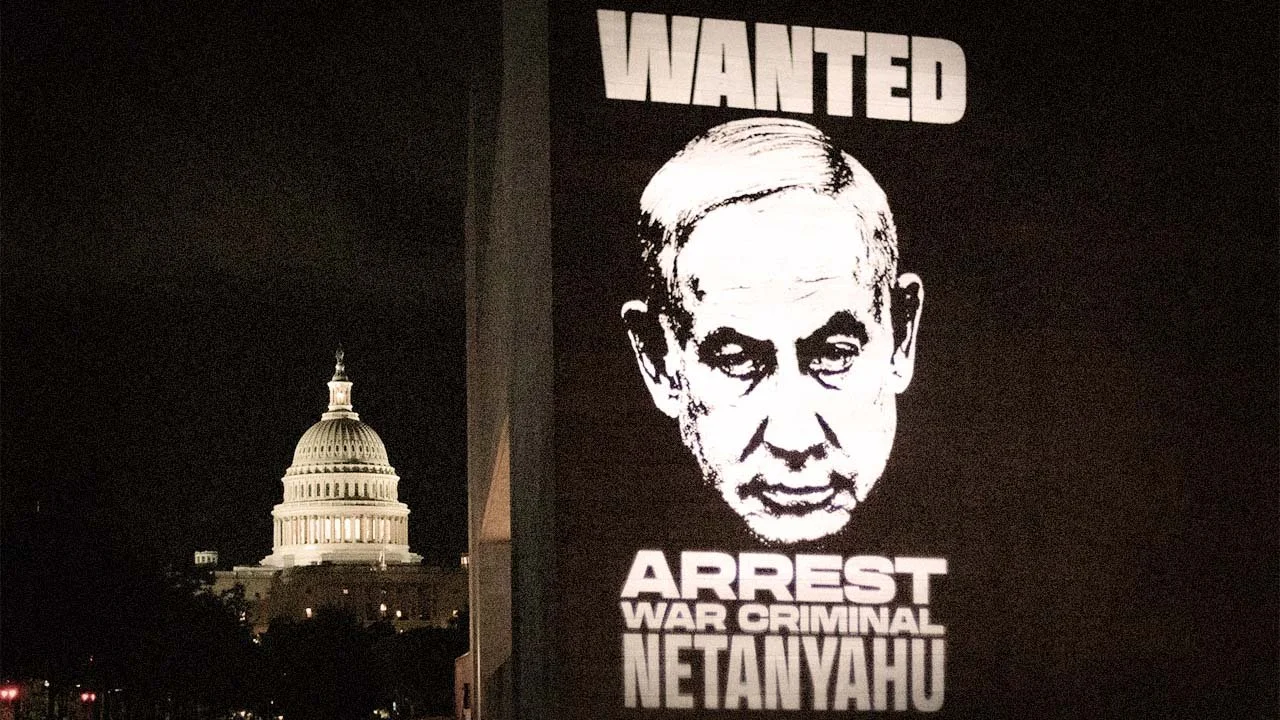
Nearly half of Americans believe the United States should arrest Israeli Prime Minister Benjamin Netanyahu if he enters the country, according to a new Economist/YouGov poll.

The survey found that 49 per cent of respondents support enforcing the International Criminal Court (ICC) arrest warrant against Netanyahu, while 27 per cent oppose such action and 23 per cent remain undecided.

The ICC issued arrest warrants for Netanyahu in November 2024 over alleged war crimes and crimes against humanity linked to Israel’s military campaign in Gaza. Netanyahu and the Israeli government reject the allegations, describing them as politically motivated.

The poll reflects growing public criticism of Netanyahu in the United States. Recent surveys have also shown declining support for his leadership and increasing concern among Americans over U.S. policy toward Israel, particularly among Democratic voters and younger Americans.

Despite the poll results, legal experts note that the United States is not a member of the ICC, making the enforcement of the court’s arrest warrant highly unlikely under current U.S. law.

Israeli Forces Kill Palestinian Goalkeeper Saleem Al-Ashqar in Gaza

By Sabiu Abdullahi

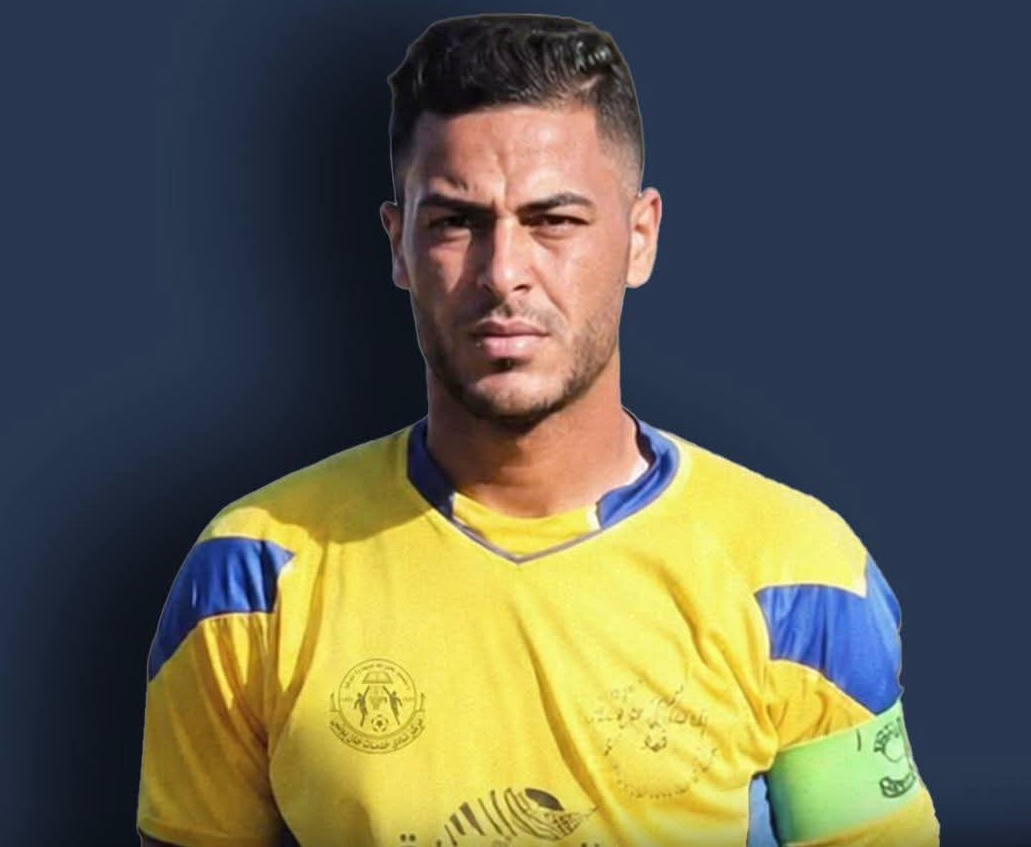
The Palestinian Football Association (PFA) has announced the death of Palestinian goalkeeper Saleem Al-Ashqar following an incident involving Israeli forces in Gaza earlier this week.

In a statement, the association said Al-Ashqar died after “fire opened by occupation forces.”

The PFA described the late footballer as one of many Palestinian sports figures who have lost their lives since the war in Gaza began in October 2023.

According to the association, more than 1,000 Palestinian athletes have been killed during the conflict.

Reports said Al-Ashqar got married five months ago, while his wife is currently expecting their first child.

His death has drawn reactions from relatives, teammates and members of the international sporting community, many of whom expressed sadness over the development.

Chilean football club Deportivo Palestino also reacted to the incident in a statement issued on Wednesday.

“We deeply mourn the tragic death of 32-year-old Palestinian goalkeeper Salim Al-Ashqar. He was killed by the Israeli army. We are deeply saddened by the continuation of such events. We call for justice and peace,” the club said.

Massie: Halt U.S. Aid to Israel for One Month and ‘There’ll Be Instant Peace’

By Muhammad Abubakar

U.S. Representative Thomas Massie has called for a temporary suspension of American aid to Israel, arguing that such a move would quickly reduce tensions in the Middle East and lower energy prices.

Massie’s remarks came in response to reports that President Donald Trump angrily confronted Israeli Prime Minister Benjamin Netanyahu over Israel’s military actions in Lebanon. According to Axios, Trump warned Netanyahu that Israel’s operations were undermining U.S. diplomatic efforts in the region and risked escalating the conflict.

Reacting to the report on social media, Massie wrote that Washington should “just withhold foreign aid to Israel for a month,” claiming the move would prompt Israel to halt military operations against its neighbours, help reopen the Strait of Hormuz, and reduce U.S. gasoline prices. He also described Israel as “the biggest welfare recipient from American taxpayers.”

Massie’s comments add to ongoing debates in Washington over U.S. military and financial support for Israel amid heightened regional tensions and concerns about the broader economic impact of instability in the Middle East.

Germany Classifies Watermelon Motif as Extremist Indicator in Crackdown on Pro-Palestinian Activism

By Muhammad Abubakar 

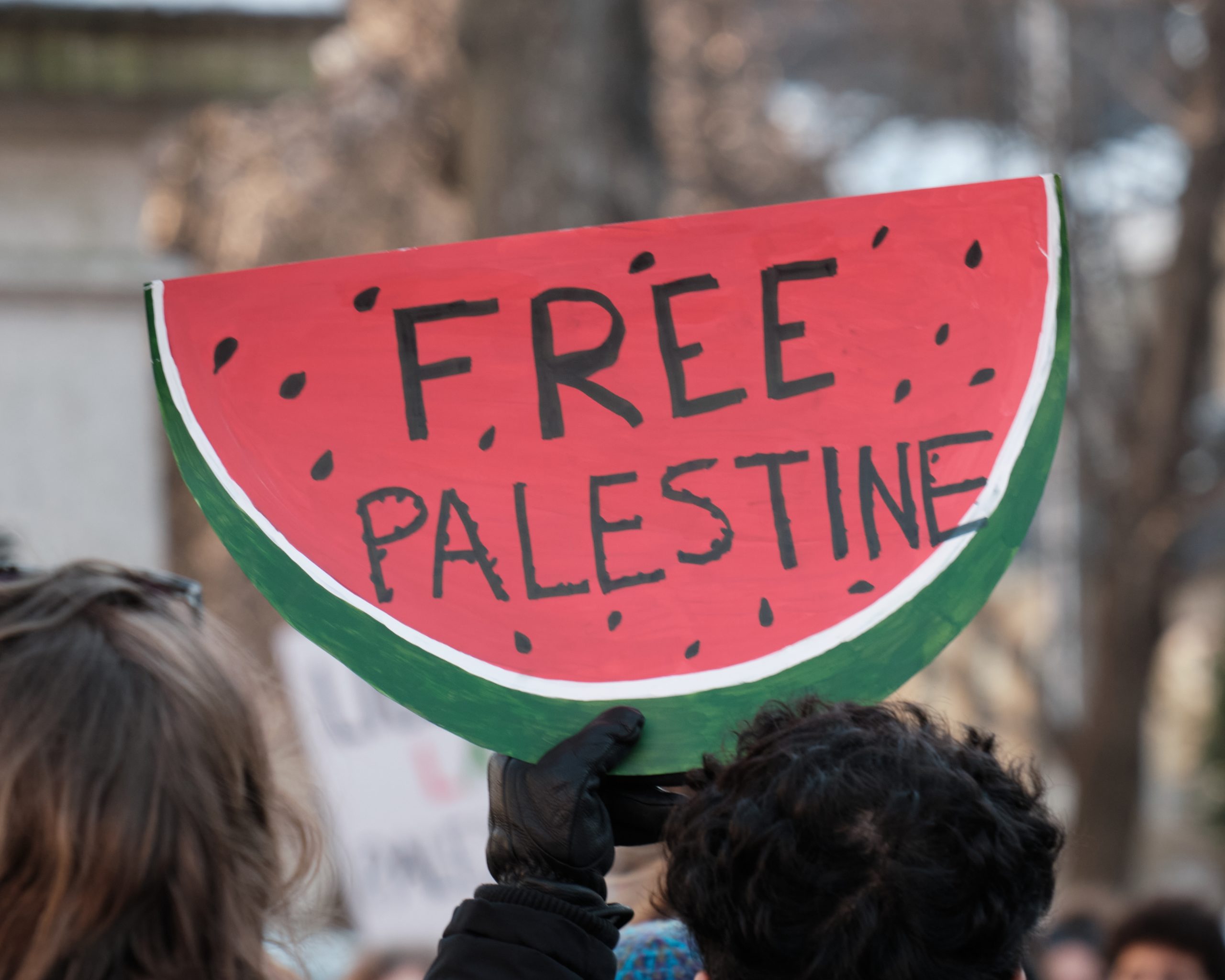
Germany’s domestic intelligence agency, the Federal Office for the Protection of the Constitution (BfV), has expanded its monitoring of pro-Palestinian activism by adding the watermelon symbol to its official list of extremist and antisemitic indicators under specific conditions.

According to an agency report titled “Hidden Messages – Antisemitic Codes and Ciphers,” the watermelon motif is now flagged when used by activists to outline the geographic map of Palestine.

Authorities state that using the fruit’s shape to replace the borders of Israel acts as a “bridge narrative” that effectively denies Israel’s right to exist. 

The update was published alongside a re-classification of the slogan “From the river to the sea,” which German security officials view as a call for the elimination of the Jewish state.

The watermelon has historically served as an international symbol of Palestinian solidarity, utilising its red, green, black, and white colours to mirror the Palestinian flag. 

Pro-Palestinian networks have criticised the intelligence dossier, arguing that the security agency is conflating peaceful political expression with hate speech to suppress solidarity movements. 

Regional authorities, beginning with Bavaria, are expected to use the updated BfV guidelines to increase surveillance and tighten restrictions on public demonstrations.

Slovenia to Air Palestinian Documentaries in Place of Eurovision Broadcast

By Maryam Ahmad

Slovenia has announced that it will broadcast a series of Palestinian documentaries instead of airing the 2026 Eurovision Song Contest 2026, marking a significant cultural and political statement amid growing tensions surrounding the annual music competition.

According to reports, Slovenia is among the five countries that have withdrawn from this year’s contest. While most participating nations will continue with scheduled broadcasts, only Iceland and the Netherlands are expected to air the competition despite their withdrawal. The contest is set to take place next month in Vienna.

Slovenian officials indicated that the decision to replace Eurovision programming with Palestinian documentary content is intended to provide alternative perspectives and highlight ongoing humanitarian concerns. The move reflects a broader debate across Europe about the role of cultural events during geopolitical conflict, particularly regarding the Israel–Palestine issue.

The European Broadcasting Union (EBU), which organises Eurovision, has not yet issued a detailed response to Slovenia’s programming change but has previously maintained that the contest is a non-political event aimed at fostering unity through music.

Slovenia’s decision adds to mounting tensions surrounding this year’s competition, with critics arguing that Eurovision cannot be entirely separated from political realities, while supporters insist it should remain an apolitical platform for artistic expression.

The development is likely to intensify discussions about the intersection of culture, media, and politics in Europe, as audiences across the continent prepare for one of the world’s most-watched entertainment events.

Israeli air strike kills Palestinian journalist Amal Shamali in Gaza

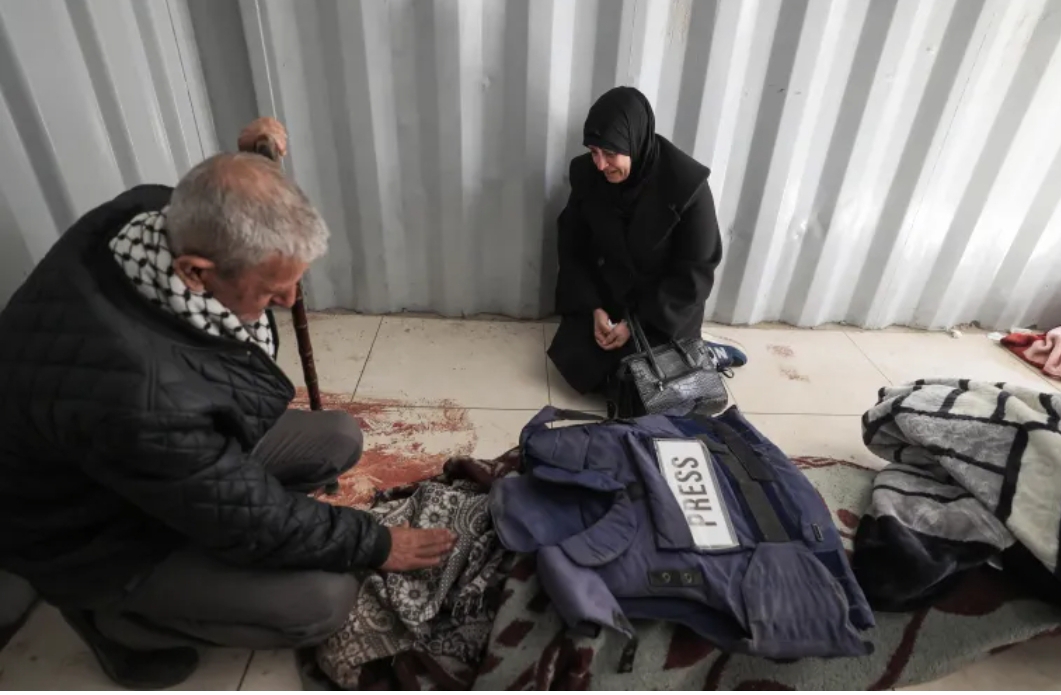
A Palestinian journalist, Amal Shamali, has died after an Israeli air strike hit the Nuseirat refugee camp in central Gaza, according to the Palestinian Journalists Syndicate (PJS).

Shamali worked as a correspondent for Qatar Radio. The PJS said the journalist was killed on Monday when Israeli forces carried out the strike on the camp.

In a statement, the union explained that Shamali had also contributed to several Arab and local media organisations. It added that she remained active in her profession despite the ongoing war in Gaza. The organisation said she was among reporters who continued their work throughout the conflict in the territory.

The PJS described the rising number of journalists killed in Gaza as alarming. It noted that more than 270 journalists and media workers have died since Israel launched its military campaign in the enclave on October 7, 2023. The war began after Hamas-led attacks targeted southern Israel.

The union said: “This represents one of the bloodiest periods for journalists in modern history, reflecting the scale of the deliberate targeting of Palestinian journalism in an attempt to silence the voice of truth and prevent the documentation of the crimes and violations committed against the Palestinian people.”

The organisation added: “Targeting journalists will not succeed in breaking the will of the Palestinian journalistic community or deterring it from fulfilling its professional and humanitarian mission of conveying the truth and documenting the crimes and aggression faced by the Palestinian people.”

Gaza’s Government Media Office also reacted to the killing. In a statement, it said it “strongly condemns the systematic targeting, killing, and assassination of Palestinian journalists by the Israeli occupation”.

The office further stated that it “holds the Israeli occupation, the U.S. administration, and the countries participating in the crime of genocide – such as the United Kingdom, Germany, and France – fully responsible for committing these heinous and brutal crimes”.

It called on international and regional media organisations, as well as human rights groups, to condemn what it described as attacks against journalists in Gaza. The office urged the international community to work toward holding Israel accountable for its “ongoing crimes” against Palestinian journalists.

Data compiled by the monitoring platform Shireen.ps indicates that Israeli attacks have killed roughly 13 journalists every month during the more than two years of fighting. The platform is named after Al Jazeera journalist Shireen Abu Akleh, who died after Israeli forces shot her in the occupied West Bank in 2022.

The monitoring group also reported that at least 10 of the journalists killed during the war worked for Al Jazeera. One of them was Arabic correspondent Anas al-Sharif, who reported extensively from northern Gaza.

Researchers say the war in Gaza has become the deadliest conflict for journalists in modern times. The Costs of War project at Brown University reports that the number of journalists killed in Gaza since October 7, 2023 exceeds the total killed in several major wars combined. These include the US Civil War, both World Wars, the Korean War, the Vietnam War, conflicts in the former Yugoslavia, and the post-9/11 war in Afghanistan.

A report released earlier this year by the International Federation of Journalists (IFJ) also identified Palestine as the most dangerous place in the world for journalists in 2025.

The report said the Middle East recorded the highest number of journalist deaths last year. It accounted for 74 fatalities out of the 128 media workers killed worldwide. Africa followed with 18 deaths. The Asia-Pacific region recorded 15, while the Americas had 11 and Europe reported 10.

Meanwhile, Gaza’s Ministry of Health says that since a ceasefire mediated by the United States and Qatar took effect in October, at least 640 Palestinians have died and about 1,700 others have been wounded.

Health authorities in Gaza say that since the start of the war in October 2023, at least 72,123 Palestinians have died and 171,805 have been injured. Israeli officials say that 1,139 people were killed during the Hamas-led attacks on Israel on October 7, 2023.

Mainz lose court appeal over Anwar El Ghazi’s dismissal

By Maryam Ahmad

Bundesliga club Mainz 05 have lost their appeal against the unfair dismissal ruling in favour of Dutch winger Anwar El Ghazi, who has been awarded €1.7 million in compensation.

A German labour court had earlier found that the club acted unlawfully when it terminated El Ghazi’s contract in November 2023 following social-media posts he made during the Gaza–Israel crisis. The arbitration panel upheld that decision, rejecting Mainz’s argument that the posts constituted grounds for immediate dismissal.

In a statement, Mainz said it accepted the ruling but stressed its commitment to maintaining its internal code of conduct. El Ghazi welcomed the outcome, describing it as a vindication of his right to express his views.

Over 100 killed in Israeli strikes on Gaza amid ceasefire dispute

By Maryam Ahmad

More than 100 people were killed in a series of Israeli airstrikes across Gaza on Tuesday, according to health officials in the enclave. The strikes came shortly after Israel accused Hamas of violating a fragile ceasefire agreement — an allegation Hamas has denied.

Palestinian health authorities said the attacks targeted several densely populated areas, leaving scores of civilians among the dead and many others injured. Rescue teams continued to search through the rubble for survivors late into the night.

In a statement, Hamas rejected Israel’s claims of ceasefire breaches and accused Israel of deliberately escalating the conflict. The group also said Israeli authorities had prevented the return of the bodies of Israeli hostages who were killed during earlier clashes.

The renewed violence has raised fears of a broader breakdown in the ceasefire, which had offered a brief respite after months of devastating fighting. International calls for restraint have grown as humanitarian conditions in Gaza continue to worsen.