

Boko Haram Crisis Destroyed Over 5,000 Schools, Left 2.2m Children Out Of School – Zulum
By Sabiu Abdullahi
Borno State Governor Babagana Umara Zulum has disclosed that more than 5,000 school structures were destroyed at the peak of the Boko Haram insurgency, with about 2.2 million children forced out of school.
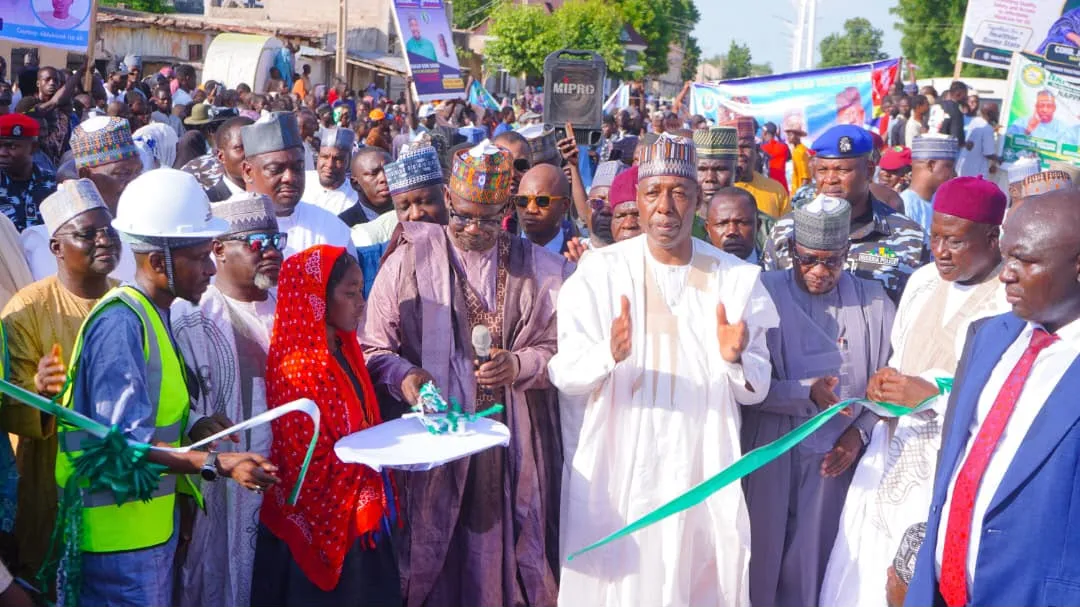
Zulum made the disclosure on Sunday in Maiduguri when Nasarawa State Governor Abdullahi A. Sule commissioned several projects across the Borno State capital.
The commissioned projects included the Post Office 9-Span Flyover, Larawaram Community Senior Secondary School, Shehu Sanda Kyarimi I Primary and Junior Secondary School, as well as a 2.5-kilometre dualised road with five kilometres of drainage from Budum Tandari Junction to Kasuwan Shanu.
The governor said the insurgency caused extensive damage to the state’s education infrastructure and also claimed the lives of several teachers and school administrators.
Zulum said his administration’s response to the destruction goes beyond rebuilding damaged structures, as it also seeks to restore access to education and confidence in affected communities.
“Rebuilding schools is not just about constructing physical structures. It is about restoring access to education, rebuilding confidence in our communities, and providing our children with the opportunity to secure a better future,” he said
The governor disclosed that the Borno State Government spent N46,987,069,675.33 on basic and secondary education during the 2025 and 2026 fiscal years.
He said the investment forms part of a wider reform programme in the education sector, with 136 projects completed and awaiting commissioning.
According to Zulum, the number of usable classrooms across the state has increased to 5,792, while functional Water, Sanitation, and Hygiene (WASH) facilities have reached 4,563.
The governor also highlighted the expansion of senior secondary education across the state.
“At the senior secondary level, the number of functional schools has grown exponentially—from just 34 schools spread across eight Local Government Areas in 2019 to 129 schools spanning 25 Local Government Areas by 2026.
“This expanded access and renewed public confidence have driven a massive surge in student enrollment. State data shows that school enrollment skyrocketed from 766,551 learners in 2019 to 1,801,295 in 2026, marking an increase of more than one million learners in just seven years.
“These indicators demonstrate the scale of our efforts to expand educational access, restore infrastructure, and improve the learning environment for our children,” Zulum stated
Northern Academics Back Tinubu For 2027, ASUU Disowns Endorsement
By Sabiu Abdullahi
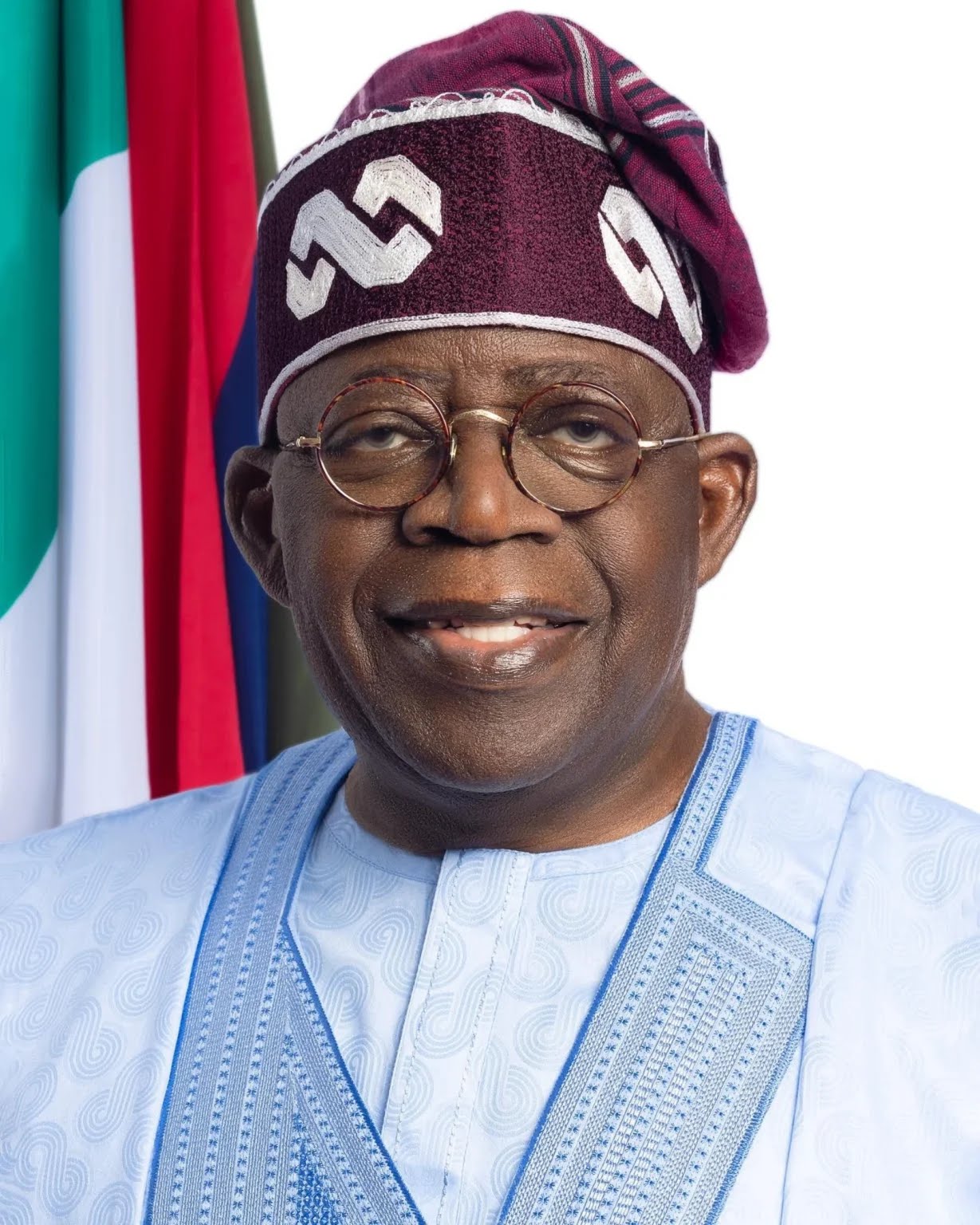
More than 600 senior academics from public universities across Northern Nigeria have declared support for President Bola Ahmed Tinubu’s bid for a second term in the 2027 presidential election, Daily Trust reported.
The endorsement was announced after a stakeholders’ meeting convened by the Special Adviser to the President on Political Matters, Ibrahim Masari, in Kaduna.
The meeting, held behind closed doors at the Umaru Musa Yar’Adua Centre, brought together academics and several political leaders from the region.
Those present included Kaduna State Governor Uba Sani, Zamfara State Governor Dauda Lawal, Yobe State Governor Mai Mala Buni, Borno State Governor Babagana Zulum and Gombe State Governor Inuwa Yahaya.
Also in attendance were Minister of Defence Bello Matawalle, Minister of Housing Muttaqha Rabe Darma and former Katsina State Governor Aminu Bello Masari.
According to a source at the meeting, representatives of most public universities across the 19 northern states participated in the discussions.
The Vice Chancellor of Kaduna State University, Prof Abdullahi Ibrahim Musa, represented academics from the North-West, while the Chief Librarian of the Federal University Lafia, Prof Abdulrazaq Baba Abdulrahman, spoke for the North-Central zone.
The Chairman of the Governing Council of the Federal College of Agriculture, Gwoza, represented the North-East.
However, Prof Mainasara Yakubu Kurfi of Bayero University, Kano, denied attending the meeting when contacted. He said he was not even aware of the gathering.
The Vice Chancellors of several federal universities in the North were also said to have attended.
Academics Assess Tinubu’s Performance
Prof Musa, who read the communiqué issued after the meeting, said the academics examined the performance of the Tinubu administration since May 2023.
He said their assessment covered the economy, security, education, politics and social conditions, with particular attention to the situation in Northern Nigeria.
According to him, the academics recognised that Tinubu inherited serious fiscal, monetary and structural problems, alongside insecurity, infrastructure deficits and gaps in human capital.
They also acknowledged that some of the government’s reforms had increased economic pressure on citizens.
“While these reforms have imposed substantial short-term hardship through higher living and transportation costs and inflationary pressures, we also acknowledge that they have altered government revenues and public finance,” they said.
The academics, however, said the administration had recorded progress in education financing, agriculture, infrastructure, business support, compressed natural gas, investment and the digital economy.
At the end of their deliberations, they declared: “We resolved to express our support for the re-election of President Bola Ahmed Tinubu, GCFR, in the 2027 presidential election.”
They stressed that their endorsement should not be interpreted as unconditional support.
“Our support should not be interpreted as a blank check,” they said.
They called on the Federal Government to listen to citizens, respond to legitimate criticism and address the rising costs of food and transportation, unemployment and insecurity.
The academics also advocated a broader security strategy that would combine military operations with intelligence gathering, effective policing, community engagement and economic opportunities.
They further urged increased investment in agriculture, education, healthcare, roads, electricity, irrigation and other critical infrastructure across Northern Nigeria.
Meeting Was Designed To Mobilise Support
The invitation to the meeting showed that securing the active backing of senior academics for Tinubu’s re-election was one of its principal objectives.
The event was described as an “interactive session of senior academics from Northern Nigeria and selected government functionaries” under the theme: “Consolidating the Renewed Hope Agenda: Three Years of President Bola Ahmed Tinubu’s Achievements and the Road to 2027.”
The organisers listed two main objectives: assessing the administration’s record in the economy, security, education, infrastructure and social welfare, and to “secure the endorsement and active support of the academic community for the re-election of Mr President in the 2027 General Elections.”
The invitation further stated that “the purpose of the gathering is therefore not open-ended debate but mobilisation.”
It also said participation was voluntary and encouraged academics who supported the objective of the meeting to attend.
“All inquiries regarding accommodation and transport arrangements should be directed to the respective state coordinators, please,” it was stated in the letter.
Sources also said organisers provided logistics and transportation arrangements for participants.
A senior university staff member who did not attend the meeting said participants were expected to receive reimbursement for transportation and other expenses.
“Of course, you should expect all those who attended the stakeholders’ engagement to be reimbursed for their logistics and transportation. You don’t expect them to just attend and leave with empty hands,” the source said.
The amount reportedly paid to individual participants could not, however, be independently verified.
ASUU Rejects Endorsement
The Academic Staff Union of Universities (ASUU) has distanced itself from the endorsement, stressing that the union remains politically neutral.
ASUU President, Prof Chris Piwuna, said the endorsement should not be associated with the union or presented as an ASUU position.
He explained that individual members were free to belong to political parties under the law, but such participation must remain personal.
“We will never take such positions, going by our constitution. They cannot mention ASUU. Nobody can mention ASUU in that context because we’re apolitical. Our members can belong to any political party that they want.
“They can do whatever they want to do under the law. We have never, and we will never endorse any political party candidate. Nobody should drag us into such things,” he said.
Piwuna also warned ASUU members against associating the union with the endorsement.
He said, “Neither our members nor our comrades should drag us into that controversy. We have never done it and we will never do it. We’re apolitical and we retain that apolitical position.
“It is the same mistake people make when lecturers go to participate in electoral duties and they will say ASUU members are participating in electoral duties. It is misleading.
“It is misleading because ASUU has not sent anybody outside to participate in the electoral duties or serve as electoral officers. You can imagine heads of institutions like vice-chancellors that are always fighting us on campus; when they go out and do something, they will say they are our members. Meanwhile, these are the people fighting the union. We don’t endorse candidates of political parties.”
Masari Seeks Northern Support For Tinubu
Masari continued his political consultations on Sunday with a meeting involving women Islamic scholars from the 19 northern states.
Kaduna State Governor Uba Sani also attended the engagement.
Masari attributed opposition to Tinubu in some parts of Northern Nigeria largely to ethnic considerations, arguing that some people oppose the president because he is neither Hausa nor from the North.
“What is the fault of President Bola Ahmed Tinubu, other than the fact that he is not a Hausa man or from the North?” Masari asked.
He condemned ethnic discrimination and argued that Islam does not place people above one another based on ethnicity, language or skin colour.
“Show me any weak Hadith that tells us to discriminate based on skin colour in Islam, or to discriminate based on language—that this person is Yoruba, this person is Hausa, or this person is Arab—such that their standing before Allah would be different, when fear of Allah is the only measure,” he said.
The presidential adviser, who served as Tinubu’s placeholder before the 2023 election, urged Muslims and Northerners to base their political choices on character, competence and fear of Allah rather than ethnicity.
He also pointed to the long period during which Northern politicians governed Nigeria and questioned whether citizens should continue to blame past administrations for unresolved problems.
He said, “Since the creation of the Nigerian Federation, northern leaders ruled Nigeria for nearly 30 years. So, I wonder: if what those people are complaining about wasn’t done back then, should we sit around complaining now?”
Masari also defended the APC’s Muslim-Muslim presidential ticket, saying those who supported the arrangement did so because of their religious convictions.
“Indeed, if Almighty Allah raises us on the Day of Judgment and asks us why we supported a Muslim-Muslim ticket, by Allah, we will have an answer: ‘Lord, we did it for Your sake,’” Masari said.
VAR Admits Error Over Haaland’s Manchester Derby Winner
By Sabiu Abdullahi
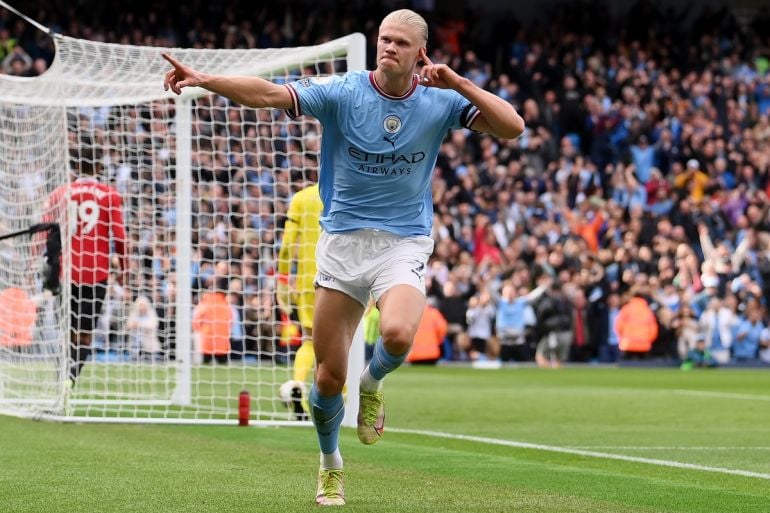
Pro Ref has acknowledged that Erling Haaland’s winning goal in Manchester City’s 1-0 victory over Manchester United should not have been allowed to stand.
Haaland settled Sunday’s Manchester derby at Old Trafford with a second-half strike that initially appeared to have been ruled out for offside.
The decision was later overturned after a VAR review, with officials determining that Manchester United defender Patrick Dorgu had played Haaland onside.
However, another aspect of the attack has since come under scrutiny.
Manchester City’s Enzo Fernandez was in an offside position and attempted to play the ball before it reached Haaland. Although Fernandez did not make contact with the ball, Pro Ref said his position could have affected the play.
A Pro Ref spokesperson said: “Following the incident in the 60th minute of Sunday’s Premier League fixture between Manchester United and Manchester City at Old Trafford, we can provide clarification regarding Erling Haaland’s awarded goal.
“The on-field decision was offside against Erling Haaland – that was checked by VAR and he was found to be in an onside position.
“In the same attack, it was established that Enzo Fernandez did not play the ball and therefore that makes any offside offence subjective, however, on this occasion, the VAR did not recognise the likely impact of his position and should have recommended an on-field review.
“Contact has been made with Manchester United this evening to acknowledge what we deem is an error of judgement. A review of the incident will take place.”
Manchester City’s victory gave them all three points from the derby, but the admission from Pro Ref is expected to intensify debate over the VAR decision that led to Haaland’s goal being awarded.
12 Die In Kaduna-Kachia Road Crash, Two Others Injured
By Sabiu Abdullahi
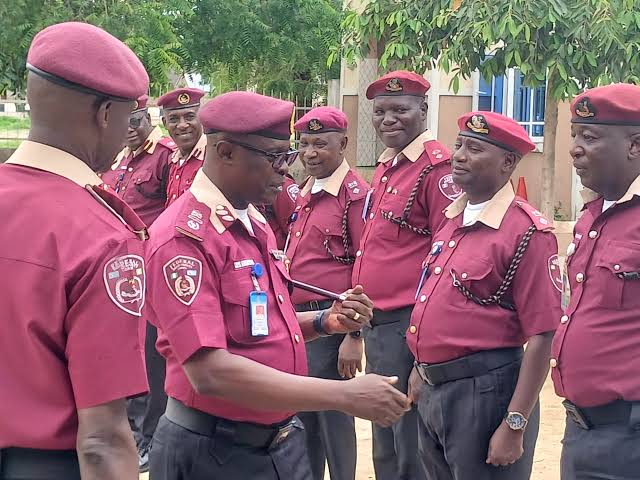
Twelve people have died in a road crash along the Kaduna-Kachia Road in Kaduna State, the Federal Road Safety Corps (FRSC) has confirmed.
The accident involved two Volkswagen Golf cars and occurred at Doka Village in Southern Kaduna, according to the FRSC Sector Commander in the state, Andrew Paul Longkam.
Longkam said 14 people were travelling in the two vehicles when the crash occurred. Twelve of the occupants died, while two others sustained serious injuries.
The victims comprised eight males and six females. All eight males and four of the females died in the accident, while the remaining two females survived with injuries.
The two vehicles involved were a blue Volkswagen Golf with registration number APP 394 FN and a red Volkswagen Golf registered as ACN 205 HK.
The FRSC commander said a tyre burst was suspected to have caused the crash.
He added that none of the occupants, including the two drivers, wore seat belts or used any protective device at the time of the accident.
The two survivors were taken to Rapha Hospital for treatment, while the bodies of the deceased were deposited at Idon General Hospital pending identification and contact with their relatives.
Trump Threatens To Cut Trade Ties With Countries Running US Deficits
By Sabiu Abdullahi
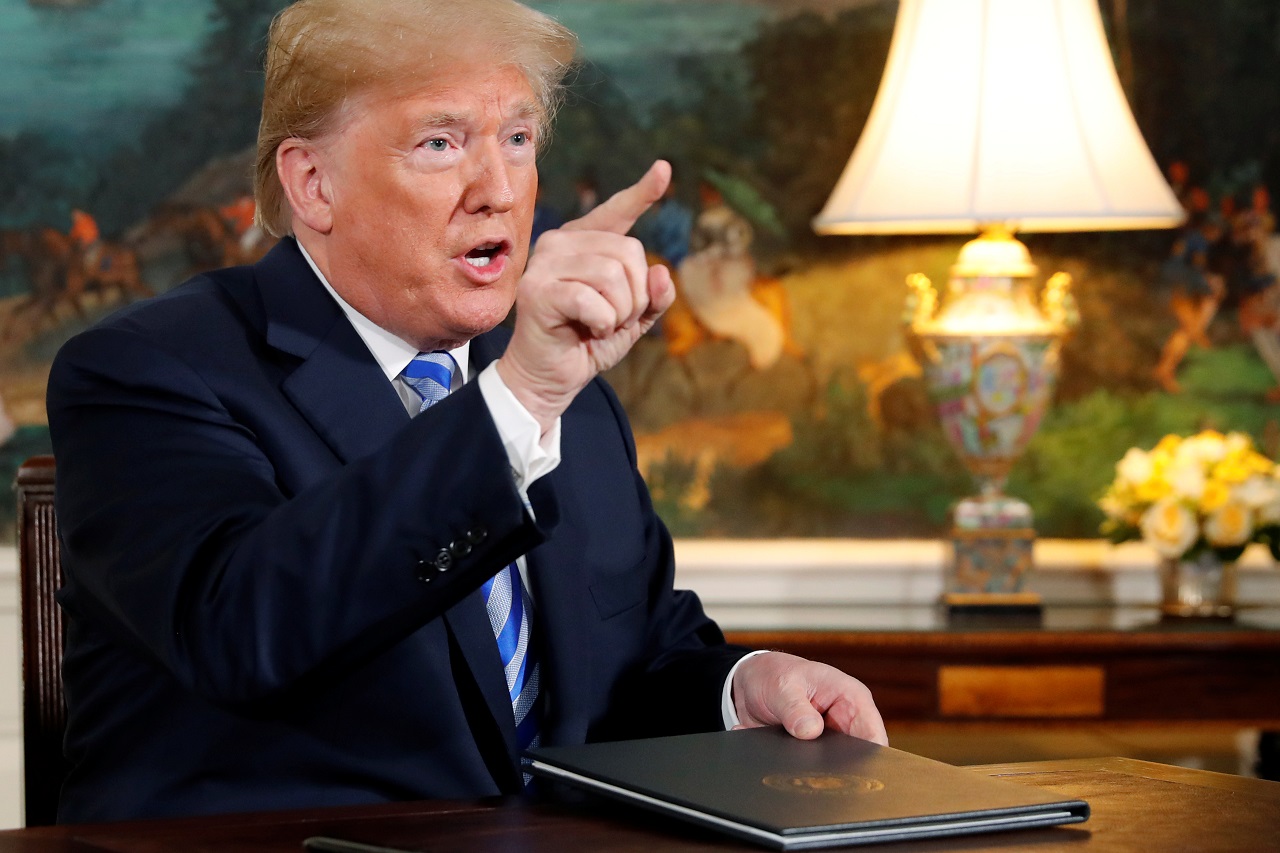
US President Donald Trump has threatened to sever trade relations with some countries that maintain trade surpluses against the United States, signalling the possibility of another escalation in global trade tensions.
Trump disclosed the plan on Sunday while speaking to journalists before departing Ireland, where he said the US must take tougher measures to address trade imbalances with other nations.
The president said his administration would consider ending trade with countries that consistently export more to the US than they import.
“I’m going to do that (cut off trade) with some nations,” he affirmed. “We don’t want to have deficits with nations. We want to have surpluses, or at least break even.”
Trump’s latest position follows heightened trade tensions with Canada in recent weeks. The dispute has involved increased tariffs, tighter trade restrictions and retaliatory measures.
The US president also addressed questions about the 2028 presidential election and Vice President JD Vance’s possible candidacy.
Trump described Vance as “terrific” but said it was premature to indicate whether he would support him for the presidency.
“It’s too early,” Trump said, adding, “We have so many terrific people.”
On his political standing, Trump dismissed recent opinion polls that have shown varying levels of public support for his administration.
He described the polls as “fake” and insisted that his approval rating remained strong based on what he called “only the legitimate pollsters.”
Trump also announced that the United States would remove the 15 per cent tariff imposed on Irish whiskey.
During his remarks, he renewed his support for the reunification of Ireland, arguing that, “it is natural to put north and south together.”
However, when asked whether Scotland should become independent from the United Kingdom, Trump declined to take a position.
“I won’t talk about that one, I’ll save that for another day.”
Tinubu Moves To Paris For Second Phase Of Three-Week European Vacation
By Sabiu Abdullahi
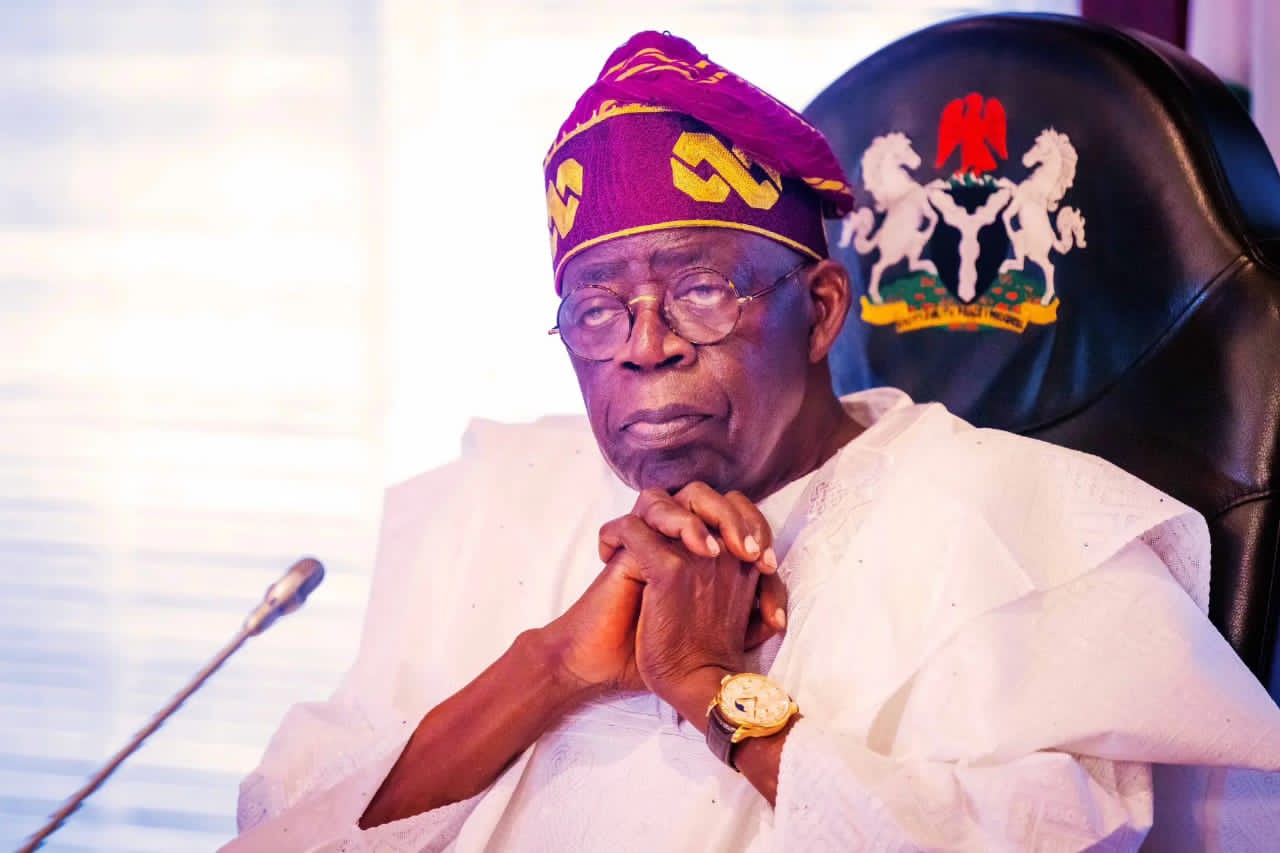
President Bola Ahmed Tinubu has arrived in Paris, France, as he begins the second phase of his three-week vacation in Europe.
The Nigerian leader was received in the French capital by Nigeria’s Ambassador to France, Ambassador Ayodele Oke.
Tinubu had departed Nigeria about two weeks ago to begin his annual leave in Europe.
According to a statement from his Special Adviser on Information and Strategy, Bayo Onanuga, London was the President’s first destination.
“His first stop will be London, United Kingdom,” the statement said.
The statement added that Tinubu would return to Nigeria after completing his working vacation and participate in preparations for the January 2027 election.
The President’s movement to France marks the continuation of his scheduled European break before his return to Nigeria.
Diphtheria: PDP Faults Gombe Government, Demands Urgent Action
By Abdullahi Mukhtar Algasgaini
The Peoples Democratic Party (PDP), Gombe State Chapter, has accused Governor Muhammadu Inuwa Yahaya’s administration of nonchalance over the reported outbreak of diphtheria in the state.
In a statement signed by its State Publicity Secretary, AbdulKadir Ahmad Dukku, on September 13, 2026, the party said reliable reports indicated that diphtheria had broken out in parts of Nigeria’s North-Central and North-Eastern regions, including Gombe State.
The PDP described diphtheria as a serious bacterial infection that primarily affects the throat and airways. It listed symptoms to include sore throat and pain when swallowing, fever and chills, weakness and tiredness, nasal discharge and, in some cases, a bloody cough. Severe cases, it said, could cause a rapid heartbeat and complications affecting the heart and nerves.
The party noted that the disease is preventable through vaccination, including DPT/DTaP/Td vaccines, and advised anyone suspected of having diphtheria to go to a health facility immediately and avoid close contact with others until properly assessed.
According to the PDP, schools have already been closed in Plateau and Bauchi states, while intensive public enlightenment, sensitisation, vaccination and other health interventions are being undertaken in affected areas. It added that reports also indicated the disease was spreading in neighbouring Yobe State.
Citing its situation report, the party said the disease, which predominantly affects children, had reportedly led to the admission of nine persons at the Federal Teaching Hospital, Gombe, with additional cases reported at the Federal Medical Centre, Kumo, as well as General Hospitals in Bajoga and Billiri.
The PDP strongly condemned what it called the failure of the APC-led state government to take sufficiently proactive measures to contain the reported spread of the disease, despite indications of its presence in the state.
It also challenged Governor Yahaya to demonstrate greater commitment to human capital development and public healthcare, arguing that while the government continues to commit substantial resources to infrastructural projects, the health and wellbeing of citizens must remain a priority.
The party called on the state government to publicly clarify the status of diphtheria in Gombe State and explain steps being taken to contain and prevent its further spread.
It also demanded that the government immediately announce and implement preventive measures to protect schoolchildren and the general public, publicise sustainable health intervention strategies—including sensitisation, public enlightenment, surveillance, testing, treatment and vaccination—and strengthen collaboration with relevant health authorities and institutions for prompt detection, treatment and containment of suspected and confirmed cases.
The PDP reminded the APC-led administration that the lives and wellbeing of the people of Gombe State must not be treated with levity, urging urgency and transparency in responding to the public health concern.
It added that after reportedly spending millions of Naira on Hausa praise singers from Kano, the people of Gombe State were entitled to know how much the state government was prepared to commit towards protecting their lives and preventing the further spread of the disease.
Tinubu Govt Says ‘No Going Back’ as Atiku Vows to Restore Petrol Subsidy
By Sabiu Abdullahi
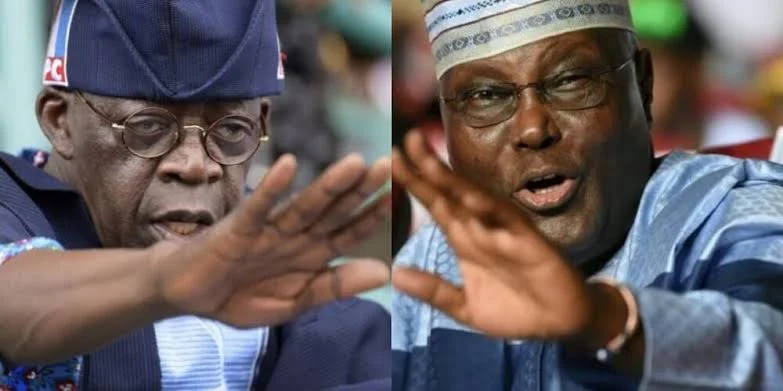
The Federal Government has rejected former Vice-President Atiku Abubakar’s proposal to restore petrol subsidy if elected president in 2027, describing the plan as a threat to the reforms introduced in Nigeria’s petroleum sector.
The government argued that returning to subsidy could create fresh legal and fiscal challenges while discouraging investment in domestic refining, including the Dangote Refinery and other modular refineries.
The position was conveyed by Bayo Onanuga, Special Adviser to President Bola Tinubu on Information and Strategy, in response to Atiku’s proposal.
Onanuga described the former vice-president’s position as retrogressive and fiscally unsustainable, accusing him of making the proposal out of “desperation to win the presidency”.
He maintained that Nigeria’s petroleum sector had undergone fundamental changes since Tinubu announced the removal of petrol subsidy shortly after assuming office.
Minister of Finance and Coordinating Minister of the Economy, Taiwo Oyedele, also defended the policy, saying subsidy removal generated N15.8 trillion for the federation between June 2023 and December 2025.
According to Oyedele, the Federal Government received N5.4 trillion from the resources, while N10.4 trillion was distributed to state and local governments.
Tinubu has also criticised Atiku’s proposal, arguing that it reflects a lack of understanding of governance and economic management.
The President made the remarks when he received Osun State Governor Ademola Adeleke at the State House.
Atiku, who is now the presidential candidate of the African Democratic Congress, ADC, has made the restoration of petrol subsidy a major part of his 2027 campaign.
The former vice-president had supported subsidy removal during the 2023 election campaign but now argues that Nigerians have not seen sufficient benefits from the policy.
He has said the revenue generated after the subsidy removal has not translated into improved living conditions or affordable food for ordinary Nigerians.
Atiku has proposed a different intervention for the oil and gas sector, with emphasis on domestic refining. He said any government support should be capped, included in the budget and tied to verifiable production and measurable benefits for consumers.
He also proposed that crude allocated under the programme should be tracked to ensure that Nigerians benefit from the intervention.
Atiku said his proposal would not amount to a return to the opaque subsidy arrangement of the past. Instead, he described it as a controlled mechanism designed to support Nigerian refineries and ensure that cheaper crude feedstock benefits consumers.
However, economists have expressed differing views on whether restoring subsidy would provide a sustainable solution to Nigeria’s economic difficulties.
Prof. Uche Uwaleke, President of the Capital Market Academics of Nigeria, CMAN, said the debate should focus beyond the immediate appeal of cheaper petrol.
He argued that the central question should be how scarce public resources could be used sustainably to improve citizens’ welfare.
Uwaleke noted that the former subsidy system placed a heavy burden on public finances and created opportunities for arbitrage, smuggling and rent-seeking.
“The success of subsidy removal should not be measured simply by whether government stopped paying the subsidy.
“It should be measured by whether it succeeded in converting that difficult sacrifice into a more productive economy, stronger public services, increased domestic production and a better quality of life for the ordinary Nigerian,” he said.
Prof. Ken Ife, a global financial analyst and development economist, also opposed the idea of returning to a blanket subsidy regime merely to reduce petrol prices.
Ife argued that Nigeria should focus on addressing the structural problems affecting fuel supply and the wider economy instead of artificially reducing pump prices.
He warned that a return to the previous consumption-based subsidy system could recreate the inefficiencies, distortions and financial leakages associated with the former arrangement.
“In broad macroeconomic terms, and even in development economies, you do not subsidise consumption. What you subsidise is production.
“You cannot borrow money to pay for subsidy. That is unlawful when you consider Fiscal Responsibility Act. It does not recognise that as a legitimate expenditure or as a legitimate borrowing,” he said.
Despite the government’s defence of subsidy removal, some Nigerians say the policy has brought severe economic pressure.
A civil servant, Ibrahim Abbas, said workers had expected the savings from subsidy removal to enable the government to accelerate infrastructure development and strengthen the economy.
“The only thing we civil servants have experienced since subsidy was removed is economic hardship and a huge depletion of the purchasing power of the Naira.
“The implementation of the new minimum wage is still shrouded in confusion, and all these make Atiku’s proposal attractive to ordinary Nigerians ” he said.
A retired civil servant, Sule Aliu, similarly said the economic situation had been particularly difficult for retirees since the subsidy was removed in 2023.
The disagreement over petrol subsidy is expected to remain a major issue in the build-up to the 2027 presidential election, with the Tinubu administration defending its decision to end the policy while Atiku presents its restoration as part of his campaign promise.
Nigerians Celebrate Abduction Of Clerics Who Prayed For Tinubu’s 2027 Victory
By Sabiu Abdullahi
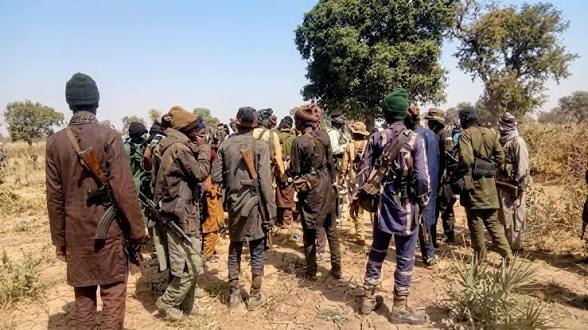
Some Nigerians on social media have expressed jubilation over the reported abduction of Islamic clerics who were said to have visited the residence of former Zamfara State Governor, Abdul’aziz Yari, to pray for President Bola Tinubu’s success in the 2027 presidential election.
The clerics were reportedly abducted by bandits after leaving Yari’s residence, according to a report shared by BBC Hausa.
The report has triggered a wave of reactions on Facebook, with some users appearing to celebrate the incident because of the clerics’ reported political prayers.
One Facebook user, Auwal Sulaiman, commented, “Dole sai sun hada da kudin fansa,” suggesting that the clerics would have to contribute money towards their ransom.
Another user, Yusuf Sani, wrote, “Gaskiya tsaro ya inganta shikenan hanun karba hanun mayarwa hadda riba xa’aci akansu,” sarcastically suggesting that the country’s security situation had improved and that the abductees would be returned, even with interest added to the ransom.
Usman Jidda simply reacted, “Allah Shi…….”
Musa Haruna asked, “Kowa yakiji bayaki gani, Ina gani bazaiga DA kyauba,” while Sagir Abdullah said, “muna masu addu’ar Allah yayimasu mafita, indai ohmologo ne bazamu zaba ba,” expressing a prayer for their safe resolution but also linking the incident to political opposition.
Other commenters took a more celebratory tone. One user wrote, “Masha Allah Allah Allah yasa su kàshèshu ko b@nza anrage mugún iri,” while Kasim Ibrahim described the incident as evidence that the victim had “seen the truth.”
Mahamadou Hamidou Arzika commented, “Masha Allah, Allah ya sa su yanka su,” while Khalifa Bellobb wrote, “Karshen Kwadayi, MashaAllah barakallah me ya kai su,” implying that the incident was a consequence of greed or political ambition.
The reactions have drawn attention to the deep political divisions surrounding the 2027 election, with some social media users showing little sympathy for people perceived to be supporting President Tinubu’s re-election bid.
The comments have also raised concerns about the extent to which political disagreements and frustration over insecurity have influenced public reactions to incidents involving kidnapping and banditry.
The Daily Reality could not independently verify the identities of all the abducted clerics or the circumstances surrounding their abduction at the time of publication.
Zamfara Insecurity Deepens As Clerics Reportedly Abducted After Yari’s Prayer Meeting
By Sabiu Abdullahi
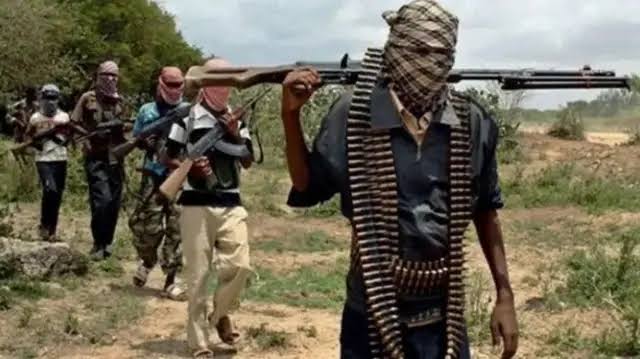
The security situation in Zamfara State has come under fresh scrutiny after suspected bandits reportedly abducted several Islamic clerics who attended a prayer gathering at the residence of Senator Abdul’aziz Abubakar Yari in Talata Mafara Local Government Area.
The reported abduction occurred after the clerics joined more than 2,000 Islamic scholars and imams at Yari’s residence for a special prayer session ahead of the 2027 elections.
The development was made public on Saturday evening by Northwest-based crisis reporter Bakatsine in a post on his X handle.
According to the report, some of the clerics allegedly taken away included Imam Yahuza, the First Jumma’at Imam in Dogon Madacci; Magawata Abdullahi, the Second Jumma’at Imam in Dogon Madacci; Malam Shehu Dakko; Imam Bala Fagon; and Na’ibi Tasi’u of Tungar Nagudai.
The clerics reportedly travelled from communities in Bakura and Talata Mafara Local Government Areas to participate in the gathering.
The prayer session was reportedly held to seek peace, national unity and the success of President Bola Tinubu and the All Progressives Congress, APC, ahead of the 2027 elections.
The reported incident has raised concerns over the reach of bandit groups in Zamfara, particularly because the alleged abduction occurred after a gathering at the residence of a prominent political figure.
Bakatsine described the development as disturbing and linked it to the wider security challenges confronting communities across the state.
“If people can be abducted while attending a gathering at the residence of a prominent political figure, then where exactly are ordinary citizens supposed to feel safe?” he asked.
Zamfara has continued to experience attacks and abductions attributed to armed bandit groups, with several communities facing persistent security threats.
However, the reported abduction had not received immediate official confirmation from the police or other security agencies as of the time of filing this report.
The identities of all those allegedly abducted and their current whereabouts also remained unclear.