Opinion

[OPINION]: How Yobe Transformed its Healthcare System into a Model of Reform, Expansion

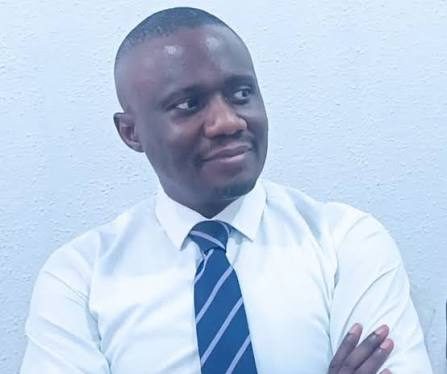
By Maji MB

Like a traveler who set out at dawn with hope carefully folded into his resolve and a quiet determination that refused to fade with distance or difficulty, Governor Mai Mala Buni embarked on what would become a wide-reaching and sustained reform of the healthcare system in Yobe State, approaching it not as a set of isolated projects but as a deeply interconnected mission to rebuild trust, restore access, and reimagine how care could be delivered across both urban centers and remote settlements. From the outset, the focus was not on surface-level improvements but on laying down enduring foundations that could support growth for years to come, even in places where infrastructure had long been weak or unevenly distributed.

He began by returning to the roots of the system, prioritizing primary healthcare as the entry point for most citizens and the backbone of any sustainable medical structure. Across communities, 140 Primary Healthcare Centres were revived or newly established, each one functioning not merely as a building with equipment but as a functioning access point for families who previously had to travel long distances for even basic medical attention. These centers became essential spaces where preventive care, maternal support, child health services, and first-response treatment could be accessed closer to home, gradually reshaping how communities interacted with the healthcare system and reducing delays that often turned treatable conditions into emergencies.

From that foundation, the reforms expanded outward into secondary and tertiary levels of care, with local government areas strengthened through secondary facilities and more specialized services distributed across zones to reduce pressure on central hospitals. At the highest level, tertiary institutions were reinforced to handle more complex cases, creating a more coherent referral structure that allowed patients to move through the system in a more organized and efficient way. This layered approach helped reduce bottlenecks while also ensuring that care was not concentrated in one location but spread in a way that matched population needs.

Recognizing that geography and terrain often determine survival in emergencies, the administration introduced 88 customized tricycle ambulances designed specifically for hard-to-reach areas where conventional vehicles struggled. These ambulances became more than transport solutions; they functioned as critical links between vulnerable households and formal medical care, navigating narrow paths and rural roads to retrieve patients in urgent need. In many cases, they shortened the time between crisis and treatment, reinforcing the idea that healthcare accessibility is not only about facilities but also about mobility and reach.

Alongside infrastructure expansion, attention was given to financial protection and inclusion through the Yobe State Contributory Healthcare Management Agency, which expanded coverage to over 300,000 residents. This initiative reduced the immediate financial burden on households by allowing citizens to access services without bearing the full cost of treatment upfront, with government support covering the majority of expenses and patients contributing a small portion. In practice, this helped shift healthcare from being a sudden financial shock to a more predictable and manageable system of shared responsibility.

To address the persistent challenge of drug availability, the establishment of the Drugs and Medical Consumable Management Agency became a central intervention point, supported by over ₦2.3 billion worth of medical supplies. This ensured that hospitals and clinics were no longer frequently hindered by stock shortages or treatment interruptions. Medicines, consumables, and essential supplies became more consistently available, strengthening confidence in public health facilities and improving continuity of care for patients who previously faced delays or had to seek alternatives outside the state.

Emergency response systems were also strengthened through improved ambulance services and inspection mechanisms designed to ensure accountability and readiness across facilities. This meant that response times in critical situations improved, coordination between facilities became more structured, and oversight mechanisms helped maintain operational standards. In practical terms, this created a more responsive system where emergencies could be handled with greater speed and fewer procedural delays, particularly in situations involving accidents or sudden medical complications.

A major humanitarian component of the reforms was the introduction and expansion of free healthcare services for vulnerable groups, including pregnant women, young children, accident victims, and patients requiring dialysis for kidney-related conditions. By removing financial barriers in these high-risk categories, the system provided direct relief to families facing some of the most expensive and emotionally taxing medical situations. This intervention not only reduced mortality risks but also reinforced the principle that certain categories of care should remain accessible regardless of income level.

In parallel, immunization and disease prevention efforts were significantly strengthened through collaboration with development partners, leading to a notable increase in immunization coverage from 16% to 65%. Programs targeting polio and other childhood diseases were intensified, resulting in improved public health indicators and positioning the state as one of the most improved in the country. At the same time, investment in medical infrastructure continued at the teaching hospital level, including the construction of a 300-bed Maternal, Newborn, and Child Health complex and the expansion of overall capacity to over 700 beds, alongside the introduction of advanced diagnostic equipment such as MRI, CT scan, mammography, digital X-ray, and ultrasound systems.

Finally, attention turned toward sustainability and human capital development, with upgrades to institutions such as Shehu Sule College of Nursing and Midwifery and Galtima Mai Kyari College of Health Sciences, including improved facilities, expanded learning environments, and enhanced living conditions for students. In a notable workforce intervention, automatic employment opportunities were provided to graduates to strengthen staffing levels across the health system. Over time, these combined efforts contributed to improved national recognition, culminating in the state’s emergence as the best-performing state in the National Primary Healthcare Competition of December 2025, reflecting a system that had evolved from fragmented services into a more coordinated and steadily improving healthcare framework.

Maji MB wrote from Potiskum, Yobe State.

Examining BUK’s 59th Inaugural Lecture: Lessons from “One World, Different Nations…”

By Ibrahim Aliyu Gurin

There are lectures you attend and forget, and there are those that stay with you and encourage you to rethink familiar ideas. The 59th Inaugural Lecture at Bayero University Kano belonged firmly to the latter.

The BUK’s 59th Inaugural lecture delivered by Adamu Idris Tanko, FRGS, FANG, a Professor of Geography at Bayero University Kano, titled: “One World, Different Nations… and the Many Lessons to Learn,” offered a simple but powerful message: development is more than economic growth.

From the beginning, Professor Tanko explained that development is not a fixed goal. Instead, it is a continuous process that changes over time and across places. What progress looks like in one country may be very different from what it looks like in another.

In the past, development was mostly about economic growth, meaning how much a country produced and earned. However, over time, this idea expanded. Attention shifted to education, healthcare, housing, and later to environmental sustainability and quality of life.

Today, we can agree that growth alone is not enough. This is clearly shown in global tools such as the Human Development Index (HDI), developed by the United Nations Development Programme, which assesses health, education, and living standards. In the same way, economist Amartya Sen argues that development should be about improving people’s freedom and opportunities.

However, the lecture also showed that even these measures do not always tell the full story. A country can grow economically while many people remain poor. In other words, growth does not always improve everyday life.

This is why geography matters. Development is not the same everywhere. In richer countries, people may focus on better living conditions and environmental quality. But in poorer regions, the main concerns are still basic needs like food, shelter, and healthcare.

While the difference is visible in Sub-Saharan Africa, the region, including Nigeria, has great potential, especially because of its young population. At the same time, it faces serious challenges, including weak infrastructure, inequality, and climate-related problems.

Additionally, even where progress is visible, it does not reach everyone equally. Improvements in health or education can easily be affected by economic problems or conflict. As a result, development is often slow and uncertain.

One of the most important parts of the lecture focused on youth. As the lecturer noted, “our estimates suggest that over 60 per cent of the population in Nigeria is youth and under the age of 35.” This, in itself, should be a major advantage. However, many young people still struggle to find jobs after school, and their skills and energy are often underutilised. This creates a bigger problem because they must eat, and when legitimate means are unavailable, they find their own ways. In most cases, their formal and non-formal ways may not be legitimate and often lead to criminality, and this is not just about unemployment—it is about wasted potential.

To address this, the lecture called for new approaches. These include improving technical education, supporting entrepreneurship, and expanding digital skills. It also stressed the importance of the service sector in creating opportunities.

Interestingly, Professor Tanko also spoke about the role of sports. At first, it may sound a bit unusual, but when you think about it, it actually makes sense. In places like Kano, you see young people every day on open fields and street corners, playing football and other games. They show real passion and raw talent. The problem is that this energy often goes unnoticed and unsupported, leaving so much potential untapped.

If properly developed, sports can create jobs and opportunities. It can involve many areas such as coaching, healthcare, media, and event management. It also helps build discipline, teamwork, and confidence. In this way, sports can become part of a broader development strategy.

Overall, the lecture reminds us that development must reflect real life. It must focus on people, not just numbers. It must also take into account local realities and provide practical solutions. For Nigeria, this message is important. The country’s future depends on how well it supports its people, especially its youth, and, most importantly, on how it turns ideas into action.

It is a clear reminder to policymakers, scholars, and society that progress should be measured by how much it improves the lives of ordinary people. The real challenge is not just to grow, but to ensure that growth is meaningful, inclusive, and sustainable.

Ibrahim Aliyu writes from Baba Ahmed University, Kano. He can be reached via ibrahimaliyu5023@gmail.com.

Obi, Kwankwaso and the Politics of Movement: Strategy, Survival, or a Leap into the Unknown?

By Usman Muhammad Salihu

In Nigerian politics, defections are no longer surprising. What is surprising now is how quickly they happen and how easily political actors move from one platform to another.

The recent defection of Peter Obi and Rabiu Musa Kwankwaso from the African Democratic Congress (ADC) to the Nigeria Democratic Congress (NDC) is not just another political adjustment. It is a bold move. But bold does not always mean safe.

At first glance, the decision appears strategic. Internal crises within the ADC, legal uncertainties, and the pressure of electoral timelines make stability a priority. From that angle, shifting to a new platform may seem like a necessary step, an attempt to secure political ground ahead of a highly competitive 2027.

There is also strength in the alliance itself. The coming together of Obi and Kwankwaso brings national attention, regional balance, and an existing base of supporters. On paper, that is not just movement; it is potential consolidation.

But politics is not played on paper. It is played among the people. And this is where the real challenge begins.

The Nigeria Democratic Congress is still largely unfamiliar to many Nigerians. Beyond political circles and elite discussions, its presence at the grassroots remains limited. For a significant number of voters, especially at the lower levels, NDC is not yet a known political identity.

And in Nigerian elections, familiarity matters. Voters do not just choose candidates. They choose what they recognise. They choose what they trust. They choose what they understand. That is the gap this move must overcome.

Beyond visibility, there are emerging concerns about the platform’s stability. Reports suggest that the Nigerian Democratic Congress may be grappling with internal legal disputes. If proven true, this introduces an even more delicate risk. Moving from one troubled platform to another does not resolve instability; it simply transfers it. And in politics, uncertainty is a cost few can afford at this level.

Because this is no longer just about transferring political influence, it is about building voter awareness from the ground up within a limited time frame. That is not a small task. It is one thing to move with loyalists. It is another thing to move with the electorate. And history has shown that the two do not always align.

There is also a deeper concern. Frequent political movement, no matter how strategic, raises questions of consistency. When platforms change too often, voters begin to look beyond the movement itself and ask a more difficult question: What exactly is constant? Is it ideology? Is it vision? Or is it simply positioning?

These questions matter because today’s voter is less passive than before. There is growing awareness, scrutiny, and an expectation for clarity. So while this move may be necessary from a political standpoint, it is also risky from a public perception angle.

Because speed in politics can be a double-edged sword. Move too slowly, and you lose relevance. Move too quickly, and you lose trust. And right now, this move feels fast. Perhaps calculated. Perhaps unavoidable. But still fast.

So, is this a strategy or a survival tactic? It is arguably both. Strategy, because the timing aligns with political realities. Survival, because unstable platforms leave little room for hesitation.

From another angle, this move is not just a strategy or a matter of survival; it is a gamble. A calculated one, no doubt, but a gamble, nonetheless. It rests on the assumption that political influence can be transferred faster than voter trust can be built. And in a system where recognition often shapes voting decisions, that assumption may prove too optimistic.

But beyond both lies a more uncomfortable possibility: That this could be a leap into a platform that has yet to fully exist in the minds of the people. Because, in the end, political strength is not measured by alliances alone, but by acceptance. And acceptance cannot be transferred overnight.

So, while the move may look bold in Abuja, its real test will come far away from strategy rooms, in markets, in villages, and at the polling units. Where names are remembered, where symbols are recognised, and where unfamiliar platforms are often rejected.

And if that gap is not closed in time, what appears today as a strategy may tomorrow be seen as a miscalculation. Because in Nigerian politics, you can move ahead of the system, but you cannot move ahead of the people. And when that gap exists, even the most calculated move can quickly turn into a costly gamble.

Ultimately, this move will be judged by one metric: conversion rate. How many Obidients and Kwankwasiyya become NDC members, not just in spirit but on the ballot? If the answer is “most,” then history will call it strategy. If the answer is “some,” then it was survival. If the answer is “few,” then it was a miscalculation dressed as ambition. The voters are watching, and their silence right now is louder than any endorsement. For Obi and Kwankwaso, the real campaign did not start in Abuja. It starts the day a trader in Aba and a farmer in Gaya can point to the NDC logo and say, “That is us.”

Usman Muhammad Salihu was among the pioneer fellows of PRNigeria and writes from Jos.

muhammadu5363@gmail.com.

Time to Unlock Northern Nigeria’s Growth Potential

By Ahmed Usman

In the years following independence, Northern Nigeria stood at the forefront of the country’s economic progress. The region’s agricultural output, symbolised by the famous groundnut pyramids of Kano and by thriving cotton production across the savannah belt, powered employment, export earnings, and real-sector development. For a time, Northern Nigeria was not only a major driver of Nigeria’s economy but also one of the most economically vibrant regions on the African continent. Today, however, the region finds itself at a critical crossroads.

Over the past two decades, Northern Nigeria has faced a combination of security, economic, and structural challenges that have slowed its development trajectory. The rise of insurgency in the North-East, banditry and cattle rustling in parts of the North-West, and persistent farmers–herders conflicts have disrupted livelihoods, weakened agricultural production, and discouraged investment. These crises have inflicted enormous human and economic costs not only on the region but also on the Nigerian economy as a whole.

Yet security challenges alone do not explain the region’s economic difficulties. The deeper problem lies in the failure to convert the region’s extraordinary demographic and natural advantages into sustained economic growth.

Northern Nigeria possesses some of the most significant development assets in the country. The region accounts for more than 60 per cent of Nigeria’s population and contains over 80 per cent of the country’s arable land. It also receives abundant sunlight, suitable for solar power generation, and hosts numerous dams capable of supporting large-scale irrigation and energy production.

Despite these advantages, the region continues to record some of Nigeria’s most troubling development indicators. Poverty levels remain among the highest in the country. Youth unemployment is widespread. The region also accounts for about 20 million out-of-school children, one of the highest figures worldwide. Internally generated revenue in many northern states remains low, limiting the fiscal capacity needed to finance development.

This paradox of abundant resources alongside persistent poverty highlights the urgency of a new development strategy to transform its demographic advantages into a true demographic dividend.

At the heart of the solution lies the revival of the real sector. For too long, Nigeria’s growth model has leaned heavily on the service sector and oil revenues, sectors that generate limited employment relative to the country’s rapidly expanding workforce. Each year, millions of young Nigerians enter the labour market, yet the economy struggles to create sufficient productive jobs. Sustainable and inclusive growth will require renewed investment in sectors capable of generating large-scale employment. Agriculture, agro-processing, manufacturing, and renewable energy stand out as areas where Northern Nigeria holds a natural comparative advantage.

Agriculture in particular offers a powerful pathway for economic transformation. With vast fertile land and favourable climatic conditions, the region has the potential to become Nigeria’s primary agricultural hub once again. Expanding irrigation farming, adopting modern agricultural technologies, improving access to inputs, and strengthening agricultural value chains could dramatically increase productivity while generating millions of rural jobs. But agriculture alone will not be enough. The next stage of development must focus on building strong agro-industrial linkages. Processing agricultural products locally rather than exporting raw commodities can significantly increase value addition, stimulate rural industries, and expand export opportunities.

Infrastructure will be critical to unlocking these opportunities. Reliable electricity, modern road networks, efficient storage systems, and improved logistics are essential for connecting farmers, manufacturers, and entrepreneurs to national and global markets. The region’s extensive dam infrastructure already provides enormous potential for irrigation agriculture and renewable energy if properly utilised.

Equally important is the need to invest in human capital. Northern Nigeria’s youthful population represents one of the region’s greatest assets, but only if young people are equipped with the education, skills, and opportunities needed to participate in a modern economy. Expanding access to quality education, strengthening vocational training, and promoting the development of technical skills must become central pillars of the region’s development strategy.

Yet economic progress ultimately depends on the strength of institutions. Transparent governance, accountable public institutions, and a regulatory environment that encourages private investment are essential for sustainable development. Reducing bureaucratic barriers, strengthening property rights, and improving the ease of doing business will be critical for attracting both domestic and foreign investment.

History shows that development trajectories can change when policy direction aligns with economic potential. Northern Nigeria once played a central role in powering Nigeria’s economic progress. There is no reason it cannot do so again.

The challenges facing the region are significant, but they are not insurmountable. With strategic investments, stronger institutions, and a renewed focus on the real sector, Northern Nigeria can unlock the immense potential of its land, its resources, and most importantly, its people. The region’s future should not be determined by the weight of its challenges but by the boldness of its choices. If those choices are made wisely, Northern Nigeria could once again emerge as one of the most powerful engines of economic growth in the country and perhaps on the continent.

The Need for Government Regulation of Social Media

By Moyamya Abraham

The rapid growth and widespread adoption of social media have transformed the way we communicate, access information, and interact with others. However, this transformation has also brought about significant challenges, including the spread of fake news, hate speech, and harmful content. In Nigeria, social media has become a tool for promoting tribalism, sectarianism, and divisive rhetoric, underscoring the urgent need for government regulation.

Government regulation of social media is essential to protect citizens from the harmful effects of online content. The spread of fake news, for instance, can have devastating consequences, including inciting violence, spreading misinformation, and undermining trust in institutions. Regulation would enable the government to establish standards for online content, ensuring that social media platforms take responsibility for the material they host.

Moreover, regulation would help curb the proliferation of hate speech and harmful content on social media. Hate speech can fuel sectarian tensions, promote xenophobia, and incite violence against vulnerable groups. By regulating social media, the government can establish clear guidelines for acceptable online behavior, protecting citizens from harm and promoting a culture of respect and tolerance.

Furthermore, regulation would enable the government to address the issue of online harassment and cyberbullying. Social media platforms have become breeding grounds for online abuse, with many Nigerians facing harassment, intimidation, and threats. Regulation would require social media platforms to implement effective mechanisms for reporting and addressing online harassment, ensuring that citizens feel safe and protected online.

Additionally, government regulation would promote accountability and transparency in social media operations. Social media platforms have become powerful influencers of public opinion, shaping discourse and influencing electoral outcomes. Regulation would require social media platforms to disclose their algorithms, advertising practices, and content moderation policies, ensuring that citizens are aware of the information they consume.

The Nigerian government has a responsibility to protect its citizens from harm, and regulating social media is a crucial step towards achieving this goal. Regulation would not only safeguard citizens but also promote a healthy and responsible online environment. By establishing clear guidelines and standards for online content, the government can ensure that social media platforms operate in a manner that respects human rights, promotes national unity, and supports democratic values.

Effective regulation would also require social media platforms to invest in content moderation, employing humans and artificial intelligence to identify and remove harmful content. This would create jobs and stimulate economic growth, contributing to Nigeria’s development.

In conclusion, the need for government regulation of social media in Nigeria is pressing. Regulation would protect citizens from harm, promote accountability and transparency, and ensure that social media platforms operate responsibly. The Nigerian government must take proactive steps to regulate social media, establishing clear guidelines and standards for online content and behavior. By doing so, Nigeria can create a safer, more responsible, and more inclusive online environment.


Moyamya Abraham, Department of Mass Communication, University of Maiduguri.

Reality Debate: Skills or Degrees?

By Martha Adamu

The question of whether skills or degrees hold more importance has been a topic of heated discussion among Nigerians, particularly on social media platforms, for quite some time now. While some argue that possessing a degree is the key to success, others insist that acquiring skills is the way forward. However, the real question is, why must we choose between the two? This dichotomy has sparked intense debate, with each side presenting compelling arguments. On one hand, degrees provide a solid foundation in a specific field, demonstrating one’s commitment and understanding of theoretical concepts.

Degrees open doors to various career opportunities and are often a prerequisite for many professions. Moreover, degrees equip individuals with critical thinking, problem-solving, and research skills, essential for navigating complex work environments. However, critics argue that degrees alone are no longer sufficient in today’s fast-paced, ever-evolving work environment. They point to the numerous graduates struggling to find employment, despite holding impressive academic credentials. This has led many to question the relevance of degrees in the modern job market.

On the other hand, skills enable individuals to apply theoretical knowledge practically. They make one more employable, increasing their chances of securing better job opportunities. In today’s economy, skills such as coding, digital marketing, and data analysis have become highly sought after. Many successful entrepreneurs and professionals attribute their success to acquiring valuable skills, rather than relying solely on their degrees. Moreover, skills provide adaptability and flexibility, allowing individuals to pivot into different industries and roles.

Rather than pitting degrees against skills, why not combine the two? Students should strive to acquire relevant skills while pursuing their degrees. This synergy will make them more attractive to potential employers and better equipped to tackle real-world challenges. Universities and institutions can play a vital role by incorporating practical training and internship programs into their curricula. This hands-on experience will enable students to apply theoretical knowledge in real-world settings, bridging the gap between academics and industry requirements.

The acquisition of skills and knowledge should not stop after graduation. Professionals must continually update their skills to remain relevant in their respective fields. This mindset of lifelong learning will foster adaptability and resilience. Furthermore, vocational training and technical education should be encouraged and valued equally with traditional degree programs. This will provide individuals with specialized skills, enhancing their employability and contributing to the country’s economic growth.

To address the skills gap, the government and private sector must collaborate to provide training programs, scholarships, and apprenticeships. This support will empower individuals to acquire in-demand skills, boosting the nation’s economic competitiveness. Moreover, policymakers should reevaluate the education system to focus on producing well-rounded individuals with both theoretical knowledge and practical skills. By doing so, we can create a workforce capable of driving innovation and growth.

The education system should prioritize practical skills, theoretical knowledge, and lifelong learning. Educators and industry leaders must work together to develop curricula that reflect industry needs. This collaboration will ensure graduates are equipped with the skills required to succeed in the modern job market. Moreover, students should be encouraged to explore various fields and interests, developing a range of skills that make them adaptable and versatile.

In conclusion, the debate should not be about skills or degrees, but rather how to effectively combine both to produce competent, adaptable, and innovative professionals. As we navigate the rapidly changing landscape of work, it is crucial that we prioritize practical skills, theoretical knowledge, and lifelong learning. By doing so, we can create a workforce that drives economic growth, innovation, and prosperity for Nigeria.

Ultimately, the future of work depends on our ability to adapt and evolve. By combining degrees and skills, we can empower individuals to succeed in an ever-changing world. It is time to shift the focus from the debate to finding solutions. Students, educators, policymakers, and industry leaders must work together to create a workforce that combines the best of both worlds – degrees and skills. Only then can we unlock the full potential of Nigeria’s human capital.

Martha Adamu, Department of Mass Communication, University of Maiduguri.

The Need to Revive Our Reading Culture

By Aisha Kaumi Alkali

In the past, visiting libraries was a norm for students, who would spend hours poring over books, conducting research, and completing assignments. However, times have changed, and it appears we are losing our reading culture. This decline is alarming, and it’s essential we recognize the importance of reading in our personal and collective growth. Reading has been the foundation of knowledge acquisition, and its benefits extend beyond the individual to societal development.

Reading is fundamental to improving vocabulary, expanding knowledge, and broadening perspectives. Through books, we gain insight into diverse cultures, historical events, and the experiences of others. This understanding fosters empathy, tolerance, and informed decision-making. Moreover, reading enhances cognitive skills, memory, and critical thinking. It encourages analytical reasoning, problem-solving, and creativity. In an increasingly complex world, these skills are invaluable, enabling individuals to navigate challenges effectively.

Unfortunately, the rise of social media and digital entertainment has contributed significantly to the decline in reading. We spend hours scrolling through feeds, watching videos, and engaging in online discussions, often at the expense of meaningful reading. This trend is particularly concerning among young people, who are more likely to be influenced by digital media. A study revealed that many students struggle with comprehension and vocabulary due to limited reading habits. This deficiency can have long-term consequences, affecting academic performance and future opportunities.

To revive our reading culture, we must limit our social media usage and prioritize book reading. Setting aside dedicated time for reading each day can make a significant difference. This habit helps develop focus, concentration, and retention. Moreover, reading reduces stress and improves mental well-being. By incorporating reading into our daily routine, we can reap numerous benefits that enhance our quality of life.

Parents and educators play a vital role in promoting reading habits among children. Encouraging book clubs, reading competitions, and library visits can spark a lifelong love for reading. Schools should integrate reading into their curricula, ensuring students have access to diverse texts. This exposure broadens their understanding of the world and fosters critical thinking.

Moreover, reading about our history and cultural heritage is essential. It helps us understand our roots, appreciate our diversity, and learn from past experiences. Through literature, we gain insight into the struggles and triumphs of our ancestors, enabling us to appreciate our collective identity.

Simply put, reviving our reading culture is crucial for intellectual growth, personal development, and societal progress. We must recognize the value of reading and make conscious efforts to incorporate it into our daily lives. By embracing reading, we can empower ourselves, our communities, and future generations.

The benefits of reading extend beyond individual growth to societal development. A well-read population is more informed, empathetic, and engaged. Reading fosters tolerance, reduces prejudice, and promotes understanding. In today’s increasingly polarized world, reading can bridge gaps and facilitate dialogue.

To achieve a reading culture, we must establish book clubs and reading groups, encourage library visits and research, set aside dedicated reading time, limit social media usage, promote reading competitions and awards, integrate reading into educational curricula, and support authors and publishers.

In summary, reviving our reading culture requires collective effort and commitment. We must prioritize knowledge acquisition, critical thinking, and intellectual growth. By doing so, we can create a society that values wisdom, creativity, and understanding, ensuring a brighter future for generations to come.

Aisha Kaumi Alkali, Department of Mass Communication, University of Maiduguri.

2027 and the Opposition Dilemma: Unity or Another Gift to APC?

By Abdulhamid Abdullahi Aliyu

As Nigeria moves gradually toward the 2027 general election, the most consequential political drama may not be unfolding within the ruling party, but among those seeking to unseat it. Across the opposition space, there is visible movement: coalition talks, strategic meetings, defections, counter-defections, legal disputes and renewed ambitions. Yet beneath all the activity lies an old and stubborn question: can Nigeria’s opposition finally unite around a credible alternative, or will familiar rivalries once again deliver victory to the incumbent?

The latest controversy surrounding Senator Rabiu Musa Kwankwaso’s political future has brought that question sharply into focus. Reports recently circulated that the former Kano State governor and his political associates were considering leaving the African Democratic Congress (ADC) for another platform, the Nigeria Democratic Congress (NDC), citing fears that the ADC had become vulnerable to legal complications and possible political sabotage. The speculation intensified after statements from individuals linked to the Kwankwasiyya movement suggested fresh political calculations were underway.

Kwankwaso himself later issued a clarification. He stated that no final decision had been taken regarding his political future or that of his associates, while confirming that consultations were ongoing with stakeholders across multiple parties. It was a carefully worded intervention. It neither closed the door to the ADC nor ruled out future movement elsewhere. In effect, it confirmed what many political observers already suspected: Nigeria’s opposition remains in a season of negotiation rather than consolidation.

For many Nigerians dissatisfied with the current direction of governance, the ADC had recently emerged as a possible umbrella for a broad anti-incumbent coalition. With the Peoples Democratic Party weakened by years of internal crisis and the Labour Party still struggling to convert popularity into a nationwide structure, the ADC appeared to offer something useful: a relatively fresh platform around which major opposition actors could gather.

But Nigerian political history offers a warning. Coalitions are easiest to announce and hardest to sustain.

The challenge before the ADC was never simply about attracting prominent names. It was always about managing them. Once major political figures occupy the same platform, difficult questions naturally arise. Who gets the presidential ticket? Which region should produce the candidate? Who controls party machinery? Who funds mobilisation? Who steps down for whom? These are not procedural details. They are often the very fault lines that break apart coalitions.

Kwankwaso’s position illustrates this reality. He remains one of the most significant opposition actors in northern Nigeria, with a loyal political base that has survived multiple party transitions. The Kwankwasiyya movement has demonstrated unusual cohesion and emotional commitment over the years. That makes him valuable to any coalition seeking national competitiveness.

Yet his role also generates tension. Admirers see him as experienced, disciplined and electorally relevant. Critics see him as a strategic power broker whose bargaining posture can complicate broader unity efforts. Social media reactions to the latest controversy reflect this divide. Some accuse him of prioritising leverage over coalition stability. Others argue that he is merely refusing to lead his supporters into another uncertain political arrangement.

Both arguments contain elements of truth. No serious opposition coalition can ignore Kwankwaso’s political weight. But no coalition can thrive if every major actor insists on maximum personal advantage.

Peter Obi presents a different but equally important dimension of the opposition equation. He commands strong youth enthusiasm, urban support and reform-minded voters who remain deeply invested in his message. His appeal extends beyond conventional party structures and taps into a wider demand for cleaner governance and fiscal discipline.

But Obi’s popularity also raises difficult coalition questions. Can a politician with genuine national momentum agree to play a subordinate role in a unity arrangement? Can rival blocs accept him as lead candidate? Can supporters who see him as a transformative figure embrace compromise for strategic reasons?

This is where opposition politics in Nigeria repeatedly encounters its greatest obstacle. Many leaders endorse unity in theory, but hesitate when unity demands sacrifice in practice.

Perhaps the most revealing aspect of Kwankwaso’s recent statement was the emphasis on legal uncertainty. He referenced court rulings, disputes over party legitimacy and fears that political platforms could be weakened through prolonged litigation. Whether one accepts that interpretation or not, the perception itself is politically significant.

In politics, uncertainty can be as damaging as defeat. If opposition actors begin to believe that party platforms are unstable or vulnerable, they will spend more time shopping for alternatives than building durable institutions. Time that should be used to mobilise voters gets consumed by legal consultations. Energy that should be spent presenting policy alternatives is diverted into internal survival battles.

While opposition figures debate platforms and personalities, the ruling All Progressives Congress quietly benefits from something often underestimated in Nigerian politics: structure. Incumbency provides access to nationwide networks, state-level influence, mobilisation machinery and the psychological confidence that comes with power.

The APC does not necessarily need the opposition to disappear. It only needs the opposition to remain divided.

That is why many analysts argue that the greatest ally of incumbency is not popularity, but fragmentation among rivals. If 2027 becomes a contest between one organised ruling machine and several competing opposition ambitions, the arithmetic naturally favours the government. If it becomes a disciplined one-on-one contest built around a credible coalition, the political equation changes considerably.

The decline of the PDP has made this moment even more significant. Once the dominant national platform for anti-government sentiment, the party now appears burdened by unresolved disputes, declining elite confidence and repeated internal turbulence. That vacuum created the opening for newer coalition experiments such as the ADC.

But replacing the PDP as a headline platform is easier than replacing it as an electoral structure. National parties are built ward by ward, polling unit by polling unit, not merely through high-profile defections and conference-room agreements. The opposition still lacks a clearly dominant institutional vehicle.

If opposition leaders are serious about challenging the APC in 2027, three urgent tasks stand before them. First, they must settle on a credible platform early and avoid endless migration between parties. Constant movement signals instability to voters. Second, they must resolve leadership questions through transparent negotiation rather than ego-driven public contests. Third, they must move beyond elite arithmetic and present a practical agenda on inflation, jobs, insecurity, electricity and governance reform.

Many Nigerians are frustrated with present realities. But frustration alone does not automatically translate into votes for the opposition. Citizens may desire change and still distrust the alternatives before them.

The latest Kwankwaso controversy is therefore not merely about one politician considering another party. It is about a deeper truth in Nigerian politics: opposition forces often agree on what they oppose, but struggle to agree on what they want to build.

That remains the central dilemma of 2027.

If unity prevails, the election could become genuinely competitive. If ambition prevails, the ruling party may receive another gift from its opponents—without having to ask for one.

Abdulhamid Abdullahi Aliyu is a journalist and syndicate writer based in Abuja.

Gov. Kaura’s Defection to APM: A Political Suicide or a Stitch in Time?

By Usman Muhammad Salihu

In politics, timing is everything; at the same time, timing alone is never enough.

The defection of Governor Bala Abdulkadir Mohammed (Kauran Bauchi) to the Allied Peoples Movement (APM) has continued to generate debate. With key loyalists reportedly moving with him, what initially appeared as a risky political leap is now being interpreted by some as a calculated repositioning.

But beneath the surface of strategy lies a more complex electoral reality, one that could ultimately decide whether this move succeeds or collapses. At the heart of the argument is the voter.

While Bauchi State has seen moments when lesser-known parties gained traction, particularly at the legislative level, where individuals have won seats in the State House of Assembly outside dominant party structures, statewide or nationwide politics operate on a far wider and more demanding scale.

The dynamics are different. The visibility is broader. The stakes are higher. And most importantly, party identity still carries significant weight.

At the level of electoral reality, however, the risks cannot be dismissed. Nigerian elections—especially at the governorship level—are still heavily influenced by party identity. Voters, particularly in rural strongholds, often associate credibility with established platforms rather than emerging ones.

In that sense, defecting to a less dominant structure, such as the Allied Peoples Movement, introduces an immediate disadvantage: the loss of automatic party loyalty.

Campaigning under such conditions creates a double burden. It is no longer just about selling a candidate—it is about introducing and legitimising a political platform simultaneously. That dual responsibility can stretch time, resources, and political influence thin, especially in a competitive race involving the All Progressives Congress (APC) and the emerging coalition around the African Democratic Congress (ADC).

From this view, the move carries a real risk of political isolation if voter perception does not align quickly enough with elite-level strategy.

Yet, it would be premature to interpret the move purely as risk. Nigerian political history also rewards early structural repositioning. Movements that eventually became influential often began as unpopular or misunderstood alignments.

In that context, Gov. Kaura’s move may be less about immediate electoral gain and more about long-term political architecture—building a platform where loyalty is personal, structure is controlled, and direction is defined internally rather than inherited from party hierarchies.

There is also a strategic possibility that this move is an attempt to build or shape a movement similar in political culture, if not in scale, to the Kwankwasiyya associated with Rabiu Musa Kwankwaso, a structure rooted in identity, loyalty, and grassroots emotional connection rather than party stability alone.

If sustained, such a model can evolve into a political identity strong enough to survive beyond a single election cycle. But like all movements, it requires time, consistency, and deep voter penetration.

If the electorate does not understand or accept the new platform in time, the strategy weakens. If the structure grows slowly but steadily, the strategy strengthens. Either outcome is possible.

Because while elite political calculations move fast, voter acceptance does not. And in elections, voters, not strategy rooms, ultimately decide outcomes. So, is Gov. Kaura’s defection a political suicide or a stitch in time?

From one angle, it introduces clear electoral risks that cannot be ignored. From another, it suggests a longer-term ambition to build something more controlled and identity-driven. Both interpretations hold weight.

So whether this move is a masterstroke or a misstep remains uncertain. The calculations may be clear. The intentions may be bold. But in politics, certainty is a luxury.

For now, all eyes remain on the unfolding reality… because, in the end, time will tell.

Usman Muhammad Salihu writes from Jos, Nigeria, via muhammadu5363@gmail.com.

World Press Freedom Day 2026: Ink, Blood and the Burden of Truth

By Lamara Garba

There is something sacred about ink when it refuses to lie.

There is something stubborn about truth when it insists on being heard, even in the presence of guns, prisons, and power.

And there is something profoundly human about the journalist, who stands between silence and society, choosing again and again to speak.

Perhaps we often forget how this day itself came to be. It was the United Nations, at its 1993 General Assembly, that proclaimed every 3rd of May as World Press Freedom Day, a date set aside not for ceremony alone, but for reflection, resistance, and renewal of commitment to the ideals of a free press.

This year’s theme, “Shaping a Future at Peace,” is not a slogan to be admired from a distance. It is a challenge. It is a responsibility. It is a warning. It reminds the world that journalism, free expression, and access to information are not just democratic ornaments but powerful instruments for peace, security, sustainable development, and economic recovery. At a time when global press freedom is increasingly under pressure, the theme speaks directly to a fragile world struggling to hold itself together.

Peace is not built in silence.

Peace is built in truth.

On this year’s World Press Freedom Day, the words of the European Union arrive not as distant diplomacy but as a moral echo of a world in distress: democracy cannot exist without a free press. That is not poetry. That is not theory. That is survival.

A nation without a free press is not a nation at all. It is a carefully managed illusion.

The European Union reminds us, with the clarity of law and the urgency of conscience, that independent media is not a luxury. It is not decoration. It is the spine of democracy. Freedom of expression is not a polite suggestion; it is a fundamental human right. And when that right is bruised, beaten, or buried, the entire body of society limps.

Yet, across continents and conflict zones, the journalist has become both witness and victim.

In the rubble and fire of Gaza, no fewer than over 100 journalists have been killed since the escalation of war, making it one of the deadliest places on earth for the press in modern history. These were not soldiers. They carried no weapons. Their only armour was a camera, a notebook, and courage. Still, they fell.

In the long and grinding war in Ukraine, more than 15 journalists have lost their lives, caught in the crossfire of a conflict that has redrawn maps and erased lives. Each death is a page torn from the book of truth, each silence a victory for darkness.

And beyond the bombs and bullets, in quieter but no less dangerous ways, journalists across the world face abuse, harassment, detention, and exile. Hundreds, well over 300 annually, are subjected to intimidation, a chilling reminder that repression does not always wear the uniform of war. Sometimes it wears a suit, signs a law, or hides behind a keyboard.

The UNESCO has repeatedly warned that the world is witnessing an alarming rise in attacks on journalists, especially women, who endure not only professional risks but targeted gender-based violence and online abuse designed to silence them.

Silence, after all, is the ultimate goal.

And yet, silence is what the journalist refuses.

In Nigeria, the story is painfully familiar.

We recall the troubling case of Agba Jalingo, a journalist who was arrested and detained for months over his reporting on alleged corruption. His ordeal was not just about one man. It was about a system uneasy with scrutiny. It was about the price of asking questions in a space where answers are often guarded like state secrets.

But even within this difficult landscape, voices of reform continue to rise.

The President of the Nigeria Union of Journalists, Alhassan Yahaya Abdullahi, has re-echoed the urgent need for a truly free press in Nigeria, insisting that democracy in the country will remain fragile without journalists who can operate without fear. He has also drawn attention to a quieter crisis within the profession itself: the poor working conditions faced by many Nigerian journalists.

From irregular salaries to the absence of adequate insurance and welfare packages, the reality for many practitioners is harsh and discouraging. Abdullahi’s call is clear and necessary that the dignity of the journalist must be restored, that media owners and stakeholders must rise to their responsibility, and that no society can expect courage from a press that is neglected and unprotected.

Because a hungry journalist is vulnerable.

And a vulnerable journalist is easily silenced.

The European Union’s statement goes further, pointing to a dangerous trend: the rise of Strategic Lawsuits Against Public Participation, legal weapons used not to seek justice, but to intimidate journalists into silence. Add to that the growing flood of disinformation, propaganda disguised as news, and the deliberate erosion of trust in credible media, and one begins to see the battlefield has expanded.

Truth itself is under siege.

And in this siege, the journalist stands as both witness and shield.

There is a philosophical burden here, one that goes beyond headlines and deadlines. The journalist is not merely a recorder of events but a custodian of memory. When societies forget, it is often because someone was prevented from writing. When injustice thrives, it is often because someone was stopped from reporting.

So, to attack a journalist is not just to harm an individual. It is to wound history. It is to distort reality. It is to gamble with the future.

The European Union, in reaffirming its commitment to defending free and independent journalism, aligns itself with institutions like the Council of Europe and the OSCE, recognizing that this fight is not regional but universal.

Because truth does not belong to Europe, or Africa, or Asia.

Truth belongs to humanity.

And here lies the deeper meaning of this year’s theme: a future at peace is not negotiated in secrecy, nor manufactured through propaganda. It is shaped in the open, through credible information, fearless reporting, and a society willing to confront its own realities.

Without a free press, there is no informed citizenry.

Without informed citizens, there is no accountability.

And without accountability, peace itself becomes an illusion.

So today, we do not merely celebrate the press.

We remember its martyrs.

We honour those who wrote until their last breath.

We stand with those who continue to report under threat.

And we ask ourselves, quietly but urgently: what kind of world do we want to live in?

One where truth is negotiated, edited, and suppressed?

Or one where it is pursued, protected, and proclaimed?

The answer lies not just in the newsroom, but in the conscience of every society.

For as long as a single journalist dares to write freely, hope remains alive.

And as long as hope remains alive, democracy still has a fighting chance.

Lamara Garba, a veteran journalist, is Director of Public Affairs at Bayero University, Kano.