
By Muhsin Ibrahim
Inna lillaahi wa innaa ilaihi raaji’un
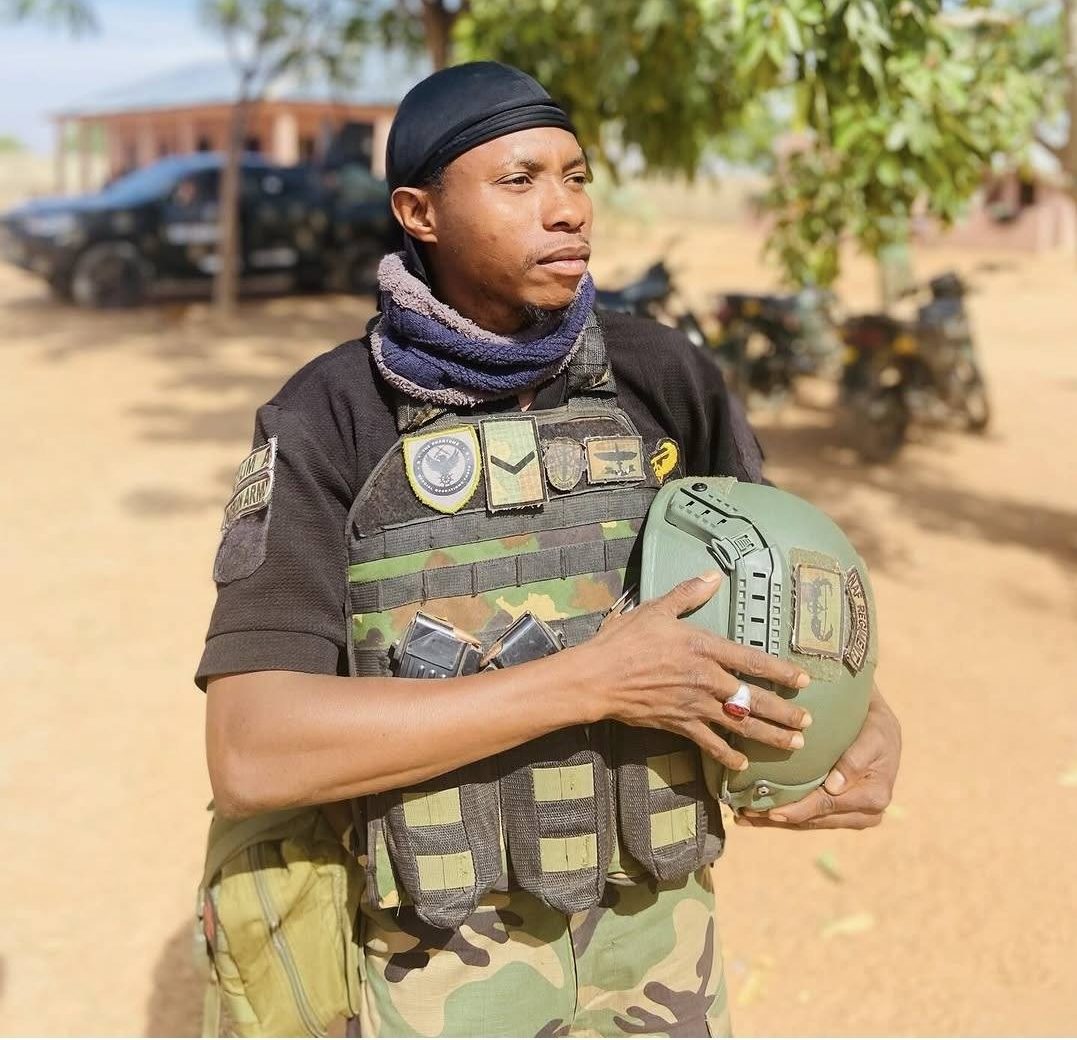
There is a particular cruelty in the timing of some deaths, a cruelty that refuses to be explained away. Muslim Abdurrazak Ibrahim, 31, died on a Friday. Every Friday without fail, he would send a Jumu’at Mubarak message, a small ritual of love and faith that connected him to family and friends across the distance between a soldier’s post and the world back home. On this Friday, he sent nothing. He could not. He had already gone.
Muslim was the firstborn son of Abdurrazak, who named him after his uncle — a tribute to my older brother, Muslim. Abdurrazak, a retired soldier, had fought in battles inside and outside Nigeria and had returned home carrying the weight of friends lost in the trenches of Liberia, Sierra Leone, and beyond. His children, Muslim and his brother Bilal, would both join the Nigerian Army.
The week of his death was, without either of us knowing it, a week of farewells. On Wednesday, my busiest day, Muslim asked to speak with me, which was unusual in itself. We compromised, exchanging texts and voice notes instead. What followed was the most intimate conversation we had ever shared.
Muslim spoke about his family, including his brother Buhari, who also wanted to join the Army. He spoke at unusual length and with unusual openness. For instance, he did not want Buhari to abandon his education to join the military. He had wanted a video or audio call for more direct contact, as he wanted to leave a wasiya, a will. We did not manage the call. But something was transmitted all the same.
On Thursday evening, he told me he was exhausted after the patrol. He and his colleagues had been chasing armed men on more than fifty motorbikes across the terrain of Kebbi State. They escaped. I prayed for better fortune next time. On Friday, there was no next time. He was killed in combat!
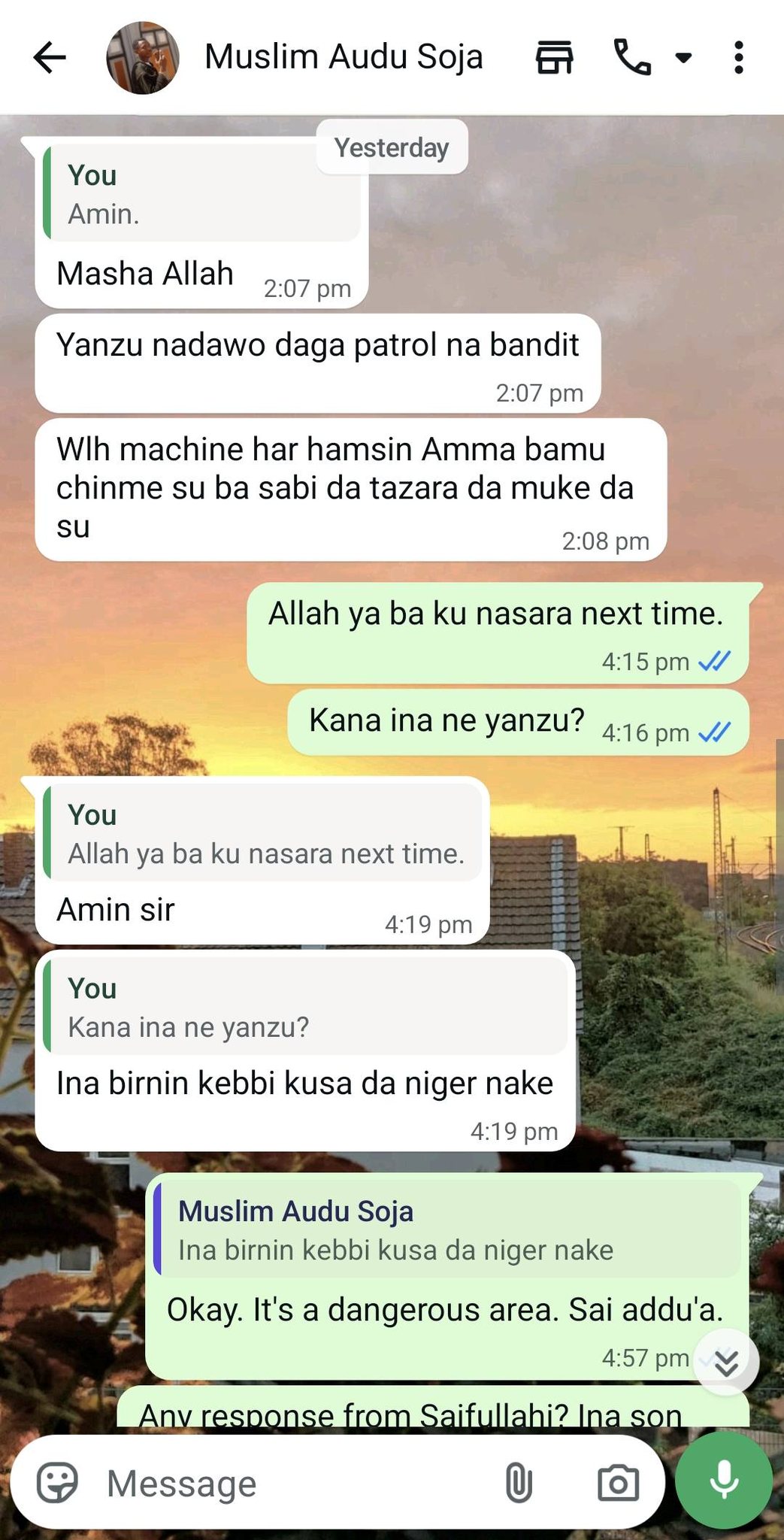
Just hours before his death, he had asked about obtaining a permit to travel home on the 20th of May to celebrate Eid al-Adha with his family in Kano. He had been looking forward to the feast and planning a homecoming.
He had also been planning a wedding. His betrothed, Nana, his girlfriend, his intended, was waiting. The arrangements were underway. He was thirty-one years old, at the beginning of the life he had been building, and then he was gone.
Muslim was a caring son to his parents, a devoted brother to his siblings, and a warm presence in the lives of friends, colleagues, and acquaintances alike. Those who knew him speak of his bravery on the battlefield, his attentiveness during training, his faithfulness in small gestures, such as the weekly Jumu’at message, among many other qualities. He was consistent. He was present. He was the kind of person who, even from a military post in the field, remembered to reach out.
This is the quiet tragedy within the larger one: that Nigeria loses sons and daughters like Muslim regularly, and the country has grown so accustomed to the loss that it barely flinches. The skirmishes, the patrols, the ambushes — they occur on the margins of the national conversation, and the brave men and women who fall in them are sometimes mourned only by their families, in private, without the acknowledgement their sacrifice demands.
Muslim was not a statistic. He was a person who sent Jumu’at greetings and wanted to come home for Eid to meet family and friends. He had dreams and plans for the future. None of this would now happen.
I was, to my knowledge, the last family member to speak with him. That knowledge sits heavily. But I am also grateful that he reached out, that we spoke at length about family for the first time, and that something of what he wanted to say was said. He left, in those voice notes and texts, a presence that words can only approximate.
Against all odds, we pray for Nigeria’s prosperity. May the sacrifices of these gallant soldiers not be in vain. May Allah (SWT) forgive their shortcomings, accept their martyrdom, and grant their families and loved ones the strength to bear this loss.
May Muslim Abdurrazak Ibrahim rest in the mercy and peace of his Creator. May Nana be comforted. May his parents and siblings find strength. May his name be remembered — not only by those who loved him, but by a country that owes its soldiers more than silence, amin summa amin.
Inna lillaahi wa innaa ilaihi raaji’un — Indeed, to Allah we belong, and to Him we shall return.
May his soul rest in peace, May Allah reward you abundantly for the prayers. Ameen