Lifestyle

Tips for women on balancing kitchen duties and worship during Ramadan

By Aisha Musa Auyo

I know this is coming in late, but better late than never, huh? Ramadan is a sacred month that is supposed to be dedicated to fasting, Quranic recitation, prayers, sadaqah, etc. But part of that ibadah comes with a lot of cooking and eating.

Ramadan is synonymous with a delicious variety of dishes—a paradox, right? That’s why many media stations and content creators dedicate time, energy, and resources to Ramadan dishes and treats.

Women are more often on the receiving end of this cooking duty during Ramadan. This has been the tradition since time immemorial, so we cannot change it, but we can create ways that will help us adapt, manage, and not be overwhelmed by it. We can make it beneficial and more rewarding.

First and foremost, cook with the intention of getting rewarded, not to impress your man, the family, or his friends. That gender may not even say thank you, sannu da aiki, abincin yayi dadi, or even Allah Ya miki albarka. But if your intention is to get rewarded by Allah, you are sure to have that reward. Innamal a’amaalu binniyati.

Know that whoever feeds a fasting person receives an immense reward. The Prophet (PBUH) said, “He who feeds a fasting person will have a reward like that of the fasting person, without any reduction in his reward.” (Tirmidhi) This applies to the one who buys the food as well as the one who cooks the food.

When it comes to tafsir, Ramadan lectures, and the like, technology has made things easier for us. You can listen to live or recorded programs on your phone, wherever you are in the world, while you’re cooking or cleaning. You can listen to Quranic recitation too; you can do lots of dhikr and istighfar while doing most chores. Try not to miss out on this.

If you have the means, give out sadaqah in cash and in kind, especially food and water. That will fetch you an immense reward. In the end, it’s the reward we are aiming for, so the end justifies the means.

If you are fortunate enough to have electricity, you can devote your weekends to making pepper soups, stews, and juices. Then, freeze them, which will make cooking easier for the rest of the week. Also, make use of food processors and other appliances that will simplify your work.

Make use of processed foods as much as you can afford. For example, if you want to make tiger nut drink, buy tiger nut powder from Auyo’s Cuisines. This will make your work faster and easier, and you will have the energy for Tarawih. Other processed foods that are much needed for Ramadan are ground peppers, ground kuli, masa premix, and garin kunu, all of which are available and affordable at Auyo’s Cuisines.

Making a weekly food timetable ahead of time helps a lot. Thinking about what to cook is very draining; knowing what to cook is like finishing half the work.

Seek help; don’t try to do everything yourself. Engage the kids and hire someone to help you, even if it’s just for the month. Going to the market will drain you and waste your time; find someone to help you with that from time to time.

You see that Zirkr our Prophet gave his daughter when she asked for servants, Subhanallah, walhamdulillah, and wallWallahar, don’t joke with it before you sleep, you need it now, more than ever.

Try to hydrate a lot during the non-fasting hours. Don’t be too exhausted to eat; you need health and energy more than anyone.

As much as you can, avoid social media, movies, useless chit-chats, and worldly distractions. You will have ample time for that after Ramadan. This month is sacred and only comes once a year. The Prophet said, “Verily, Gabriel came to me and he said: Whoever reaches the month of Ramadan and he is not forgiven, then he will enter Hellfire and Allah will cast him far away,”.

The Prophet peace be upon him also said, that a loser is the one who witnessed Ramadan and didn’t earn Allah’s pardon. A loser is one who’s despaired of Allah’s mercy. A loser lets time pass by procrastinating good deeds. A loser is the one who loses the reward of his fasting to mere hunger and thirst.

My fellow women, try to be on your best behavior this month. Try not to be a loser. As a woman, know that you will sleep less than anyone else in the house, but it’s okay; that’s your part of the sacrifice. Men go out to work too; some men work under the scorching sun. Some men’s work involves hard labor, harder than what you do at home. Some men, even though they work under AC, have pressures and issues they need to solve, which is also very difficult and draining.

Over to you, my brother. If you can afford it, please get some domestic help for your wife. She needs it, especially this month. If not someone who will help in the kitchen, find someone who will help with the shopping and outdoor activities.

If you want to bring people for iftar, do so in moderation. She is only human with two hands.

If you want to feed many people, employ ‘Mai kosai da kunu’ for that project. Many people need the job and the extra money that comes with it. Allow your wife to handle the family’s iftar. Allah Ya biya ka da aljanna.

Bro, I know you’re working hard to provide, but a kind word, a prayer, a gift (in cash or in kind) will make your woman feel appreciated and loved. It won’t kill you.

My fellow women, know that all this work you are doing might not be possible if your man were not providing the food and resources. Appreciate him, encourage him, and respect him. You are not the only one working hard.

But if you are the woman of the house and also the one providing for the household, know that only Allah SWT can help and reward you. I cannot explain or tell you how to manage your time, but I know you are incredible, and in sha Allah, you will enjoy the fruits of your labor, here and in the hereafter.

If you are a son or daughter still living with your parents, know that you also have roles to play. These roles can range from helping with meal preparation and cleaning to running errands and greeting your parents when they return home from work. Praying for your parents is also an important act of worship.

If you are earning money, buy fruits, vegetables, or gifts for your parents and siblings.

Guy, before you shamelessly take a Ramadan basket or kayan sallah to your girlfriend, who may not even marry you, do so for your parents first. It will be more rewarding for you.

Girl, before you shamelessly invite that stingy boyfriend of yours for iftar with your parents’ cefane, make sure you are always helping out with the cooking and cleaning; it will be more rewarding for you. Don’t be a lazy girl and then an active one when your guy is coming for iftar.

Dear couples, as much as I know you are tired, don’t ignore za oza room ibada during this month. It is very rewarding, it enhances mood and offers benefits for physical and psychological health including lowering stress, improving sleep, and boosting immune function.

Experts say the hour before suhoor is the best during Ramadan. By then, couples are well-rested, and they will be waking up for suhoor anyway.

Let me stop here. May Allah accept our ibadah. May He give us the health and wealth to perform this ibadah to the best of our abilities. May Allah make us among the servants who will be freed at the end of this month. May He forgive our shortcomings, and may all our prayers and wishes be granted. May we witness many more Ramadans in good health and wealth.

Aisha Musa Auyo is a Doctoral researcher in Educational Psychology, a wife, and a mother of three. She is a homemaker, caterer, and parenting/relationship coach.

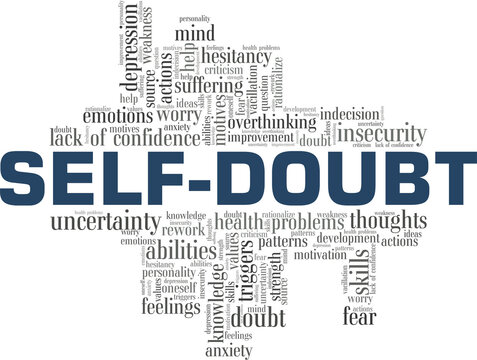
Navigating the risky waters of self-doubt

By Tijani Abiola

Confidence is often identified as one of the most important things in the complicated and vital
tango of life to make us closer to climbing the zenith of achievement and satisfaction. But there remains a counterintuitive danger of this confidence in low confidence. This perverse situation exposes a series of pitfalls to anyone who dares venture for his rescue from falling into the lake of un-assuredness.

Low confidence is a silent saboteur that can keep an individual’s real potential at bay and stop him from dead in his growth years. The problem is not just the lack of self-assurance; it is also that in the bargain, one may lose out on several choices and chances that come one’s way. Damaging to confidence, it makes it a self-fulfilling prophecy that will not allow people to reach their potential, dreams and its dreamer as an example.

Here’s one major pitfall to the detriment of decision-making. Confidence acts like a north star, which helps manoeuvre through choices wide and small. Yet if confidence wanes, decisions become a minefield of hesitation and second-guessing that often results in blown chances and unrealised potentials, taking a chance with all efforts put into that dream beautiful, and in the end, it ends in the cloud. 

Moreover, low confidence may develop a fear of taking risks. Innovations and success often require moving out of the comfort zone, and low confidence becomes a formidable bar to step into the new possibilities.

The amplified fear of failure causes individuals to shy away from challenging situations that prevent personal and professional growth. In self-reflection, high expectations by oneself and getting negative feedback from what you know and believe you are best at can drop down your level of confidence.

Poor self-confidence also takes its toll on interpersonal relationships. Confidence in oneself, both in their personal and professional contexts, attracts others to affiliating in pursuit of collaboration and cooperation. On the other hand, relying on low confidence would draw people further away, thereby stifling interactions and bilateral communication.

Sailing through the treacherous sea of self-doubt will require an intentional snapping out of the chains of low confidence. Seeking mentorship, investing in personal growth and learning to celebrate small wins will be critical in building and maintaining confidence. By embracing challenges, learning from failures, and reframing negative thoughts, low confidence will change gradually into powerful catalysts for growth.

In conclusion, having confidence at your lowest level is a delicate challenge that calls for self-reflection and conscious action. Realising the effects they can have on one’s life and engaging actively in building confidence opens up opportunities they thought could not come by, instilling them with resilience and confidence even when situations are uncertain.

Tijani Abiola is an executive assistant at Skyline University Nigeria with a passion for writing.

Love your job: Rethinking the nobility of work in a societal context

By Iranloye Sofiu Taiye (Optimism Mirror)

In today’s society, the value placed on labour appears to be diminishing, leading to job seekers being labelled as lacking vision. The prevailing mindset prioritises monetary gain over the intrinsic significance of the work itself and fails to question the ethical implications of wealth accumulation.

Throughout the annals of history, labour has consistently been regarded as noble, transcending various economic systems such as feudalism, the industrial revolution, legitimate trade, slave trade, colonialism, and the post-colonial era. Regardless of the prevailing economic orientation, whether capitalist, socialist, or communist, the consensus remains that individuals must sell their labour, skills, or ideas to earn a commensurate wage, stipend, or salary.

Selling one’s labour is undeniably the most legitimate means of earning a living. However, it is worth pondering why employment has become synonymous with working exclusively in corporate organisations. It is both peculiar and disconcerting that those engaged in seemingly menial jobs, such as shop attendants, cashiers, bolt drivers, waitresses, security personnel, graphic designers, and others, are frequently dismissed and their contributions overlooked.

In reality, the services provided by these individuals are indispensable to our collective well-being as a society. Imagine a world devoid of bricklayers, furniture makers, plumbers, teachers, tailors, farmers, and countless others—can we guarantee survival under such circumstances? This serves as a stark reminder to anyone engaged in any form of work that they should consider themselves honourable contributors to the fabric of society.

Regrettably, our society is currently grappling with the pervasive issue of the “get-rich-quick” syndrome, which is predominantly prevalent among the youth. Parents, religious leaders, friends, and elders openly encourage and support their offspring to pursue wealth by any means, irrespective of the nobility of the endeavour. Labour is now seen as optional, and the value of hard work has been overshadowed.

Consequently, we find ourselves in a problematic situation where numerous graduates, lacking practical work experience, wander the streets searching for white-collar jobs that offer exorbitant salaries. They are unwilling to consider jobs that would cover their basic expenses and provide personal growth and development opportunities. It is vital to acknowledge that not everyone is destined to be an entrepreneur or business owner—some individuals will sell their expertise, labour, and creativity to others. CEOs and business leaders require a workforce to carry out essential production activities.

Nevertheless, loving and appreciating the value of one’s work is imperative and essential. No one should succumb to intimidation, bullying, or dehumanisation for engaging in an honest means of livelihood, as long as it is legitimate. It is of utmost importance to recognise that the dignity and worth of work extend far beyond the confines of corporate offices.

Significantly, we must re-evaluate our societal perceptions of work. We must wholeheartedly embrace the notion that all forms of labour contribute to the well-being of our communities. By cherishing and honouring our work, regardless of its nature or scale, we can foster a society that recognises and respects the nobility of every individual’s contribution.

Iranloye Sofiu Taiye (Optimism Mirror) is a political/public affairs analyst, writer, public speaker and youth advocate. He can be reached via iranloye100@gmail.com.

How to avoid sport-related anxiety or attacks

By Aisha Musa Auyo 

Sequel to the recent loss of lives during the heated match between Nigeria and South Africa in the recently concluded 2023 AFCON, it is pertinent to begin sensitizing the public on the effects of anxiety, cardiac, and related attacks.

To avoid anxiety or a heart attack during sports or anything that excites you, try this visualization a few hours before the game or event.

…Expect the worst in this case, even if you don’t want to. Imagine the worst-case scenario a few times in your mind, and no matter how anxious your body becomes, let it be. Don’t resist it, and it will go away…

Anxiety is nothing but the manifestation of your deepest fears, and since you keep avoiding the worst-case scenarios, anxiety keeps building up. But if you have imagined and experienced it, the reality will not come as a shock. It will be something you have already envisioned. Whether the game ends in your favor or not, you will have control over how your body reacts to the outcome.

This is the explanation behind the fight-or-flight response, which is an automatic physiological reaction to an event that is perceived as stressful or frightening. The perception of a threat activates the sympathetic nervous system and triggers an acute stress response that prepares the body to fight or flee.

Sports-related anxiety and heart attacks can be influenced by various factors, and addressing them requires a multifaceted approach. Since this issue will continue to arise even after the AFCON, it would be beneficial to highlight the long-term approaches.

1. Regular Exercise: Engaging in regular physical activity not only improves cardiovascular health but also aids in stress management. Incorporating both aerobic and strength training exercises can contribute to overall well-being.

2. Healthy Lifestyle: Adopting a balanced and nutritious diet, maintaining a healthy weight, and avoiding excessive alcohol and tobacco use are crucial components of preventing heart-related problems.

3. Stress Management: Practice stress-reduction techniques, such as mindfulness, deep breathing exercises, or meditation. Managing stress levels is vital for overall mental and physical health.

Regular Health Checkups: Periodic health checkups help monitor blood pressure, cholesterol levels, and overall heart health. Early detection of potential issues allows for timely intervention.

5. Know Your Limits: Recognize your personal physical limitations and avoid pushing yourself too hard during sports activities. Gradual progression in intensity is essential to prevent sudden stress on the cardiovascular system.

6. Medical Consultation: If individuals have preexisting health conditions or concerns, it’s crucial to consult a healthcare professional before engaging in strenuous physical activities, including sports events.

7. Fan Engagement Awareness: For spectators, emotional involvement during sports events can lead to heightened stress levels. Being aware of one’s emotional reactions and finding healthy ways to manage them are essential.

8. Emergency Preparedness: Knowledge of basic first aid and access to medical facilities during sports events are critical in case of emergencies.

9. Community Awareness: Raising awareness within communities about the risks associated with sports-related stress and the importance of preventive measures can contribute to a healthier sports culture.

10. Education: Providing education on the signs of heart attacks and the importance of seeking immediate medical attention can empower individuals to respond effectively in emergencies.

By addressing these aspects, individuals can reduce the risk of sports-related anxiety and heart attacks, thus promoting a safer and more enjoyable sports experience.

To reduce sports-related anxiety and potential health risks, individuals should prioritize regular exercise, maintain a healthy lifestyle, and be aware of their physical limitations. Seeking medical advice and monitoring stress levels can also contribute to overall well-being.

Aisha Musa Auyo is a Doctoral researcher in Educational Psychology, a mother of three, a homemaker, caterer, and parenting/relationship coach. She can be contacted via aishamuauyo@gmail.com.

Dear men, women are visual beings too

By Aisha Musa Auyo

I have been writing about how women should be patient, understanding, tolerant, verbally appreciative of their men, admire them, massage their egos, and constantly upgrade themselves to please their men, etc. The men are loving it. It’s about time women get their concerns heard.

We all love good things. And I know it’s a man’s nature not to care what his woman thinks about his looks after he marries her. The truth is, smart men know that appeasing their women pleases themselves. Most of the time, women reciprocate what they feel. If they’re happy, they radiate that energy to the people around them, and trust me, a positive vibe is contagious.

You’ve seen her, and you wanted nothing but to marry her at that moment. You will do anything to please, impress, convince, attract, and marry her. That’s not the end, though. You need to work on staying happily married to her. You need to stay attractive to her. Women are strange beings—simple yet complicated. Basic things like hygiene (oral, toilet, clothes, head, nails, and general body cleanliness), choice of perfume, or outfits can make her love or hate you. Yes, we don’t dislike—we hate. Lol.

Frankly, I don’t want to write about this. I don’t want to start telling adult males how to groom themselves, but the direct messages and tags I receive are too numerous to ignore. So, let’s do this!

It was reported to me that most men don’t flush after peeing. Yes, you read that correctly. I feel compelled to bring this out for the sake of my girls. Furthermore, when they flush after a number two, they don’t bother to wait and see if everything is cleared, let alone use the toilet brush or air freshener.

The ideal way to clean up after using the toilet is to wash yourself with soap and water. Water alone will suffice for purification, but soap is necessary for hygiene and a pleasant smell.

When it comes to underwear, kindly change them daily. Buy as many as you can afford. There are affordable ones for everyone’s pocket. Nigerian weather is not very friendly. Those sweatpants and tight trousers are bad for hygiene. Please let your body breathe!

Mouthwash, clove, and chewing gum are not for women alone. They’re oral hygiene products for both genders. Teeth scaling, polishing, and dental check-ups are not just for celebrities. They’re for everyone. Manicures, pedicures, and shaving (for men) every Friday are sunnah. Shampoo, conditioner, and anti-dandruff products are for both genders, especially men who want to grow their hair. However, they should be aware that this decision comes with financial responsibility.

Wash or sanitize your hands immediately when you get home. Bathe and brush your teeth after work, and use deodorant, body spray, antiperspirants, and perfumes (I know most of you do these things before going out). The problem is when you are home. Your wife deserves the best version of you. Please ask her what she thinks of your perfume. If her choice is different from yours, use your own choice when you are going out and her choice when you are home.

When your wife nonchalantly suggests that you freshen up, get the clue, dude… she may not spell out that you stink. And if anyone you trust offers you a clove, chewing gum, or minted sweets, gladly accept it; chances are, you need to freshen your breath. Accept corrections and observations about your hygiene with an open mind.

If you notice that your wife is avoiding physical contact or conversations with you, check your hygiene. A wife prepares herself and waits the whole day just to be with her husband. So if she’s keeping her distance, something must be amiss. Freshen up and both of you will be fine.

Women love money, they say, but decent women love hygienic and good-smelling men more. If you have money, use it to look and smell good. If you don’t, make sure you are not dirty. There are cheaper options for looking and smelling good. A woman can never hate a neat and good-smelling guy. Women pay more attention to how you smell than how you look.

And that annoying jallabiyya you men wear from Friday evening until Monday morning, please try to change the habit. It really annoys us. If we ladies can change at least two outfits a day just to please you, you may as well reciprocate the gesture. There are comfortable casual clothes that are very available and affordable.

The dreaded morning breath… we know it’s unavoidable, but hey, brush your teeth before sleeping, use mouthwash, chew mint leaves or cloves before bed. That morning intimacy couples rave about isn’t so great with morning breath. Please brush before going to Subhi prayer (that one is a complaint from your fellow men). Just brush before talking to anyone. Drink water and eat a date or apple to neutralize the acidity in your empty stomach.

In general, a pleasant smell has a calming effect on the person who wears it and the person who breathes it in. A bad smell is not only offensive to the nose but also damages the recipient’s mood, angering them instantly. The unfortunate thing is that most people who exude a bad smell are unaware of it. Therefore, as an individual, do everything humanly possible to avoid having an unpleasant odor. Never be too busy or in a hurry to the detriment of your personal hygiene and grooming.

Aisha Musa Auyo is a Doctoral researcher in Educational Psychology, a mother of three, a homemaker, caterer, and parenting/relationship coach. She can be contacted via aishamuauyo@gmail.com.
The transfiguration “Ni Dan Rigasa Ne” phrase

By Abdullahi Yusuf

The phrase “Ni Dan Rigasa ne” (which means “I am an inhabitant of Rigasa”) was once notorious within the Kaduna metropolis, evoking a troubled history. Rigasa, a well-known community under the authority of Igabi Local Government Area of Kaduna State, boasts a dense population of over 3 million inhabitants, primarily from the Hausa tribe, making Hausa the predominant language of communication in the community.

In the past, the phrase “Ni Dan Rigasa ne” was akin to saying “I’m from O’block” in Chicago, United States. It connoted hailing from a place where violence was rampant, almost warning others to steer clear due to assumed tendencies for aggression. While certain notions about the community were stereotyped, these stereotypes held some semblance of truth, however generalised.

Due to Rigasa’s population density, a large number of out-of-school children roamed the streets. Some scavenged within different marketplaces, while a fortunate few were sent to learn skills. Many adolescents and young people in the community had been immersed in illicit activities, often engaging in violent altercations, causing harm to themselves and others while also perpetuating property destruction.

During this period, the term “Yan shara” was commonly used, referring to gangs of thugs armed with weapons, causing mayhem and inflicting injuries and damages. This unrest often served as an opportunity for robbery, leading to the theft of belongings from innocent passers-by.

Phone snatching was prevalent, and individuals lived in fear of being victimised in broad daylight. Such incidents resulted in injuries, disabilities, and even fatalities.

As a result, the community became daunting to outsiders, dissuading visits from people from other parts of the state due to the fear of potential unrest or falling victim to robbery.

“Yan hayi” was another term those living outside Rigasa used to describe the residents, signifying people residing in Hayin Rigasa. The word “Hayi” conveys “crossing,” and was derived from the fact that a river at the entrance of Rigasa had to be traversed before entering the community. During that era, being called “Dan Hayi” implied that one was unwise or unsophisticated.

These stereotypes gradually dissipated over time as Rigasa transformed into a burgeoning community with abundant, relatively affordable land. People from other parts of the state began to immigrate to Rigasa and construct houses. Consequently, Rigasa has become one of the most rapidly developed communities over the past two decades, a testament to its positive transformation.

Despite the aforementioned tumultuous events, the residents of the Rigasa community are among the most selfless individuals one could encounter. Their spirit of altruism and patriotism is unparalleled, and they channelled their unity towards overcoming adversities and shaping a brighter future for their community. Education served as the fulcrum for this positive transformation, marking the inception of their development journey. 

Over two decades ago, a group of forward-thinking individuals came together to establish a forum to foster education and community development to promote success. The Rigasa Students Forum (S-Foris) was formed to orient, educate, and mentor the people within the community, including the younger generation and the elder populace. 

S-Foris was instrumental in providing extramural lessons to students and introducing adult education to elderly individuals, particularly women who did not have the opportunity to acquire education earlier in their lives. The forum made significant strides in transforming the mindset of numerous youths in the community, achieving notable success.

Subsequently, other student bodies, such as the Rigasa Students Association (RSA) and Rigasa Old Student Association (ROSA), emerged with similar aspirations, continuing the trajectory of success.

Building on these achievements, the same group of individuals sought to elevate their advocacy efforts by expanding the scope of development-related initiatives. This led to the formation of the Rigasa Action and Awareness Forum (RAAF). RAAF operates as a pressure group, enlightening the community about various aspects of development and advocating for adherence to the rule of law. Moreover, the forum takes proactive measures to ensure that the government addresses the needs and concerns of the Rigasa community.

Due to the tireless efforts of a dedicated group, Rigasa can be considered a benchmark for positive change. The community boasts numerous talented individuals who excel across various domains of development. Academically, Government Secondary School Rigasa has produced a multitude of intellectuals who have excelled in academia. Moreover, developmentally, Rigasa is home to the leading youth civil society organisation in Kaduna, the Enhancing Community Action for Peace and Better Health Initiative (e-CAPH), headed by the vibrant young leader and prominent human rights advocate, Yusha’u M Abubakar. Additionally, the Village Debbo Care Initiative (VD Care), led by Samira Isah Modibbo, serves as another influential platform for women’s rights, among other organisations contributing to the community’s progress.

Before the 2023 election, during the voter registration exercise, RAAF played a pivotal role in mobilising citizens for registration and transfer, as Rigasa welcomed the addition of over 80 polling units. This effort led to mobilising over 10,000 additional votes within the community, presenting a significant political advantage considering the maxim “politics is a game of numbers.”

“Dan Rigasa” or “Dan Hayi” is no longer derogatory but a source of pride. Rigasa is now widely represented in learning institutions and governmental agencies across northern Nigeria. Rigasa youth have obtained prominent positions in government, excelled in business endeavours, and showcased their skills across various industries. The community has notably enhanced its security, becoming one of the safest locales in Kaduna State, fostering an environment where individuals can navigate without fear of robbery or threat to personal safety.

Amid these accomplishments, humanitarian services have also flourished. Zauren Al’umma, led by Idris Tumba, has emerged as a notable humanitarian organisation providing crucial aid to vulnerable individuals in diverse capacities, further accentuating the community’s spirit of benevolence.

Rigasa’s journey reflects a remarkable transformation, underscored by a commitment to education, civic engagement, and holistic community development. Rigasa people are fond of helping each other in an individual capacity and as an organisation.

I can confidently beat my chest wherever I find myself and proudly exclaim, “Ni Dan Rigasa Ne,” without fearing any stereotype or judgment. I am confident that Rigasa is now well-represented widely.

Abdullahi Yusuf is a graduate of Health Education, Bayero University Kano. He wrote from Rigasa, Kaduna, via abdoolphd@gmail.com.

Ignorance is not bliss

By Jamila Yunusa Sulieman

They say ignorance is bliss, but only to the ignorant. Over the years, I have read articles on Sickle Cell Disease and witnessed some close associates deal with the unending crisis. Little did I know it would be a first-hand experience for me.

I got married without a genotype investigation, though my spouse was very sincere with his as I carelessly assumed I was of the AA genotype because my siblings all had the AA genotype except for my immediate elder brother. Careless, right? My genotype Status dawned on me during the routine medical test for antenatal. Naturally, I broke down, and full of disappointment, I prayed and cried. I had my first child and two more, which were all declared healthy and free of Sickle Cell Disease. 

It was bliss; family members would congratulate me and help me praise Allah; the feeling was more like hitting the jackpot. Four years passed by after the birth of my third child, and just then, pain and fear decided to take a seat in the kingdom of bliss. I had taken myself for an ultrasound in one of the prestigious Ultrasound service providers, where I was declared eight weeks gone. I took one of the fastest routes to my place. I walked slowly but could feel my heart beating faster; I didn’t have the excitement of pregnancy because all I felt were premonitions.

I would cry myself to sleep, and some nights, I would think deep into the night. I sparked out of melancholy. I started my antenatal clinics at 12 weeks of gestation. I became even more prayerful even though I knew I had very slim chances of having a child who wouldn’t have the SS genotype as scientifically proven. Time passed so fast, and it was 40 weeks already. I welcomed my bundle of joy with much happiness and prayers but with so much fear and guilt. 

The tension in me grew as the days passed by. He was one sickly child with a huge appetite. It was about six months when I finally summoned the courage to take him for genotype testing; after samples had been taken, I waited patiently for the test results; the wait seemed like forever. After waiting three hours, I had to enter the lab and demand the results. The microbiologist would give excuses, and so I knew something was up. 

A few minutes later, the most senior microbiologist in the lab walked up to me. Before he could complete what he was saying, I asked, “It’s SS, right?”. The affirmation on his face broke me. I walked home crying with my baby strapped to my back, and I kept repeating to myself, “I am a bad mother. I have failed my child. What have I done? How can I subject my own child to this?” I wept, I became sobber, I didn’t feel happiness or joy around me. It affected my work, my family life and my social life. 

Although I was down, I immediately registered him for the SCD clinics, I took precautions, I improved his diet, I began researching Sickle Cell Disease, I connected with mothers with Sickle Cell Disease, and we shared observations and suggestions. The nurses and doctors were always welcoming and readily available. Unfortunately, we come across people who do not understand our situation and make us feel we are just blowing things out of proportion. If only they knew the weight we carry in our hearts and the hopelessness we sometimes feel.

Sometimes, I forget his medical condition, but whenever he breaks down, it feels like the end of happiness; the whole feeling of guilt and carelessness becomes a rebirth in my life. Those days and nights of sleeplessness, the pain of watching him go through the pain and all I can do is pray and give him the best care I can. My heart gets shattered into bits and pieces. This I have brought upon my child. 

I question myself whether he would grow up to have a normal childhood like every child. What will be my answer when he begins to question his medical state in future? Would he forgive me? Would he see me as a good mother? Will there come a time when I will stop biting myself so hard?

Indeed, ignorance is not bliss but a silent time bomb waiting to explode. Love and attraction should not be the only basis for marriage; genotype plays a key role. It is time we stopped only reading about Sickle Cell Disease and began to give genotype investigation its due.

Jamila Yunusa Sulieman is an Abuja-based mother of 4 and a graduate of Ahmadu Bello University. She has a passion for enlightening others and imparting knowledge. She can be reached via suleimanjamila21@gmail.com.

Curbing career choice struggles in teenagers

By Munirah Ibrahim Yusuf

Growing up as a teenager, one of the most challenging questions you could ask me was the almighty… “What do you want to be in the future”? I dabbled from one self-proclaimed pretty “Science course” to another for years…

All I knew was that it had to be a course in the Science field. First, it was ophthalmology, then pharmacy, and even estate management. Who am I kidding? It was a crisis.

It felt worse when I got to SS1 and saw the other options I could have had in different fields, like art and commercials. I was good in their subjects too.

I couldn’t quite understand why I chose to go to the Science Field. I couldn’t find why I decided to go there, so I held on to the fact that Allah was in control and had led me to pick it with good faith.

Years later, one morning….it hit me like a revelation. I suddenly knew why I never went to art or commercial class. It was because “THEY WERE NEVER AN OPTION”.

A certain teacher we looked up to had categorically told us things that created the impression. For example, whoever was blessed with anything close to an IQ had nothing to do with anything other than in the science field. And, like, that’s where the money is….And, like, that’s where great people and great professions belong….blah blah blah. 

Who wouldn’t want to be Great, tho? I subconsciously ruled out other fields. I still remember when we were asked to pick classes after JSS3. I knew I wanted to choose “Science” but didn’t want anything too deep in science (medical science) because of all the blood and flesh business. 

I had settled to write down courses I thought wouldn’t have too much messy work (blood, wounds), and Opthalmology was what I went with (LOL again, who am I kidding?)

Secretly, many people still regret the paths they chose in their education. Family, friends or society influenced some of us,and now we have discovered what we want for ourselves.

Let’s think about it; I don’t know about you, but in my area, kids around ages 12-14 are already in JSS 3, where they get to choose fields. Is a child that young capable of knowing what’s best for them? It’s screaming NO. The schools differ, ranging from private or government-owned, but most I’ve seen make them choose a field after JSS3.

I heard about a principal who would make the JSS3 finalists come to school during the long break after their Junior NECO exams. He would then teach them art, sciences, technical and commercial subjects and finish with some exams.

This system gave the students a little insight into what they would be dealing with when they got to Senior class and helped them make better choices regarding the subjects they found more intriguing and good Counselling. Great, don’t you think? May Allah bless his soul. Either way, no one seems to do that anymore, and we have to move on.

As a teacher or an educator whom kids look up to and adhere to with all beliefs, you should be careful with the kind of information you give kids.

Courses might be ranked, but the individual is responsible for how much utility they can produce using it. Every course is important. If not, it would not be a cause to study. (P.S.: We will talk about the effect of our country on education some other day).

As a parent or caregiver, it is important to practice mindful parenting and carry out routine checks with your kids to understand their choices and lifestyle and make sure they choose the best for themselves.

Many of us had that ‘follow follow’ stage that comes with growing up. And then you snap! And you reach the point where you have to take a step back, assess the situation and realise that this is not who you want to be.

Then, we live our lives trying to find ourselves with ever-changing wants and needs. Many of us are past that now, but you might know a kid or two going through these struggles. It is easy to recognise these stages when they talk and be on the lookout for help.

Let us give them better than we had.

Munirah Ibrahim Yusuf can be reached via ibrahimnurah99@gmail.com

A brief analysis of metaphysics of societal differences

By Mohammed Usman

Every society comprises class and caste, dividing its members into the same or similar status, profession, occupation, etc. This division makes the society function and able to move forward. It is the factor that enables each member to, directly and indirectly, benefit from another to sustain a living. 

We can say that these societal classes and castes are God Made since they have existed since time immemorial. More so, they exist even in the heavenly kingdom of God, the Almighty, for not all the angels of God are of the same status andrank. But each one of them remains an Angel of God, anyway! And being one angel of a status lower than the other doesn’t make him less than an angel. The difference in status resulted from the different purposes for which each one was created to serve. 

Similarly, mankind is made into different statuses, occupations and professions. We are all cut out for various reasons, so we can never be the same or go the same path in life’s journey. We are being driven, all of us, by the force of destiny that is beyond our control. It is in the hand of God, our dear creator. He is the one who penned down what and who each of us will be after being born and given a lease of life.

This, therefore, is worthwhile for us to fathom the metaphysical differences we have in perception of life phenomenon, passions, and craves_which are the fundamentals of our existence and our purpose for living, or one of the essential purposes for which we are created, and of course, the reason why we belong to a different caste. 

Having this at the back of our minds and having understood it fully, we shall never assume that belonging to an assumably superior societal class or caste makes us superior to another in entirety. It is foolish to think this way. As I said above, we all need each other. And we benefit from each other to sustain living. That makes us less than superior than we think we are! 

For more emphasis, belonging to that societal class or caste is, or the other, not a consequence of our own doings or mental engineering. It is something within the orbit of our destiny made and controlled by God, the owner of insurmountable power. 

So the earlier we come to this wisdom, the better and more balanced society we shall make for ourselves, and as a result, we make the world a better place for mankind to live to the fullest. 

May Allah grant us understanding. Aameaan! 

Mohammed Usman (Noble-pen) wrote via mohammedusman5706@gmail.com.

The problem with “no one remembers who came in second”

By Bello Hussein Adoto 

Have you ever heard: “No one remembers who came in second”? The quote is often credited to the legendary golfer Walter Hagen; others credit it to Enzo Ferrari. Whatever the source, the quote is popular. I have read it in more places than I can remember. Self-help gurus make it a part of their gung-ho anthems to nudge you into giving your best shot, doing better than average, and becoming great, not just good. 

You have to be the first person in your class. The best player in your team. The gold medallist in your sport. The brightest star on the planet. This is not minding the fact that Walter Hagen himself is third, not first or even second, in the list of golfers with the highest professional majors. 

The problem with “no one remembers who came in second” is that it feeds a utopic mindset in people who see things in binaries. To these people, you either win or you lose. There’s no halfway or middle ground. There’s nothing like you tried. There’s nothing you can do better. Your efforts are nought if you come second. No one will remember you. You go just dey explain, explain; no evidence.

So, what do we do? Some of us try to clinch the first place at all costs. We put in the work, burn the night candles, and sacrifice sleep and transient comfort for the great good.  Others lie, cheat, and scheme their way to the top. They don’t mind breaking the rules, engaging in unethical behaviour, or even hurting others to win. The goal is to win first; the how can come later, if it comes at all. 

Then, the rest of us aren’t so sure of our capacities to win, so we don’t compete. Or we compete only when we have higher chances of winning than losing. According to Carol Dweck, this category is for those who have a “fixed mindset”, the view that if you don’t already have the capacity to do something, you can’t do it at all.

Mindset aside, we are not the only ones who want to be remembered for coming first. Other people are trying to win, too—tens, hundreds, and thousands of others burning the night candle, scheming their ways, or hurting others, looking to win. We may win, and we may not.

I am not trying to romanticise mediocrity. There should be good, better, best to set the standards for excellence. There should be standards to measure and reward performance. We need the binaries of success and failure to draw the lines between the champ and the trash.

Nevertheless, that line should be thick and wide enough to accommodate the spectrum of outcomes between incompetence and excellence. Anyone who puts their hats into the ring and achieves the thresholds of excellence should be celebrated if not remembered for their efforts. Efforts should not only matter when they produce a first. 

However, in a world of “no one remembers who came in second” cheerleaders, effort is not enough. Stepping up to represent your school or class in a quiz or debate is not enough if you don’t win. Surviving medical school feels less of a win if you are not the Best Graduating Student in something. It goes on and on.

Then, you look at the lives of those keeping the scores of winners and losers, the ones who remember those who came first but don’t remember those who came in second, and wonder what their places in history are.

Who remembers these people? Who remembers the commentators at the 1996 Olympics? Who remembers the journalists who celebrated Nigeria and Africa? Who remembers the fans and snobs that choose who deserves the cheers or the jeers? Do you? I suppose some do, but they are a minority. 

If we all don’t remember the commentators, the fans, and the snobs, at least some will remember the players. At least, we remember Brazil. At least, we remember Holland at the 2010 World Cup, Argentina in 2014, Croatia in 2018, and France in 2022. We remember Sneijder. We remember Messi, Modric, and Mbappe. We remember those who strode into the pitch to gun for the gold, even if they didn’t get it. 

If we don’t remember them, at least these people remember themselves. Some self-help gurus would say, “The only person who remembers who comes in second is the person who came in second.” And I agree. How you see yourself is what matters more. Your win is yours as much as your losses. You’re your greatest fan and snob, not those watching the scoreboard.

At its core, the competition is not out there where there is gold, silver, or bronze. There’s no first prize or second place. There’s you, you, you. You—the one in this wild and endless competition—are to decide what to compete for, whether to put your best foot forward, be sure you’ve done your best, and hope the best comes out of it. The validation is yours to give first before the world resonates it. Whatever you get or don’t get from that will be on you, not the fans or snobs.

The greater competition is in beating your good self to become better, polishing your metal, and turning it into gold. That competition is within, and that’s where the win or loss should start from.

Don’t delude yourself into thinking it doesn’t matter if you are remembered. It does. Recognition matters. Excellence matters. You can’t afford to be complacent or mediocre. So, start polishing. Build diligently. Show up good, prepared. Pursue excellence. When the chips are down and “no one remembers who came in second,” you will remember yourself. What would you want to remember yourself for?