Lifestyle

Secrets to elegance and self-care for women

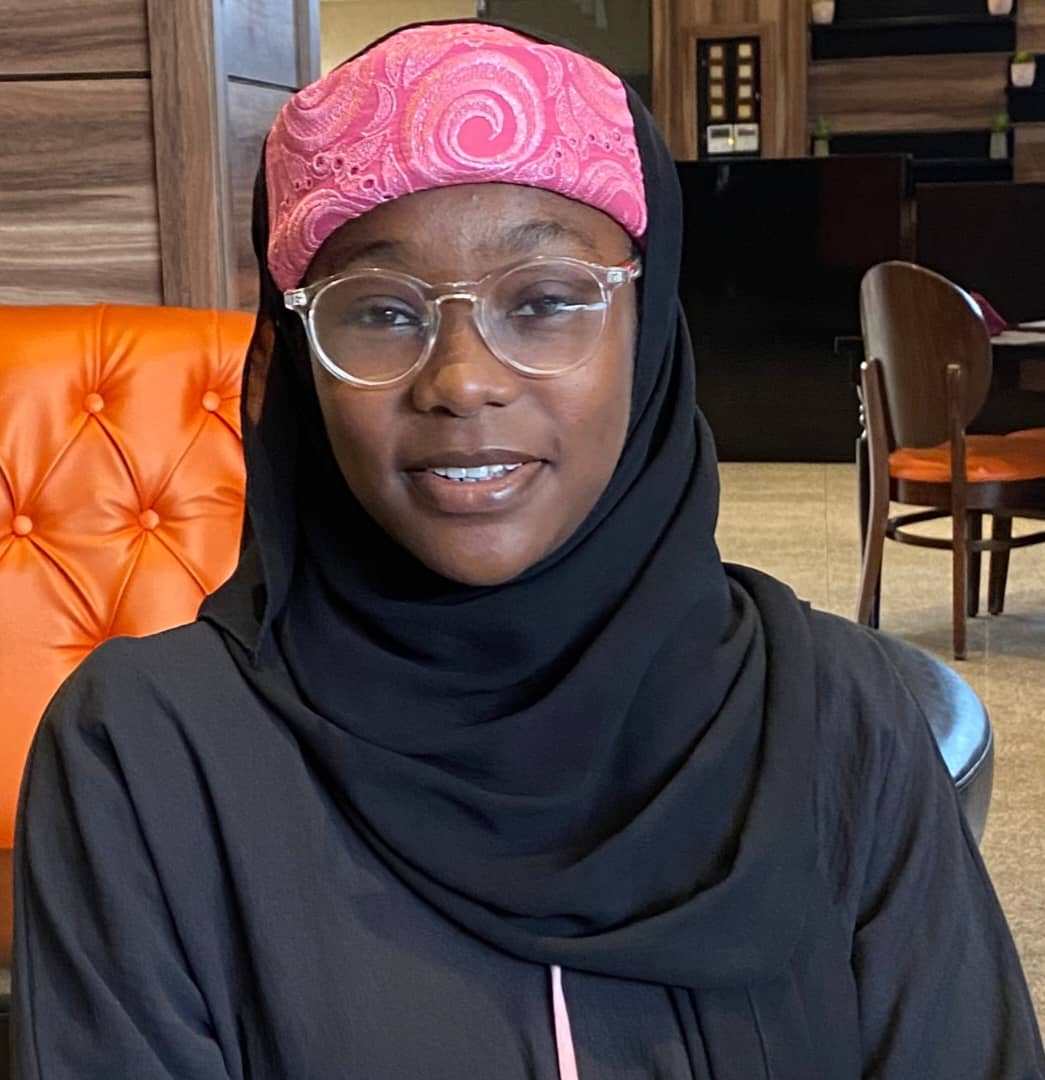
By Aisha Musa Auyo

Come, let me share some secrets with you, my sis. Sure, many will not accept it as a fact that most men dislike heavy makeup and artificial stuff. Of course, like in every rule, there are exceptions. So, know your man. 

My opinion is based on the fact that you can look very classy, elegant, and feminine without using hard makeup or loud stuff. Yes, in most cases, decent men prefer the natural looks of the opposite gender.

Gurl (this also applies to you, bro.!), neatness is paramount in all cases. Bathe at least twice a day. Take time to wash your underarms, under and between busts, thighs, and navel. Pay attention to your feet, areas around your ears, and between your face and neck, and wash down with warm, clean water.

Brush your teeth at least twice daily, and floss at least once daily. Shave at least once a week. Use deodorant at least once a day. Use alum or lemon on your armpit if deodorant is expensive for you. Once in a week, try to exfoliate your lips. Dry, cracked lips are a turnoff. Mix sugar and olive oil to form a scrub, then rub on your lips for a few minutes. Clean with a wipe. Repeat the process more than once a week if you have dry skin. The result is something I consider a subject for another day. But know for now that moisturized and soft lips are more alluring than lipstick-painted lips.

You see, exfoliation or scrubbing is very essential. Our body releases new cells daily, and the old cells die. Ordinary soaps do not exfoliate. This is where bath salts, bath sugars, scrubs, and exfoliating body washes come in. These products ensure the dead cells leave your skin and let the new cells breathe. This will make your skin look fresher, softer and younger. This will make you neat and glow. Just as it will help eradicate bad smells from your body.

If money is a problem, there are cheaper options. Lemon. Squeeze lemon in your bathing water. It helps to remove dirt and impurities from your skin. It also removes all bad smells and won’t let your sweat smell during the day. It also lightens your complexion and leaves your bathroom smelling fresh. Scrubbing your body with salt once in a while similarly does the trick. Henna (lalle) also helps exfoliate, soften, and remove bad smells from the skin.

On perfume, this is tricky, especially for us Muslims, because our religion frowns at women using it. So, deodorant, cool body spray, and a kullaccam will work when you go out. When you’re home, if you like, bath with perfume. If you’re married, check with your husband what kind of perfume he prefers on you. 

Another very important self-care is manicures and pedicures. You see, the first thing people, both men and women, subconsciously observe in your body is your feet. It’s crucial, therefore, to work on your toes and fingers. Make sure your nails are trimmed. Learn how to cut cuticles and shape your nails. If you can afford it, go to the salon for expert service.

Long nails are a turnoff, please! As a Muslim, please use natural henna—black, red, or maroon- if you must colour your nails. If you’re married, check if your husband likes it before you do. “Kada garin neman gira a rasa ido.’

Let’s talk about the feet. Our feet must be clean, regardless of the weather or your skin type. If you have dry skin and cracked feet, make time every day to exfoliate the dead cells, and apply shear butter after every ablution and bath. That will soften the feet and make it look neat. Also, use socks regularly. If you’re lucky your feet don’t crack, make sure they’re always dirt-free and moisturized. Cracked, dirty, and dry feet are a turnoff. Soft, moisturized, neat feet are a turn-on.

For your palms, always use moisturizers after washing or using water. Because we ladies touch water often, this results in dryer, harder palms. Coconut oil, olive oil, and shea butter help with moisture and softness, but they darken the skin. Let’s look for hand creams made specifically for hands to overcome this. If you can’t afford one, vaseline also works wonderfully well.

Dear lady, the choice of body cream or moisturizer you use significantly affects your life. I’m not exaggerating. Girls who are comfortable with their skin colour, in other words, who do not bleach their skin, clearly exhibit contentment in how our Lord created them. They exude confidence, and they don’t smell like rotten fish when they’re under the sun. These ladies have almost the same skin colour throughout their bodies and do not have to hide their palms and toes. 

Don’t disobey your Lord and harm your body to attract men. Decent men prefer women in their natural colours. Moreover, while your skin colour or body may attract a man, it’s your character that will keep him.

Universally, that’s in time and space. Women have always known that our hair and how we take care of it play a huge role in our looks and attractiveness. 

Wash your hair regularly. Plait your hair, or style it in ways that accentuate your beauty. (Some ladies look better with braids, while others look better without them.) Or, in ways your husband prefers… if you’re married.

Wash your hair with shampoo and conditioner regularly, steam it monthly, and dry it after washing. Find a good-smelling hair moisturizer, or use natural oils that smell nice. You can add a drop of oil perfume to your hair creams or oils. When you’re home, please allow your hair to breathe. 

Earrings are the basic jewellery. If you can, necklaces and waist beads are perfect additions. Some people like anklets, nose piercings, bracelets, wristwatches, rings, etc. Please don’t overdo it—it’s classless! Keep it simple and modest.

When it comes to clothes, decency should never be compromised. But please don’t look like a granny when you’re a teen or even anything less than 60 years old. Even the grannies are now slaying—they don’t care for anybody! 

Tight clothes are bad for you religiously and health-wise. They make you look cheap and classless. Even hygiene-wise, tight clothes are bad. People who wear tight clothes smell! Yes, because the human body needs to breathe, and tight clothes hinder that process. 

Avoid shouty colours or mismatched colours when dressing. Don’t interchange corporate dressing with wedding attire. Dress nicely and appropriately for each occasion, and don’t take any outing for granted. You don’t know who you’ll see or meet. The phrase ‘Dress the way you want to be addressed’ is something you should always hold on to. 

Accessories like shoes and bags are available at different prices. You know better than me what you can afford, but they’re a must-have for ladies. Wear shoes that will not embarrass you, that are comfy, and that will not splash sand on your feet. We are in Nigeria. When they say there are shoes for car owners and trekkers, understand that it’s nothing but the truth. Shoe shining and polishing are not only for men. Please keep your shoes and bags neat.

Let me stop here… I’m tired😒… I’ll conclude with this statement. “No matter how neat and beautiful you are, you sink if your character stinks. In other words, there ain’t no need telling it: with a character that stinks, you’re finished, girl. So work on your personality more than your physicality”.

You are welcome😉.

Aisha Musa Auyo is a Doctorate researcher in Educational Psychology. A wife, a mother, a homemaker, caterer, parenting, and relationship coach. She can be reached via aishamuauyo@live.co.uk.

Your beauty will attract a man, but it’s your character that will keep him

By Aisha M. Auyo

I asked a medical doctor a weird question. It went like this: “Dr, you have been seeing all sorts of women daily—beautiful, voluptuous, and many more. How do you know which one to love or choose as a spouse?”

His reply is the most sensible thing I read today, he said:

“Because we have been seeing a lot of them, we have seen all sorts of them, we have realised that it is not the body or the face that matters… besides, everything is almost the same… It is the brain and the heart that varies. That’s what matters most for decent guys, anyway. ” 

The same applies to university lecturers. They have seen them all, fresh students every year. My Dad once told me that of all the thousand female students he taught at that time, my Mom caught his attention because of her intelligence, manners, and decency. 

So my sisters…..  

Work on your personality more than your physicality. 

Work on your manners. 

Work on your attitude. 

Work on your social skills. 

Work on your emotional intelligence. 

Work on your neatness. 

A great body can be bought; Liposuction is everywhere. 

Kayan ciko’ are everywhere. 

Fair skin can be bought, and bleaching and skin lightening are everywhere. 

Fine faces can be bought; plastic surgery is everywhere. 

But good manners, patience, humility, intelligence, empathy, a clean heart, etc., can never be bought. They’re priceless. 

That’s what will distinguish you from the others. That is what will keep a man glued to you. That’s what will help you stay married.

Hormones: The symphony behind complexities in human behaviours, looks, and emotions

By Aisha Musa Auyo

Hormones influence or determine a considerable percentage of our behaviours and physical appearance. If we say our hormones are what makes us, we won’t be exaggerating. Yet, we hardly discuss it. Yet very few know about it; very few believe in its impact. From genetics to behavioural scientists to physiologists and psychologists, these specialists believe in the power of hormones, especially in women. I will try my best to write in the simplest language possible so that I will not suffocate you with medical jargon.

Hormones are chemicals that coordinate different bodily functions by carrying messages through the blood to the various organs, the skin, muscles, and other tissues. Hormones are the signals that tell your body what to do and when to do it. There is no gainsaying, therefore, that hormones are essential for life and health. So far, scientists have identified over 50 hormones in the human body.

 Hormones control many bodily processes, including metabolism, homeostasis (constant internal balance), such as blood pressure and blood sugar regulation, fluid (water) and electrolyte balance, body temperature, growth and development. Hormones also affect sexual function, reproduction, sleep-wake cycle, and mood.

With hormones, a little bit goes a long way. Because of this, minor changes in levels can cause significant changes to your body and lead to certain conditions that require medical attention. The levels and nature of hormones in the body correlate with our moods, sense of smell, body odour, taste buds, thinking faculty, energy, and looks. 

In this week’s outing, I will start with women, as they are the gender whose hormones have a greater influence and impact on their lives. If you have a woman in your life, regardless of your relationship with her, know that hormones are constantly influencing her. 

Growing up and transitioning into a woman is a roller-coaster of emotional and physical changes. There will be noticeable differences in her attitude, looks, behaviour, and even how she smells. There will be irritability, sadness, and heightened or lowered confidence.

Women have heightened hormonal influence during certain periods. When she grows from a girl to an adult, when she’s ovulating, and at different times when she is on her monthly period. There is a hormonal influence in pregnancy when she is breastfeeding and when she is using hormonal contraceptives. There is yet another hormonal issue at menopause, just as it is at adolescence. 

A few days to menstrual onset (ovulation periods), a woman experiences a libido boost, appetite changes, heightened sense of smell and mood changes…usually in a good mood. But, during the onset of their period, a woman will experience cramps, dizziness, bloating, acne breakout, feeling tired, and mood swings…sadness, anger and anxiety. It isjust a roller-coaster of feelings and emotions. 

When pregnant (this should be a topic of its own), a woman is most likely to experience, among other things, morning sickness, dizziness, nausea, and vomiting; strange food cravings; fatigue; heightened sense of smell; forgetfulness; lack of patience; and crying for no explicit reasons. Bro, be patient and empathic; it’s beyond her. 

Then there comes the postpartum and breastfeeding period, which is associated with crying, difficulty in making decisions, lack of sleep or oversleeping, tiredness, mood swings, etc. Not infrequently, a woman may fall into depression at this phase. 

Then, there are issues relating to the use of contraceptives. These range from headache, migraine, acne, weight loss or gain, hair loss, smooth skin, dryness, and mood swings. The signs are numerous, depending on the woman and the type of contraceptives used.

Then, there is the advent of menopause, which comes with palpitations, hot or cold flashes, difficulty sleeping, tiredness and irritability, dryness and a whole lot of other changes.

Have you ever noticed how a woman can be so lovely today and nasty the next day for no reason? Have you ever seen a woman cry just like that? Have you ever seen a woman with clear skin today and skin full of rashes or acne tomorrow? Have you ever noticed that a woman can be thin today and bloated the day after? Know that these amazing, dramatic transformations result from the interplay of hormones. You have to be tolerant, understanding, and kind.

As a husband, father, son, brother, or friend, you need to understand the complexities of hormones in women to a certain level. This will help you make informed decisions about certain behaviours. This might help explain some oddities in women’s behaviour you experience or notice. The knowledge will help you and be the person she needs during those trying periods.

Sometimes, all a woman needs is space, silence, patience, kind words, empathy, massages, or a shoulder to cry on (that is, if she’s your wife, yauwa!). Chocolates, a listening ear, a credit alert (LOL!), hot tea, a pain killer, or taking her on a walk may be the healing or soothing balm.

The above is just a summary of what women go through. I will expound on each stage in subsequent editions, each stage as a topic of itself, and see how we can navigate through each milestone of hormonal symphony and the complexities of women’s health and emotions. Insha Allah.

Dear reader, but do you know that men, too, have hormones and emotional issues which we overlook? From childhood to adolescence and adulthood, men also come under certain societal expectations and pressure to suppress their feelings. I will try to summarise that in my next article.

Aisha Musa Auyo is a Doctorate researcher in Educational Psychology, a wife, a mother of three, a homemaker, a chef, and a parenting/ relationship coach. She can be reached via aishamuauyo@live.co.uk.

Hypertension: The hidden epidemic affecting millions

By Mujahid Nasir Hussain

Hypertension, commonly known as high blood pressure, is characterized by persistent rising blood pressure levels in the arteries. It is often referred to as the “silent killer” because it presents no symptoms until significant damage to the cardiovascular system is achieved. This menace is a paramount health concern, affecting millions of people worldwide and contributing to a high risk of premature mortality. Therefore, as we marked World Hypertension Day on 17th May, raising awareness about this epidemic is very important. Raising awareness about hypertension is essential in combating this global concern as it will go a long way in educating the public about its dangers and causes and the importance of regular monitoring and early intervention.

Blood pressure is the force exerted by circulating blood against the walls of the arteries. It is measured in millimetres of mercury (mm Hg) and recorded with two numbers: systolic pressure (the pressure when the heart contracts) and diastolic pressure (the pressure when the heart relaxes). According to a lot of literature, normal systolic blood pressure in young adults is within the 90- 120 mmHg range, and diastolic blood pressure is within the 60- 90 mmHg range. Thus, it’s important to note that this value increases beyond the normal limit and consequently results in hypertension.

Hypertension is of two types: Primary hypertension and secondary hypertension. Primary hypertension accounts for about 85-90% of hypertension cases and develops gradually over many years. While other complications do not cause primary hypertension, the secondary type is always associated with underlying health conditions such as Kidney disease, Toxemia during pregnancy, etc.

The World Health Organization (WHO) reported hypertension as a global health issue, estimating that over 1.13 billion people worldwide suffer from it currently. Consequently, it is responsible for an estimated 7.5 million deaths annually, accounting for about 12.8% of all deaths. Its prevalence is increasing, particularly in developing countries like Nigeria, where health systems often struggle to diagnose and manage the condition effectively. In high-income countries, phishing awareness regarding its treatment rates is generally higher. However, even with that, the condition remains a significant health concern as a result of lifestyle factors such as poor dietary intake, physical inactivity, and high rates of obesity among individuals.

Several factors contributing to the development of hypertension include Genetic factors, Dietary habits, obesity, alcohol and tobacco use, stress, etc.

*Genetic Factors: Family history plays a vital role in the risk of developing hypertension. This means that if one or both parents have high blood pressure, the percentage of their offspring developing the condition is high.

Dietary Habits: Diets high in sodium (salt) and saturated fats are strongly associated with high blood pressure. Excessive salt intake can cause the body to retain water, leading to increased blood pressure.

 Obesity: Individuals with body mass index above 30kg/m² are at high risk of developing hypertension. Obesity often results in increased resistance in the blood vessels, making it harder for the heart to pump blood efficiently, resulting in high blood pressure.

Alcohol and Tobacco Use: High alcohol consumption and tobacco use are also contributing towards the development of hypertension. Alcohol can raise blood pressure by several mechanisms, such as stimulating the sympathetic nervous system. At the same time, smoking is associated with causing damage to the vessel walls, leading to increased blood pressure.

Stress: Prolonged stress can also contribute to the development of hypertension. Stress-related behaviours, such as inappropriate lifestyle modification, further attenuate the risk.

Age and Gender: As age progresses, so does the risk of developing hypertension. Men are generally at higher risk at a younger age compared to women. Still, the risk for women increases and often surpasses that of men after menopause as a result of hormonal withdrawal.

Some of the consequences of uncontrolled hypertension include Heart failure, Stroke, Kidney damage, vision loss, aneurysms, etc. Therefore, managing and preventing it requires a multi-faceted approach, such as lifestyle modifications, regular monitoring, and medication when necessary.

Some of the lifestyle modifications that need to be adopted to mitigate the effects of hypertension include:

Healthy Diet: A diet rich in fruits, vegetables, whole grains, and lean proteins can help manage blood pressure.

Exercise: Regular physical activity, such as brisk walking, cycling, or swimming, can help lower blood pressure.

Weight Management: Maintaining a healthy weight is crucial for controlling blood pressure. A small amount of weight loss can profoundly reduce blood pressure levels in overweight or obese individuals.

Limitation of Alcohol Consumption and Tobacco Use: Reducing alcohol intake and quitting smoking can have a significant positive impact on blood pressure and overall body health.

Stress Reduction: Stress-reducing techniques such as mindfulness, meditation, and deep-breathing exercises can help manage blood pressure. Ensuring adequate sleeping hours and managing work-life balance are also important.

Regular Monitoring: Regular blood pressure checks are crucial, especially for individuals with risk factors for hypertension. Home blood pressure monitors can help people keep track of their levels and detect any changes early.

Even with all the lifestyle modifications mentioned above, those changes alone may not be enough to control blood pressure for some individuals. In such cases, healthcare providers may prescribe antihypertensive medications. However, following the prescribed treatment strategies and attending regular follow-up appointments is essential.

Mujahid Nasir Hussain wrote via mujahidhnasir@gmail.com.

When a home becomes a prison

By Abdurrazak Muktar Makarfi

A home that lacks peace is a prison. This statement resonates deeply with the human experience, highlighting the fundamental need for tranquillity and harmony within one’s living space. Ideally, the home is a sanctuary where individuals can retreat from the chaos of the outside world to find solace and comfort. When this essential peace is disrupted, the very essence of the home is transformed into a confining and oppressive space akin to a prison.

In a home bereft of peace, the walls that should offer protection and security become barriers, trapping the inhabitants in a cycle of stress and unease. The once-welcoming rooms turn into cells devoid of warmth and joy. Instead of being a refuge, every corner of the house becomes a reminder of the discord and strife that permeates the environment. This transformation is not merely symbolic; it has tangible effects on the well-being and mental health of those who dwell within.

Consider the psychological toll of living in such an environment. Constant exposure to conflict and tension can lead to chronic stress, anxiety, and even depression. Starved of peace, the mind becomes a battleground where thoughts of escape and a longing for freedom from turmoil dominate. This relentless pressure can erode relationships, fray tempers, and diminish the overall quality of life. In its truest sense, the home is lost, replaced by a space that suffocates rather than nurtures.

Moreover, the absence of peace disrupts the natural rhythm of daily life. Simple pleasures, like sharing a meal or enjoying a quiet evening, are overshadowed by underlying tensions. Conversations are strained, and the genuine connection between family members is fractured. The home fails to serve its purpose as a haven of intimacy and love and instead becomes a site of emotional incarceration.

In contrast, a home imbued with peace is a fortress of strength, providing its residents with the stability and support needed to face external challenges. It fosters a sense of belonging and security, where each individual feels valued and understood. In such an environment, love and respect flourish, creating a positive feedback loop that reinforces the home’s role as a sanctuary.

To transform a house that feels like a prison back into a peaceful home requires conscious effort and commitment from all inhabitants. Open communication, mutual respect, and a willingness to resolve conflicts amicably are essential. Cultivating a calm home is not merely about the absence of conflict but the presence of understanding, empathy, and shared purpose.

In conclusion, a home without peace is a prison, trapping its inhabitants in a relentless cycle of discord and discomfort. The importance of a peaceful home cannot be overstated; it is the bedrock of personal well-being and harmonious relationships. By prioritising peace and fostering a nurturing environment, a home can fulfil its role as a sanctuary, offering respite from the outside world and enriching the lives of those within.

Abdurrazak Muktar Makarfi wrote via prof4true@gmail.com.

Importance of understanding your partner’s love language

By Aisha M Auyo

Love, it is popularly said, makes the world go round. This implies that the presence of love engenders harmony, peace, and tranquillity in relationships.

As the nucleus of the family, which in turn is the pivot of human society, it is very important that true or genuine love exists between the two people who live together as a couple, as in husband and wife.

Do you know the concept of love language? Do you know your love language? Do you know your partner’s love language?

Knowing about these will solve most of the issues that usually rock marriages and our relationships with others.

Love language is defined as a person’s characteristic means of showing affection or care for another. It can also be portrayed as how a person prefers to express love to—and receive it from—a partner. 

If you doubt your partner still loves you, know you are not alone. The fact is, you might be speaking a different love language from that of your partner. 

Relationship expert Dr. Gary Chapman created the concept of love languages in his book The Five Love Languages: The Secret to Love That Lasts

The book explains that to ensure a healthy relationship, it is essential to identify and use your partner’s love language. This will help eliminate miscommunication and allow for a more understanding, harmonious couple. The following are some points to know about love languages to help you on the road to a healthier relationship.

There are five types of love languages: 

1. Words of affirmation.

When words of affirmation are your love language, words build you up. You thrive on spoken affection, praise, encouragement, and compliments. Harsh words and criticism irk and can bother you for a long time.

2. Acts of service.

As a woman, anything your partner does willingly to ease your workload is a sign of love to you. You feel cared for when, for instance, your partner vacuums (or sweeps) before you get to it or makes you breakfast as a surprise. On the other hand, broken promises or laziness can make you feel unimportant.

3. Receiving gifts.

When you speak this love language, a thoughtful (special) gift shows you that you are special. In contrast, generic gifts and forgotten special events have the opposite effect. This love language is not necessarily materialistic – it could be as simple as receiving your favourite snack after a bad day.

4. Quality time.

To you, nothing says you’re loved like undivided attention. When your partner is genuinely present (not looking at their phone, laptop or TV), it makes you feel important. Failure to actively listen or long periods without one-on-one time can make you feel unloved.

5. Physical touch.

Holding hands, kisses, hugs, and other tender touches are your preferred ways to show and receive love. Appropriate touches convey warmth and safety, while physical neglect can drive a wedge between you and your partner. 

Generally, men are people of action, while women thrive on words. If a woman disrespects a man, doesn’t obey his orders, or talks to him disparagingly, it is usually very difficult to convince that man that she loves him, even if she does.

 If you, as a man, spend time, resources, and efforts to make life easier for a woman and make no effort to tell her sweet nonsense, trust me, you may not win her heart. On the other hand, a playboy, with few spoken words like, ‘I love you’ or ‘you’re beautiful’, will win her heart in no time.

 Although some women may be materialistic and prefer gifts and money, some men, too, may prefer a voluptuous or sophisticated woman to a submissive, uneducated one. The examples are endless.

How love languages can improve your relationships

Most of us have one or two preferred love languages – often different than our significant other’s. If you express your love through your preferred love language, the chances are that it goes unnoticed by your partner.

For example, if your love language is gifts, and you often surprise your partner with thoughtful gifts, how does it make you feel when they just have a quick look at your thoughtful present? Meanwhile, your partner hardly values gifts but appreciates acts of service. It would mean the world to them if you did chores around the house instead of buying gifts. So you and your partner won’t feel loved, as there is a difference between what one gives and what the other wants to receive.

Many women complain that their men are not romantic: no hugs, pecks, or holding hands. Some frown at their women when they initiate any of these gestures. Some men find it hard to vocalise their feelings, such as “I love you”, “I miss you”, “you are beautiful”, and “You smell nice” appear to be very difficult for some men. “Allah Ya yi miki albarka” is difficult for some men. The issue here is a difference in love language between the couples. 

If these men go out of their way to provide for the family and make you comfortable, then to them, they’re communicating that they love you. If your man is interested in what you do, listen to your small and big talks, even if he doesn’t say a word, it means he cares about you.

My sister, if your man hardly comments on your clothes or outfits, it means he values your character and personality more than your looks. But if he’s so inclined to your physical appearance, it means you should pay much more attention to how you look than how you behave.

My brother, I know it’s a man’s nature not to vocalise what you feel, but your woman needs to know your love language to please you. Know your love language and communicate it accordingly. Also, try and get to know hers.

Some women love gifts, but this doesn’t mean they’re materialistic. Even if it’s something small, the thought matters to them. She will be happy and submissive. 

Some women love to hear sweet nonsense. These kinds of women do not care about your gift as much as they care about your attention and affection. If your woman is of this type, men, your wealth or gift will not mean much to her. Lack of attention makes her feel unloved.

In conclusion, speaking your partner’s preferred language can drastically strengthen your relationship. Relate with your partner in their love language, not yours, for a better and more fulfilling relationship. Let me stop here.

Aisha Musa Auyo is a Doctorate researcher in Educational Psychology, a wife, a mother of three, a homemaker, a chef, and a parenting/ relationship coach. She can be reached via aishamuauyo@live.co.uk.

Familiarity breeds contempt

By Abdurrazak Muktar Makarfi

In our daily lives, those closest to us often find it most challenging to appreciate or value us fully. Familiarity can breed contempt, as the saying goes. The people we interact with regularly, whether family members, close friends, or colleagues, can sometimes take us for granted or overlook our unique qualities and contributions.

When someone sees us daily, they become accustomed to our presence and may fail to recognise the depth of our character or the significance of our actions. They might overlook our strengths, talents, and achievements because they’re too focused on the routine aspects of our relationship. This familiarity can lead to a lack of appreciation and understanding of our true worth.

On the other hand, people farther away from us, whether geographically or emotionally, may have a clearer perspective on who we are and what we bring to the table. They might see us through a different lens that isn’t clouded by everyday interactions and expectations. They may be more likely to appreciate our unique qualities, offer genuine recognition for our accomplishments, and provide valuable feedback because they’re not as intimately familiar with us.

It is important to recognise this dynamic and strive to balance closeness and distance in our relationships. While it’s natural for those closest to us sometimes to struggle to appreciate us entirely, we can take steps to foster understanding and gratitude within those relationships. 

Communication, expressing gratitude, and regularly reflecting on each other’s contributions can help bridge the gap between familiarity and appreciation. Additionally, seeking feedback and validation from various sources, including those farther away, can provide a more comprehensive perspective on our value and worth.

Abdurrazak Muktar Makarfi wrote from Kaduna via prof4true@gmail.com.

How to combat decision fatigue, maximize daily productivity 

By Aisha Musa Auyo

Oxford Dictionary defines decision fatigue as a difficulty in making a good decision experienced due to the number of decisions one needs to make. In psychology, decision fatigue is defined as mental and emotional exhaustion due to excessive or relentless decision-making.

According to Bob Pozen, a professor at MIT and author of Extreme Productivity, we make between 10,000 and 40,000 decisions per day, ranging from insignificant to critical.

The figure looks exaggerated, right? I didn’t believe him at first until I started to count the decisions I had made from the moment I woke up, from what to make for breakfast, to which kid to bath first, to which clothes to wear, which shoe or bag, what time to go out, what article to write, to eat before leaving or not, what type of tea to make? To call my siblings after work or before work, to read either a book or a journal, to address a junior colleague or to let it pass, to watch a movie or sleep. If I chose to watch a movie, then which one? The decisions are endless. 

The more energy we spend on mundane tasks, the less we have for the important ones.

Roy F. Baumeister, a social psychologist, developed this theory, arguing that our mental energy diminishes as we make more decisions. The brain’s ability to make decisions wears out over time like a muscle that is used too much.

According to a 2016 study published in the Proceedings of the National Academy of Sciences, people find it difficult to make intelligent decisions even after spending hours deliberating. Brain scans revealed a decline in mental energy in the lateral prefrontal cortex, an area crucial for decision-making.

Everyone experiences decision fatigue from time to time. And that’s OK. While we can’t always control the situations that cause our decision fatigue, we can build protective measures into our daily lives to make that fatigue less likely and more manageable

To combat decision fatigue, experts suggest simplifying daily choices as much as possible and learning to manage our mental energy more efficiently. But I’ve summarized a few points that will help us in our day-to-day activities. 

Experts advise making as few decisions as feasible on a daily basis and developing more effective mental energy management techniques to fight decision fatigue. However, I’ve outlined a few things that will support us in our daily tasks. 

1. Take the option out of certain aspects of your life. Prominent decision-makers such as Steve Jobs and Barack Obama have openly discussed how they wear nearly identical outfits every day. Their justification is that there is one less decision to make when it comes to attire. Certain things can be automated, such as your wardrobe choices, the podcast you listen to while commuting, or the type of bread you purchase from the shop. Allow yourself to not be the one who demands perfection.

2. Assign (if you can). You will always have to make some selections. But occasionally, it’s acceptable to delegate tasks to others. They might make a mistake, but so will you! Try to delegate some of the decision-making to your spouse, siblings, or subordinates. They’ll learn how to meet your expectations with time.

3. Make time for self-care. Caring about your own mental health and well-being isn’t selfish. You can’t do what it takes to help others if you aren’t caring for yourself. Having a self-care routine in place can prevent decision fatigue — and make handling it easier if it does happen.

4. Prioritise your sleep. What do people say when presented with difficult decisions? “I’ll sleep on it.” There is a reason for that. Research suggests that humans spend more time deliberating – and making better decisions — early in the day. It also demonstrates that sleep deprivation impairs not just impulse control and emotional management skills but also morality. If you’re going through a particularly decision-heavy period in your life, making an additional effort to get a decent night’s sleep may help you avoid decision fatigue.

5. Schedule downtime into your day. Life can get so hectic that we forget to give our brains a chance to disconnect for a bit. Scheduling downtime, whether it’s watching a series on your phone during your lunch break, listening to Quranic recitation, perusing social media clips, or phoning a buddy who makes you laugh, can help keep your mind charged and ready to make difficult decisions.

6. Exercise. You’ve probably heard that exercise is good for your brain, especially as you get older. But did you know that it can also help you make better decisions? A study published in the British Journal of Sports Medicine found that 30 minutes of moderate-intensity exercise followed by a 3-minute walking break every 30 minutes When combined, they were found to improve executive function.

 If that sounds like a lot, don’t worry: Any exercise is better than no exercise, and long walks can do wonders for your overall mental health.

In sum, decision fatigue is a common issue that affects our decision-making abilities. To manage it, we can simplify routines, delegate tasks, prioritize self-care, schedule downtime, and incorporate exercise. These strategies preserve cognitive resources, enhance well-being, and enable more thoughtful decisions.

Aisha Musa Auyo is a Doctorate researcher in Educational Psychology, a wife, a mother of three, a homemaker, a chef, and a parenting/ relationship coach. She can be reached via aishamuauyo@live.co.uk.

Consistency is the key

By Abdurrazak Muktar Makarfi

Consistency is the cornerstone upon which success is built. Whether in the pursuit of knowledge or the journey of life, maintaining a steady and persistent effort can make all the difference between mediocrity and excellence. While intelligence undoubtedly plays a significant role in achieving success, it is consistency that truly sets apart those who reach their goals from those who fall short.

In the realm of knowledge acquisition, consistency is paramount. It’s not just about having a sharp mind or innate talent; it’s about consistently honing one’s skills through regular practice and learning. The adage “practice makes perfect” rings true here. No matter how intelligent someone may be, without consistent effort, their knowledge will stagnate, and their abilities will diminish over time.

Consider the example of a student preparing for an exam. A brilliant mind may grasp complex concepts quickly, but without consistent studying and revision, that knowledge will fade, and the student may struggle to perform well on the exam. On the other hand, a student who diligently commits to a consistent study routine, reviewing materials regularly and seeking to understand rather than memorize, is more likely to excel.

Furthermore, consistency breeds discipline. By establishing a routine and sticking to it, individuals cultivate the self-discipline necessary to overcome obstacles and stay focused on their goals. This discipline extends beyond academic pursuits and permeates every aspect of life. Whether it’s maintaining a healthy lifestyle, pursuing personal passions, or striving for career advancement, consistency is the driving force behind progress.

In the realm of personal development, consistency is equally crucial. Take, for example, the pursuit of physical fitness. A person who sporadically exercises whenever they feel like it is unlikely to see significant results. However, someone who commits to a consistent workout schedule, showing up day in and day out, will gradually build strength, endurance, and overall fitness levels.

Consistency also plays a vital role in cultivating healthy habits and breaking detrimental ones. Whether it’s practising mindfulness, saving money, or nurturing relationships, small, consistent actions compounded over time lead to significant results. By making a conscious effort to consistently engage in positive behaviours, individuals can reshape their lives and create lasting change.

Moreover, consistency fosters resilience. Inevitably, setbacks and challenges will arise on the path to success. It’s during these times that consistency becomes a beacon of hope, reminding individuals to stay the course and persevere despite adversity. Those who have developed the habit of consistency are better equipped to weather the storms of life and emerge stronger on the other side.

In conclusion, consistency is the linchpin of success in both knowledge and life. While intelligence and talent certainly play a role, it is the consistent effort and unwavering commitment to improvement that ultimately determine one’s trajectory. By cultivating discipline, persistence, and resilience, individuals can harness the power of consistency to achieve their goals and fulfil their potential. So, let us embrace the mantra of consistency, knowing that it is the key that unlocks the door to success in all endeavours.

Abdurrazak Muktar Makarfi wrote from Kaduna via prof4true1@gmail.com.

A remarkable story of a tea seller and his customer

By Elisha Bello

Yesterday, I embarked on a nostalgic journey to visit the son of the late Mallam Ahmadu, a kindhearted individual who had significantly impacted my life during my entrepreneurial venture in Buni Yadi, Gujba LGA, Yobe State.

I used to design and sell posters and stickers featuring Hausa Movie Kannywood actors, Bollywood actors, and football players. My business trips would take me to Kano, where I would purchase these posters and return to sell them in rural markets like Bumsa, Goniri, Kukuwa, Wagir, Buni Gari, and Tarmuwa.

Mallam Ahmadu, may he rest in peace, was a constant source of encouragement and support. He would often welcome me with a warm smile and a refreshing African Tea, accompanied by bread and egg, all for just ₦450. I would make it a point to deposit some money with him in advance, ensuring I could enjoy his hospitality whenever I returned from the markets. On occasion, he would even offer me free tea, a gesture that meant the world to me.

One fateful day, I faced a significant setback when I lost my business capital due to unforeseen circumstances. With my SSS 3 school fees and WAEC/NECO exams looming, I was desperate for a solution. Despite pleading with those around me, I couldn’t gather the required ₦13,250. Feeling defeated, I considered abandoning my education to focus on my business. That’s when Mallam Ahmadu noticed my absence from school and inquired about the reason. I shared my predicament with him, and without hesitation, he asked me to return in the evening to collect the necessary funds.

True to his word, he handed me the exact amount from his wooden drawer, saying, “Allah ya ba da nasara, Doctor Elisha” (May God grant you success, Doctor Elisha). I was overwhelmed with gratitude and asked how I could repay him. He simply said, “Whenever God blesses you, come back and pay me back.” Mallam Ahmadu’s kindness and encouragement stayed with me, and he fondly referred to me as “Doctor Elisha” due to my ability to read and interpret both Hausa and English languages.

Fast-forward 20 years, and I recently had the opportunity to reunite with his eldest son, Salisu, who has continued his father’s legacy. As I shared this story with him, we both became emotional, reminiscing about the past. I treated myself to a cup of African tea, and the memories of Mallam Ahmadu came flooding back. I’ve since repaid the debt and purchased food items for the family. Moreover, I’ve committed to supporting Fatima, his daughter, with her school fees until she completes her university education.

As I parted ways with Salisu, I shared with him that I’ve finally become a Doctor, just as his father used to affectionately call me. He was overjoyed and offered his prayers for me. This heartwarming encounter serves as a poignant reminder of the power of kindness and the impact one person can have on another’s life.

Sunana Elisha Bello, Ph.D.

Editor’s note: The story was published on Dr Elisha Bello’s verified Facebook page.