Kano State

Kano Govt Confirms Sanusi Will Lead Eid-el-Fitr Durbar

By Uzair Adam

The Kano State Government has confirmed that the Emir of Kano, Muhammadu Sanusi II, will lead the 2026 Eid-el-Fitr Durbar in the state.

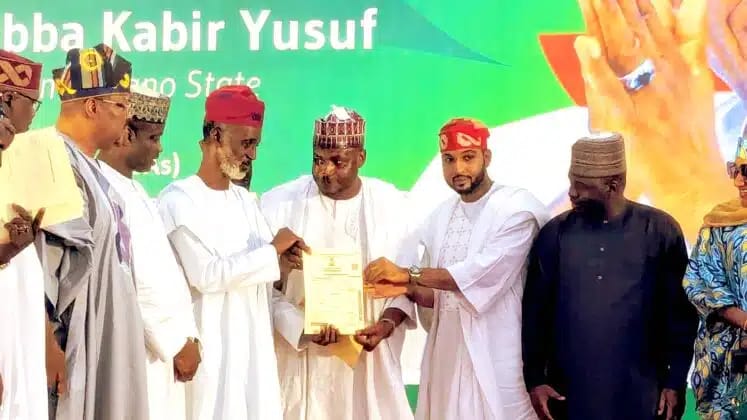
The government said the decision was approved by Governor Abba Kabir Yusuf following intelligence reports suggesting that some individuals might attempt to cause unrest during the Sallah celebrations.

In a statement issued on Wednesday, the Commissioner for Information and Internal Affairs, Ibrahim Abdullahi Waiya, said the government remains committed to preserving Kano’s cultural heritage while prioritising peace and security across the state.

He explained that the Hawan Idi (Eid Durbar) would be conducted by Emir Sanusi from the Kofar Mata Eid Ground through designated routes to Gidan Shettima, ending at Kofar Fatalwa of the emir’s palace.

According to him, Hawan Nasarawa will take place in a modified format without horseback displays, while Hawan Daushe, Hawan Fanisau and Hawan Dorayi have been suspended temporarily in the interest of public safety.

The commissioner added that security agencies had been directed to intensify surveillance and ensure strict compliance with the directives before, during and after the festive period.

He urged residents to remain calm and law-abiding and to cooperate with security agencies, while also warning against the spread of unverified information.

The government further assured the public of its commitment to ensuring a peaceful and hitch-free Sallah celebration and wished Muslims in the state a joyous Eid-el-Fitr.

Sani Danja: From performance to promotion 

In governance, performance should naturally translate into greater responsibilities. Since his appointment as Special Adviser on Youth and Sports, Hon. Sani Musa Danja has demonstrated capacity, commitment, and a people-oriented approach that has delivered visible impacts on youth development and sports advancement in Kano State.

Within his first month in office, over 3,000 youths were empowered through food-related initiatives such as Nija Food. This early intervention reflected responsiveness to the economic realities facing young people and set the tone for a tenure driven by action rather than mere rhetoric.

One of Hon. Danja’s most commendable achievements is his grassroots engagement across all 44 Local Government Areas of Kano State. Through open consultations with the youths, he listened to concerns on welfare, unemployment, insecurity, and inclusion. This initiative brought governance closer to the people and helped rebuild trust between the government and youth.

To strengthen coordination and sustainability, he worked closely with Senior Special Assistants on Youth across the 44 LGAs, fostering cohesive leadership and unified strategies for youth development across the state.

Understanding the strong link between unemployment and insecurity, Hon. Danja adopted a preventive empowerment approach. Over 300 youths previously involved in thuggery and phone snatching were redirected into productive ventures, including popcorn-gurguru production, fast-food services, shawarma preparation, and baking. This intervention not only provided livelihoods but also contributed to crime reduction and social reintegration.

His tenure also saw institutional support for voluntary youth and security organisations, including the Nigerian Boy Scouts and other community-based groups such as the Civilian JTF Kano. Through the provision of working materials and encouragement, discipline, and volunteerism, community service among young people was strengthened.

In addition, a statewide Youth Symposium Day was organised to promote dialogue, leadership, and civic engagement, involving participants from all 44 LGAs. Hon. Danja also paid visits to youth training and skills acquisition centres across the state, encouraging trainees and reassuring them that government support remains within reach (kusa da gwamnati).

Beyond programs, compassion has remained a defining feature of his leadership. Financial assistance was extended to youths facing serious health challenges, including those with spinal cord-related disabilities, demonstrating an inclusive and humane approach to governance.

In sports development, Hon. Danja contributed to the revival of neglected sports such as volleyball, encouraging youth participation and talent development. Administratively, he reorganised and strengthened his office to ensure efficiency, transparency, and effective service delivery.

Currently, his office is coordinating a large-scale youth empowerment initiative under YEIDEP, targeting over 1.2 million youth participants in skills acquisition and entrepreneurship, reflecting executive-level vision and readiness.

Given his performance, statewide reach, and ability to connect with young people, Hon. Sani Musa Danja is well-positioned to deliver even greater impact.

A passionate appeal is therefore made to His Excellency, Engr. Abba Kabir Yusuf, to consider appointing Hon. Sani Musa Danja as the Commissioner for Youth and Sports and nominate him to the Kano State Executive Council. Such a decision would ensure continuity, consolidate gains, and further strengthen Kano State’s youth and sports development agenda.

Shamsuddeen Muazu (AbuMuhd) wrote from Kano State. He can be reached via abumuhdpress@gmail.com.

Gyaɗi-Gyaɗi Market Redevelopment: A Case of Exclusion and Coercion?

By Misbahu Muhammad

For decades, the bustling Gyaɗi-Gyaɗi Market has been more than a commercial hub; it is a community cornerstone, a source of livelihood, and for many, a family heritage. Today, that heritage is under threat as the Tarauni Local Government Council pushes forward a redevelopment plan that has left the very owners of the land feeling sidelined, silenced, and strong-armed.

The council’s vision for a modern market is not, in itself, contentious. Traders and landowners alike acknowledge the need for improved facilities, better sanitation, and enhanced security. The conflict lies not in the what, but in the how.

Landowners and stakeholders are excluded from the planning process. The architectural designs, the project scope, and the financial model were reportedly finalised without their meaningful consultation. The community, whose assets and futures are directly implicated, was reduced to mere spectators in a decision that reshapes their property and prosperity.

“They came with a completed plan and said, ‘This is what we are doing,’” recounted shop owners, whose families have owned plots/shops in the market for five decades “Our suggestions, our concerns about access, shop sizes, or temporary relocation were not entertained. It was presented as a take-it-or-leave-it decree, not a joint venture or partnership.”

The council’s proposed framework is a Joint Venture (JV) arrangement. While JVs can be equitable, landowners report having no alternative models to consider—no option for self-redevelopment through a cooperative society or banks, build-operate-transfer (BOT), no fair buy-out offer, and no room to negotiate the terms of the partnership. The proposed JV terms remain opaque, with fears that they heavily favour the government or its private partners, potentially leaving original owners with diminished stakes and control over their own land.

This singular, non-negotiable pathway has been widely interpreted not as an offer, but as an ultimatum.

The most alarming allegation from the developers is the use of coercive pressure. They claim government officials have insinuated or explicitly stated that failure to consent to the JV could lead to the revocation of their rights or the outright seizure of their land under the guise of “public interest” or “development control.”

“The message is clear: sign on our terms or lose everything. “This isn’t negotiation; it feels like legalised land grabbing. We are being forced to surrender our property rights under threat.” Currently, many landowners are panicking and have started selling their shops at giveaway prices to these rent seekers, willing to go to any lengths to grab the land.

This approach raises significant legal and ethical questions. The Land Use Act, which vests land administration with the state government, mandates due process and equitable treatment. Experts argue that excluding landowners from a process that affects their fundamental proprietary interests may violate principles of fair hearing and natural justice.

Redevelopment must be inclusive and transparent, presenting a single, non-negotiable contract under the implied threat of revocation; crossing that line. It undermines the trust essential to public-private collaboration and sets a dangerous precedent for urban development.

The Tarauni Local Government Chairman has been advocating for a one-for-one shop. This slogan in itself is ill-conceived, as it lacks an appropriate valuation of shops and a compensation mechanism.  He always argued that the redevelopment is “for the greater good of all” and will “transform the area into a modern commercial zone and must be done even after his tenure. 

As tensions rise, the path to a peaceful and prosperous Gyaɗi-Gyaɗi Market lies in genuine dialogue. Stakeholders are calling for:

  1. An immediate halt to the current coercive process.
  2. Full, transparent disclosure of the JV terms, partners, and financial projections.
  3. The creation of a truly representative committee of landowners to re-negotiate the redevelopment framework.
  4. Exploration of multiple development models, allowing landowners to choose the option that best secures their legacy and livelihood.

The soul of Gyaɗi-Gyaɗi Market is its people. Any redevelopment that severs that connection is no development at all. The Tarauni Local Government has an opportunity to correct course—to build not just a new market, but a renewed covenant of trust with the community it serves. The alternative is a legacy of conflict and resentment that no new building can ever hide.

Kano Govt Scraps Higher Education Ministry, Merges It with Education

By Muhammad Sulaiman

Abba Kabir Yusuf has approved the merger of the state’s Ministry of Higher Education with the Ministry of Education in a move aimed at strengthening coordination and accelerating reforms in the education sector.

The decision was announced in a statement on Sunday by the governor’s spokesperson, Sunusi Bature Dawakin Tofa.

According to the statement, the newly unified body will operate as the Ministry of Education, with a specialised Directorate of Higher Education established within the ministry to oversee tertiary education in the state. The directorate will be headed by a permanent secretary and supported by relevant personnel to ensure effective administration of higher education institutions.

The statement added that agencies previously under the Ministry of Higher Education, including the state Scholarship Board, will now be returned to the Ministry of Education. State-owned universities and other tertiary institutions will also be supervised by the Directorate of Higher Education under the restructured ministry.

The restructuring forms part of the government’s broader education sector reform agenda, which seeks to eliminate duplication of responsibilities, improve policy coordination across all levels of education, and reduce the cost of governance.

Governor Yusuf said the reform is intended to enhance efficiency, strengthen accountability, and improve the overall quality of education administration in the state.

He reiterated his administration’s commitment to implementing comprehensive reforms that will revitalise the education sector and create better opportunities for the younger generation.

The Office of the Secretary to the State Government and the Office of the Head of Service have been directed to ensure the immediate and smooth realignment of the affected ministries and their departments.

Kano gov’t approves early payment of March salaries ahead of Sallah

By Muhammad Abubakar

The Kano State Government has approved the early payment of March 2026 salaries to civil servants to enable them to prepare for the forthcoming Eid al-Fitr celebrations.

According to a statement issued by the Office of the Head of Service, Governor Abba Kabir Yusuf directed the immediate release and payment of the salaries to all workers in the state civil service.

The Acting Head of Service, Bilkisu Shehu Maimota, said the directive was intended to help workers make adequate preparations for the Sallah festivities in a convenient and dignified manner.

She explained that the early payment reflects the administration’s commitment to the welfare of civil servants and its appreciation of their dedication and contributions to the development of the state.

Maimota also urged civil servants to utilise the gesture responsibly while continuing to demonstrate commitment, discipline and efficiency in the discharge of their duties for improved service delivery.

The state government further reaffirmed its resolve to sustain policies that promote workers’ welfare and enhance productivity within the civil service.

From a wood-cutter to a university graduate

By Muhammad Isah Zng

For many students, gaining admission into a university marks the beginning of a hopeful journey toward a better future. For me, however, gaining admission to study Mass Communication at Bayero University, Kano (BUK) came with a difficult reality: I had no sponsor to support my education.

There was no one to take full responsibility for my expenses, including feeding and other basic needs. Yet despite this challenge, I refused to let my circumstances stop me from pursuing my dream. I held firmly to three principles that guided my journey throughout the university years: faith, hope, and hard work.

When I left home for BUK to begin my studies, I quickly realised that survival would require determination beyond the classroom. I had to find a way to support myself financially while keeping up with my academic responsibilities. Deep down, I knew that no one would suddenly come to rescue me from my situation. If I wanted to succeed, I had to depend on my own efforts.

With that understanding, I made a decision that would define my entire university experience. Every weekend, I would leave the university campus to work as a woodcutter. The job was physically demanding and exhausting, but it became my primary means of survival.

From my first year in university, I maintained this routine of attending lectures and focusing on my studies during the week, then travelling off campus on weekends to cut and process firewood for sale. The work was not easy, but it provided the little income I needed to sustain myself.

Over time, I found additional opportunities to work. During my second year at the university, I started working in two different locations outside BUK. I worked under individuals such as Dan Azumi and Alhaji Aminu Dorayi Babba. Through these jobs, I earned money that helped me meet my basic needs.

The income from the work was modest but meaningful. On average, I earn between ₦3,000 and ₦4,000. On better days, I could earn between ₦10,000 and ₦13,000. That money helped me buy food and other necessities. Sometimes, it even allowed me to support two of my friends who were also struggling to survive in school.

One remarkable thing about the work was its reliability. Whenever I went out to work, I was almost certain that I would return with something to eat. It taught me the dignity of labour and reminded me that no honest work should ever be looked down upon.

Although balancing academic studies with physical labour was challenging, I remained committed to completing my education. Each day of hard work reminded me that the sacrifices I was making were steps toward a brighter future.

Today, Alhamdulillah, I have successfully completed my four-year programme at Bayero University, Kano. My graduation marks the end of one important chapter of my life and the beginning of another phase filled with new responsibilities and aspirations.

Through my story, I want to encourage young people, especially students facing financial hardship, not to lose hope. Many young people today feel discouraged when they encounter difficulties in pursuing their education. However, challenges should not define our limits; instead, they can inspire us to find creative ways to achieve our goals.

There is dignity in every form of honest work. Whether it is cutting wood, farming, trading, or doing any other job, what truly matters is the determination to move forward despite obstacles.

Life is not always easy for people who come from humble backgrounds. But it can still be meaningful and inspiring when we use our difficult situations as opportunities for growth. Hard work, patience, and faith can transform even the toughest circumstances into stepping stones toward success.

My journey from wood-cutting to earning a university degree is a testament to the power of perseverance. It is a reminder that with determination and self-belief, even the most challenging path can lead to success.

Muhammad Isa wrote via isahmuhammad571@gmail.com.

Gov Yusuf warns commissioners against disloyalty, information leakage


By Uzair Adam

Kano State Governor Abba Kabir Yusuf has warned members of the State Executive Council against acts of disloyalty and the leaking of government information.

The governor issued the warning on Thursday during the 38th State Executive Council meeting held at the Government House in Kano.

Governor Yusuf disclosed that some commissioners had resigned following recent political realignments within the state.

He said five commissioners had already stepped down from their positions and that he had accepted their resignations.

“I just want to inform members of the council that, following the political alignments, some commissioners have decided to resign,” the governor said.

“Of the total number, five of them have resigned, and I accepted their resignation. I therefore also wish them the best of luck in their future endeavours.”

The governor also urged the remaining members of the council to reaffirm their commitment to the administration and the ideals of their political party.

“To those that have decided to remain with us and align with the principles and philosophies of our party, I want to appeal to you to rededicate yourselves to the service of the present administration,” he said.

He stressed the need for unity among members of the government, noting that collective effort was necessary to deliver on the administration’s mandate to the people.

“I want you to know that we are still one party and we have to work together for the betterment of our people,” Yusuf added.

The governor further warned that the era of internal divisions, disloyalty and information leaks within the administration must come to an end.

“The era of rancour, the era of disloyalty, the era of leakage of information, and the era of coming in between one another is over,” he said.

He urged council members to remain focused and committed to their responsibilities, warning that anyone who goes against the principles of the administration would be removed.

“However, that does not mean that whoever goes contrary to the dictates and the principles of this administration will not be voted out,” the governor said.

Meanwhile, the state Deputy Governor, Aminu Abdussalam Gwarzo, was absent from the meeting.

Gwarzo has reportedly declined to join the All Progressives Congress alongside the governor and has also not resigned from his position.

The Dangote skills acquisition center in Kano

By Ahmed Musa Husaini

I’m genuinely fascinated by the Aliko Dangote Skills Acquisition Center in Kano, not just because of how well-equipped it is, but also because of the quality and relevance of the courses it offers.

That center alone has the potential to, in the medium term, send 2,000 skilled Kano artisans to the European market every year. If this was the only thing Aliko Dangote ever did for Kano, I’d say he has paid his dues.

Jobs like electricians, welders, mechanics, plumbers, carpenters, scaffolders, excavator operators, bricklayers, fitters, solar installers, HVAC technicians, and instrumentation mechanics are in very high demand across Europe. And this isn’t a temporary trend – it’s structural – driven by aging populations and declining birth rates. That means the demand for these skilled workers is here to stay.

Currently, Europe faces an estimated shortage of about 5 million skilled artisans, with an additional 400,000 replacement jobs opening up every year due to retirements. In the UK alone, 10,500 new electricians are needed annually just to maintain the current workforce, yet only about 7,500 apprentices are produced, leaving a huge gap.

Countries like Germany and the Netherlands offer expedited visa pathways for skilled workers in these high-demand occupations, with competitive salaries often at par with mid-level professionals, in addition to strong labor protections and social security systems.

Many countries in the Global South are already positioning their citizens to take advantage of these opportunities. In 2024, Kenya signed a comprehensive migration and mobility partnership with Germany, creating legal pathways for skilled Kenyan workers. That same year, Senegal signed its skills partnership with Germany, and Tunisia followed with the Africa Skills for Germany (AS4G) program. Earlier this year, India signed a mobility pact aimed at aligning its national qualifications with European standards, enabling mutual recognition of apprenticeship certifications.

Back home, Nigeria is also part of the Global Skills Program in construction, designed to address labor shortages in Nigeria and Germany through a partnership involving the Nigeria College of Practical Skills Enugu, the International Center for Migration Policy and Development, and private firms from Germany and Austria.

Which brings me back to the Dangote Center.

As impressive as the facility is, I believe the biggest mistake Dangote made was handing over its management to the state government. Governments, especially in Nigeria, are notoriously poor at running institutions like this. At the outset, Dangote had pledged to hire expatriates to run the center and ensure its operations and curriculum remained globally competitive. It is obvious that the pledge never quite materialized.

Going forward, Dangote should take back management of the center through the Aliko Dangote Foundation, or hand it over to a competent private operator. It would be a tragedy of historic proportions if a facility with this much potential is allowed to waste.

Just imagine the impact: 2,000 highly skilled Kano-born artisans working in Europe, each earning  €35,000-€50,000 annually. The cumulative long-term impacts of the remittances alone would transform Kano’s economy, in addition to the new ventures, diaspora connections, and cultural exchanges that would follow. Now imagine scaling that number year after year for the next decade.

That’s not just a skills center, it has the potential to be Kano’s most important incubator of wealth if properly run.

Nine students suspended for exam malpractice at Al-Istiqama University

By Hadiza Abdulkadir

The management of Al-Istiqama University, Sumaila has rusticated nine students over their involvement in examination malpractice during the first semester examinations of the 2025/2026 academic session.

The decision was announced in a Special Bulletin issued by the university’s Registry following the approval of the institution’s Senate after reviewing reported cases of examination misconduct and plagiarism.

According to the bulletin, the affected students were found guilty of violating the university’s examination regulations. As a result, the Senate approved their rustication for one academic session as part of disciplinary measures to maintain academic integrity.

The university management said the action reflects its commitment to promoting honesty, discipline, and fairness within the academic environment.

It also reiterated that examination malpractice and all forms of academic dishonesty will not be tolerated under any circumstances.

Students were therefore urged to strictly adhere to examination rules and regulations, with the management emphasising that integrity remains central to the institution’s mission of producing morally upright and academically sound graduates.

Members of the university community were advised to take note of the Senate’s decision and continue to uphold the core values of the institution.

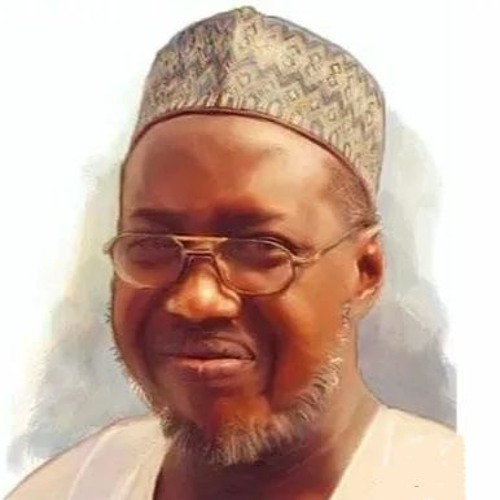
A tribute to Professor Kabiru Isa Dandago

By Tijjani Ahmad, PhD 

In Northern Nigeria’s academic landscape, few names resonate as profoundly as Professor Kabiru Isa Dandago’s. For those who pursued accounting and related disciplines from the mid-1990s onward, his name was not just familiar; it was synonymous with excellence, innovation, and unwavering commitment. 

A household figure whose books lined our shelves and whose insights shaped our minds, Prof. Dandago lived a life dedicated to paying his dues in every sphere he touched: academically, professionally, administratively, socially, and spiritually. 

Prof. Dandago’s academic journey spanned an impressive 36 years (since 1990), with 19 of those as a full professor, during which he poured his heart into teaching, supervision, and research. His classrooms were not mere lecture halls but crucibles of intellectual growth, where students emerged transformed. He authored numerous papers and books that became foundational texts, demystifying complex financial concepts and inspiring generations of accountants, managers, and scholars. 

At Bayero University, Kano (BUK) and beyond, his supervision of theses and dissertations was legendary, rigorous yet nurturing, always pushing mentees to reach their highest potential. Even in his final days, his contributions to knowledge remained undiminished, a reminder that true scholars never truly retire.

Professionally, Prof. Dandago’s influence extended far beyond academia. He was a pillar in Nigeria’s accounting bodies, serving with distinction at both national and district levels in the Institute of Chartered Accountants of Nigeria (ICAN), the Association of National Accountants of Nigeria (ANAN), and the Chartered Institute of Taxation of Nigeria (CITN). His expertise shaped policies, standards, and practices, ensuring ethical integrity in a field often tested by challenges. 

Administratively, he held pivotal roles, including as Commissioner of Finance in Kano State and as a member of the Tax Appeal Tribunal, where his decisions were marked by fairness, precision, and a deep sense of public duty. These positions were not stepping stones for personal gain but platforms for service, where he navigated fiscal complexities with the wisdom of a sage.

Yet, Prof. Dandago’s greatness was not confined to boardrooms or lecture podiums. Socially, he was a force for good, deeply invested in community service and mentorship. He guided countless young professionals, offering counsel that extended beyond careers into life itself. 

His actions spoke volumes – quiet acts of kindness, support for the underprivileged, and a commitment to uplifting Northern Nigeria’s youth. Spiritually, he lived as a devout Muslim, his faith evident in his humility, generosity, and moral compass. He was a man who walked his talk, drawing from Islamic principles to foster harmony and ethical living in all he did.

My own path with Prof. Dandago began indirectly, through whispers of his reputation. As a student at ABU, I first encountered his name in the books that formed the backbone of our curriculum and in the glowing accounts from our seniors at BUK, who spoke of him with reverence. Little did I know our worlds would intersect so meaningfully. 

Our first direct meeting came in 2011 during my MBA program, when he was assigned to teach Financial and Management Accounting alongside the late Prof. Mohammed Liman, another erudite scholar we lost just last August. Their tandem was a masterclass in itself, blending rigour with inspiration.

Two years later, in 2013, fate brought us together again at Universiti Utara Malaysia, where his presence felt like a continuation of that earlier guidance. From that point onward, Prof. Dandago became more than a teacher; he was a constant in my journey, following my progress with genuine interest. 

Our paths crossed repeatedly—in projects, fora, committees—each encounter enriching me with wisdom. Whether through his direct words, sharp and insightful, or through the subtle power of his example, no one left his company unchanged. He was the true definition of a professor: not just a dispenser of facts, but a cultivator of minds and spirits.

Prof. Dandago’s life was a symphony of service, where every note contributed to a greater harmony. In a world often driven by self-interest, he stood as a paragon of selflessness, reminding us that true success lies in what we give, not what we gain. 

As we gather to honour his memory, his burial today echoes the profound impact he had, crowds drawn not by obligation, but by love and respect for a life well-lived.

May Allah (SWT) grant him eternal peace, forgive his shortcomings, and admit him into Jannatul Firdaus, the highest paradise. 

Adieu Prof.! Sai mun zo.