Kaduna State

Uba Sani Gives Cash Gifts To Kaduna Pilgrims In Saudi Arabia

By Sabiu Abdullahi

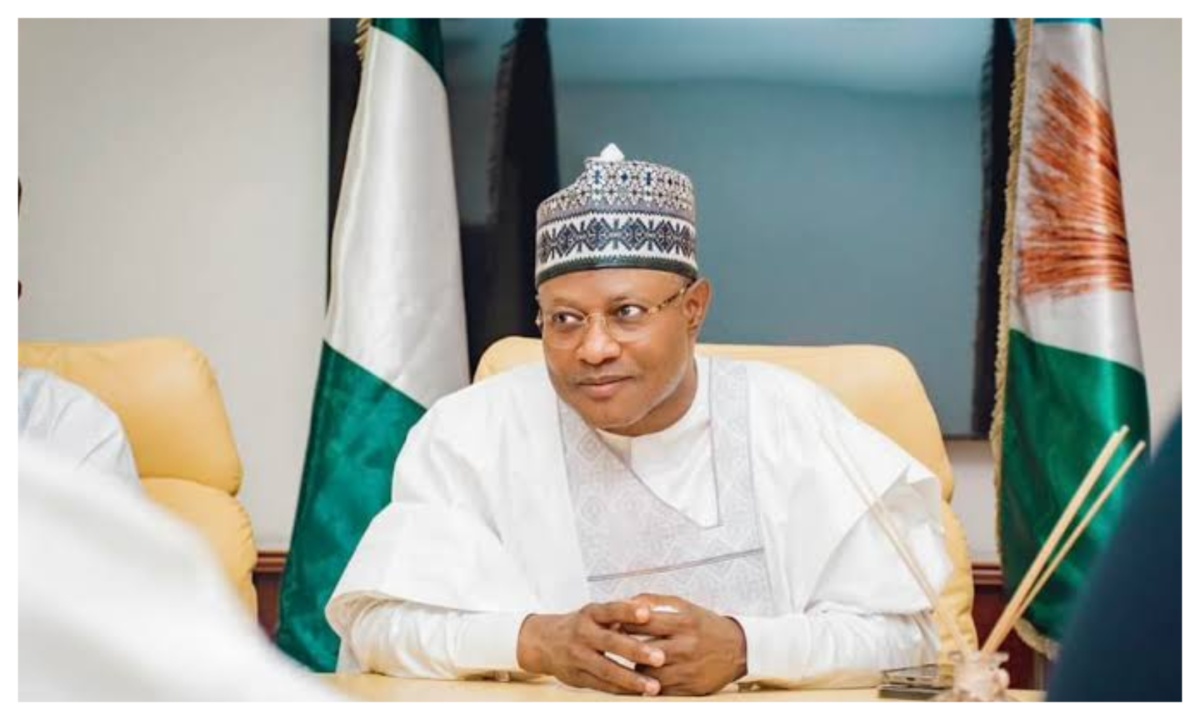
Kaduna State Governor, Uba Sani, has presented 300 Saudi Riyals each to pilgrims from the state currently performing the 2026 Hajj in Saudi Arabia.

The governor handed out the gifts during a visit to the pilgrims at their tents in Muna on Thursday night.

A statement issued by the Chief Press Secretary to the governor, Malam Ibraheem Musa, stated that each pilgrim would receive the equivalent of about N114,000 based on the current exchange rate.

According to the statement, Governor Sani praised the pilgrims and the management of the Kaduna State Pilgrims Welfare Agency for the successful conduct of this year’s Hajj exercise.

He also commended the Kaduna State Hajj Delegation Committee led by Alhaji Abubakar Mustapha for ensuring a smooth operation throughout the pilgrimage.

The governor said his administration made every possible effort to ensure that pilgrims from the state enjoyed a successful Hajj exercise.

He, however, apologised for any minor shortcomings recorded during the exercise, stressing that they were not intentional.

Governor Sani stated that “as human beings, we can only plan but only Allah(SWT) determines the final outcome.”

While narrating his experience during the visit, the governor explained that the distance between his tent and the pilgrims’ location was estimated at between two and three kilometres.

“The distance from where his tent was situated and where the pilgrims are staying, was estimated to be between 2 to 3 kilometers. Averagely, I would have arrived here in no time.

“However, all roads leading to this area have been blocked and I had to trek for four to five hours before reaching here,” he said.

The governor urged the pilgrims to continue praying for peace and stability in Nigeria, noting that development cannot thrive in an atmosphere of insecurity.

He also prayed for Allah to guide those causing unrest in society if they are willing to change, and to distance them from society if they refuse to abandon their actions.

According to him, political ambition and the pursuit of public office should never be placed above the lives of Kaduna citizens.

In his remarks, the Executive Chairman of the Kaduna State Pilgrims Welfare Agency, Malam Salihu S. Abubakar, said Governor Uba Sani had consistently approved requests aimed at improving pilgrims’ welfare and enhancing the Hajj exercise.

He thanked the governor for supporting the agency and easing challenges associated with the pilgrimage.

Also speaking, the Auditor General of Kaduna State, Alhaji Abubakar Abdullahi, said no Kaduna governor had visited pilgrims in their tents since 1999 until Governor Uba Sani’s visit.

He urged the pilgrims to continue supporting the governor and praying for lasting peace and development in Kaduna State.

FEC Approves $2.99 Billion for Lagos Green Line, Kano Metro, and Kaduna Rail Projects

By Muhammad Abubakar

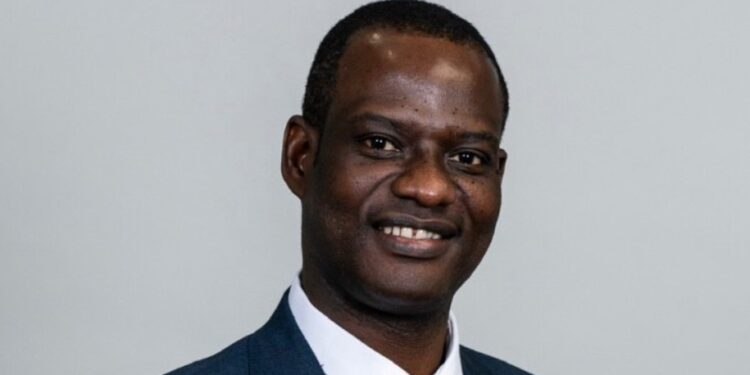
The Federal Executive Council has approved contracts totaling $2.99 billion for the construction of three major rail projects across Nigeria.

Announced by Minister of Finance Taiwo Oyedele, these projects aim to boost economic development and improve the quality of life for daily commuters.

The approved infrastructure specifically covers Phase 1A of the Lagos Green Line rail project, the Kano Metro rail project, and the Kaduna light rail system. The target cities were selected by the council due to their strategic importance as major national economic hubs.

The projects will be funded through the Ministry of Finance Incorporated on behalf of the federal government, with active support from standard counterpart funding arrangements.

Government authorities maintain that these major corridors will unlock job opportunities, alleviate heavy traffic gridlocks, and attract stronger local and foreign investments to the regions.

Our Languages in Southern Kaduna: A Fading Whisper in the Wind

By Grey Akans 

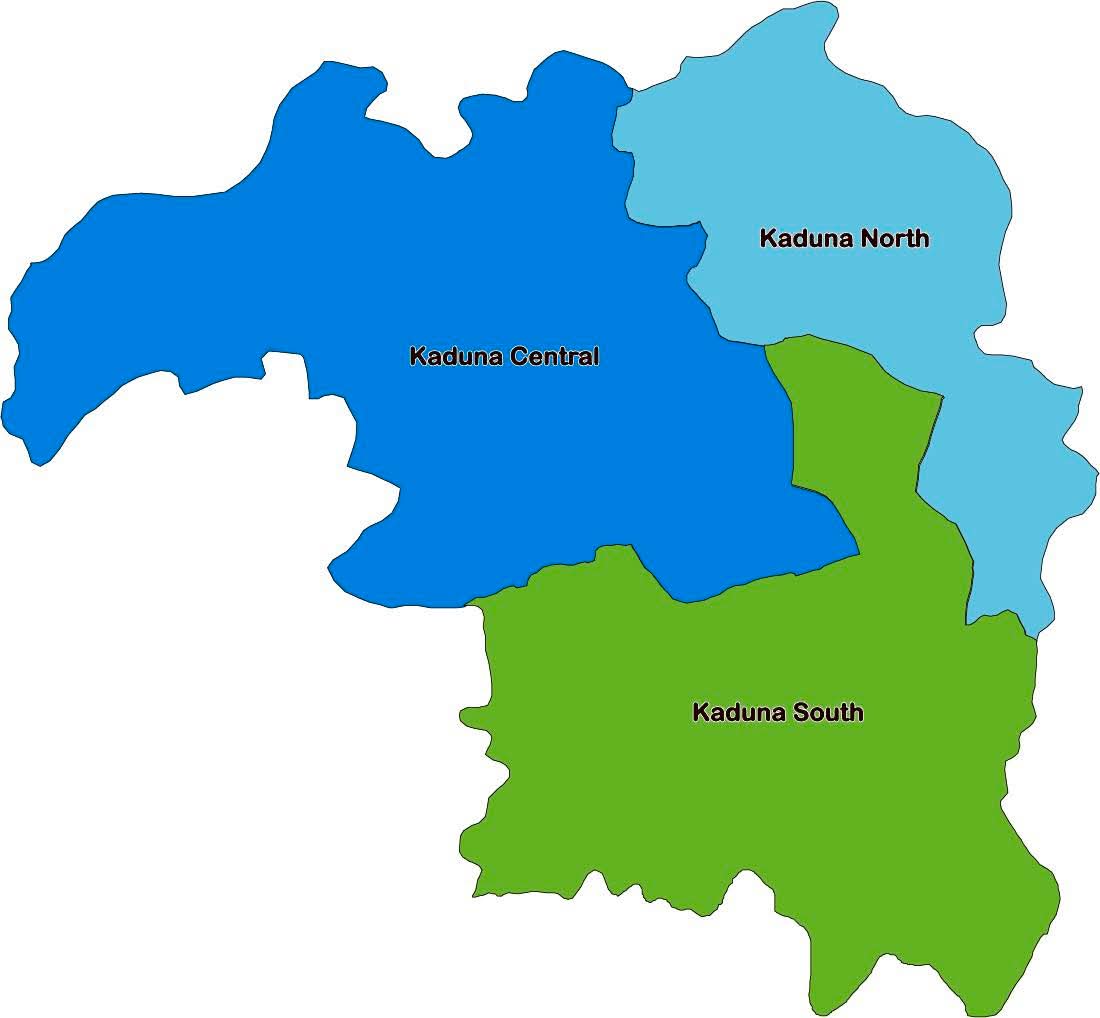
In the lush, undulating hills and valleys of Southern Kaduna, a quiet crisis is unfolding. It is not the kind that makes headlines with sudden violence, but one that works its way silently through generations, eroding the very bedrock of our identity. Our languages, the ancient vessels of our wisdom, history, and worldview, are gradually going extinct.

Each of the dozens of languages spoken here—Gbagyi, Bajju, Atyap, Kataf, Jaba, Fantswam, and many more—is a unique universe. They are not mere collections of words but intricate systems of knowledge. Our languages carry the names of medicinal plants known only to our ancestors, the proverbs that distilled centuries of wisdom, and the folktales told under the moonlight that taught us morality and courage. They hold the specific terms for the textures of soil, the phases of the moon for farming, and the subtle behaviours of animals. When a language dies, it is not just words that are lost; it is an entire library of human experience and ecological understanding that burns down, leaving no ashes behind.

The forces behind this silent extinction are complex and powerful. The dominance of Hausa as the lingua franca of commerce, administration, and social interaction in Northern Nigeria is a primary factor. For our children to thrive in markets and schools outside our communities, fluency in Hausa becomes a necessity, often at the expense of their mother tongue. Adding to this is the overwhelming influence of English, the official language of education and modernity. From nursery school to university, success is measured in one’s command of English. Our native tongues are increasingly confined to the homesteads, and even there, their territory is shrinking.

Perhaps the most painful agent of this loss is our own shift in attitude. A dangerous narrative has taken root, subtly branding our languages as “local” or “vernacular”—synonyms for backwardness in the minds of many. Parents, with the best intentions for their children’s future, now speak to them only in Hausa or English, believing they are giving them a head start in life. Unwittingly, they are severing the deepest root connecting their children to their heritage. The younger generation, fluent in the languages of the wider world, now stumbles over the proverbs of their grandparents. The rich, melodic tones of our ancestors are becoming unfamiliar, replaced by the utilitarian cadence of global tongues.

The consequences are profound. When a people lose their language, they experience a form of cultural amnesia. The unique songs sung during harvest, the playful riddles that sharpened our wits—all these fade into silence. We risk becoming a people without a past, adrift in a homogenised global culture, our distinct identity diluted into a vague, generic label.

But the whisper is not yet silent. There is still time to act. The fight for linguistic survival must begin at home. We must consciously choose to speak our languages to our children, making them the language of love, play, and storytelling. Our community leaders and cultural associations must take the lead by documenting these languages, producing written literature, and organising festivals that celebrate them. We can lobby for the inclusion of our native tongues in the early school curriculum, not to replace English or Hausa, but to stand proudly beside them.

Our languages are more than just a means of communication; they are the soul of Southern Kaduna. They are the breath of our ancestors and the birthright of our children. To let them die is to surrender a part of ourselves we can never recover. We must listen to the fading whisper and raise our voices to sing our songs, tell our stories, and speak our names once more, loudly and proudly, before they are lost to the wind forever.

Grey Akans can be contacted via his Facebook account: Grey Akans.

Traditional Rulers Key to Nigeria’s Stability, Kaduna Govt Tells National Forum

By Abdullahi Mukhtar Algasgaini

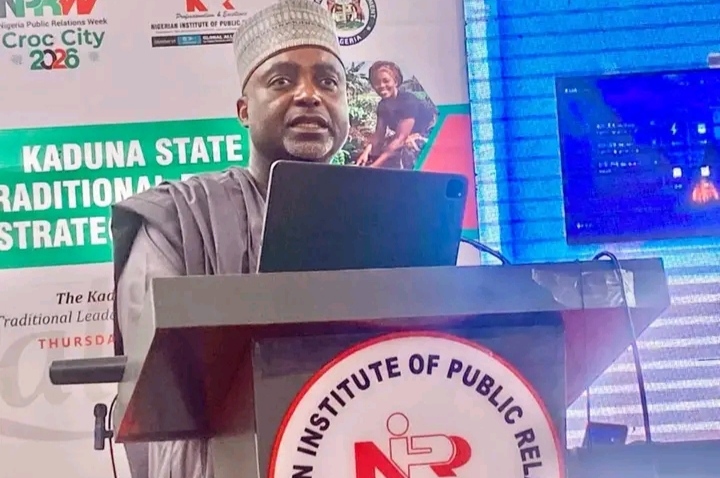
Days after the NIPR Week, Kaduna State has again stepped into the spotlight as the host of the Kaduna State Traditional Rulers Strategic Forum, a high-level gathering focused on peace, leadership, and national cohesion.

Held under the theme, “Kaduna State Peace Model: Traditional Leadership and National Stability,” the forum underscored the vital role of traditional institutions in fostering sustainable peace across communities.

Speaking at the event, the Honourable Commissioner for Information and Culture, Ahmed Maiyaki, highlighted the far-reaching impact of the Kaduna State Peace Model. He noted that deeper collaboration between the government and traditional rulers has strengthened conflict resolution mechanisms, restored public trust, and reinforced social harmony across the state.

“Kaduna is not just hosting conversations—it is offering a model,” Maiyaki said. “A model where tradition meets governance to build lasting peace and national stability.”

The forum reaffirmed the state’s commitment to leveraging indigenous leadership structures as a cornerstone of security and national unity.

Rigasa Youths In Kaduna Storm Streets With Anti Vote-Buying Message

By Sabiu Abdullahi

Youths in Rigasa took to the streets in groups, moving from one area to another with MP3 speakers, delivering messages similar to those of local medicine advertisers.

They called on women in the community to reject any form of inducement ahead of the election, especially money or food items such as spaghetti.

The youths warned against selling votes, stressing that such actions weaken the democratic process and the future of the community.

Residents watched as the groups passed through different parts of the area, repeating their message and urging people to make independent choices on election day.

El-Rufai Family Announces Janazah for Hajiya Umma El-Rufai

By Abdullahi Mukhtar Algasgaini

The family of former Kaduna State Governor, Mallam Nasir El-Rufai, has announced the passing of their matriarch, Hajiya Umma El-Rufai, who died on Friday, March 27, 2026.

In a statement released on Saturday, Hon. Mohammed Bello El-Rufai, representing Kaduna North Federal Constituency, confirmed that the funeral (Janazah) prayer will be held today at the National Mosque in Central Area, Abuja, commencing at 1:00 pm. The burial is scheduled to follow immediately at Gudu Cemetery in Apo.

The announcement described the deceased as a beloved grandmother, requesting prayers from the public. The family expressed gratitude for the visits, well-wishes, and condolences received during their time of grief.

Hon. Bello El-Rufai, who also serves as the Chairman of the House Committee on Banking Regulations, signed the statement on behalf of the family elders, praying for Allah’s mercy upon the departed.

“May Allah SWT bless her soul and grant her the highest level of Aljannatul Firdausi,” the statement read.

Nasir El-Rufai and the Politics of Fear in Nigeria’s Power Struggle

Nigeria’s political arena has never been short of strong personalities, but few figures have remained as consistently relevant as Nasir El-Rufai. Love him or dislike him, it is difficult to ignore the fact that he has been one of the most consequential actors in Nigeria’s political journey since the return to civil rule in 1999. His recent confrontation with security authorities and the attempt to detain him without clear evidence speak less about law enforcement and more about the anxiety within the ruling establishment.

To understand the current political tension, one must first understand El-Rufai’s place in the system. From his early role in the administration of Olusegun Obasanjo to his strategic alignment in the political transitions that produced Umaru Musa Yar’Adua, Goodluck Jonathan, and later Muhammadu Buhari, El-Rufai has repeatedly demonstrated a rare understanding of how power works in Nigeria. Few politicians can claim to have operated so close to multiple presidencies across different political eras.

His experience is not accidental. As a former Minister of the Federal Capital Territory and later governor of Kaduna State, El-Rufai built a reputation for being both strategic and outspoken. That combination has earned him loyal supporters and fierce critics. Yet even his opponents concede that he understands the inner workings of Nigerian politics better than most of his contemporaries.

What makes the present situation intriguing is the reaction of the current government under President Bola Tinubu. Political watchers note that the administration appears unusually sensitive to El-Rufai’s moves and statements. The attempted arrest at the Nnamdi Azikiwe International Airport in Abuja, which was resisted by supporters who had gathered to welcome him, has only deepened public suspicion that political motivations may be at play.

In any democratic society, the rule of law demands that allegations be backed by evidence. Detaining a prominent political figure without a clear justification risks sending the wrong message to the public. It creates the impression that state institutions are being deployed as political tools rather than impartial guardians of justice. Such actions can weaken public confidence in democracy at a time when many Nigerians are already questioning the direction of the country’s governance.

Beyond the immediate controversy, El-Rufai’s political relevance lies in his networks and influence. In Northern Nigeria, he maintains relationships with traditional leaders, religious authorities, and political elites. His connections with groups such as the Arewa Consultative Forum and his standing among many northern political actors make him a figure whose voice carries weight in national conversations.

This is also why his reported involvement in strengthening the African Democratic Congress has attracted attention. In a political environment where alliances and coalitions often determine electoral outcomes, any figure capable of mobilising political forces across regions automatically becomes a strategic concern for those in power.

El-Rufai himself has long argued that political dominance in Nigeria can be challenged through direct engagement with voters. During a public lecture in Lagos years ago, he pointed out that millions of registered voters often stay away from the polls. His argument was simple. If a politician can mobilise even a fraction of those disengaged citizens, entrenched political structures can be defeated. That message resonates strongly in today’s political climate.

The lesson from his remarks is that Nigerian democracy still holds untapped potential. Electoral participation remains one of the most powerful tools available to citizens. When politicians connect directly with voters rather than relying solely on elite political arrangements, the balance of power can shift dramatically.

The current political drama surrounding El-Rufai, therefore, reflects a deeper struggle within Nigeria’s political system. It is not merely about one individual. It is about the anxiety that emerges whenever established power structures sense the rise of alternative political forces.

Whether one agrees with his politics or not, attempting to silence a figure like El-Rufai through intimidation or questionable legal action does not strengthen democracy. If anything, it elevates his profile and reinforces the perception that he represents a genuine challenge to the status quo.

Nigeria’s democracy should be strong enough to accommodate dissent, criticism, and competition. The country has endured decades of political turbulence and should have learned by now that suppressing political voices rarely solves problems. Open contestation, debate, and accountability are the true pillars of democratic progress.

As the political landscape gradually shifts toward the next electoral cycle, figures like Nasir El-Rufai will continue to shape conversations about leadership, power, and the future of governance in Nigeria. The real question is not whether he will remain relevant. The real question is how Nigeria’s political system will respond to voices that challenge the existing order.

If democracy means anything, it must allow strong political actors to participate freely without fear of intimidation. The strength of a nation’s democracy is measured not by how it treats its friends, but by how it treats its critics.

Interesting time ahead.

Muhammad Umar Shehu wrote from Gombe and can be reached via umarmuhammadshehu2@gmail.com.

Alumni demand release of Nasir Ahmad El-Rufai over alleged unlawful detention

By Muhammad Sulaiman

The Alumni of the Kashim Ibrahim Fellowship have called for the immediate release of former Kaduna State Governor, Nasir Ahmad El-Rufai, describing his continued detention as unlawful and a violation of his fundamental human rights.

In a press statement issued on Monday, the group expressed “deep concern” over what it termed the illegal detention of El-Rufai, arguing that it contravenes constitutional guarantees of personal liberty, dignity and due process under the 1999 Constitution of the Federal Republic of Nigeria.

The alumni further criticised the Department of State Services (DSS) for failing to produce the former governor before the Federal High Court on February 25, 2026, stating that this action infringes his right to a fair hearing within a reasonable time as provided under Section 36 of the Constitution.

According to the statement, the right to be brought promptly before a court is “not discretionary but an essential safeguard of personal liberty and justice.” The group urged all relevant authorities to ensure strict adherence to constitutional provisions and uphold the rule of law.

The fellowship alumni also highlighted El-Rufai’s record in public service, particularly his tenure as governor of Kaduna State, where they said he implemented institutional reforms and socio-economic development programmes with measurable impact. They noted that the establishment of the Kashim Ibrahim Fellowship was among his initiatives to encourage youth participation in governance and leadership.

Reaffirming their solidarity, the group called on well-meaning Nigerians to support their demand for justice and due process. They insisted that every citizen is entitled to protection from unlawful detention and urged authorities to grant El-Rufai full rights to defend himself without prejudice.

The statement concluded with a renewed demand for his immediate release, emphasising that adherence to democratic principles and the rule of law is critical to strengthening public trust in national institutions.

DSS to arraign ex-Kaduna Governor El-Rufai over alleged cybercrime, security breach

By Sabiu Abdullahi

The Department of State Services is set to prosecute former Kaduna State governor, Nasir El-Rufai, over alleged cybercrime and national security violations.

The trial is scheduled to begin next Wednesday at the Federal High Court in Abuja. The case will be heard by Justice Joyce Abdulmalik. The assignment followed a directive by the Chief Judge of the Federal High Court, Justice John Tsoho. The News Agency of Nigeria confirmed the development.

Court filings indicate that the DSS lodged a three-count charge marked FHC/ABJ/CR/99/2026 against the former governor. The agency accused him of unlawful interception of communications and acts said to threaten national security.

According to the charge sheet submitted on Monday, the DSS alleged that El-Rufai intercepted telephone conversations belonging to Nigeria’s National Security Adviser, Nuhu Ribadu.

Prosecutors stated in the first count that the former governor allegedly made an admission during a live appearance on ARISE TV on February 13. They claimed he said that he and unnamed associates intercepted Ribadu’s phone communications. The offence allegedly contravenes Section 12(1) of the Cybercrimes (Prohibition, Prevention, etc.) Amendment Act, 2024.

The second count alleged that El-Rufai associated with a person who carried out the interception and failed to notify security authorities. Prosecutors said this action is punishable under Section 27(b) of the same Act.

In the third count, the DSS accused El-Rufai and other suspects still at large of deploying technical systems that endangered public safety and national security. The agency alleged that the actions created fear among Nigerians through the interception of classified communications.

The charges come amid ongoing probes by federal anti-corruption and security agencies.

Earlier in the week, the Economic and Financial Crimes Commission detained the former governor over separate corruption allegations. He was granted administrative bail around 8:00 p.m. on Wednesday. Shortly after, the Independent Corrupt Practices and Other Related Offences Commission took him into custody.

ICPC spokesperson, John Odey, confirmed at the time that the former governor remained in the commission’s custody as investigations continued.

Operatives of the ICPC also searched El-Rufai’s residence on Aso Drive in Abuja during a late-night operation. Sources described the action as part of an expanding corruption investigation.

The commission did not release details about the search or items recovered. However, El-Rufai’s lawyer, Ubong Akpan, criticised the operation. He alleged that due process was ignored and his client’s fundamental rights were violated.

El-Rufai, Ribadu and the politics of mutual destruction

By Abdulhamid Abdullahi Aliyu

Nigeria has seen political fallouts before, but few are as unsettling as the growing public rupture between Nasir El‑Rufai and Nuhu Ribadu. What makes the moment troubling is not merely the personalities involved, but what their dispute threatens to do to national cohesion, public trust and the already fragile boundary between politics and security.

If two men who once symbolised reformist zeal and institutional courage now choose a path of mutual destruction, they should pause and reflect—on their faith, their region, and the national interest. Because stripped of rhetoric and television soundbites, this is no longer about governance, security reform or leadership ethics. It is the bare-knuckle politics of succession, alignment and survival ahead of the next election cycle.

There was a time when this clash would have been unthinkable. Both men emerged from the same political generation shaped by the reformist moment of the early 2000s under Olusegun Obasanjo. El-Rufai, the outspoken technocrat as Minister of the Federal Capital Territory, and Ribadu, the dogged anti-corruption crusader as Chairman of the Economic and Financial Crimes Commission, were once celebrated as “Obasanjo’s boys”—symbols of a new order that promised discipline, accountability and institutional renewal.

They shared proximity to power, similar access to the president, and a reputation for fearlessness. Their friendship appeared not only political but personal—jolly, confident, mutually reinforcing. That such men could become open adversaries a decade later is not just strange; it is genuinely shocking.

What, then, went wrong? Part of the answer lies in the nature of Nigerian elite politics, where alliances are often forged by circumstance rather than conviction. Power rearranges loyalties. Ambition redraws friendships. And as the political terrain shifts, yesterday’s allies can quickly become today’s obstacles.

But there is a deeper, more consequential problem. When elite rivalries migrate into the realm of security narratives and intelligence insinuations, the damage goes far beyond the individuals involved. Allegations and counter-allegations—especially those touching on surveillance, coercion or misuse of state power—can corrode public confidence in institutions that should remain above partisan struggle.

This is why the current El-Rufai–Ribadu episode deserves sober national reflection, not cheering from partisan sidelines. Nigeria is a country where trust in institutions is already thin. Security agencies operate in an environment of suspicion, insurgency and widespread fear. When senior political actors publicly weaponise security claims—whether substantiated or not—they risk weakening the very structures holding the state together.

It is also important to situate this dispute within the broader northern political landscape. Both men command followings. Both are seen, rightly or wrongly, as voices of influence in the region’s political future. Their feud therefore does not remain personal for long; it reverberates across communities, factions and aspirations. In a region already grappling with insecurity, poverty and political fragmentation, elite infighting of this nature sends the wrong signal.

Faith, too, imposes restraint. Public officials who openly profess moral and religious values must recognise that conduct matters, not just intent. Politics may be a rough trade, but there are lines that, once crossed, are difficult to redraw. The public expects elders of the political class to rise above personal grievances when national stability is at stake.

None of this is to deny that grievances can be real, or that power can be abused. Whistleblowing has its place. Accountability is essential. But there is a difference between principled dissent and public escalation that inflames tension, invites speculation and drags sensitive institutions into political theatre. Mature democracies resolve such disputes through discreet inquiry and institutional processes, not media duels.

Perhaps the most sobering lesson here is how quickly reformist legacies can be overshadowed by personal wars. History is rarely kind to public figures who allow ambition to consume perspective. Nigerians may forget policy details, but they remember conduct—especially when it appears reckless or self-serving.

As the country edges closer to another election cycle, the temptation to settle scores early and loudly will grow. That is precisely why restraint is needed now. The question is not who wins this clash, but what Nigeria loses if it continues.

El-Rufai and Ribadu have both served the Nigerian state at critical moments. Their names are etched into recent political history. They owe the country—and perhaps themselves—something better than mutual ruin. Because when elephants fight, it is not the elephants that suffer most, but the grass beneath them.

Nigeria cannot afford to be that grass.

Abdulhamid Abdullahi Aliyu is a journalist and syndicate writer based in Abuja.