
By Grey Akans
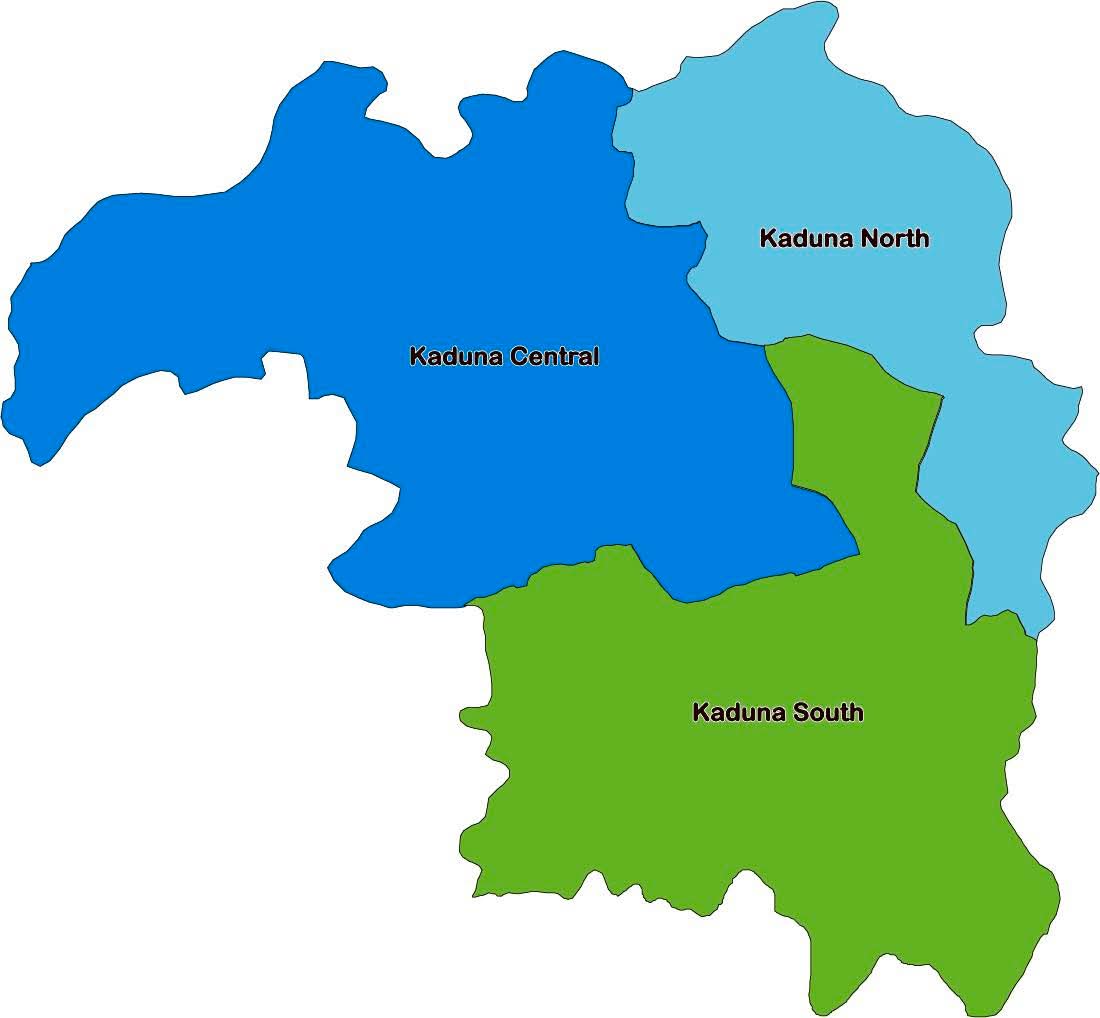
In the lush, undulating hills and valleys of Southern Kaduna, a quiet crisis is unfolding. It is not the kind that makes headlines with sudden violence, but one that works its way silently through generations, eroding the very bedrock of our identity. Our languages, the ancient vessels of our wisdom, history, and worldview, are gradually going extinct.
Each of the dozens of languages spoken here—Gbagyi, Bajju, Atyap, Kataf, Jaba, Fantswam, and many more—is a unique universe. They are not mere collections of words but intricate systems of knowledge. Our languages carry the names of medicinal plants known only to our ancestors, the proverbs that distilled centuries of wisdom, and the folktales told under the moonlight that taught us morality and courage. They hold the specific terms for the textures of soil, the phases of the moon for farming, and the subtle behaviours of animals. When a language dies, it is not just words that are lost; it is an entire library of human experience and ecological understanding that burns down, leaving no ashes behind.
The forces behind this silent extinction are complex and powerful. The dominance of Hausa as the lingua franca of commerce, administration, and social interaction in Northern Nigeria is a primary factor. For our children to thrive in markets and schools outside our communities, fluency in Hausa becomes a necessity, often at the expense of their mother tongue. Adding to this is the overwhelming influence of English, the official language of education and modernity. From nursery school to university, success is measured in one’s command of English. Our native tongues are increasingly confined to the homesteads, and even there, their territory is shrinking.
Perhaps the most painful agent of this loss is our own shift in attitude. A dangerous narrative has taken root, subtly branding our languages as “local” or “vernacular”—synonyms for backwardness in the minds of many. Parents, with the best intentions for their children’s future, now speak to them only in Hausa or English, believing they are giving them a head start in life. Unwittingly, they are severing the deepest root connecting their children to their heritage. The younger generation, fluent in the languages of the wider world, now stumbles over the proverbs of their grandparents. The rich, melodic tones of our ancestors are becoming unfamiliar, replaced by the utilitarian cadence of global tongues.
The consequences are profound. When a people lose their language, they experience a form of cultural amnesia. The unique songs sung during harvest, the playful riddles that sharpened our wits—all these fade into silence. We risk becoming a people without a past, adrift in a homogenised global culture, our distinct identity diluted into a vague, generic label.
But the whisper is not yet silent. There is still time to act. The fight for linguistic survival must begin at home. We must consciously choose to speak our languages to our children, making them the language of love, play, and storytelling. Our community leaders and cultural associations must take the lead by documenting these languages, producing written literature, and organising festivals that celebrate them. We can lobby for the inclusion of our native tongues in the early school curriculum, not to replace English or Hausa, but to stand proudly beside them.
Our languages are more than just a means of communication; they are the soul of Southern Kaduna. They are the breath of our ancestors and the birthright of our children. To let them die is to surrender a part of ourselves we can never recover. We must listen to the fading whisper and raise our voices to sing our songs, tell our stories, and speak our names once more, loudly and proudly, before they are lost to the wind forever.
Grey Akans can be contacted via his Facebook account: Grey Akans.