Jos

Terrible Days in Plateau State: Lessons in Unity and Coexistence 

By Shamwil Ibrahim (Justice)

The memories of those harrowing and dark days in Plateau State, particularly in Jos, remain etched into my soul. I remember too little to recall every detail, yet enough to feel the weight of terror that engulfed my childhood. Outsiders hesitated to enter, and even those of us who lived there trembled at each echo of gunfire. Plateau, once a land of promise, became a chamber of fear, its people caught between survival and despair.

I was very young during the Jos and “Yelwa Shendam” crises. I barely understood what was happening. Yet one rainy day in 2001 is etched in my memory: my mother clutching my hand and my brother’s, carrying my youngest sibling on her back, running towards “Gangare” as the gunshots pierced the stormy air. I didn’t fully understand death then, but I felt its shadow.

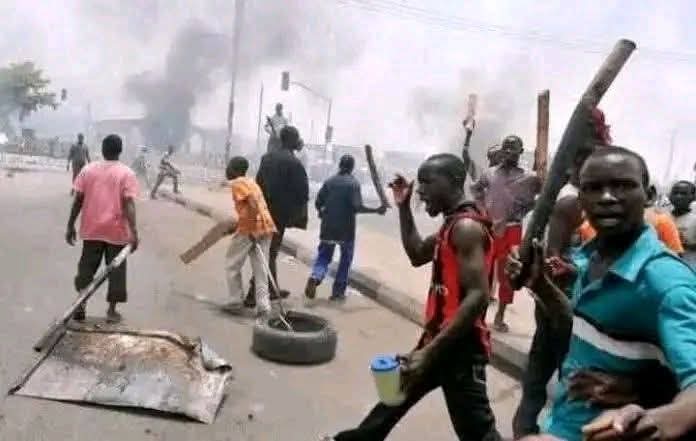
November 2008 brought horrors I could not escape. Smoke choked the sky, thick and black from burning tyres, cars, shops, and homes. The familiar morning sounds, the rooster’s crow, the call to prayer, were drowned out by the relentless rattling of bullets. I saw men lying lifeless in the streets, burnt and broken. Women clutched their children as the world around them descended into chaos. Infants cried and died; pregnant women were not spared. The streets of Jos were no longer streets; they were rivers of despair. That was the day I realised that life could shatter in an instant, leaving nothing but grief and fear.

The nightmare returned in January 2010. The cry “An Fara! An Fara! It begins!” echoed across the city, and everyone ran for their lives. Markets emptied; cars stopped mid-journey; the city was silenced by death. By March, villages like “Dogo Na Hauwa” felt the same agony. Men, women, and children were slaughtered indiscriminately. Families fled, unsure if they would ever return. Our own family considered escaping to Kano or our ancestral states, seeking refuge from the unending bloodshed. Our government, both state and federal, failed us when we needed them most, leaving an entire generation to grow up amidst fear, hatred, and division.

And yet, amid this darkness, a truth becomes clear: religion itself is not to blame. Both Islam and Christianity teach love, compassion, and coexistence. Islam emphasises peace and justice; Christianity is built on love and mercy. How, then, can these teachings be turned into instruments of hatred?

Most conflicts are not truly religious. They are manipulated and twisted by politicians and traditional leaders seeking power, wealth, and control. Land disputes, political rivalry, and ethnic tensions are cloaked in the garb of faith. To blame religion alone is to ignore the real forces at work, and to fail the innocent who suffer because of it.

We cannot abandon faith. We must embrace its true teachings: peace, love, unity. We must teach our children to rise above hatred, to recognise manipulation, and to work together regardless of ethnicity, religion, or background. Africa does not need less religion; it needs more honesty, more understanding, more courage to unite despite the forces that seek to divide us.

Plateau State can heal. Jos can thrive again. Nigeria can rise. But only if we choose love over fear, unity over division, and humanity over hatred.

Finally, I urge youths, children, elders and leaders of all religions and ethnicities to continue supporting peaceful coexistence and harmonious interaction in Plateau State. 

God bless Jos.

God bless Plateau State.

God bless Nigeria and all her people.

Shamwil Ibrahim (Justice) wrote via ibrahimshamawilu@gmail.com.
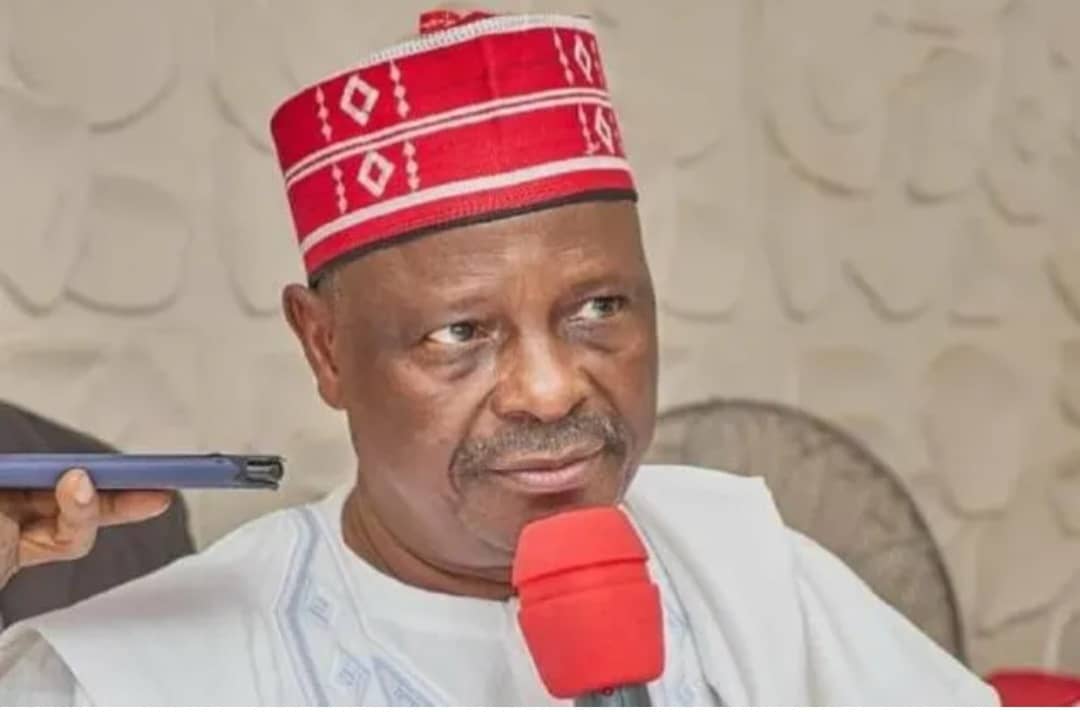
Jos Attack: Kwankwaso Laments ‘Barbaric’ Killing of 27 Nigerians

By Uzair Adam

A former Kano State governor and national leader of the Kwankwasiyya Movement, Rabiu Musa Kwankwaso, has condemned the killing of no fewer than 27 people in Gari Ya Waye community of Angwan Rukuba in Jos, Plateau State, describing the attack as barbaric and another tragic chapter in Nigeria’s history.

Kwankwaso, in a statement he personally signed on Tuesday, expressed deep concern over the incident, saying the senseless bloodshed underscores the persistent failure of leadership and the growing culture of impunity that has turned parts of the country into what he called “killing fields.”

The former governor said the recurring violence in Plateau State and other parts of Nigeria should no longer be treated as routine incidents, stressing that the situation demands urgent attention as a national emergency.

“The barbaric attack on the Gari Ya Waye community in Angwan Rukuba, Jos, which claimed the lives of no fewer than 27 Nigerians and left many others injured, is yet another tragic and shameful chapter in our nation’s history,” he said.

Kwankwaso added that the continued attacks on communities highlight the urgent need for decisive leadership and stronger measures to protect lives and property across the country.

According to him, Nigerians deserve to live in peace, security and dignity regardless of their ethnic or religious backgrounds.

The former minister of defence also extended his condolences to the families of the victims, the injured and residents of the affected community.

“My heartfelt condolences and prayers go to the families of the victims, the injured, and the entire Gari Ya Waye community in this moment of profound grief,” he said.

Nigerian Film Corporation, Plateau Gov’t to deepen partnership in film development

By Hadiza Abdulkadir

The Managing Director of the Nigerian Film Corporation (NFC), Ali Nuhu, has met with the Executive Governor of Plateau State, His Excellency Caleb Manasseh Mutfwang, to discuss strengthening collaboration between the Corporation and the state government.

During the meeting in Jos, the Plateau State capital where the NFC is headquartered, both parties explored ways to expand their long-standing partnership in promoting film production, nurturing local talents, and positioning Plateau as a central hub for Nigerian and African cinema.

Ali Nuhu noted that the discussion centered on the shared belief in the power of storytelling to shape perception, promote unity, and drive development. He emphasized that Plateau State, with its stunning landscapes and rich cultural heritage, has long been a home for some of Nigeria’s most compelling stories.

“Our goal,” he said, “is to ensure that those stories are not only told but also seen, heard, and celebrated across the world.”

Letter to President Tinubu on Yelwata and Jos massacres

Dear Mr President, 

1. I hope you had a safe return after the visit to Yelwata, Benue State, to assess the killing spree that occurred there last week. While people like Mr Peter Obi and Dele Farotimi criticised your trip as one lacking compassion, I believe your presence there meant something. It is better than not going there. It means you have first-hand knowledge of how defenceless Nigerians are killed, not just in Benue, but across Nigeria, especially in the North. 

2. I write to draw the urgent attention of Your Excellency to a fresh tragedy. This afternoon, several national newspapers reported the killing of 12 Muslim passengers travelling from Zaria to Qua’anpan Local Government Area of Plateau State. They were ambushed in the Manjul community, Mangu Local Government Area, Plateau State. These innocent Muslim travellers were killed, and subsequently burned in the bus conveying them. Nineteen others are now nursing various degrees of injuries.

3. A survivor among the victims of this dastardly act was interviewed, and he remarked that they lost direction. Upon stopping and asking for directions, the locals at Manjul remarked that these are Hausa people and that they should be killed. In their words, as reported, “These are Hausa people, let’s kill them!”. This chilling statement underscores where we are as a country. Anyway, they successfully killed 12 and injured 19. It is in today’s newspapers – Daily Nigerian, Daily Trust, The Daily Reality, Punch Newspapers. 

4. Mr. President, no citizen should be targeted for their ethnicity or religion. Whether in Yelwata or Yorro, Mangu or Malete, Nigerians must be free to travel safely. Nigeria has tolerated this barbarism for too long. If terrorists in the forests remain elusive, those living in communities and attacking travellers should not be. What excuse does the state have when killers who can be easily traced and apprehended go unpunished? This silence by the system sends one loud message: you can kill and walk away. 

5. This is not the first time such horror has unfolded in Plateau State. In 2021, 20 members of the Tijjaniyya sect were killed in Rukuba, Jos, on their way home from a religious event in Bauchi. It is now 4 years. No justice has been served yet. In 2018, General Idris Alkali (rtd), a senior military officer and Chief of Army Administration, was ambushed and killed. His body was thrown into a pond in Dura Du. Suspects were arrested, but 7 years later, justice is being delayed. 

6. These cases remain open wounds. Mr. President, your influence should not stop at sympathy and condolence visits. Nigerians will feel more confident if you direct a full, public, and timely investigation into these recent attacks in Yelwata and Mangu. The perpetrators should be found, prosecuted, and punished—not just for justice but as a deterrent. Otherwise, each incident becomes an invitation for the next mob to strike.

7. Your Excellency, the time to act is now. Nigerians are watching. We can, for once, surprise the world and Nigerians themselves to know that Nigeria is not a jungle where anyone kills at will and goes about their everyday business. Where is the sanctity of life in this country? If the government cannot break this wanton bloodshed, then who will? You can decide to break this bad culture of letting killers get away. You can choose to be different from your predecessors. You can decide to let Nigerians know that this can be curtailed. Let this be the turning point. We have to give justice some opportunity to speak louder than violence. At this time, let us give the killers an opportunity to know that Nigeria is not a lawless country. 

8. Thank you. 

Ibrahiym A. El-Caleel wrote from Zaria, Kaduna State.

Renowned Islamic cleric Sheikh Sa’eed Jingir passes away

By Sumayyah Auwal Usman

A respected Islamic scholar, Sheikh Sa’eed Hassan Jingir has passed away on Thursday after a protrated illness.

The funeral prayer for Sheikh Sa’eed Jingir is scheduled to take place at 2:00 pm on Thursday at the Unguwar Rimi town in Jos, Plateau State.Late Sheikh Sa’eed was a prominent member of Jama’atu Izalatil Bidi’a Wa’ikamatis Sunnah (JIBWIS), Jos.

He earned deep respect within the Muslim community due to his contributions to the Islamic faith and his role as a spiritual leader.

Governor Mutfwang celebrates birthday of Gbong Gwom Jos

By Abdullahi Mukhtar Algasgaini 

Plateau State Governor, Barr. Caleb Manasseh Mutfwang, has joined millions of well-wishers across the globe in celebrating the Gbong Gwom Jos and Chairman of the Plateau State Council of Chiefs, His Majesty, Da Jacob Gyang Buba, CON, on the joyous occasion of his birthday. 

In a heartfelt message, Governor Mutfwang described the Gbong Gwom Jos as an exemplary and distinguished traditional ruler whose wealth of experience, both in public service and traditional leadership, has left an indelible mark on Plateau State and Nigeria at large.  

The Governor noted that Da Jacob Gyang Buba’s life has been a source of profound inspiration, characterised by his unwavering dedication to service, humility, and a deep-seated passion for the welfare of his people.  

He commended the traditional ruler’s extraordinary contributions to the socio-economic transformation of the state, especially his leadership in fostering community-driven initiatives aimed at self-reliance and economic empowerment. 

Governor Mutfwang specifically praised the Gbong Gwom Jos for his tireless advocacy in combating drug abuse and his commitment to empowering the youth of Plateau State.

His Majesty’s vision of a future where the younger generation thrives through hard work and enterprise has positioned him as a beacon of hope for many. 

Governor Mutfwang lauded the Gbong Gwom’s compassion and his efforts in uplifting the less privileged.

His Majesty’s enduring legacy of fairness, justice, and empathy, particularly in promoting peaceful inter-community relations, has greatly contributed to strengthening unity, peace, and harmony across the Plateau and beyond. 

On behalf of his family, the government, and the people of Plateau State, Governor Mutfwang extended his warmest congratulations to His Majesty, praying that this special day brings abundant joy and cherished moments with his family, loved ones, and admirers.

Jos North PDP chairmanship aspirant commends PLASIEC

By Abdullahi Mukhtar Algasgaini

The People’s Democratic party (PDP) chairmanship aspirant for Jos North, Hon. John Christopher Kyohroh has commended the Plateau State Independent Electoral Commission (PLASIEC) for peaceful conduct of elections in Plateau State.

He made this statement at his polling unit -012, Area Directorate Office, Ministry of Education, Vanderpuye ward, in Jos North local Government Area of the state.

Kyohroh said although many hours were spent waiting for the voters verification system device to pick up but to no avail, the technical hitch should be expected because of the new technology introduced in the electoral process, saying it will be improved with time.

He described the effort of PLASIEC as a giant stride, adding that the process will be successful at the end of the day.

The chairmanship aspirant cast his vote using the manual process due to the hitches experienced on the voter verification system device.

He urged the people to come out and exercise their right by voting for the candidate of their choice.

Bombing attempt foiled at Plateau state bank

By Uzair Adam Imam

A group of men apprehended an unidentified man attempting to detonate a bomb at a bank in Plateau State on Monday, May 13.

The incident occurred in Dadin Kowa town, Jos South.

Vigilante security at the bank thwarted the attack after noticing the suspect.

Enraged, a mob attacked the suspect, calling for his execution.

It remains unclear if the suspect is linked to any terrorist organization.

He has been handed over to the police for further investigation.

Lingering water scarcity in Jos

By Usman Muhammad Salihu

Jos, the capital city of Plateau State, has for long been grappling with the persistent issue of water scarcity, leaving residents to endure the consequences of insufficient water supply from the body responsible. The lack of functional boreholes and wells further compounds the challenge, painting a grim picture of daily life for the city’s inhabitants.

The city, despite being blessed with natural water sources, finds itself in the grip of a water crisis. Government efforts to address this issue have fallen short, with inadequate infrastructure and supply systems unable to meet the teeming demand.

To effectively bring an end to the menace, the government must prioritize infrastructure development, including the construction of water treatment plants and distribution networks, to ensure equitable access to clean water across the city.

Implementing and enforcing water management policies and regulations can help curb wastage and ensure responsible usage of available resources.

Engaging with local communities to understand their needs and involve them in decision-making processes can foster a sense of ownership and accountability in water management initiatives.

On the other hand, well-to-do individuals and private companies operating in Jos should integrate water provision mechanism and sustainability practices into their corporate social responsibility initiatives.

Collaborating with government agencies and NGOs can amplify the impact of private sector efforts, leveraging resources and expertise to address water scarcity more effectively.

Empowering residents with knowledge about water conservation and hygiene practices can promote responsible usage and reduce strain on limited water resources.

Supporting grassroots initiatives aimed at water conservation, such as community-led well drilling projects or water purification programs, can foster resilience and self-sufficiency within our neighborhoods.

By implementing comprehensive solutions that span governmental, private, and community sectors, the city can break free from the cycle of scarcity and ensure a sustainable water future for generations to come.

Usman Muhammad Salihu writes from Jos, Nigeria.
muhammadu5363@gmail.com

FERMA: Bauchi-Jos highway needs urgent intervention

By Ukasha Rabiu Magama

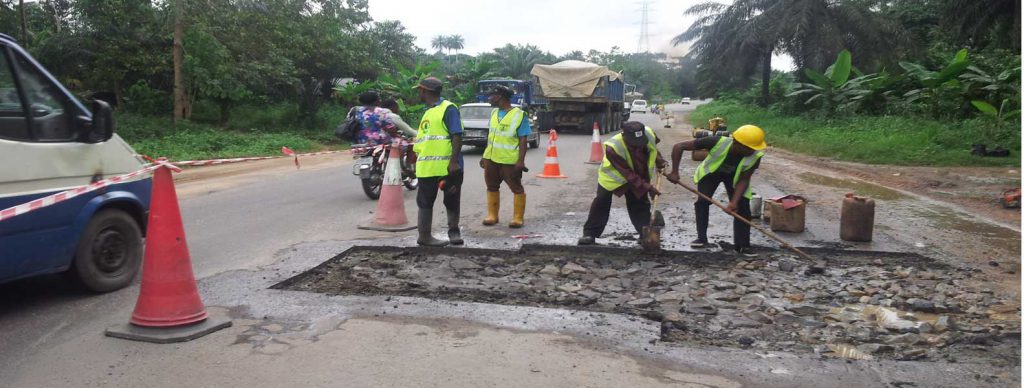
The lives of the commuters passing through Jos-Bauchi road to other states in the Northeast and Northcentral regions are in precarious situations due to the gully erosion that washed away the road in Narabi, Toro local government of Bauchi state.

The affected area has already been declared dangerous by the residents. Though the site has been closed-off with stones and a red rope to serve as a warning signal to motorists, they are still managing to pass through at a low speed because there is no alternative.

Nonetheless, the Federal Road Maintenance Agency FERMA should hurriedly aid commuters by repairing the affected area before it is damaged entirely and cause havoc to motorists flying the roads daily.

It’s good for the FERMA to know that the way is the only way linking the entire north-central and northeast. Also, the Agency is aware that the road is among the busiest roads in Nigeria. Meanwhile, if FERMA refuses to fix up the ashed-away area hurriedly, it will affect and endanger the lives of thousands of commuters and stop motorists’ movement entirely. 

Similarly, it’s undoubtedly that the Bauchi-Jos road has become a dead zone for commuters because of the severe potholes along the road. This has been continuously claiming the lives of innocent commuters daily.

Annoyingly, the Bauchi-Jos highway is among the roads recording high rates of accidents in Nigeria. Given this, the federal government approved 348 billion in 2018 for the dualisation of the road from Akwanga-Jos-Bauchi to Gombe. This is to reduce the risk of accidents along the road, but more needs to be done on the ground to actualise the project.

Therefore, since the protection of the lives and property of every citizen is bestowed upon the government’s shoulders, it is significant for the FERMA to urgently intervene by repairing the washed-away area; this is to save innocent lives. Also, since the outgoing president cannot fulfil his promise, we are drawing the attention of the incoming president Ahmad Bola Tinubu to dualise the road; hence the need is to save lives and properties.

Meanwhile, we need FERMA’s urgent intervention before the new administration settles. If not, lives are at stake, and only God knows what will happen if the road is damaged completely.

Ukasha Rabiu Magama writes from Magama Toro, Bauchi state.