News

Pee Penalty: Italian City to Fine Dog Owners Up to €500 for Unwashed Pet Urine

By Maryam Ahmad

Dog owners in the coastal Tuscan city of Livorno will need to start carrying more than just plastic waste bags on their daily walks. Under a strict municipal ordinance, failing to wash away pet urine from public spaces can now land owners with a fine of up to €500.

The local council introduced the aggressive measure after a surge in complaints from local residents regarding foul odours and mounting hygiene issues, particularly in areas where adults and children congregate. Officials pointed to a booming pet population in the city as a major driver behind the deteriorating conditions.

According to the new rules, anyone walking a dog must carry a bottle of water to immediately rinse away any piddle left on pavements, benches, or the wheels of parked vehicles.

The ordinance carves out exemptions for on-duty police dogs and guide dogs assisting visually impaired individuals. Handlers are also exempt from the rinsing requirement during periods of icy weather, when adding water to the streets would create a safety hazard for pedestrians.

The story, which highlights the growing tension between expanding pet ownership and urban sanitation, was originally reported by The Guardian (UK).

Livorno joins a growing list of Italian municipalities that have turned to strict penalties to enforce public cleanliness among pet owners.

[2] https://www.theguardian.com

Kwankwaso, Peter Obi Set to Dump ADC as Obasanjo Brokers New Alliance

By Abdullahi Mukhtar Algasgaini

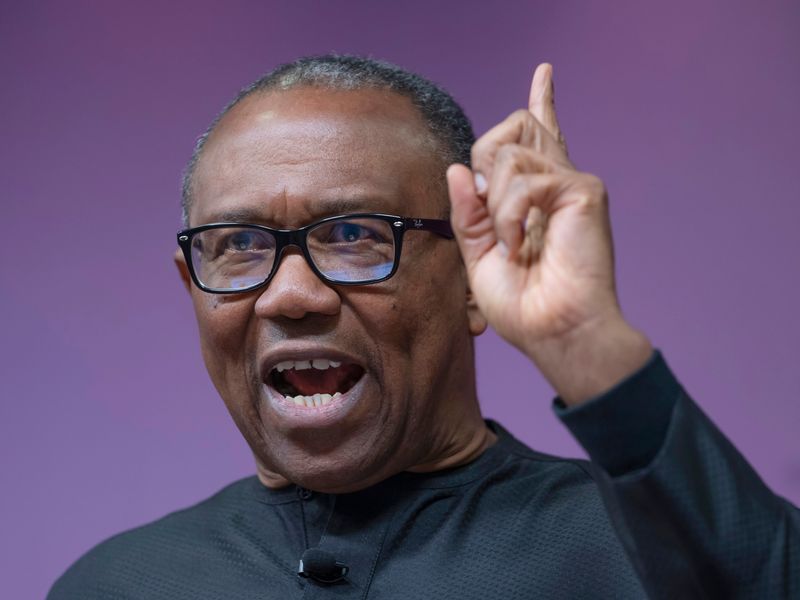
Former Kano State Governor, Rabiu Musa Kwankwaso, and former presidential candidate, Peter Obi, are reportedly planning to exit the African Democratic Congress (ADC), according to sources close to the matter.

Political insiders revealed that former President Olusegun Obasanjo is spearheading efforts to forge a political alliance between the two prominent opposition figures. The move is seen as part of a broader realignment strategy ahead of the 2027 presidential election.

Tensions rose earlier today when some of Kwankwaso’s key political associates, known as the Kwankwasiyya movement, were seen defecting from the ADC in the morning.

This development comes at a critical time as the country edges closer to the 2027 general elections, with top politicians scrambling to reposition themselves for maximum political leverage.

The Accountability Dilemma at the Heart of Borno’s Integration Model

By Abdulsalam Alkali

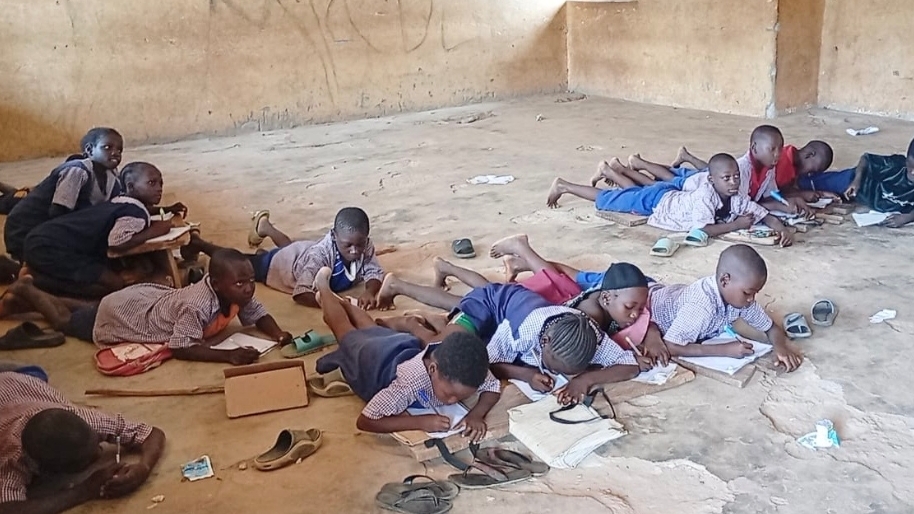
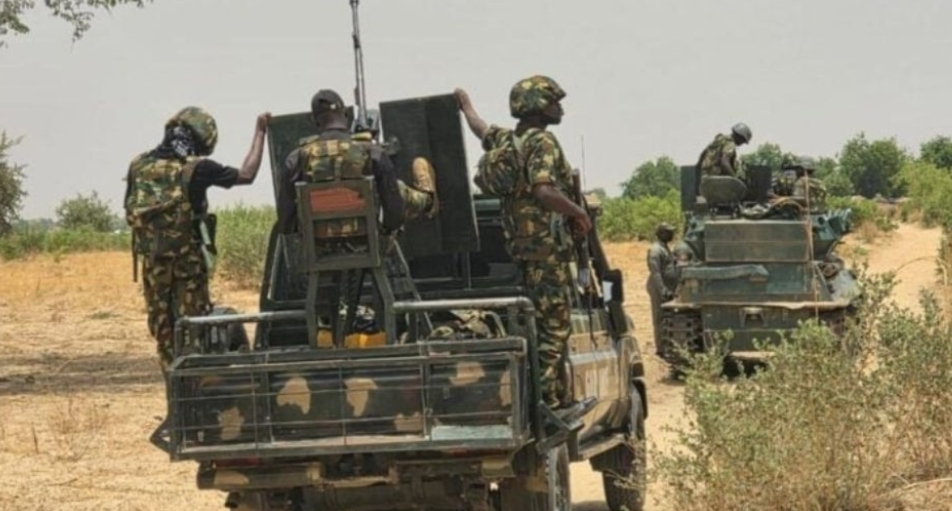
In the scarred landscape of Northeast Nigeria, where Boko Haram’s insurgency has claimed thousands of lives and displaced millions since 2009, the quest for peace remains a daily struggle. As military campaigns degraded the group’s territorial hold, a more complex and contentious challenge emerged. What to do with the thousands of fighters and their associates who surrendered or were captured?

The Federal Government’s answer was Operation Safe Corridor, a deradicalization program run from a military-controlled camp in Gombe State. But for the epicentre of the conflict, Borno State, this felt distant and disconnected from the realities of its ravaged communities.

In response, the Borno State Government, under Governor Babagana Zulum, began crafting its own approach, which later became known as “The Borno Model.” 

The model is a non-kinetic approach that handles former Boko Haram/ISWAP fighters through disarmament, demobilization, deradicalization, rehabilitation, reconciliation, and reintegration known as the (Triple D, Triple R).

Unlike the military-run, camp-based system, the Borno Model is fundamentally community-centric. According to the document, “The Borno Model’s philosophy is rooted in an audacious blend of practicality and traditional norms. The model argues that sustainable peace cannot be achieved by isolating ex-combatants in distant camps, only to return them as strangers. Instead, it advocates for a localized process of rehabilitation and reintegration directly into communities, heavily mediated by local organizations, traditional rulers, religious leaders, and victims.

“The model operates on the premise that a significant portion of those in Boko Haram/ISWAP were either forcefully recruited, coerced, or driven by poverty rather than ideology, and that the path to peace requires a form of conditional forgiveness”.

This model has translated into a bold and visible policy as thousands of “repentant Boko Haram” members and their families have been received, housed in temporary “transition camps,” and then resettled in their (or new) communities, often with vocational training and start-up kits.

According to an Institute for Security Studies research document, over 160,000 people had left Boko Haram/ISWAP, with over 100,000 fighters and their families, and an additional 6,900 minors surrendering unconditionally since the program commenced.

Nevertheless, this bold program unfolds against a background of profound pain and frustration, especially for the victims of Boko Haram. 

For communities that have endured massacres, abductions, and arson, the sight of former perpetrators receiving housing and support is a bitter pill to swallow.

Many survivors ask: where is our own rehabilitation? The fears of recidivism, accusations of injustice, and deep-seated trauma that no government program has adequately addressed persist. In the streets of Maiduguri, there is a blend of emotions and concerns among its residents. While some people view this program as a viable way of achieving peace, others see it as something forced upon them by the government.

WHAT VICTIMS SAY

For Bakura Modu, who lost his parents to the insurgents, “Only God will reward us for what we have gone through,” he said with mixed emotions. Bakura Modu lost his entire family, three of his brothers and his parents were killed during the 2014 Bama attack. Bakura escaped the attack and came to Maiduguri, later took shelter with his uncle. Now he struggles to live in Maiduguri with no support from the government. Bakura has not heard or felt carried along in the rehabilitation program.

Like Bakura Modu, Ya Kaltum Bukar, 58, lost her husband and six of her children to Boko Haram insurgents. During the peak of Boko Haram insurgency in Maiduguri, “They came during Ramadan in 2012 and killed my husband and three of my biological children, and after two weeks, they returned and shot three again,” she said. 

YaKaltum only became familiar with the rehabilitation and reintegration program on Radio Programs. Now she struggles to survive in this economy, coupled with health complications.

On returning ex-Boko Haram fighters, Bakura Modu was skeptical, having had no previous knowledge or involvement: “The government has done a lot in resettling people and building homes, but not all victims of the insurgency were carried along,” he said.

According to Barrister Abba Kyari Muhammad, the Borno Model does not strictly adhere to the standard model of transitional justice. He stated that the model largely focuses on disarming insurgents, rehabilitating and reintegrating them back into society, while neglecting other core components of transitional justice, including prosecution, truth-seeking, reparation, and institutional reforms. “These obvious lapses in the implementation of the Borno Model render it something other than transitional justice,” Barr. Kyari stated.

Barr. Kyari lost his mother to the insurgents in 2013, skipped classes while at school, lost his livelihood, and was displaced multiple times within Maiduguri as a result of the insurgency. He said, “Upon all that happened, I am still yet to receive an apology from the government or other authority, let alone compensation.”  He further stated that it is evident there is no meaningful victim compensation within the current transitional justice framework.

LACK OF COMMUNITY PARTICIPATION IN THE PROGRAM

Research by the Institute for Security Studies (ISS) clearly outlined the lack of community participation in the rehabilitation and reintegration program, stating that “Communities are not involved enough in reintegration even though they facilitated disengagement and are the first point of contact for ex-Boko Haram associates.”

Speaking as both a victim of the insurgency and a professional, Barr. Abba Kyari stated that “I cannot recall encountering any form of victim compensation, reparation, or even apology to those who lost their loved ones. Available evidence suggests that internally displaced persons who are the true victims are largely abandoned, while repentant Boko Haram members are housed, clothed, and well taken care of in government-owned facilities.”

PROSPECTS AND CHALLENGES OF THE PROGRAM.

Moreover, a source from the Ministry of Rehabilitation, Reconstruction, and Resettlement (RRR) stated that the program has had both its prospects and challenges, but the government is doing everything within its powers to carry all people along. He noted that victims are also supported with skills and are resettled in their communities as peace gradually returns.

The anonymous source also noted that the Reintegration Committee was constituted by Governor Babagana Umara Zulum, and it is working round the clock to return refugees from neighbouring countries like Niger, Cameroon, and Chad.

He also clarified that not only ex-fighters undergo rehabilitation it also includes victims, abductees, and communities ravaged by Boko Haram. “All are being rebuilt and resettled, apart from Abadam Local Government that was recently opened after more than a decade of desertion, and it has improved peace in the state,” he noted.

Similarly, Samuel Orahii, reintegration coordinator at Allamin Foundation for Peace and Development, a. leading organisation working with the government on community engagement and reintegration, noted that some of their work is confidential and sensitive, however, a lot of success has been achieved, and normalcy has almost been sustained. On the Borno Model, Mr. Samuel stated that “the Borno Model is more of a traditional justice, as communities are involved,” noting that ex-Boko Haram fighters are remorseful, recently, one ex-Boko Haram fighter sought forgiveness on a live radio program on transitional justice sponsored by Allamin Foundation”.

The ISS findings, however, show a lack of adequate funding for the program, stating that “The Borno Model faces persistent challenges, especially in providing sufficient economic support to deserters once they leave the camp. Many former Boko Haram members interviewed in March and June 2025 said they left the group with few employable skills, little start-up capital, and no tools to begin a livelihood. The state has introduced vocational training in the camps, teaching skills such as carpentry, tailoring, welding, and mechanics. It also provides a one-off payment of ₦100,000 (about US $67), but this isn’t enough to restart a life after years in the bush.”

On issues around sustainability of the program, Barr. Kyari noted that the sustainability of the program lies in its economic implications, which largely remain unaddressed. “These people are accustomed to a lavish lifestyle and unrestricted control over territories and resources, yet they are now expected to survive on minimal support. This arrangement is neither realistic nor sustainable and represents a ticking time bomb if left unsolved.”

DOES THE REHABILITATION PROGRAM LEAD TO PEACE?

Moreover, despite the sustained rehabilitation and reintegration program, communities resettled, and livelihoods restored, it remains debatable whether the rehabilitation and reintegration of ex-Boko Haram combatants have brought peace or otherwise. Many experts agree that since the collapse of leadership upon the death of Abubakar Shekau, many ex-fighters have retreated and laid down their arms, surrendering to Nigerian authorities. Subsequently, with intensified military aggression by Nigerian forces and the loss of many territorials holds by the insurgents, the group has systematically shifted its focus from ransacking communities to abductions, collecting ransom, and taxing in some areas within the Lake Chad region.

A HumAngle tracker from the last quarter of 2025 indicated that Borno State experienced the highest number of abductions, with over 161 people in a total of 31 kidnapping incidents. “A total of 116 incidents with fatalities were experienced,” the report stated. According to sources interviewed by HumAngle, the group has raked in over ₦1 billion through these random operations. 

This report is corroborated by Yerwa Express News’s recent report of the abduction of seven fishermen from Doron Baga in Kukawa Local Government Area in Borno State by suspected Boko Haram insurgents, with a ransom demand of ₦30 million.

This report is supported by HumAngle Foundation under ‘Fellowship on Strengthening Community Journalism and Human Right Advocacy In Northern Nigeria (SCOJA)’.

Lagos Woman Remanded For Allegedly Attacking Teenage Daughter With Knife

By Sabiu Abdullahi

Authorities in Lagos have confirmed the arrest and prosecution of a woman accused of attacking her 15-year-old daughter in the Ipaja area of the state.

The Lagos State Domestic and Sexual Violence Agency (LSDVA) said the incident came to light after a disturbing video circulated on social media on Wednesday. The clip reportedly showed the woman holding a knife while restraining the teenager after an alleged assault inside a residential compound on Tashoro Street, near Ipaja.

The agency disclosed that it acted quickly after the video surfaced. Officials said the case was reported through the viral footage, which triggered an immediate response under child protection procedures.

According to the agency, the victim was rescued by the Child Protection Unit of the Ministry of Youth and Social Development. She has since been moved to a shelter, where she is receiving care and psychosocial support.

Operatives of the Lagos Neighbourhood Safety Corps arrested the suspect and handed her over to the police at the Ipaja Division.

“The Lagos State Domestic and Sexual Violence Agency was alerted to a distressing viral video depicting the alleged assault of a 15-year-old girl by her biological mother in the Ipaja area of Lagos State on Wednesday, 29th April 2026. The Agency immediately activated the State’s response protocol upon receipt of the report.

“The survivor was swiftly rescued by the Child Protection Unit of the Ministry of Youth and Social Development and has been placed in a shelter, where she is currently receiving appropriate care and support services.”

The matter was later transferred to the Family Support Unit of the Ipaja Police Division for further investigation.

LSDVA said the case has now been taken to court. The suspect appeared before Court 23 of the Samuel Ilori Magistrate Court in Ogba on Thursday.

After the hearing, the court ordered that the defendant be remanded at the Kirikiri Correctional Centre. The remand will continue pending legal advice from the Director of Public Prosecutions.

“Following diligent investigation, the case was charged to court on my Thursday, 30th April 2026, and heard at Court 23, Samuel Ilori Magistrate Court, Ogba, Lagos, even as the defendant has been remanded at the Kirikiri Correctional Centre pending the outcome of the Director of Public Prosecutions’ advice.

“We commend the swift collaboration of concerned Lagosians and mandated reporters in ensuring the safety of the survivor and the progression of the case through due legal process.”

The agency also acknowledged the role of residents who raised the alarm. It said their action helped to protect the child and ensured the case moved forward.

LSDVA restated the Lagos State Government’s stance against child abuse. It added that offenders will face prosecution in line with the law. Residents were urged to report cases of domestic and sexual violence through official channels and helplines.

FEC Approves $2.99 Billion for Lagos Green Line, Kano Metro, and Kaduna Rail Projects

By Muhammad Abubakar

The Federal Executive Council has approved contracts totaling $2.99 billion for the construction of three major rail projects across Nigeria.

Announced by Minister of Finance Taiwo Oyedele, these projects aim to boost economic development and improve the quality of life for daily commuters.

The approved infrastructure specifically covers Phase 1A of the Lagos Green Line rail project, the Kano Metro rail project, and the Kaduna light rail system. The target cities were selected by the council due to their strategic importance as major national economic hubs.

The projects will be funded through the Ministry of Finance Incorporated on behalf of the federal government, with active support from standard counterpart funding arrangements.

Government authorities maintain that these major corridors will unlock job opportunities, alleviate heavy traffic gridlocks, and attract stronger local and foreign investments to the regions.

Supreme Court Reinstates David Mark as ADC Leader

By Muhammad Abubakar

The Supreme Court of Nigeria on Thursday set aside an order of the Court of Appeal to maintain the status quo ante bellum in the leadership crisis rocking the African Democratic Congress, ADC.

A five-member panel of the apex court, led by Justice Mohammed Lawal Garba, held that the Abuja Division of the Court of Appeal acted without jurisdiction when it issued the order after already dismissing the case filed by a rival faction.

The decision effectively restores the recognition of the party’s executive committee led by former Senate President David Mark.

Prior to the ruling, the Independent National Electoral Commission, INEC, had removed David Mark and his executive team from its portal in compliance with the lower court’s status quo order.

The Supreme Court directed all warring factions to return to the Federal High Court to continue and fully determine the substantive suit regarding the party’s leadership.

The ADC has been embroiled in a leadership crisis following a restructuring that brought David Mark in as National Chairman and former Osun State Governor Rauf Aregbesola as National Secretary, a move fiercely contested by a rival faction led by Nafiu Bala Gombe.

Supreme Court Invalidates Ibadan PDP Convention, Strikes Out Turaki Faction’s Appeal

By Abdullahi Mukhtar Algasgaini

In a landmark ruling on Thursday, the Supreme Court dismissed an appeal filed by the factional National Working Committee of the Peoples Democratic Party (PDP) led by Taminu Turaki, declaring the party’s Ibadan national convention as unlawful.

Delivering the majority judgment, Justice Stephen held that the convention, which took place in Ibadan, Oyo State, on November 15 and 16 last year, was conducted in direct violation of a subsisting judgment of the Federal High Court delivered by Justice James Omotosho.

The court ruled that the Turaki-led group had no legal basis to proceed with the convention, as it amounted to a willful disregard for judicial authority. Consequently, the appeal was dismissed in its entirety.

The decision effectively upholds the earlier rulings that recognized the opposition faction loyal to the party’s embattled National Executive Committee, further solidifying the legal crisis within the main opposition party.

2027 Lagos Guber: Jandor Steps Back from Contest

By Anas Abbas

Dr. Abdul-Azeez Adediran, popularly known as Jandor, has officially withdrawn from the 2027 Lagos State governorship contest under the platform of the All Progressives Congress (APC).

Jandor, a former governorship candidate of the Peoples Democratic Party in the 2023 election before joining the APC, announced his decision in Lagos, bringing an end to his ambition for the state’s top seat.

His withdrawal reportedly follows recent political developments within the party, including high-level consultations and growing consensus around the emergence of a preferred candidate ahead of the party primaries.

Recall that Jandor had earlier obtained the APC Expression of Interest and Nomination forms, signalling his readiness to participate in the governorship primaries scheduled ahead of the 2027 general elections.

However, the latest shift indicates a change in strategy as party realignments intensify.
Party insiders say the development is expected to further narrow the contest for the APC ticket in Lagos State, as attention now shifts to remaining contenders.

Jandor is expected to formally address his supporters in his next political direction in the coming days.

Sisi Alagbo Pleads for Forgiveness After Intimate Video Leaks Online

By Muhammad Abubakar

Nigerian social media sensation and traditional herbal vendor Eniola Fagbemi, widely known as Sisi Alagbo, has issued a public apology after an explicit video involving her, her husband, and another woman was leaked to the public.

The video, which initially circulated via private messaging apps before reaching broader social media platforms and gossip blogs, sparked intense debate and immediate backlash. Many expressed shock at the footage, given Fagbemi’s prominent digital presence as a wellness and traditional medicine entrepreneur based in Ibadan.

Breaking her silence on her official Facebook page, Fagbemi admitted to her mistakes and pleaded with her massive following not to castigate her or destroy the brand she has built. In her statement, she revealed that the fallout from the leak has triggered severe emotional distress, leaving her unable to properly eat or sleep.

Fagbemi emphasised that her social media platform is her primary source of livelihood and asked the public to separate her private choices from her commercial enterprise.

Her husband, Adesola Akeem, also stepped forward to address the scandal in a separate public statement. He accepted full responsibility for the file leak and expressed deep regret.

Despite the wave of criticism, a section of her fanbase has actively called for empathy, urging the public to show kindness given the heavy mental health strain the influencer is currently experiencing.

After Public Display of Underwear, APC Rewards Teemahcool with Appointment

By Uzair Adam

The recent appointment of a Kano-based social media personality, Fateemah Naseer, popularly known as Teemahcool, into a political role within the All Progressives Congress (APC) has sparked renewed debate, not just over the decision itself, but over what many see as a troubling signal about the direction of political culture in Kano.

The appointment, announced on Wednesday in a Facebook post by Shamsu Coverage and sighted by The Daily Reality, comes only weeks after Fateemah’s involvement in the widely condemned “pant saga” that dominated public discourse across the state.

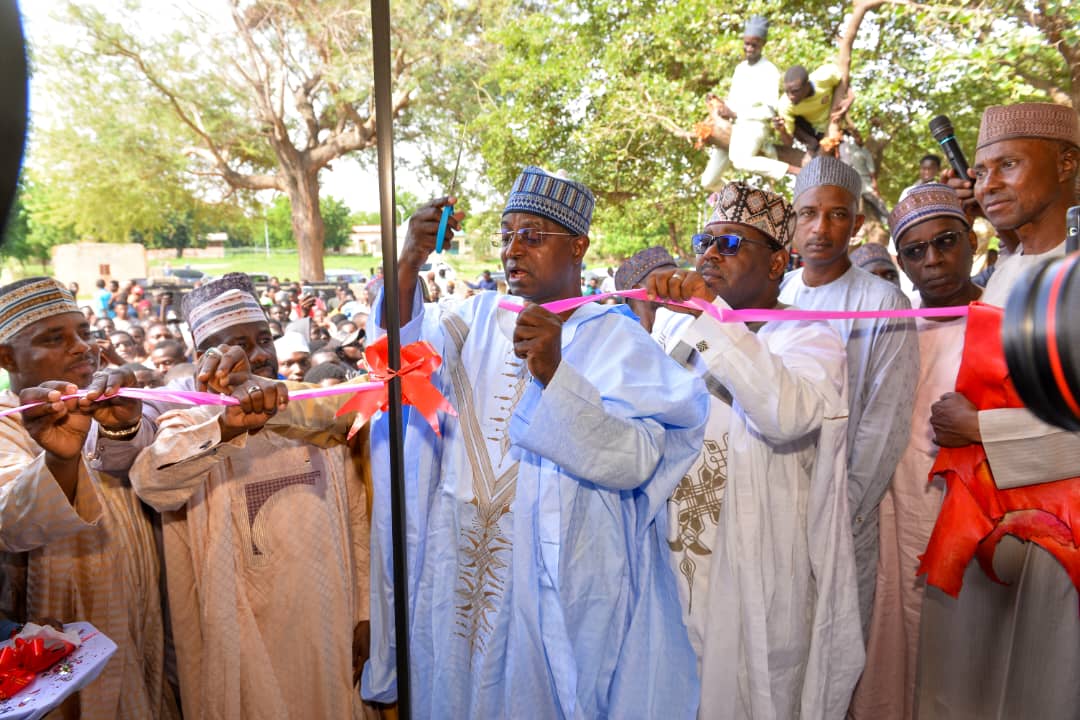
The controversy dates back to a political gathering organised during the visit of Nigeria’s First Lady, Oluremi Tinubu, who was in Kano to commission a road project.

At the event, Fateemah reportedly mobilised a group of women who raised underwear in a coordinated display, widely interpreted as a mockery directed at Eng. Rabiu Musa Kwankwaso, a former governor of Kano State.

Accompanied by chants of “dan kanfan tsula,” a derogatory slogan used in political rivalry, the act drew immediate backlash, particularly in a society deeply rooted in religious and cultural values.

Many observers described the display as not only indecent but also damaging to the image of Kano, especially given the expectations placed on women in the Hausa cultural context.

The Daily Reality reports that in response to the outrage, the Kano State Governor, Abba Kabir Yusuf, summoned those involved alongside Islamic clerics for a public prayer session (dua), where they were urged to seek forgiveness.

While the move was seen by some as a culturally appropriate step, others criticised it as insufficient, arguing that it diverted attention from the need for accountability.

The situation has now taken a new turn with Fateemah’s appointment as S.A by Yusuf Imam (Ogan Boye), the Chairman of Nassarawa Local Government Area.

For many critics, the timing of the appointment—coming shortly after the incident—raises serious concerns.

Many argue that rather than serving as a corrective moment, the development risks being interpreted as tacit approval, or even encouragement, of conduct that had already been widely condemned.

In a political environment where symbols and actions carry significant weight, such decisions may shape future behaviour among party supporters.

“This creates a dangerous incentive structure,” a political observer noted on Facebook. “If controversial actions that attract public outrage are followed by political reward, it suggests that visibility—regardless of its moral implications—can be a pathway to recognition.”

Beyond individual responsibility, the episode points to a broader challenge within political communication and party discipline.

The initial incident, amplified by social media and partisan rivalry, exposed how quickly narratives can spiral in the absence of coordinated messaging.

The subsequent appointment, rather than calming tensions, has instead deepened public scepticism.

The public display of underwear as a form of political expression—and its apparent aftermath—has therefore been viewed as a significant departure from established norms.

Critics warn that if such actions are normalised, they could redefine the boundaries of acceptable political behaviour, not only in Kano but potentially across other northern states.

This concern becomes even more pronounced as the country gradually moves toward the 2027 general elections, where political messaging and mobilisation are expected to intensify.

While supporters within the APC may view the appointment as routine or politically strategic, the broader public reaction suggests a deeper unease.

The Daily Reality observed that for many, the question is no longer just about one incident or one individual, but about the standards being set—and whether Kano’s political future will be shaped by values or by viral spectacle.