NLC

Why Unionists Find It Difficult To Become Mainstream Politicians

By Saifullahi Attahir

There was a time when most individuals engaged in either campus or labour association politics harboured the ambition of moving into mainstream politics. But years later, only a few achieved this dream. What went wrong? What is the difference between the two forms of politics, and why does success in one not guarantee success in the other?

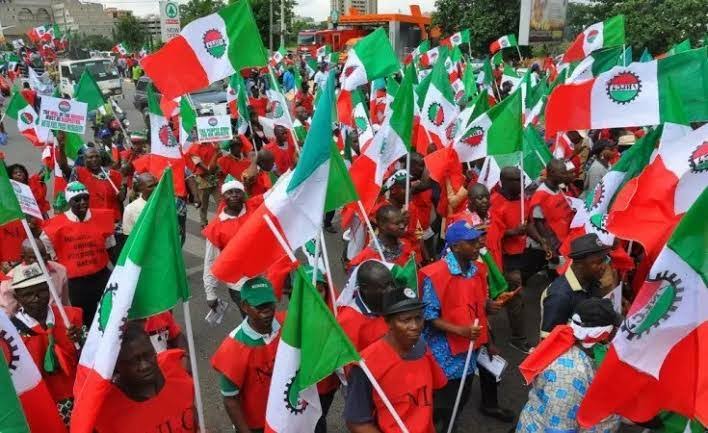
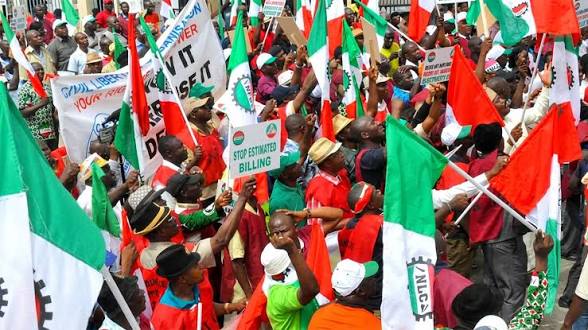
Trade unions like the Nigeria Union of Teachers (NUT), Nigerian Union of Petroleum and Natural Gas (NUPENG), Nigerian Medical Association (NMA), Association of Resident Doctors (ARD), Academic Staff Union of Universities (ASUU), Nigerian Union of Journalists (NUJ), National Association of Road Transport Owners (NARTO), Manufacturers Association of Nigeria (MAN), Nigerian Bar Association (NBA), the umbrella Nigerian Labour Congress (NLC), and hundreds of others are examples of trade unions that have a form of politics almost similar to students’ unionism. They address the welfare of their members and are often in constant confrontation with the ‘government’.

Trade unionism and students’ unionism share similar characteristics and differ entirely from mainstream politics — the partisan politics of electing Chairmen, Governors, and Senators. Unionism involves a group of people sharing similar ideologies, mostly young, and is mistakenly believed to necessarily be led by vibrant, idealistic, talkative, and radical individuals.

Of course, a handful of trade union leaders were lucky enough to do well in mainstream politics. Examples include Senator Ibrahim Shekarau (former National President of Secondary School Principals), Senator Adams Oshiomhole (former NLC Chairman), Dr Chris Ngige, Senator Shehu Sani, Senator Dayo Faduyile (former NMA Chairman), and a few more.

But those “born comrades” in mainstream politics are very few compared to the hundreds of politicians who were once averse to joining even school politics but are now full-blown politicians in Nigeria. Ironically, many of those occupying seats in Nigeria are accidental politicians: either a retired civil servant, a retired Army General, a tired oil marketer, a former banker, a university lecturer, or a classroom teacher with no apparent political ambition, only to be dragged in by either their constituency or by influential people in their region. That’s the sheer power of fate!

One of the factors I have curiously come to realise as a roadblock is the inherent attitude in those ‘comrades’ — rebellion, radicalism, idealism, and hot-headedness — that makes it difficult for them to conform with their people; hence, they cannot be easily entrusted to lead others outside campuses. Most of them have fire and fury in their bones, and are men of stone, not easily bent or manipulated.

Most unionists are anti-business, and also suffer from identity problems when it comes to street politics. 

There is also the problem of funding. Party politics rewards money and godfatherism with little regard for grassroots mobilisation.

Some are unfortunately consumed by bitterness. For them, surrender was an unforgivable act. Of course, that does not apply to all. But it is obvious that even those comrades who accidentally find themselves in political seats do not endure long. They are either in constant fight with their colleagues — Shehu Sani, Sanusi Lamido Sanusi, Nasir El-Rufai, Ali Ndume, Dino Melaye, etc. — or always prefer to rebel — Sowore, Lukman Salihu, Naja’atu Mohammed.

Negotiation is a key tool for success in mainstream politics, especially when dealing with people who have different ideologies and perspectives. Unfortunately, unionists are trained to strike and rebel.

Some have even been tried as leaders but failed. The story of Tai Solarin is an example. He constantly criticised President Ibrahim Babangida. It was said that IBB cunningly entrusted the newly established People’s Bank to Tai Solarin as Chairman, only for the scheme to fail a few years later.

Success in mainstream politics is complex and multifactorial, and carries a good chunk of luck and right timing. It is not purely sagacity or intelligence. It is not purely based on ingenuity either. But there is an obvious Darwinian theory of survival of the fittest.

I have summed up the following as some of the factors that aid seamless transition and success in mainstream politics: flexibility and adaptation, ability to tolerate others and accept their views, bigger ambition, independent source of income, self-knowledge and education, learning when to speak and when to remain silent, mentorship and obedience to those mentors.

Of course, even with the above, it is still not a guarantee of success. Success belongs to God the Almighty.

Saifullahi Attahir is the President of the National Association of Jigawa State Medical Students (NAJIMS). He wrote this piece from Federal University Dutse, via saifullahiattahir93@gmail.com.  
FG Approves ₦70,000 Monthly Transport Allowance for Workers, Begins Minimum Wage Talks

By Sabiu Abdullahi

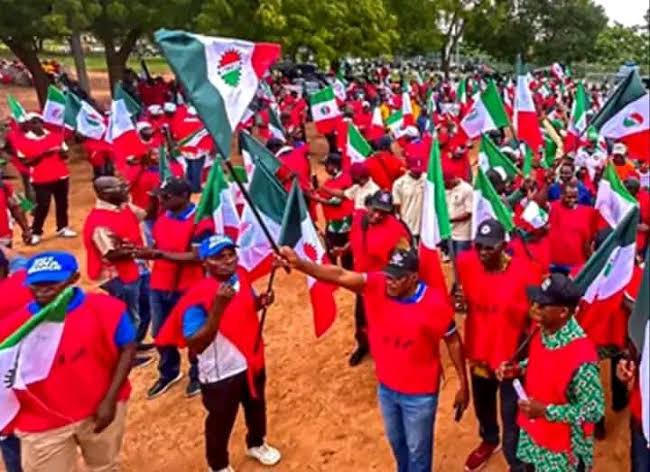
The Federal Government and the Nigeria Labour Congress (NLC) have agreed to begin minimum wage negotiations immediately and approved a ₦70,000 monthly transport allowance for workers for six months, starting in November 2026.

The decisions followed a conciliation meeting between government representatives and NLC leaders convened by the Federal Ministry of Labour and Employment in Abuja on Tuesday.

However, both parties have yet to resolve their disagreement over when a new national minimum wage should take effect.

According to resolutions signed by representatives of the government and organised labour, a Minimum Wage Negotiation Committee will be constituted immediately to commence discussions on workers’ demands.

The agreement comes amid growing pressure from labour unions for measures to ease the rising cost of living and improve workers’ purchasing power.

Under the transport intervention, workers across all levels are expected to receive ₦70,000 monthly for six months, beginning in November. The resolutions, however, did not specify the payment mechanism or whether the intervention would be extended beyond the approved period.

The meeting also addressed outstanding allowances, healthcare workers’ entitlements, tax relief, fuel prices and other welfare concerns.

Government agrees to settle outstanding allowances

The Federal Government agreed to begin paying accumulated peculiar allowances owed to eligible public servants in November 2026, with the arrears to be settled in three equal monthly instalments.

The government also approved the allowances with effect from May 1, 2026.

For health workers, the parties agreed that 19 months of outstanding allowances would be paid within three months, beginning in December 2026.

The meeting further considered outstanding hazard allowances for agricultural officers. According to the resolutions, the Federal Ministry of Agriculture and Food Security had submitted the list of beneficiaries and the associated financial implications to the National Salaries, Incomes and Wages Commission for verification.

On tax relief for workers, the parties agreed to refer the matter to the National Economic Council, noting that taxation is a statutory issue.

However, the resolutions did not indicate that labour’s separate demand for a reduction in petrol prices had been approved.

Other issues discussed included the adjustment of the Consolidated Health Salary Structure (CONHESS) and measures to cushion the economic hardship facing workers.

Pensioners demand outstanding palliatives

Meanwhile, the Federal Parastatals and Private Sector Pensioners Association of Nigeria (FEPPPAN) has urged President Bola Tinubu to direct the payment of three months’ outstanding ₦25,000 subsidy-removal palliatives meant for vulnerable citizens.

The association also called for urgent action on pension harmonisation, the payment of outstanding entitlements and improved access to healthcare for retirees under the Defined Benefit Scheme.

The demands were contained in a communiqué issued after the association’s National Executive Council meeting in Abuja and signed by its President-General, Benjamin Amako, and General Secretary, Franklin Erinle.

FEPPPAN expressed concern over the implementation of pension harmonisation, which it said took effect in January 2026.

It called on the government to release the circular guiding the policy to clarify the role of the Pension Transitional Arrangement Directorate (PTAD) and explain how the exercise would affect pensioners.

The association maintained that pension harmonisation should lead to increased monthly benefits for all pensioners and urged the relevant authorities to explain the policy’s terms, implementation process and implications.

The latest agreements represent steps towards addressing some workers’ welfare concerns, but the dispute over the effective date of a new national minimum wage remains unresolved.

The Daily Reality

FG, Labour Resume Talks as NLC Threatens Nationwide Action Over Fuel Prices, Wages

By Sabiu Abdullahi

The Federal Government and organised labour are scheduled to resume negotiations on Tuesday amid growing tensions over petrol prices, workers’ welfare and demands for an early review of the national minimum wage.

The Nigeria Labour Congress (NLC) and the Trade Union Congress (TUC) are expected to decide their next course of action after the meeting, with the unions warning that nationwide industrial action remains an option if the government fails to make meaningful commitments.

The talks follow an inconclusive meeting on October 22, which ended without an agreement on several outstanding issues affecting workers.

NLC Assistant Secretary-General Chris Onyeka confirmed the planned meeting, saying labour expected the government to respond to demands already submitted rather than restart discussions without concrete proposals.

“We expect them to come with answers to our demands, so that the meeting will not be prolonged,” Onyeka said.

A source within organised labour also told The PUNCH that the government had requested additional time to prepare for the discussions, adding that the unions would determine their next steps after the meeting.

The Federal Ministry of Labour also confirmed that the meeting was scheduled to hold, subject to any changes.

Labour’s demands

The unions are seeking a reduction in petrol prices to levels prevailing when the current minimum wage was signed into law in 2024. They are also demanding tax relief for workers, immediate wage awards and the commencement of negotiations for a new national minimum wage.

Other outstanding issues include the implementation of agreements affecting health-sector employees and the resolution of allowances and other welfare concerns in the public service.

In a joint statement signed by NLC Acting General Secretary Benson Upah and TUC Secretary-General Nuhu Toro, the unions criticised the government delegation at the previous meeting for arriving without the authority to negotiate substantively.

The government subsequently requested an adjournment to allow relevant ministers and heads of departments and agencies to participate in the next session.

The NLC had issued a two-week ultimatum on October 8, which expired on October 22, before extending the deadline to October 27. It warned that its affiliates and state councils should prepare for possible nationwide action if the negotiations failed to produce meaningful results.

Disagreement over minimum wage review

A major point of contention is when negotiations should begin to replace the current ₦70,000 monthly minimum wage introduced in 2024.

The Federal Government maintains that the wage is due for review on June 1, 2027, citing the three-year review cycle provided for under the National Minimum Wage Act, 2019, as amended in 2024.

In a letter dated October 12, the Minister of Labour and Employment, Dr Muhammad Dingyadi, reportedly described an early review as premature and potentially disruptive to industrial relations.

The NLC, however, insists that preparations should begin immediately. In a letter dated October 13, its president, Joe Ajaero, argued that the timetable under the original legislation remained relevant despite the 2024 amendment.

The union has called for the nomination of representatives and the inauguration of a tripartite committee comprising the government, organised labour and employers to begin the process.

The current minimum wage was signed into law by President Bola Tinubu on July 29, 2024, raising the statutory minimum from ₦30,000 to ₦70,000 following prolonged negotiations.

While the government has highlighted the increase, labour argues that rising living costs and the depreciation of the naira have significantly eroded workers’ purchasing power.

Petrol prices and other unresolved issues

Petrol prices remain central to the dispute, with labour arguing that higher fuel costs have increased transportation expenses and contributed to rising prices of food and other essential goods.

The unions are also demanding the implementation of tax relief measures agreed with the government in 2023 and immediate wage awards to cushion workers against economic hardship.

Other concerns include outstanding agreements involving the Joint Health Sector Unions and the Assembly of Healthcare Professionals, as well as demands raised by the Joint Public Service Negotiating Council over peculiar allowances, wage awards and hazard allowances.

The outcome of Tuesday’s negotiations is expected to influence whether organised labour proceeds with industrial action or continues discussions with the government.

Pensioners demand outstanding benefits

Meanwhile, the Federal Parastatals and Private Sector Pensioners Association of Nigeria has called on the Federal Government to pay eligible retirees three months of outstanding fuel-subsidy-removal palliatives, amounting to ₦75,000 per beneficiary.

The association made the demand in a communiqué issued after its National Executive Council meeting in Abuja on October 22. The document was signed by its President-General, Benjamin Maisamari Amako, and General Secretary, Franklin Erinle.

The association also urged the Pension Transitional Arrangement Directorate (PTAD) to clarify the implementation of pension harmonisation, which took effect in January 2026, and make the relevant government circular available to retirees.

It called for a stakeholders’ meeting to address complaints, improve communication and resolve outstanding pension cases.

The association further urged PTAD to ensure that the planned relaunch of its ‘I Am Alive’ verification platform would not disrupt payments to elderly, sick or physically incapacitated pensioners.

It called for clear guidelines, adequate assistance and safeguards to ensure eligible retirees were not excluded because of difficulties with verification.

On healthcare, the association appealed to PTAD and the National Health Insurance Authority to simplify enrolment in the Pensioner Health Insurance Scheme by providing assisted registration, accessible enrolment centres and support for retirees unable to travel because of age, illness or disability.

“No eligible pensioner should be denied access to the scheme because of difficulties with registration, verification or other administrative procedures,” the association said.

It also urged the government to maintain regular pension payments and ensure that retirees received their entitlements without interruption.

The association said transparent pension administration and accessible healthcare were essential to protecting retirees’ dignity and financial security amid rising living costs.

The Daily Reality

FG, NLC Disagree Over Timing For New Minimum Wage Negotiations

By Sabiu Abdullahi

The Federal Government and the Nigeria Labour Congress (NLC) have disagreed over when negotiations for a new national minimum wage should begin, as organised labour insists that preparations must start immediately.

The dispute followed an exchange of letters between the Minister of Labour and Employment, Dr Muhammad Dingyadi, and NLC President Joe Ajaero over the review of the N70,000 minimum wage signed into law in July 2024.

In a letter dated October 13, 2026, Ajaero challenged the government’s position that beginning a fresh review at this stage would be premature. He argued that the timetable provided under the original National Minimum Wage Act, 2019, remained relevant despite the subsequent amendment.

The NLC president urged the government to initiate the process by inviting nominations and inaugurating the National Minimum Wage Tripartite Committee, which comprises representatives of the government, organised labour and employers.

“The time is now. The appropriate time is now,” Ajaero wrote, warning that further delays could worsen the economic hardship confronting Nigerian workers.

His response came a day after Dingyadi, in a letter dated October 12, acknowledged a communique issued after a joint meeting of the NLC’s Central Working Committee and National Executive Council.

The minister maintained that the current minimum wage would become due for review on June 1, 2027. He argued that opening another review barely two years after the implementation of the N70,000 wage could be premature and disruptive to industrial relations.

The disagreement comes amid growing labour concerns over rising living costs and the declining purchasing power of workers’ salaries.

In a statement issued on October 1 to mark Nigeria’s Independence Day, the NLC demanded an immediate reduction in petrol prices, a nationwide wage award and the commencement of negotiations for a new minimum wage.

The statement, signed by Ajaero and titled “Our Hope Depends on the Choices We Make and the Actions We Take”, highlighted the impact of rising transportation, food, rent and education costs on workers’ earnings.

The union also called for the implementation of tax relief measures agreed upon with the government in October 2023, arguing that workers needed additional support amid mounting financial pressures.

Among its demands, the NLC urged the government to reduce petrol prices to the levels that prevailed when the current minimum wage was signed into law in 2024, begin wage negotiations before the end of October and implement outstanding agreements with health and public sector workers.

It warned that failure to meet its demands within the stipulated period could lead to further action as directed by its relevant organs.

In his October 13 letter, Ajaero argued that the 2019 law, signed on April 18 of that year, had envisaged a review by April 2024. He maintained that the 2024 amendment did not erase the original timetable and argued that a new wage should take effect by April 17, 2027.

According to the NLC, negotiations should begin at least six months before the relevant deadline to allow sufficient time for preparations and prevent the accumulation of arrears. Based on its interpretation, the process should have commenced by October 17, 2026.

The union clarified that it was not demanding the immediate implementation of a new minimum wage but wanted the administrative and negotiation processes to begin.

Dingyadi, however, maintained that the National Minimum Wage Act, 2019, as amended by the National Minimum Wage (Amendment) Act, 2024, provides for a review every three years.

The differing interpretations have left the timing of the next minimum wage negotiations at the centre of the dispute between the Federal Government and organised labour.

Labour Rejects N100,000 Minimum Wage Proposal, Insists On N1m Living Wage

By Sabiu Abdullahi


The Nigeria Labour Congress (NLC) has dismissed a proposal for a new national minimum wage of N100,000, arguing that the amount is insufficient to address the economic challenges facing Nigerian workers.

The position was made known by the NLC spokesperson, Benson Upah, during an interview on Sunday. His comments came after the Chairman of the Nigeria Governors’ Forum (NGF) and Governor of Kwara State, AbdulRahman AbdulRazaq, disclosed that governors were considering a minimum wage of N100,000.

AbdulRazaq made the disclosure during a Sallah visit to President Bola Tinubu in Lagos. He said state governors were consulting with the Federal Government and organised labour in search of a wage structure that would improve workers’ welfare while remaining financially sustainable.

In a Facebook post on Saturday, the governor explained that the proposal was influenced by rising inflation, increasing living expenses and mounting financial pressure on workers.

Responding to the development, Upah acknowledged the governors’ willingness to review wages but maintained that the proposed figure fell short of workers’ needs.

“We consider it thoughtful of the Kwara State Governor for proposing this, but certainly, N100,000 falls far below or behind the realistic figure,” he said.

The labour leader pointed to the weakening value of the naira, persistent inflation, higher electricity tariffs, rising petrol prices, reduced purchasing power and the impact of new tax measures as reasons a much higher wage was necessary.

“Given the realities around the exchange rate, inflation, raised tariffs, surge in the pump price of petrol and associated costs, decline in the purchasing power of the average worker, effects of the new regime of taxes on our cost of living, the realistic figure, subject to status quo maintenance, would be N1m,” he stated.

Upah also argued that increased government revenues should make improved wages achievable.

“In light of the earnings by governments, this should not be a big issue.

“Check what is being shared at FAAC. The windfall from the Middle East war has put over N5tn in the treasury. Though this is temporary, it is nonetheless very good for governments,” he added.

He further stressed the importance of investing in the workforce, which he described as a critical national asset.

“Finally, please note that the greatest asset of any nation is its workforce,” he said.

The debate over wages has intensified since the removal of fuel subsidies and the floating of the naira, policies that have contributed to a sharp rise in living costs.

The Federal Government approved a new national minimum wage of N70,000 in July 2024 after lengthy negotiations with organised labour. The agreement replaced the previous N30,000 minimum wage that came into effect in 2019.

Despite the increase, labour unions have continued to argue that the current wage level does not reflect prevailing economic realities. Inflation data released by the National Bureau of Statistics has shown sustained increases in food and consumer prices, leaving many workers struggling to meet basic household needs.

The Nigeria Governors’ Forum has yet to formally submit any new minimum wage proposal to either the Federal Government or organised labour.

TUC gives FG 14-day ultimatum over proposed 5% petroleum tax

By Uzair Adam

The Trade Union Congress (TUC) has rejected the Federal Government’s plan to impose a 5% tax on petroleum products, describing the move as a “reckless act of economic wickedness.”

In a joint statement, TUC President Festus Osifo and Secretary General Nuhu Toro warned that the proposal would worsen the hardships already faced by Nigerians, many of whom are still grappling with the impact of fuel subsidy removal, soaring inflation, and the weakening naira.

They accused the government of deliberately compounding the suffering of citizens instead of providing relief, jobs, and economic stability.“Introducing another levy on petroleum products is to cripple businesses and push millions of Nigerians deeper into poverty.”

“Government cannot continue to use Nigerians as sacrificial lambs for its economic experiments. This is unacceptable,” the statement read.

The Federal Government had earlier defended the proposed tax, explaining that it would provide sustainable funding for road projects and help close the country’s infrastructure gaps.

Chairman of the Presidential Committee on Fiscal Policy and Tax Reforms, Taiwo Oyedele, noted that similar measures are already in place in more than 150 countries.

But the TUC has issued a 14-day ultimatum to the government to withdraw the plan or face nationwide industrial action.

“The TUC urges the Federal Government to immediately stop this anti-people’s plan in its entirety. “Failure to do so will leave us with no option but to mobilize Nigerian workers and the masses for total nationwide resistance,” the union warned.

NLC threatens nationwide protests over poverty, insecurity

By Abdullahi Mukhtar Algasgaini

The Nigeria Labour Congress (NLC) has issued a stern warning of impending nationwide mass action, citing the crippling cost-of-living crisis, worsening insecurity, and systematic attacks on workers’ rights across the country.

Rising from its Central Working Committee (CWC) meeting held over the weekend in Abeokuta, Ogun State, the labour body declared that Nigerian workers can no longer remain passive as the nation’s economy falters and democratic foundations erode.

The NLC stated that the hardship endured by workers and the poor has reached “intolerable levels.”

It noted that immediate and decisive action is imperative to prevent a complete national breakdown, positioning the threatened protests as a necessary response to government inaction on these critical issues.

“Immediate action must be taken to avert a national breakdown,” the Congress asserted following the meeting at the June 12 Cultural Centre.

Workers demand action on killings, wages at May Day rally

By Uzair Adam 

At this year’s Workers’ Day celebration in Abuja, organised labour unions issued a strong 20-point demand to the Federal Government, calling for urgent measures to address Nigeria’s deepening socio-economic crisis, including rising insecurity and wage stagnation.

In a joint address, leaders of the Nigeria Labour Congress (NLC) and the Trade Union Congress (TUC) urged the government to end the widespread killings across the country and implement economic reforms that prioritise the well-being of citizens. 

They also advocated for justice, respect for democratic principles, and transparency in governance.

Themed “Reclaiming the Civic Space in the Midst of Economic Hardship,” the event saw the labour centres decry what they described as unconstitutional actions, particularly the suspension of the elected government of Rivers State through a declaration of emergency, which they argued lacked a legal basis.

Other demands included an immediate salary review aligned with the economic situation, clarity on the Pay-As-You-Earn (PAYE) taxation system, and the withdrawal of controversial tax bills before the National Assembly. 

Labour also called for more inclusive policymaking, emphasising that workers must have a seat at the table when critical decisions affecting their welfare are being made.

Details to follow…

NLC calls for boycott of MTN, Airtel, Glo over tariff hike

By Sabiu Abdullahi

The Nigeria Labour Congress (NLC) has strongly criticized the recent 50% increase in telecommunication tariffs by major service providers, demanding an immediate reversal to the previous rates.

Earlier, the NLC and the Federal Government had established a 10-member committee tasked with reviewing the tariff hike and providing recommendations within two weeks.

However, despite this agreement, telecom companies proceeded with the price adjustments, leading the NLC to issue a March 1 deadline for a total shutdown of their operations if the tariffs are not reversed.

In a communiqué signed by NLC President Joe Ajaero and General Secretary Emma Ugboaja following a Central Working Committee meeting in Lokoja on Tuesday, the union accused telecom firms of breaching trust and failing to follow due process by implementing the increase before the committee concluded its review.

The Congress also criticized the government for not taking adequate steps to protect Nigerians from corporate exploitation.

As part of its resistance to the tariff hike, the NLC has directed Nigerian workers and citizens willing to support the cause to boycott the services of MTN, Airtel, and Glo every day between 11:00 a.m. and 2:00 p.m. from February 13 until the end of the month.

“All workers and citizens are urged to suspend the purchase of data from these companies, which has also become one of their greatest tools for exploiting Nigerian citizens.

“We also demand the repatriation of all funds siphoned out of the country by these companies.If the telecommunications companies fail to revert to the old tariff by the end of February 2025, a total shutdown of their operations nationwide will commence from March 1, 2025,” the statement read.

The NLC also instructed all its state councils to begin immediate awareness campaigns and mobilization efforts among their members and the general public.

Additionally, the Congress called on its affiliate unions to encourage their members nationwide to observe an “electronic silence” during the specified hours.

During the meeting, the union also reviewed the government’s ongoing discussions on Tax Reform Bills.

While acknowledging the necessity of fiscal policy adjustments, the NLC maintained that any new tax policies should ease the financial burden on Nigerian workers rather than worsen their economic challenges.

NLC boss laments challenges in enforcing minimum wage amid economic woes

By Anwar Usman

The National President of the Nigeria Labour Congress, Joe Ajaero, on Tuesday, said the congress is still struggling to get some state governors to pay the “paltry” sum of N70,000 as minimum wage despite the economic constraints in the country.

Ajaero who complained about the rising cost of food and other amenities in the country said the harsh realities in the country cannot be sugar-coated.

The NLC leaders said this during the 2024 delegates conference of the youth council of the NLC which was held in Abuja.

He said, “ The harsh realities of our country cannot be sugar-coated. We live in a nation where the rich grow fatter on the sweat of the poor, where our youths struggle to find meaningful work, and where the value of labour is often trampled underfoot.“

“A bag of 50kg rice is now sold at N105,000, transport from Abuja to Portharcourt is above N50,000, decent housing has become a mirage while basic healthcare is out of reach as basic social services become elusive even as we have to struggle to get some governors to pay us a paltry N70,000 national minimum wage; the product of a law passed by the state?

“Anyway, this is not a time for lamentation; it is a time for determination. No one will build our nation for us.”

The NLC president emphasized that the future of the trade union movement and the nation lies on the resilience, courage, and vision of youths.

Ajaero also charged youths to remain focused, committed, and united in their pursuit of a better tomorrow.

He assured them that the NLC stands firmly behind them, ready to support, guide, and fight alongside them.