Mass communication

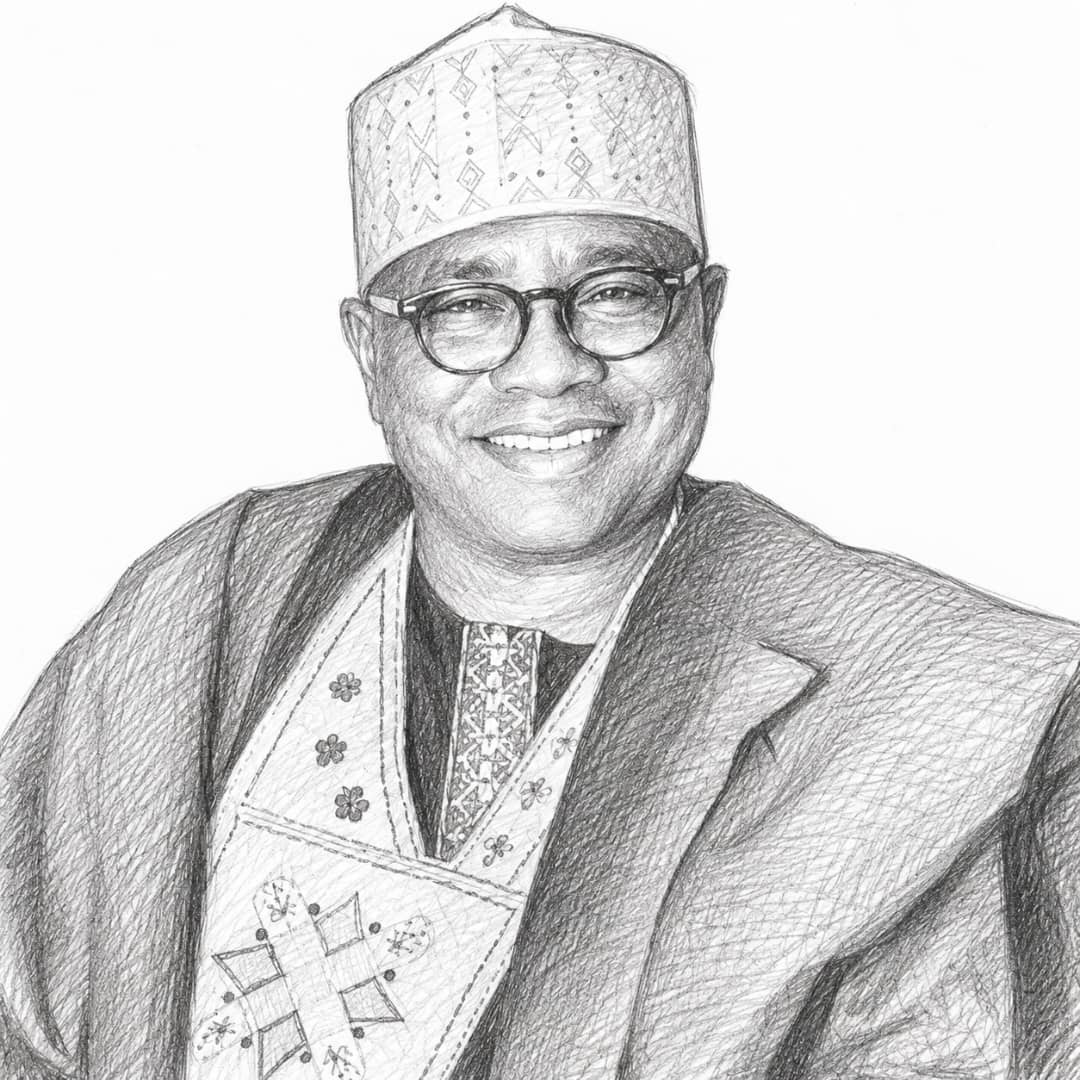
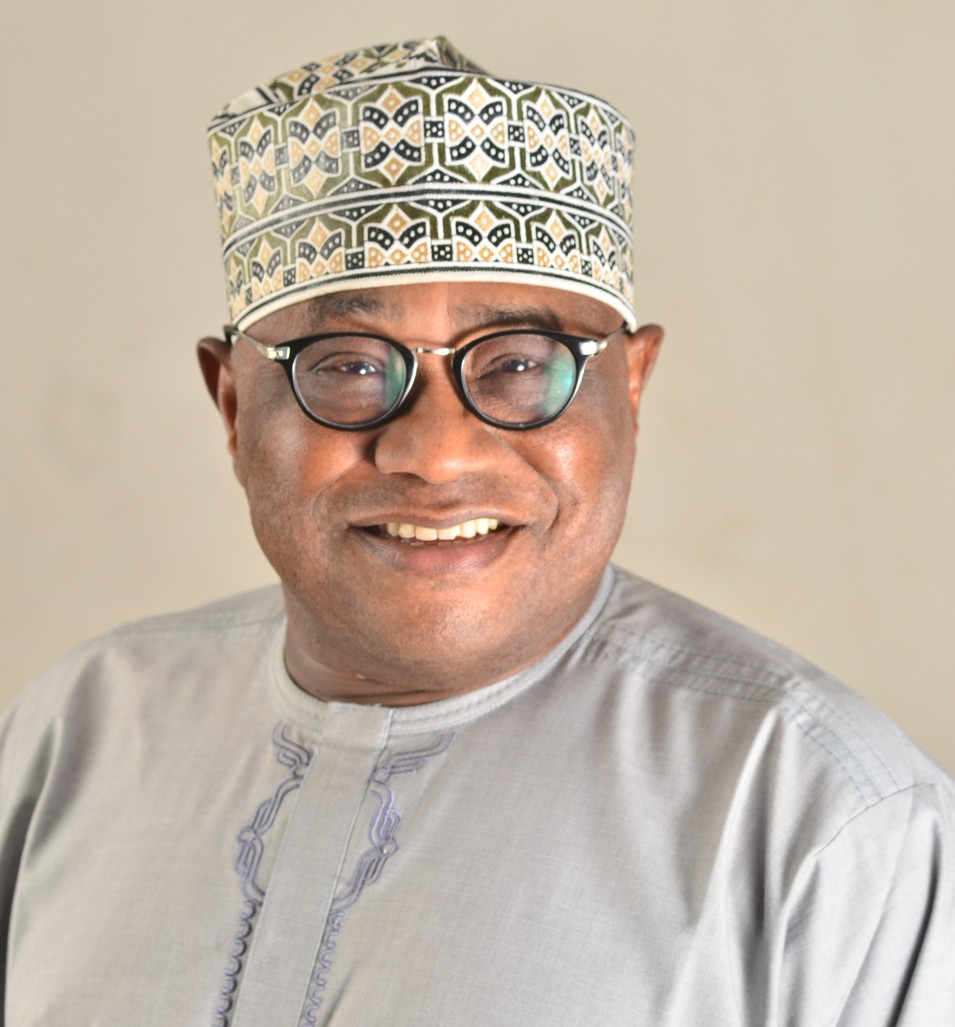
A Tribute to Professors Abdalla Uba Adamu

By Prof. Ibrahim Bello-Kano

Writing any kind of text, narrative, or account of the career or the personal and professional achievements of Prof. Abdallah Uba Adamu is, and always will be, daunting for a number of reasons. One of them is the sheer intellectual energy of the man, his passion for the intellect, which would be hard to describe in a short account. Second, Prof Abdallah has the unusual distinction of being officially bestowed with the title of the “Double Professor”, which means that he has contributed to scholarship in two or more academic fields, namely science education, communication studies, and cultural studies— all three fields have a vast set of scholarly literature and other empirical studies that many may fear to attempt to master in a lifetime.

Thus, it is fair to call Abdallah Uba Adamu a polymath because his scholarly interests and publications have given a new twist to the term “intertextuality”; an academic polyglot because he is versed in the languages of science, education, communication studies, and cultural studies, perhaps even of Administration (since he served as the Vice Chancellor of the Nigerian Open University, where he has left behind the enduring legacy of tertiary education reform, syllabus engineering, and the astute management of money, men, and materials.

The preceding discussion should justify my calling him with the plural “Professors” AU Adamu. My pluralisation of his official, well-earned, and widely recognised by students, peers, and colleagues title of Professor needs to be elevated to a higher order of accolade and meritorious distinction by superlativising it with a transcendental “S”. 

Thus, he alone, at least for the moment, deserves to be described as the “Super Professor” among the professors. 

Adding another “s” to his academic designation is a gesture towards his current status as not just a BUK, University, or National Professor but also as an International Professor par excellence, a Professor with scholarly and academic range worthy of being, and comparable to, the most distinguished professors in the academic world. 

Adamu’s teaching outings in the media or at public lectures are supremely well attended; he’s probably the most-quoted source on media studies, Hausa-Fulani-Muslim cultural film and media studies, and a worthy creator and domesticator of the word/adjective (the) “Islamicate”. 

There is yet another side of this gifted Professor that should be mentioned: he is unusually generous, incredibly empathetic, and a walking example of humility. One cannot see or sense or detect the simplest, the faintest, or the most unconscious sign of academic or cultural arrogance in him. What is more, he is an avid reader, a book enthusiast, and a digital wizard, if not a positively maniacal digitaliser of knowledge production itself. 

Little surprise, then, that Professors AU Adamu has got a magnetic personality: everyone, even the other Professors, want to be “caught” in his passionate discussion of academic and mundane topics. 

In a sense, then, Profs Abdallah has paid his dues to the university system. In his early career, he was the envy of his senior colleagues, who did not help his career advancement; he was the object of many a colleague’s malice. He was also badly misunderstood by his peers, who mistook his enthusiasm or passion for academic excellence for personal arrogance. But, over time, his younger colleagues began to see his merits as a scholar, a compassionate person, as a model for younger colleagues across the university. 

His rising profile as an internationally sought-after scholar and researcher began to take hold in his colleagues’ imaginations. At one time, he offered to present a paper on a cultural studies topic at my department. Some colleagues felt that it was not his “field”, so to speak. I, as the HOD, then was not convinced of the argument. When the paper was presented, everyone could see that the presenter was not of the common mill of people but a deeply learned and imaginative scholar. 

Profossors Adamu is and would always be a worthy presence in any undergraduate or postgraduate teaching circuit. His inaugural lecture drew the largest crowd ever. This walking symbol of hardworking, scholarly acumen, and academic energy is a gift to Kano, his hometown, to BUK, and to the world academic community. 

I wish him continuing good health, more research energy, more scholarly output, and more academic-intellectual sparks.

Ibrahim Bello-Kano can be reached via ibrahimbellokano@gmail.com.
All Set for UDUS’ First International Conference on Media and AI

By Dahiru Kasimu Adamu

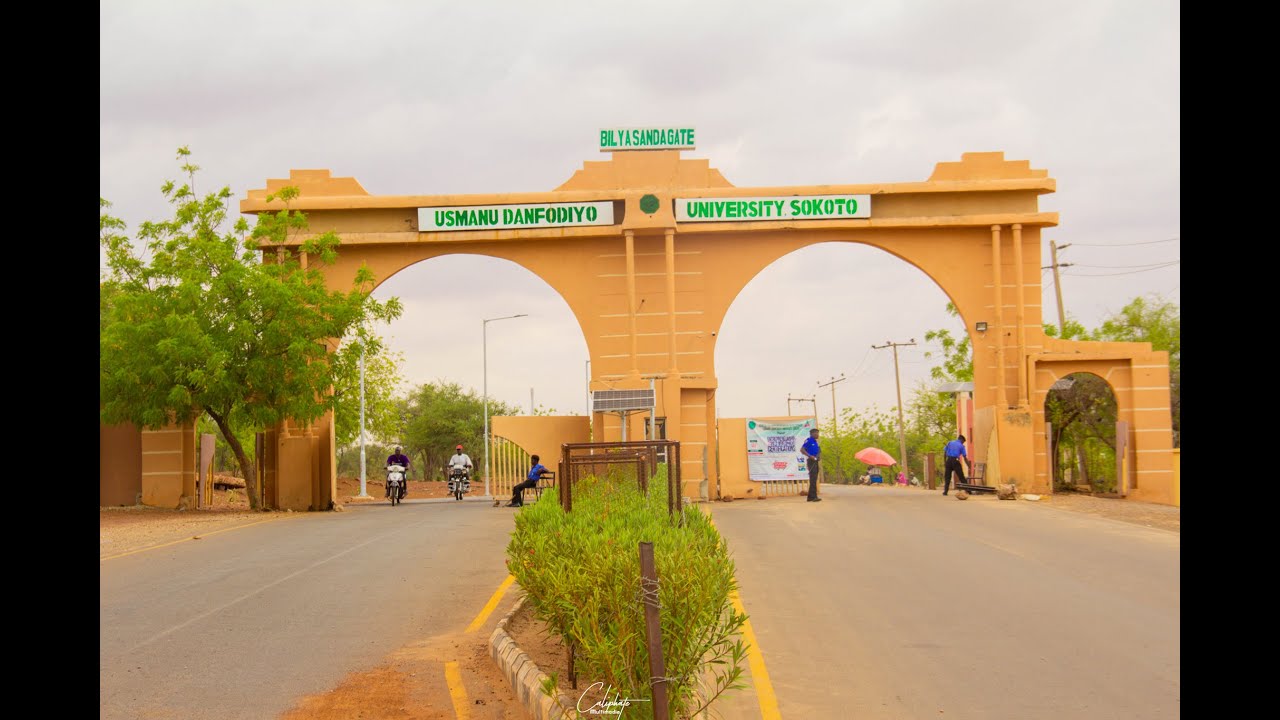
The Department of Mass Communication at Usmanu Danfodiyo University, Sokoto (UDUS), is finalising preparations to host its maiden international conference, a landmark event slated to hold from June 7 to June 10, 2026.

With the theme “Media and National Development in the Era of Artificial Intelligence,” the four-day gathering promises to bring together scholars, media practitioners, and policymakers from across Nigeria and beyond.

According to a statement issued by Dr Danladi Bako, Chairman of the Conference Organising Committee, a distinguished personality will chair the event: Prof. Tijjani Muhammad-Bande, former President of the United Nations General Assembly.

Dr Bako further explained that the conference will kick off on June 7 with a pre‑conference lecture to be delivered by Prof. Fatma El‑Sayed of Cairo University, Egypt, at 1:00 p.m.

The main conference will be officially declared open on June 8 at the university auditorium by the Chief Host and Vice‑Chancellor of UDUS, Prof. Bashir Garba.

Expressing the university’s readiness to welcome the international academic community, Prof. Garba said: “We are fully prepared to welcome the international academic community.”

The opening ceremony will also be graced by the Pro‑Chancellor and Chairman of the University Governing Council, Professor Attahiru Jega, alongside other members of the Governing Council.

The highlight of the conference will be the keynote lecture delivered by Professor Kehbuma Langmia, a double Fulbright Scholar from Howard University, Washington, D.C., USA.

The conference will critically examine the role of the media and its intersection with artificial intelligence in an increasingly digital world. Some of the sub-themes include: AI & Media Policy, AI for Security & Information Disorder, AI in Rural Communities, AI in Political Communication & Good Governance, AI & National Security, AI & Investigative Journalism, and more.

Dr Bako’s statement noted: “The conference theme, ‘Media and National Development in the Era of Artificial Intelligence,’ will provide a platform for robust intellectual discussions among lead paper presenters, panellists, academics from various universities, and other stakeholders across Nigeria.”

In a significant academic milestone, the Department of Mass Communication will also unveil the maiden edition of its academic journal, Alkalami: Journal of Communication.

Journalists, media practitioners, public relations and information officers, content creators, and Mass Communication/Journalism students are strongly encouraged to attend and actively participate in this upcoming event.

“The four‑day conference promises to be memorable and rewarding for participants, visitors, and the academic community at large,” Dr Bako assured.

He added that all necessary arrangements have been made to ensure the event’s success.

The Department of Mass Communication at UDUS was established in 2019 with a focus on producing media and communication graduates who can contribute their quota to the media and communication industry nationwide.

Tribute to Prof. Abdalla Uba Adamu on the Occasion of His Retirement

By Abdullahi Aliyu Maiwada, PhD

My mother and Professor Abdalla Uba Adamu’s wife have been close friends for decades. My earliest memories of the family are rooted in our home at Bayero University Kano New Campus Senior Staff Quarters, Area C, over three and a half decades ago. As a child, I remember I was fondly called “Maigida” by Professor Abdalla’s wife because I share the same name as her husband, an early, personal reminder of the many coincidences and intersections that bind our families. 

In the early 1990s, when only a few households had desktop computers or landlines, he was already digitally acculturated, an early adopter of technology long before it became commonplace. Prof. demonstrated a forward-looking embrace of digital tools, from supporting desktop computers in the early 1990s to launching a dedicated website (https://auadamu.com) and then seamlessly acclimatising with the social media space. Though not a digital native by birth, he exemplified curiosity and was always willing to explore and adopt new technologies.

Back in the classroom, Professor Abdalla Uba Adamu was a refined, multidisciplinary scholar who served as Head of Department during my undergraduate years at the Faculty of Education. Interestingly, we both began our academic journeys in Science Education. After establishing an outstanding career in Education, he expanded his intellectual horizons and pursued further studies in Mass Communication, rising to the rank of professor in the field, becoming, in every sense, a dual professor in both Education and Mass Communication.

Along a somewhat similar path, after earning my first degree in Education and a Master’s degree in Environmental Management, my various professional postings inspired me to pursue Mass Communication, from a bachelor’s degree to a PhD.

Prof. Abdallah’s intellectual brilliance, expertise, and exceptional command of English are qualities widely recognised by anyone who has encountered him. Yet, beyond these obvious attributes lies a man of principle, honour, integrity, humility, and uncommon decency. He deeply values culture, religion, and family ties.

His pursuit of knowledge has taken him across different countries of the world. Many sought to convince him to remain abroad, drawn by the depth of his knowledge and expertise, but his answer was always a firm no. His famous saying remains: “When a man is tired of Kano, he is tired of life.”

Over the years, he served in various capacities across different states and countries. Yet, despite the vast exposure and countless opportunities available to him, he remained committed to his teaching career and chose Kano as home. That decision alone has earned my deepest respect and admiration.

Our professional journeys eventually crossed paths in a remarkable way when I had the privilege of bringing the annual PR Week to my alma mater, Bayero University Kano. As I reflect on the successful delivery of the Nigeria Customs Service Public Relations Workshop 2025, held at Bayero University Kano, I find it both necessary and deeply meaningful to place on record my personal appreciation for the invaluable contribution of Prof. Abdalla Uba Adamu, who is now retiring from active service upon attaining the age of 70 years.

From the outset of the workshop themed “Beyond Masters of Ceremonies: The Strategic Role of Public Relations Officers for Institutional Growth and Stakeholders’ Trust,” Prof. Abdalla distinguished himself not only as a scholar of remarkable depth but also as a committed partner in institutional development. His intellectual engagement and presence added significant value to the programme’s overall success.

I recall with appreciation his active participation in the town-and-gown panel session, where he brought to bear his vast experience in media studies, cultural communication, and higher education governance. His contributions were not abstract academic reflections; they were practical, grounded insights that challenged participants to rethink the evolving role of public relations in a rapidly changing communication environment.

Throughout the engagement, Prof. Adamu consistently demonstrated an exceptional ability to bridge theory and practice. He helped situate public relations within broader questions of institutional trust, societal perception, and knowledge production. In doing so, he enriched the learning experience of Customs Public Relations Officers who participated in the workshop and broadened the intellectual horizon of the discourse.

On a personal note, I found his interventions particularly instructive in reinforcing the Nigeria Customs Service’s commitment to strategic communication as a tool for institutional legitimacy and stakeholder engagement. His calm disposition, clarity of thought, and depth of scholarship left a lasting impression on all participants.

As Professor Abdalla steps back from active service, we celebrate not only a distinguished career but a legacy: a legacy of rigorous scholarship, faithful service, and humane leadership. The students he taught and mentored, the colleagues he collaborated with, and the institutions he served bear the imprint of his wisdom. His writings and public engagements have helped to shape national discourses around media, culture, and education; his mentorship has created new generations of scholars and practitioners who will carry his influence forward.

On behalf of the Nigeria Customs Service Public Relations Unit and in my personal capacity, I extend our profound gratitude for his willingness to honour our invitation and for generously sharing his time and expertise. The workshop’s success was unquestionably enhanced by his involvement. As he embarks upon retirement, I wish him robust health, abundant fulfilment, and continued relevance in national and global intellectual conversations.

May his retirement be a season of reflection, continued contribution, and joyous company with family and friends. The lights of classrooms and conference halls may dim for him in one sense, but his ideas, his mentorship, and his example will continue to illuminate minds and institutions for many years to come. 

Thank you, Professor Abdalla Uba Adamu, for your scholarship, your service, and your steadfast love for knowledge and community.

Abdullahi Aliyu Maiwada, PhD, mnipr, mniia, is the Deputy Comptroller of Customs and the National Public Relations Officer of the Nigeria Customs Service. He can be reached via abdullmaiwda@gmail.com.

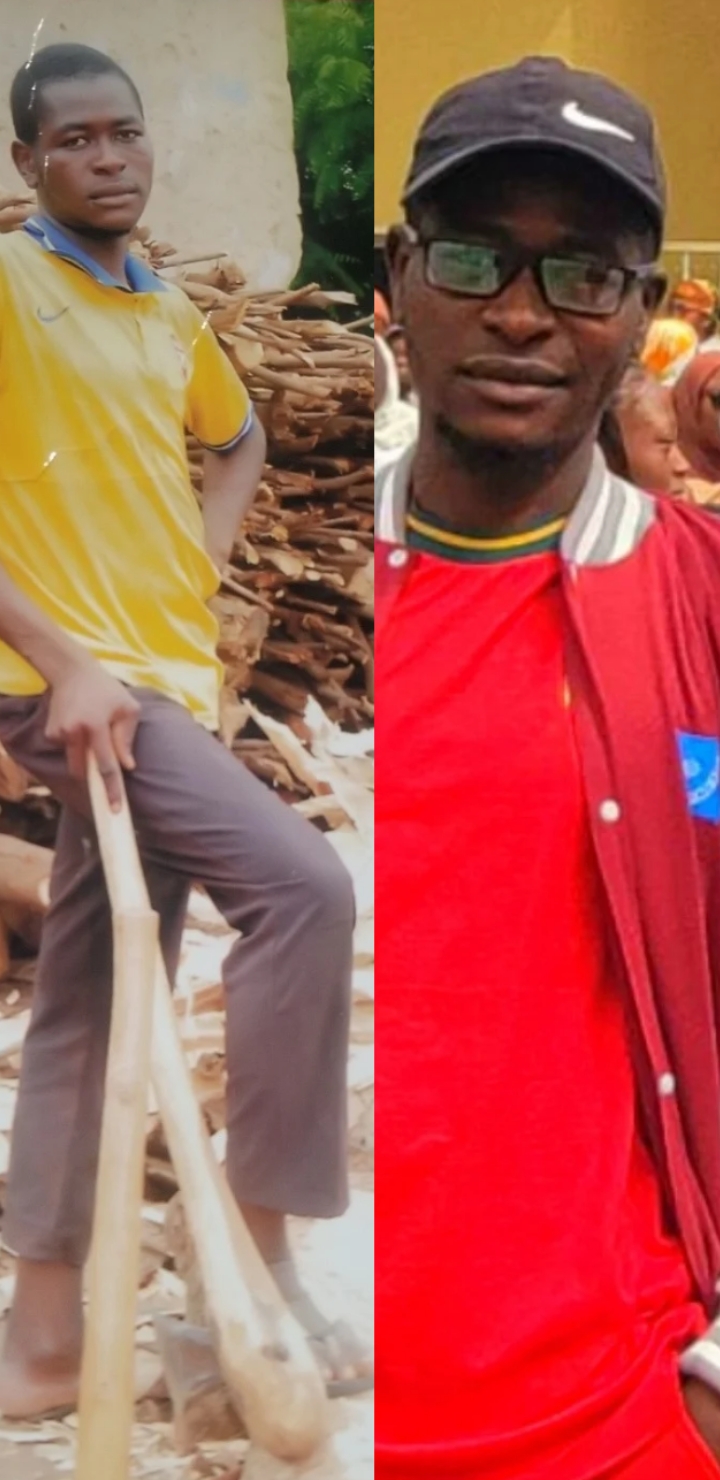
From a wood-cutter to a university graduate

By Muhammad Isah Zng

For many students, gaining admission into a university marks the beginning of a hopeful journey toward a better future. For me, however, gaining admission to study Mass Communication at Bayero University, Kano (BUK) came with a difficult reality: I had no sponsor to support my education.

There was no one to take full responsibility for my expenses, including feeding and other basic needs. Yet despite this challenge, I refused to let my circumstances stop me from pursuing my dream. I held firmly to three principles that guided my journey throughout the university years: faith, hope, and hard work.

When I left home for BUK to begin my studies, I quickly realised that survival would require determination beyond the classroom. I had to find a way to support myself financially while keeping up with my academic responsibilities. Deep down, I knew that no one would suddenly come to rescue me from my situation. If I wanted to succeed, I had to depend on my own efforts.

With that understanding, I made a decision that would define my entire university experience. Every weekend, I would leave the university campus to work as a woodcutter. The job was physically demanding and exhausting, but it became my primary means of survival.

From my first year in university, I maintained this routine of attending lectures and focusing on my studies during the week, then travelling off campus on weekends to cut and process firewood for sale. The work was not easy, but it provided the little income I needed to sustain myself.

Over time, I found additional opportunities to work. During my second year at the university, I started working in two different locations outside BUK. I worked under individuals such as Dan Azumi and Alhaji Aminu Dorayi Babba. Through these jobs, I earned money that helped me meet my basic needs.

The income from the work was modest but meaningful. On average, I earn between ₦3,000 and ₦4,000. On better days, I could earn between ₦10,000 and ₦13,000. That money helped me buy food and other necessities. Sometimes, it even allowed me to support two of my friends who were also struggling to survive in school.

One remarkable thing about the work was its reliability. Whenever I went out to work, I was almost certain that I would return with something to eat. It taught me the dignity of labour and reminded me that no honest work should ever be looked down upon.

Although balancing academic studies with physical labour was challenging, I remained committed to completing my education. Each day of hard work reminded me that the sacrifices I was making were steps toward a brighter future.

Today, Alhamdulillah, I have successfully completed my four-year programme at Bayero University, Kano. My graduation marks the end of one important chapter of my life and the beginning of another phase filled with new responsibilities and aspirations.

Through my story, I want to encourage young people, especially students facing financial hardship, not to lose hope. Many young people today feel discouraged when they encounter difficulties in pursuing their education. However, challenges should not define our limits; instead, they can inspire us to find creative ways to achieve our goals.

There is dignity in every form of honest work. Whether it is cutting wood, farming, trading, or doing any other job, what truly matters is the determination to move forward despite obstacles.

Life is not always easy for people who come from humble backgrounds. But it can still be meaningful and inspiring when we use our difficult situations as opportunities for growth. Hard work, patience, and faith can transform even the toughest circumstances into stepping stones toward success.

My journey from wood-cutting to earning a university degree is a testament to the power of perseverance. It is a reminder that with determination and self-belief, even the most challenging path can lead to success.

Muhammad Isa wrote via isahmuhammad571@gmail.com.

Journalism is beyond sitting behind a microphone…

By Nasir Yusuf Jibril Kufa

It is a common misconception, especially among those with low literacy levels, that the difference between professional practitioners and assistants or technicians is not understood. Professional fields require specialised training and proper qualifications before a person can be recognised as a professional. Examples of such fields include Medicine, Law, Engineering, Journalism, etc.

However, many people often confuse professionals with assistants. For instance, in Law, some people believe that studying Law automatically makes someone a lawyer, without knowing that Law School is also required. In Medicine, many people believe that all healthcare workers are doctors, even though nurses, laboratory technicians, and pharmacists are distinct from physicians. 

The same misunderstanding also exists in Engineering, where people sometimes call anyone who repairs electrical appliances or vehicles an engineer. 

Sadly, this misunderstanding also affects Journalism, which is the main focus of my piece. 

Many people believe that journalism simply means sitting behind a microphone, reading the news, or talking on the radio. This misconception has made some assume that anyone who can speak confidently or operate studio equipment is automatically a journalist. In reality, journalism goes far beyond studio presentation. It is a professional field that requires training, ethical responsibility, critical thinking, and commitment.

 A professional, well-trained journalist is someone who has acquired formal education or structured training in journalism or mass communication. Such a journalist understands news values, reporting techniques, media ethics, and the laws guiding the profession. Their work begins long before they appear behind a microphone or camera. They research issues, verify facts, interview credible sources, cross-check information, and ensure balance and fairness in their reports. Because Journalism is about truth, accuracy, and accountability, not just voice delivery or public appearance.

Professional journalists are guided by ethical principles such as objectivity, accuracy, fairness, and responsibility. They know the consequences of misinformation, malinformation, and disinformation and are trained to avoid sensationalism, hate speech, and unverified reports. 

Their role is to inform, educate, and, at times, challenge society responsibly, and to hold power to account. This means protecting sources, respecting privacy, and understanding the social impact of every story they publish or broadcast.

What truly surprised and saddened me is that even someone I consider intelligent has this incorrect understanding. A friend of mine recently started anchoring a program on an online TV channel, and he now believes he is a professional journalist. Unfortunately, he failed to distinguish between a program presenter, a producer, and a journalist, which deeply concerned me. If educated individuals still fail to understand what journalism truly means, what should we expect from the general public? This shows how widespread this misunderstanding has become.

I wrote this piece not to criticise anyone, but to raise awareness and promote knowledge. Journalism is not just about speaking on camera or presenting a program;  it is a profession built on training, ethics, and responsibility. Understanding this will help society respect the profession and those who practice it properly.

Not everyone working in a radio station is a journalist. Radio stations employ technicians, presenters, producers, marketers, and program assistants. A presenter may have an attractive voice and strong communication skills, but may not be trained in news reporting, investigative journalism, or media ethics. Sitting behind a microphone or hosting a program does not automatically make one a journalist. 

Journalism is defined by the process of gathering, analysing, and presenting verified information in the public interest, not by physical presence in a studio. It is important to understand that journalism involves fieldwork, research, critical questioning, and responsibility to society. So,  journalism is far beyond sitting behind a microphone. It is a serious profession that demands training, discipline, ethical conduct, and a strong sense of responsibility.

I hope this message helps readers understand what a real journalist is and why journalistic professionalism should be respected.

Nasir Yusuf Jibril Kufa wrote via nasirjibril2018@gmail.com.

AI and the uncertain tomorrow of journalism

By Rabi Ummi Umar

Technology has always been transformative, easing burdens, accelerating processes, and reducing the burden of human effort. The emergence of artificial intelligence (AI) is no exception. 

According to the International Data Corporation (IDC), AI is projected to add $19.9 trillion to the global economy by 2030, representing 3.5% of global GDP. Small wonder nations are scrambling to embrace its promise, racing to uncover new applications and transformative capabilities across industries.

AI has simplified nearly everything, from routine office work to academic research. Yet, it embodies the very phrase “double-edged sword”. Like every innovation before it, it carries both promise and peril. Social media once dazzled with its vast resources for learning, but soon revealed its darker influence, with studies linking its overuse to declining academic performance. 

Could AI be following the same path? The questions now hang heavy: What is the result of excessive reliance on AI in journalism and communication? What happens to our collective intellect when we let machines think for us? Will AI make man redundant, or will it sharpen our creativity?

Already, teachers in secondary schools and universities lament students’ overdependence on AI. Before this wave, young learners combed through pages of books and libraries, piecing together assignments and research with sweat and patience. 

That very process gave them a broader horizon of knowledge. Now, the temptation is to let AI provide shortcuts. Is it truly an aid or a crutch? For journalism, the stakes are even higher. AI now creates deepfakes, fabricates news, disseminates disinformation, and facilitates copyright theft at an alarming rate. 

Fake content often passes for truth, staining reputations and distracting journalists from developmental reporting as they are forced instead into endless fact-checking.

Yes, using AI to polish grammar, punctuation, and spelling is helpful. But handing over the soul of reporting—the storytelling itself—to machines erodes accuracy, credibility, and that irreplaceable human touch. Readers can sense when a piece lacks heartbeat. 

Journalism, at its core, thrives on ethics, context, and empathy. AI cannot carry those values. The danger is clear: unchecked dependence on AI undermines the profession of communication. Anyone can now generate a passable article and publish it online, blurring the line between trained journalists and casual content creators. 

The profession risks losing its gatekeeping role if carelessly diluted. So, what does the future hold? Are we surrendering decades of built expertise to algorithms? Will there be a conscious regulation of AI use? How far are we willing to go to defend the integrity of journalism?

What is certain is that AI brings challenges but also opportunities. With discipline, ethical restraint, and wisdom, journalists can harness AI for richer storytelling without compromising their responsibility to the truth. 

The future of journalism in the AI era depends not on machines, but on the choices of those who hold the pen.

Rabi Ummi Umar can be reached via rabiumar058@gmail.com.

Why do Mass Communication students prefer broadcast media?

By Dahiru Kasimu Adamu

Mass Communication is a broad field with different areas which include journalism, broadcasting, public relations, digital Marketing, film and television production, advertisement, strategic communication and many more others.

Thus, Mass Communication as a profession is said to be a great field which is like the proverbial Hausa cow with more than ten benifits, however, the students from this field often restrict themselves to broadcast media especially during their ‘student industrial training.

On 13 February 2025, during MACOSA student orientation organized by Mass Communication students association (MACOSA) at Usmanu Danfodiyo University, Sokoto, a lecturer and SIWES co-ordinator from Mass Communication Department, Mr. AbdulHakim AbdulGaniyu emphasized the need for students to explore other Mass Communication channels while they undergo their mandatory industrial training at 200 and 300 levels respectively.

Mr. AbdulHakim also highlighted the role of students industrial work experience scheme SIWES in supplying new skills and ideas to students.

“Mass Communication is a vast environment, and students need to explore such environments, they should not restrict themselves in Radio and TV only” Sir Abdulhakim said.

Mr. Abdulhakim, who narrated his past experience, mentioned that students can do their SIWES at various ministries, departments and agencies, this is because, all organizations, governments and even non governmental institutions have information units and they need image makers, and those are public relations officers.

Also, speaking at pioneer day of Mass communication students of Usmanu Danfodiyo University Sokoto, held on 7th November 2024, a veteran broadcaster and Director News and programs of Sokoto Media Cooperation, Hajiya Balkisu Abubakar, implored students that “they should not limit themselves to Radio”.
She appealed to them to engage themselves in other means of communication and contribute their quota to the development of their society.

Despite the fact that, Mass Communication is a broad field and students learn the rudiments skills of the field in schools, usually these students seem to have much interest in broadcast media particularly radio, and this brought the question of why the students are neglecting other areas of the profession?

To answer this question we need to critically observe the course and the students. Traditionally some students join the field with an intention becoming popular in their respective communities.

According to Aliyu Muhammad who obtained a National Diploma in Mass Communication from Umaru Ali Shinkafi Polytechnic Sokoto, he said students like him selected and chose radio or television during their SIWES because a journalist is easier to be known through broadcast media being the most popular channels of communication known and used widely.

He also mentioned that limited access to print media by the community members is another factor discouraging students of Mass Communication to do their industrial training in print outlets.

While sharing his opinion Ibrahim Shehu Bulama from Kaduna State University, KASU, said “this is happening due to lack of good awareness on other channels of Mass Communication”.

On his part Abubakar Mai Lafiya said; students mainly want to be seen in television screens and their voices been heard, not focusing on other critical fields of journalism and information practices.

Speaking anonymously, a Mass Communication students of Usmanu Danfodiyo University Sokoto, said they normally choose Broadcast media (Radio and Television) due to its nature of easy access, portability and wide outreach.

To change some of these narratives there should be some measures that will motivate students and induce hope for them in other fields of Mass Communication.

There should be a good orientation to educate students that they can also carry out their SIWES in other information units, public relations Departments of public and private sectors such as financial institutions, law enforcement agencies, markets and almost all other places of human interactions.

Another alternative is, the Mass Communication departments should establish a collaborative relationship with such organizations, so that they can formally send letters, requesting spaces for the students to join and garner the experience. Such organization should make special provision for SIWES students and prepare to take them when there is need.

Moreover Mass Communication Departments should help students to understand why they should go for their SIWES in areas they’re strong as reflected by their grade points.

Being a Mass Communicator, one should understand that his/her basic responsibility and professional calling is with every institution. One should remember it’s time to acts, time to rethink and focus. Students have to confront the current challenges of the field so that one can explore utilize and make impact. This will make someone to influence the world positively.

Distinctions between mass communication and journalism

By Suleiman Ahmed 

In today’s communication landscape, mass communication and journalism are often used interchangeably, particularly by those with little or no knowledge of both fields. This misconception leads to questions about their definitions, similarities and distinctions. While both are components of the media, they represent distinct concepts. 

Mass communication involves reaching diverse audiences through various media channels, such as radio, television, newspapers, websites, and social media. Journalism is a specific practice within mass communication that focuses on gathering, assessing, creating, and presenting news and information.

According to Little John and Foss, mass communication is a “process whereby media organisations produce and transmit messages to a large public and the process by which those messages are sought, used, understood and influence the audience.”

McQuail states that mass communication is “only one of the processes of communication operating at the society-wide level, readily identified by its institutional characteristics.” It involves creating, transmitting, receiving, and analysing messages through mass media.

Mass communication aims to share information with a broader audience and influence societal norms, behaviour, and attitudes. It has a wider audience and covers various topics like entertainment, education, advertising, public relations, etc. Mass communication content is informative, educative, persuasive, or entertaining. It is mostly designed to capture attention, encourage specific actions, or elicit emotional responses. 

A professional in mass communication can work in various industries, including entertainment, business, politics, health, and agriculture, by creating content that will encourage the audience and serve a specific objective. Mass communication has a broad spectrum of mediums, including television, radio, newspapers, and magazines.

In contrast, journalism is a subset of mass communication. It focuses mainly on gathering and reporting news about events, issues, and topics that are of interest to the public. The United Nations Educational, Scientific and Cultural Organisation (UNESCO) defines journalism as the “work of journalists, media workers, and social media producers who gather, process, and distribute news and related content.” 

Meanwhile, journalist Robert Niles sees journalism as a “form of writing that tells people about things that happened, but that they might not have known about already.” Journalism seeks to report the truth and provide accurate, fair, and thorough information. It includes analysis, uncovered facts, and insights into relevant stories.

Unlike mass communication, journalism encourages critical thinking and discussion among readers, listeners, and viewers. It is guided by strong ethical guidelines to ensure credibility, objectivity, and accountability. Journalism is mostly involved in reporting, editing, and producing news content for media organisations such as radio, television, newspapers, magazines, and other news platforms.

In conclusion, while mass communication and journalism are interconnected, they belong to distinct fields and have different objectives. Mass communication serves a broader purpose by Engaging a heterogeneous audience through various media to convey messages. On the other hand, journalism is a discipline dedicated to accurately reporting facts and information. Journalism plays a crucial role in informing the public and fostering democratic participation.

Suleiman Ahmed wrote from Bayero University, Kano, and can be contacted via suleson94@gmail.com.

My journey in student politics at Bayero University, Kano

By Bilal Muhammad Bello (BMB)

From a young age, I have been deeply fascinated by politics and dreamed of actively participating in it one day. Growing up in Kano State, I listened to political programs on local FM stations and national media, which nurtured my passion and understanding of the political landscape. This enthusiasm carried over into my academic journey at Bayero University, Kano (BUK), where I discovered opportunities to channel my political ambitions.

Upon gaining admission to BUK, even before lectures commenced, I visited the Students’ Union Government (SUG) Secretariat with a friend in his second year. At that time, the SUG President, fondly known as Third Man, led a vibrant administration. Observing the activities at the Secretariat left a lasting impression on me. I resolved that, despite the challenges ahead, I would one day participate in student politics.

However, during my first and second years, the school management suspended SUG elections and replaced the union with a caretaker committee (CTC). To stay involved, I joined my local government students’ association and other student unions, which allowed me to gain valuable experience and insights.

In 2023, during my third year, the school management reinstated SUG elections, and I seized the opportunity to run for the position of SUG Departmental Senator. Around the same time, my department, the Mass Communication Students Association (MACOSA), was preparing for elections. Since the position of Departmental Senator was part of the SUG elections, MACOSA executives decided to conduct a primary election to streamline the process. The winner of the primary would automatically secure an SUG election form.

I was one of three candidates vying for the position, determined to represent my department in the Students’ Representative Assembly (SRA). Financial challenges posed significant hurdles, but I remained optimistic. My campaign strategy focused on building genuine relationships with students across all levels. From my first year, I had shared resources like past question papers, handouts, and PDFs with my name attached, ensuring I was remembered. Additionally, I provided timely updates about school affairs and assisted newcomers in settling into university life. These efforts resonated with students and garnered their support.

The campaign period was intense. While my opponents distributed campaign materials such as hand fans and handouts, which I couldn’t afford, I relied on the unwavering support of my friends and team members. A close friend, Sa’ad Abubakar, even purchased my election form. My campaign team, including Hajara Abdullahi, Benjamin Jacobson, Umar Farouq, Junaidu Shehu, Abubakar Sadeeq Yahaya, Raheela Usman Buhamas, Sani Labaran and Abdulrauf Abdulrazak Rugu Rugu, worked tirelessly to mobilise voters.

The night before the election, we conducted a face-to-face campaign, visiting hostels such as Sa’adu Zungur (Blocks A, B, and C), Yar’Adua Block, El-Kanemi, Dantata, Dangote, and Ramat. We engaged students directly, explaining our vision and soliciting their support. Influential friends like Al-amin Musa Muhammad, Musa Rabiu and the current MACOSA President, Abbas Ynbs,  played pivotal roles in reaching key student areas with contribution of Fateemah Dabo, Anas Abbas, Alhassan Alhassan Gidan Kara, Khadijah MakkahSanda, Anwar Usman, Abdullahi Mohammed Abubakar, Uzair Adam Imam, Sadi Sada, Yusuf Aminu Yusuf and Adamu Muhammad Dan Hajiya.

The election results were a testament to the power of grassroots engagement and genuine relationships. I emerged victorious, securing the automatic ticket to represent my department in the 24th SRA. I initiated projects that strengthened our department’s presence in the university’s political landscape during my tenure.

Encouraged by this success, I later contested for the position of Faculty Senator and won unopposed, representing the Faculty of Communication in the 25th SRA. This journey was made possible through the unwavering support of friends like Abubakar Ibrahim Shehu, the President of the Department of Information and Media Studies, and the contributions of Distinguished Senator Abdullahi Yunusa Alkah of Law and distinguished Senator Ahmad Mijinyawa of Computing.

Reflecting on my journey, I attribute my success in student politics to a genuine commitment to helping others and fostering meaningful relationships by prioritising the needs of my peers, sharing knowledge, and maintaining mutual respect.

This experience has fulfilled my dream of participating in politics and equipped me with valuable lessons in leadership, collaboration, and perseverance—qualities I intend to carry forward into broader political endeavours.

Bilal Muhammad Bello (BMB) is a Senator Representing the Faculty of Communication 25th Student Representative Assembly SRA-SUG-BUK.

Humility Personified: The exit of Malam Gausu Ahmad from Bayero University

By Prof. Abdalla Uba Adamu

Those with a deep knowledge of my biography will always remember me in the Faculty of Education’s Department of Education, which I joined in July 1980 at the relatively young age of 24. With a professorship in 1997, I felt I had enough of Education: I was talking loud and saying nothing. So, I shifted my research focus to media and cultural communication. 

I never thought the shift would lead to another professorship in 2012, giving an academically glamorous status of being ‘dambu mai hawa biyu’ (up till now, I don’t know exactly what this epithet means!), or double professor – in Science Education and Media and Cultural Communication. Three people were responsible for this, one from Edo State and another two from Zaria. How did it all start?

In 1992, I had just returned from a Fulbright African Senior Research Scholar residency at the University of California, Berkely, when I was visited in my office by the late Prof. Mike Egbon (from Benin), then the Head of the Department of Mass Communication, Bayero University Kano. It was our first meeting, and it instantly created a deep bond of friendship between us. He wants me to work with a student of his in supervising a PhD project on the Mass Communication curriculum in Nigerian universities. I was happy to oblige, especially when I learnt that the student is another highly respected colleague, now Prof. Umar Faruk Jibril, the Dean of Communication at BUK. 

Thus began my first footsteps in Mass Communication. Before long, I was drafted to teach Advanced Research Methods for PhD students (while still in the Department of Education). This put me in contact with virtually all the current staff of the Faculty of Communication. I felt so happy and so comfortable with them, as well as their tutors in other areas of the Department. One tutor stood out. He was Mal. Gausu Ahmad (from Zaria, if you are keeping track!).

My relationship with Mal. Gausu was incredible and often amusing. For some reason, we were both mesmerised by each other. I had followed his column in New Nigeria years earlier. I was fascinated by his incredible take on Bayero University in his essay “Looking Beyond the Badala”, a critique of the lack of synthesis between Bayero University and its host community. That article drew my attention to Mal. Gausu and I became an avid follower. So, when Mike drafted me into supervision duties in Mass Comm, I met Gausu Ahmad for the first time. 

I saw a neoclassical Hausa gentleman in Malam Gausu. His cheerful mien reminds one of an older Uncle or a grandfather but with contemporary perspectives—for instance, Mal. Gausu is the only person I know who has commissioned a traditional barber (wanzami) to come to his office and cut his hair in molo style. No barbing salons for him! We became instantly drawn to each other. 

In 2003, I was the Chairman of the defunct Center for Hausa Cultural Studies Kano, a think tank on interfaces between media and society. We organised an international conference on Hausa films—the first of its kind in the country. Virtually all the staff of Mass Communication, including Mal. Gausu, was wholly involved in the conference. Mal. Gausu was the HOD of Mass Communication then. It was at the conference that he consolidated his relationship with me. 

I was then also asked to teach a course on Online Communication in the Department, introducing new ideas that departed from the straight-up Mass Communication scholarship of the Department in print and broadcast media. By then, I had well-established online communities on the defunct Yahoo! Groups (since 2001), which became the first gathering places for future social media citizens. So, I was excited to be asked to teach Online Communication – even more excited were junior colleagues who wanted to be part of the course. 

This went on for a while, with me being an adjunct member of the Mass Communication Department, a position I relish far more than my education position at the university. In 2004, my break-out media year, I was a visiting professor at the University of Cologne, Germany. The paper was “Enter the Dragon: Shari’a, Popular Culture and Film Censorship in Northern Nigeria.” When I returned, Mal. Gausu expressed dismay that I presented a paper about events in Kano at a foreign university. He insisted that the paper must be represented in the Department of Mass Communication, which I did later in the year – thus opening up new vistas of media anthropology. To cement this position, I invited Brian Larkin to come to the Department and present his book “Signal and Noise” about media anthropology in July 2008. It is the first public presentation of this ground-breaking book.  

Unknown to me, Mal. Gausu has submitted my name to the Registrar of the University, then Mal. Sani Aminu (Zaria!) for appointment as Part-Time Lecturer in the Department of Mass Communication. This was instantly approved, and I was only aware of it when I got the letter in November 2005. From then on, I became part of the Mass Communication ecosystem. Not only did I have more classes, but I also had more students. The number of postgraduate students I supervised in a few years in Mass Comm was far more than the number of students in all the 25 years I had been in Education. 

Under his leadership of the department, a wonderful atmosphere of camaraderie and brotherhood was fostered. His elegant, calm demeanour does not brook any disagreement with any policy because policies and decisions in the Department were collectively arrived at and implemented together. 

His biggest trait, however, was his humility. He was indeed a knowledge seeker. He was never shy or hesitant in asking questions about what he did not know. Our offices were always close together, and in the evenings after Asr prayer, when the building was quieter, we spent moments exchanging ideas and concepts. He became a sort of student to me. He would ALWAYS insist on carrying my rucksack to my car. ALWAYS. He fiercely resists anyone attempting to take the rucksack from him, insisting it is his duty and honour. On the other hand, I always felt uncomfortable with an older person taking my rucksack to the car! But he always insisted. 

From January to March 2012, I was a European Union visiting professor at the University of Warsaw. When I returned in April, informed my Vice-Chancellor, and submitted my report, the next thing I knew was that I was caught up in the whirlwind of being appointed as professor of Media and Cultural Communication and already a professor of Science Education since 1997. I was surprised as I thought it was not done. However, the vice chancellor who did it, Prof. Abubakar Adamu Rasheed, was another bold and innovative person. And from Zaria! After all the due process, I was eventually announced as a Media and Cultural Communication professor in January 2013, effective October 2012. 

The icing on the cake was the clause that I was to move from the Department of Education to the Department of Mass Communication. After 32 years in Education and having served as HOD for nine years, I was delighted to leave. Thanks to Mal. Gausu Ahmad, I felt more comfortable, personally, emotionally and intellectually, in Mass Communication. I felt blessed. Imagine doing research in an area I am deeply interested in and making contributions to knowledge. Currently, in 2024, as a staff member of the Department of Information and Media Studies, I am under the administrative leadership of Prof. Nura Ibrahim. Do I need to say it? Ok. From Zaria!

The biggest lessons I learned from Malam Gausu were humility and patience. He faced many challenges during his time in Mass Comm, but he stoically endured them and eventually triumphed. 

Mal. Gausu retired at the age of 70 on 12 September 2024. He retired as a professor, but his humility and salute to scholarship will always root him in the superior ‘Malam’ category. Anyone can be a professor, but it takes a special kind of person to be appreciated and applauded as a Malam. Mal. Gausu Ahmad is genuinely a first-class Malam, embodying all the qualities of such a position. 

I congratulate him on his successful and honourable retirement from the University. He was one of the few academicians who brought real-life print journalism to academia and brought out the true application of the theory of Political Economy. His doctoral thesis, “The Rise and Fall of the New Nigerian Newspaper”, in 2014, followed by publication by ABU Press in 2016 under the same title, is an excellent slice of northern Nigerian media history, as only possible from an insider. If you really want to know print media history in northern Nigeria, get the book. 

I pray to Allah (SWT) to continue to endow him with humility, kindness, gentleness, health and prosperity as he charts the next course of his life. 

Oh, and my prayers and gratitude to Zage-zagi for being ‘iyanyen gidana’ in scholarship (but not iyayen gidan Kanawa)!