Lifestyle

How does verbal appreciation affect marriage?

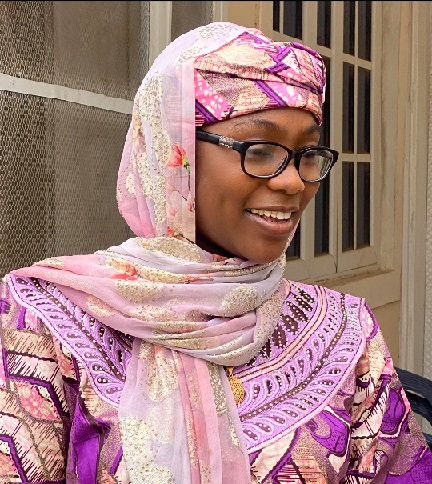
By Aisha Musa Auyo

A beautiful marriage comprises couples who see and know how to appreciate one another by verbalising their positive estimation of each other. Some couples don’t just internalise their appreciation of each other’s beauty but voice it out. 

Men, when you see your wife as she is dressing up, don’t keep quiet; it’s an opportunity to tell her how beautiful she looks, for you are her mirror. I started with men because they are the gender that is very stingy with words. It’s the same gender that was telling you how beautiful you were before marriage. Now they became mute; I wonder what happened.  

Men, you are the only ones who see the fabulous underwear your spouse is wearing, which others will never have an opportunity to see or compliment. If she does not have undies worth complimenting, get her one! Who is more qualified to tell a woman she is beautiful than her husband?

It is very encouraging for a spouse to know that their partner appreciates how they look and still thinks of them as handsome or beautiful, not minding the number of years they have been together as a couple. It does not matter how old you are or how long you have been married. Simple appreciation, no matter the form, is a beautiful way of adding colour to your marriage. The food is delicious, the home smells nice, the bathroom looks spotless, this hairstyle looks great on you, etc., will cost you nothing but earn you a lot.

As much as men enjoy verbal appreciation, they also crave respect and admiration. Admiration for their hard work, masculinity, sacrifices, and admiration for their ideals, deeds, and wins.

When a spouse knows they are highly appreciated or valued, the one who receives the love will always have an urge or a longing to give back what they have received. So it’s a win-win.

Even if you have been giving and not receiving compliments, don’t despair. You will agree that giving of appreciation has a package attached to it: the joy of giving. A gift which lightens your heart and sends waves of fulfilment to you whenever you show gratitude. It’s a win-win situation.

Remember, your spouse is an opportunity to show love, kindness and gratitude; the best expression of meekness and humility and, above all, the best person after God to lavish all the praise you can fathom.

Aisha Musa Auyo is a Doctorate researcher in Educational Psychology, a wife, a mother of three, a homemaker, a caterer and a parenting/ relationship coach.

To dare or to run, the choice is yours

By Anas Tukur Balarabe

Even a child knows that life isn’t all beer and skittles. They just can’t figure out why. However, as an adult with developed faculties, you can make sense of whatever challenges life throws you. Our ability to observe, interpret and infer sets us apart from other animals. Each time we encounter a hurdle, we are presented with two choices.

The first is to muster the courage, jump over the hurdle, and gain an additional survival skill if we succeed or crash into it and taste the sweetness of intrepidity and the bitterness of failure. Either way, you have succeeded because you can only win or lose when you dare the odds. The second choice is to run away and save your energy and time.

The danger of this choice is that it renders you ill-equipped to travel through the murky waters of life. It is common knowledge that life and challenges are inextricably connected. Now and then, we face trials to learn some valuable as we progress.  While solutions to certain challenges are apparent, some (challenges) appear inescapable to those who haven’t gone through the rigours of life. Still, people bashed by life can see escape hatches even if there appear to be none.

When a challenge thrusts, individuals who adopt running away from life-lesson opportunities as the only viable survival strategy will have zero entries in their survival manuals– and the result will always be confusion, fear, capitulation, then humiliation. He who fights and runs away lives to fight another day, as opined by Oliver Goldsmith, might come across as a clever survival tactic; however, running away from a problem doesn’t necessarily mean escaping it. The problem you run away from today can mutate or evolve and confront you tomorrow when you are less prepared to face it.

Intrinsically, we prefer smooth sailing in our undertakings, but as a fair teacher, life has taught us that challenges are the rung on the ladder to success. The more you overcome, the further you climb. Babies crawl, walk and eventually begin to run. They fail, succeed, and learn many lessons from one milestone to another. However unpleasant they may seem, challenges are our surefire of accomplishing our goals in life.

Only those who dare the odds win medals and earn promotions in the military and other professions. A soldier will never be given a medal for desertion or mutiny but for bravery and courage. While being courageous, however, your sense of judgement and sense of proportion must be your guardrail. You must understand why an elephant is too big a prey for an anaconda. You must know the reason why orcas, despite their hostility, would never attempt to wreck an ocean liner.

To put it succinctly, this is by no means an encouragement for one to be reckless in their pursuits but a sincere reminder that whatever you set out to achieve, you must pursue it vigorously while keeping in mind that you could be ambushed by [a] challenge(s) on your way to the finish line. Whenever life presents you with a challenge, you either buckle up and exploit it or be exploited by it.

Anas Tukur Balarabe is a PhD candidate at the University of Portsmouth. He can be contacted via atnbalarabe@gmail.com.

As you prepare for success, make provision for failure

By Aisha Musa Auyo

One thing everyone wishes for and works towards is to succeed in life. From infancy to adulthood, up to old age, we aim to succeed in every part of our lives. But what we fail to do is also to prepare ourselves for failure. Yes, because it’s inevitable. 

One of the pillars of the Islamic faith is the belief in qadr (divine will and decree), good or bad. This means that good and bad will surely ensue in life, success and otherwise. It’s how life is designed. But why do we do nothing or very little in preparing ourselves and our wards for failure? Why are we shielding ourselves and wards from the reality of life? 

This may be why people cheat, as they cannot afford to fail. They just have to win at all costs. Others commit suicide. Some go on drugs because they have been unable in certain expectations or tasks.

So as parents and teachers or elders, we need to let ourselves and our wards know that failure, not consistently winning, or not being at the top is okay. It is acceptable, and life does not end there. We can always try later and do better. 

Let’s show our wards and significant others they can trust us to be there for them whenever they fail. Just as they will want to come to us with success stories, they should be free to do that with failure stories. This is what unconditional support is all about. We should be a shoulder to cry on. 

We should also, as parents, accept that we sometimes fail and let our kids see how we feel and how we are going about it. The norm is to show the kids that we are always succeeding and doing great, just so they can be inspired, but we are not helping them by doing so. 

In summary, these are the points I want us to reflect on and ponder. 

1. Prepare your child for failure. We will always have good and bad days. Let them know they cannot always win, and it’s okay.

2. Let us always put in the back of our minds and theirs that “Over every possessor of knowledge is one [more] knowing”. Qur’an 12:76 

Regardless of one’s intelligence, hard work, and luck, we will surely meet others who are better than us. Let us know that we are better than others too.

3. Failure is a learning process to know what to do and what to avoid in the future. If one fails in a certain task, one may succeed in another task.

4. We should learn to compete with ourselves, not others. Set a target for yourself, and work towards achieving it.

5. Life doesn’t end or begin with school grades, work promotions, or huge profits. There’s more to life than these.

6. Good relationships, emotional intelligence, compassion, contentment, and adaptability guarantee success in every life situation.

8. It’s lonely up there: If you cheat your way up or compete to be better than everyone else, people will leave you with your success. No one wants to be with someone who always wants to be on the top by hook or crook. Cheating often backfires. And if it doesn’t, the people who made it to the top by defrauding others end up very lonely and have no genuine person to share the success with. 

9. Healthy competition is okay. Being motivated by other people’s success stories is okay, but we should not cheat or compete. We are made differently.

10. Avoid social media attention or fame: The pursuit of likes, followers, and validation has led to detrimental effects on mental health, values, and overall well-being. The obsession with social media fame has resulted in a culture of superficiality, narcissism, and moral erosion, hindering the progress and development of society as a whole.

Parents and teachers must take responsibility and invest in youth development, focusing on their holistic growth, character development, and real-world contributions. By doing so, we can create a future where youth can realise their full potential and social media platforms can be used for positive change rather than as a means of self-promotion and validation.

11. School, parental, and peer pressure

School positions are not necessary; Those numbers instil unhealthy competition among students. Instead of children competing against themselves, they are pushed to compete with each other. 

A student should be encouraged to push himself harder to get better grades, not in comparison with another student. Teachers should do as much as possible to adopt learner-centred teaching so that each student receives the attention they crave.

Parents should learn to accept their children when they fail. We should know our capabilities and not push ourselves and our wards to be what we can’t be. I know it’s hard to accept defeat or reward failure, but that is the moment when self-love and support are needed most. If we know we did our best, we should not be disappointed. 

Parents should stop comparing siblings. Each child has his/her unique quality. A child lacking intellectual intelligence may score higher in emotional or social intelligence. Let’s focus on our highs instead of our lows.

When the storm is over, parents or guardians can discuss with the kids how to do better, with a reward or promise that will make the kid want to do better. We elders must learn to discourage cheating and encourage integrity and self-acceptance.

Aisha Musa Auyo is a Doctorate researcher in Educational Psychology, a wife, a mother of three, a Home Maker, a caterer and a parenting/ relationship coach.

The elusive nature of common sense: Unravelling the mystery

By Abdurrazak Muktar Makarfi

Common sense, the practical and intuitive understanding that guides our daily lives, is often regarded as an inherent trait. However, the phrase “common sense is not so common” lingers as a lament, suggesting that this attribute is not as prevalent as expected. In this article, we explore the reasons behind the scarcity of common sense in various situations.

One contributing factor to the scarcity of common sense is the existence of cultural variations. Different cultures have distinct norms, values, and expectations, leading to differing interpretations of what constitutes logical or rational behaviour. Consequently, common sense in one culture may be entirely foreign in another.

A lack of relevant experience or exposure also plays a role in the scarcity of common sense. Common sense is often developed through personal experiences, observation, and learning from mistakes. Individuals with limited exposure to certain situations or lacking diverse life experiences may struggle to apply common sense principles effectively.

Human cognition is prone to various biases that can hinder the application of common sense. Cognitive biases are systematic errors in thinking that deviate individuals from rationality. These biases can distort judgment and decision-making processes, making it challenging to apply common sense consistently. For instance, confirmation bias leads individuals to favour information confirming their beliefs, potentially clouding their judgment.

Emotions can significantly impact decision-making, often overriding common sense. Strong emotions such as fear, anger, or love can impair rational thinking and lead individuals to make choices that defy common sense. In these instances, emotional responses take precedence over logical reasoning, resulting in behaviour that may seem irrational to an outsider.

Critical thinking is a fundamental component of common sense. It involves analysing information, evaluating its validity, and making sound judgments based on evidence and logic. However, many educational systems prioritise rote memorisation over fostering critical thinking skills. As a result, individuals may struggle to apply common sense when faced with complex or unfamiliar situations.

The modern world’s complexity and information overload make it increasingly challenging to discern what constitutes common sense. The abundance of conflicting information, rapid technological advancements, and evolving societal norms can create confusion and dilute the clarity of common sense principles. In such an environment, individuals may need help distinguishing between valid common sense and misleading or erroneous advice.

In conclusion, common sense, often considered a natural and universal trait, can be elusive in certain situations due to cultural variations, lack of experience or exposure, cognitive biases, emotional influence, lack of critical thinking skills, and the complexity of the modern world. Recognising these factors helps individuals develop a more nuanced understanding of common sense and strive to enhance their ability to apply it effectively.

Abdurrazak Muktar Makarfi can be contacted via prof4true1@gmail.com.

Understanding and coping with stress: Navigating life’s challenges

By Patrick Ben

Introduction

Stress has become an inevitable part of modern life, affecting individuals of all ages and backgrounds. From work pressures to personal responsibilities, our fast-paced society bombards us with numerous stressors. However, it is essential to understand that stress is not entirely negative. In fact, it is a natural response to demanding situations that can motivate and drive us to perform better. Nevertheless, chronic stress can have detrimental effects on our physical and mental well-being if left unaddressed. This article aims to shed light on stress, its causes, impacts, and effective strategies for managing and alleviating it.

Understanding Stress

Stress can be defined as the body’s physiological and psychological response to any demand or challenge, known as stressors. It triggers a complex interplay of hormone release, including adrenaline and cortisol, causing the body to enter a heightened state of alertness. In the short term, this response can be helpful as it prepares us to face challenging situations. However, prolonged or excessive stress can have detrimental effects on our overall health.

Common Causes of Stress:

Stress can arise from various sources, including work-related pressures, financial difficulties, relationship issues, health problems, academic challenges, and major life changes. Each individual may experience stress differently, as what might be highly stressful for one person may not affect another person in the same way. It is crucial to identify the specific stressors in your life to manage and reduce their impact effectively.

Impacts of Stress

If left unmanaged, chronic stress can manifest in physical, emotional, and behavioural symptoms. Some common physical symptoms include headaches, muscle tension, sleep disturbances, digestive issues, a weakened immune system, and increased blood pressure. Emotionally, stress can lead to feelings of anxiety, irritability, depression, mood swings, and a sense of being overwhelmed. Behaviourally, individuals experiencing stress may resort to unhealthy coping mechanisms such as substance abuse, overeating, or social withdrawal, which can further exacerbate stress levels.

Coping Strategies

1. Identify and Manage Triggers: Recognize the specific stressors in your life and explore methods to resolve or minimise their impact. This may involve setting realistic goals, practising time management, seeking support, or communicating openly with those involved.

2. Practice Relaxation Techniques: Engaging in relaxation techniques, such as deep breathing exercises, meditation, yoga, or taking regular breaks, can help lower stress levels and promote a sense of calmness.

3. Physical Activity: Engaging in regular physical activity has been proven to reduce stress and improve overall well-being. Choose activities you enjoy, be it dancing, running, or simply taking a peaceful walk in nature.

4. Prioritize Self-Care: Make time for activities you enjoy and that promote self-care. This may include hobbies, spending quality time with loved ones, enjoying a warm bath, reading a book, or listening to music. Taking care of yourself is essential for stress management.

5. Seek Support: Don’t hesitate to reach out to friends, family, or professional support when needed. Sharing your feelings and concerns with others who can provide guidance and support is invaluable.

6. Create a Healthy Lifestyle: Ensure you maintain a balanced diet, get sufficient sleep, avoid excessive consumption of caffeine or alcohol, and prioritise relaxation activities to support your overall well-being.

Conclusion:

Stress is a universal experience, but it is essential to manage and alleviate its impact on our lives. By identifying the causes, understanding its impacts, and employing effective coping strategies, we can proactively tackle stress and maintain a healthier, more balanced lifestyle. Remember to prioritise self-care, seek support when needed, and make conscious efforts to engage in stress-reducing activities. By taking charge of our stress levels, we can navigate life’s challenges with resilience and lead a more fulfilling life.

Patrick Ben wrote via benzy4205@gmail.com.  

Life before graduation

By Aminat Adebesin

Getting into college after high school has been the main focus of students for decades to the extent that we mostly forget about life during college/university days and what might come after getting a degree. Universities offer everyone different opportunities like networking, housing, relationship, partying, etc. It all depends on the aspect you tend to grab. 

Before graduating, build enough networks to last you a lifetime, even to the coming generations, if possible. As they say, the university is the best stage for you to lay the foundation of “who you want to be” and “people you want to be with”.

Make use of the resources around you and better use them. No one cares whether you have anything to give, so tap into the resources in the school to build yourself up. Building yourself up should be your primary focus, which involves updating your CV with meaningful resources as much as possible. 

Getting a side hustle will ease life in school better than relying entirely on your sponsors, as there are some impromptu needs that you would love to take care of without disturbing them. No one can relate to the spending that comes with schooling unless you experience it yourself.

Attending university is about making memories and having the most beautiful experience possible. Building memories and networks have good and bad days, so make enough to last since they are all we have to show we have passed through a stage with some people.

Never let anything stop you from enjoying your school days. Learn and have fun sensibly.

Aminat Adebesin is a student of the Mass Communication dept, Bayero University, Kano.

Unravelling the mystery of hormonal imbalance

By Ummusalma Farouq Sambo

Hormonal imbalance is a nightmare for many women. Being unspoken by society and an enigma to most women is why I am writing this piece.


Many marriages/relationships are affected by the concurrent hormonal imbalance in women. The lack of knowledge from men on the topic leads to lots of misunderstanding about us women. I believe we can solve this problem by teaching women what is wrong with their bodies and enlightening men about how some women are created.

Let’s start by knowing what hormones are in a simple human context.

Hormones are chemical messengers produced by various glands in the body. They are released into the bloodstream and travel to different body parts to regulate and control multiple functions. They are crucial in coordinating processes like growth, metabolism, reproduction, and mood. They act as signals, transmitting information between different organs and tissues to help maintain balance and harmony within the body.

However, maintaining hormonal balance is no easy feat. Our bodies are like a complex ecosystem, and even the slightest disruption can throw these delicate hormones into disarray. Stress, poor lifestyle choices, and certain medical conditions can all wreak havoc on this delicate equilibrium, leading to hormonal imbalances and a host of unwelcome symptoms.

Symptoms Of Hormonal Imbalance

Living with hormonal imbalance is like navigating a maze of unexpected twists and turns. As a woman, I know firsthand the impact it can have on our lives. Let’s look at the signs that can help us unravel the mystery of hormonal imbalance.

  1. Rollercoaster of Emotions: Imagine waking up overwhelmed by sadness, only to burst into tears moments later. Hormonal imbalance can unleash a rollercoaster of emotions, leaving you feeling irritable, anxious, or inexplicably down. These emotional ups and downs can disrupt your relationships, work, and well-being.
  2. Mysterious Weight Fluctuations: Have you ever diligently followed a healthy diet yet struggled to lose weight? Hormonal imbalance may be at play. It can wreak havoc on our metabolism, leading to unexplained weight gain or difficulty losing weight, no matter how hard we try.
  3. Battle of the Breakouts: Acne isn’t just a teenage problem. Hormonal imbalances can trigger frustrating breakouts, even in our adult years. Those pesky pimples that seem to appear out of nowhere? They could be a red flag indicating that our hormones are out of whack.
  4. Energy Dips and Fatigue: Feeling like you’re constantly running on empty? Hormonal imbalance can drain your energy levels, leaving you feeling fatigued and exhausted. Staying focused and productive becomes a daily struggle; even the simplest tasks can feel like climbing Mount Everest.
  5. Menstrual Mayhem: Our monthly cycle can offer valuable insights into our hormonal health. Irregular periods missed periods, frequent periods, stopped periods, heavy flows, or excruciating cramps might indicate that our hormones are imbalanced. These disruptions bring physical discomfort and disrupt our plans and routines.
  6. Sleepless Nights: Tossing and turning, unable to find that elusive state of blissful slumber? Hormonal imbalance can wreak havoc on our sleep patterns, leaving us staring at the ceiling in frustration. It becomes a vicious cycle where lack of sleep further exacerbates hormonal imbalances.
  7. Vaginal dryness and itching
  8. Hyperpigmentation of the skin
  9. Puffy face
  10. Decreased or increased heart rate
  11. Weakened muscles
  12. Pain in the muscles, tenderness, and stiffness
  13. Pain and swelling in the joints
  14. Depression
  15. Infertility
  16. Anxiety or irritability
  17. Purple stretch marks

Causes and Contributing Factors of hormonal imbalance

Throughout different stages of life, hormonal changes play a significant role in our bodies. Puberty, pregnancy, perimenopause, and menopause are all periods when our hormones fluctuate, potentially leading to imbalances. These natural transitions can sometimes throw our delicate hormonal equilibrium off track, causing different symptoms.

But it’s not just natural life events that affect our hormones. Our environment and lifestyle choices also play a vital role. The relentless stress of modern life, poor diet, and lack of exercise can all contribute to hormonal imbalances. Stress, in particular, can disrupt the delicate dance of hormones in our bodies, throwing them out of whack and causing confusion on our physical and emotional well-being.

In addition to external factors, underlying medical conditions can disrupt hormonal balance. Polycystic ovary syndrome (PCOS), thyroid disorders, and insulin resistance can all contribute to imbalances. These conditions require careful attention and management to restore hormonal harmony.

Other factors that can cause hormonal imbalances are

  • Pregnancy
  • Breastfeeding
  • Primary ovarian insufficiency
  • Hypogonadism
  • Cushing syndrome
  • Benign or cancerous tumours
  • Eating disorders
  • Stress
  • Hormone therapy
  • Thyroiditis
  • Congenital adrenal hyperplasia
  • Medications
  • Cancer treatments 

Seeking Balance and Restoration

I’ve discovered that a holistic approach is vital when restoring hormonal balance. It’s not just about popping a pill or relying solely on medical interventions; it’s about embracing a lifestyle that supports my overall well-being. Let me share with you some strategies I’ve found helpful on my journey:

  1. Nourishing my body with a balanced diet: I’ve come to appreciate the power of food in nurturing my hormones. Incorporating whole foods, like colourful fruits and vegetables, lean proteins, and healthy fats, has made a remarkable difference. I’ve also minimised processed foods and refined sugars, which can disrupt hormonal harmony.
  2. Moving my body regularly: Exercise has become my secret weapon in regulating hormones and reducing stress. Whether it’s a walk, a yoga session, or a gym, finding activities I enjoy has made incorporating movement into my daily routine easier.
  3. Prioritizing quality sleep: I used to underestimate the importance of sleep, but now I recognise its profound impact on my hormonal health. Creating a calming bedtime routine, minimising exposure to screens before bed and ensuring a comfortable sleep environment help me achieve more restful nights and wake up refreshed.
  4. Managing stress effectively: Stress can cause unwanted problems with our hormones, so finding healthy coping mechanisms has been crucial. I’ve explored various stress management techniques, such as meditation, deep breathing exercises, writing, and spending time in nature. These practices have helped me find balance and reduce the adverse effects of stress on my hormonal well-being.
  5. Embracing self-care rituals: Taking time for myself has become a non-negotiable part of my routine. Whether indulging in a relaxing bath, enjoying a good book, practising mindfulness, or engaging in creative hobbies, these self-care routines have provided a much-needed sanctuary in my busy life and supported my hormonal balance.

While lifestyle changes have been impactful, it’s essential to acknowledge that sometimes medical interventions are necessary. Consultation with healthcare professionals, such as doctors or endocrinologists, can provide further guidance and options tailored to your specific hormonal needs.

Remember, seeking balance and restoration is a personal journey, and what works for me may be different for you. The key is to listen to your body, be patient with yourself, and make gradual changes that align with your goals and values. Embrace your power in taking control of your hormonal health and nurturing your overall well-being.

Empowering Women and Promoting Awareness

We have to prioritise our health as women. We must prioritise our health and well-being, including taking care of our hormonal health. I can’t stress enough how important it is to listen to our bodies and pay attention to any changes or symptoms we may be experiencing. Whether it’s irregular periods, mood swings, or unexplained weight gain, these signs could be indicators of hormonal imbalance. By proactively seeking help when needed, we empower ourselves to regain control over our bodies and overall health.

Knowledge is power when it comes to hormonal imbalance. Knowledge truly is power. Educating ourselves about the intricacies of our hormones, the factors that can disrupt their balance, and the potential impact on our well-being allows us to make informed decisions. We can debunk myths, challenge misconceptions, and advocate for our health by staying informed. Let’s empower ourselves with knowledge and spread awareness among our friends, family, and communities so that no woman feels alone in her journey to understand and manage hormonal imbalance.

You are not alone. Dealing with hormonal imbalance can sometimes feel overwhelming, but remember. You are not alone. Building a support network can be incredibly empowering. Reach out to trusted friends, family members, or even online communities where you can connect with other women going through similar experiences. Sharing your challenges, seeking advice, and supporting others can create a strong sense of solidarity and help you navigate this journey confidently. Together, we can uplift and inspire one another to embrace self-care and take control of our hormonal health.

For our men, patience and understanding of how a woman’s body is created will help you to understand us much better. On days that we don’t feel like talking or laughing, we understand we are fighting an unknown battle and that only your love will help suppress our pains.

Ummusalma Farouq Sambo wrote from Kano. She can be contacted via salmerhsambo@gmail.com.

Should we donate blood for free if recipients have to pay for it?

By Bello Hussein Adoto

One, two, three. Every three seconds, someone somewhere is receiving blood, and they don’t know where it comes from. The person could be an accident victim with a broken leg, a woman bleeding after birth, a sickle cell patient hanging on to life, a man with haemophilia whose blood just won’t clot, or a snakebite victim whose cells are lysing away.

Three seconds. Someone is on the bed, being saved with another person’s blood. That blood could be yours—one pint drained from your body in ten minutes every three months (men can donate up to four times a year). Sometimes, it doesn’t take more than that to save a life.

Unfortunately, many people don’t donate blood because they frown at the idea that hospitals “sell” the blood they donate for free, so it is better that they don’t feed what they see as an unwholesome trade. Why should we donate blood for free if recipients have to pay for it? Let’s unpack the answer.

Blood is free. Hospitals—public ones, at least—don’t sell blood.

They collect service charges ranging from five to eight thousand naira in public hospitals to cover the cost of screening, collecting, bagging, storing, matching, and transfusing blood. The service charge is like revolving funds that keep the blood flowing from the donor to the patient.

Is it criminal? Not quite. Hospitals get blood from unpaid voluntary donors and relatives of transfusion recipients who donate to replace the blood their loved ones received. A third source is those who get paid for donating blood. However, getting blood from paid donors is discouraged for ethical and safety reasons. Whatever the source, blood recipients are required to pay processing fees to cover the cost of getting blood and transfusing it safely.

Let’s face it. Healthcare is subsidised, but it’s not free. The government can only pay for so much. Hospitals need facilities to receive donors and collect their blood. They need equipment, test kits, and reagents to screen the blood; bags and anticoagulants to keep the blood fluid and aseptic; storage units to keep the blood stable enough to be useful to the patient. These cost money and that’s the service charge that patients and their relatives pay.

The need for blood for voluntary blood donation is high in Nigeria. According to a recent National Blood Services Commission (NBSC) report, only 25% of blood transfusion demand is met in Nigeria. Unpaid voluntary donation closes the demand gap for blood donation. It makes blood available to patients, especially those with rare blood types and those needing many pints of blood.

While you are welcome to share your concerns about patients having to pay for blood, please don’t let that discourage you from donating. People need blood, and that need is critical. Malnourished children, pregnant women, people with severe malaria, and those with sickle cell disease are among the top groups in this category.

Your blood could be the difference between someone staying alive or dead. Imagine your younger sister or a parent desperately needs blood, but blood banks and reserves are depleted due to a lack of willing donors. What do we do then? Even if you worry that recipients will eventually have to pay for it, your blood gives them something to pay for.

Besides, your donation makes blood available so that desperate patients and their relatives don’t have to get it from the so-called black market, which is more expensive.

Beyond donating, you can raise awareness for other people to donate. As of 2022, only 8% of transfused blood in the country was voluntarily donated. We need more unpaid voluntary donations to make blood more accessible to those in need.

Transfusible blood is obtained only from humans. We can’t manufacture blood like normal saline or get it from animals like insulin. So, people need to donate blood.

We must also make the case for better investment in our health system. Many public hospitals across the country cannot collect or store blood. They often ask patients’ relatives to look for donors or collect and keep blood that may not be useful for transfusion. Better hospital facilities and more laboratory supplies will buffer these limitations and improve the quality of blood transfusion in Nigeria.

While I don’t deny that unscrupulous elements could profit from the blood trade, we need to see the bigger picture. Blood donors serve a great need. Your donation makes blood readily available and accessible to everyone. So, please, go out there and donate. You are saving a life.

Adoto, a researcher, writer, and journalist, writes via bellohussein210@gmail.com.

The criminogenic environment

By Lawi Auwal Yusuf

The nexus between our social environment and human behaviour is relevant in explaining Nigeria’s formidable crime rates. First, it is essential to understand the significance of socialisation in behaviour development.

Human interactions on both micro and macro levels provide a flawless context for learning behaviour from others. This learning occurs through these interactions that directly shape the socialisation process through observation of one’s environment, imitation, role modelling and expectation development.

So, human behaviour reflects what is learned in daily interactions with others. This socialisation process is influenced by individuals’ intimate groups and role models who similarly clout those close to them and serve as others’ source of learning.

Thus, deviation from society’s consensual values is not considered an innate human character predetermined by biological, psychological and or other natural factors, as argued by most social learning theories. Instead, it is a product of socialisation that determines the development of human behaviour through our perpetual interactions.

Given the foregoing, criminousness is like all other human behaviour spawned by social interaction. To wit, criminalness isn’t spontaneous. Untainted persons acquire their “knowledge” from external sources as they observe the tainted ones carrying out criminal behaviours. They learn and, subsequently, effectuate them.

Parents keep an eye on those your wards reach out to and teach them to avoid the toxic ones. Perhaps more importantly, don’t let those you are cynical of be their buddies. Be their pal yourself.

Lawi Auwal Yusuf wrote from Kano and is contactable via laymaikanawa@gmail.com.

Book Review: The Subtle Art of Not Giving a F*ck

By Hafsah Ja’afar

The Subtle Art of Not Given a F*ck is a book with a provoking unconventional tone that challenges traditional sundries of happiness and success. Penned by Mark Manson, this book presents a refreshingly honest and no–gibberish approach to living fulfilling lives. Manson argues that true happiness and particular growth come from accepting our limitations, embracing discomfort, and understanding that life is innately difficult and delicate.

He encourages his readers to prioritize their values and choose what truly matters to them instead of seeking constant positivity or avoiding negative gests. Throughout the book, Manson explores colourful themes such as responsibility, authenticity, and the significance of setting boundaries.

He advocates for letting go of societal prospects, embracing failures, and learning from them. He suggests that we can lead a more meaningful and authentic life by fastening on what truly matters to us—using a mix of particular stories, philosophical perceptivity, and detailed advice.

Manson provides readers with a fresh perspective on changing happiness and purpose. It encourages them to let go of external confirmation, embrace their defects, and control their lives.

Overall, this book offers a counterintuitive yet empowering gospel that challenges everyone to rethink their precedence, review success, and live a life guided by their values rather than the prospects of others.

Hafsat Ja’afar is a school teacher and wrote from Kano via jaafarhafsat@gmail.com