By Nusaiba Ibrahim Na’abba
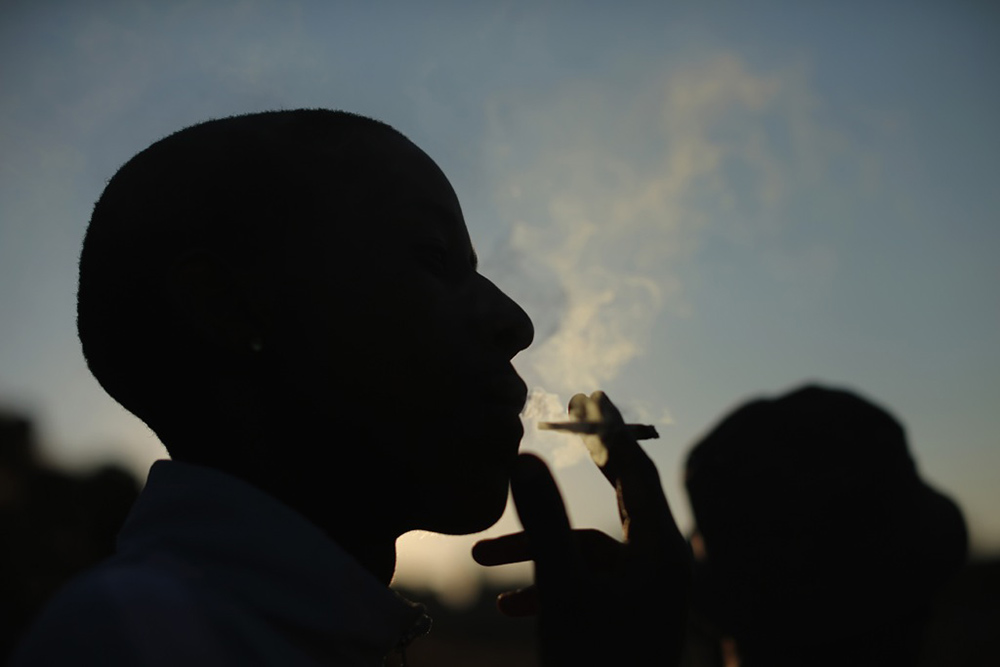
We continue to lose a part of us – our brothers, sisters, friends and colleagues – to drug abuse. It keeps getting scarier, forcing all of us to have bleak thoughts about the future. For us to win this war against drug abuse, we need to do the following and, perhaps, more.
Communality: Our common fight against the pervasiveness of these substances was long lost here. Achieving common goals is now a bizarre thing of the past. When problems happen at family or community levels, we begin playing blame games. And to those who think their wards are ‘righteous’, they’ve done an impeccable parenting job. They describe people who are facing the heartbreak of child-related drug abuse as being incapable, too strict or too loving to their kids to let that happen. They then hop on the trend of gentle parenting as the key to having upright children. But reality shows that some parents who battle these problems possess proper parenting skills.
Now, in the case of the neighbourhood or larger community engagements, menial signs of danger are being neglected. Often, these drug dealings and businesses flourish where there is community negligence. The drug lords are purposeful enough to select urban areas where families live low-key lives. There, they conduct their sales without much or any attention from the communities, using selected morning hours for their exchanges. Quickly, a business of millions will happen in front of your house, and you will forever not know.
We must work together to be more vigilant. I am confident that the power of our communal efforts supersedes a few bad eggs that vow to torment the lives of our beloved youths with harmful substances. This battle is beyond a one-man thing. I’m also not generalising the drug dealings to happen in all urban areas in Kano, but there are several allegations about that.
Sustainable Income Options: About four years ago, the BBC Africa Eye gave staggering statistics of codeine consumption in Kano and Jigawa States in their investigative report titled Sweet Sweet Codeine. Well, the situation has only gotten worse with shisha parlours and other unthinkable substances aimed at destroying us in total. The mere imagination of how much is invested in this business is inconceivable. Unlike food, illicit substance addiction does not embrace sorry as an answer. Even in the eyes of the storm, addicts must get their day’s share. And this is why its market keeps expanding and thriving. Before you start arguing, they never fail in their businesses because they always have a market.
Unless a robust, sustainable income generation mechanism is found and proliferated in the minds of young adults into this business, we will continue to lose hope. It is extremely difficult to convince a young adult who has discovered the ropes of this illegal business to start a legal business with a low income. Their state of growth is one, and the reality you cannot overlook is difficult. Adding to the complexity of the already bad situation, you would find it difficult to neglect how politicians spend money lavishly, which is widely spread on social media.
This is one of the most difficult tools that must be deployed in this fight.
Women Groups: I’m 100% supporting creating women groups who can keenly monitor community levels. Women possess an indispensable role in upbringing, and they receive the largest share of agony when they lose their child to drug abuse. When they are part of decision-making, they can contribute immensely to the patterns they notice in their wards, and finally, they own the collective action.
Nonetheless, they must be trained rigorously on the processes they can use to fact-check drug abuse in their kids. It has been an issue that women do not understand the change in eating, sleeping, or engagement habits of their kids, which is drug-related. With the training, the problem can be tackled early before it escalates.
I can vividly recall when a mature lady entered our house some years ago. She came in with deep red eyes, along with a young girl who was 7 to 8 years old. It was in the evening, around 5 p.m., when we were seated in our compound, chatting. The woman, whose age I cannot ascertain, said she needed help with some money to buy foodstuff. By Allah, her appearance and language did not show she needed help. In fact, she appeared to be more of a well-to-do individual. But you could tell she was desperate for something, and the little girl kept giving her looks of disbelief with every sentence she made.
My mother said she had no money to help her. After a moment, she gathered momentum and said goodbye, leaving with the kid. It was only months after the encounter that my mother explained that she was sure that the woman was high on a substance and that she desperately needed money to keep going.
This world is a scary place.
Language and Codes: People who are associated with illicit substance abuse or business create codes for interaction so that they cannot be easily identified. It is usually only the people in their circle who can understand them.
There must be a way of breaking down their language and codes to identify them quickly. It creates a massive gap in understanding the context of discussions; hence, meeting points and business dealings can be set up effortlessly without anybody noticing. In community kiosks where these exchanges happen, they are facilitated by a unique language and code.
We need to break that language barrier to dissect the problem better so we can address it appropriately.
Nusaiba Ibrahim Na’abba wrote from Kano. She can be reached via nusaibaibrahim66@gmail.com.