
By Abdurrazak Mukhtar
The late John Okafor, popularly known as Mr Ibu, spent decades making Nigeria laugh. He gave his best years to Nollywood, entertaining millions across Africa with his unique comic genius and irreplaceable screen presence. He was more than an actor. He was a cultural institution. Yet today, the story surrounding his estate and his family’s welfare is anything but funny. It is a tragedy of greed, betrayal, and inexcusable injustice.
Mr Ibu rose from humble beginnings to become one of the most recognisable faces in Nigerian cinema. His comedy was not merely entertainment. It was a mirror held up to society, reflecting the struggles and absurdities of everyday Nigerian life with warmth and wit. When he fell ill, Nigerians did not hesitate. From all walks of life, fans, colleagues, and well-wishers contributed generously to his medical bills, demonstrating the depth of love this nation had for him. That outpouring of support was a testament to the kind of man he was and the joy he had brought to so many homes.
Reports indicate that Mr Ibu left behind significant assets, including properties in Lagos, Enugu, and Asaba, several cars, and substantial funds. Beyond his personal estate, generous Nigerians donated large sums during his illness to cover his medical treatment. Additional funds were raised at the time of his burial. By all reasonable accounts, there was more than enough to ensure that his widow and young children would be protected and provided for in the years ahead. But that is not what happened.
His son, Somotochukwu, came forward with a deeply troubling allegation. He claimed that his stepmother, Stella, sold a Lagos property for ₦60 million, an Enugu property for approximately ₦17 million, and another in Asaba for ₦11 million, yet he received only ₦40,000, presented not as his rightful share of his father’s estate, but as a personal gift. Furthermore, family members accused one another of embezzling the very donations that kind-hearted Nigerians had sacrificed to give during Mr Ibu’s illness.
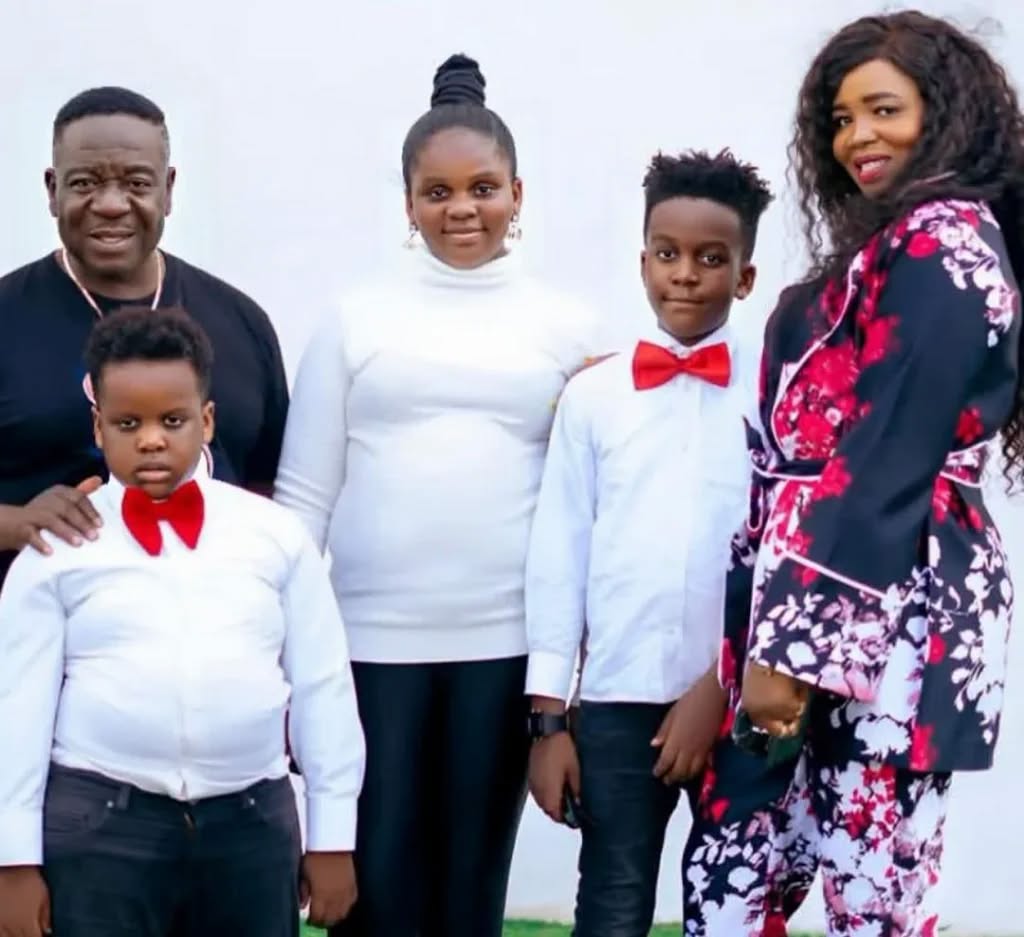
The consequences of this alleged mismanagement are not abstract. They are visible and heartbreaking. Mr Ibu’s widow is reportedly fetching water from a well because she cannot afford her rent. Three young children, aged 10, 12, and 14, have been forced to drop out of school. The family’s electricity was disconnected for months, leaving them to depend on neighbours to charge their phones. These are the children of a Nollywood legend, reduced to conditions that no Nigerian child should endure.
This is not a private family matter to be quietly swept aside. It is a public failure with public consequences. The funds donated by ordinary Nigerians for Mr Ibu’s treatment were not gifts to any individual. They were acts of collective love for a man who belonged to the nation. Those who received and managed those funds bear a moral and legal responsibility to account for every naira. Silence in the face of such allegations is not neutrality. It is complicity.
The Actors Guild of Nigeria, Nollywood stakeholders, and relevant authorities must not look away. If funds donated publicly were misappropriated, the law provides remedies, and those remedies must be pursued. Transparency is not optional in matters such as these.
To the family of Mr Ibu, this moment calls for maturity, unity, and honesty. Whatever grievances exist between the widow and the children from other relationships, they must not be settled at the expense of the innocent. Those children did not choose the circumstances of their birth. They did not create the disputes dividing this family. They deserve access to education, shelter, and a dignified life, not as charity, but as their rightful inheritance from a father who worked hard all his life.
It is strongly advised that all parties submit to a transparent, legally supervised process for the distribution of Mr Ibu’s estate. A lawyer or court-appointed administrator should be engaged immediately to protect the interests of all dependents, especially the minor children. Settling this matter in the media through emotional appeals and counter-accusations serves no one, least of all the children.
The story of Mr Ibu’s family is not an isolated one. Too many Nigerian entertainers have died, leaving their families in poverty, not because they did not earn, but because there were no structures in place to protect what they built. The entertainment industry must begin to take the welfare of its members seriously, not only in death but in life. Wills, estate planning, life insurance, and welfare funds are not luxuries. They are necessities that every serious professional body must promote and facilitate.
The Actors Guild of Nigeria and similar bodies should establish a dedicated welfare framework that provides legal and financial guidance to members, ensuring that what happened to Mr Ibu’s family does not become a pattern.
Mr Ibu gave Nigeria laughter when it needed it most. He gave the film industry his talent, his energy, and ultimately his health. In return, the very least Nigeria owed him was the assurance that his children would be cared for and that his legacy would be honoured with integrity.
It is not too late to make it right. Mr Ibu’s children are still young. They still have futures ahead of them. Whoever holds the keys to their father’s estate must open that door with justice, fairness, and the fear of God. Because a man who made millions smile deserves far better than to be remembered as a cautionary tale about family greed.
He deserved better. His children deserve better. And Nigeria must do better.