By Hajara Abdullahi
The long reoccurring war between Israel and Palestine spans decades which can be traced to the Balfour Declaration of 1917 that led to the creation of a national home in Palestine for the Jewish people fleeing the Nazi Holocaust in Europe. After the creation of the zionist state in 1948, the Arab states went to war with Israel, which led to the first Nakba (Catastrophe) that led to the killing of hundreds of Palestinians and thousands of others fled their homes. Israel won the war, and the reality surfaced that the Zionist state had come to stay, especially with unwavering support from allies like the US, France, Germany and other European countries.
Since the creation of Israel, Palestinians have been subjected to the worst form of apartheid and dehumanisation, as well as the forceful annexation of their lands to establish Jewish settlements, which the U.N. have described as illegal under international law. Peace accords and diplomatic efforts have done little to address this decade-long conflict from Camp David to Oslo.
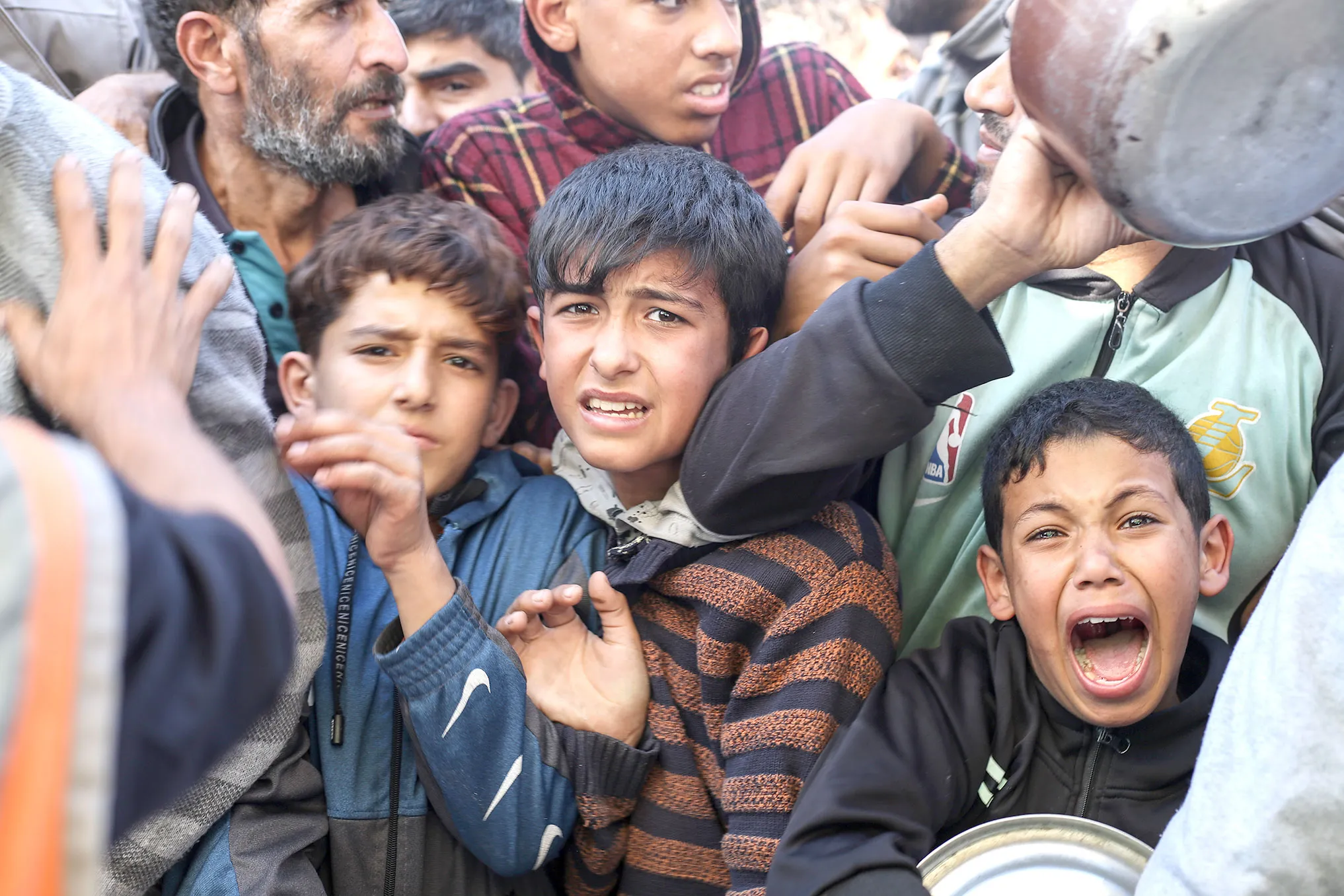
On October 7 2023, Hamas launched an unprecedented attack on Israel that led to the loss of about 1,139 lives, while about 250 were kidnapped, according to the BBC. This attack sparked rage worldwide, considering the strong support Israel enjoys from powerful allies like the U S and the U.K. This attack had led to the launch of a full-scale wall on the besieged Gaza Strip that has claimed the lives of at least 45,000 people, and almost 100,000 have been injured. It has also led to the displacement of nearly the entire population of 2.3 million, a hunger crisis and a genocide case at the World Court. Even the occupied West Bank is not spared, as IDF have carried out airstrikes and shellings that have killed civilians and displaced thousands. The U.N. has described 2024 as the deadliest year for Palestinians in Gaza, with the IDF offensive reducing the enclave to rubble.
Since the outbreak of the conflict, The U.N., E.U., U.S. and other world leaders have condemned the Hamas act and called for restraint to avoid escalation. Diplomatic efforts have been put in place after months of fighting with Iran-backed resistant groups Hezbollah and Houthi launching solidarity attacks against Israel. On October 18 2023, U.S. President Joe Biden visited Tel Aviv to make a peace deal between the warring parties. Similarly, the G7 leaders also met in Tokyo in June to push forward for a ceasefire to avoid a wider regional conflict.
On May 31, U.S. President Joe Biden announced a three-phase proposal to the U.N. Security Council to end the war in the Gaza Strip. He called, first, for a temporary ceasefire tied to partial withdrawals of Israeli forces, limited hostage exchanges, and an influx of aid. Negotiations would then begin and, if successful, lead to the second phase, involving a permanent cessation of hostilities tied to total withdrawals and complete hostage exchanges. The final phase would see reconstruction efforts being set up, but Israel’s refusal to accept the conditions witnessing the withdrawal of Israeli troops from Gaza a total setback amidst protests by families whose relatives are held as hostages in Gaza. However, the ceasefire plan was short-lived when Israel, with the assistance of intelligence support from the U.S., launched a deadly attack that led to the killing of at least 200 Palestinians while 4 Israeli captives held in Nuseirat camp in Central Gaza were rescued, according to the BBC.
Hopes were lit when U.S. Secretary of State Anthony Blinken, in his 11th trip to the Middle East on August 15 to avert a wider conflict after the killing of top Hamas leader by Israel, told a gathering of reporters while departing Tel Aviv that the ball is in the court of Hamas to accept the conditions as Israel has accepted the bridging proposal for the ceasefire to work. Unfortunately, Hamas said it won’t be part of a new proposal, saying it will only accept the initial proposal put forward by President Biden.
While Israeli Prime Minister Benjamin Netanyahu vehemently opposes the release of Palestinian prisoners held in Israel in exchange for captives held in Gaza, the withdrawal of IDF from Gaza while Hamas has not been dismantled, as well as leaving the strategic Philadelphi corridor ditched the last hope of the ceasefire which two key mediators Egypt and Qatar have been working on.
Marwan Bishara, a senior political analyst with Aljazeera, said, “Both parties understand that they cannot achieve in diplomacy what they couldn’t achieve in war” This implies that the Israelis won’t get the captives back on a platter of gold, neither would Hamas get Gaza free of Israeli soldiers free of charge.
The Wall Street Journal, in an exclusive article it published on September 20 2024, said it’s unlikely for a ceasefire to be reached in Gaza, citing top-level officials in the White House, State Department and Pentagon without naming them while explaining two obstacles will make it difficult: Israel’s demand to keep forces in the Philadelphi corridor between Gaza and Egypt and the specifics of an exchange of Israeli hostages for Palestinian prisoners held by Israel. In the recently concluded 79th session of the UNGA, world leaders called for restraint in Lebanon as tension heightened.
In the end, diplomatic efforts may produce little or no results because, as Tim Marshall explained in his book Prisoners of Geography, the map of the region is being redrawn in blood, and the current fault lines emerged from the artificial lines drawn by Europe. Therefore, the U.N., U.S, Arab League and other world leaders must work hand in hand for a two-state solution agreed upon in the Oslo Accord of 1993, as well as press Israel and Hamas to accept the conditions laid down for the ceasefire to work which will ensure a peaceful coexistence in the Middle East region as well as prevent a wider regional conflict the region risk facing with the recent clash between Hezbollah and Israel on the Lebanese southern border.
Hajara Abdullahi wrote from the Dept of Mass Communication, Bayero University Kano.