Entertainment

Fame, fortune, and fallout: The Peller paradox that’s stirring Nigeria

By Haroon Aremu Abiodun

It all began like any other viral moment on Nigerian social media, but then it took a turn. Popular TikTok sensation Hamzat Habeeb Adelaja, popularly known as Peller, shocked followers recently with a post that seemed almost too generous to be true. He was hiring a cameraman for a monthly salary of ₦500,000. The news spread like wildfire, and in no time, graduates, yes, university graduates, trooped in for interviews, hoping to clinch the role under the young entertainer’s banner.

But beneath the glitz of that social media post lies a stark irony, a brutal reflection of Nigeria’s current socioeconomic reality: a secondary school certificate holder interviewing degree holders for a position in the gig economy. Is this a triumph of hustle over education or a symptom of a failing system?

This scenario has ignited widespread controversy. Should someone with Peller’s academic background employ graduates? Is he flaunting success in a way that undermines the value of formal education? Or is he, in his own unorthodox way, contributing to job creation in a country where unemployment is a ticking time bomb?

Regardless of where you stand, one truth remains: Nigeria’s youths are not only unemployed, they are disillusioned.

But, beneath the glamour, is Peller’s youth the key to his controversial rise? At age 20, can Peller truly shoulder the weight of fame, fortune, and the emotional toll that comes with being in the public eye? Fame is a double-edged sword, and wealth earned in the public space, especially in a country like Nigeria, where social values matter, can either elevate or destroy a brand.

Some have attributed his behaviour to immaturity, a lack of exposure, or poor guidance. Others question the roles played by his management and inner circle. Are they enabling his excesses or helping him stay grounded?

Peller’s youth and maturity seem to be dancing to different tunes at times in sync, at other moments, sharply distinct. While his age brings the energy, creativity, and audacity that fuel his rise, it may also limit the depth of judgment that comes with lived experience. Despite his fame and financial success, one thing remains true: maturity isn’t measured by wealth or followers. 

He may be richer or more popular than his advisers, but that doesn’t make guidance obsolete. In fact, the higher one climbs, the more essential wise counsel becomes. No matter our age or status, we all need mentors, correction, and continued learning because growth, like fame, should never outpace wisdom.

This is not Peller’s first brush with public criticism. During the heated JAMB controversy months ago, he was branded a poor role model. Critics say he misuses his influence. Admirers say he is just being himself. But the question is not just what Peller does, it’s what he represents.

When individuals like Peller become the aspiration of thousands of young people, what message are we sending? That fame, regardless of how it’s earned, trumps knowledge, experience, and decorum?

One might ask, is this a systemic failure or a personal flaw? But the deeper question is this: Can we really blame Peller for being a product of a broken system? Or should we point fingers at the society that created him, a society where education is devalued and unemployment drives graduates to accept roles from entertainers with no formal qualifications?

This is a national dilemma. Young people are no longer looking to engineers, doctors, or scholars as role models. They now look to influencers, many of whom may lack the maturity or training to handle such responsibility.

This isn’t just about Peller; it’s about perception, power, and public influence.

The Brand at Risk: PR Implications

From a public relations perspective, Peller’s every move is now under a magnifying glass. As a brand, his current trajectory presents both opportunity and risk. He is loved by many but also watched with scrutiny by an equal number. His brand power lies in his authenticity, but even that must be managed with intentionality because one viral moment can either grow his brand or ruin it.

In a society where cultural norms still dictate public perception, Peller must understand that his brand isn’t just about content; it’s about conduct. His platform gives him power, and with that comes responsibility.

PR experts warn that failing to manage this carefully could result in brand erosion, reduced partnerships, and a gradual loss of public trust. A sustainable career in entertainment requires more than charisma—it demands discipline.

Beyond the Buzz: What should Peller do? It’s easy to dismiss these concerns as envy or moral policing, but that would be a mistake. Peller is a Nigerian pride, a self-made entertainer who carved a niche and created employment. That in itself is commendable. But with influence comes expectation. With status comes scrutiny.

This article is not to tear Peller down. It is to offer a lens of accountability, reflection, and growth. The same media that celebrates must also question, not out of hate, but out of hope that Nigeria’s influencers will see themselves not just as entertainers, but as leaders in a generation gasping for direction.

Peller can choose to be more. He can use his platform to elevate the values of integrity, hard work, and education, even as he continues to thrive in entertainment. He can show that success does not require disrespect, and that influence is not a license for irresponsibility.

Whether he likes it or not, Peller is not just a content creator. He’s a movement. And movements, when misdirected, can lose their magic or worse, mislead millions.

Final Thought

Peller’s story is still unfolding. He is talented, young, and full of potential. This is not a final verdict, but a cautionary tale. The camera is rolling, the nation is watching.

The real question is: What will Peller do next?

Haroon Aremu Abiodun, An Author, public Affairs Analyst. He wrote in via exponentumera@gmail.com

Arewa24 TV: A call for moral responsibility 

By Abbas Datti

I am worried by the increasing broadcast of music videos featuring women in revealing, indecent dressing by the popular Arewa24 television station. In sum, it has reached a tipping point where women featured in music videos are sometimes half-naked, in a provocative, obscene dressing. 

Considering its audience, Arewa24, whose programming is widely accessible to viewers of all ages, must be subjected to public scrutiny for continuously airing content that contradicts the Hausa culture and traditional values of our society.

Many of these music videos not only portray women in revealing clothing but also promote gestures and themes that are inappropriate for family viewing. The consistent exposure to such content, especially during prime time when children and young adults are most likely to be watching, raises serious questions about Arewa TV’s commitment to ethical broadcasting and social responsibility. Most of those video songs are being shown during prime time.

Our society, rich in religious moral character and cultural pride, has always upheld values that protect the dignity and modesty of individuals, particularly women. The portrayal of women in such a demeaning and objectifying manner is not only an affront to Hausa Fulani’s traditions but also sends the wrong message to younger generations.

We call on the National Broadcasting Commission (NBC) and other censorship regulatory bodies to urgently investigate some content being aired by the Arewa TV station. Strict measures should be taken to ensure that all media platforms operate within the boundaries of decency, respect, and cultural sensitivity. 

Furthermore, there is a pressing need for media houses to adopt self-regulation policies and prioritise programming that promotes positive values and Hausa cultural identity. Our religion and cultural heritage must not be compromised in the name of entertainment.

The time to act is now. Authorities must rise to the occasion and safeguard the moral fabric of the Hausa people from further extinction.

Abbas Datti writes from Kano via abbasdatti448@gmail.com.

Spotify pays ₦58 billion to Nigerian artists in 2024, doubling previous year’s earnings 

By Maryam Ahmad

Nigerian musicians earned over ₦58 billion from Spotify in 2024, more than double the amount paid in 2023. This marks a significant rise in global interest in Nigerian music, particularly Afrobeats.

According to Spotify, over 1,900 Nigerian artists were added to editorial playlists in 2024, and Nigerian music was streamed globally for more than 1.1 million hours. Listeners also created around 250 million playlists featuring Nigerian artists.

Spotify’s Sub-Saharan Africa director, Jocelyne Muhutu-Remy, said the platform remains committed to helping Nigerian artists grow and earn from their work.

Lights, camera… stagnation? The untold battle of Nigeria’s entertainment industry

By Haroon Aremu

Like a sly jester winking at the moon, I was scrolling through social media when I encountered celebrity interviews recounting how they rake in millions within months. This spectacle ignited a contagious fervour among the youth, convincing them that the entertainment industry is the sole avenue to instant riches. 

No one talks about the failures, the countless auditions, or the silent struggles behind the scenes; they only talk about the glamour, the wealth, and the “soft life.”  

Bollywood thrives on strategic government investment, making it a global economic force that boosts employment, tourism, and digital expansion. Unlike Nigeria’s self-funded entertainment sector, India injects billions into its film industry, ensuring sustained growth and international reach.  

Beyond captivating audiences, it turns filming locations into major tourist attractions, employs millions across various roles, and operates as a well-structured economic engine that drives cultural and financial influence.

Bollywood wields significant soft power, shaping international perceptions, fostering trade partnerships, and influencing policy discussions on a global scale. Now, the burning question is If India has done it, why can’t Nigeria?

President Bola Ahmed Tinubu and the Nigerian leadership stand on a promising foundation. Nollywood is already the second-largest film industry globally, built almost entirely on private effort. With champions like Kunle Afolayan, Femi Adebayo, Funke Akindele, Toyin Abraham and others reshaping narratives and cashing in on global platforms like Netflix, Prime Video and Box Office. 

It is clear that Nollywood is not just an entertainment industry—it is an untapped goldmine. The cinematic feats of Kemi Adetiba, Mo Abudu, Bolanle Austen-Peters, etc., prove that, with proper government investment, Nollywood could evolve from a privately managed giant into a fully empowered national asset.  

According to research, Nollywood generates over $590 million annually and produces around 2,500 films a year. It has managed to thrive despite a lack of properly structured federal support. 

Imagine if this industry received the same kind of backing Bollywood enjoys. Free from corruption, federal investment could elevate production quality, generate millions of jobs, and turn Nollywood into Nigeria’s foremost non-oil revenue, especially when youth yearn for employment due to unemployment being generic.

Content creation, beyond Nollywood, has emerged as a formidable economic engine in Nigeria, proving that digital storytelling is not just a fleeting trend but a viable sector capable of generating wealth, employment, and global recognition. 

The success of creators like Mr. Macaroni, Taooma, Kiekie, Sabinus, Lasisi Elenu, Cute Abiola, etc., illustrates how social media has democratised entertainment, allowing individuals to carve niches without relying on traditional gatekeepers like film studios or record labels. 

Through comedy skits, social commentary, and brand endorsements, these creators have transformed their craft into multi-million naira enterprises, employing scriptwriters, videographers, editors, and marketers while driving traffic to brands and tourism sites. 

Their work showcases Nigeria’s culture and humour on the global stage, attracting foreign partnerships and sponsorships that would have otherwise been reserved for mainstream Nollywood productions. 

When properly harnessed, digital content creation can become a major economic driver, like Bollywood’s integration of influencers and digital expansion into film, tourism, and commerce. With the right policies—such as tax breaks, structured funding, and intellectual property protection—Nigeria’s content industry could grow into a leading non-oil revenue stream, competing with global giants like India and the United States. 

Despite its promise, the content creation industry in Nigeria still grapples with fundamental challenges that could hinder its full potential. Unlike Bollywood, which benefits from government-backed investment and structured growth strategies, Nigerian content creators operate in a largely informal economy, where access to funding, infrastructure, and legal protections remains inadequate.

Some creators lack financial literacy, face inconsistent brand deals, and operate without a regulatory framework that protects their intellectual property. 

Additionally, the absence of dedicated digital innovation hubs limits their ability to scale, collaborate, or transition from short-form content to full-length productions capable of breaking into mainstream cinema as some have done. 

While some content creators have managed to bridge the gap between skit-making and brand influence, an untapped market for leveraging content creation into mainstream entertainment and tourism remains. 

The government and private investors need to recognise digital storytelling as more than just “youthful amusement” but as a serious industry that, when properly structured, could create thousands of jobs, foster digital entrepreneurship, and export Nigerian creativity worldwide. 

Suppose Nigeria is to harness the creative economy truly. In that case, it must institutionalise financial incentives, support digital film villages, and encourage content creators to transition into high-value productions that can contribute to global streaming platforms, film festivals, and international collaborations.

Only then can the country move beyond isolated success stories to a full-fledged, structured entertainment ecosystem that mirrors Bollywood’s impact on India’s economy.

States like Lagos, Kwara and others have already positioned themselves as film hubs, investing in production studios, enabling policies, and film villages to attract investors. If these state-led initiatives can yield results, what would happen if Nigeria had a full-scale federal-backed Nollywood revolution? 

With well-structured grants, tax breaks, and infrastructure development, Nollywood could rival Hollywood and Bollywood, expanding tech-based employment and transforming Nigeria into Africa’s entertainment capital.  

Yet, a crucial caution must be heeded. Nollywood, like every thriving industry, has its fair share of pitfalls. The rise of viral sensations over genuine talent, the exploitation of controversies for social media relevance, and the blurred line between creativity and chaos all pose risks to the industry’s long-term sustainability. 

Nigeria must ensure that Nollywood does not fall victim to the same cycle of corruption that crippled agriculture and the oil sector.  

The truth remains: talent differs from cruise, and entertainment is bigger than scandal-driven fame. Nollywood has the potential to be a global force, a national pride, and an economic goldmine. 

The question is: Will Nigeria seize this opportunity or let Negligence and corruption again destroy another billion-dollar industry?

Haroon Aremu Abiodun, an author and PRNigeria fellow, wrote via exponentumera@gmail.com.

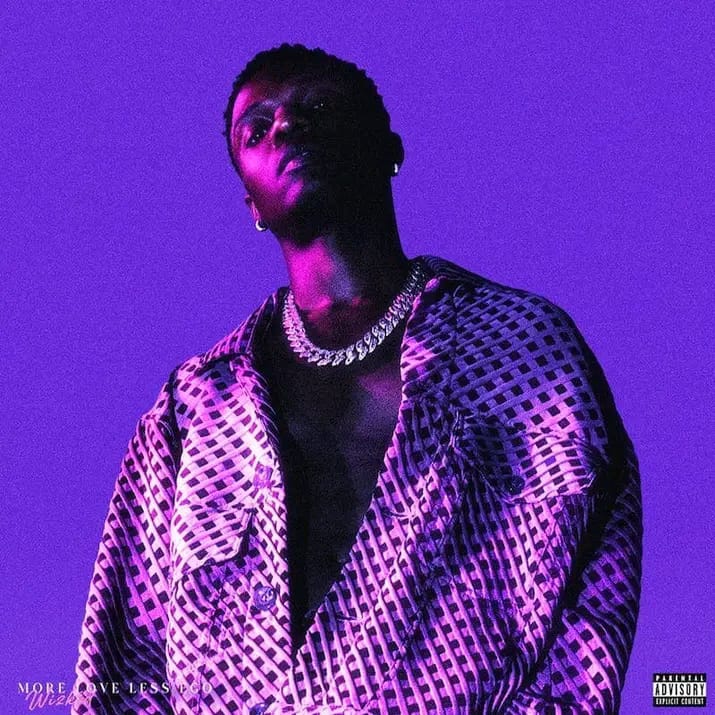
Wizkid sets tongue wagging as he pledge 100m donation for Christmas

 By Ahmad Deedat 

Nigerian international singer Ayodeji Ibrahim Balogun, popularly known as Wizkid, has got much attention as he pledged to donate the whopping sum of one hundred million naira to children this Christmas. 

Wizkid announced his philanthropic plans for this year’s Christmas on his verified Instagram handle on Monday. 

The singer’s philanthropic gesture is in honour of his late mother, Jane Dolapo Morayo Balogun.

Wizkid lost his mother on August 18, 2023.  

He wrote, “100M for the kids for Christmas ! Lord bless us all 😇 start in Surelere tonight!” All in Morayo’s name! The love of my life!”

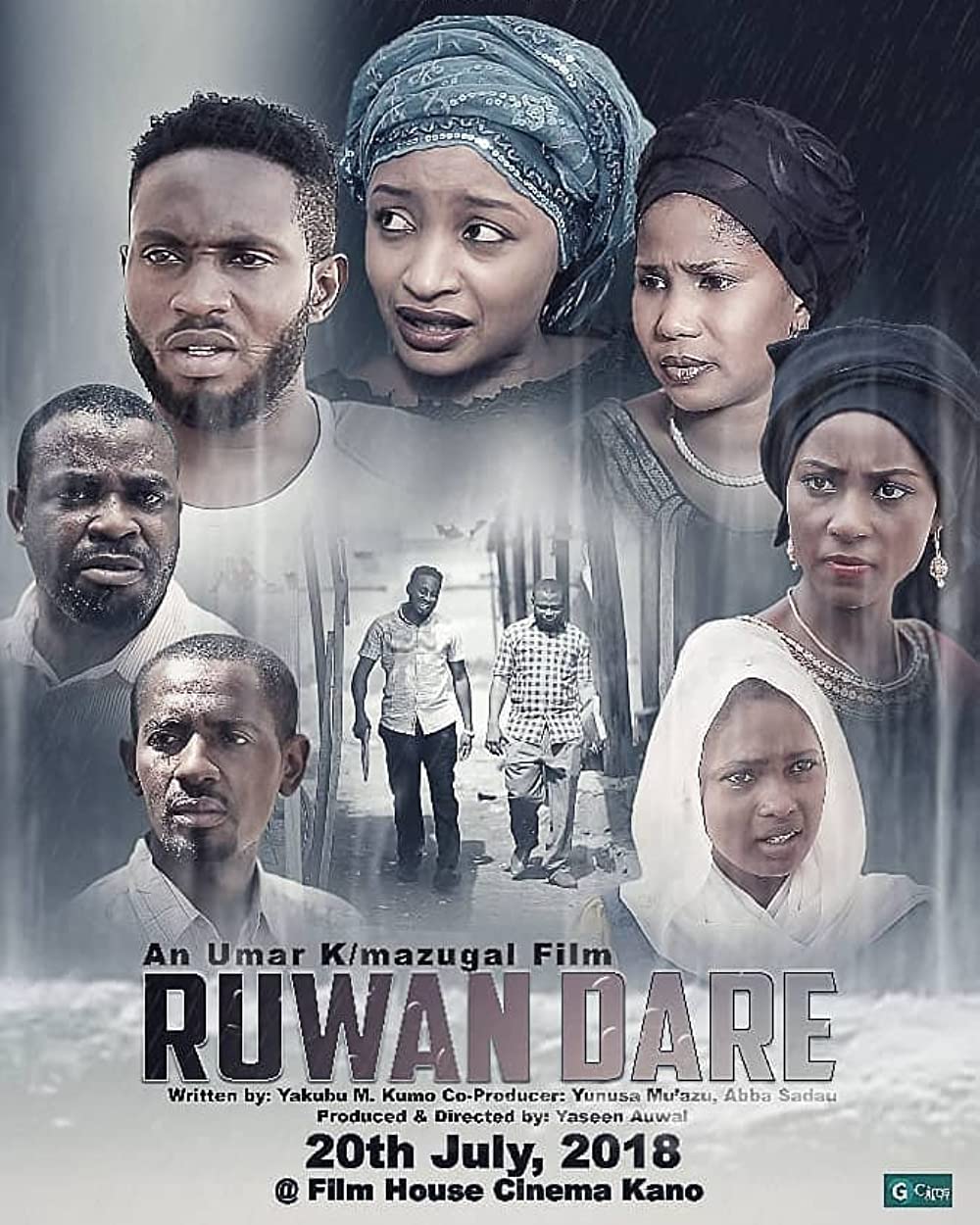
Kannywood movie review: Ruwan Dare

By Muhammad Abubakar

Having watched this movie and seeing its lessons, I decided to review it. Doing so will, by God‘s will, will wake up those graduates—who are unknowingly killing, or more correctly, misleading themselves into believing that it’s shameful for graduates to get themselves engaged in a low-income business, let alone being a labourer.

The movie was released in 2018. It‘s directed by a veteran Kannywood director, Yaseen Auwal. The film is about the situation and the kind of life our nowadays students, particularly graduates, live.

Kamalu (Sadiq Sani Sadiq), the son of the lowest-income businessman (Rabi’u Rikadawa), happened to be a close friend to Bashir (Aminu Sharif Momoh), a brother to the husband of Jamila Nagudu. Their respectable, reasonable, deep-thinking friend, Lawal (Baballe Hayatu), always tries his best to advise not only Kamalu and Lawal but anyone too ambitious not to rely on the government job entirely. At least they should find something to do to improve their lives.

However—unfortunately for them, they always don’t see his advice as something important. One fateful day, Kamalu and Bashir came to the cafe where they almost every day buy stuff without payment. They lie to the tea seller (Ahmad Aliyu Tage) that when they become billionaires in the future, they will pay back everything he now gives them and give him more.

Unfortunately, the tea seller, Ahmad Aliyu Tage, rejected their request, complaining that he was tired of their ‘when-we-become-billionaires’. Luckily for them, Lawal came to buy something at the same cafe too. Although they undermined his sense recently, he surprised them by assigning the tea seller, Ahmad Aliyu Tage, to cook one packet of noodles alongside a whole roasted chicken for each of them. Sadly, this has not served them as a lesson.

One thing that inspired me is: Lawan never worried himself about a government job. He, in the end, made it, leaving them still suffering from poverty as usual.

The film is fascinating, indeed. We see how Lawal and Bashir suffer due to their laziness in going and refusing to hustle. As a result, they end up pushing a truck and teaching at primary school. In addition, the movie passes the message that: Whoever is not content with what God gives him will end up missing a lot in life.

The camera work and sound are up to the mark. And the subtitler has perfectly played his role. Even though he mixed with Hausa in some scenes, this is not an issue. Since the message is precisely delivered – this film was purposely made to call on the attention of graduates like Kamalu and Bashir.

It’s a must-watch film.

Sound Sultan: Family releases posthumous album

By Ahmad Deedat Zakari

The family of late Nigerian artiste, Olanrewaju Fasasi, popularly known as Sound Sultan, has released an album of the late artiste posthumously.

According to the family, he was working on the album before he passed away.

“We are having the one-year remembrance of Sound Sultan, iconic Nigerian singer and we are having his official listening party for the album, Reality CHQ. This was the album Sound Sultan was working on before he answered the call of the Almighty. This is a very special project.” The late artiste’s brother, Baba Dee, said in a video he posted.

Sound Sultan reportedly died of throat cancer in the United States of America on Sunday, July 11, 2021, and was buried there in line with Islamic teachings.