Africa

Climate Change: Best time for Nigeria’s energy transition

By Bilyamin Abdulmumin

One of the major issues that is increasingly capturing global attention is climate change. Since 1992, the United Nations Framework Convention on Climate Change (UNFCCC) has been committed to mitigating the repercussions of this phenomenon. The Conference of Parties (COP) convenes every year to discuss the progress of their commitment.

The last summit, COP27, was held in November 2022 in Egypt, with 190 countries attending. The summit’s focus was the establishment of a “loss and damage fund” to provide funding from significant climate change contributors to countries that are least responsible for climate change but are the most vulnerable to its impacts.

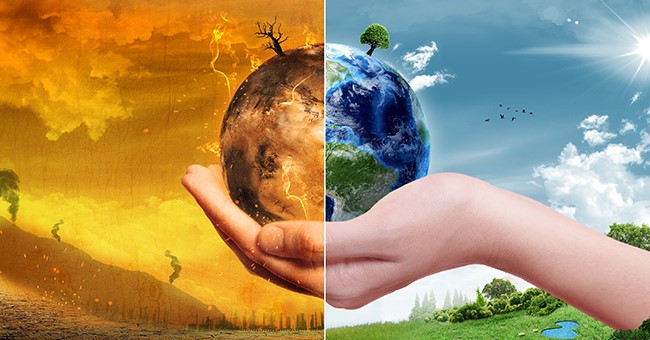
Our planet Earth receives energy from the Sun in the form of sunlight, then radiates it back in the form of infrared; some of this heat reflects into space,  while some get absorbed by  Green House Gass (GHGs) in a process called Greenhouse Effect, this process stabilises our climate. Without these gases, the Earth could be considerably colder, well below freezing point. On the other hand, an increase in the concentration of these gases leads to a warmer planet. The consequences of interfering with this natural phenomenon are unimaginable. However, modern human activities are believed to be depleting this natural balance; we are increasing the concentration of greenhouse gases, resulting in a rise in global atmospheric temperatures.

Whenever fossil fuels (coal, oil, and gas) are burned to generate energy for various needs such as industrial activities, transportation, and cooking, CO2 is produced as a major by-product (CO2 emission). This CO2 is one of the greenhouse gases (GHGs) and plays a significant role in the greenhouse effect. The emissions of CO2 and other GHGs increase heat absorption, resulting in global warming. Glaciers and ice caps melt due to global warming, leading to rising sea levels. This phenomenon poses a significant threat to coastal areas, as increased water volume can cause flooding and other existential hazards.

 Another big threat is that global warming causes heat waves. A heatwave is a period of scorching weather, typically lasting several days or even weeks; the temperature of some European countries (due to heat waves) is currently reported to soar up to 40 degrees Celsius.

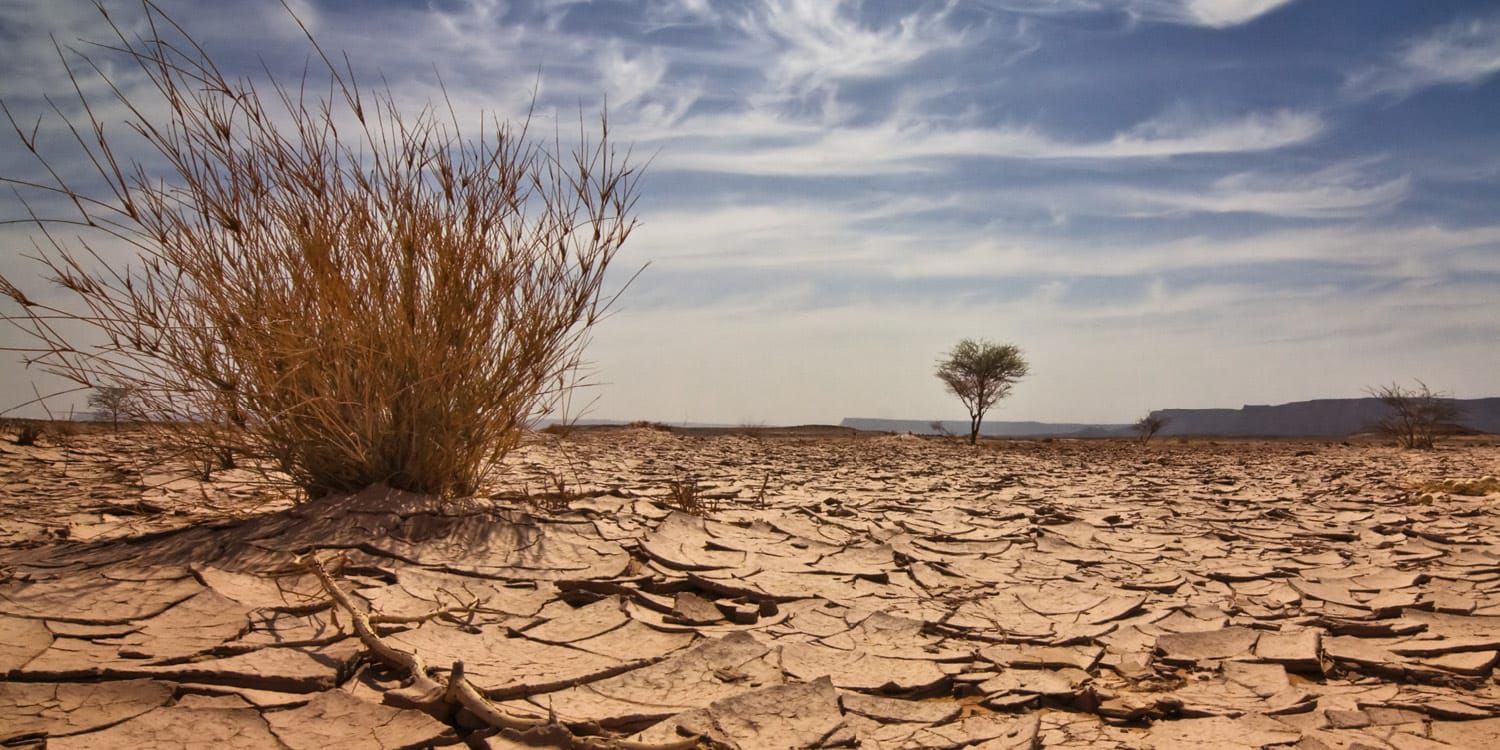
In broader terms, while the global North (North America and Europe) mostly experiences heatwaves, glacier melting, and increased rainfall, the global South counterpart (South America, Africa, and Asia) mostly experiences flooding, drought, and forest fires. It is clear here that the latter is worst affected by global warming.

The overall global warming is currently measured at 1.2°C and is projected to reach 1.5°C by 2025. The Earth will be in real danger if global warming reaches 2.0°C (as forecast, at least by 2040). At this level, it will cause the acceleration and exacerbation of all the threats mentioned above. Drought will impact the majority of global farmland, while flooding will submerge a significant number of homes. Unquenchable forest fires will also reign, creating a sort of doomsday scenario for humanity.

It was against this foreseeable bleak future that the COP members, through the Paris Agreement, agreed to reduce CO2 emissions by 50% by 2030. This commitment means that the countries involved will restrict the usage of fossil fuels such as coal, oil, and gas and instead transition to green and clean energy alternatives like solar, wind, hydro, geothermal, and biofuels.

But one major obstacle hinders this promising energy transition, especially in developing countries: the glaring affordability of fossil fuels compared to all renewable sources. Due to the low cost of fossil fuels, all developed countries relied on them to propel their advancement. This is why transitioning to renewable energy poses more difficulties for developing countries like Nigeria. When Africa struggles to find its footing, this ugly scenario rears its head. The beneficiaries of fossil fuel’s abundance now advocate for cleaner energy solutions left, right, and centre. This situation is like campaigning to a malnourished person about routine medical check-ups when they primarily need proper nutrition. The person has to eat well before considering a longer life campaign.

The intriguing part of the global warming scenario is the unequal contribution of CO2 between developing and developed countries. The latter are far more culpable, with their giant machines releasing CO2 into the air ‘like tomorrow no de’. For instance, the US and China contribute more than 20% of the global CO2 emissions each, while the entire African continent contributes below 4%.

Nevertheless, these should not be discouraging for Africa, or a reason for kicking against climate commitment, since climate change is a long-term issue; in the future, when Africa’s economy snowballs, it will significantly contribute to global warming.

Instead, this should serve as an opportunity for Africa to embark on development while committing to climate action. Imagine if, a few centuries ago, Europe and America had received support to consider climate change mitigation while advancing their technology. We might not be where we are today, facing the current threat of global warming.

Among all the renewable energy sources, biofuel remains the most suitable option for African countries or any developing nations to adopt in their fight against climate change because it can promise simultaneous infrastructure development while combating climate change.

Agriculture is both a boon and a bane for development in many African countries since most citizens are farmers. Therefore, investing in the development of the agriculture sector through the energy sector by adopting biofuels can significantly contribute to the overall progress and development of a nation.

With COP’s commitment to supporting developing countries and the potential of biofuels to transform the agriculture sector, there is no better time for Nigeria to transition to cleaner energy.

Bilyamin Abdulmumin is a doctoral candidate in Chemical Engineering at ABU Zaria, a public affair commentator, and a science writer.

Climate Crisis: Challenges for Nigeria’s new administration

By Nusaiba Ibrahim Na’abba

There are so many things on the table awaiting the newly inaugurated administration. With insecurity topping the list, there is a great task of realising viable and sustainable economic alternatives, developing a solid healthcare structure, and battling an ever-evolving overwhelming climate reality. The just-inaugurated administration will undoubtedly be challenged by many of what its predecessors fought. Addressing these issues of high public priority is an invaluable facet of the success of Bola Tinubu’s administration.

Unifying the country after a rigorously contested election is another challenge the incoming administration will face. The recently held elections have unveiled another dimension of disunity in this country. Unity is always an essential asset in any country’s development, which is why it is a pillar upon which societies thrive. Even before the new president was elected, the Muslim-Muslim ticket that filled the air was refuted by opposition parties.

Environmental challenges have dreaded many plans to succeed in Nigeria. Recently, because they are primarily multi-faceted. In 2022, they brought an unprecedented climate crisis in Nigeria and the world. Floods have devastated communities in Southern parts of the country, and many of the communities in the North were displaced. The inherent consequences of climate-related problems in our country are truly worrisome.

Over 12,000 farmlands across 14 local government areas were destroyed in Kano State due to heavy and torrential rainfalls. These figures were pronounced by the Kano State Emergency Management Agency (SEMA). In addition, several families were forcefully displaced from their homes.

In Jigawa State, many homes were destroyed by heavy rains and floods. Numerous families had to be dispersed across schools, serving as relief camps for the displaced. Some innocent lives were lost after being buried by the building, an effect of heavy rainfall. A substantial number of farmlands were said to have been destroyed too. These issues occurred while the President Buhari administration was nearing its end and political campaigns heightened.

The federal and state governments rushed to cushion the effects by sharing palliatives with affected communities. Philanthropists also played an essential role in supporting the victims affected. Many families had lost everything, including their only source of livelihood, farming. This challenge intensified living conditions for average Nigerians in these parts of the country as prices of commodities hiked and the cost of living rose significantly.

Now after a year, we’re back at it again. The Nigerian Meteorological Agency (NIMET) has started highlighting forecasts of what we would expect during this year’s rainfall season, and indicators are frightening; heavy rains and thunderstorms are the pointers. And because the foresight comes as a warning signal, many families in these areas are already baffled with unimaginable thoughts, picturing last year’s experiences.

Apart from heavy floods, the inconsistency of rainfall in the Northern part of the country is another climate wrinkle. If not managed with the right agricultural methodologies, the inconsistency of rain will only worsen access to food supplies. Policies of the just concluded government in terms of border closure and later ban on importing products like foreign rice have hit hard a large percentage of Nigeria’s population. Most average Nigerians have long relied on these foreign food supplies for survival. Even with the supposed increase in agricultural activities as the alternative induced by the Buhari administration, the prices are unbearable.

Heat is now persistent with the cut down of trees in the North. The severe effect has been felt by people, unlike heat seasons before. This year’s Ramadan season was barely scaled through because of excessive heat. By now, many are starting to realise the importance of building trees and the ills of cutting them down. Federal and state government initiatives at this stage in our lives must prioritise replanting of new and resilient breeds of trees in places set for infrastructural activities. Our experiences have highlighted that prior climate change initiatives in this respect are not enough.

Health problems are also being exacerbated as climate change continues to unravel. Continuous pollution consistently exposed Nigerians to various health hazards. Gigantic pyramids of waste in cities have polluted healthy air. In areas where the waste pyramids are later burnt down, people are forced to breathe in harmful substances that have long-lasting effects. More so, manufacturing companies in, for instance, Kano, have been hit with several allegations of releasing toxic substances after their production processes.

According to Wasteaid (2021), with no access to waste management services, one in 3 people worldwide have no choice but to dump or burn their waste. Open waste burning is a significant emitter of black carbon, CO2, carbon monoxide, and other harmful toxins. This explains the risks attached to indiscriminate waste generation and management.

The findings are vindicated by United Nations Environment Program (UNEP) 2021 in a study which identified that Nigeria produces more than 3 million tonnes of waste annually, and only 20 to 30 per cent is collected and disposed of. Uncontrolled wasted burning, which is one of the practices, contributes to deteriorating air quality in Urban centres.

In their recent publication this year, UNEP also states that in Nigeria, sachets have become increasingly widespread, especially in fast-growing cities like Lagos. Research shows that about 50 to 60 million used water sachets are thrown into the streets daily”. When you picture the whole of Nigeria in terms of this indiscriminate act, you know a bigger problem lies ahead unless necessary measures are implored. I have not forgotten about e-wastes that have found dwelling places in Nigerian cities.

I cannot possibly explore all the existential climate challenges within this single piece. On the one hand, the federal government is currently overwhelmed with subsidy removal, dollar instability and making appointments. On the other hand, at state/local levels, some governments a busy investigating the ills of just concluded administrations while others are trying to get a hold of the affairs of the states. Unfortunately, all these aren’t slow down the speech of climate-induced consequences.

In the southern part of the country, Nigeria has been fighting oil exploration problems which have disrupted livelihood. Floods have been a major occurrence in areas where oil is not being extracted. These challenges have to be creatively and carefully addressed.

Nigeria is blessed with enormous human resources capable of producing excellent ideas to combat some of these issues. As part of the government’s obligation to serve, it must consider accepting solutions from communities, creative youths, and start-ups. Many ideas can be supported with considerable investment to help the fight against climate-induced calamities.

Nusaiba Ibrahim Na’abba is a master’s student from the Department of Mass Communication, BUK. She is a freelance writer and researcher. She can be reached via nusaibaibrahim66@gmail.com.

Book Review: Born in Blackness

By Dr Shamsuddeen Sani

When I first read about this book in the Guardian International sometime last year, I knew it had to be good. But even more so when I read somewhere about the author narrating a story of a Nigerian lady that bought 1200 copies of the book to distribute back here in Nigeria. In this seminal work, Born in Blackness: Africa, Africans, and the Making of the Modern World, 1471 to the Second World War, Howard French provides a comprehensive and nuanced exploration of African history and its impact on the world. French’s ground-breaking analysis challenges the dominant Eurocentric narrative of history, highlighting the agency and contributions of Africans to global events.

Subdivided mainly into five parts, the book covers a broad expanse of African history, from the early encounters between Europeans and Africans to the struggles for independence in the mid-twentieth century. Through a meticulous examination of historical events and phenomena, French emphasises the complex and interconnected nature of global history, illustrating how the experiences of Africans were intertwined with those of Europeans, Americans, and Asians.

One of the most striking highlights of the book is French’s deep commitment to challenging conventional narratives of African history. Through a nuanced analysis of primary sources and historical evidence, French emphasises the agency and contributions of Africans in shaping their destinies. He highlights how Africans responded to the challenges of imperialism, colonialism, and globalisation, from the rise of Pan-Africanism to the emergence of new cultural and intellectual movements.

Another key feature of the book is French’s emphasis on the dynamic and diverse nature of African history. Rather than presenting a monolithic view of African societies and cultures, French highlights the rich and complex tapestry of human experience on the continent. He explores the diverse political, social, and economic structures that emerged in different regions of Africa and how Africans adapted to changing circumstances over time.

Overall, this book is a tour de force of African history that challenges conventional wisdom and invites readers to rethink their understanding of the world. French’s masterful analysis and deep commitment to historical accuracy and nuance make this book a must-read for anyone interested in the history of Africa and its impact on the global stage.

TRT launches Africa service to counter Western narratives

By Uzair Adam Imam

The Türkish public broadcaster, TRT, has launched a new digital platform, TRT Afrika, to counter Western media narratives about Africa.

Mehmet Zahid Sobaci, leading the launching on Friday, decried the way Africa is underreported by the Western media today.

However, with the emergence of TRT Afrika, many interesting stories that have been silenced would be relayed to the global audience.

Sobaci added that the medium intends to showcase stories from Africa and put its unique values at the heart of the world’s events.

He added that Africans would have a voice to communicate their ideas, values and cultures to the world without any alteration and in their languages, such as Hausa and Swahili.

He further stated that the medium would also pay attention to the good stories of Africa that have been silenced or underreported by the Western Media.

TRT Afrika, which employed staff from fifteen different African countries, would, according to Sobaci, “be like a mirror to Turkey’s policy and its relationship with Africa.”

He further stated that this would enable TRT to find out about different stores from the continent.

Mainstreaming mental health in Nigeria

Bello Hussein Adoto

The signing of the Mental Health Bill into law presents a renewed imperative to rewrite the mental health narrative in Nigeria. Here is how Nigeria can do better.

‘All diseases are equal, but some are more equal than others’. Although Nigeria is not George Orwell’s Animal Farm, the country has a glaring disparity in the kinds of diseases it considers a priority, but the recent signing of the Mental Health Bill into law can help us to rewrite the narrative.

At the mention of infectious diseases like HIV, tuberculosis, and malaria, or non-infectious diseases like diabetes, hypertension, and cancer, one could point to tangible, nationwide, and sustained initiatives to promote public health and reduce their impact on individuals and communities. But very few such initiatives are available, if any, for anxiety, depression, or Alzheimer’s disease. 

While anxiety and depression do not kill as regularly as untreated malaria, HIV, tuberculosis, and uncontrolled diabetes and hypertension – diseases that received far more attention, these mental illnesses are nonetheless deadly.

Anxiety and depression, for instance, reduce our quality of life and living, undermining our productive capacity, while depression increases a person’s risk of suicide. This reality makes diseases that affect moods and behaviour as relevant as those that affect tissues and organ systems.

Mental health disorders are a huge challenge in Nigeria. A recent report puts the number of people living with one mental illness or the other in the country at 60 million. According to a World Health Organization report, Nigeria has more than seven million people living with depression. This value doubles the number of people living with depression in South Africa and Ghana combined. A similar story plays out in the estimate for people with anxiety in the continent.

Nevertheless, the signing of the Mental Health Bill offers a renewed imperative for stakeholders to harness the several opportunities that could rewrite the narrative of mental health in the country.

The first opportunity is an extensive network of primary, albeit underfunded and underutilized, healthcare centres across the country. Nigeria has more than 33,000 primary health centres with a potential capacity to provide mental health first aid services to Nigerians. The government can expand these facilities to provide mental health care services.

The centres have community health officers (CHOs), community health extension workers (CHEWs), registered nurses, and midwives. Specialists can train these non-specialist healthcare workers to provide basic mental healthcare services nationwide, especially in rural areas, in a task-sharing, task-shifting policy.

Nigeria has applied this policy to provide malaria and family health services, and a 2015 study shows that integrating mental health into primary healthcare in Nigeria could follow a similar model. Such integration will buffer the shortage of mental health specialists in the country and improve care coverage for underserved populations.

Secondly, the digital era is here. Digital channels such as social media, webinars, SMS, and tools such as smartphones and software, provide an exciting, affordable, and sustainable opportunity to reach many people. The government could harness these channels to support non-specialist care delivery, educate the public about the fundamentals of mental health, reduce ignorance about mental health, and eliminate the stigma and dangerous practices associated with mental health disorders in the country.

Beyond helping to raise awareness, the government and other relevant stakeholders should harness digital channels to deliver e-health to people with mental health disorders and bypass the barriers to accessing traditional care. Such digital interventions have been shown to improve mental illnesses among students and could be helpful in care delivery to a larger population.

A third opportunity is the existence of non-governmental organizations, such as the Mentally Aware Nigeria Initiative (MANI) and Asido Foundation, that champion mental health causes in the country.

NGOs are paramount to health promotion because they supplement public efforts to promote health. Some NGOs operate helplines for mental first aid; others, like the Asido foundation, run the Unashamed campaign to increase mental health awareness and reduce stigma in the country. The government can partner with these NGOs to sensitize the public and provide the much-needed care and support that millions of Nigerians need.

Finally, a special insurance package should be instituted for people with mental health disorders, so they can access essential care without worrying about the cost. Awareness about health insurance has increased over the years, and more Nigerians are enrolling in their numbers. The number of enrollees in the Nigerian Health Insurance Scheme [(NHIS), mow National Health Insurance Authority (NHIA)] has nearly doubled between 2007 and 2013. Stakeholders can expand current social health insurance packages for insurance owners to include mental health conditions and give Nigerians a new lease to access proper mental health care whenever needed.

Bello Hussein Adoto, a researcher, writer, and journalist, writes via bellohussein210@gmail.com.

Morocco’s outstanding World Cup campaign and the lessons for Africa

By Abdulrazak Iliyasu Sansani

As the 22nd edition of the FIFA world cup ended, Africa had its best and most memorable performance at the Mundial.  This World Cup, the first in the Arab World and only the second to be held in Asia, was so contentious that many football fanatics thought it wouldn’t be possible even when Sepp Blatter-led FIFA awarded it to Qatar.  On the 2nd of December 2010, it was announced that Qatar, a tiny but rich gulf nation, would host the 2022 FIFA World Cup. Everything is history as it commenced on November 20, 2022, and ended on December 18, 2022.

The 22nd FIFA World Cup edition came with numerous upsets, though World Cup matches are hardly predictable. This World Cup delivered the most in this regard.  The FIFA World Cup is football’s flagship tournament, which the first edition was held in Uruguay and started on July 13, 1930.  The FIFA world cup has a unique place among sporting events, arguably unrivalled in all sports.

From the first qualification phase, in which 211 member associations were eligible for this edition and 206 participated in the qualification process up to the moment, 32 national teams qualified for football’s showpiece tournament: the most significant single sporting event in the world offers unmatched entertainment, fulfilment, and a lifetime experience.

Over the years, the FIFA world cup created moments eternally engraved in the minds of the approximately 3.5 billion football followers worldwide. From Lucien Laurent scoring the first goal at the world cup, Uruguay winning the inaugural edition of the world cup in 1930, Italy winning it on home soil in 1934, Uruguay silencing the overly expectant crowd at the Maracanã in 1950, Pele making his debut in 1958, Brazil team of 1970 considered by most football experts and supporters as the most outstanding football team ever winning the  tournament, cruff losing a World cup final despite his brilliant performance, Maradona taking the game by scruff of the neck in 1986 against England by scoring an infamous first goal and the second arguably the greatest goal ever in the history of the most popular sport in the world, Bahamast’s brave call in 1998 in Norway versus Brazil match; Canavero’s defensive master class in 2006, Messi, a player widely considered as the greatest player of all time winning the World Cup in Qatar to cement his place among the greats, name it, you want sport at its best: you get it at the FIFA world cup throughout its renowned history.

For Africa as a continent: we have a long, difficult, and complicated history at the grandest football competition in the world. Africa began sending representatives to the world cup in 1934. The Pharaohs of Egypt became Africa’s first team at the world cup in its second edition. Since then, Africa has been sending representatives to the FIFA chief tournament.  Herein are the nations and the year they debuted at the world cup: 1970 the Atlas Lions of Morocco, 1974 Leopards of DR Congo, 1978 the Carthage Eagles of  Tunisia, 1982  the Indomitable Lions of Cameroon and the Desert Foxes of Algeria, 1994  the Super Eagles of Nigeria, 1998 Bafana Bafana of South Africa, 2002 the Lions of Taranga, 2006; Black Stars of Ghana, the Elephants of  Ivory coast, Giant sable antelopes of Angola, and The Sparrowhawks of Togo. These member associations of the Confederation of African Football (CAF) have participated in the world cup seeking the all-important diadem in 88 years.

The just concluded edition of the world cup produced Africa’s first semi-finalist at the world cup: the Atlas Lions of Morocco. Before this, the best outing in Africa had been going to the quarter-finals on three occasions: Cameroon in 1990, Senegal in 2002, and Ghana in 2010. The  Atlas Lions of Morocco, led by Walid Regragui, have shown clearly that Africa can and will one day win the world cup, just as predicted by the legendary Pele some decades ago. Their scintillating world cup campaign in Qatar exemplified what Africa can do when we engage in the right practice and comprehensively develop the sport most Africans are passionate about. Morocco’s historic run was not by chance. No, it wasn’t. It resulted from a considerable investment, a clear blueprint, and masterful implementation.


“The development of football in Morocco is founded on a triangular approach that should form the basis of the development of any system: facilities, talent and qualified personnel,” the Moroccan Football Federation (FRMF) president, Fouzi Lekjaa, said.

In 2007 King Mohammed VI  decided to change the fortunes of Moroccan football by doing the needful and not just wishful thinking. He didn’t wait for the magic. He did what every African nation that seeks sporting excellence should do. It has taken 15 years since that great investment started, and the Moroccan Football Federation has since proceeded with a series of programmes aimed at improving the overall performances of the North African country in the sport they are crazy about. The results didn’t show overnight, as with most great projects.

However, the football world today celebrates Morocco. Moroccan national teams and clubs have achieved terrific results at almost all levels of football. From the Atlas Lions finishing fourth at the World cup, the lionesses of Atlas playing at their first Women’s African cup of nations final only to be defeated by South Africa, Morocco winning the African Nations Championship (CHAN) against Mali, Wydad Athletic Club winning the CAF Champions League, RS Berkane winning confederation cup, AS FAR clinching the Female CAF Champions League. This is the model for African football to follow. This is the reward for the investment in the beautiful game, technical growth, hard work, patience, and belief in merit.

In a nutshell, we must develop football from the grassroots, create a serene atmosphere for football to thrive, build facilities, employ top-notch tacticians, enhance our leagues, patronise our domestic leagues, upgrade the officiating of matches, and tackle corruption holistically to take Africa to the summit of world football.

Abdulrazak Iliyasu Sansani is a TV producer and presenter of Haske TV Sports, located in Jalingo, Taraba State.

National Museum of African American History and the horror of slavery

By Muhammad Jameel Yusha’u, PhD

Apart from hosting us in their house during the Thanksgiving holiday, Danielle Callaway Njama and her husband, Philip Njama, booked a ticket for us to visit the National Museum of African American History in Washington DC. It was another rich historical voyage. I strongly recommend visiting the museum if you happen to be in Washington DC.

The museum, formally launched by President Barack Obama in 2016, documents the history of slavery and the unspoken contribution of Africans to European and American economies.

Walking through the floors of the museum, an air of historical insecurity, goosebumps, and lamentation engulfs you. As you read through the stories of how the enslaved Africans were transported to Europe and North America in chains and other inhuman conditions, you feel the blood of sympathy circumambulating in your veins.

While these thoughts were going through my mind, there was sudden silence among my family. I turned back, and my eldest daughter was in tears, struggling to hold her emotions while reading through the stories of Africans like Ayoub Suleiman from The Gambia, who was enslaved in Maryland, and Mahommah Baquaqua from Benin, who was sold in Brazil and transported to New York.

Being a student of economic development, I couldn’t miss the section in the museum that estimated the value of cotton produced by African Americans to $250,000,000 in 1861; and the value assigned to enslaved African Americans at $3,059,000,000 in 1860. What is the value in today’s terms?

This is a difficult history, but as I have discussed many times with friends and colleagues, Africans shouldn’t allow themselves to be the psychological prisoners of the trauma caused by slavery. Yes, it is difficult, but Africans must move forward with zeal and unparalleled determination to write a glorious chapter of their story no matter the odds against them. Creating a path to development is the antibiotic to economic dependency.

Takeaway: Torturous lessons of history are difficult to ignore. It is the lessons from history that help determined communities to write a glittering chapter for future generations.

Muhammad Jameel Yusha’u, PhD, is a candidate for a Mid-Career Master’s in Public Administration at Harvard University, John F Kennedy School of Government. He can be reached via mjyushau@yahoo.com.

Noma, a deadly but neglected infection 

By Lawal Dahiru Mamman 

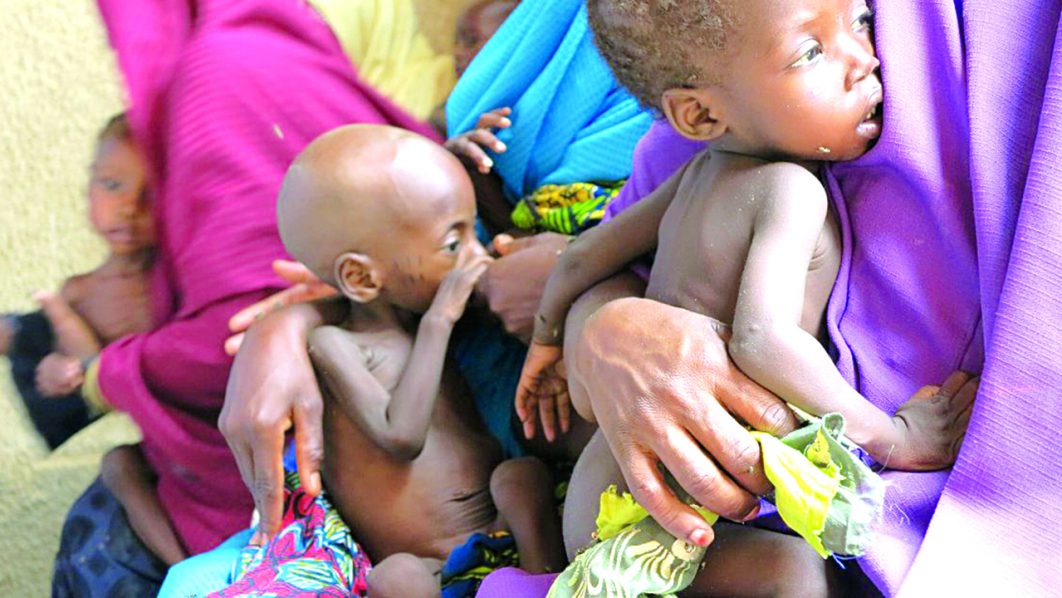
Noma, otherwise known as necrotising ulcerative stomatitis, gangrenous stomatitis, or cancrum oris, is a bacterial infectious but non-contagious infection; resulting from poor oral hygiene, lack of sanitation and malnutrition, affecting both soft and hard tissues of the mouth and face, rapidly progressive and more often than not fatal.

The most common sign and symptom is the development of an ulcer in the mucous membrane of the mouth before spreading to other parts of the face. If detected early, the condition can be arrested with antibiotics, proper nutrition and oral hygiene, while late diagnosis does not restore disfigured or damaged tissues even if treated.

Affecting children between 2 to 6 years of age, the disease is prevalent in impoverished communities in Asia and Africa. However, infection was also found decades ago in Europe and South America. This infection has since vanished with improved livelihood and healthcare.

Preventable but deadly, all over the world, Noma has been given the cold shoulder (neglected) over the years. The absence of current epidemiological data has made the data of the World Health Organisation (WHO) from 1998 the most frequently cited estimation of the disease, with a global estimate of 140,000 new cases recorded annually, with a majority in Sub-Saharan Africa and a mortality rate of 90% if not treated within two weeks.

The infection has not spared the children in Nigeria, falling under the countries in Sub-Saharan Africa, killing numbers and leaving survivors disfigured, coupled with the reality of leaving the rest of their lives under stigmatisation.

This informed the decision of the Federal Ministry of Health to call on the WHO at the 75th World Health Assembly to include Noma on the list of Neglected Tropical Diseases (NTDs) where it belongs.

The call was aimed at rallying global support to eliminate and start preventive and curative measures against the preventable but deadly disease.

Established in the year 1999, the Noma Children’s Hospital, Sokoto, up until May 2022, when Noma Aid Nigeria Initiative (NANI) began construction of a new 100-bed National Noma Treatment Centre within the National Hospital, Abuja, has been the only specialist hospital shouldering the burden of the debilitating disease in the country.

The Chief Medical Director of the hospital in Sokoto said, “what is lamentable is that the disease is curable and even preventable, but lack of awareness has made a good number of patients die at home without visiting the hospital, exacerbating knowledge gap.”

To create awareness on predisposing factors like malnutrition, vitamin (A and B) deficiency, contaminated drinking water, immunodeficiency and living in proximity to livestock, November 20th have been set aside as Annual Noma Day.

Before resting my case, let me advocate that the awareness campaign held annually on NOMA DAY be taken to people in rural areas. These people are most vulnerable and unaware. Therefore, it will be better than having the symposia in town or city halls where the inhabitants are most likely informed. Moreover, more specialists should be trained on the infection to establish more specialist hospitals in at least each geopolitical zones of the country to unburden that in Sokoto and the upcoming one in the Federal Capital Territory.

Furthermore, people should be encouraged to embrace oral hygiene and proper nutrition like a religious ritual. In suspected cases, patients should be taken to the hospital for appropriate treatment to prevent disfigurement. Routine vaccination for children ought to be taken as a priority of every parent, and individuals with any information on Noma are encouraged to carry out a personal campaign in their locality amongst family and friends because the little things we do can make a difference.

Lastly, I urge all to avoid stigmatisation of survivors because they were but victims of circumstance.

Lawal Dahiru Mamman, a corp member, writes from Abuja and can be reached via dahirulawal90@gmail.com.

On Things Fall Apart

By Abba Musa Ibrahim

When Europeans came to Africa and said, You have no culture, no religion, no civilization, no history; Africa was bound sooner or later to reply by displaying her own accomplishments. To do this, her writers and intellectuals- stepped back into what you may call the purity before the coming of Europe. What they uncovered there they put into their books and poems, and this became known as their culture, their answer to Europe’s arrogance.   – Chinua Achebe

Things Fall Apart (1958) is a text on colonialism by Achebe. As Ngugi asserts, “There is no writing in a vacuum”. Equally, Stanley Fish, Raymond William, Edward Said, and Homi K. Bhaba, among others, strongly believe that writing consciously or unconsciously reflects political, historical or social issues at the time of its birth.

In response to Joseph Conrad’s Heart of Darkness and Joyce Carry’s Mister Johnson, Achebe came up with Things Fall Apart to rectify the distorted image of Africa popularised by the Europeans. As he was quoted, “My role as a writer is to help my society regain belief in itself and put away the complexities of years of denigration and self-abasement”.

Things Fall Apart is recognized as one of the 100 novels ever written in history. It has also been translated into more than 50 different languages. Achebe gets the title of the text from W.B Yeats, an Irish poet, in his poem, “The Second Coming.”

“Turning and turning in the widening gyre

The Falcon cannot hear the falconer

Things Fall Apart; the centre cannot hold

Mere anarchy is loosed upon the world.”

The text has 165 pages, twenty-five chapters, and three phases, each discussing a distinct matter. The first part talks about the culture, tradition, norms and values and political system of Igbo society. Meanwhile, the second part talks about the major character, Okonkwo’s exile to his mother’s kinsmen in Mbanta when he kills a boy during a funeral festival. Then, lastly, is the happenings that lead him to hang himself.

The first part of the text opens with Okonkwo, who gets renown by wiping the floor with Amalinze; his celebrity circulates far and wide. He’s also a man of action, industrious and works tirelessly to go contrary to his bone idle and workshy father. Ikemefuna is brought to Okonkwo’s household before his future is decided. Pronto, the boy, owns the love of Okonkwo.

We also glance at Okonkwo, who has four wives and children and run them with heavy hands because he wants them to shun being inactive. His strictness makes him break a week of peace by beating his wife in black and blue. He also cuts Ikemefuna down, which Ezeadu forewarns him, “That boy calls you father, do not bear a hand in his death” (P.45). He does this and takes the life of sixteen years inadvertently, which in their custom is exile for seven years.

Secondly, the second part opens in Mbaino, Okonkwo’s mother’s town, where he serves for seven years. He receives a helping hand from his boon companion, Obiereka, by looking after his remnants of farm and letting him know about the arrival of white men who wiped out Abame altogether, and oracles apprise them that;

“The strange man would break their

Clan spread destruction among them” (p.111)

He also accepts the worsened situation:

“… Now he has won our brothers and our clan

Can no longer act like one; he has put a knife

On the things that held us together and we have fallen apart” (p.141)

Thirdly, the last part of the text is on Okonkwo’s return from Mbaino, where he loses his celebrity and social prestige. He finds out that white missionaries take everything up. They erect churches, courts, government and schools. He stands up against missionaries, fighting back his fame, social prestige and customs. But, drearily, he fails by not getting any co-operation from his clan, and this frustrates him to the core, and he takes his own life.

Abba Musa Ibrahim can be reached via abbamusa6888@gmail.com.

Pieces of advice on maternal mortality


By Abdurrazak Muktar Makarfi

Maternal mortality is one of the devastating and heartbroken issues, especially in Africa, where we have many unqualified and fake health personnel, which leads to such menace. In the community where I belong, we don’t value ante-natal. Many think it is not that important; some consider it a waste of time, resources and energy.

Most times, lack of awareness to some people is negligence and ignorance to many. I once heard someone saying, how could I allow my wife to deliver in hospital while she’s fit and healthy? I don’t blame him even once because our health personnel’s attitude discourages many people from going to the hospital for ante-natal.

The attitude of health personnel in the hospital is absurd. I sometimes feel like absconding whenever I hear a nurse screaming and yelling at pregnant women; some even raise their hands to beat them! This happens at the time of delivery, which makes it more unfortunate.

Government, religious leaders, community elders and traditional rulers advocate that daughters must be educated, especially in the health sector, where we are lacking. However, to my dismay, when they are, they turn black eyes and become arrogant by yelling at women to show they are superior. Some of those they shout at are old enough to be their grandmothers. What a shock!

On the other hand, research has shown that 99% of maternal deaths occur in developing countries, but why? It may be because of the complications that occur during pregnancy and childbirth. Most of the complications can be managed, but the woman may end up dying due to a lack of skilful health personnel.

Furthermore, most maternal deaths are caused by the following: Severe-bleeding (mostly bleeding after childbirth), which can kill a healthy woman within hours if left unattended. Injecting oxytocin immediately after childbirth effectively reduces the risk of bleeding.

Infection after childbirth can be eliminated if good hygiene is practised and early signs of infection are recognised and treated promptly.

Pre-eclampsia should be detected and appropriately managed before the onset of convulsions (eclampsia)and other life-threatening complications. Administering drugs such as magnesium sulphate can prevent pregnant women from developing eclampsia.

Poverty-stricken women living in remote and slum areas are least unlikely to receive adequate health care; this is likely my region where we have a low number of skilled health workers.

Cultural practices: These are the things like local surgeries (episiotomy called “yankan gishiri” in Hausa) done by traditional birth attendants without or with inadequate knowledge about the birth canal. They remove the vulva and vaginal, causing damage to some tissues resulting in fistula formation and easily causing infection, which may lead to maternal mortality.

I hope my people will heed some of the things I mentioned as the direct or indirect causes of maternal mortality, i.e. death of a woman while pregnant or within forty-two (42) days after delivery.

Abdurrazak Muktar Makarfi wrote via prof4true1@gmail.com.