

I Led Alleged Coup Plot Out Of Patriotism, Not Ambition, Says Army Colonel
By Sabiu Abdullahi
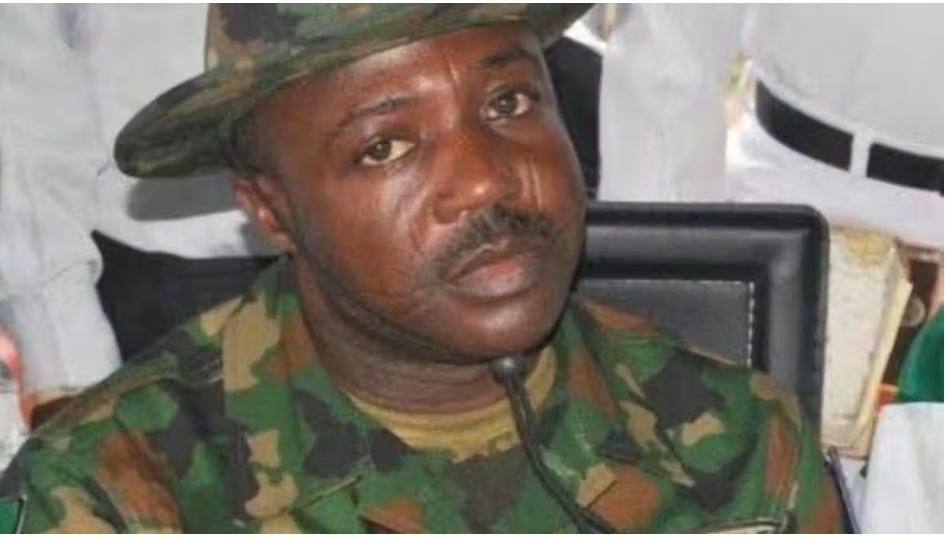
A Nigerian Army colonel, Mohammed Ma’aji, has said his alleged involvement in a plot to overthrow President Bola Tinubu’s administration was motivated by patriotism and concern over the country’s worsening condition, rather than a quest for personal power.
Ma’aji, who has been accused of spearheading the alleged coup plot, cited economic difficulties, poor governance and concerns over the welfare of Nigerians and military personnel as factors that influenced his actions.
“What has happened has a very long history, and it is driven by patriotism and I love the job and country,” Premium Times quoted Ma’aji as saying.
“What has happened has a very long history, and it is driven by patriotism and I love the job and country,” he said.
“As we are all sitting down here, we have our biases and our thoughts and concerns on what was going on in our country from a state of gradual decline up to now, and we are almost at the point of collapse.”
The colonel also pointed to his personal financial difficulties as part of what shaped his concerns about the country.
“Every time I look at how I’m struggling to raise 5 children with my meager salary, I get worried,” he said.
“I attended Army Day Secondary School, but today, how many of us afford to take our children to these schools, and for one reason or the other, which is connected to the bad governance.”
Ma’aji further raised concerns about the treatment of military personnel, particularly soldiers who suffered injuries during combat.
He alleged that some wounded soldiers receiving treatment at the 44 Nigerian Army Reference Hospital in Kaduna were not getting adequate care. He said the situation reflected wider challenges within the armed forces.
According to the colonel, his concerns convinced him that significant changes were necessary to prevent further deterioration in the country.
“The summary of all this is that this action was driven by the desire to have a prosperous nation and country that we all can be proud of. It got to a point that I was worried that if nothing is done, we may not have a country to call our own in the near future,” he said.
Ma’aji said the alleged plan was still at the mobilisation stage when he was arrested. He explained that the intention was to bring together military officers who shared similar concerns about the state of the nation.
“Nigeria was turning into a banana republic right before our eyes. We know that during the era of the military regime, the country was functioning better. I believe that, as it is now, we are on a dangerous trajectory,” he added.
“The plan was to get enough officers of like minds who could participate. We were still at the stage of mobilizing to get more officers involved.
“This team has not been fully formed because there were supposed to be other meetings. There was no D-Day. We were waiting for the availability of resources and more officers and soldiers.”
He claimed that he personally financed a significant portion of the alleged plan, while Timipre Silva was said to have provided about N400 million.
Ma’aji denied any foreign involvement in the alleged plot and said no specific date had been fixed for its execution.
He also denied contacting some senior military officers. However, he said dissatisfaction among members of the armed forces and his unsuccessful promotion attempts were among the factors that contributed to the revival of the movement.
The colonel called for the establishment of a formal avenue through which military officers could present their grievances to the Chief of Army Staff, Waidi Shaibu, without fear of punishment.
He also advocated better salaries, improved welfare packages, stronger pension benefits and better educational opportunities for military personnel. He called for stronger measures against corruption within the country and the armed forces.
Ma’aji also criticised the removal of the fuel subsidy, arguing that the policy should have been phased out gradually.
Following his arrest and subsequent interaction with the panel investigating the matter, the colonel said he had reconsidered his approach and appealed for leniency.
“From the time I have been arrested till now, If I were to be released and these issues in the country persist, I will consider a different approach,” he said.
“We are pleading for leniency and pardon as first offenders. The system should take a deep breath and pardon us. They should give us a chance to mend our ways. We have no other country than Nigeria and no other job.
“This incident has really opened our eyes and has changed our mindset forever. It was not intended to destabilize the country at all.
“Everything we planned was born out of patriotism, love of country, and the desire to have a prosperous Nigeria that we all can be proud of.”
The alleged coup plot, which was uncovered in late September 2025, led to the cancellation of the October 1 Independence Day parade and changes within the military hierarchy.
The development also resulted in the removal of Christopher Musa as Chief of Army Staff at the time.
US Revokes More Than 175,000 Visas Over Crimes, Immigration Violations
By Sabiu Abdullahi
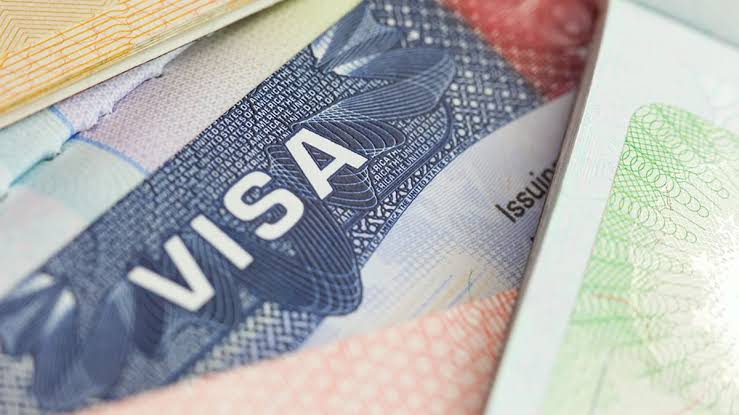
The United States government says it has revoked more than 175,000 visas issued to foreign nationals under President Donald Trump’s administration over alleged criminal activities, violations of visa conditions and security concerns.
The US Department of State disclosed this in a statement issued on Monday, explaining that most of the cancellations followed encounters with law enforcement agencies.
According to the department, the major reasons included assault, driving under the influence, theft and drug-related offences.
It said other visas were cancelled over “reckless driving, sexual assault, child abuse, fraud, embezzlement and other crimes”.
The department said the action formed part of its continuous screening of visa holders to determine whether they were complying with immigration conditions and whether they posed risks to Americans.
Some of the affected individuals, it said, had faced serious criminal allegations, including “felony rape and sexual battery, kidnapping, human trafficking, sexual exploitation of minors, child sexual abuse offences and domestic violence”.
The department also disclosed that a US embassy in North Africa cancelled more than 100 visas issued to parents accused of engaging in “birth tourism”. The practice involves travelling to the US mainly to give birth so that children can acquire US citizenship.
Other cases cited by the department included a foreign national who was arrested for allegedly driving with heroin while having a blood alcohol concentration more than three times the legal limit.
The US government also reported cases involving alleged financial crimes and fraud.
One foreign national who reportedly claimed to operate a legitimate business that assisted vulnerable patients with healthcare was accused of helping to organise a Medicaid fraud scheme involving more than $5 million in fraudulent claims.
Another individual was accused of falsifying company revenue and forging letters to mislead investors and fraudulently secure a US visa, according to the department.
The State Department also cited visa revocations involving foreign nationals accused of celebrating the assassination of Charlie Kirk. It said some of the individuals had made statements that appeared to support or celebrate his death.
Secretary of State Marco Rubio has also determined that several foreign nationals are deportable on foreign policy grounds, the department said.
Among the cases were a Cuban national allegedly linked to an influence operation associated with Cuba’s communist government and Iranian nationals accused of having connections to the Iranian government.
The department also listed a Laotian child sex offender who had been pardoned by Minnesota Governor Tim Walz and a Kuwaiti national accused of expressing a desire to attack the US president and describing Americans as his “enemy”.
The State Department said it would continue to investigate foreign nationals who it considers threats to public safety and cancel their visas where necessary.
“A U.S. visa is a privilege, not a right,” the department said, adding that it would use available measures to protect American communities from individuals who abuse the immigration system.
All-Female Tazkiyah University Opens 2026/2027 Admission
By Hadiza Abdulkadir
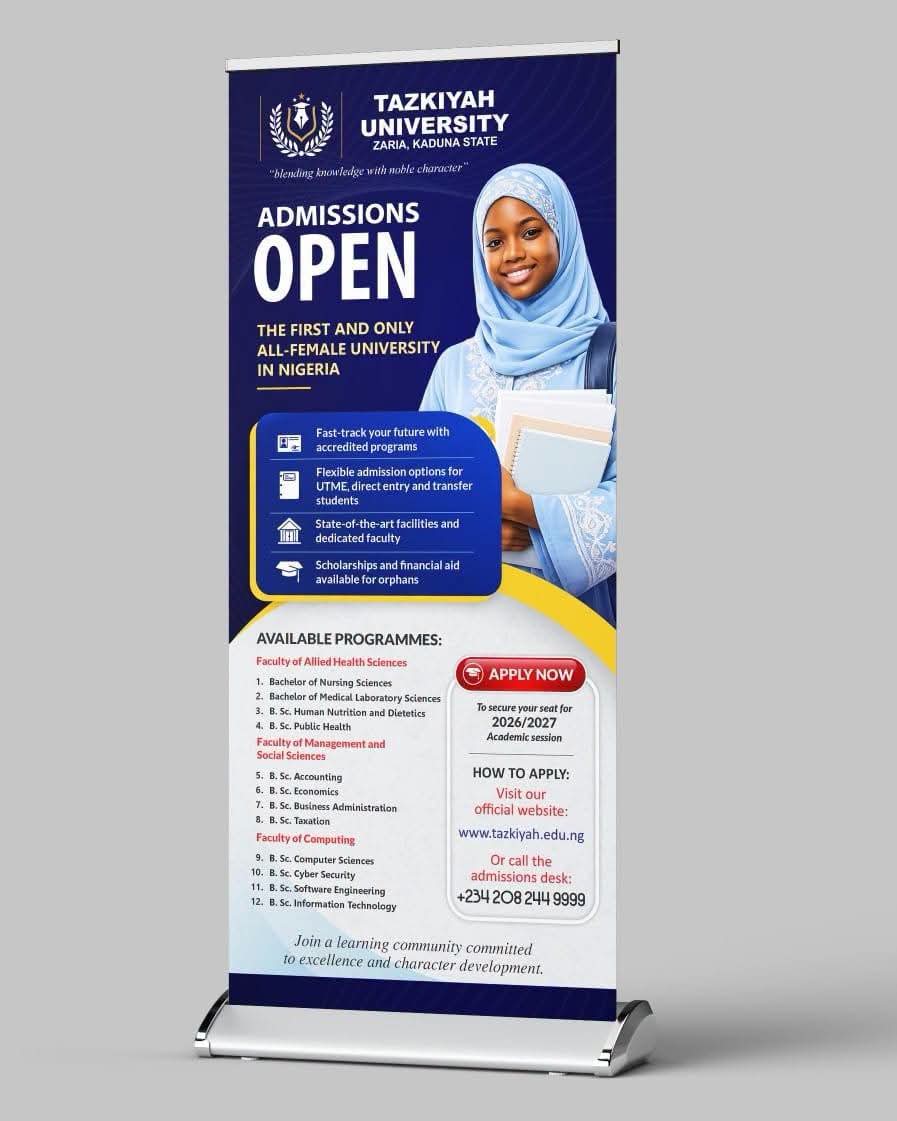
Tazkiyah University, Zaria, the first all-female university in Nigeria, has opened applications for admission into its 2026/2027 academic session.
Based in Kaduna State, the university is inviting qualified female candidates to apply through UTME, Direct Entry and transfer admission routes for programmes across Allied Health Sciences, Management and Social Sciences, and Computing.
Available programmes include Nursing Sciences, Medical Laboratory Sciences, Human Nutrition and Dietetics, Public Health, Accounting, Economics, Business Administration, Taxation, Computer Science, Cyber Security, Software Engineering and Information Technology.
Operating under the philosophy of “Blending Knowledge with Noble Character,” the university says it is committed to providing quality education alongside character development.
Students will have access to modern facilities and dedicated faculty, while scholarship and financial aid opportunities are also available for eligible students, including orphans.
Interested candidates can obtain further information and apply for admission through the university’s official website, www.tazkiyah.edu.ng.
Troops Recover Four AK-47 Rifles, 133 Rounds Of Ammunition From Enugu Forest
By Sabiu Abdullahi
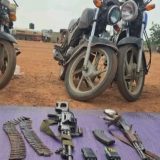
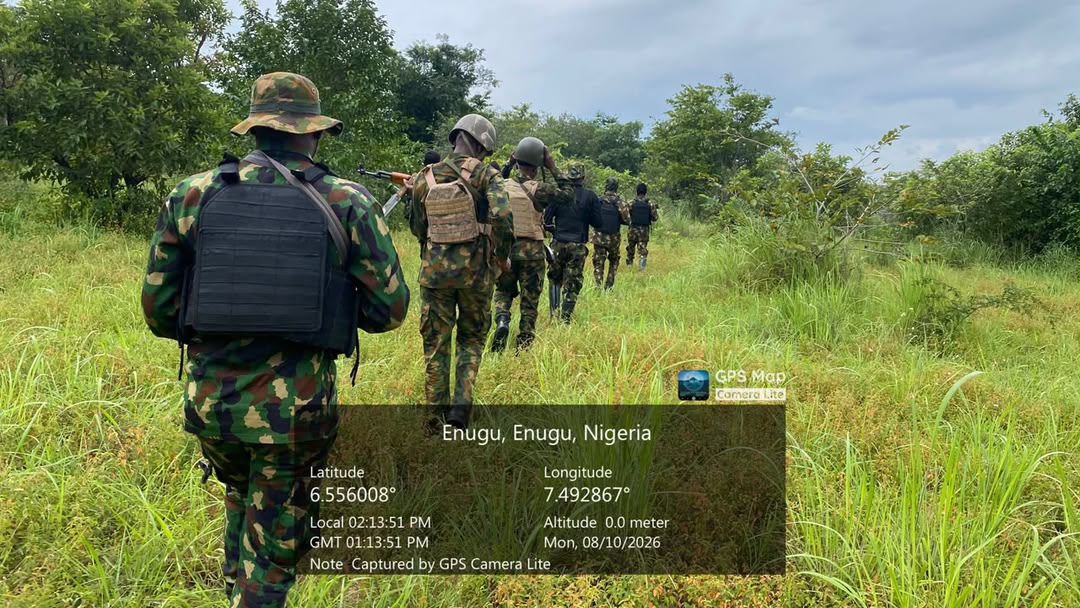
Nigerian Army troops have recovered four AK-47 rifles, seven magazines and 133 rounds of ammunition from a forest in Enugu State.
The weapons were reportedly linked to a kidnapping syndicate that has been operating across Enugu, Abia, Anambra and neighbouring states.
The recovery was carried out on Monday, August 10, at Umuchingu Ujenike Forest by personnel from the 82 Division Garrison and 103 Battalion of the Nigerian Army.
According to Zagazola Makama, a counter-insurgency publication, the troops located the weapons after some suspected members of the kidnapping group who had earlier been arrested provided information about the location of the hideout.
The operation followed the rescue of two kidnap victims as well as the arrest of a logistics supplier and two suspected leaders of the criminal network.
The recovered items included four AK-47 rifles, seven AK-47 magazines and 133 rounds of 7.62mm special ammunition.
The latest operation forms part of ongoing efforts by security forces to dismantle criminal networks operating in forests and communities across the region.
On July 31, a joint military operation rescued Ofor Amobi, a senior army officer, and Ikechukwu Onwuanra, a civilian, after a 10-day search for them across forests and communities in Enugu State.
During that operation, troops searched Inyi, Awlaw and Akpugo-Eze forests as well as surrounding communities in Oji River Local Government Area of the state.
Earlier in June, soldiers, in partnership with operatives of the Department of State Services, also raided suspected armouries linked to the Eastern Security Network in Enugu State.
Shekau’s Son Reportedly Emerges in Boko Haram Ranks, Raising Fresh Concerns
By Muhammad Abubakar
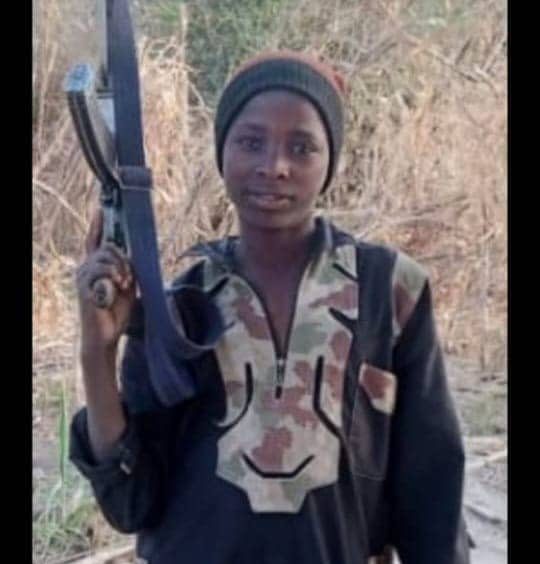
The reported emergence of Ibn Mohammed bin Shakau, the biological son of late Boko Haram leader Abubakar Shekau, within the ranks of the insurgent group has raised fresh concerns about the possible continuation of his father’s ideological and militant networks.
Security and conflict analyst Zagazola Makama reported that Ibn Mohammed has reportedly begun taking steps into the Boko Haram insurgency, potentially following the path of his father, one of the most notorious figures associated with the group’s violent campaign in Nigeria’s North-East.
The report, however, does not independently establish the extent of Ibn Mohammed’s involvement or his current position within the insurgent organisation.
Abubakar Shekau became the leader of Boko Haram following the death of the group’s founder, Mohammed Yusuf, in 2009. Under his leadership, the insurgency intensified, with Boko Haram carrying out attacks against communities, security forces, government institutions and civilian targets across north-eastern Nigeria and parts of the wider Lake Chad region.
Shekau became particularly known for his uncompromising leadership style and frequent propaganda videos in which he issued threats, claimed responsibility for attacks and denounced governments and security forces.
His leadership was also marked by growing internal divisions within the insurgency. In 2015, Boko Haram pledged allegiance to the Islamic State, leading to the emergence of the Islamic State West Africa Province (ISWAP) as a major rival faction.
Shekau was killed in 2021 after a confrontation with ISWAP fighters in the Lake Chad region. His death significantly altered the balance of power among insurgent factions and further fragmented the militant landscape.
The reported involvement of his son could therefore carry symbolic significance for Boko Haram remnants and raises questions about whether family ties and the legacy of former commanders could contribute to the recruitment and mobilisation of a new generation of insurgents.
However, the significance of the development remains unclear, and further independent confirmation would be required to establish Ibn Mohammed’s role, influence and operational involvement within the group.
INEC Extends Deadline For Parties To Upload Osun Guber, Assembly Candidates
By Sabiu Abdullahi
The Independent National Electoral Commission (INEC) has extended the deadline for political parties to upload their candidates for the governorship and state House of Assembly elections.
The commission moved the deadline from Saturday, August 8, to Tuesday, August 11, 2026.
Mohammed Haruna, chairman of INEC’s Information and Voter Education Committee, announced the extension in a statement issued on Saturday.
“The submission window, which, according to the revised timetable and schedule of activities for the general election, was originally scheduled to close on Saturday, 8th August, 2026, has been extended to Tuesday, 11th August, 2026,” the statement reads.
According to the commission, the decision followed requests from several political parties for more time to complete the submission process.
“The extension follows growing appeals by political parties for additional time to complete the process.”
INEC also announced the end of the collection of Permanent Voter Cards (PVCs) in Osun State ahead of the August 15 governorship election.
It said voters who applied to replace lost, damaged or defaced PVCs had until midnight on Sunday, August 9, to print downloadable copies of their cards.
“In a related development, the commission wishes to notify voters who applied for replacement of lost, damaged or defaced PVC that the window to print downloadable copies of their cards will expire by midnight of Sunday, 9th August, 2026,” the statement added.
The commission said the measure would enable it to determine the final number of PVCs collected before the election.
“This is to allow the commission to compile the data of downloaded PVCs for final statistics of total PVCs collected ahead of the August 15th Osun governorship election.”
INEC also disclosed that replacement downloadable PVCs had been provided for voters in Odo-Otin and Ife Central Local Government Areas whose cards were reportedly taken during an invasion of two collection centres.
“The commission also wishes to state that replacement downloadable PVCs have been made available to voters in Odo-Otin and Ife central local government areas whose cards were carted away by hoodlums who invaded the two centres. The commission reiterates that the stolen cards cannot be used to vote,” INEC said.
Haruna explained that the PVC collection exercise in Osun began at the Registration Area level on July 22 and was initially scheduled to end on July 28.
“It will be recalled that the collection of PVCs in Osun State commenced at the Registration Area (RA) level from 22nd to 28th July, 2026,” he said.
He added that the commission extended the exercise after voters complained about overcrowding and challenges at collection centres.
“Owing to complaints of large crowds and difficulties encountered by voters at collection centres, the commission approved an extension of RA-level collection to 31st July, 2026, before collection moved to LGA level, running from 1st to 7th August, 2026.”
INEC restated its commitment to conducting a free, fair, credible and inclusive governorship election in Osun State on August 15.
Super Falcons Lose To Cameroon, Miss Automatic 2027 World Cup Ticket
By Sabiu Abdullahi
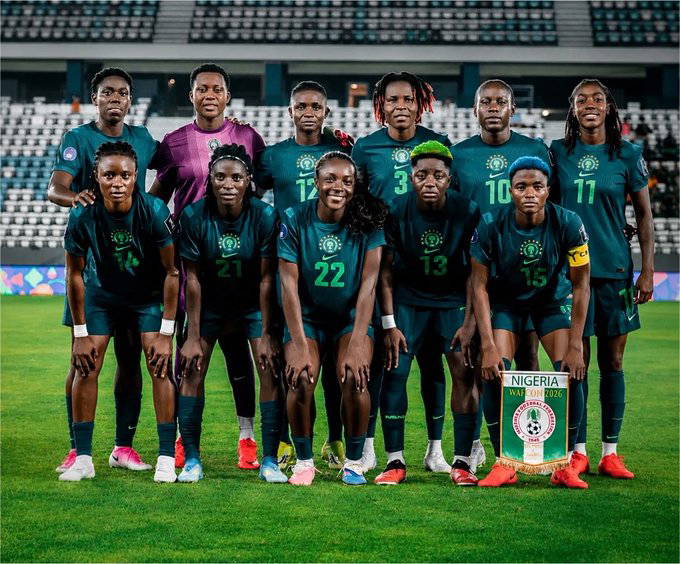
Nigeria’s Super Falcons have been eliminated from the 2026 Women’s Africa Cup of Nations (WAFCON) after a 1-0 quarter-final defeat to Cameroon on Sunday.
The result at the Larbi Zaouli Stadium ended Nigeria’s defence of the continental title and left the nine-time African champions facing a tougher route to the 2027 FIFA Women’s World Cup.
Cameroon secured the victory through Myriam Nyadjou, who scored the decisive goal in the 20th minute.
The encounter was closely fought, with both teams engaging in physical challenges and intense battles in midfield.
Nigeria struggled to create clear opportunities after falling behind. Captain Rasheedat Ajibade attempted to control the game and organise the Super Falcons’ attacks, but the team relied largely on efforts from distance during the first half.
Cameroon returned from the break with greater intensity and applied pressure higher up the pitch. The approach disrupted Nigeria’s attempts to build attacks and limited the Super Falcons’ ability to find openings.
Nigeria increased the pressure as the match progressed and continued its search for an equaliser into stoppage time. Cameroon, however, maintained its defensive shape until the final whistle.
The victory gave Cameroon its first WAFCON knockout-stage win over Nigeria since the 2012 third-place play-off.
Cameroon will now advance to the semi-finals, which guarantees the team a top-four finish and an automatic qualification spot for the 2027 FIFA Women’s World Cup in Brazil.
Nigeria, by contrast, will have to go through a playoff tournament to secure a place at the 2027 World Cup.
Airstrikes Wound ISWAP Commander, Kill Four Fighters in Lake Chad
By Sabiu Abdullahi
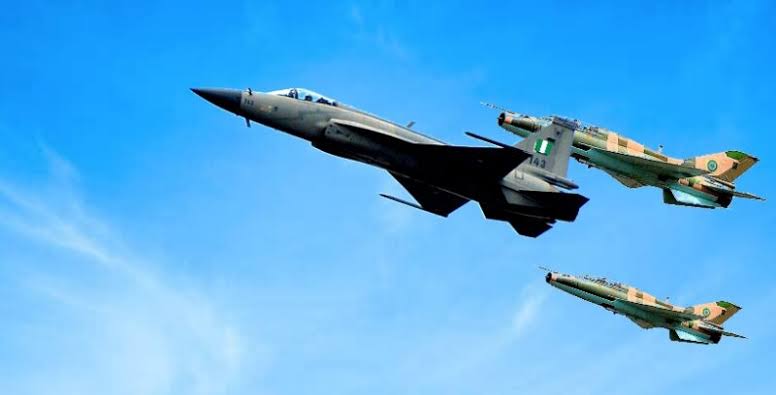
Air operations by Nigerian military forces have reportedly killed four Islamic State West Africa Province (ISWAP) fighters and severely injured a senior commander in the Lake Chad area.
The operations were carried out under Operation HADIN KAI, according to intelligence sources cited by counter-insurgency publication Zagazola Makama.
One of the commanders injured in the attacks was identified as Ba Ari Hisbah, a senior figure in ISWAP’s police wing in the Lake Chad region.
Field assessments indicated that Hisbah suffered serious injuries to both legs after an airstrike near Arege on August 5.
The attack formed part of military aerial operations aimed at disrupting terrorist fighters and their logistics networks around the Lake Chad basin.
Sources said the strikes disrupted the activities and movements of the insurgents and forced some surviving fighters to leave the area.
In a separate air operation on Friday, troops reportedly killed Ba Usman Maidharaib, a 55-year-old ISWAP member who was described as one of the group’s longest-serving fishing tax collectors in the Lake Chad area.
Maidharaib was reportedly travelling with three other fighters on two motorcycles when the aircraft struck.
The intelligence report said the four fighters died in the attack, while both motorcycles were destroyed.
The death of Maidharaib is considered significant because of the role played by ISWAP’s fishing tax collectors in raising funds for the group across the Lake Chad region.
For several years, ISWAP has imposed illegal taxes, levies and other charges on fishing and other economic activities in communities around the Lake Chad islands.
According to the sources, the loss of a key revenue collector and disruption of movement routes could weaken the group’s ability to raise funds and maintain its operations.
Military sources said intelligence surveillance detected the movements of the fighters before the airstrikes were conducted.
They added that Operation HADIN KAI would sustain aerial interdiction operations alongside ground forces to restrict terrorist movements and target their logistics, command and control networks.
The Lake Chad area remains one of the major operational theatres in Nigeria’s counter-terrorism campaign, as security forces continue efforts to weaken ISWAP formations and their support networks across land and waterways.
Chad To Scrap Visa Requirements For African Citizens From 2027
By Sabiu Abdullahi
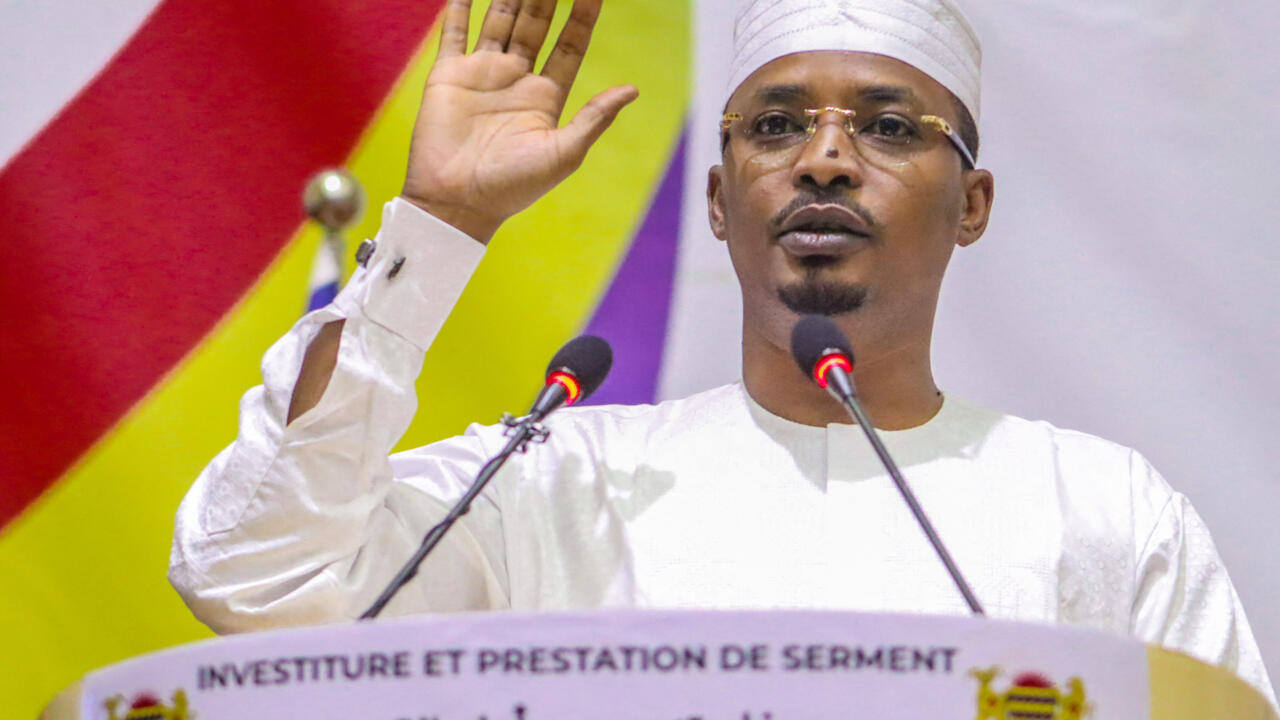
Chad has announced plans to allow citizens of all African countries to enter the country without visas from January 1, 2027.
Chadian President Mahamat Idriss Déby announced the decision as part of efforts to promote closer integration among African countries.
According to Déby, removing visa restrictions will support easier movement of people and goods across the continent and advance the goal of greater African unity.
The policy will place Chad among a growing number of African countries that have adopted visa-free entry for citizens from across the continent.
Chad will become the eighth African country to introduce a blanket visa-free arrangement for African nationals.
The countries that have already adopted similar policies include Benin Republic, The Gambia, Rwanda, Seychelles, Ghana, Kenya and Togo.
Togo introduced its policy in May, allowing African travellers with valid passports to enter the country without obtaining visas.
The Chadian government’s decision is expected to further ease cross-border travel for Africans and strengthen regional integration across the continent.
Nigeria Rejoins World Energy Council – Wunti Takes the Helm
By Usman Abdullahi Koli
While much of the world’s attention remains fixed on wars, economic uncertainty and geopolitical rivalries, a profound recalibration of the global energy order is underway. It is a shift defined not by headlines, but by the urgent competition to secure supply chains, attract long-term capital, deploy cleaner technologies, and craft the regulatory frameworks that will underpin economic growth for decades.
Increasingly, these decisions are not made within national borders alone. They are forged on international platforms where governments, industry leaders, investors, and researchers exchange ideas, build partnerships, and seek practical solutions to shared existential challenges.
That is why Nigeria’s return to the World Energy Council (WEC) deserves more than a passing mention. This is not merely another diplomatic affiliation. It is the country’s re-entry into one of the world’s oldest and most influential energy leadership forums at a moment when energy security, affordability, sustainability, and investment have become defining issues for every major economy. For Nigeria, Africa’s largest economy and one of its premier energy producers, the significance extends well beyond representation. It offers a strategic aperture to shape global policy discourse while vigorously advancing national and regional interests.
Founded in 1923, the World Energy Council has spent over a century connecting governments, businesses, and researchers across the energy landscape. With national member committees spanning more than ninety countries, it serves as a respected neutral forum for dialogue on the future of energy rather than a regulatory body. Its influence derives from its ability to unite diverse voices to address common challenges, encourage innovation, and promote practical approaches to what it terms the “energy trilemma”: balancing energy security, environmental sustainability, and equitable access. Through flagship initiatives like the World Energy Congress and its authoritative research on global trends, the Council has become an indispensable reference point for policymakers and industry leaders alike.
Nigeria’s renewed membership arrives at a pivotal inflection point. Globally, nations are reassessing their energy strategies in response to climate commitments, geopolitical fractures, and technological disruption. The conversation has moved beyond the traditional metric of production capacity. Today, equal weight is given to resilience, competitiveness, regulatory certainty, and the ability to attract stable, long-term investment. Nations are increasingly judged not only by the resources they possess, but by the institutional strength they build and the policies they pursue.
Few countries illustrate this challenge more vividly than Nigeria. The nation holds some of the world’s largest natural gas reserves, remains a major oil producer, and possesses immense renewable energy potential, particularly in solar and hydroelectric resources. Yet it continues to grapple with persistent deficits in electricity access, transmission infrastructure, financing, and energy poverty. These realities render international engagement a strategic necessity rather than a diplomatic exercise. Participation in the WEC provides Nigeria with a vital conduit to exchange technical knowledge, strengthen institutional cooperation, learn from global best practices, and project African perspectives in conversations that increasingly dictate investment and policy outcomes.
The opportunities created by this renewed engagement are substantial. Membership unlocks access to comparative research, executive-level dialogue, policy networks, and collaborative initiatives that can directly support national reforms. For instance, Nigeria could leverage the WEC’s scenario-building tools to chart optimal pathways for gas monetisation alongside solar expansion, or utilise the Council’s “Energy Trilemma Index” to benchmark its regulatory reforms against peer economies, translating global frameworks into actionable domestic strategy. Backing this strategic push with the full authority of the state, President Bola Ahmed Tinubu offered an unequivocal endorsement of the newly constituted Member Committee. The President, in formally welcoming Nigeria’s admission, reframed the development as a decisive assertion of continental leadership rather than a mere diplomatic courtesy. Capturing the administration’s highest aspirations for the platform, he declared: “Nigeria has joined the World Energy Council to lead, not just participate – to ensure Africa’s voice shapes global energy decisions.”
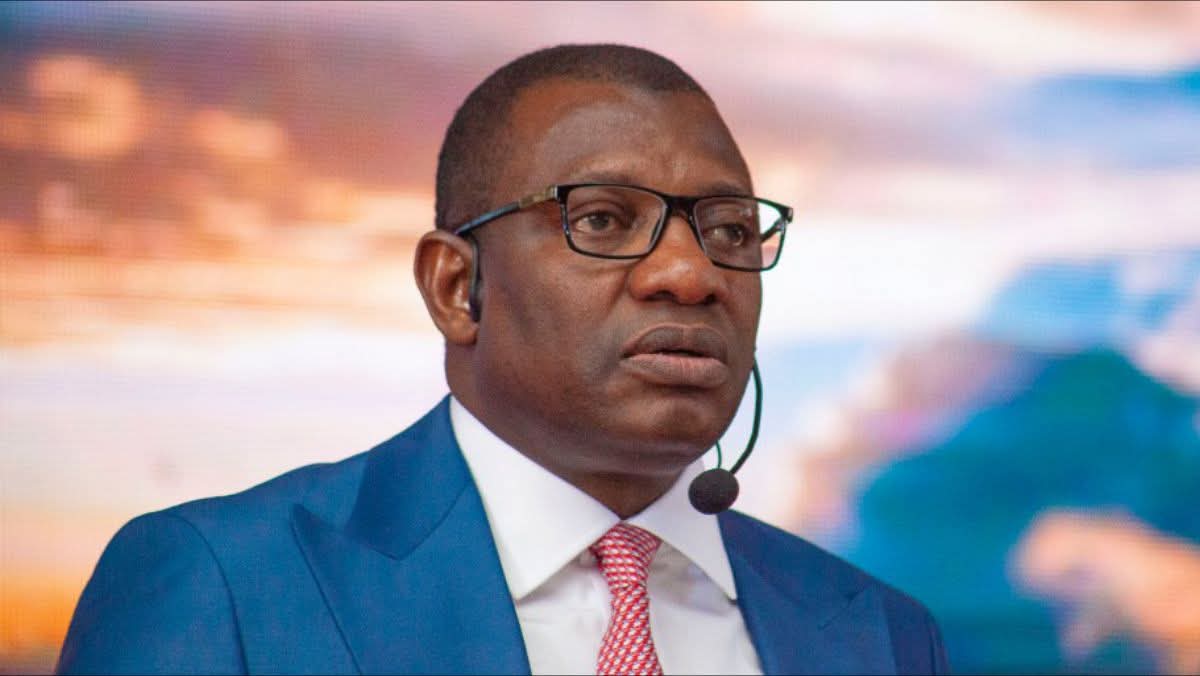
Steering this strategic re-engagement is a newly constituted Member Committee, featuring representatives from the government, the private sector, academia, and international energy institutions. At its helm, Dr. Bala Maijama’a Wunti has been appointed Chief Executive Officer of the Nigerian Member Committee, and he is very much the man in the picture. Upon his appointment, Wunti captured the essence of this moment with characteristic clarity: “I am honoured to lead WEC Nigeria at a time of profound economic crosscurrents. We will navigate the energy trilemma with pragmatism, mobilising private capital to ensure Nigeria’s energy future is defined not by ideology, but by investability—delivering prosperity that is bankable, just and secure.”
These words are more than a statement of intent; they are a strategic compass. They affirm that Nigeria’s approach to the global energy transition will be grounded in realism, fiscal discipline, and a clear-eyed understanding of what attracts capital and sustains development. Wunti’s emphasis on “investability” rather than ideology signals a mature departure from abstract commitments toward measurable, bankable outcomes—a philosophy that resonates deeply with Nigeria’s immediate needs and long-term aspirations. Wunti is no peripheral figure. He brings a formidable depth of operational and strategic experience from Nigeria’s petroleum industry, having served in senior technical and executive roles, most recently as Chief Health, Safety, and Environment Officer of NNPC Ltd. His professional DNA, forged in operational management, institutional leadership, corporate governance, and multi-stakeholder engagement, positions him uniquely to navigate the complex currents of the global energy transition.
In his new capacity, Wunti’s mandate extends far beyond administration. He is tasked with architecting Nigeria’s engagement strategy: fortifying ties with international partners, driving substantive policy dialogue, and ensuring that Nigerian perspectives are not merely heard, but actively shape global energy governance. His leadership will be critical in translating the Council’s global frameworks into tangible reforms that address Nigeria’s domestic energy paradox: abundant resources coexisting with acute access deficits.
The broader significance of this development, however, transcends any single appointment. Nigeria’s return to the World Energy Council signals a mature recognition that influence in today’s energy landscape is determined as much by ideas, partnerships, and institutional credibility as by natural resource endowments. The countries that will define the future of energy are those that combine resource wealth with sound policy, technological innovation, and sustained international collaboration.
For Nigeria, this renewed membership is a strategic instrument to deepen its contribution to global energy conversations while advancing its own developmental priorities. The platform is now active, and the leadership is in place. The hope ahead, under Wunti’s stewardship, is to convert participation into tangible outcomes: stronger cross-border partnerships, more informed domestic policies, enhanced investment flows, and a more resilient, inclusive energy sector. If that objective is achieved, Nigeria’s return to the World Energy Council will be remembered not simply as an institutional milestone, but as a decisive step in strengthening the nation’s role within an increasingly interconnected global energy system, with Dr. Bala Wunti standing firmly at the centre of that transformation.
Usman Abdullahi Koli wrote via mernoukoli@gmail.com.