By Abdullahi Mukhtar Algasgaini
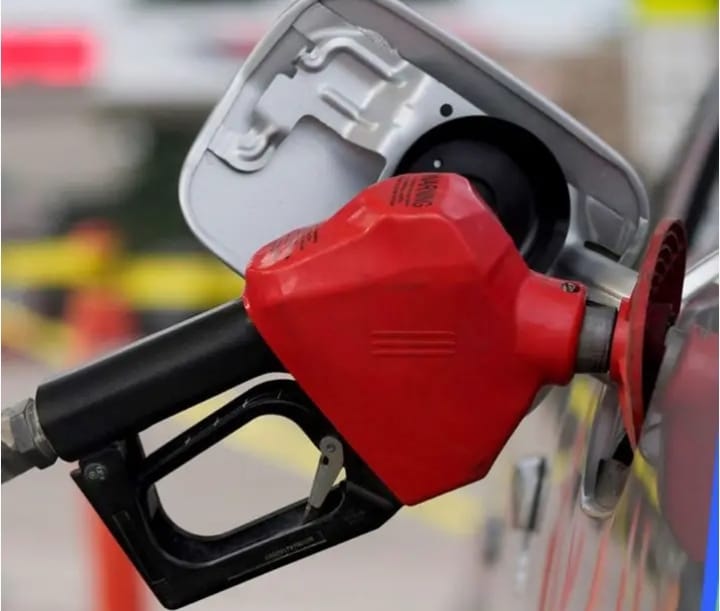
The Federal Government on Thursday announced that NNPC Retail will forgo its petrol retail profit margin and sell at cost for the next 30 days as part of measures to cushion Nigerian households from global crude oil price shocks.
In a statement by presidential spokesman Bayo Onanuga, the government said NNPC Retail, which already sells petrol at the lowest price in the market, will offer the discount within the next 30 days. It explained that if NNPC’s landing cost is N1,300 per litre, it will sell at the same price to Nigerians, especially commercial vehicles.
The move, backed by President Bola Ahmed Tinubu, was announced by Finance Minister and Coordinating Minister of the Economy Taiwo Oyedele alongside other measures.
Oyedele said he hoped other marketers would follow NNPC’s lead, noting that the sharp rise in crude and petrol prices is not expected to last long. He stressed that NNPC’s decision must not be misinterpreted as a return to petrol subsidy, which ended on May 29, 2023.
He also announced forward sales of crude to domestic refineries. According to him, as production rises and previously committed crude is freed up, pump prices should be shielded from global market volatility.
The government, Oyedele said, is negotiating a ceiling of N1,350 per litre on the ex-gantry or landing cost of petrol to keep pump prices stable. Where costs rise above the ceiling, refiners and importers will carry the shortfall and recover it later when crude prices or the exchange rate allow, without breaching the cap.
“This is neither a subsidy nor a price control: it is designed to smooth prices over time rather than suppressing them,” Oyedele said. “N1,400 a litre today and N1,400 tomorrow is better than N1,500 today and N1,300 tomorrow, because volatility itself adds to uncertainty and cost. And when fares rise sharply, they rarely fall as fast.”
He said the ceiling would be reviewed monthly, reset as costs require, and the figures published for transparency.
Under the 2025 tax reform laws, Oyedele said the Federal Government, in collaboration with states and security agencies, is reining in road taxes and levies that inflate fares and logistics costs. Funding is also being increased for cash transfers to vulnerable households and subsidised credit for small businesses and consumers.
Other measures announced include:
1· A faster CNG rollout, with the government expecting transporters to pass savings on to passengers. CNG is 60–70 per cent cheaper than petrol.
2· Consideration of an excess profit tax for operators who take undue advantage of consumers along the energy value chain. Proceeds would be used exclusively to cushion fuel prices through transport support or vouchers for urban minimum-wage earners. The government will also work with the National Assembly on enhanced tax relief for low-income earners under the 2027 Finance Bill.
3· Cuts to regulatory costs that feed into the cost of doing business and, indirectly, higher prices of goods and services.
4· Investment in a National Strategic Fuel Reserve. Refined products would be released under clear, published rules whenever global disruption or hoarding threatens supply and price stability. The government said this is not a subsidy and does not fix prices, but secures supply and reduces volatility.
5· Better traffic and logistics management, including improved traffic flow in major urban centres to reduce fuel consumption, and the use of NIPOST’s newly launched address codes to make logistics more efficient and cheaper.
The Presidency said none of the measures restores a blanket subsidy, warning that doing so would create longer-term harm for a short-term cure. It acknowledged the hardship Nigerians face over the high cost of fuel.
“Removing the fuel subsidy came at a price. But the alternative has been tried. Nigeria has already lived through that cycle: scarcity, smuggling, a collapsing currency and a fiscal crisis. We cannot afford to live through it again, least of all in response to a temporary disruption, and at the very moment the results of reform are gathering pace,” it said.
The government said it was not reversing a necessary reform, but ensuring its gains reach more Nigerians faster and in more tangible ways. It added that it is working on a comprehensive package of fiscal measures to bring inflation down to single digits sustainably in the near term.