
By Muhammad Abubakar
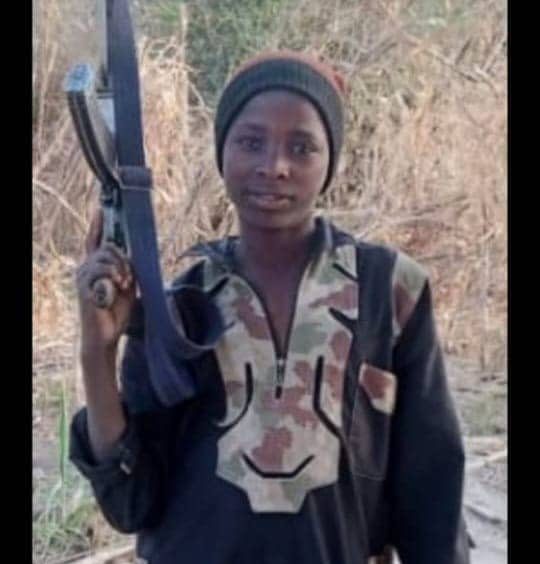
The reported emergence of Ibn Mohammed bin Shakau, the biological son of late Boko Haram leader Abubakar Shekau, within the ranks of the insurgent group has raised fresh concerns about the possible continuation of his father’s ideological and militant networks.
Security and conflict analyst Zagazola Makama reported that Ibn Mohammed has reportedly begun taking steps into the Boko Haram insurgency, potentially following the path of his father, one of the most notorious figures associated with the group’s violent campaign in Nigeria’s North-East.
The report, however, does not independently establish the extent of Ibn Mohammed’s involvement or his current position within the insurgent organisation.
Abubakar Shekau became the leader of Boko Haram following the death of the group’s founder, Mohammed Yusuf, in 2009. Under his leadership, the insurgency intensified, with Boko Haram carrying out attacks against communities, security forces, government institutions and civilian targets across north-eastern Nigeria and parts of the wider Lake Chad region.
Shekau became particularly known for his uncompromising leadership style and frequent propaganda videos in which he issued threats, claimed responsibility for attacks and denounced governments and security forces.
His leadership was also marked by growing internal divisions within the insurgency. In 2015, Boko Haram pledged allegiance to the Islamic State, leading to the emergence of the Islamic State West Africa Province (ISWAP) as a major rival faction.
Shekau was killed in 2021 after a confrontation with ISWAP fighters in the Lake Chad region. His death significantly altered the balance of power among insurgent factions and further fragmented the militant landscape.
The reported involvement of his son could therefore carry symbolic significance for Boko Haram remnants and raises questions about whether family ties and the legacy of former commanders could contribute to the recruitment and mobilisation of a new generation of insurgents.
However, the significance of the development remains unclear, and further independent confirmation would be required to establish Ibn Mohammed’s role, influence and operational involvement within the group.