



INEC To Deploy 1.4m Ad Hoc Staff For 2027 Elections
By Sabiu Abdullahi
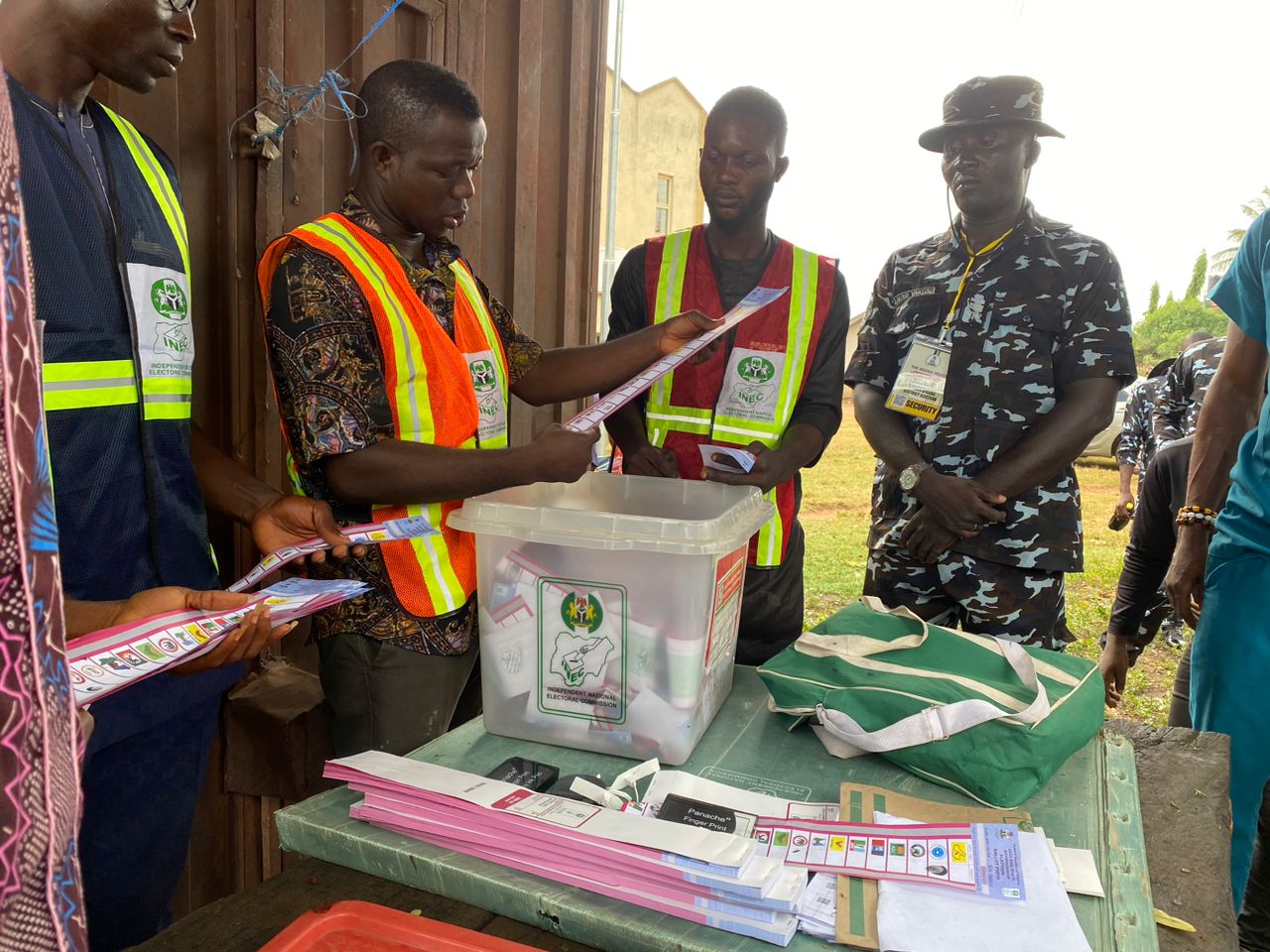
The Independent National Electoral Commission (INEC) has announced plans to deploy about 1.4 million ad hoc personnel for the 2027 general elections.
The commission disclosed this on Tuesday in Abuja when it hosted a delegation from the International Republican Institute (IRI), led by its president, Dan Twining.
The IRI team is in Nigeria from August 11 to 21 as part of a pre-election assessment aimed at reviewing INEC’s preparations and identifying areas where international technical assistance could support the electoral process.
INEC Chairman, Joash Amupitan, said the planned personnel would be deployed across more than 176,000 polling units nationwide.
He said the commission was also improving its logistics arrangements, expanding early deployment of personnel and materials, and strengthening cooperation with transport unions to facilitate the movement of election officials and election materials.
Amupitan described the IRI visit as timely, particularly after the recent Osun governorship election and ahead of the 2027 campaign season.
He said recent off-cycle governorship elections and legislative by-elections had provided opportunities for INEC to test its technology, logistics and security arrangements.
According to him, the Bimodal Voter Accreditation System (BVAS) and INEC Result Viewing (IReV) portal have continued to perform reliably, with more than 98 per cent of results uploaded in recent elections.
The INEC chairman also disclosed that the commission was introducing measures to improve voter registration. The measures include online registration, continuous updating of the voters’ register and efforts to ensure that voter information remains accurate.
He said additional measures would be introduced to make the electoral process more accessible to persons with disabilities, pregnant women, nursing mothers and elderly voters.
Amupitan identified misinformation, disinformation and the misuse of artificial intelligence as some of the emerging challenges that could threaten the credibility of the 2027 elections.
He said INEC had established a unit focused on artificial intelligence to develop guidelines for responsible technology use and tackle false information capable of undermining confidence in the electoral process.
The chairman reaffirmed the commission’s neutrality, stating that INEC would not favour any political party or candidate.
He said the commission’s primary duty was to conduct elections that represent the wishes of Nigerians, with the recent Osun governorship election cited as part of efforts to promote credible and peaceful elections.
Amupitan also acknowledged the need for the commission to take further steps to increase voter participation in future elections.
Speaking on the purpose of the IRI mission, Twining said the organisation wanted to support a competitive, peaceful and credible electoral process in Nigeria.
He said the delegation would examine INEC’s preparations, identify possible challenges and consider ways the international community could assist Nigeria’s democratic development.
“We know how committed Nigerians are to exercising their democratic rights,” Twining said.
“Our interest is a competitive, peaceful and credible election in Nigeria, and we look forward to learning how we can support that objective.”
FCTA Begins Demolition of Structures Built on Abuja Waterways
By Sabiu Abdullahi
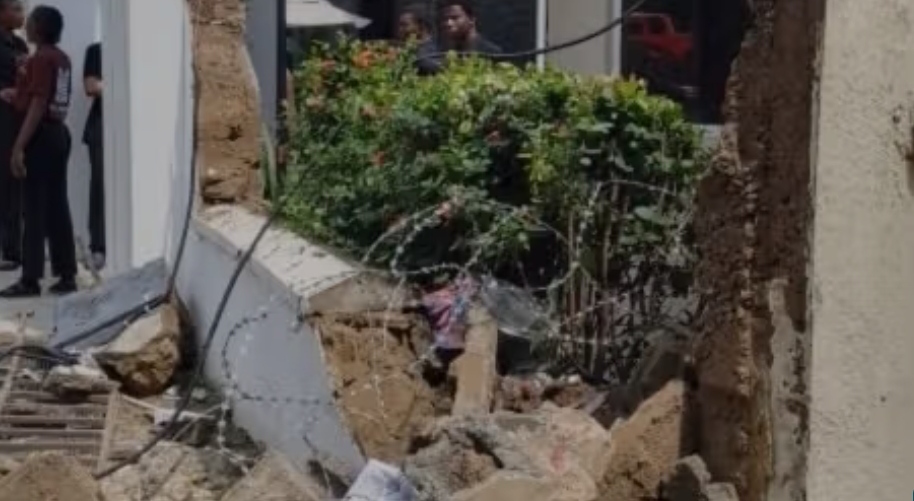
The Federal Capital Territory Administration (FCTA) has started demolishing houses and other structures erected on designated waterways across Abuja.
The enforcement exercise began in Maitama on Tuesday, August 18, 2026, following a directive from the Minister of the Federal Capital Territory, Nyesom Wike.
Officials of the FCTA deployed heavy-duty equipment to remove some of the structures identified as obstructing water channels.
Wike gave the directive after inspecting areas affected by flash floods that swept through parts of the Federal Capital Territory after heavy rainfall on Saturday.
The minister blamed the severity of the flooding partly on buildings constructed on waterways and warned that the status of property owners would not prevent the removal of illegal structures.
“We will demolish all those houses found on the water channel. Some of them are senators. Some of them are big men,” Wike said.
He said the demolition exercise would continue from Tuesday to Saturday.
The minister also ordered the immediate desilting of drainage channels identified across the FCT as part of measures to reduce the risk of further flooding.
The recent flooding affected several parts of Abuja, including Maitama, Wuse 2, Gudu and Lokogoma, where residents were stranded and vehicles were submerged.
According to Wike, the flooding resulted from both natural and human factors. He identified construction on waterways, blocked drainage systems and indiscriminate disposal of waste as some of the factors that worsened the situation.
The FCT Administration said it would strengthen enforcement of development regulations to prevent structures from blocking the natural flow of stormwater.

Lawyer Accuses EFCC of Detaining Kano Blogger for Over 30 Days
By Hadiza Abdulkadir
Human rights lawyer and activist Abba Hikima has accused the Economic and Financial Crimes Commission (EFCC) of detaining Kano-based blogger Maryam Shehu for more than 30 days without charging her with an economic or financial crime.
Hikima made the allegation in a post on his verified Facebook page, saying Shehu was arrested in Kano and subsequently detained by the EFCC in Abuja after she allegedly raised corruption concerns involving some EFCC officials.
According to the lawyer, Shehu is not accused of stealing, fraud, money laundering or any other economic or financial crime. He also alleged that an EFCC official lured her with a business proposal before her arrest and transfer to Abuja.
Hikima further questioned the EFCC’s handling of the matter, arguing that the agency should not simultaneously act as complainant, investigator and judge in allegations involving its own officials.
He called for Shehu to either be charged before a competent court if she committed an offence or released to allow an independent investigation into the allegations against EFCC officials. He also appealed to human rights organisations to intervene in the case.
“Investigation is not punishment,” Hikima said, while calling for Shehu’s release or prosecution.
The EFCC had not responded to the accusations at the time of filing this report.
The allegations by Hikima could not be independently verified at the time of publication.
Lagos and the Danger of Normalising Waste
By Abashi Rahab
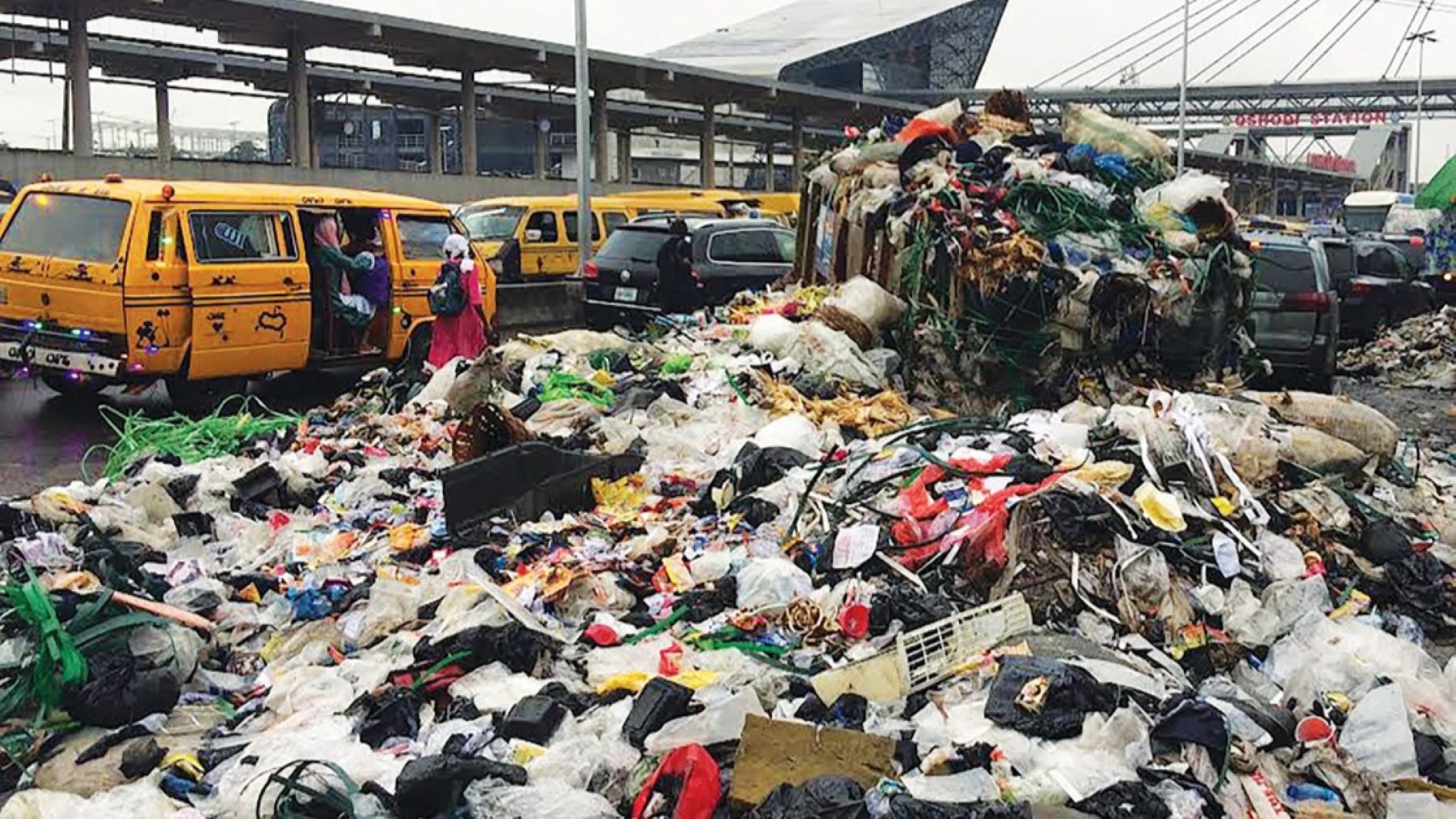
I recently read the report titled “Tackling Indiscriminate Dumping of Refuse in Lagos,”. The report highlighted Governor Babajide Sanwo-Olu’s directive to intensify refuse collection across the state and drew attention to the persistent heaps of waste lining major roads and public spaces despite government efforts.
While the report focused on the operational and environmental dimensions of the refuse crisis, one aspect stood out to me more than any other: the growing acceptance of unhealthy conditions by many residents and traders who have become accustomed to living and working around overflowing waste dumps.
That, in my view, is the deeper problem.
The report captured the experiences of individuals who have gradually adapted to circumstances that should never be considered normal. One trader explained that whenever the stench from nearby refuse heaps became unbearable, people simply covered their noses with handkerchiefs or pieces of cloth until they could no longer tolerate the inconvenience. Another admitted that the waste negatively affected the food sold to customers but lamented that economic realities left little choice. Such testimonies are both revealing and disturbing. No citizen should be forced to choose between earning a livelihood and safeguarding personal health.
The refuse challenge confronting Lagos is far more than an environmental concern; it is a public health issue with serious implications. Uncollected waste attracts flies, rodents, and mosquitoes that spread diseases such as cholera, typhoid fever, and malaria. During the rainy season, blocked drainage channels often result in flooding, while stagnant water creates breeding grounds for disease-carrying insects. In addition, the decomposition of waste releases pollutants that can exacerbate respiratory illnesses and degrade air quality. Over time, poor waste management also contaminates soil and groundwater, creating environmental hazards that may persist for generations.
What makes the situation particularly frustrating is that many residents who wish to dispose of waste responsibly are often constrained by weaknesses within the waste management system itself. According to the report, some waste collection operators spend several days—and in some cases up to a week—waiting to dispose of refuse because disposal facilities are overstretched or difficult to access. In certain communities, designated waste collection points have either been removed or become inadequate, leaving residents with limited options. Traders who contribute regularly to waste disposal services still find themselves surrounded by accumulating refuse.
These realities suggest that the challenge extends beyond individual behaviour. They point to the need for stronger infrastructure, more efficient service delivery, and improved environmental governance. The Lagos State Government deserves recognition for acknowledging the problem and directing intensified refuse evacuation efforts. However, lasting progress will require sustained investment in waste management infrastructure, additional compactors and evacuation vehicles, expanded disposal facilities, accessible collection points, and stronger monitoring mechanisms to ensure consistency in service delivery.
Environmental sanitation should not be treated as an occasional intervention triggered by public outcry. It should be regarded as an essential public service that directly affects public health, economic productivity, and the overall quality of urban life.
At the same time, government action alone cannot solve the problem.
Citizens also have an important role to play in protecting the environment. The indiscriminate dumping of refuse in gutters, waterways, roadsides, and open spaces continues to undermine efforts to maintain a cleaner city. Public infrastructure cannot function effectively when residents disregard basic environmental responsibilities. Keeping Lagos clean begins with individual actions—in homes, markets, offices, schools, and neighbourhoods. Every resident has a duty to dispose of waste properly and contribute to a culture of environmental responsibility.
For decades, Lagos has struggled with the perception that it is overwhelmed by waste and poor sanitation. Yet this image is not irreversible. A cleaner, healthier, and more sustainable city is achievable if government institutions, businesses, communities, and residents work together toward a common objective. What must be resisted is the dangerous tendency to normalise unhealthy conditions simply because they have persisted for a long time.
Covering one’s nose to endure the smell of refuse should never become a way of life. Living and working beside mountains of waste should never be accepted as normal. When citizens begin to adjust to environmental conditions that threaten their health and dignity, society risks losing the urgency needed to demand and sustain meaningful change.
A clean environment is not a luxury; it is a necessity. Every pile of uncollected refuse poses a potential health hazard, while every effort to manage waste responsibly contributes to a safer, more livable community. If Lagos is to become the cleaner and more resilient city its residents deserve, the solution must involve both stronger government action and greater public responsibility.
Only through such a shared commitment can the state effectively address its waste management challenges and ensure that future generations inherit a healthier environment.
Abashi Rahab is a Strategic Communication student at Yakubu Gowon University and an intern at Image Merchants Promotion Limited (IMPR). She can be reached at abashirahab@gmail.com.
Troops Foil Mass Abduction, Rescue Nine Civilians in Zamfara
By Sabiu Abdullahi
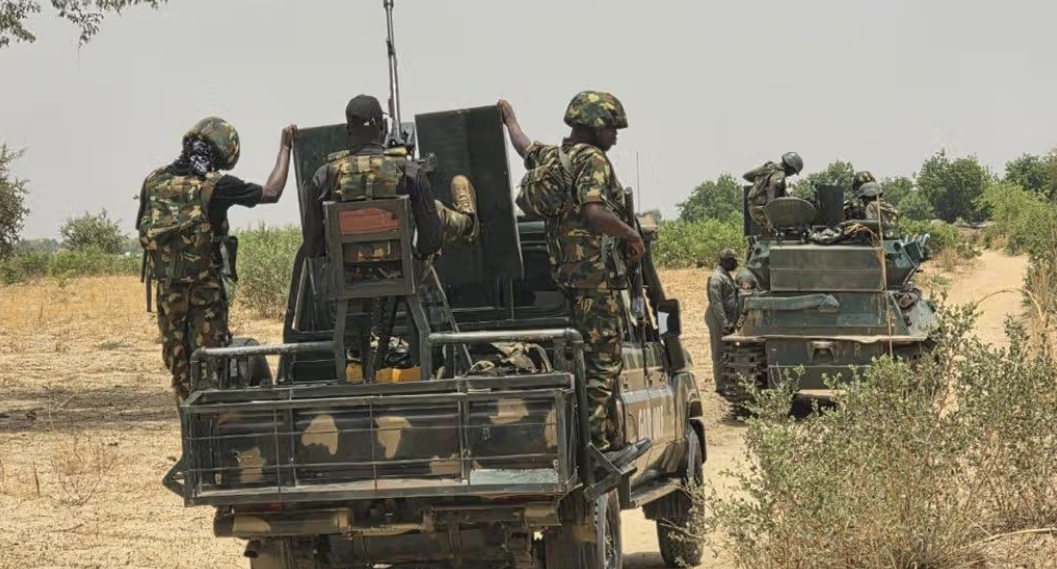
Troops of Operation Fansan Yamma have thwarted an attempted mass abduction in Unguwar Rogo village, Kaura Namoda Local Government Area of Zamfara State, rescuing nine civilians, including an infant.
The incident occurred on August 16 after security personnel received a distress call about an attack on civilians travelling along a local route in the community.
Aliyu Danja, media information officer of the Joint Task Force (North-West), Operation Fansan Yamma, said preliminary intelligence suggested that the terrorists were led by a suspected kingpin identified as Mallam Shuaibu.
According to the statement, the attack may have been carried out in retaliation for the arrest of suspected collaborators who were allegedly connected to the terrorist network.
“The suspects had earlier been intercepted by troops while attempting to procure motorcycles and Premium Motor Spirit (PMS) in support of the terrorists’ activities,” the statement reads.
The statement said the attackers later hid inside a millet farm along the route and opened fire on vehicles in an apparent attempt to abduct civilians. The gunfire reportedly caused some drivers to lose control of their vehicles and leave the road.
“In an apparent attempt to retaliate and abduct civilians, the terrorists concealed themselves within a millet farm along the route and opened fire on passing vehicles, causing some drivers to lose control and veer off the road.
“Responding swiftly to the distress call, troops of Sector 2 moved to the area and decisively engaged the terrorists, denying them the opportunity to carry out the abduction.
“Faced with the troops’ superior response, the terrorists abandoned their mission and fled into the surrounding forest.
“Following the engagement, troops rescued nine civilians, including an infant.”
The military further disclosed that two women sustained gunshot wounds during the attack. They were evacuated to a medical facility for treatment.
Operation Fansan Yamma, the army said, would continue its operations against terrorist and criminal groups across the North-West.
It also reaffirmed its commitment to protecting civilians and restoring peace and security in the region.
UK Commends Osun Election, Urges Nigeria to Apply Lessons in 2027
By Sabiu Abdullahi
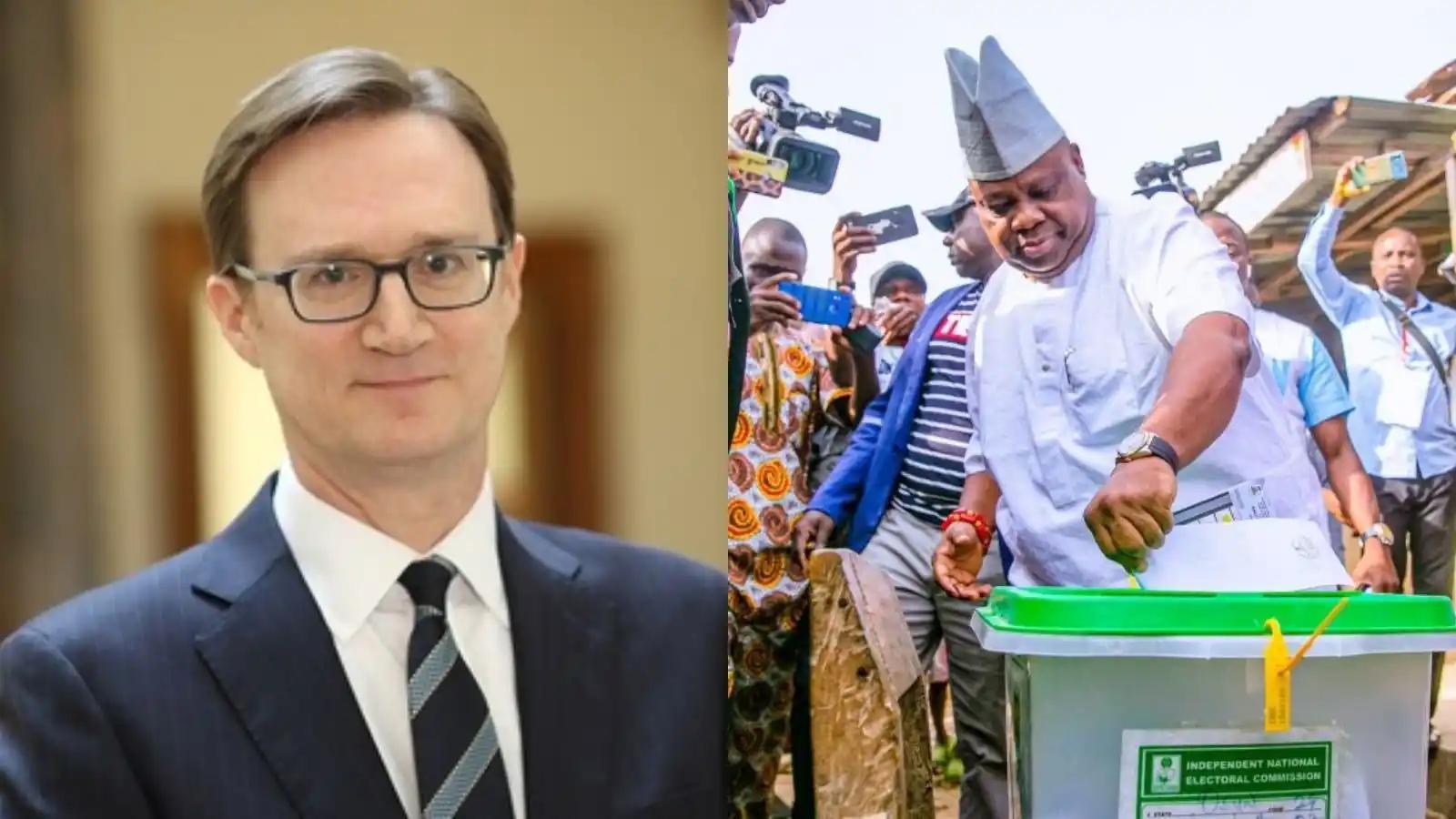
The United Kingdom has praised the conduct of the Osun State governorship election and congratulated Governor Ademola Adeleke on his re-election.
The British High Commission disclosed this in a statement issued on Monday after the poll, noting that it had engaged various stakeholders before election day and deployed accredited observers to monitor the exercise.
The commission said its observers recorded several positive developments that were also identified by credible independent observer groups that monitored the election across the state.
“Based on their observations, and consistent with the findings of credible independent observer groups with wider deployments across the state, we welcome several encouraging signs of a positive democratic process,” the statement reads.
“This includes the opening of polls as scheduled in many locations, the commitment of security personnel to maintaining order, and the effective implementation of electoral procedures by INEC officials.
“Most of all, we were encouraged by the patience, resilience and participation demonstrated by voters throughout the day.”
Despite the positive assessment, the British High Commission said it observed reports of isolated incidents that caused tension before and during the election.
It listed some of the concerns as voter interference, vote-buying involving different political parties, inadequate access for persons with disabilities and elderly voters, as well as congestion linked to the rapid deployment and limited availability of BVAS devices for accreditation.
The commission called on relevant Nigerian institutions to examine the challenges and use the findings to improve public confidence in the electoral system.
It also urged authorities to consider recommendations from civil society organisations, including the Nigeria Civil Society Situation Room, as part of efforts to promote transparency and accountability.
The UK mission cautioned that some of the advantages available during an off-cycle election may be difficult to reproduce during a nationwide election.
“As Nigeria looks ahead to the 2027 general elections, we note that off-cycle elections benefit from the availability of additional personnel and resources that may be more difficult to replicate at nationwide scale,” the statement reads.
“We nevertheless hope that the experience of the Osun election will help inform further improvements that strengthen the integrity, inclusiveness and credibility of future electoral processes.”
The British High Commission reaffirmed the UK’s readiness to work with Nigeria’s electoral bodies, civil society organisations and other stakeholders to promote peaceful, transparent, inclusive and credible elections.
It said such cooperation would also support efforts to strengthen the democratic institutions that underpin Nigeria’s electoral system.

EFCC Probes Man Over $73,000, £15,957, 827,800 Saudi Riyals Seized at Kano Airport
By Sabiu Abdullahi
The Economic and Financial Crimes Commission (EFCC) has commenced an investigation into Haruna Yusuf over the alleged possession of undeclared foreign currencies intercepted at the Mallam Aminu Kano International Airport.
The currencies, which include $73,000, £15,957 and 827,800 Saudi Riyals, were recovered by officers of the Nigeria Customs Service (NCS) during routine checks on passengers between August 8 and 12.
The EFCC disclosed this in a statement issued on Monday.
U. U. Adamu, acting customs area comptroller of the Kano/Jigawa Command, said officers first intercepted an unaccompanied Saudi Air luggage on August 8.
According to him, the bag contained 827,800 Saudi Riyals and $53,300, which were concealed inside footwear.
Adamu said another interception occurred four days later when customs officers examined a luggage belonging to Yusuf, who arrived in Kano aboard Ethiopian Airlines flight ET941.
He said a secondary examination with non-intrusive inspection technology uncovered $20,000 and £15,957 hidden inside sports shoes.
Adamu later transferred Yusuf and the recovered currencies to the EFCC on behalf of the NCS.
However, the EFCC statement did not establish whether Yusuf was the owner of the unaccompanied luggage that contained the Saudi Riyals.
Adamu said the seizures reflected the vigilance of customs officers in monitoring the movement of undeclared foreign currencies across Nigeria’s borders.
He added that the NCS would maintain cooperation with the EFCC and other relevant agencies in the fight against financial crimes.
Receiving the suspect and the recovered currencies on behalf of EFCC Chairman, Ola Olukoyede, Friday S. Ebelo, acting zonal director of the EFCC Kano Directorate, said failure to declare substantial amounts of foreign currency contravened the Money Laundering (Prevention and Prohibition) Act, 2022.
Ebelo advised travellers to observe the requirements for declaring foreign currencies at points of entry and exit.
He explained that declaring funds does not attract a penalty, while the source of undeclared money could raise legal concerns.
The EFCC official said the commission would conduct a comprehensive investigation and take further action in accordance with the law.
K-SAFE Calls for Data-Driven Action on 875,593 Out-of-School Children in Kano
By Uzair Adam
The Kano State Accountability Forum on Education (K-SAFE) has called for urgent and coordinated action to reduce the number of out-of-school children in the state, following the findings of the 2026 Kano State Out-of-School Children (OOSC) Household Survey.
The call was contained in a statement by Dr. Auwalu Halilu, Co-chair of the Civil Society Organisations (CSOs) component of K-SAFE, welcoming the completion and presentation of the survey conducted across the 44 Local Government Areas of Kano State.
According to the forum, the survey estimates that 13.34 per cent of children aged between five and 18 in Kano State are out of school, representing approximately 875,593 children.
K-SAFE described the survey as an important milestone in addressing one of the state’s most critical educational challenges, saying the availability of credible, disaggregated and geographically specific data would provide a stronger basis for planning, resource allocation, implementation, monitoring and accountability.
The forum, however, said the findings demanded urgent and sustained intervention, noting that the survey identified significant disparities in out-of-school rates across Local Government Areas and highlighted poverty and financial constraints, school-related factors, family and cultural circumstances, child-related factors, distance and other structural barriers as key factors responsible for children remaining outside the formal education system.
Halilu said the findings also provided an important basis for optimism, particularly the high level of parental support for education recorded by the survey.
“Particularly encouraging is the finding that 99.6 per cent of caregivers consider children’s education important or very important,” he said.
According to him, the finding showed that the out-of-school children crisis could not simply be attributed to a lack of interest in education among parents and caregivers.
He said the challenge was more strongly linked to issues of accessibility, affordability, quality, retention and the capacity of the education system to respond to vulnerable children and families.
K-SAFE therefore urged the Kano State Government and other education stakeholders to ensure that the survey does not remain a document on the shelves but becomes a roadmap for coordinated interventions aimed at drastically reducing and ultimately eliminating the number of out-of-school children in the state.
The forum called for the strengthening and enforcement of compulsory basic education, stressing that enforcement must be accompanied by practical measures to make education accessible, affordable, safe, inclusive and attractive to children and their families.
It also urged the government to prioritise Local Government Areas, wards and communities with the highest burden of out-of-school children rather than applying uniform interventions across the state.
According to K-SAFE, resources should be allocated based on the specific needs identified by the survey, particularly in areas recording disproportionately high OOSC rates.
The forum further called for the strengthening of the Kano State Universal Basic Education Board (SUBEB) to expand access to education, improve school infrastructure, provide adequate teachers and learning materials, strengthen school-level monitoring and enhance the quality of basic education.
It said particular attention should be given to school proximity, teacher availability, retention and the transition of children between different levels of education.
K-SAFE also advocated greater investment in non-formal and alternative education, arguing that formal schooling alone could not adequately respond to the diverse circumstances of all out-of-school children.
It called on the Kano State Agency for Mass Education (SAME) to receive increased institutional, financial, human and material support to expand flexible and community-based programmes, literacy centres, second-chance education and vocational learning opportunities.
The forum further called for stronger support for Qur’anic, Tsangaya and Islamiyya education, particularly through the integration of foundational literacy and numeracy, basic education, life skills and vocational competencies into appropriate learning environments.
K-SAFE said the measure was particularly important given the survey’s findings concerning children attending Tsangaya and Almajiri schools and the significant representation of boys among the out-of-school population.
The organisation also urged the Science and Technical Schools Board and other relevant technical and vocational education institutions to provide flexible skills-development pathways for older out-of-school children, adolescents and young people.
It said non-formal education should go beyond basic literacy and numeracy to include vocational skills, entrepreneurship, digital literacy, financial literacy and employability competencies capable of helping young people transition into productive livelihoods.
K-SAFE further stressed the need to address the economic and social conditions that contribute to children dropping out of school.
The forum said education interventions should be linked with social protection, poverty reduction, school feeding where feasible, community mobilisation, child protection, livelihood support and other measures designed to address the underlying conditions pushing children out of school.
It also called for the establishment of a comprehensive monitoring and accountability framework to track progress in reducing the state’s out-of-school population.
According to the forum, the 2026 survey should serve as a baseline for continuous monitoring through an integrated system involving the Ministry of Education, SUBEB, SAME, relevant Qur’anic and Tsangaya education authorities, technical education institutions, Local Government structures, traditional institutions, civil society organisations and development partners.
K-SAFE said Kano State now had an opportunity to move from evidence to policy, from policy to implementation and ultimately from implementation to measurable results.
“Every child identified by this survey represents more than a statistic. Each represents a future that can be transformed through appropriate education, skills, protection and opportunity,” Halilu said.
The forum congratulated the Kano State Government, the Ministry of Education and development partners on the completion and presentation of the survey, while urging all stakeholders to work together to translate its findings into concrete interventions.
It identified government agencies, development partners, civil society organisations, traditional and religious leaders, communities, parents and the private sector as critical actors in addressing the out-of-school children crisis.
Halilu said the availability of the data had provided the state with a clearer understanding of the scale and nature of the challenge, adding that the priority should now shift to implementation.
“The data are now available. The barriers are clearer. The priority must now be ACTION,” he said.
K-SAFE expressed optimism that with coordinated interventions and adequate resources, Kano State could substantially reduce the number of out-of-school children and progressively ensure that every child has access to quality basic education, alternative learning opportunities and relevant skills for productive citizenship and sustainable livelihoods.
Kano L-PRES Training Enters Practical Phase as Trainees Inseminate Live Cattle
By Uzair Adam
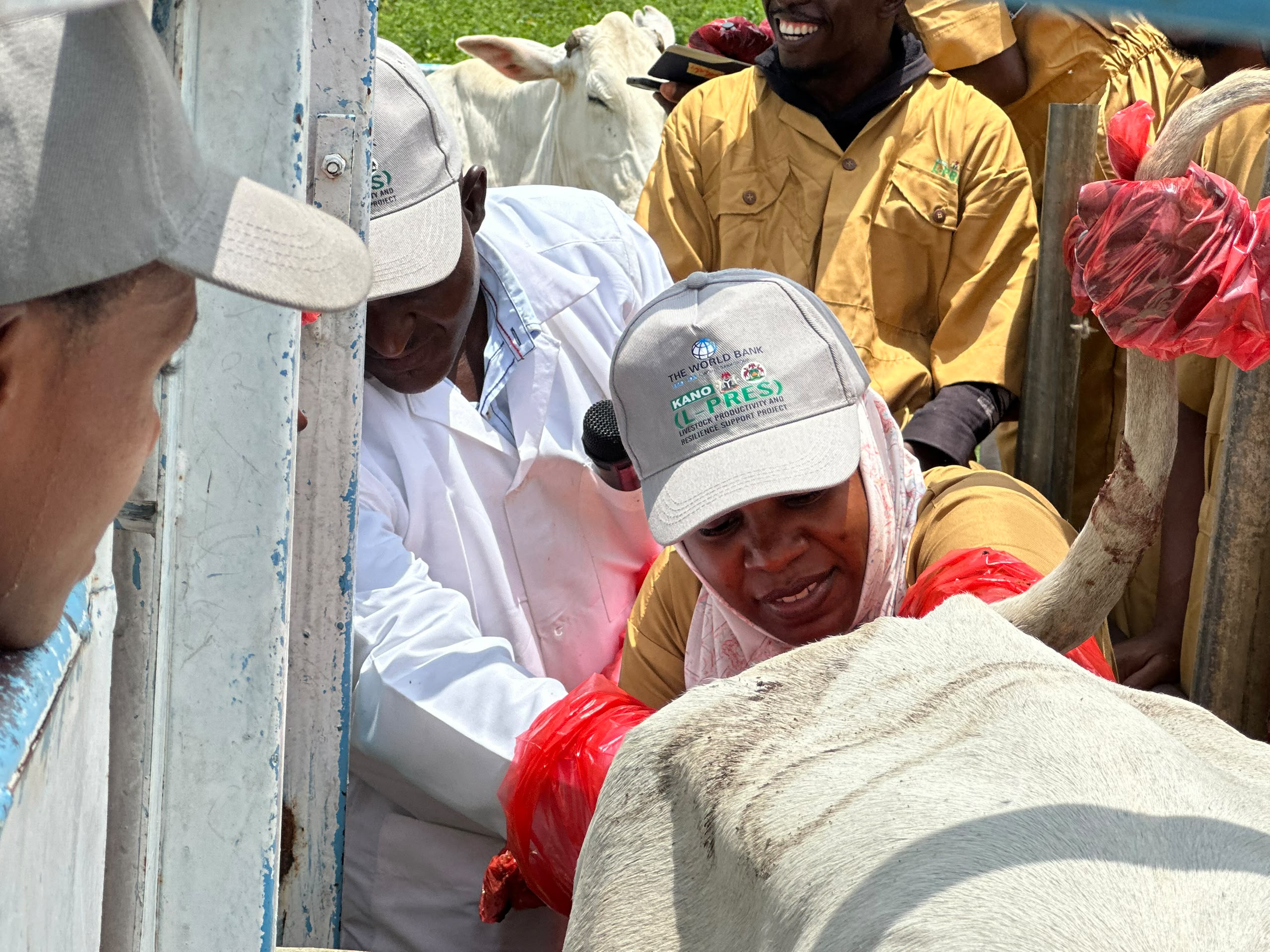
The Kano State Coordination Office of the Livestock Productivity and Resilience Support Project (L-PRES) has commenced the practical phase of a 10-day intensive training for 23 community artificial insemination (AI) technicians, with participants now applying their skills on live cattle.
The Daily Reality reports that the practical sessions, taking place at the Artificial Insemination Centre and Farmer Field School in Kadawa, are designed to equip the trainees with the skills required to provide artificial insemination services to livestock farmers across Kano State.
The training is part of L-PRES’s plan to conduct 5,000 artificial insemination exercises across the state’s 44 local government areas and wards.
The participants are being trained in semen collection, evaluation and preservation, heat detection, selection of suitable animals and the proper insemination of female cattle.
Speaking on the practical sessions, Abubakar Muhammad Kabiru, an Animal Husbandry Officer with the Kano L-PRES Project and supervisor of the training, said the trainees had progressed from classroom lessons to hands-on exercises involving live animals.
Kabiru said the training had reached its seventh day on Sunday, with the participants being assessed on their ability to apply the knowledge acquired during the earlier theoretical sessions.
“From yesterday, which was the sixth day of this training, the participants have been going through a series of trainings. That includes collection of semen, semen evaluation and examination for quality, and inseminating the female animal. Now they are into live animal practicals,” he said.
According to him, the trainees had earlier been taught how to examine the reproductive organs of cattle and correctly pass the artificial insemination gun through the vagina and cervix until it reaches the appropriate part of the uterus where the semen is deposited.
He said experts from the National Animal Production Research Institute (NAPRI), Ahmadu Bello University, Zaria, were leading the practical sessions using the facilities and laboratory at the Kadawa centre.
Kabiru explained that the participants had also been trained to assess semen quality using parameters such as colour, consistency, volume, sperm motility, live-to-dead sperm ratio, sperm morphology and pH.
He added that they had been exposed to techniques for preserving semen in both chilled and frozen forms.
“AI entails three major aspects: collection, evaluation or examination for quality, and artificial insemination of the female cows. They have been taken through these processes and today we are on the live animals,” Kabiru said.
The training supervisor expressed confidence in the participants’ performance, saying their results in the theoretical assessment and practical exercises indicated that they were capable of becoming effective AI technicians.
He disclosed that none of the participants scored below 21 out of 30 in the theoretical assessment, while some scored the maximum 30 marks.
Kabiru added that the resource persons had confirmed that all the trainees were able to successfully pass the AI gun through the reproductive tract during practical exercises, although only some had so far performed the procedure on live cattle.
He said the practical sessions would continue until the training ends on Wednesday.
Also speaking, Isa Muhammad, a trainer from NAPRI, described the participants as committed and enthusiastic, saying they had demonstrated an impressive ability to master the techniques taught during the programme.
Muhammad said the trainees’ ability to quickly learn how to pass the AI gun was evidence of their commitment to the training.
“These students are serious. They are even more than serious. During my service, I could not introduce the AI gun in two minutes, but these trainees can pass the AI gun in five, six, eight or ten seconds,” he said.
He explained that properly trained AI technicians could contribute significantly to improving the genetic quality of livestock and increasing productivity in Nigeria.
According to him, the training also exposes the participants to the use of semen from improved exotic breeds to crossbreed local cattle and enhance their productive capacity.
“This is one of the advantages of livestock production. We want to exchange the local breeds with exotic breeds. Here, we have exotic semen such as Jersey, Brahman and others,” Muhammad said.
He added that the trainees were being taught how to examine sperm cells under a microscope to determine their viability, movement and suitability for artificial insemination.
Muhammad commended L-PRES for providing the equipment and materials required for the training, saying the support would enable the participants to extend AI services to livestock-producing communities across Kano State.
He disclosed that the trainees would be provided with equipment including liquid nitrogen containers, semen straws and hormones used to induce heat in animals, among other materials needed to provide artificial insemination services.
The NAPRI trainer, however, urged the participants to safeguard the equipment and use them for the purpose for which they were provided.
“My message to them is that they should be careful and should not sell the materials and equipment. They should keep them and use them for the work,” he said.
Meanwhile, participants said the practical component of the training had improved their understanding and confidence in artificial insemination.
Faiza Umar Abdulkadir, an AI technician from Kumbotso Local Government Area, described the programme as a refresher course that had expanded her previous knowledge and skills.
She said the training had exposed her to improved techniques in heat detection, animal selection, semen handling and insemination.
“We can say this is like a refresher to us because before now we were AI technicians. But with this training, I got more knowledge about how to inseminate at the first stage and how to detect whether a cattle is in heat,” she said.
Abdulkadir said the practical sessions were particularly useful because participants were taken through semen collection and preservation before moving to heat detection and the actual insemination process.
She stressed that accurate heat detection was essential to successful artificial insemination, noting that a cow must first be confirmed to be in the appropriate reproductive stage before the procedure is carried out.
“For an AI technician, you have to be very conscious about how to select the animal. First, you have to detect whether her uterus is okay for AI because this is something we have to introduce to the farmers,” she said.
She added that the participants had also practised rectal palpation and learnt how to identify the cervix and correctly deposit semen.
Another participant, Anas Abubakar Abdullahi, said the training had equipped him with practical knowledge on selecting suitable animals and choosing appropriate breeds depending on whether the production objective was beef or dairy.
He said the trainees had also learnt how to select suitable bulls, collect semen, process it and preserve it for subsequent use.
“We have learned a lot in that aspect. We are very much grateful to the L-PRES project team for their support and effort in ensuring that we gain knowledge in this area of training,” Abdullahi said.
He said the project had informed the participants that they would receive equipment to enable them to provide AI services in communities across Kano State.
According to Abdullahi, the community-based approach would make artificial insemination services more accessible to livestock farmers and pastoralists while contributing to improved dairy and beef production.
He expressed appreciation to L-PRES for the training and support, saying the participants were prepared to apply the knowledge acquired to improve livestock production in their respective communities.
The ongoing training is expected to expand the pool of community-based artificial insemination technicians in Kano State and support the implementation of L-PRES’s broader livestock productivity programme, particularly its target of carrying out 5,000 artificial insemination exercises across the state.
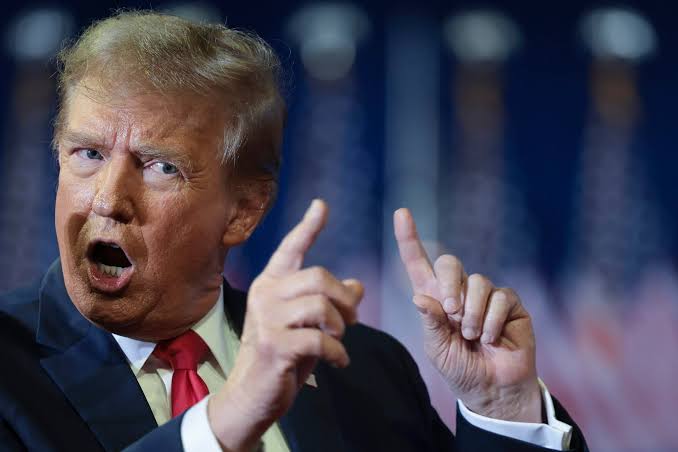
Trump Threatens Oman With Bombing Over Iran Talks, Demands Tehran Surrender
By Sabiu Abdullahi
United States President Donald Trump has threatened military action against Oman if the country obstructs Washington’s efforts to reach an agreement with Iran over the Strait of Hormuz.
Trump issued the warning on Monday during an interview with Fox News journalist Trey Yingst. He was referring to ongoing discussions between Oman and Iran over arrangements for navigation through the strategic waterway.
“If Oman gets in the way, we’ll bomb the shit out of them,” Trump told Yingst.
The threat came as Omani and Iranian officials continued discussions on the future of maritime movement through the Strait of Hormuz. Iran’s foreign ministry said on Monday that both countries were working towards a joint declaration.
Trump has maintained that the strategic waterway is under American control, despite the continued reduction in maritime traffic since Tehran effectively closed the strait at the beginning of the Middle East war on February 28.
The US President had also said on Friday that he could declare the Strait of Hormuz part of United States territory. Iran rejected the position and insisted that the strategic waterway it has blockaded “will remain Iranian.”
Before the outbreak of the US-Israeli war against Iran, the Strait of Hormuz was regarded as an international waterway. The route is vital to global trade because large quantities of energy products and other commodities pass through it.
Iran has used its control over the waterway as a bargaining tool amid US-led efforts to weaken its military capabilities and compel Tehran to abandon its disputed nuclear programme.
Iran occupies the northern coastline of the Strait of Hormuz, while Oman is located along its southern side.
Trump also called on Iran to surrender, according to Yingst’s account of the interview.
Iran should “put up the white flag of surrender,” Trump said.
The US President said he was not under pressure to conclude an agreement with Tehran, despite growing opposition to the war in the United States ahead of the November midterm elections.
The elections could see opposition Democrats seek control of Congress from Trump’s Republican Party.
Trump also disclosed that his administration maintains a direct back-channel with officials of Iran’s Islamic Revolutionary Guard Corps.
“They’re good poker players, but they’re dying,” he was quoted as saying.