



Kano probes death of two boarding students amid alleged assault
By Uzair Adam
The Kano State Government has launched a full investigation into the tragic deaths of two students at Government Boarding Secondary School, Bichi, following reports of a violent assault by their fellow students.
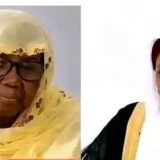
The deceased, Hamza Idris-Tofawa and Umar Yusuf-Dungurawa, were allegedly attacked with locally made metal objects, known as “Gwale-Gwale,” in what was described as a form of punishment by senior students.
Commissioner for Education, Ali Haruna Makoda, through the Ministry’s Permanent Secretary, Bashir Baffa, directed an immediate and transparent probe into the incident, assuring the public that justice would be served.
“This is a sad and tragic event. The government is committed to a thorough and fair investigation to uncover the truth and ensure justice for everyone involved,” he said.
Preliminary findings suggest the students may have been punished by their seniors for an alleged offence, which ultimately led to their deaths.
During a visit to the school, the commissioner’s representative urged students to refrain from taking the law into their own hands and to always report serious issues to school authorities.
“Always channel your complaints through the right authorities. Don’t take justice into your own hands,” he cautioned.
Makoda, on behalf of the state government, extended condolences to the families and prayed for the souls of the deceased, asking Allah to grant them Jannatul Firdaus.
Also commenting, the Director of the Senior Secondary School Management Board, Alhaji Abbas Abdullahi, condemned the incident and reminded students to act responsibly.
Meanwhile, relatives of the deceased called on the government to ensure accountability. Ibrahim Yusuf-Dungurawa, a family member, urged authorities to bring the perpetrators to justice.
Similarly, Malam Idris Garba-Tofawa, father of one of the victims, accepted the tragedy as the will of God but appealed for stronger safeguards to prevent a recurrence.
The state government has vowed to exhaust all efforts in uncovering the full circumstances behind the students’ deaths.
Atiku quits PDP over irreconcilable differences
By Ibrahim Yunusa
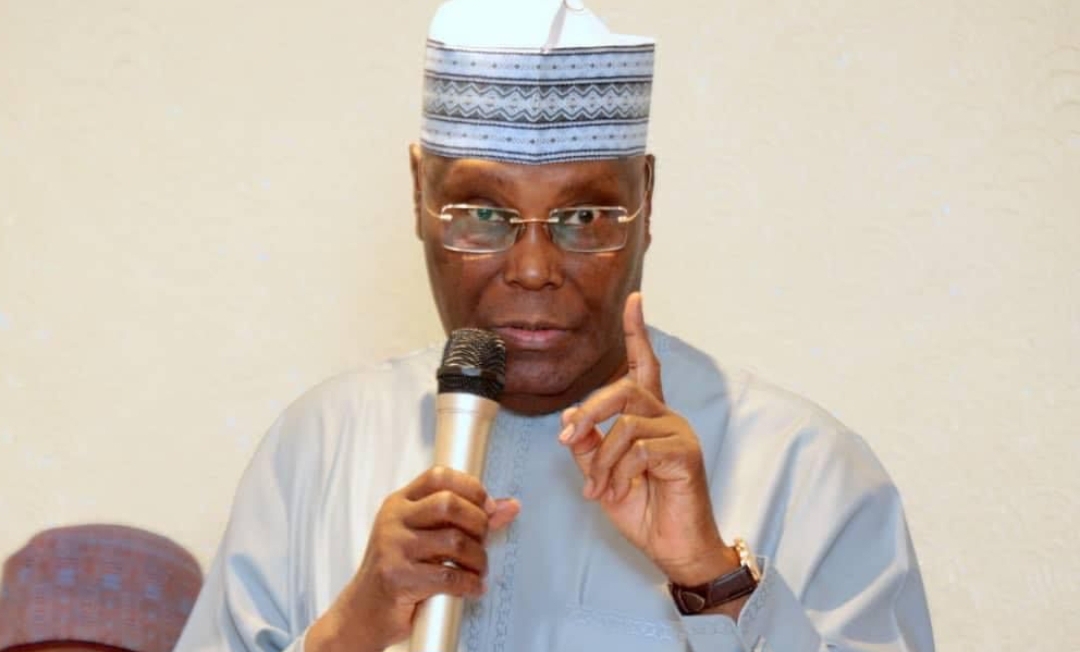
Former Vice President of Nigeria, Atiku Abubakar, has officially resigned from the People’s Democratic Party (PDP), marking a significant political shift ahead of the 2027 general elections.
The resignation was contained in a letter dated 14th July, 2025, and addressed to the PDP Chairman in his Jada Ward, Adamawa State.
Atiku, who served two terms as Vice President and contested the presidency under the PDP in both 2019 and 2023, is allegedly left the party due to internal crises and increasing allegations of anti-party activities as key reasons for his departure.
The PDP, once Nigeria’s leading opposition party, has struggled in recent times with internal divisions, weakening its political strength.
Atiku’s exit is viewed as a major blow to the party’s stability.
Recently the former Vice President confirmed has aligned with a new political coalition involving aggrieved members of APC and other parties, with a consensus to adopt the African Democratic Congress (ADC) as their new platform moving forward.

Letter to Kano State Governor on the ongoing selection of candidates for the 2025 postgraduate scholarship scheme
Your Excellency,
We, the undersigned concerned applicants of the Kano State Postgraduate Scholarship Scheme 2025, wish to bring to your attention an issue that has caused great concern and uncertainty among many eligible indigenes of our dear state.
Following the screening exercise conducted by the Kano State Scholarship Board in January 2025, we were informed that nearly 4,000 candidates were confirmed eligible for the scholarship. The process was widely appreciated for its inclusivity across all fields of study.
However, it has come to our attention that the selection process for awardees has taken a one-sided turn. The Ministry for Higher Education has reportedly begun contacting selected candidates via phone calls; however, all those contacted so far are exclusively from STEM fields (Science, Technology, Engineering, and Mathematics). Applicants from equally important fields, such as the Social Sciences, Management Sciences, Arts, and Humanities, have been completely left out.
Several applicants have verified with the callers that only STEM candidates are being considered. This development has caused confusion and concern among the rest of us who also performed excellently and are proud indigenes of Kano State. We believe this situation undermines the spirit of equity and fairness for which Your Excellency is known.
To seek clarification, we formed a committee and visited the Scholarship Board. We were directed to the Ministry for Higher Education, but unfortunately, our concerns were not addressed; we were only allowed to submit a letter to the ministry’s secretary.
Your Excellency, we respectfully appeal for your kind intervention in this matter. We believe that every qualified and hardworking indigene, regardless of their field of study, deserves a fair opportunity. If the current arrangement cannot accommodate all eligible applicants from abroad and domestic private universities, we request that consideration be given to sponsoring students to domestic public universities within Nigeria or providing automatic job placements within the state civil service. These would be a worthy recognition of our academic dedication and a meaningful investment in the future of Kano State.
We remain hopeful and confident that Your Excellency will act with your usual sense of justice, fairness, and compassion.
Yours respectfully,
Comrade Safiyanu Yunusa Musa Rijiyar Zaki, Chairman of the Concerned Applicants Committee
MJ Bashir, Vice Chairman
Buhari: The Last March of a General
By Usman Abdullahi Koli, ANIPR
Muhammadu Buhari, former President of Nigeria, is no more. For a moment, I felt very shocked and touched. Not because I expected him to live forever, but because I had never honestly imagined a Nigeria without him somewhere in the background watching, guiding, deciding, or simply being present. I asked myself why the end of some lives feels heavier than others. Perhaps it is because those lives were never ordinary. Buhari’s life was one of service, controversy, silence, and symbolism. Now that the chapter is closed, what remains is the long shadow of his presence, a legacy that will be remembered, questioned, and reflected upon for years to come.
Buhari was never a man you could ignore. You were either with him or against him. I, more often than not, stood in opposition. I challenged his approach to national security, criticised his handling of the education system, and voiced strong concerns about his oversight of Nigeria’s crude oil sector and economy. My criticisms were never born out of malice, but out of conviction. I believed, and still do, that our country deserves better. I thought it was our duty to demand it.
Yet, amid my disagreements, I never lost sight of the man behind the decisions. In 2020, during the #EndSARS movement, when the nation was boiling with fear and fury, I felt compelled to offer a different perspective. I wrote an article titled “Calming the Tide: Buhari’s Antidote.” In that piece, I tried to humanise him. I described him as a lanky man, often caught smiling with his teeth in full view, yet known for the signature frown that defined his public image. Something was striking about how he carried himself in his flowing babban-riga, standing tall and firm like the general he once was, even in the calm of civilian leadership.
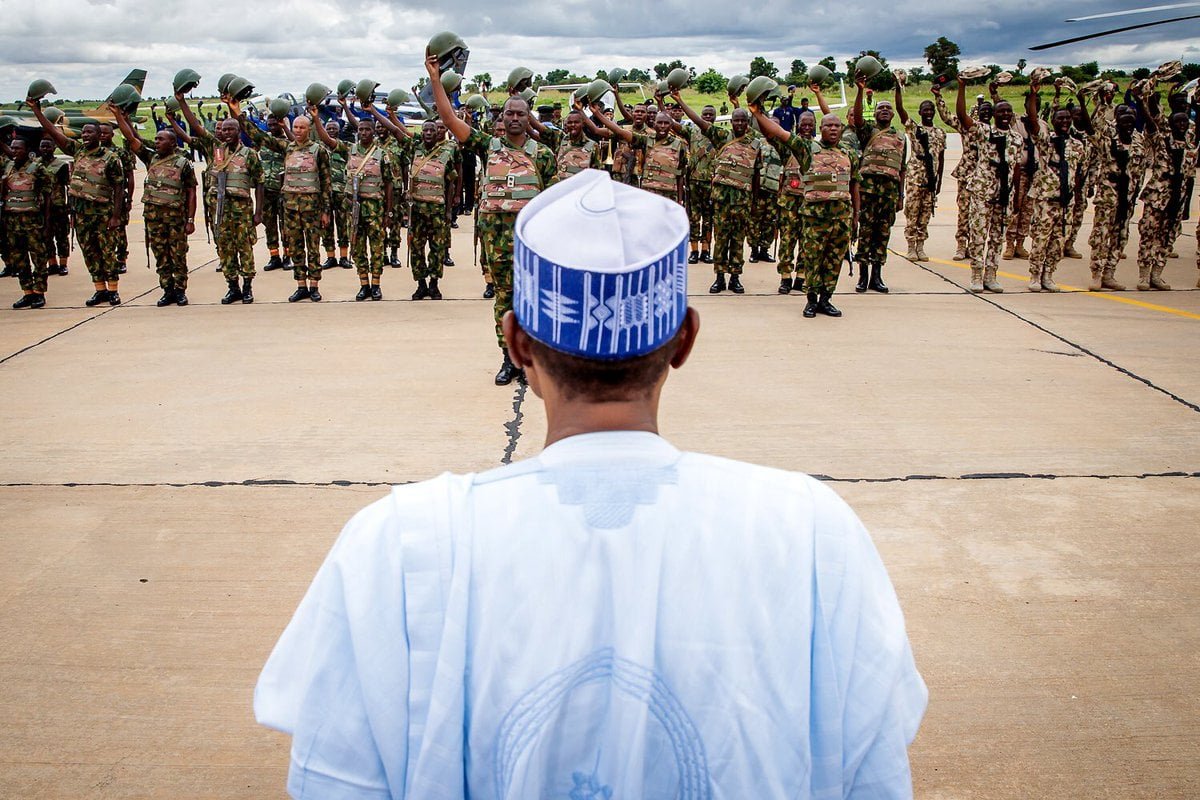
Buhari’s story began long before he entered Aso Rock. As a young man, he embraced the uncertainties of military life. He rose through the ranks with grit, ultimately becoming a general in the Nigerian Army. He ruled Nigeria first as a military leader and returned, decades later, as a civilian president. His reemergence was not merely a political move; it was deeply personal. He saw his return as a duty to complete a mission he once began in uniform. Whether he succeeded or fell short, Buhari believed in his cause, and that belief fueled his resolve.
He was undeniably a man of sharp edges. His stubborn adherence to principle often came at a cost. He preferred silence when the nation needed clarity and stood firm when compromise was necessary. His integrity, once lauded, became the subject of scrutiny. Some wounds were self-inflicted; others were inherited from the complexities of leadership. Regardless, they will shape how history remembers him.
Despite it all, Buhari remained anchored in a modest way of life. He never sought extravagance. He governed in the way he understood best—that is, through order, discipline, and restraint. These traits, while admired by some, alienated others. Yet, behind that stoic exterior was a man deeply invested in the idea of service, even if the methods failed to reflect the expectations of many.
The end of a life always casts a different light on it. Legacies are never truly complete until the final chapter has been closed. Buhari’s legacy will be debated in homes, classrooms, and political circles for years to come. But today is not for judgment. Today is for remembrance. For the man, not just the president. For the soldier who once stood on the frontline, and for the leader who walked through the dust of Daura into the marble halls of national power.
At over eighty, he still had something to give. Not in speeches or policy, but in presence, in counsel, in memory. Nigeria needs his wisdom, perhaps now more than ever.
I mourn him, not because I always agreed with him, but because I respected the weight of the burden he carried. He did not lead perfectly. But he led. And in many ways, he led with sincerity.
Now he is gone. But his footprints remain on the battlefield, in the ballot box, and in the hearts of those who watched, waited, and sometimes wept. His story is one of contradictions, courage, convictions, and consequences. But above all, it is a Nigerian story.
Rest in peace, General Muhammadu Buhari. The march is over. The bugle has sounded. And history, in all its fullness, will remember you.
Usman Abdullahi Koli wrote via mernoukoli@gmail.com.

OPINION: ‘Girmamawa’ is not a prefix
By Habib Sani Galadima
In 2021, I attended the wedding dinner of my friend Jamilu Ibrahim Lawan. I was seated close to the front, on a white plastic chair wrapped in gold fabric. Before me, the table was neatly set: a plate of Jollof rice, definitely not Nigerian, soft meat, and chilled drinks.
Then the emcee began his greeting: “Malam Alhaji Dr. Musa, Hajiya Barrister Halima, distinguished guests…” The crowd responded with approving nods. The roll call was not mere protocol. It was a performance of hierarchy, identity, and cultural choreography; compressed into names.
Last week, I was at another gathering with my brother. We both wore beads, but his was longer and more ornate. I casually called him by his marketplace nickname “Ustaz”. Minutes later, someone suggested he should lead the zuhr prayer. I cannot say the title alone earned him that role, but I am certain it tipped the scale. In Hausa society, a name does not just identify, it calibrates power. Every title is weighed by a specific cultural logic.
Whether it is ‘Malam’, ‘Alhaji’, ‘Ustaz’, ‘Engineer’, or ‘Sarki’, each one signals something; scholarship, pilgrimage, class, inheritance, or even self-promotion. To outsiders, they may sound interchangeable. To insiders, they map power, piety, education, and ambition.
Understanding Hausa titles is not about translating words. It is about interpreting what they signify, how they command trust, confer legitimacy, or inflate status.
Ask a Hausa child who taught them how to read Qur’an, and the answer is often the same: “Malam.” But today, that word travels far beyond the Tsangaya.
Originally from the Arabic ‘mu’allim’, meaning teacher, ‘Malam’ once marked someone rooted in Islamic knowledge, versed in tafsir, guardians of moral clarity, respected in both mosque and marketplace. A ‘Malam’ was more than a scholar. He was a compass.
Now the title is elastic. It applies to schoolteachers, lecturers, civil servants, even radio presenters with confident diction. In classrooms, it confers authority. In markets, it softens tone. Sometimes it is just what you call a man whose name you do not know. And on social media, Malam can shift from respect to ridicule, used to mock someone who parades borrowed wisdom.
This stretch reflects Hausa society’s deep reverence for learning, but also its evolving standards for what counts as knowledge. Malam no longer guarantees scholarship. It signals the appearance of learning, genuine or not.
Still, the word carries weight. It opens doors, commands silence, curates tone. Whether whispered by students or shouted from campaign stages, Malam remains a title that balances between reverence and performance. Between earned wisdom and social display.
Once upon a time, calling someone ‘Alhaji’ or ‘Malam’ was enough. Today, it is Alhaji Engr. (Dr.) Chief Sani, and the wedding card has not even listed his full name yet.
Across Northern Nigeria, title stacking has become a performance of prestige. What began as distinct acknowledgments of religious devotion (Alhaji), scholarly authority (Malam), or traditional office (Waziri, Sarki or Galadima) now mingle with Western academic and professional badges like Pharm., Barr., or Engr. One name carries five honorifics.
How did we go from single titles to full-length prefixes? The answer lies in both competition and code-switching. In a society where jobs are scarce and respect is fiercely guarded, titles become symbolic currency. They signal arrival. They fend off dismissal. A stacked name becomes shorthand for success, even when its credentials are uneven.
But it is more than vanity. Hausa speakers navigate overlapping systems of esteem; Islamic virtue, traditional nobility, colonial bureaucracy, and global credentialism. The title stack tries to contain them all: faith, lineage, modernity, merit, compressed into one string of prefixes.
The cost is semantic overload. At some point, ‘Dr. Alhaji Barr.’ says less about your knowledge than about your insecurity. It clutters public introductions and invites satire, as comedians mimic “Comrade Chief (Dr.) Honourable Mallam Digital Strategist…” to lampoon inflated self-worth.
Still, the inflation persists. Because in a culture where ‘girmamawa’ is armor, each new prefix feels like one more layer of protection.
In Hausa culture, titles matter. But girmamawa (respect) runs deeper.
An old man in a village, never called Alhaji or Malam, may command more silence in a gathering than someone with ten honorifics. Why? Because Hausa society has always known the difference between a name and a reputation.
Titles like Dr., Hajiya, Malam, or Waziri can open doors. They invite polite speech, they soften refusals, they protect ego. But respect is built slowly: through action, humility, and how one treats others when no one is watching.
People admire the man who settles disputes without shouting. The woman who feeds orphans without posting about it. The trader whose word is stronger than a receipt. These are the quiet architects of girmamawa.
The tension is real. A person can be called ‘Alhaji Barrister’ and still be mocked behind their back if they abuse power. On the other hand, someone with no title might be described as ‘mutumin kirki’ (a person of upright character) and be trusted with community secrets or village leadership.
Hausa proverbs capture this wisdom. One says, “A bin da ya fi ado, shi ne hali”, meaning, (character is greater than decoration).
The lesson is simple: titles may impress, but they cannot replace trust.

Buhari’s burial draws national figures to Daura
By Uzair Adam
Thousands of mourners, including former Vice President Atiku Abubakar and prominent traditional rulers such as the Emirs of Zazzau, Kazaure, Dutse, and Kano, have converged on Daura, Katsina State, for the funeral of former President Muhammadu Buhari.
The Daily Reality reports that Buhari’s remains, which arrived in Katsina on Tuesday from London where he passed away on Sunday, were received by President Bola Tinubu.
A motorcade then conveyed the body to Daura, the late president’s hometown, where he will be buried after funeral prayers.
Other dignitaries present at the residence of the deceased include Bauchi State Governor Bala Mohammed, and former governors Nasir El-Rufai (Kaduna), Aminu Tambuwal (Sokoto), Yahaya Bello (Kogi), Alimodu Sheriff (Borno), Kayode Fayemi (Ekiti), Aminu Masari (Katsina), and Adamu Aliero (Kebbi).
Also in attendance were former Minister of Aviation Hadi Sirika, former Inspector General of Police Mohammed Adamu, and Ambassador Babagana Kingibe.
It was also gathered that a large crowd of well-wishers filled the streets and gathering venues in Daura to pay their last respects to the former president.

A nostalgic tribute to Muhammadu Buhari
By Amir Abdulazeez
During the early and mid-months of 2002, I would often visit an uncle (now deceased) who generously provided me with newspapers before he had even read them himself. On one such visit, I picked up a copy of the Daily Trust, a relatively new publication at the time, and while flipping through its pages, I read the delightful news that not only made me happy but also propelled me into a brief career in partisan politics. Retired General Muhammadu Buhari had decided to join democratic politics and announced his entry into the All Nigerian Peoples Party (ANPP).
At the time, the Obasanjo-led administration was widely perceived as underperforming, failing to address Nigeria’s mounting challenges sincerely. The PDP had morphed into a formidable political giant, while the ANPP was weakening steadily; other newly registered parties existed only in the briefcases of their founders. Buhari’s decision to enter politics at that time represented the single most decisive move that changed the Nigerian democratic landscape over the last 25 years. Youths, pensioners, activists, comrades, veterans and even fence-sitters found a new rallying point, and almost everyone else joined the new messiah.
Although many harboured reservations about Buhari, especially those whose interests had been hurt during his military regime or the post-1999 established elite who saw him as a threat, I was among the countless young Nigerians who adored Buhari to a fault. My admiration for him was so intense that another uncle once felt compelled to caution me. It was just before the 2003 presidential election when he walked into my room, saw a large framed portrait of Buhari on my wall, smiled, and advised me to moderate my obsession.
My love for Buhari began about 30 years ago. The establishment of the Petroleum Trust Fund (PTF) by General Sani Abacha’s administration in 1994 coincided with our early years in secondary school. By the time the Fund was a year old in 1995, the name of Muhammadu Buhari was on the lips of virtually all Nigerians. In my estimation, then, he was the only tangible positive aspect of the Abacha government. In fact, he appeared to be more popular than Abacha himself; a hypothesis that reportedly inspired Obasanjo to scrap the Fund in 1999 to avoid ‘running a government inside a government’.
I vividly recall a day in 1995 or 1996 when I accompanied my father to a bookshop. The PTF low-price edition of every book we went to buy was available at a 50% or so discount without any compromise in quality. While paying the money, I could see the smile on my father’s face reflecting deep satisfaction and appreciation for the work of the PTF. That was the first time in my life that I truly felt and understood the direct impact of government on the people. In pharmacies, PTF drugs were sold at subsidised rates. There was no propaganda, rhetoric, cosmetics, or media packaging; the work of Buhari’s PTF was there for everyone to see and touch. I was fortunate as a young lad to join elders on travels across the country from 1995 to 1997. I got tired of seeing the PTF road projects that I once asked: “Why won’t this Buhari return as president to fix Nigeria?”
Muhammadu Buhari, a constant figure in Nigerian political discourse since 1983, is no longer with us. Few anticipated his death, as the brief illness he suffered in London seemed either a rumour or a routine medical trip. Ironically, many of his detractors had “killed” him multiple times in the past; some of them dying before he did. In 2014, former Ekiti State Governor Ayo Fayose ran a notorious advertisement predicting that Buhari wouldn’t last in office for months if elected. Yet he won, served for eight years, and died just months short of turning 83.
Buhari lived a long, dedicated, and enduring life of service and commitment to Nigeria, spanning about six decades in both military and civilian capacities. Save perhaps for Obasanjo, there’s no Nigerian, dead or alive, who matches his array of public portfolios. His personal reputation for discipline, honesty, integrity, and austerity endured throughout his public life. He stood as a symbol of principled and stoic leadership, leaving behind a legacy that will continue to resonate for generations.
Just before his death, the debate of who made him president in 2015 resurfaced with an exchange of tantrums between some pro-Tinubu and pro-Buhari gladiators. While I found the debate outdated, my position remains that Buhari ought to have become president 12 years earlier. For the avoidance of doubt, Muhammadu Buhari did not lose the 2003 presidential elections; it was brutally rigged to return Obasanjo for a second term. That year’s election ranks among the most fraudulent in modern global history. In 2007, the presidential election results were allegedly fabricated, so we can’t even call that an election, let alone determine who won or lost.
Despite my immense love for Buhari, I was left with no choice but to join his critics after 2015. Less than a year in, it became clear that his government lacked the vision and effectiveness many had hoped for. In 2015, I queued until about 10:00 p.m. to vote for him, believing he was Nigeria’s last chance. By 2018, I was disappointed and called for him to serve just one term. I argued then that if he couldn’t lead like Nelson Mandela, he could at least exit like Mandela. By 2021, while in his second term, I was so disillusioned that I openly advocated for his impeachment.
It remains a mystery how our much beloved, tested, and trusted (his campaign slogan in 2003) Buhari failed to meet expectations so short. Some blamed his arrogant and underperforming appointees; others cited a fractured and directionless party. But ultimately, he bore the responsibility. His inability or unwillingness to discipline ineffective ministers eroded his credibility. In 2022, during the eight-month strike by university lecturers, I contacted one of his aides (a relative), who confirmed that it was Buhari’s ministers, not Buhari himself, who opposed paying the lecturers. Another indicator that he wasn’t really in charge.
In the midst of the storm, Buhari’s administration achieved several landmark milestones in infrastructure, social welfare, and the fight against terrorism. He delivered the elusive Second Niger Bridge, the Lagos-Ibadan and Abuja-Kaduna railways and upgraded numerous critical road networks. His government implemented the Treasury Single Account (TSA), which significantly improved public financial transparency and curbed leakages. Buhari’s war against Boko Haram yielded mixed results but succeeded in reclaiming substantial territory from insurgents. He introduced arguably the largest Social Investment Program in the history of Africa, targeting millions of beneficiaries through initiatives such as N-Power, Trader Moni, Survival Fund, Anchor Borrowers Scheme, and conditional cash transfers.
Nigerians are free to hold divergent views on Buhari. But there should be decency in how we express those views. No one is without flaws; we all have our good and bad sides. One day, we too shall pass, and others will speak of us. Buhari had both triumphs and failings; some reaped benefits, others suffered losses. If you can pray for him, please do. If not, be measured in your words.
The past few days have witnessed a flurry of deaths, a sobering reminder that life is fleeting and death is inevitable. Today’s giants will one day lie lifeless. When Garba Shehu broke the news of Buhari’s death, I immediately made up my mind to put up a tribute. A few minutes after the announcement, I visited his Wikipedia page to verify some information about the general. To my surprise, the information about his death had already been updated: “Muhammadu Buhari (1942-2025)”—so swiftly? I said to myself. Baba is gone. May Allah forgive and grant him Jannatul-Firdaus.
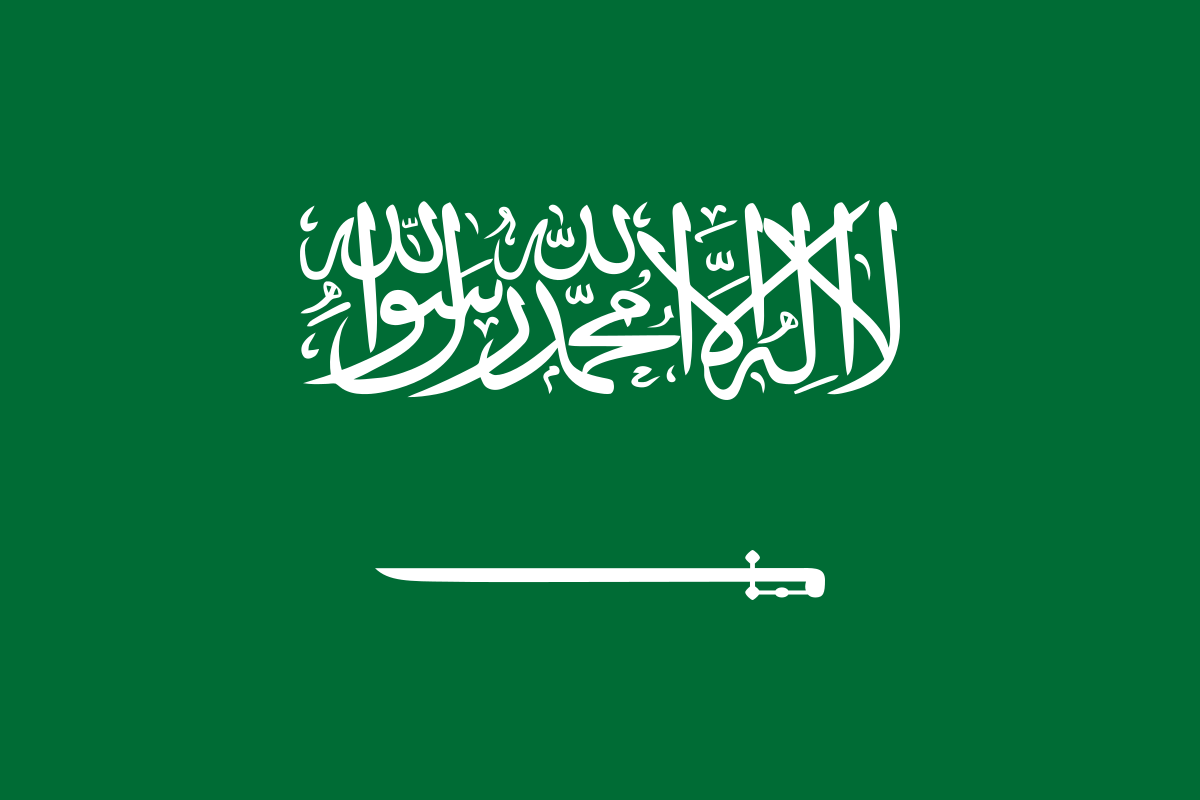
Saudi king, crown prince extend condolences to Nigeria over Buhari’s passing
By Anas Abbas
Saudi Arabia’s leadership has extended heartfelt condolences to Nigeria in the wake of the death of former President Muhammadu Buhari.
Custodian of the Two Holy Mosques, King Salman bin Abdulaziz Al Saud, along with Crown Prince and Prime Minister Mohammed bin Salman bin Abdulaziz Al Saud, both conveyed their sympathies through formal messages to Nigerian President Bola Ahmed Tinubu.
Their messages reflect deep sorrow over the loss of the former leader.
In a statement released on Monday, King Salman expressed his “deepest condolences and sincere sympathy” to President Tinubu, the Nigerian populace, and Buhari’s family.
Crown Prince Mohammed bin Salman echoed these sentiments in a separate message, emphasizing the enduring respect and historical connections between Saudi Arabia and Nigeria.
He stated, “I extend to Your Excellency, the people of the Federal Republic of Nigeria, and the family of the deceased my deepest condolences and sincere sympathy.”
The Crown Prince commended Buhari for his decades of public service, particularly noting his role in enhancing Nigeria’s political stability and national security.
Muhammadu Buhari, who served as Nigeria’s president from 2015 to 2023 and previously led as a military ruler in the 1980s, passed away on Sunday at the age of 82 following a brief illness.
Known for his staunch anti-corruption measures and efforts to combat insurgency in northeastern Nigeria, Buhari leaves behind a legacy characterized by strong governance and national pride.
President Bola Tinubu, who succeeded Buhari, referred to him as a “patriot and statesman who prioritized national interest above all else.” In honor of the former president, the Nigerian government has declared a period of national mourning.
A state funeral is set to take place on Tuesday in Buhari’s hometown of Daura, Katsina State, with dignitaries and representatives from around the globe anticipated to attend.

Leaders, dignitaries gather on Buhari’s burial in Daura
By Anas Abbas
Leaders, dignitaries, and heads of state are gathering in Daura, Katsina State, to pay their final respects to Nigeria’s former President Muhammadu Buhari.
Muhammadu Buhari who passed away at the age of 82 in a London hospital on Sunday.A significant number of high-profile guests have arrived in Buhari’s hometown for the solemn Jana’iza ceremony.
Among those in attendance is Nigeria’s First Lady, Senator Oluremi Tinubu, accompanied by prominent female dignitaries such as Mrs. Fatimah Abbas, wife of the Speaker of the House of Representatives; Hajia Laila Barau, wife of the Deputy Senate President; Barrister Zarah Ribadu, wife of the National Security Adviser; and Mrs. Abu Ibrahim.
Governors from various states are also present, including Dauda Lawal from Zamfara State and Babajide Sanwo-Olu from Lagos State, who was seen arriving with billionaire industrialist Aliko Dangote.
The Prime Minister of Niger, Ali Lamine Zeine, was welcomed in Katsina by Governor Dikko Umaru Radda and is among a growing number of West African leaders coming to honor the late Nigerian leader.
Yemi Osinbajo, who served as Buhari’s Vice President throughout his two terms, has also made his way to Katsina for the funeral.
Additionally, former Vice President Atiku Abubakar returned from an international business trip to pay tribute to Buhari, as confirmed by publisher Dele Momodu.
In light of the gathering, security measures have been heightened across Katsina as traditional leaders, senior government officials, and foreign delegations arrive from across Africa to participate in the funeral proceedings, which will adhere to Islamic rites.

Chasing wealth the proper way: A message to the youth
By Muhammad Umar Shehu
There is this thing that has been baffling me for so long. How on earth can someone knowingly take what does not belong to them and claim to be the rightful owner? Be it a car, a motorcycle, money, or anything valuable, how can a person live with that and still have peace of mind? Just wondering. The rising number of fraudsters, armed robbers, and criminals is sending a red alarm through our society. We need to think about this.
Where is our sense? How can you feel human after intentionally making someone else suffer by stealing or using power to take what is not yours? Even if you escape in this fleeting world, do you ever think about the hereafter? Honestly, I do not think anyone with a conscience can still feel truly human after that.
In today’s fast-paced society, the pursuit of wealth has become more intense than ever. Young people are under growing pressure to succeed quickly and visibly. Social media has made it worse, constantly showing luxury lifestyles, expensive cars, designer clothes, and dream vacations. Everywhere you look, someone is showing off something new, and this has created a culture where being rich is seen as the only proof of success. With this kind of pressure, it is not surprising that many are tempted to look for shortcuts to riches.
Some youth turn to legal avenues such as starting businesses, learning digital skills, or investing in trades. These are commendable paths that require time, discipline, and consistency. However, others begin to lean toward illegal or dishonest means. Internet fraud, online scams, money rituals, and other shady activities have unfortunately become attractive options for those who want to make it overnight. These choices are dangerous and often come with serious consequences that people do not thoroughly think through until it is too late.
The reality is that there is always a price to pay for fast money, especially when it comes through illegal means. Aside from the risk of arrest, prosecution, and jail time, there is also the emotional burden and shame that follow. Getting caught in criminal activity can destroy your future. It closes doors to real opportunities, stains your reputation, and breaks the trust your family and community have in you. Even if the law does not catch you, people talk. Your name becomes a warning, not an example.
Beyond legal consequences, there is also a personal cost. Living in constant fear of getting caught or exposed takes a toll on your mental health. Many people who appear to be living large are battling anxiety and guilt behind closed doors. They cannot sleep peacefully, they do not feel safe, and deep down, they know that what they are enjoying is temporary. What is the point of having money if you have to keep looking over your shoulder?
It is also important to understand that real wealth takes time to build. There is nothing wrong with starting small. Many successful people started with little, but they stayed consistent. Whether you are learning a skill, starting a side hustle, or working your way through school or a job, what matters is growth. Progress may be slow, but it is real, and over time, it adds up. That kind of wealth gives you confidence and freedom because it was earned the right way.
Young people need to hear this often. There is no shame in taking your time. Not everyone will blow in their twenties, and that is okay. Social media has created false timelines that make people feel like failures if they have not made it early. But life is not a race. Focus on building yourself. Learn, grow, stay curious, and surround yourself with people who push you to do better the right way. Your future should not be built on lies or shortcuts. Let it be built on purpose and with effort.
In the end, it is not just about making money. It is about who you become in the process. Money comes and goes, but your values, your peace of mind, and your name should remain intact. Do not trade your future for temporary pleasure. Stay focused, stay clean, and remember that true success is not just about how much you have but how you earned it.
Muhammad Umar Shehu wrote from Gombe and can be reached via umarmuhammadshehu2@gmail.com