
Police in Sokoto arrest suspected bandits’ Informants, financiers
By Sabiu Abdullahi
The Sokoto State Police Command has arrested suspected informants and financiers linked to bandit activities during a security operation in parts of the state, with several rustled cattle recovered.
Details of the arrests were made public in a post shared on X on Tuesday by security analyst Zagazola Makama. According to the post, the operation took place in the early hours of Monday at about 1:00 a.m. in Sarma Village, Tangaza Local Government Area.
Makama said operatives of the Sokoto State Police Command, in collaboration with members of the community guard, carried out the intelligence-led raid, which led to the arrest of two suspects identified as Nura Dan Haruna, 20, and Buhari Salah, 18.
The suspects were found with seven cows suspected to have been stolen, as well as a motorcycle without a registration number.
Makama reported that preliminary findings showed the suspects were acting on instructions from two other individuals who remain at large.
“The suspects confessed they were sent by two individuals, Abdullahi Gulum and Dan Iko, who are currently on the run, to deliver the cows to Hamza Ibrahim, 56, of the Kara area in Illela,” Makama wrote.
He added that police later arrested Hamza Ibrahim in connection with the case.
“Hamza was later arrested by the police,” Makama wrote.
Further inquiries by the police also uncovered that Hamza Ibrahim admitted to selling two of the cows last month to Abubakar Muhammad, 31, from Gwadabawa Local Government Area. Police confirmed that Abubakar Muhammad has also been arrested.
Authorities said investigations into the case are continuing, while efforts have been stepped up to track down and arrest the remaining suspects linked to the alleged bandit network.
Wedding clash in Gombe leaves one dead, police launch manhunt for suspects
By Sabiu Abdullahi
One person has been confirmed dead while several others sustained injuries after a violent clash disrupted a wedding event in Tulmi, Akko Local Government Area of Gombe State.
Details of the incident emerged in a post shared on X on Tuesday by security analyst Zangozola Makama. According to the post, the violence broke out on Sunday at about 10:30 p.m. during a send-off ceremony organised in honour of a wedding by Godiya Mai Rai.
Makama stated that the fight involved a group of men from Garin Ardo Usman village and two other individuals at the venue.
“A group of men from Garin Ardo Usman village, including Wada Hussaini, Ganji Alhaji Idi, Yaya Hussaini, Mohammed Maikudi, Bello Alhaji Idi, and one Tijjani, reportedly clashed with Abubakar Usman, 35, and Bello Adamu, 19,” Makama wrote.
The confrontation resulted in the death of Abubakar Usman, while Bello Adamu and Wada Hussaini sustained varying degrees of injuries.
Sources said the injured victims were taken to Cottage Hospital Tulmi for medical attention. The body of the deceased was also deposited at the hospital’s mortuary.
Police authorities confirmed that the suspects escaped from the scene after the incident. They added that efforts are underway to track down and arrest those involved.
An investigation has also commenced to determine the circumstances that led to the deadly clash.
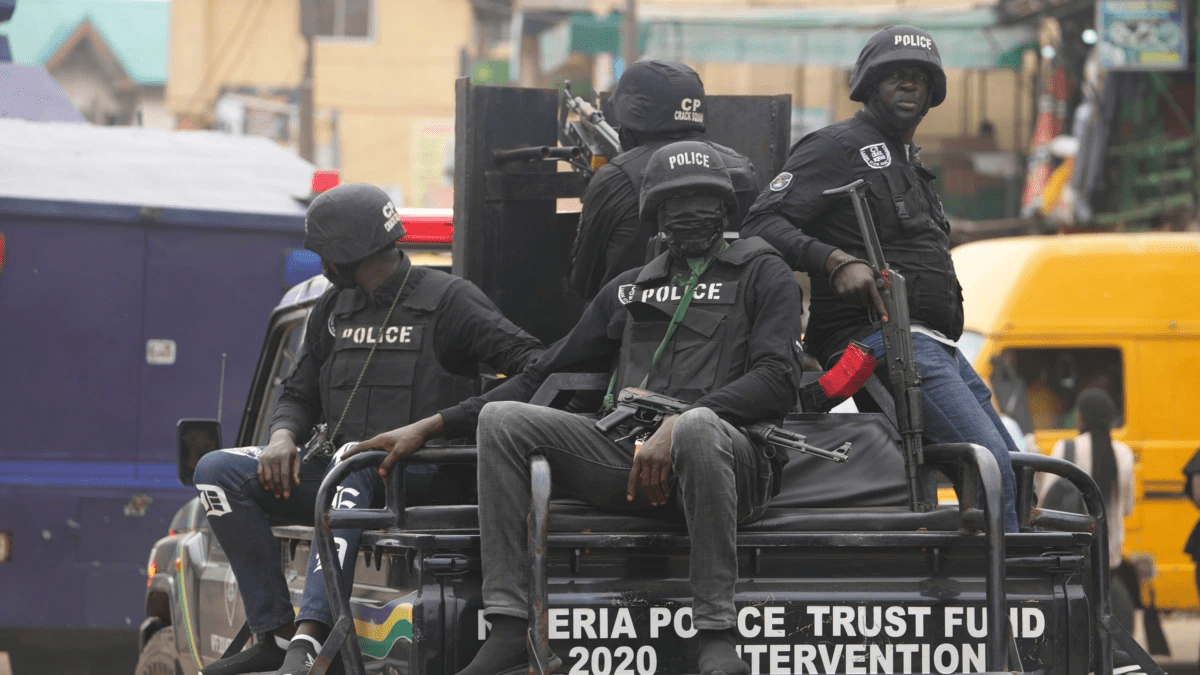
Kano police arrest notorious thug Auwalu Dan Baba
By Sabiu Abdullahi
The Kano State Police Command has arrested a suspected notorious thug, Auwalu Ali, popularly known as Auwalu Dan Baba, during a security operation in Kano metropolis.
The arrest followed what the police described as an intelligence-led operation carried out in the Dorayi area of the city. Officers from the Dorayi Police Division apprehended the 26-year-old suspect on January 31, 2026.
In a statement issued by the Police Public Relations Officer, CSP Abdullahi Haruna Kiyawa, the command said Auwalu was a known figure in criminal activities across parts of the state. The police described him as someone who “has a history of coordinating and organising thuggery groups to attack and rob innocent citizens.”
The command also disclosed a separate incident that occurred in Sharada Quarters, where officers responded to a distress call involving a suspected armed robber. According to the police, the suspect was beaten to death by an angry mob after an attack that left a woman critically injured.
“The victim was rushed to Murtala Mohammed Specialist Hospital, Kano, where a police officer selflessly donated blood, saving her life,” the statement said.
Reacting to the incident, the Commissioner of Police in Kano State, CP Ibrahim Adamu Bakori, praised the officers involved for their conduct. He commended their “sacrifice and professionalism,” with particular emphasis on the act of blood donation. The police chief also expressed appreciation to residents for their “continued support and cooperation.”
The command urged members of the public to remain vigilant and to promptly report suspicious movements or activities to the nearest police stations, as part of efforts to strengthen security across the state.
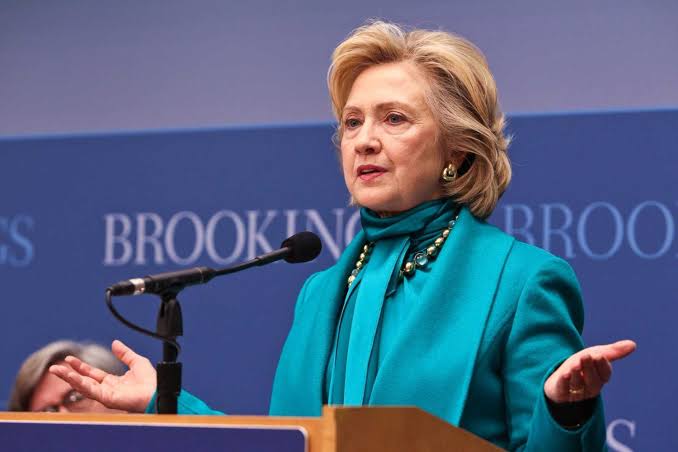
Clintons agree to testify as House moves toward contempt in Epstein probe
By Sabiu Abdullahi
Former U.S. President Bill Clinton and former Secretary of State Hillary Clinton have agreed to testify before the House Oversight Committee as part of its investigation into convicted sex offender Jeffrey Epstein, after lawmakers initiated steps to hold them in criminal contempt of Congress.
The development followed mounting pressure from the committee, which accused the Clintons of attempting to avoid accountability. In a post on X, the committee said the pair were “trying to dodge contempt by requesting special treatment,” while stressing that “The Clintons are not above the law.”
Confirmation of their appearance came from Angel Ureña, deputy chief of staff to Bill Clinton, who also posted on X.
“They negotiated in good faith. You did not,” Ureña wrote. “But the former president and former Secretary of State will be there and look forward to setting a precedent that applies to everyone.”
The House Oversight Committee is examining what the Clintons may have known about Epstein and his longtime associate, Ghislaine Maxwell. The inquiry also focuses on Hillary Clinton’s role in supervising U.S. efforts against international sex trafficking during her tenure as secretary of state.
According to a source familiar with the matter, the Clintons’ legal team sent an email to the committee confirming their willingness to testify under conditions outlined by Chairman James Comer of Kentucky.
“Please be advised, and please advise the Chairman, that my clients accept the terms of your letter and will appear for depositions on mutually agreeable dates,” the message stated. “As has been the Committee’s practice, please confirm the House will not move forward with contempt proceedings, as the Chairman stated in his letter this morning.”
Rep. Robert Garcia, the committee’s ranking Democrat, said the communication showed full compliance with the panel’s demands.
“I mean, they sent us and the Republicans affirmation that they’ve accepted every single term that James Comer has asked for, and that they’re willing to come in and testify,” Garcia said.
Chairman Comer, however, disagreed with that assessment. He told Fox News Digital that the response lacked clear details.
“The Clintons’ counsel has said they agree to terms, but those terms lack clarity yet again, and they have provided no dates for their depositions,” Comer said. “The only reason they have said they agree to terms is because the House has moved forward with contempt. I will clarify the terms they are agreeing to and then discuss next steps with my committee members.”
Following the Clintons’ decision, the House temporarily paused efforts to hold them in contempt. The House Rules Committee had been preparing to advance contempt resolutions but reversed course late Monday night. It remains uncertain when, or if, those proceedings will resume.
Democratic members of the committee have also criticized Comer, noting that he has not pursued contempt actions against other witnesses who failed to appear. They further pointed out that no similar threats were made against the Department of Justice, despite its failure to deliver all Epstein-related documents by a congressional deadline. So far, only a portion of the expected records has been released.
The investigation continues as the committee weighs its next steps in the high-profile case.
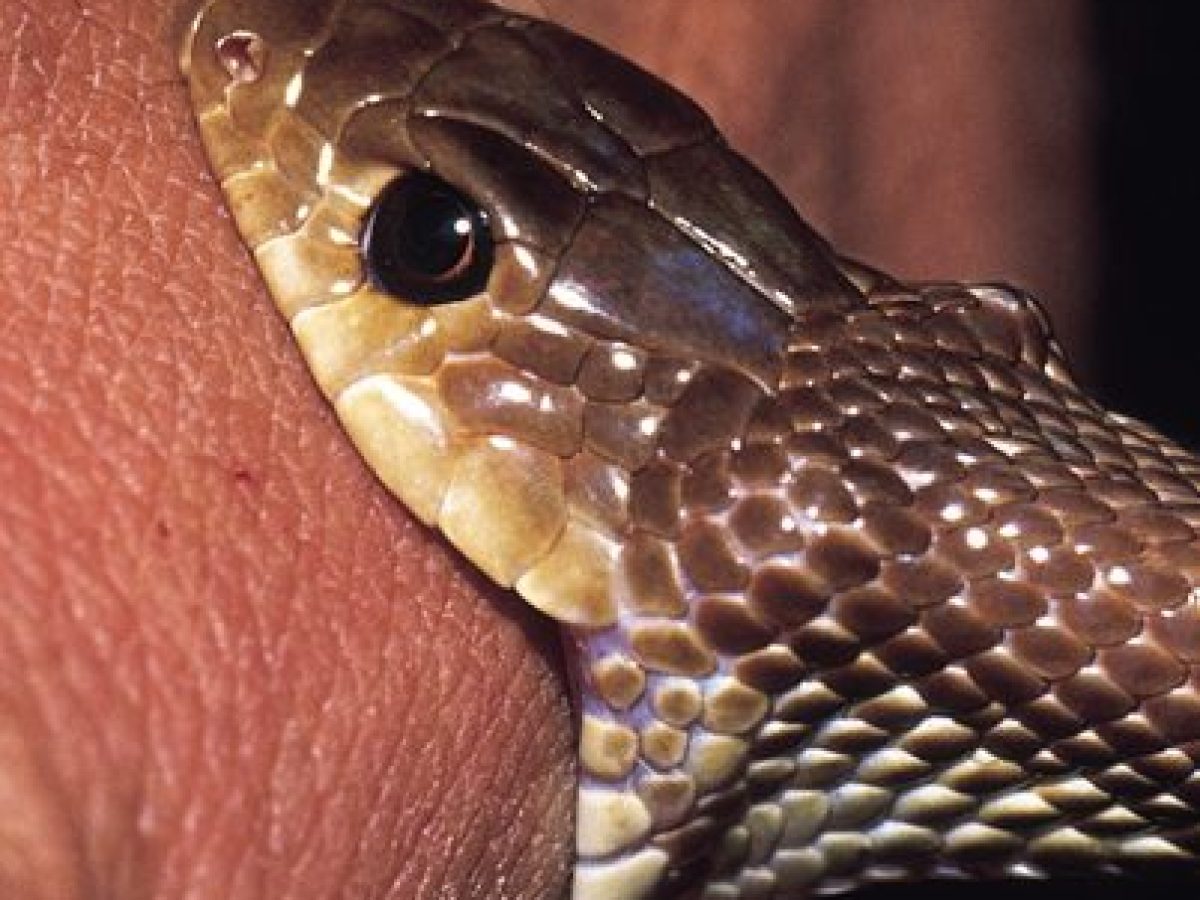
Report warns half of Nigerian hospitals cannot adequately treat snakebite victims
By Sabiu Abdullahi
A new global report has revealed that at least half of health facilities in Nigeria lack the capacity to properly treat snakebite envenoming, raising concerns over avoidable deaths and long-term disabilities across the country.
The report was released by the Strike Out Snakebite (SOS) initiative to mark World Neglected Tropical Diseases (NTDs) Day 2026, observed annually on January 30. It identified weak health systems, poor infrastructure and persistent shortages of life-saving antivenom as major drivers of snakebite deaths, particularly in high-burden countries such as Nigeria.
The findings were drawn from a survey involving 904 frontline healthcare workers in Nigeria, Brazil, India, Indonesia and Kenya, countries that account for a significant share of the global snakebite burden.
According to the report, 50 per cent of health workers said their facilities lack full capacity to manage snakebite cases, while 99 per cent reported difficulties administering antivenom, which the World Health Organisation recognises as the only essential treatment for snakebite care.
Nigeria’s situation was described as especially severe, with 98 per cent of surveyed healthcare workers reporting challenges in administering antivenom.
“Nigeria is home to 29 species of snakes, nearly 41 per cent of which are venomous, yet many victims still struggle to access timely medical care,” the report stated.
Healthcare workers surveyed identified urgent needs that include improved access to care, higher-quality antivenom, stronger regulation, expanded training and wider community education to reduce risky behaviour.
The report highlighted “delays in patients arriving at health facilities (57 per cent), poor infrastructure and inadequate equipment (56 per cent), and lack of training and clinical guidelines (42 per cent) as key factors contributing to avoidable deaths and disabilities.”
The findings come amid public outrage over the death of Abuja-based music talent, Ifunanya Nwangene, who reportedly visited two hospitals that could not administer antivenom before she died.
The report further showed that 35 per cent of healthcare workers experience daily shortages of antivenom, while more than 77 per cent reported life-threatening delays in treatment because victims often seek traditional remedies first.
In addition, 44 per cent of respondents said avoidable delays have led to amputations or major surgeries, outcomes that frequently push affected families into deeper poverty.
Snakebite envenoming was described as a disease of inequality, with rural communities, children and agricultural workers most affected due to long distances from well-equipped health facilities.
“Snakebite envenoming kills roughly one person every five minutes worldwide, yet remains severely underreported and underfunded despite being preventable and treatable,” the report said.
Commenting on the findings, Co-Chair of the Global Snakebite Taskforce and Chancellor of the London School of Hygiene and Tropical Medicine, Elhadj As Sy, said the data point to a global emergency.
“Snakebite envenoming causes up to 138,000 deaths every year — one person every five minutes — and leaves a further 400,000 with permanent disabilities,” he said.
He questioned why one of the deadliest neglected tropical diseases remains largely ignored by global decision-makers and donors.
“No one should be dying from snakebite envenoming,” he added, while calling for urgent action to end preventable deaths in Nigeria and other vulnerable regions.
Elhadj As Sy also said frontline health workers are fighting the disease within fragile and under-resourced systems.
“Too often, conversations on global health overlook those who shoulder the greatest burden — frontline healthcare workers. This report shines a light on the severe challenges they face. Many solutions exist, but political will and bold commitments from governments, partners and investors are needed to turn the tide on this preventable yet devastating disease,” he said.
The report noted that victims often face long journeys to care, limited infrastructure and scarce, costly antivenom, factors that turn a treatable condition into a medical emergency.
It also pointed to preventive measures such as wearing protective footwear, using mosquito nets, carrying torches at night and avoiding snake habitats as steps that could significantly reduce risk in rural areas.
Elhadj urged governments to act decisively.
“As Co-Chair of the GST, my mission is simple: to bring snakebite out of the shadows and demand the attention, action, and resources from the international community. The solutions exist. The deaths are preventable. Frontline healthcare workers have spoken. I invite you to listen. Stand with them,” he said.
Executive Secretary of the African Leaders Malaria Alliance, Joy Phumaphi, also stressed the urgency of action.
“Snakebite envenoming continues to take the lives of vulnerable people despite being preventable. On World NTD Day, ALMA reaffirms our commitment to strengthen prevention and control through advocacy and country-led solutions. Unite. Act. Eliminate NTDs,” she said.
The report called on governments, philanthropists, multilateral agencies and industry stakeholders to increase investment in research, expand access to affordable and quality antivenom, upgrade health infrastructure and integrate snakebite prevention and treatment into national health plans.
SOS warned that snakebite envenoming still receives only a small fraction of the funding required, despite causing up to 138,000 deaths and 400,000 permanent disabilities worldwide each year.
Petro heads to Washington for high-stakes meeting with Trump after months of tensions
By Sabiu Abdullahi
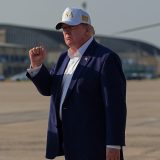
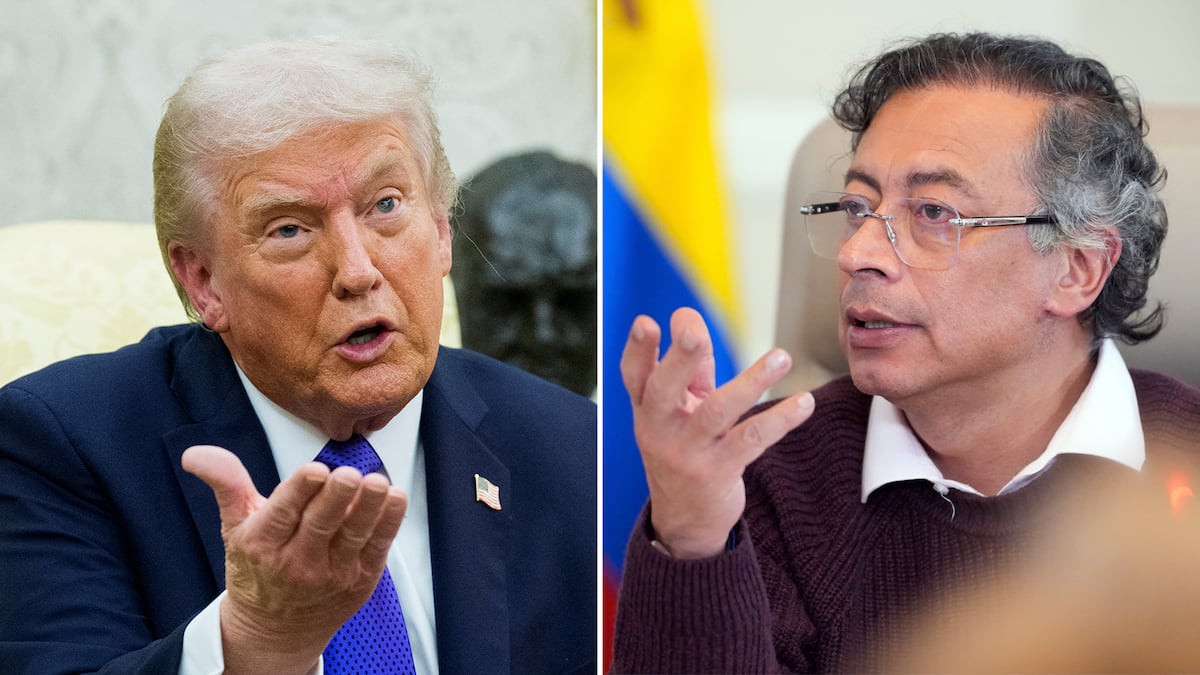
After months of sharp exchanges marked by insults, threats, tariffs and sanctions, United States President Donald Trump and Colombian President Gustavo Petro are set to meet in Washington on Tuesday in what appears to be an effort to ease a strained relationship.
Petro confirmed his attendance after accepting an invitation from Trump last month. The decision followed what both sides described as a cordial phone call that brought an abrupt end to a prolonged public feud.
The talks come at a critical time for the Colombian leader. His administration is seeking to convince Washington that it remains committed to fighting drug trafficking. This follows a recent US military operation in neighbouring Venezuela that led to the arrest of President Nicolás Maduro, whom Washington accused of links to drug cartels. Petro is also pushing for the lifting of US sanctions imposed on him.
Trump said on Monday that he was looking forward to a “good meeting” with his Colombian counterpart.
Petro arrived in Washington on Monday on a special visa. His previous visa had been revoked in September after a speech delivered to a pro-Palestinian audience, during which he urged American soldiers to disobey Trump.
The deterioration in relations began early in Trump’s second term in January 2025, despite Colombia’s reputation as one of Washington’s most reliable partners in the region, especially on security and defence matters.
Tensions flared after the Trump administration launched a mass deportation campaign that involved the use of military aircraft. Some deportees arrived in restraints, a move that angered Petro. He initially blocked two deportation flights and said he would “never allow Colombians to be brought back in handcuffs on flights.”
Later the same day, Petro reversed his decision after Washington threatened tariffs and sanctions. Colombian authorities announced that the country would accept “all” of Trump’s conditions, including the “unrestricted acceptance of undocumented immigrants” who entered the US.
The dispute deepened in March 2025 after US Homeland Security Secretary Kristi Noem claimed that Petro had described members of the Venezuelan criminal gang Tren de Aragua as “his friends” who only needed “more love and more understanding.” Petro denied the claim and blamed a possible misunderstanding on his limited English.
The Trump administration escalated matters in September by decertifying Colombia as a counternarcotics partner. US officials accused Bogotá of failing to meet its obligations, though they said funding would continue. Petro rejected the claim and argued that Colombia was doing its part, while drug consumption remained a US social problem.
“The US decertified us after dozens of deaths among police officers, soldiers, and civilians who were trying to disrupt cocaine trafficking,” Petro said.
Relations worsened further after Petro publicly called on American soldiers to disobey Trump during a visit to New York for the UN General Assembly. He also described Trump as an “accomplice to genocide” in Gaza. In response, the US revoked his visa, citing “reckless and incendiary actions.”
In October, Trump stepped up his criticism and described Petro as a “thug,” while blaming him for drugs reaching the United States. Soon after, the US Treasury imposed sanctions on Petro and several members of his family and cabinet.
“Since President Gustavo Petro came to power, cocaine production in Colombia has exploded to the highest rate in decades, flooding the United States and poisoning Americans,” Treasury Secretary Scott Bessent said.
Petro denied the allegations and vowed to challenge the sanctions. “On the contrary, my government has seized more cocaine than in the entire history of the world,” he said. In November, he made his bank accounts public to demonstrate, according to him, that he had no links to drug trafficking.
The standoff intensified again in December after Trump warned that countries involved in drug trafficking could be “subject to attack.” Petro responded by cautioning Trump against threatening Colombia’s sovereignty and invited him to visit the country.
A turning point came on January 3, 2026, when US forces carried out an operation in Venezuela that resulted in Maduro’s capture. Trump renewed his attacks on Petro soon after.
“He’s making cocaine and they’re sending it into the United States,” Trump said. “So, he does have to watch his ass.”
Trump later added that Petro was “a sick man who likes making cocaine and selling it to the United States, and he’s not going to be doing it very long.”
Petro rejected the remarks and spoke of “taking up arms” if necessary to defend Colombia’s sovereignty. Days later, Colombia’s foreign minister signalled readiness for dialogue with US officials.
On January 7, the two leaders held an unexpected phone call that eased tensions. Petro said the conversation helped calm relations, though he maintained that the US operation in Venezuela was “illegal.” Trump welcomed the exchange and invited Petro to the White House.
Ahead of the meeting, Trump said Petro’s attitude had changed in recent weeks. “He was certainly critical before that. But somehow after the Venezuelan raid he became very nice. He changed his attitude very much,” Trump told reporters.
Colombia’s presidency said the meeting would “define strategic priorities and strengthen lines of cooperation,” while describing Petro’s visit as a “milestone in bilateral relations.”
In addition to the White House talks, Petro’s schedule includes meetings with political, academic and business figures, as well as engagements with members of the Colombian diaspora in the United States.
Trump threatens legal action against Trevor Noah over Epstein joke at Grammys
By Sabiu Abdullahi
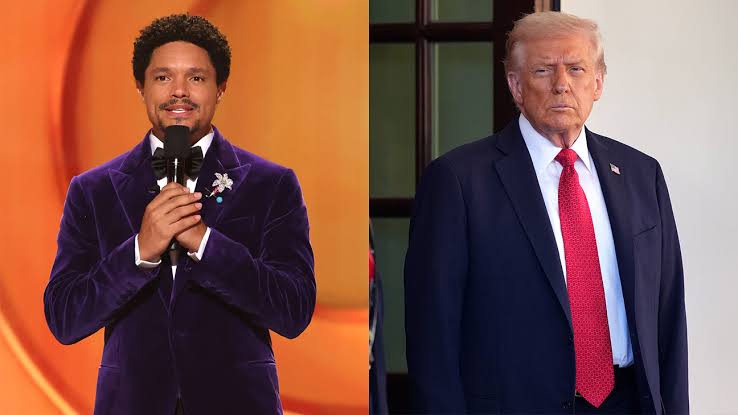
U.S. President Donald Trump has threatened to sue comedian Trevor Noah following a joke he made at the Grammy Awards that referenced Trump and the late financier Jeffrey Epstein.
Trevor Noah, a South African-born comedian, hosted the music awards ceremony. During his presentation, he made a remark while introducing the Song of the Year category. He said: “Song of the Year – that is a Grammy that every artist wants almost as much as Trump wants Greenland, which makes sense because Epstein’s island is gone, he needs a new one to hang out with Bill Clinton.”
Trump reacted strongly to the comment and said he would take legal steps against the comedian. Writing on his Truth Social platform, the president stated that he would be “sending my lawyers to sue”.
In a series of posts, Trump accused Noah of spreading false information. He wrote: “Noah said, INCORRECTLY about me, that Donald Trump and Bill Clinton spent time on Epstein Island. WRONG!!!”
Trump went further to deny any connection to Epstein’s private island. He added: “I can’t speak for Bill, but I have never been to Epstein Island, nor anywhere close, and until tonight’s false and defamatory statement, have never been accused of being there, not even by the Fake News Media.”
He also criticised the comedian directly, saying: “Noah, a total loser, better get his facts straight, and get them straight fast.” Trump concluded his response with the words: “Get ready Noah, I’m going to have some fun with you!”
Trump has acknowledged that he knew Epstein in the past but insists that he had no knowledge of Epstein’s criminal activities. He has said their relationship ended around 2004. Authorities have stated that there is no evidence linking Trump to Epstein’s crimes. The U.S. Justice Department has described allegations against him as unfounded and false. Trump has not been accused of any crime by Epstein’s victims, and there are no claims that he ever visited Epstein’s island.
In 2020, a spokesperson for former U.S. President Bill Clinton said Clinton had “never been” to Epstein’s private island, Little St James. Clinton has also not been accused of wrongdoing.
Jeffrey Epstein was found dead in his New York prison cell in 2019 while awaiting trial on sex trafficking charges. His death came more than a decade after he was convicted of soliciting prostitution from a minor. Epstein bought his private island in 1998, and several survivors later accused him of trafficking and abusing them there.
Trump has pursued legal cases against several media organisations in recent years. These include actions involving the New York Times and the Wall Street Journal. In December, he filed a multi-billion-dollar lawsuit in a Florida court, accusing the BBC of defamation and of breaching trade practices laws over the editing of a Panorama programme.
Trevor Noah previously hosted The Daily Show on Comedy Central in the United States for seven years and remains one of the most prominent comedians on the global stage.

2025: Genocide, missile and other issues
By Usman Abdullahi Koli
“Tempora mutantur, nos et mutamur in illis.” Times change, and we change with them. Some years arrive with spectacle, with upheaval that demands attention. Others arrive quietly, insistently, reshaping life before their weight is fully understood. 2025 in Nigeria was of the latter. It did not collapse. It did not triumph. It compelled the nation to confront itself.
On a Tuesday morning in early January, before any official pronouncement or statistical briefing, the country was already aware of the season’s challenge. At the motor parks, drivers adjusted fares in silence, anticipating rising fuel costs. From Idumota Market in Lagos to Monday Market in Maiduguri and Sabo Gari Market in Kano, traders shifted prices mid-morning, recalibrating their margins as households silently reshuffled meals and transport plans.
Some Nigerians recounted how they had begun rationing electricity at home and combining trips to reduce petrol expenses. Survival, not aspiration, became the framework of daily life. Everyone began to adjust to the sharp inflationary impact of the new economic regime.
President Bola Ahmed Tinubu had warned that national renewal would be neither fast nor painless. He described it as a painful surgery necessary to recalibrate the economy for future gains. By midyear, the warning had manifested. Inflation, driven by food and energy prices, persisted relentlessly. The naira existed in a state of limbo, neither collapsing completely nor regaining dignity. Salary-dependent citizens faced daily compromise, while speculators adjusted and profited. Official statistics merely confirmed what citizens already knew: adjustment had become endurance.
Yet governance did not stand still. Revenue mobilisation improved. Leakages narrowed. Subnational governments were compelled to confront fiscal realities rather than maintain dependence on the centre. By April, a comprehensive tax reform framework was unveiled, aiming to redefine who pays, how, and to what effect. Properly implemented, it could stabilise finances for decades. Miscommunicated, it risks deepening mistrust. In public policy, substance alone is never sufficient; legitimacy also requires understanding, transparency, and civic consent.
Security offered evidence of the state’s potential when coordinated and intelligence-driven. Operations across Zamfara, Katsina, and Kaduna disrupted entrenched bandit networks. Camps once considered permanent were dismantled and feared commanders neutralised. The significance was less in propaganda and more in the quiet lesson that impunity is not inevitable. Yet highways remained perilous, rural communities exposed, and kidnappings continued. Fear, while less permanent, had not fully dissipated. Structural justice, inclusion, and local legitimacy remain essential for lasting security.
International and regional developments added further complexity to an already strained year. Statements by the current United States President, Donald Trump, asserting that Christians were being targeted in Nigeria and describing the situation as a Christian genocide, drew strong domestic and international reactions, reopening debates about sovereignty, narrative framing, and the external politicisation of Nigeria’s internal security challenges. Almost simultaneously, a reported missile strike in Sokoto, justified as an operation against the so-called Lakurawa terror group, raised serious questions about intelligence credibility, civilian safety, and the expanding theatre of counterterrorism. Within the subregion, Nigeria’s foreign and security policy faced its own test when Nigerian soldiers en route to Portugal were detained in Burkina Faso, a development that followed closely on the heels of an attempted coup plot in the Benin Republic and Nigeria’s military support for the Cotonou government. Together, these events underscored the fragility of regional trust and the growing cost of instability beyond Nigeria’s borders.
The health sector revealed fragility in stark terms. Nationwide strikes by resident doctors, followed by allied health workers, paralysed tertiary hospitals. Emergency rooms were stretched. Laboratories and pharmacies operated at skeletal capacity. Citizens faced delays, avoidable loss, and mounting uncertainty. Professional sacrifice, not institutional strength, sustained the system. No nation aspiring to seriousness can indefinitely rely on individual endurance while postponing structural repair.
Midyear brought a moment of national reflection with the death of former President Muhammadu Buhari. Flags flew at half-mast. Tributes poured from private citizens, politicians, and international observers alike. Yet beneath the ceremonial mourning lay unresolved questions: the legacy of decisions, the costs of policy, and the gaps left in leadership. History rarely closes neatly. It lingers, asking questions long after the ceremonies end.
Politically, the year matured with quiet intensity. Alliances shifted, ambitions hardened. Northern cities, Kano in particular, became symbolic mirrors of broader anxieties. Silence, rather than violence, became the language of anticipation. Even without a formal declaration, Nigerians understood that political calculation was underway, shaping the landscape for future contests.
Amid pressure, civic life persisted. Humour flourished in the streets, on social media, and in private gatherings. Satire became a language of participation, reminding those in authority that power is both observed and interpreted. In a constrained civic space, laughter and critique became inseparable.
By the year’s close, one conclusion is unavoidable. 2025 was not a season of miracles. It was a season of exposure. Governance demonstrated competence and direction in some areas, while revealing gaps in empathy and communication in others. Citizens displayed resilience, but also impatience and a refusal to be sustained by rhetoric alone. Reform is underway. Its success depends on trust, empathy, and the leaders’ capacity to carry the public along honestly.
Nigeria did not fall. But we keep hope alive that the giant will rise. It confronted itself, and comfort proved in short supply. This confrontation, uncomfortable as it was, may yet lay the foundation for a more serious engagement with the demands of nationhood. Nations rarely change because they are persuaded; they change because they are compelled to see themselves clearly.
In this, 2025 may yet prove instructive.
Usman Abdullahi Koli wrote via mernoukoli@gmail.com.
Onitsha traders reopen shops after Soludo’s Warning
By Sabiu Abdullahi
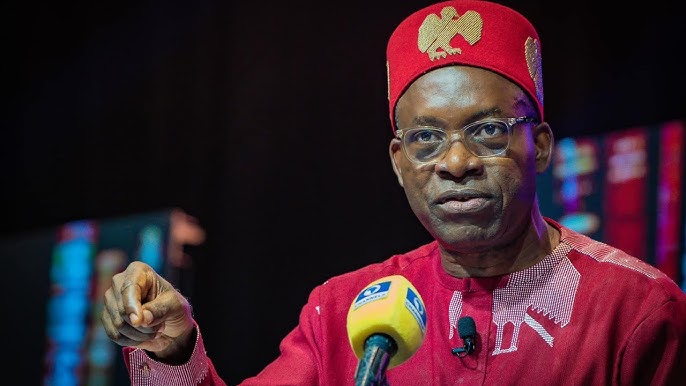
Traders at the Onitsha Main Market have resumed commercial activities after a one-week shutdown, following directives issued by the Anambra State Governor, Chukwuma Soludo.
The reopening took place amid heightened security presence and fresh warnings by the state government against adherence to sit-at-home orders issued by non-state actors, particularly the proscribed Indigenous People of Biafra.
Governor Soludo had earlier ordered the closure of the market after reports indicated that some traders were observing a Monday sit-at-home directive linked to IPOB. He also warned that continued closure of shops could attract further sanctions from the state government.
Confirming the development, Channels Television reported on Monday that traders had complied with the governor’s directive and reopened their shops.
“Traders of the Onitsha Main Market have reopened their shops in compliance with a directive by the Anambra State Governor, Chukwuma Soludo,” the report stated.
A visit to the market by Channels Television showed that many traders returned as early as 8:45 a.m. Shops were seen opening across major sections of the market, including Egerton Road, Ose Foodstuff Market, and The Young Park, which serves as a key entrance to the Main Market. Other busy areas included Emeka Offor Plaza, Sokoto Road, Lagos Line, and Marine, as customers gradually returned to patronize traders.
“It is clear that the traders are complying with government directives to ignore the sit-at-home order,” the report added.
Meanwhile, IPOB had announced a lockdown across the South-East, citing solidarity with Onitsha traders. Through its spokesman, Emma Powerful, the group called on traders, transport operators, banks, schools, and civil servants to observe the action peacefully.
However, IPOB’s lawyer, Ifeanyi Ejiofor, dismissed the directive, describing it as “a fake” and “a calculated falsehood.” He urged members of the public to disregard it and stressed that the group had repeatedly disassociated itself from sit-at-home orders.
The Anambra State Police Command also issued a statement on Sunday, warning residents against threats posed by non-state actors on social media.
“Following the security assessment of the implications, or otherwise, of full resumption of all social, commercial, and official activities in Anambra State on Monday, the Police Command has identified a deliberate, recurring pattern of coordinated social media posts by some non-state actors aimed at spreading fear, misinformation, and bigotry among the public,” the statement said.
According to the police, such narratives were intended “to cause panic, undermine public confidence, and disrupt the peace currently enjoyed in the State.”
“The resilience, cooperation, and timely sharing of credible information by residents continues to play a critical role in sustaining public order and safety,” the statement added.
The police further announced intensified intelligence-led patrols, increased surveillance, and proactive security operations across the state to prevent threats to lives and property. Residents were also advised to ignore unverified social media messages and report suspicious activities.
“Members of the public are advised to disregard unverified social media content being propagated by non-state actors and to report any suspicious movements or activities to the nearest Police formation or through established emergency channels,” the statement said.
The police reaffirmed their commitment to maintaining peace and public safety, while the state government assured traders of adequate security as business activities return to normal across Onitsha.
Iran summons EU ambassadors over IRGC ‘terrorist’ tag
By Sabiu Abdullahi
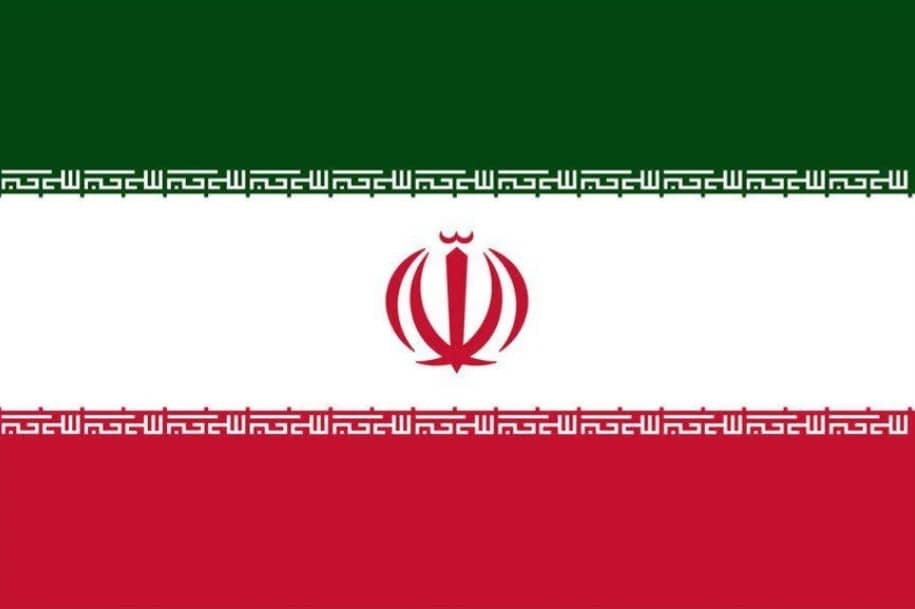
Iran has summoned all ambassadors of the European Union in Tehran to protest the bloc’s decision to designate the Islamic Revolutionary Guard Corps (IRGC) as a terrorist organisation, a move that has further strained relations and heightened fears of a wider conflict in the Middle East.
According to the Associated Press, Iran’s Foreign Ministry spokesman, Esmail Baghaei, confirmed on Monday that the summons started on Sunday and continued into the new week. He described the EU decision as “illegal, unreasonable and very wrong.”
“A series of actions were reviewed, various options are being prepared and sent to relevant decision-making bodies,” Baghaei said. He added that Tehran would soon decide on “reciprocal measures.”
The diplomatic confrontation comes at a time when Iran is under growing international scrutiny following its violent response to nationwide protests in January. Reports indicate that thousands were killed and tens of thousands arrested during the unrest. Human rights organisations have also warned about the risk of mass executions of detainees.
Last week, the European Union agreed to blacklist the IRGC over its role in the crackdown. Although the decision is largely symbolic, it adds to economic and political pressure on Tehran because of the Guard’s deep involvement in Iran’s economy. The United States and Canada had earlier taken similar actions.
In response, Iran’s parliament speaker spoke on Sunday and said the Islamic Republic now regards all EU militaries as “terrorist groups,” referring to a 2019 Iranian law.
At the same time, military tensions in the region continue to rise. The United States has deployed the aircraft carrier USS Abraham Lincoln alongside several guided-missile destroyers to the Middle East.
While it remains uncertain whether President Donald Trump will approve military action, Washington says the deployments aim to deter further violence and safeguard international shipping routes.
“Trump is trying to calibrate a response to Iran’s mass killing of protesters that punishes Iranian leaders without dragging the United States into a new, open-ended conflict,” the New York-based Soufan Center said in a statement on Monday.
The group added that some U.S. officials want to take advantage of Tehran’s weakened position. It also noted that American conditions for diplomacy are “unacceptable” to Iran.
Regional anxiety has also increased after Iran confirmed that the Revolutionary Guard has begun a military drill in the Strait of Hormuz. The narrow waterway carries about one-fifth of the world’s oil shipments. Iran had warned shipping operators last week about planned exercises, although it initially avoided confirming their commencement.
Satellite images analysed by the Associated Press showed small, fast-moving vessels believed to belong to the Guard operating between Iran’s Qeshm and Hengam islands, away from major commercial routes.
The U.S. Central Command has cautioned Tehran against harassing naval vessels or interfering with commercial traffic.
Despite the sharp rhetoric and military movements, Baghaei sought to calm public fears. He urged Iranians not to worry about the prospect of war, although he declined to confirm whether Washington had given Tehran any deadline to meet U.S. demands.
The IRGC was formed after Iran’s 1979 Islamic Revolution to protect the clerical system. Over the years, it has grown into a powerful military, political and economic force. Its Basij militia faces widespread accusations of leading the violent suppression of recent protests. Leaked videos have shown armed men beating and shooting demonstrators after authorities shut down internet and phone services across the country.