



Nigeria, Pakistan strengthen military lartnership to address emerging security challenges
By Sabiu Abdullahi
The Nigerian Army has restated its resolve to reinforce its strategic defence relationship with Pakistan as both countries confront changing security threats.
This is contained in a statement issued by Colonel Appolonia Anele, Acting Director of Army Public Relations, on 20 February 2026.
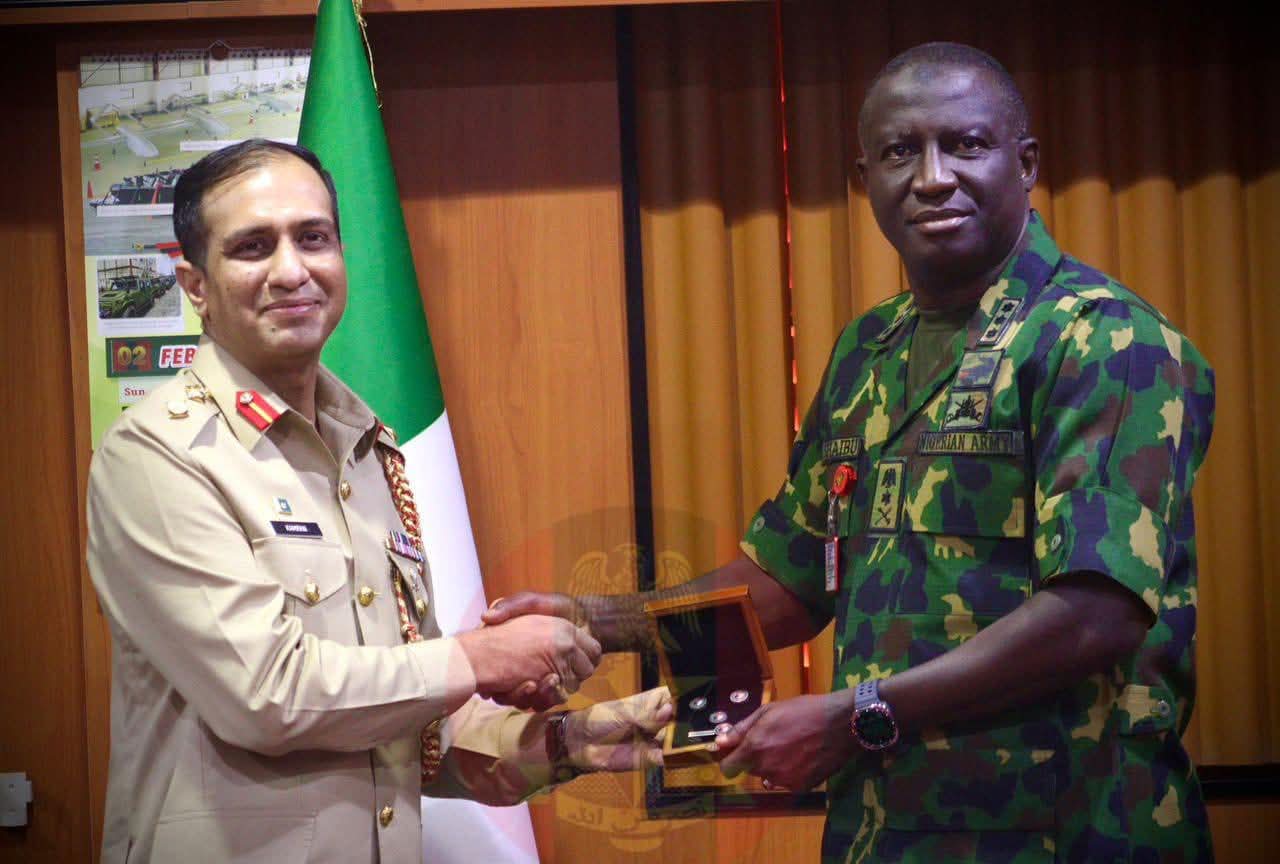
The Chief of Army Staff, Waidi Shaibu, gave the assurance on Friday, 20 February 2026, when he hosted Pakistan’s Defence Adviser to Nigeria, Colonel Kamran Mushtaq, at the Army Headquarters in Abuja.
General Shaibu described the military ties between Nigeria and Pakistan as strong and mutually beneficial. He pointed to wider prospects in joint exercises, intelligence cooperation, defence technology and operational support as key areas that require further attention. He said stronger collaboration in these fields would improve coordination between both armies and raise their ability to respond effectively to emerging threats.
The Army Chief also praised the long-standing relationship between the two forces. He referred to their similar experiences in the fight against terrorism and insurgency. He stressed the value of sustained professional military education and capacity development. According to him, several Nigerian officers have undergone advanced courses in Pakistan, while arrangements are underway for Pakistani officers to attend programmes at the National Defence College. He added that closer intelligence ties and strategic defence procurement are essential to improve Nigeria’s operational preparedness and combat strength.
In his remarks, Colonel Mushtaq delivered goodwill messages from Asim Munir, Pakistan’s Chief of Defence Forces. He commended the Nigerian Army for its discipline and achievements in various operations. Drawing on Pakistan’s experience of more than two decades in counter-terrorism campaigns, he expressed his country’s willingness to expand cooperation through specialised training, technical support and the supply of key equipment such as advanced surveillance and communication systems.
Both delegations reaffirmed their dedication to joint professional training and exchange initiatives. They noted that such programmes are crucial for improving operational coordination and strengthening their joint response to regional and cross-border security challenges.
One year after, Dakata market hit by another inferno, traders lose N1bn
By Uzair Adam
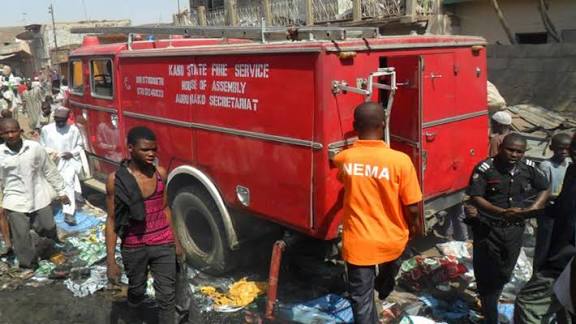
Barely one year after a devastating blaze ravaged parts of Fatima Simra Multipurpose Market at Dakata Industrial Layout in Nasarawa Local Government Area of Kano State — and only weeks after a similar incident at Singa Market — another fire has swept through the commercial hub, destroying more than 100 shops and leaving traders counting losses estimated at over N1 billion.
The Daily Reality reports that the Chairman of the market, Dauda Haruna Chula, said he received a distress call at about 4:00 a.m. informing him of the outbreak.
He stated that, “I was called around 4:00 a.m. and told about the devastating fire at our market. Because I was not nearby at the time, I immediately contacted those who were close to the market and asked them to alert the relevant authorities to help contain the situation.”
Chula explained that the exact cause of the fire had yet to be determined, noting that conflicting accounts were circulating among traders and residents.
He said investigations were ongoing to verify the true source of the blaze.
“As of now, we cannot ascertain the real source of the fire. There are different versions of what might have caused it, and we are working to verify the facts,” he added.
The market is widely known for groundnut oil production and for trading in rubber materials and other consumables such as food items and bread, many of which are highly flammable.
Chula said oil producers were among the worst affected, disclosing that more than 100 makeshift shops were completely burnt to ashes.
He estimated the losses at over N1 billion, stressing that most of the victims are small-scale traders who depend on daily earnings to support their families.
“This market is the only source of livelihood for many of our members,” he said, calling on Kano State Governor, Abba Kabir Yusuf, to urgently intervene.
He lamented that a N100 million support earlier promised after the previous fire incident had yet to be fulfilled.
“We are still waiting for the N100 million that we were promised after the last fire. Up till now, nothing has been given, and here we are again facing another tragedy,” Chula said.
While appreciating ASPIRA Nigeria Limited and both the state and federal fire services for their efforts in containing the blaze, the chairman maintained that a quicker response could have reduced the scale of destruction.
In a separate account, one of the victims, Malam Auwal Mahrazu, whose stall was completely razed, said the fire started around 3:00 a.m. during a night shift.
He explained that some workers were attempting to clear a grinding filling machine that had become clogged.
“Sometimes when we are working and the filling machine gets congested, we burn it slightly and then wash it to clear the blockage so work can continue smoothly,” he said.
According to him, the workers briefly left the area, possibly to prepare for their pre-dawn meal, only to return and find the flames spreading to nearby stalls.
“Before they came back, the fire had started catching other places. They tried to stop it, but it was beyond control,” Mahrazu recounted.
He claimed that more than 200 makeshift stalls were affected, though the intervention of firefighters prevented the fire from spreading further.
Another trader, Isa Abubakar, described the incident as a divine test, saying his entire shop was razed.
“This is nothing but a test from Allah. Only God truly knows how it started,” he said, while commending fire service personnel for battling the flames for hours.
Abubakar urged Governor Yusuf to implement lasting measures to curb recurring fire outbreaks in Kano markets.
Similarly, Abdulkadir Aliyu said he had yet to recover from the previous incident before the latest disaster struck.
He appealed to the government to fulfill its earlier financial pledge, lamenting that no assistance had been provided so far.
When contacted, the Public Relations Officer of the Kano State Fire Service, Saminu Yusuf, confirmed that the agency received information about the incident but noted that a comprehensive report was yet to be compiled.
The latest inferno has intensified concerns over fire safety in Kano’s major markets, where traders operate in densely packed wooden structures and deal in highly combustible materials.
117 repentant terrorists complete rehabilitation programme in Borno
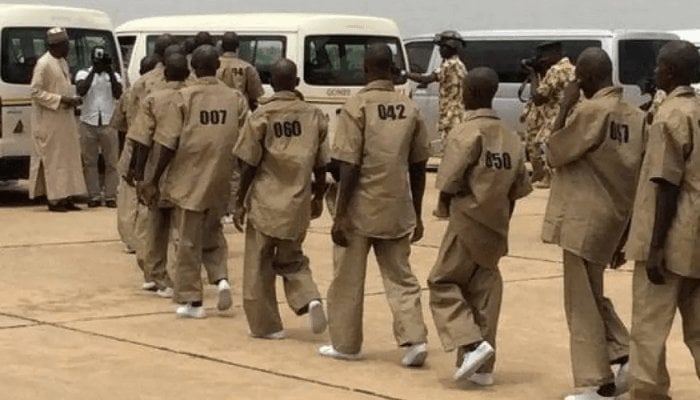
No fewer than 117 former insurgents have concluded the Federal Government’s de-radicalisation, rehabilitation and reintegration programme under Operation Safe Corridor in Borno State.
The development was announced during a high-level stakeholders’ meeting organised by the Defence Headquarters in collaboration with the leadership of Operation Safe Corridor at the Nigerian Army Resource Centre in Abuja.
In a statement issued on Thursday, Samaila Uba, Director of Defence Information, said the coordinator of Operation Safe Corridor, Y. Ali, disclosed that the ex-combatants completed the Disarmament, Demobilisation and Reintegration (DRR) process at the Mallam Sidi Camp.
According to Ali, the meeting focused on finalising arrangements for the transfer of the rehabilitated individuals to their respective national and state authorities for reintegration into society. He noted that the latest development reflects improved cooperation between federal and state governments in the areas of reception, monitoring and community reintegration.
Ali commended the Chief of Defence Staff, Olufemi Oloyede, for what he described as strong leadership and institutional backing. He stated that the progress recorded by Operation Safe Corridor aligns with the CDS philosophy, which promotes enhanced jointness, improved welfare and effective administration within a whole-of-government structure.
He explained that the initiative operates as a multi-agency humanitarian stabilisation programme supported by the 1999 Constitution and relevant international humanitarian and human rights frameworks. The programme draws personnel from 17 services, ministries, departments and agencies.
Since its establishment, he said the initiative has strengthened its screening procedures, reviewed its ideological disengagement modules, enhanced psychosocial recovery systems and expanded coordination among participating agencies. He added that the structure of the programme prioritises accountability, behavioural reform and sustainable reintegration.
Ali also disclosed that the programme has extended to the North-West region. A DRR camp established there in February last year marked what he described as an important stabilisation step. He revealed ongoing discussions with the Zamfara State Government to reposition the facility towards a broader framework that will focus on victim healing, rehabilitation and reintegration, alongside psychosocial recovery, community reconciliation, livelihood assistance and structured monitoring.
He further stated that Benue State has formally requested the establishment of a DRR camp. He said the Defence Headquarters has inspected proposed locations and advised that any approval must align with national standards on infrastructure, security and sustainability.
Ali outlined the objectives of the stakeholders’ meeting. He said participants were expected to define the responsibilities of state authorities and relevant ministries, departments and agencies, develop structured resettlement support systems, determine approaches for community sensitisation and camp visitation, and approve graduation timelines for rehabilitated clients.
The Chief of Defence Staff, represented by Jamal Abdusalam, Chief of Defence Operations, reaffirmed Nigeria’s commitment to a comprehensive government and societal approach to peacebuilding and national recovery. He described Operation Safe Corridor as a vital component of the country’s security framework.
“Since its inception in 2016, operation safe corridor has processed thousands of clients through a controlled and integrity-driven disarmament, rehabilitation and reintegration framework,” he said.
“When properly screened and coordinated, surrender pathways degrade insurgent cohesion, generate actionable intelligence and support long-term stability.”
The meeting attracted representatives from federal ministries, the Office of the National Security Adviser, state governments and neighbouring countries including Burkina Faso, Chad, Niger and Cameroon. International partners such as Norway, the United Kingdom, the European Union, the Foreign, Commonwealth and Development Office, the International Committee of the Red Cross and the International Organisation for Migration were also represented.
Police: Lakurawa terrorists kill 33 in Kebbi communities
By Sabiu Abdullahi
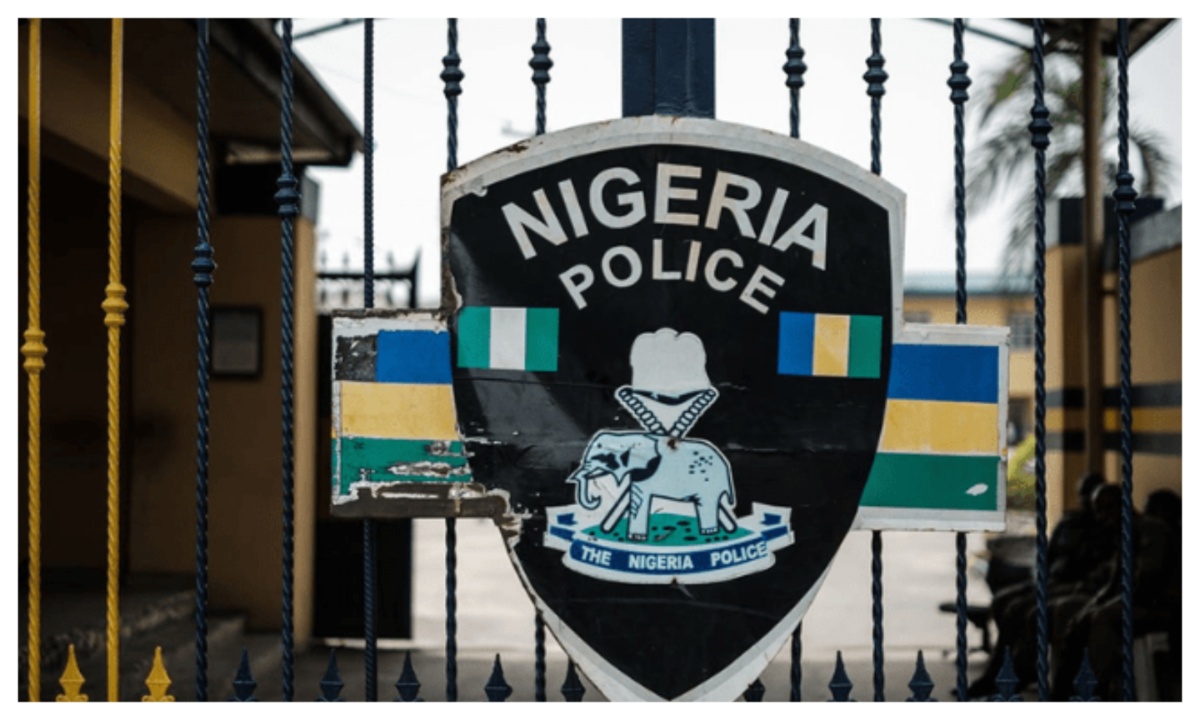
The Kebbi State Police Command has confirmed that at least 33 residents lost their lives after suspected Lakurawa terrorists attacked several communities in Arewa Local Government Area of the state.
The attacks took place on Wednesday across different villages in the council area.
In a statement issued on Thursday, the police spokesperson in Kebbi, Bashir Usman, said the assailants invaded the affected communities with the intention of rustling cattle. He explained that the attackers were confronted by local residents during the incident. He also disclosed that the gunmen reportedly entered the area from Gudu Local Government Area of Sokoto State.
“The command deeply regrets the loss of thirty-three innocent lives and extends its heartfelt condolences to the families affected and the entire Arewa community,” the statement reads.
“Preliminary investigations confirm that armed Lakurawa militants entered the area to rustle cattle. The assailants are believed to have crossed into the district from Gudu Local Government Area of Sokoto State.
“Residents from Mamunu, Awasaka, Tungan Tsoho, Makangara, Kanzo, Gorun Naidal, and Dan Mai Ago mobilized in response, during which the fatal confrontation occurred.
“The Command emphasizes that incidents involving armed criminal elements require coordinated security intervention.
“Members of the public are urged to promptly report suspicious movements through established security channels rather than engage directly, as such confrontations pose grave risks.”
The police said security personnel have since been deployed to the affected communities to restore calm and prevent further attacks.
In a related development, six members of a vigilance group were killed in March 2025 after bandits attacked Dan Tulu and Rusakde villages in Arewa Local Government Area following a cattle rustling incident.
Authorities have assured residents of continued efforts to address insecurity in the area.

HORRIBLE: Bandits kill over 30 in fresh Zamfara village attack
By Sabiu Abdullahi
Gunmen suspected to be bandits have reportedly killed more than 30 people in Dutsin Dan Ajiya village, Anka Local Government Area of Zamfara State.
Residents said the attackers stormed the community on Thursday night. They arrived on motorcycles after sealing off entry and exit routes. The assailants then attacked the village and targeted residents.
Witnesses disclosed that the gunmen fired repeatedly and moved from house to house without resistance for several hours.
A resident confirmed that about 30 bodies had been recovered as of Friday morning. Several persons were still missing at the time of filing this report.
“The attack resulted in the death of at least 30 residents, both men and women. Many were wounded, and several others were abducted during the raid,” he said.
Zamfara State and other parts of the North-West region have continued to witness violent attacks linked to bandit groups. The criminals have carried out killings, kidnappings, and destruction of property over the years despite repeated security operations.
Amid the persistent insecurity, the Zamfara State Government allocated N1 billion in its 2026 approved budget for the construction of cemeteries across the 14 local government areas. The provision falls under the Ministry of Religious Affairs.
Earlier this month, bandits ambushed travellers returning from Maga Market to Kyaram community in Bukkuyyum Local Government Area. At least five people lost their lives during that attack, while several others could not be accounted for.
In another incident reported on January 31, at least four residents of Gwargwaba village in Nahuce District of Bungudu Local Government Area were killed after armed men invaded the area on January 29, 2025. Houses were set ablaze during the assault.
Security alert platform Bakatsine confirmed that four villagers were burned to death inside their homes during the raid.
The repeated attacks have sparked public anger across the state. In July 2025, residents from more than 30 communities in Gusau Local Government Area staged a protest over what they described as constant killings and abductions.
The demonstrators carried placards with messages that read: “We, the people of about 30 communities of Gusau 11, need peace and want to be rescued from bandits,” and “Peace is our concern as we are being killed every day. End banditry in Mada, Lilo, Ruwan Bore, Fegin Baza, Bangi, others.”
Protesters stated that fear of attacks had forced many farmers to abandon their farmlands during the rainy season. They also accused the attackers of looting food supplies and destroying property.
A previous review of the Zamfara State budget document also showed plans to spend N2.5 billion on the purchase of 50 vehicles in 2025. Records indicated that N13.114 billion had already been expended between January and October 2024 for the same purpose.
Security agencies have yet to issue an official statement on the latest attack at the time of this report.
ABCOA sets to formalize partnership with leading Agribusiness firms in collaboration with UNESCO
By Ibrahim Yunusa
Audu Bako College of Agriculture, Dambatta, has announced plans to formalize partnerships with selected agri-business firms to expand work-based learning and research development for students.
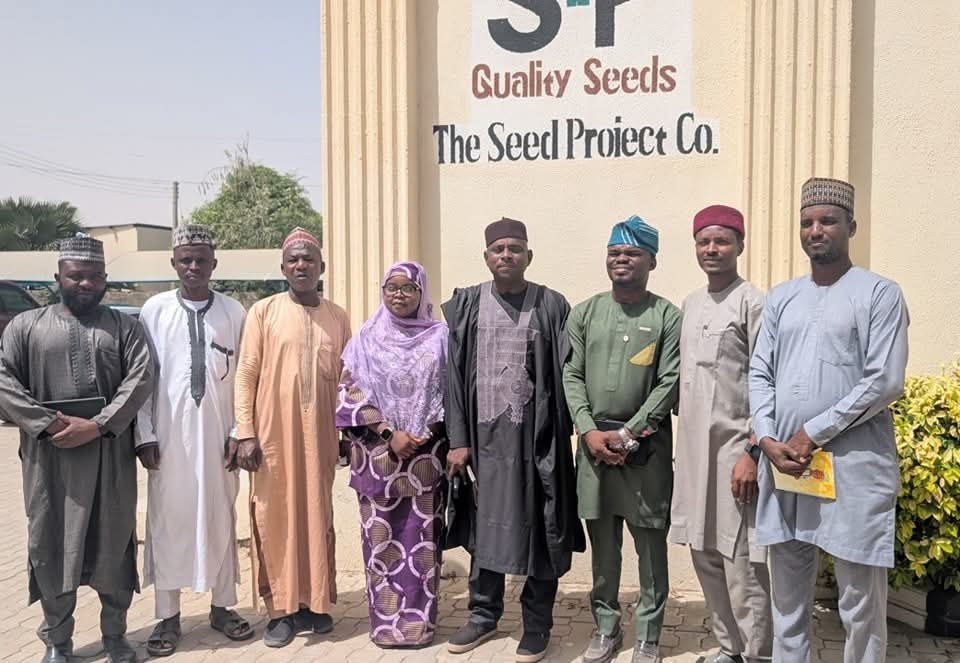
The Acting Provost of Audu Bako College of Agriculture Dambatta, Hassan Ibrahim, disclosed this during a tour of partner organizations, which include Extension Africa, Al‑Hamsad Rice Mill LTD, Seed Project Company LTD, Royal Blue Contractors, and Kano State Fisheries Institute, Bagauda.
The initiative is being supported by UNESCO under its programme to strengthen Technical and Vocational Education and Training through industry-driven learning.
Speaking on the project, UNESCO consultant Newton Ovie Akpona said the collaboration forms part of the BEAR III programme, which aims to improve education quality, boost employability and promote sustainable development across several African countries.
The partnership is expected to give students practical industry exposure while promoting research, innovation and institutional capacity building.
In separate remarks, the Chief Executive Officer of Seed Project Company, Zainab Gwadabe, welcomed the initiative and pledged support, while officials of Al-Hamsad Rice Mill described the move as timely. The formal signing ceremony is expected to take place soon at the college’s permanent site in Dambatta.
Rivers South-East Senator Barinada Mpigi Dies at 64
By Ibrahim Yunusa
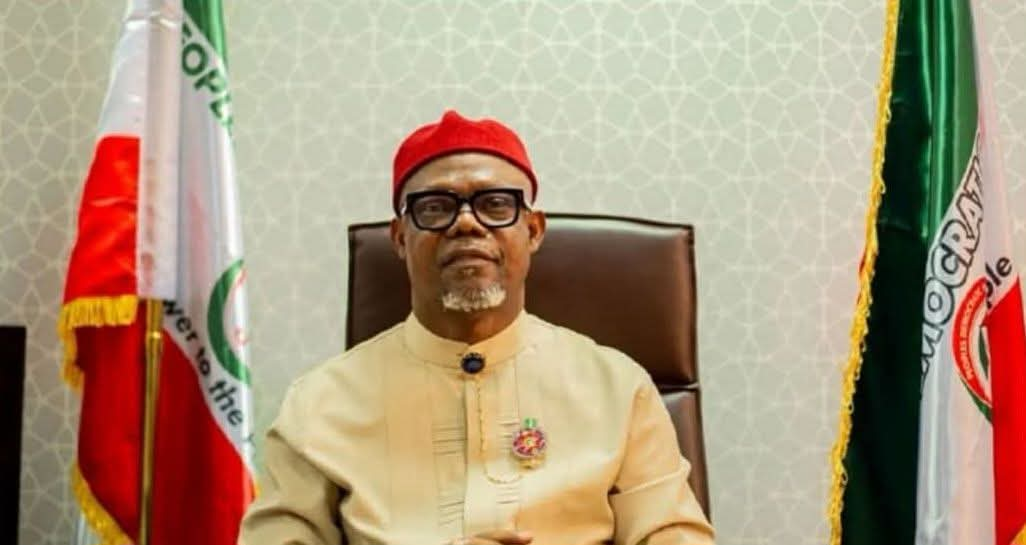
Senator Barinada Mpigi, who represented Rivers South-East Senatorial District, has passed away following a brief illness.
He died on Thursday at the age of 64.
The late lawmaker was a prominent political figure from Rivers State and served in Nigeria’s National Assembly for many years.
Before his election into the Senate, Mpigi was a member of the House of Representatives, where he represented his constituency from 2011 to 2019.
He was later elected to the Senate in 2019 and continued to serve his district until his death. His passing marks the end of a long legislative career dedicated to public service and representation of his people.
DSS to arraign ex-Kaduna Governor El-Rufai over alleged cybercrime, security breach
By Sabiu Abdullahi
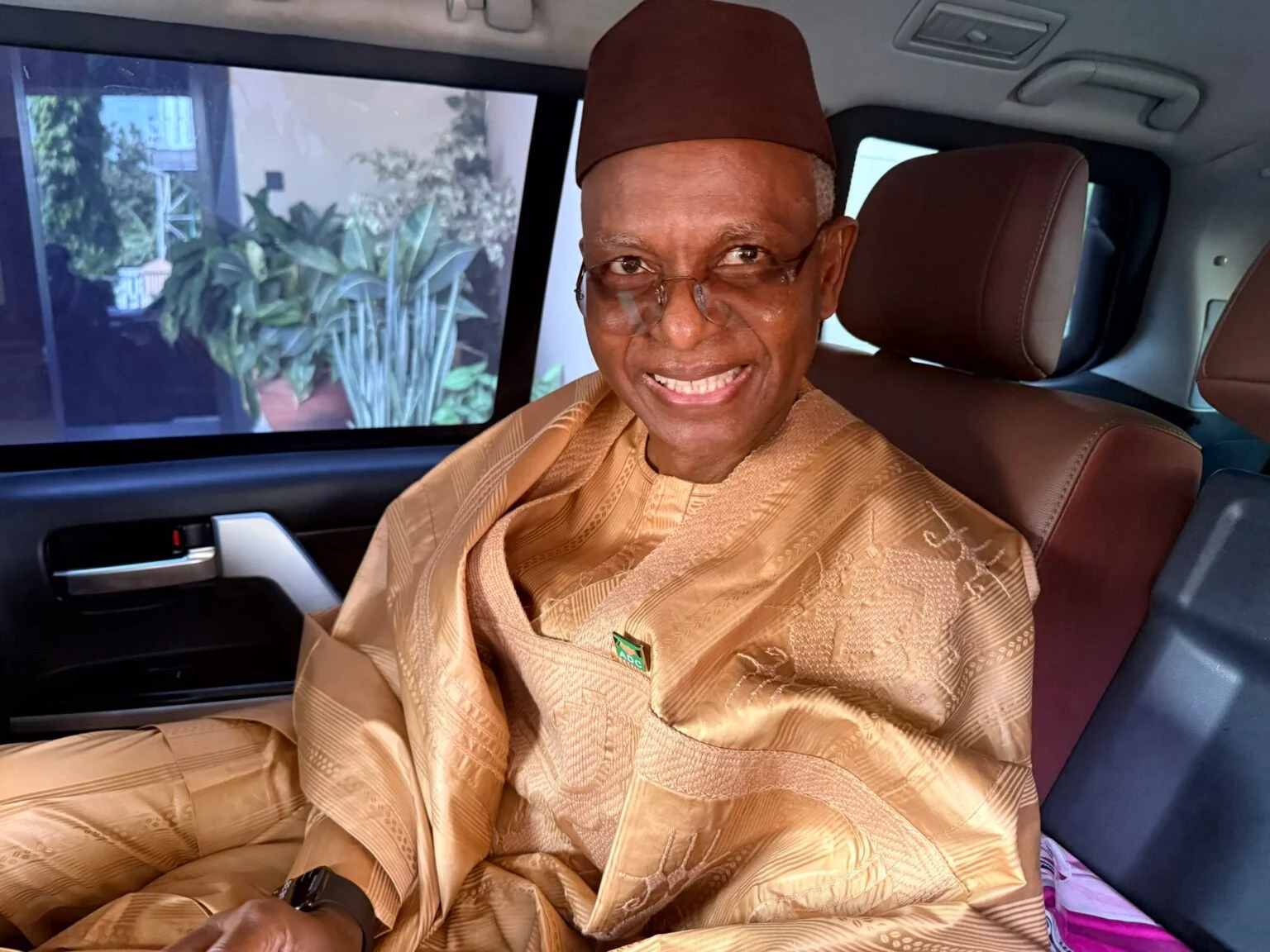
The Department of State Services is set to prosecute former Kaduna State governor, Nasir El-Rufai, over alleged cybercrime and national security violations.
The trial is scheduled to begin next Wednesday at the Federal High Court in Abuja. The case will be heard by Justice Joyce Abdulmalik. The assignment followed a directive by the Chief Judge of the Federal High Court, Justice John Tsoho. The News Agency of Nigeria confirmed the development.
Court filings indicate that the DSS lodged a three-count charge marked FHC/ABJ/CR/99/2026 against the former governor. The agency accused him of unlawful interception of communications and acts said to threaten national security.
According to the charge sheet submitted on Monday, the DSS alleged that El-Rufai intercepted telephone conversations belonging to Nigeria’s National Security Adviser, Nuhu Ribadu.
Prosecutors stated in the first count that the former governor allegedly made an admission during a live appearance on ARISE TV on February 13. They claimed he said that he and unnamed associates intercepted Ribadu’s phone communications. The offence allegedly contravenes Section 12(1) of the Cybercrimes (Prohibition, Prevention, etc.) Amendment Act, 2024.
The second count alleged that El-Rufai associated with a person who carried out the interception and failed to notify security authorities. Prosecutors said this action is punishable under Section 27(b) of the same Act.
In the third count, the DSS accused El-Rufai and other suspects still at large of deploying technical systems that endangered public safety and national security. The agency alleged that the actions created fear among Nigerians through the interception of classified communications.
The charges come amid ongoing probes by federal anti-corruption and security agencies.
Earlier in the week, the Economic and Financial Crimes Commission detained the former governor over separate corruption allegations. He was granted administrative bail around 8:00 p.m. on Wednesday. Shortly after, the Independent Corrupt Practices and Other Related Offences Commission took him into custody.
ICPC spokesperson, John Odey, confirmed at the time that the former governor remained in the commission’s custody as investigations continued.
Operatives of the ICPC also searched El-Rufai’s residence on Aso Drive in Abuja during a late-night operation. Sources described the action as part of an expanding corruption investigation.
The commission did not release details about the search or items recovered. However, El-Rufai’s lawyer, Ubong Akpan, criticised the operation. He alleged that due process was ignored and his client’s fundamental rights were violated.
BH Insurgents set three fish trucks ablaze in Borno
By Sabiu Abdullahi
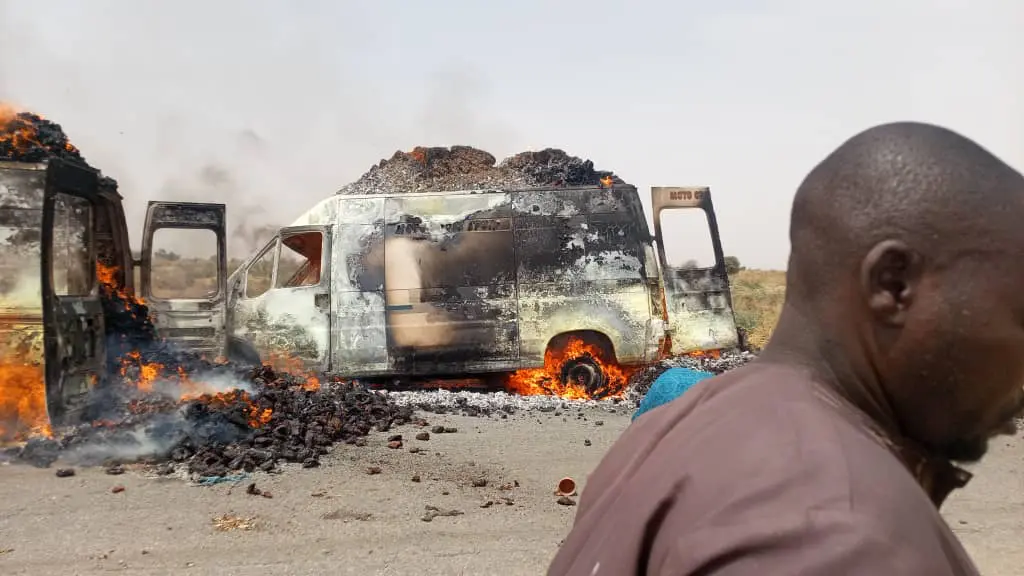
Suspected Boko Haram/ISWAP insurgents have attacked and destroyed three trucks loaded with fish in Borno State.
Daily Trust reported that the incident occurred at Mile-forty in Magumeri Local Government Area on Thursday afternoon. Sources said the drivers were heading to Maiduguri when the assailants intercepted them at about 1:00pm.
A security source confirmed that the drivers escaped unharmed, but the vehicles were completely burnt.
“Thank God that all the drivers escaped but the three vehicles: two Peugeot J5 and a school bus loaded with fish were burnt down,” the source said.
One of the affected drivers, who asked not to be identified, described the ordeal. He said they abandoned their vehicles and fled into nearby bushes when the attackers struck.
“We parked the vehicles and ran into the bush. Thank God we all made it alive but I watched helplessly as the only means of my livelihood got burnt to ashes. Tell the government to do something on that road.
“Before, they used to abduct people and demand ransom from families, but they frequently intercept vehicles these days to loot and burn them down,” he said.
The driver appealed to the federal government and security agencies to deploy more personnel along the route in order to safeguard travellers and their property.
This latest attack follows a similar pattern of assaults along the Maiduguri–Monguno axis. On February 10, 2026, insurgents reportedly stopped four trailers conveying cattle from Monguno to Maiduguri. They carted away over 100 cows and set the vehicles on fire.
Four days earlier, gunmen blocked four trucks carrying beans to Maiduguri from Monguno at Garin Kashim in Guzamala LGA. The trucks were also burnt.
Several drivers who ply the road blamed the repeated incidents on the absence of adequate security presence.
“It has become a daily occurrence now and no action has been taken. From Maiduguri, one can only find a military checkpoint at Gajaganna, Gajiram, and the new one in Mairari, then Monguno.
“Unless the government takes this seriously, livestock and grain businesses that begin to thrive in those areas would soon collapse. Because, we can no longer risk our lives and vehicles on thatk road,” he said.
The driver further urged authorities to strengthen security on the road. He cited the Gwoza axis, where soldiers have been strategically stationed to prevent attacks.
“Many truck owners have now withdrawn their vehicles from this road. These things kept happening and no action has been taken so far,“ he said.
Pantami calls for world-class media station in Northern Nigeria to ‘change narratives’
By Sabiu Abdullahi
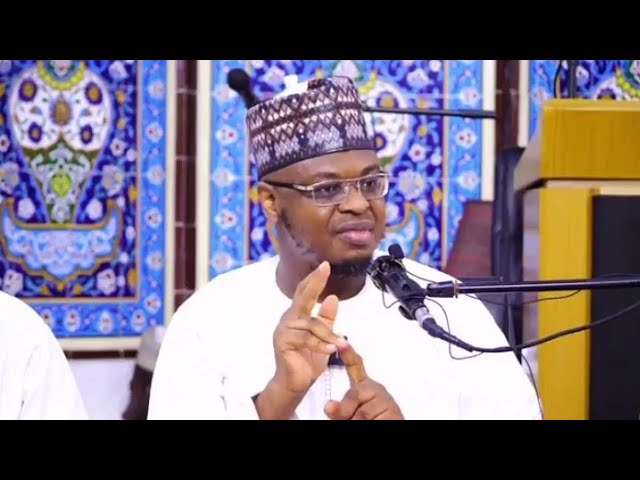
A former Minister of Communications and Digital Economy, Isa Ali Pantami, has called for the establishment of a media station of national and international standard in Northern Nigeria.
Pantami made the appeal during a Tafsir session yesterday evening.
He stressed that the proposed platform should broadcast in English, French and other major global languages. According to him, such an outlet would help correct negative narratives and stereotypes about the region and project its true image to the world.
He explained that creating strong and strategic institutions of that nature is, in certain situations, more crucial than building additional places of worship in communities where they are already adequate.
The cleric’s remarks have attracted support from many who believe the region needs a stronger voice in the global media space.
However, observers say the major obstacle lies in preparedness and commitment. They argue that the North has not yet demonstrated the level of unity and readiness required to execute a project of that scale.
Some believe it could take several decades before the necessary structure and coordination are achieved.
Analysts also note that the vision may only become reality sooner if a well-placed individual or organisation takes the initiative and provides the needed support. They maintain that while there is agreement on the importance of the idea, collective action has remained limited.